












Custom Made Nail Clipper: A Practical B2B Buying Guide for Beauty Supply Programs
A custom made nail clipper may look like a simple grooming tool, but for B2B beauty supply buyers it carries more responsibility than its size suggests. Salons need tools that feel controlled in repeated use. Retailers need products that are easy to understand at a glance. Private-label beauty brands need a design that supports their market position without creating unnecessary complexity. For these buyers, the right nail clipper is not only about sharpness; it is about consistency, grip, materials, packaging readiness, and whether the tool can be adapted through ODM development.
Olimor Beauty works with B2B buyers who are evaluating beauty tools for professional and retail channels. This article focuses on a custom made nail clipper with stainless steel construction, ergonomic handles, a two-tone blue and black design, and an adjustment mechanism with a textured dial. These features make the product especially relevant for buyers who want a more considered grooming tool than a basic commodity clipper.
Why a Custom Made Nail Clipper Matters in B2B Beauty Supplies
In a consumer setting, a nail clipper is often purchased quickly and judged only after weeks of use. In B2B supply, the evaluation starts much earlier. A distributor, salon supplier, or beauty brand has to decide whether the tool is suitable for its target users, whether the look matches the product line, and whether the design can support repeat orders.
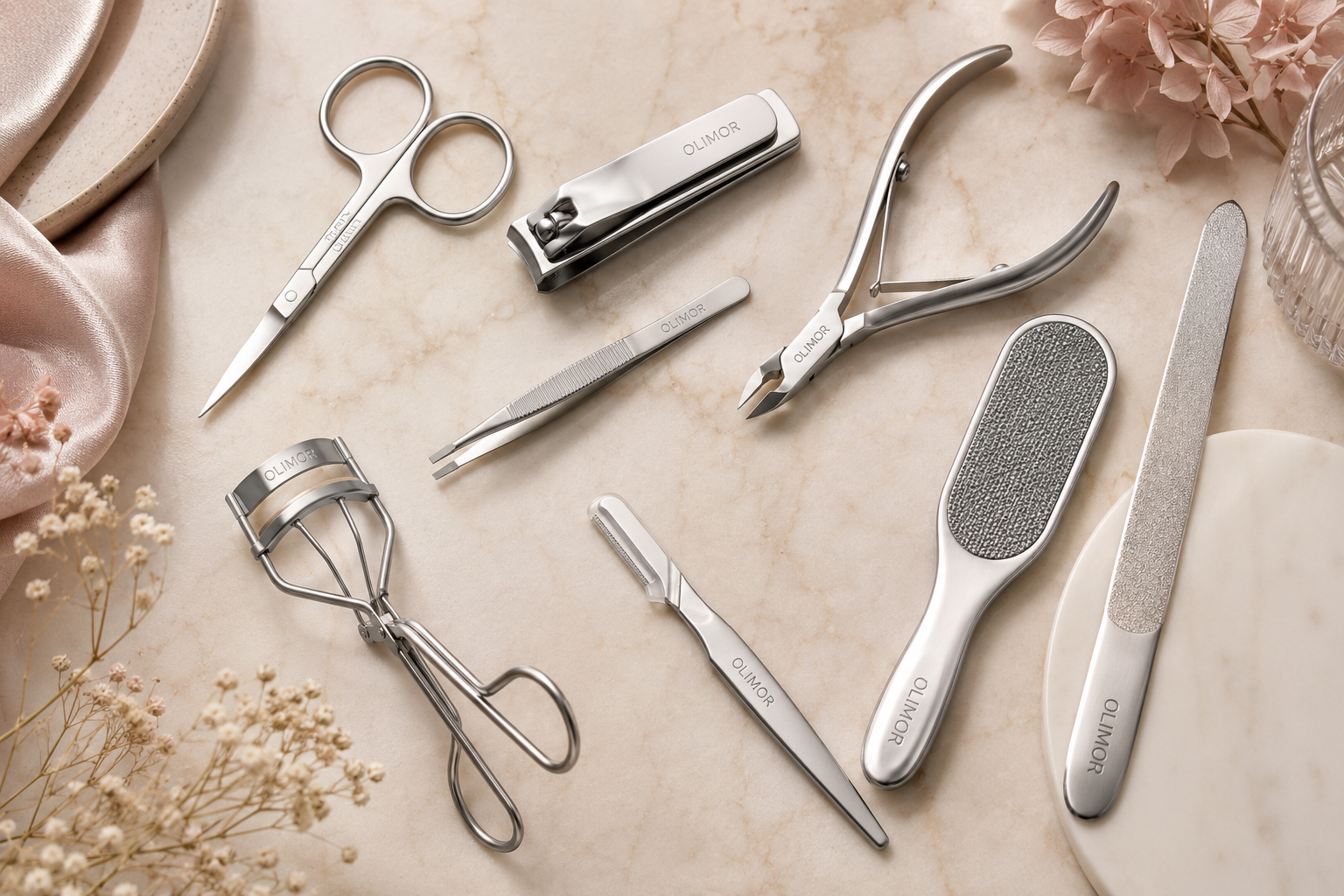
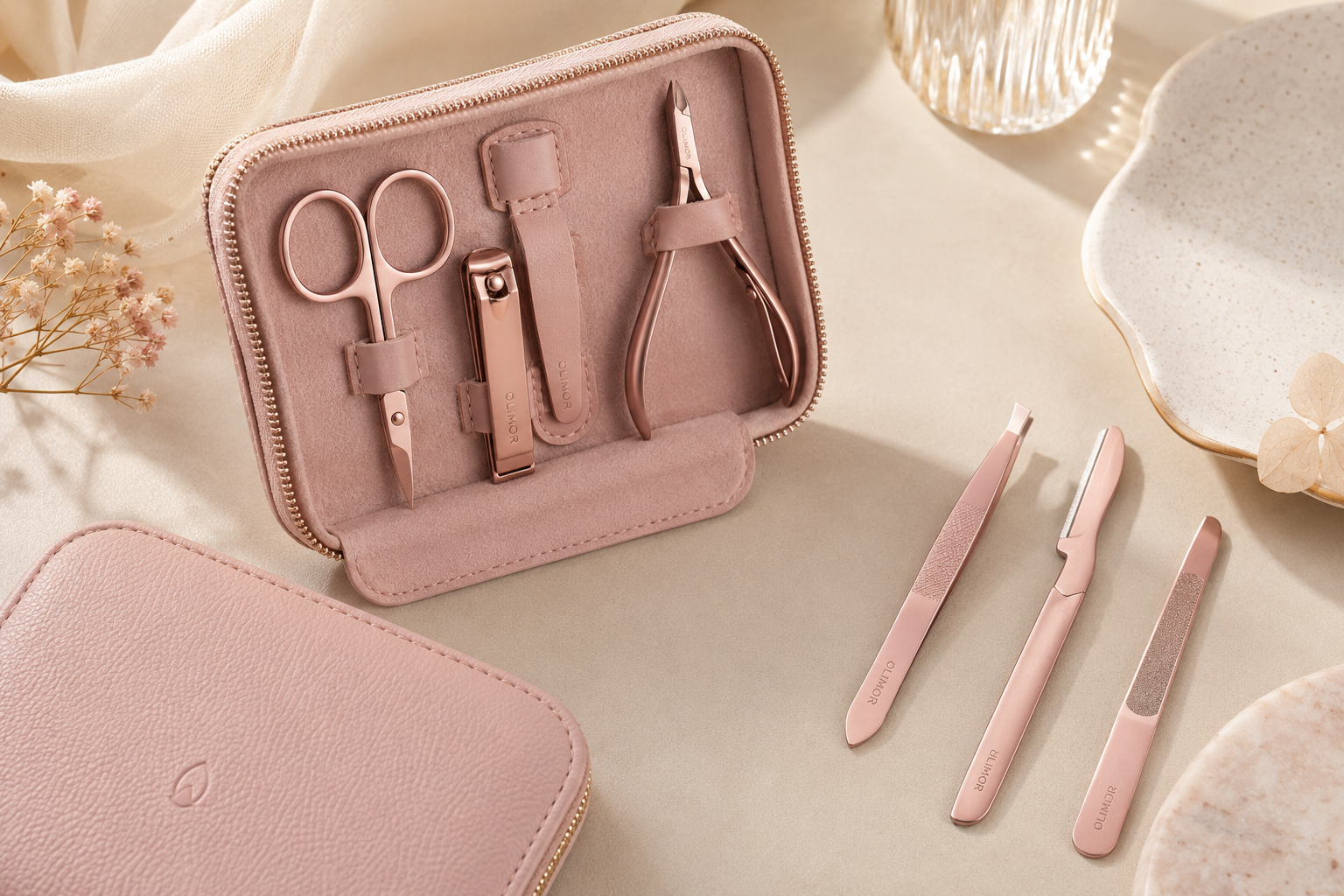
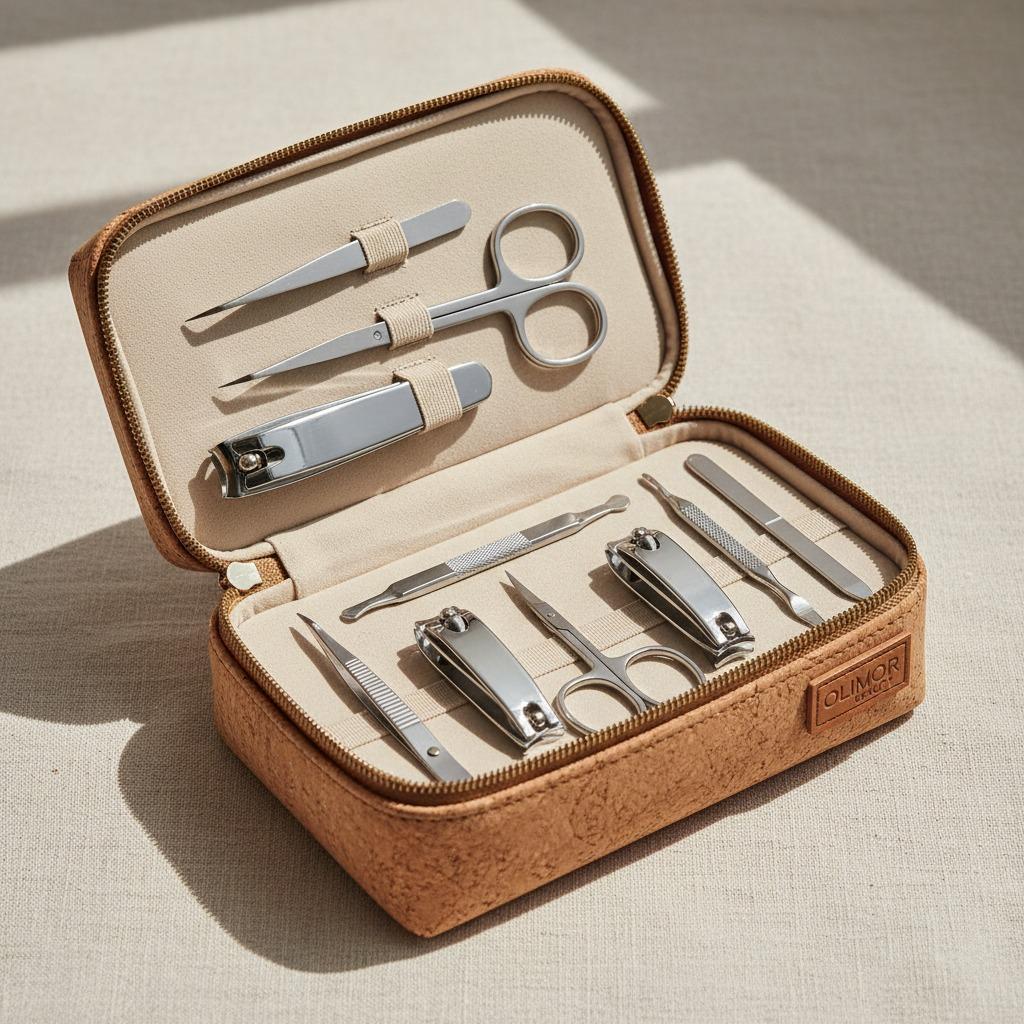
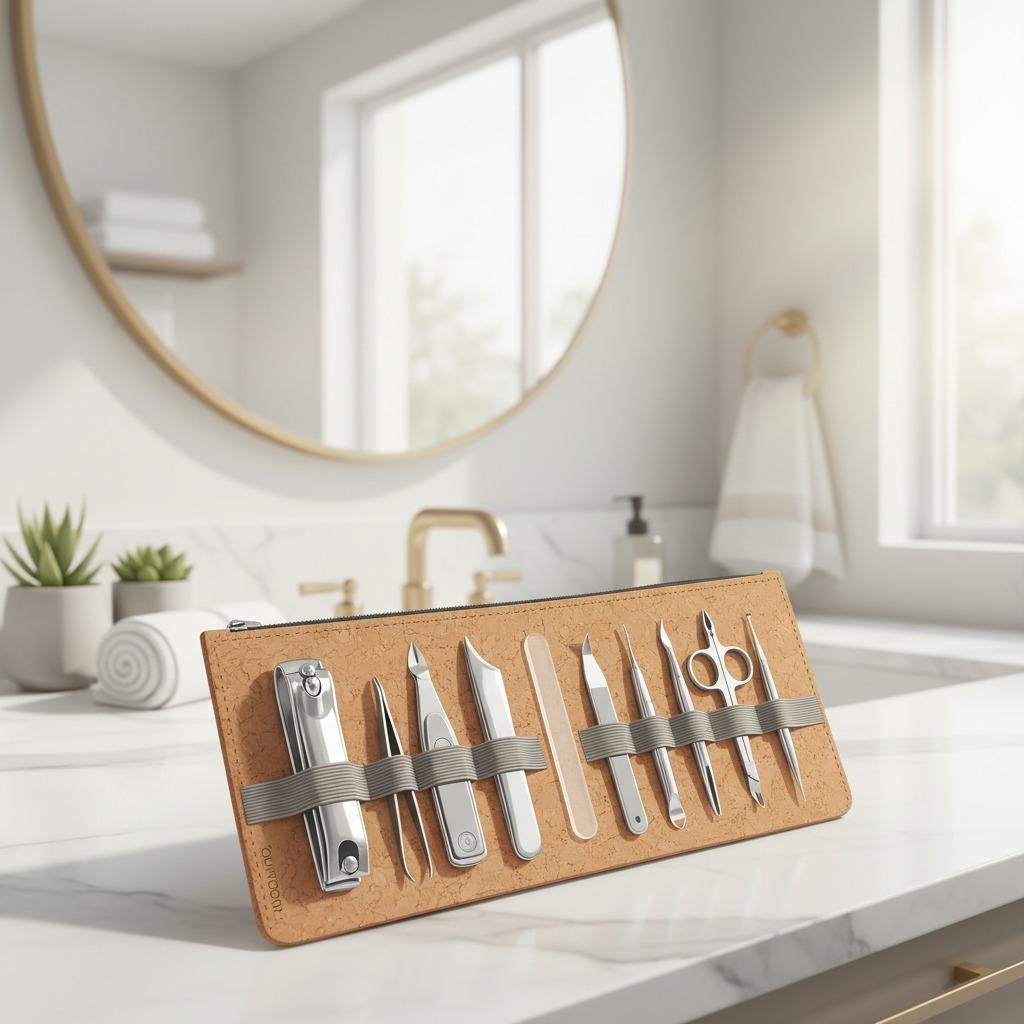
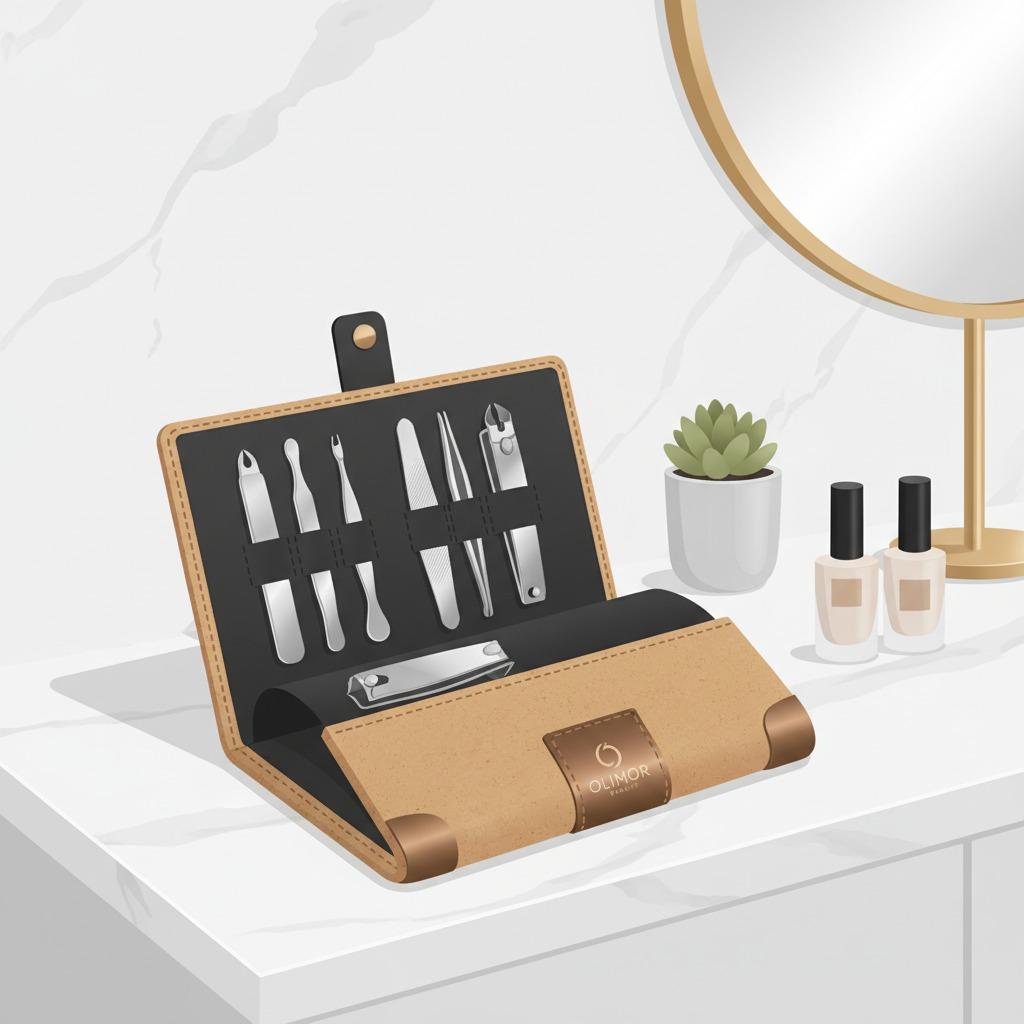
A custom made nail clipper is useful when the buyer needs more control over product positioning. For example, a salon-focused clipper may prioritize comfort, stability, and a professional appearance. A retail beauty tool may need strong shelf appeal and clear user benefits. A brand developing a grooming set may need the clipper to visually coordinate with tweezers, scissors, files, or other accessories. Customization and ODM planning help align these decisions before the product reaches the customer.
Buyers comparing beauty tool products should look beyond a single sample’s appearance. The more important question is whether the nail clipper can be produced consistently, packed appropriately, and explained clearly to the end user.
Key Product Features to Evaluate
The nail clipper described here combines several practical features: stainless steel construction, ergonomic handles, a two-tone blue and black design, and an adjustable clipping mechanism with a textured dial. Each detail affects user perception and purchasing value in a different way.
- Stainless steel construction: Stainless steel is valued in beauty tools because it supports durability and a clean, professional feel. For B2B buyers, the key is to evaluate the finish, edge alignment, and resistance to visible wear during normal handling.
- Ergonomic handle shape: A comfortable handle matters when the tool is used repeatedly in salons or by consumers who want better control. The grip should feel stable without forcing the user’s fingers into an awkward position.
- Non-slip handling: A secure grip reduces the chance of slipping during clipping. This is especially important when the tool is used after hand washing, during manicures, or in professional service environments.
- Two-tone blue and black design: The color treatment gives the clipper a more distinctive appearance than a plain metal tool. For retail or private-label programs, this can help separate the product from low-cost, generic options.
- Textured adjustment dial: The adjustment mechanism allows the user to customize the clipping experience. Buyers should confirm that the dial feels deliberate, not loose, and that its function is easy for customers to understand.
These features are most valuable when they work together. A strong material without a comfortable grip may still feel difficult to use. An attractive color design without reliable cutting performance will not support repeat business. For B2B sourcing, the best approach is to test the full user experience instead of judging individual features in isolation.
Selection Criteria for Salons, Wholesalers, and Private-Label Brands
Different B2B buyers may choose the same custom made nail clipper for different reasons. A salon supplier may focus on service reliability. A wholesaler may want a product that appeals to multiple resale channels. A private-label brand may care most about design coherence and packaging fit. The following checklist can help buyers compare samples in a structured way.
| Buyer concern | What to check | Why it matters |
|---|---|---|
| Cutting control | Blade alignment, cutting feel, and pressure needed | Helps users achieve a clean cut without excessive force |
| Hand comfort | Handle shape, grip surface, and stability during use | Supports repeated salon use and improves customer satisfaction |
| Visual positioning | Two-tone blue and black appearance, finish consistency, and branding space | Helps the tool fit retail, professional, or private-label product lines |
| Adjustment feature | Textured dial feel, ease of use, and clarity of function | Adds a practical point of difference when explained properly |
| Packaging readiness | Product protection, display needs, and instruction requirements | Reduces damage risk and improves end-user understanding |
This kind of comparison is especially useful when buyers are reviewing multiple tool concepts for product collections. A clipper that performs well alone should also make sense beside related beauty tools in a coordinated assortment.
ODM Planning: What to Decide Before Production
Nail clipper ODM development should start with the buyer’s target channel. A professional salon channel may need a more understated and durable presentation, while retail gifting or personal care kits may require stronger visual differentiation. Before confirming a direction, buyers should define the end user, price position, packaging format, and expected product story.
For this custom made nail clipper, the two-tone blue and black handle design already gives the product a distinctive look. The adjustment mechanism with textured dial can also become a key selling point if the packaging or product description explains it clearly. However, additional customization should be chosen carefully. Too many cosmetic changes can complicate approval and production without improving the customer experience.
Useful ODM decisions may include finish direction, handle color planning, packaging structure, logo placement, instruction copy, and assortment strategy. Buyers should also consider how the product will be photographed for e-commerce pages or catalogs. A feature such as the textured dial needs close-up visibility; otherwise, customers may not understand why this clipper is different from a standard item.
For a new program, it is often practical to prepare a short product brief before requesting samples. The brief can describe the target market, intended channel, preferred appearance, functional priorities, and packaging expectations. This helps the supplier respond with more relevant options and reduces back-and-forth during development.
Quality Checks That Matter for Nail Clippers
Quality assurance for a custom made nail clipper should cover more than final appearance. Because the tool is small, minor inconsistencies can strongly affect the user experience. A clipper that looks polished but feels unstable, stiff, or misaligned may create returns or complaints.
- Check cutting edge alignment. The edges should meet cleanly and evenly. Misalignment can cause uneven clipping or discomfort.
- Test opening and closing motion. The mechanism should move smoothly without feeling loose or harsh.
- Evaluate grip under realistic conditions. Hold the clipper as a user would during a manicure, not only in a display position.
- Inspect the adjustment dial. The textured dial should be easy to touch and adjust, with a stable feel.
- Review finish consistency. The blue and black surfaces should appear even across samples, especially if the product will be sold as part of a premium set.
- Confirm packaging protection. The tool should not rub, scratch, or shift excessively during normal handling and shipping preparation.
These checks help buyers separate a promising design from a reliable supply item. They are also useful when building an inspection standard for repeat orders.
Positioning the Product for Retail and Professional Use
A custom made nail clipper can be positioned in several ways depending on the sales channel. For salon supply, the focus should be precision, grip, and comfort. For retail beauty, the product description should explain the stainless steel construction, ergonomic handle, and adjustable textured dial in simple language. For private-label sets, the design should support a coherent visual identity across multiple tools.
Clear product communication is important. Avoid overloading the customer with technical claims that are not easy to verify. Instead, highlight observable benefits: the stainless steel body, the stable non-slip handle, the distinctive blue and black styling, and the dial-based adjustment feature. If the clipper is sold online, product photos should show the side profile, handle shape, cutting edge, and dial detail.
Buyers planning a branded beauty tool program can send an inquiry with their intended channel and customization direction. For broader sourcing questions, they can also contact Olimor to discuss suitable beauty tool options.
Maintenance Guidance for End Users
Even a well-made nail clipper performs better when users care for it properly. B2B buyers should consider adding simple maintenance guidance to packaging inserts, product pages, or salon training materials. The instructions do not need to be complicated. Users should wipe the tool after use, keep it dry before storage, avoid dropping it on hard surfaces, and store it where the cutting edges are protected.
For salons, cleaning routines should align with the salon’s hygiene practices and local requirements. For retail consumers, the message should be practical: a clean, dry clipper is easier to use and keeps its appearance longer. Good maintenance advice also reduces avoidable complaints caused by misuse or poor storage.
Building a Better B2B Nail Clipper Program
A custom made nail clipper is a small product with a large influence on customer trust. When the tool cuts cleanly, feels secure in the hand, and looks appropriate for the brand, it can support both professional use and retail repeat purchase. The stainless steel construction, ergonomic non-slip handle, two-tone blue and black design, and textured adjustment dial give this Olimor Beauty nail clipper a strong foundation for B2B beauty supply programs.
The strongest sourcing decisions come from structured evaluation: test the grip, inspect the finish, understand the adjustment mechanism, define the target channel, and prepare clear packaging communication. With the right planning, a custom made nail clipper can become more than a basic accessory; it can be a dependable part of a salon range, grooming kit, or private-label beauty tool assortment.