Custom Made Nail Clippers for Beauty and Grooming Brands
A custom made nail clipper may look like a simple grooming tool, but for a beauty brand, hotel amenity buyer, salon distributor or promotional product company, it carries more responsibility than its size suggests. A clipper must cut cleanly, feel secure in the hand, resist corrosion, fit the intended retail price point and present the brand clearly on the shelf or in a grooming kit. When the product is poorly chosen, the problem is obvious immediately: crushed nails, rough edges, weak leverage, loose parts or packaging that does not match the brand promise.
Olimor Beauty works in the beauty-tools category with a focus on practical grooming products, including stainless steel nail clippers designed for everyday personal care, travel kits and bulk supply programs. This guide explains how to evaluate custom made nail clippers before ordering, what design decisions matter most, and how to prepare a clear sourcing brief that helps reduce misunderstandings during development.
What Makes a Nail Clipper Worth Customizing?
Customization should not begin with a logo. It should begin with use. A nail clipper for a compact travel set has different priorities from a clipper intended for a premium manicure kit or a large retail multipack. The ideal design depends on the nail type, user group, packaging format and expected price position.
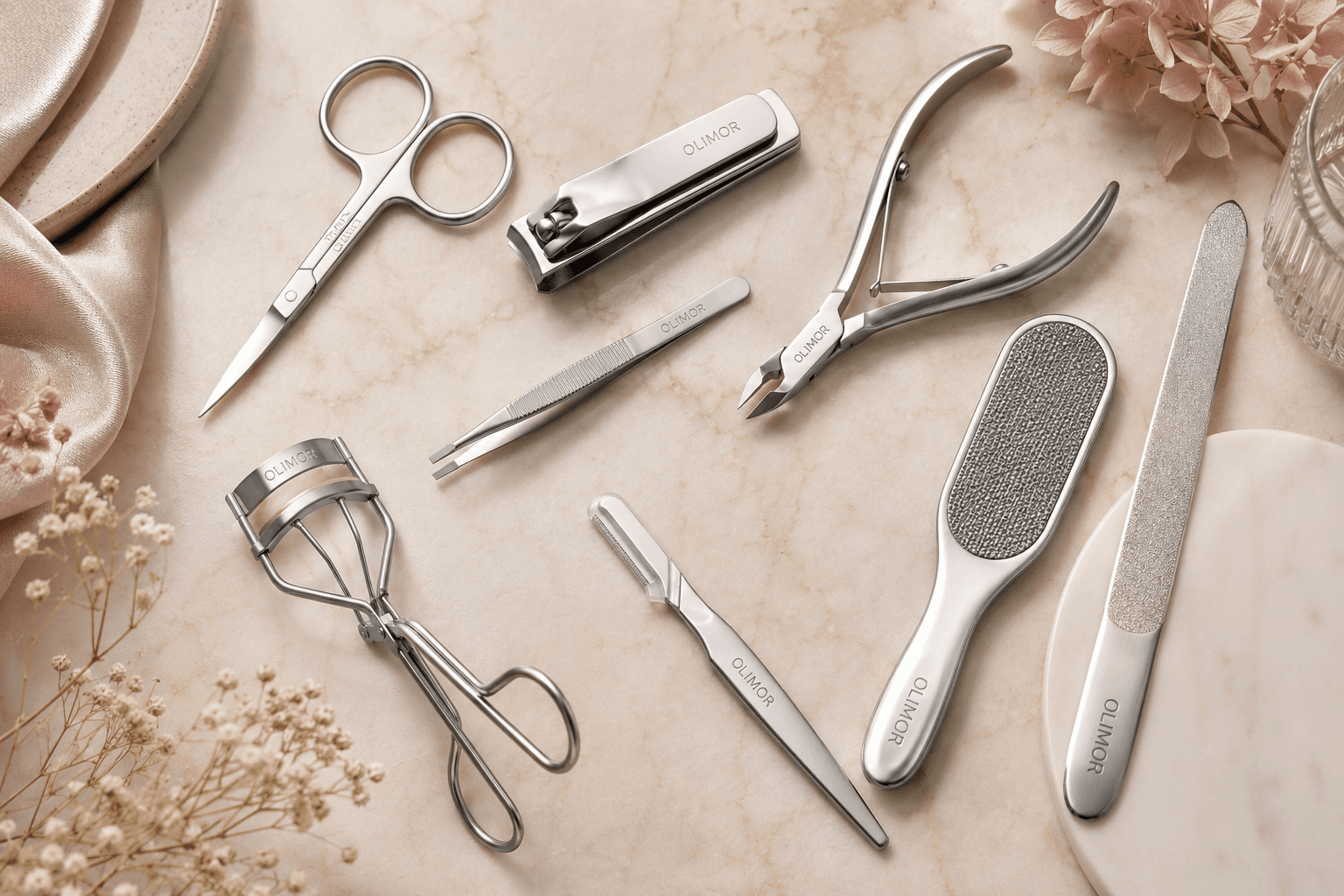
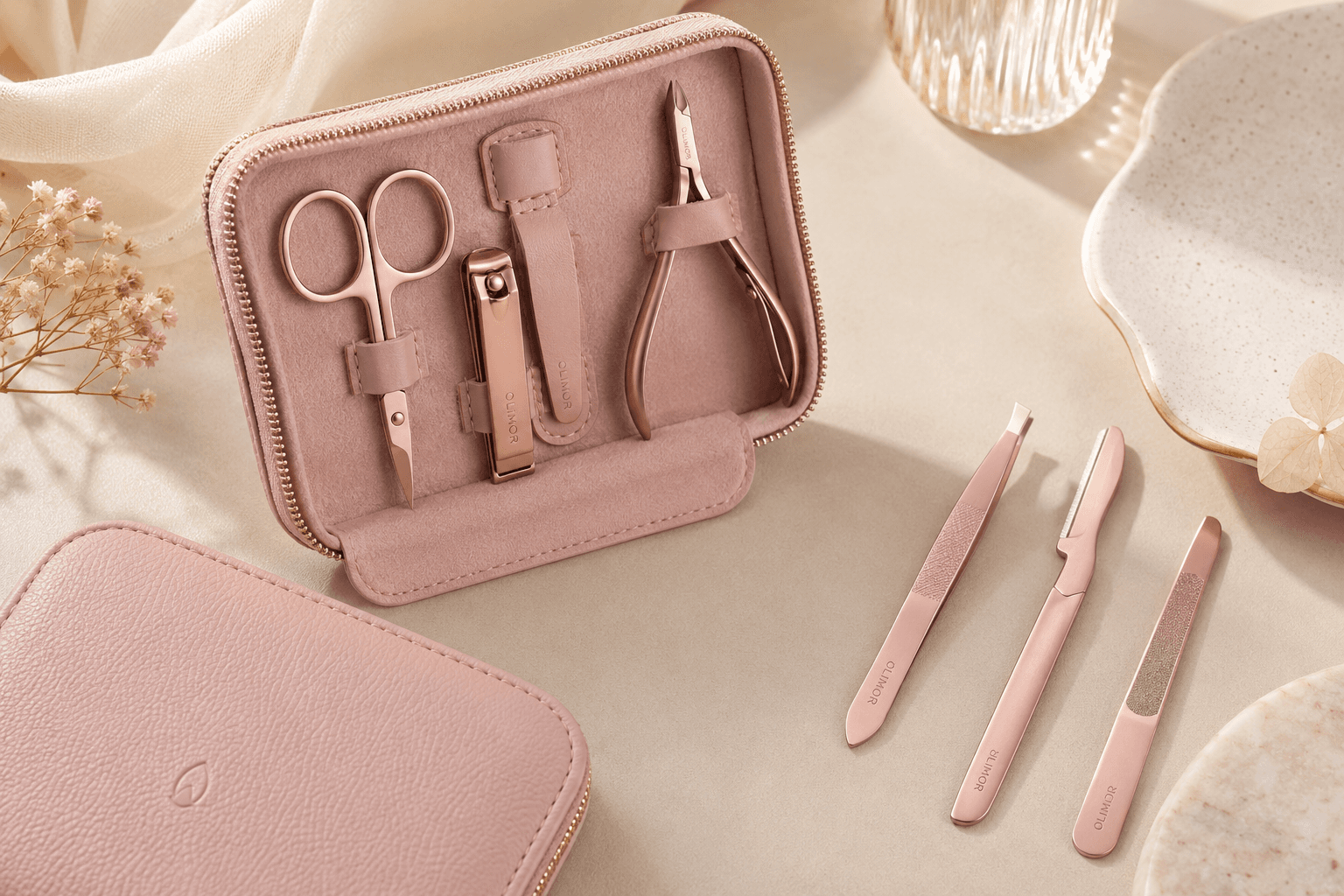
For most buyers, the core value of a custom made nail clipper is control. You can define the size, finish, handle style, packaging presentation and brand application so the tool fits the rest of your product range. Customization is also useful when you need consistent supply for a private label grooming line, where the clipper should match other items such as tweezers, scissors, nail files or cosmetic accessories. If you are building a wider assortment, you can review related beauty tool products to plan a more coherent set rather than sourcing each item separately.
A well-developed clipper should feel stable when opened, provide enough leverage without excessive pressure, and leave a cut edge that requires minimal finishing. Built-in nail files, when included, add convenience for smoothing small rough points after trimming. The file should be positioned so it is accessible but does not interfere with the grip or pocket portability of the tool.
Key Design Choices for Custom Made Nail Clippers
Before discussing decoration or packaging, buyers should confirm the functional structure of the clipper. Small changes can alter performance, comfort and perceived quality.
- Clipper size: Smaller clippers are useful for travel kits, children’s grooming supervision and compact retail sets. Larger clippers provide more leverage and may be preferred for toenails or thicker nails.
- Jaw shape: Curved cutting edges follow the natural nail line, while straighter jaws can be useful when users want more controlled shaping. The intended use should guide the selection.
- Handle leverage: The lever should press smoothly and return reliably. A handle that is too thin, too short or unstable can make the tool feel weak even if the cutting edge is acceptable.
- Surface finish: A sleek stainless steel finish gives a clean grooming-tool appearance. Other finishes may be considered depending on the project, but they should not compromise grip or corrosion resistance.
- Integrated nail file: The original Olimor Beauty nail clipper concept includes a built-in nail file for quick smoothing. Buyers should check file texture, placement and comfort during handling.
- Portability: Compact construction matters for handbags, toiletry bags, hotel sets and promotional kits. The clipper should close securely and avoid sharp exposed points.
Ergonomic design is especially important because a nail clipper is a pressure tool. The user applies force through a small lever, so the handle must not slip easily or pinch the skin. For older users or customers with reduced hand strength, a secure grip and smooth action are more important than decorative details.
Material and Cutting Performance Considerations
Stainless steel is widely used for nail clippers because it offers a practical balance of strength, cleanliness and resistance to everyday moisture exposure. The supplied product information for Olimor Beauty emphasizes stainless steel construction, durability and a clean finish. When comparing options, buyers should focus on how the material performs in the final assembled tool rather than relying on appearance alone.
Cutting performance depends on alignment, edge preparation and the stability of the pivot area. A clipper can look polished but still perform poorly if the two cutting edges do not meet evenly. During sample evaluation, trim different nail thicknesses and check whether the clipper cuts cleanly across the full width of the jaw. A good clipper should not tear, bend or crush the nail before cutting.
It is also helpful to inspect the cut edge of the nail after trimming. A slightly rough edge may be acceptable when a file is built in, but heavy splintering suggests poor edge geometry or weak alignment. If the clipper is intended for a premium grooming set, the cutting feel should be noticeably smooth and controlled.
Private Label and Packaging Decisions
For brands and wholesale buyers, packaging is part of the product experience. A nail clipper may be sold alone, packed in a blister card, placed in a pouch, added to a manicure set or included in a hotel amenity kit. Each format changes the design requirements.
Retail packaging should protect the cutting edges, display the tool clearly and communicate the essential product information. For online sales, packaging must also withstand handling during fulfillment. For salon or distributor channels, bulk inner packaging may matter more than shelf display, especially when the clippers are sold as part of service supplies or kits.
Brand application should be planned early. Logo placement must remain visible without making the tool uncomfortable to hold. A large mark on a small clipper can look crowded, while a mark placed on a high-contact area may wear more quickly depending on the decoration method. Buyers should prepare logo files, color references, packaging text and compliance statements before sampling so the product can be reviewed as a complete commercial item.
Quality Control Points Before Bulk Ordering
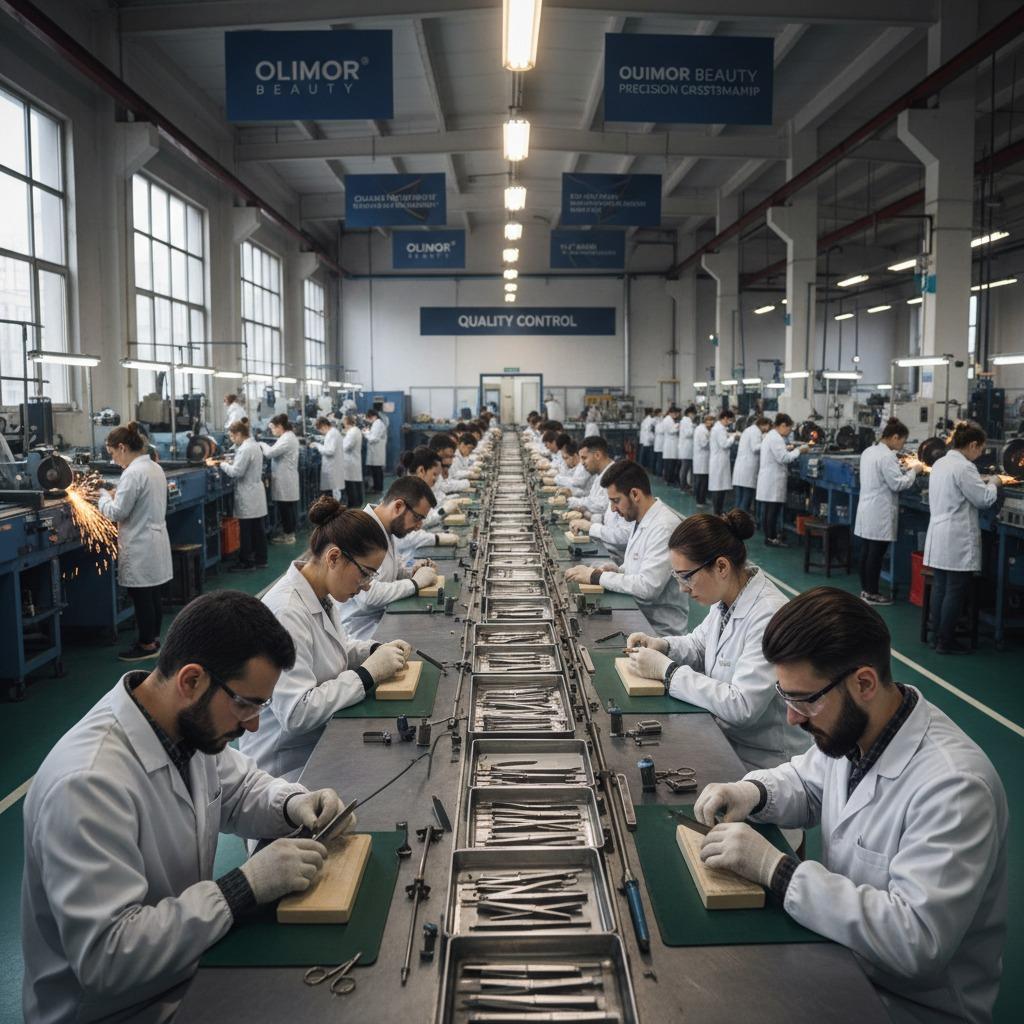
Consistent quality matters more than a single attractive sample. A reliable nail clipper supplier should be able to discuss inspection points across raw materials, assembly and final packaging. Olimor Beauty’s original product information highlights quality control from raw materials to final packaging, which is the right direction for buyers planning repeat orders.
The following checklist can help teams compare samples and pre-shipment results:
| Inspection Area | What to Check | Why It Matters |
|---|---|---|
| Cutting edge | Even contact, clean trim, no visible chips | Determines the main user experience |
| Lever action | Smooth press, stable return, no looseness | Affects comfort and perceived durability |
| Surface finish | Clean appearance, no sharp burrs, no staining | Supports safety, hygiene and retail appeal |
| Built-in file | Usable texture and secure placement | Adds practical value after trimming |
| Packaging | Correct logo, barcode area, instructions and protection | Reduces retail and fulfillment problems |
| Assortment consistency | Matching finish and dimensions within the batch | Important for private label and kit assembly |
Sample approval should include both appearance and function. If possible, keep a signed or clearly documented approval sample for comparison with future production. This helps align expectations when the same item is reordered months later or when packaging is updated.
Choosing a Nail Clipper Supplier in China
China remains a major sourcing location for grooming tools, including nail clippers, because buyers can often coordinate metal tools, packaging and related beauty accessories within one supply chain. However, choosing a supplier should be based on communication clarity, product understanding and quality discipline rather than broad claims.
A good sourcing conversation should cover the intended user, retail channel, packaging format, target finish, logo method and inspection expectations. Buyers should share whether the clipper will be sold individually, included in a manicure set or paired with other items from product collections. This context helps the supplier recommend a practical structure instead of only quoting the lowest-cost option.
When reviewing a potential supplier, consider these questions:
- Can the supplier explain the differences between available clipper sizes and jaw shapes?
- Are samples evaluated for actual cutting performance, not only appearance?
- Can packaging be developed to match the sales channel?
- Is there a clear process for confirming logo placement, artwork and final samples?
- Are inspection points defined before production rather than after a problem appears?
These questions do not require the buyer to know every manufacturing detail. They simply create a practical framework for selecting a supplier who understands both grooming function and brand presentation.
How to Prepare a Clear Custom Nail Clipper Brief
The most efficient custom projects usually start with a concise brief. Include the product purpose, buyer type, estimated order structure, packaging idea and quality priorities. If you already have a reference clipper, describe what you like and dislike about it. If you are replacing an existing supplier, note the defects or complaints you want to avoid, such as dull cutting, loose levers, inconsistent finishing or weak packaging.
For a new private label line, it is also useful to define the position of the clipper within the range. Is it an entry-level everyday tool, a travel accessory, a salon retail item or part of a premium manicure kit? This decision affects size, finish, packaging and how much attention should be given to decorative details.
Buyers ready to discuss a project can send an inquiry with artwork, packaging requirements and sample expectations. For general sourcing questions or help narrowing the product direction, you can also contact Olimor.
Final Thoughts for Grooming Tool Buyers
A custom made nail clipper succeeds when it combines clean cutting performance, comfortable handling, durable stainless steel construction and packaging that fits the sales channel. The most common sourcing mistakes come from treating the clipper as a low-detail commodity or focusing only on logo decoration. In practice, the user judges the product the first time it trims a nail.
For beauty brands, distributors and kit assemblers, the best approach is to define the use case first, then confirm structure, cutting feel, file design, finish, packaging and inspection criteria. With a clear brief and careful sample review, a custom nail clipper can become a dependable part of a grooming product line rather than a disposable accessory.
Tag: