












Custom Made Nail Clippers for B2B Beauty Brands
A custom made nail clipper may look like a small item in a beauty tool range, but it carries a large part of the customer experience. The cut should feel controlled, the lever should move smoothly, the edges should align correctly, and the finish should still look clean after repeated use. For beauty brands, salon suppliers, retailers and distributors, the goal is not simply to buy a generic clipper. The goal is to develop a grooming tool that fits the intended user, price position, packaging concept and sales channel.
Olimor Beauty works with beauty tools for professional and retail markets, including custom grooming tools and nail clipper ODM projects. When planning a custom made nail clipper, buyers should evaluate more than appearance. Material selection, blade geometry, grip comfort, finishing, inspection standards and packaging all affect how the product performs once it reaches the customer. This guide explains the key decisions to consider before developing a nail clipper for your brand or product line.
Why Custom Nail Clippers Matter in Beauty Tool Programs
Nail clippers are often purchased as part of a basic grooming kit, a travel set, a salon retail display or a personal care collection. Because they are familiar products, customers quickly notice poor performance. A clipper that slips in the hand, leaves rough edges or feels weak can reduce trust in the entire product range. A well-designed clipper, on the other hand, can support repeat purchases and strengthen the value of a larger beauty tool program.
Customization is useful when the product needs to match a brand’s market position. A minimalist retail brand may prefer a clean finish and simple packaging. A salon supplier may prioritize durability, blade consistency and easy sanitation. A promotional or gift program may focus on a compact design, attractive color accents and coordinated packaging. The right custom made nail clipper should be planned around the customer’s real use case, not only a visual concept.
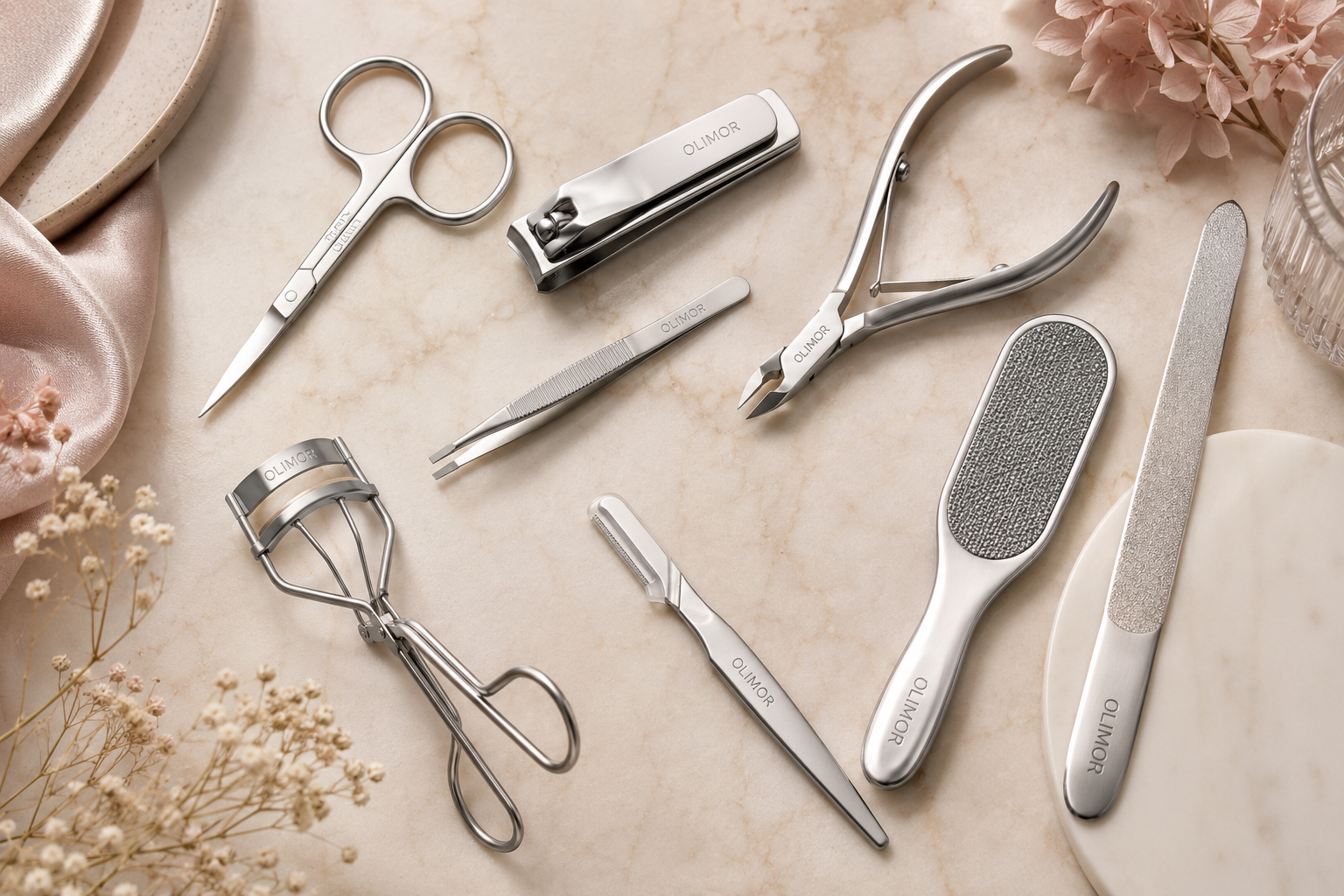
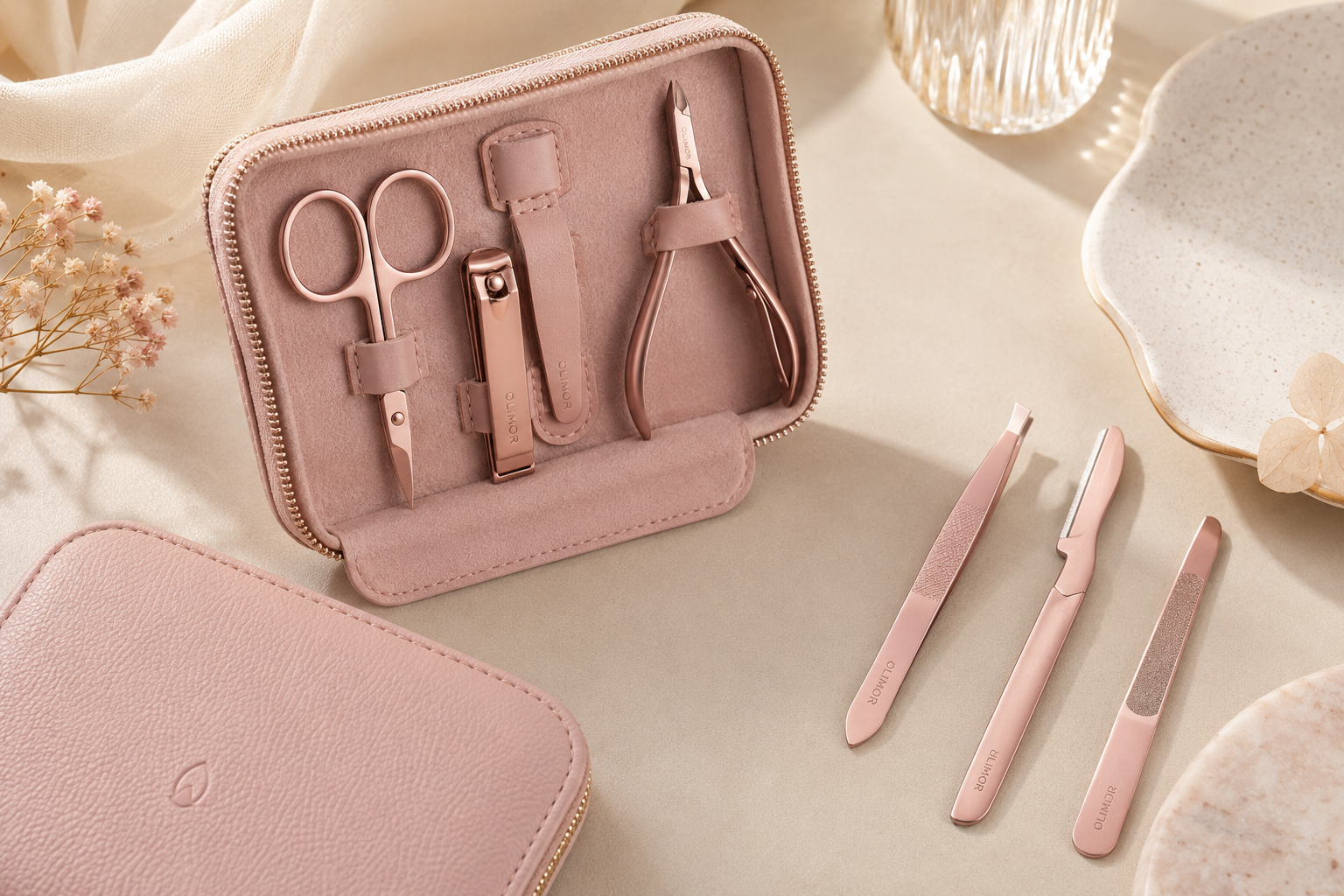
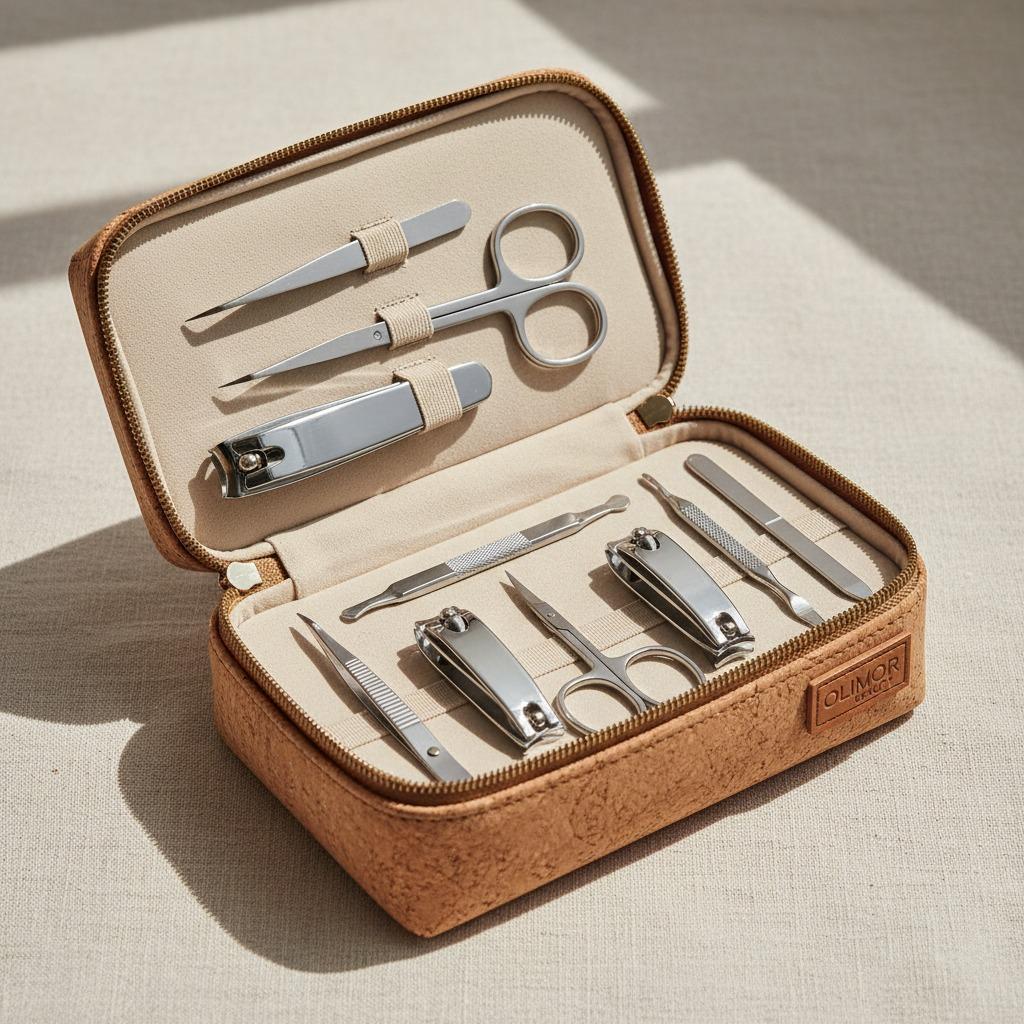
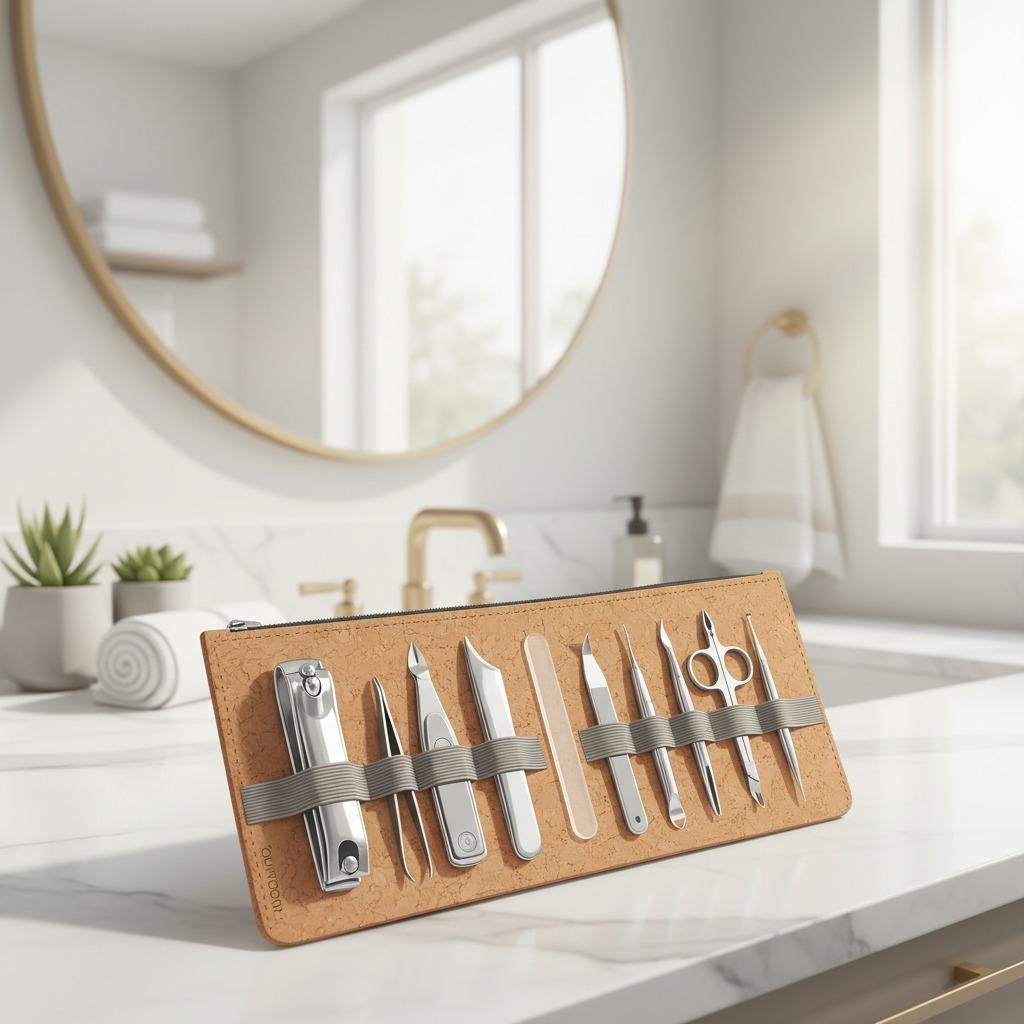
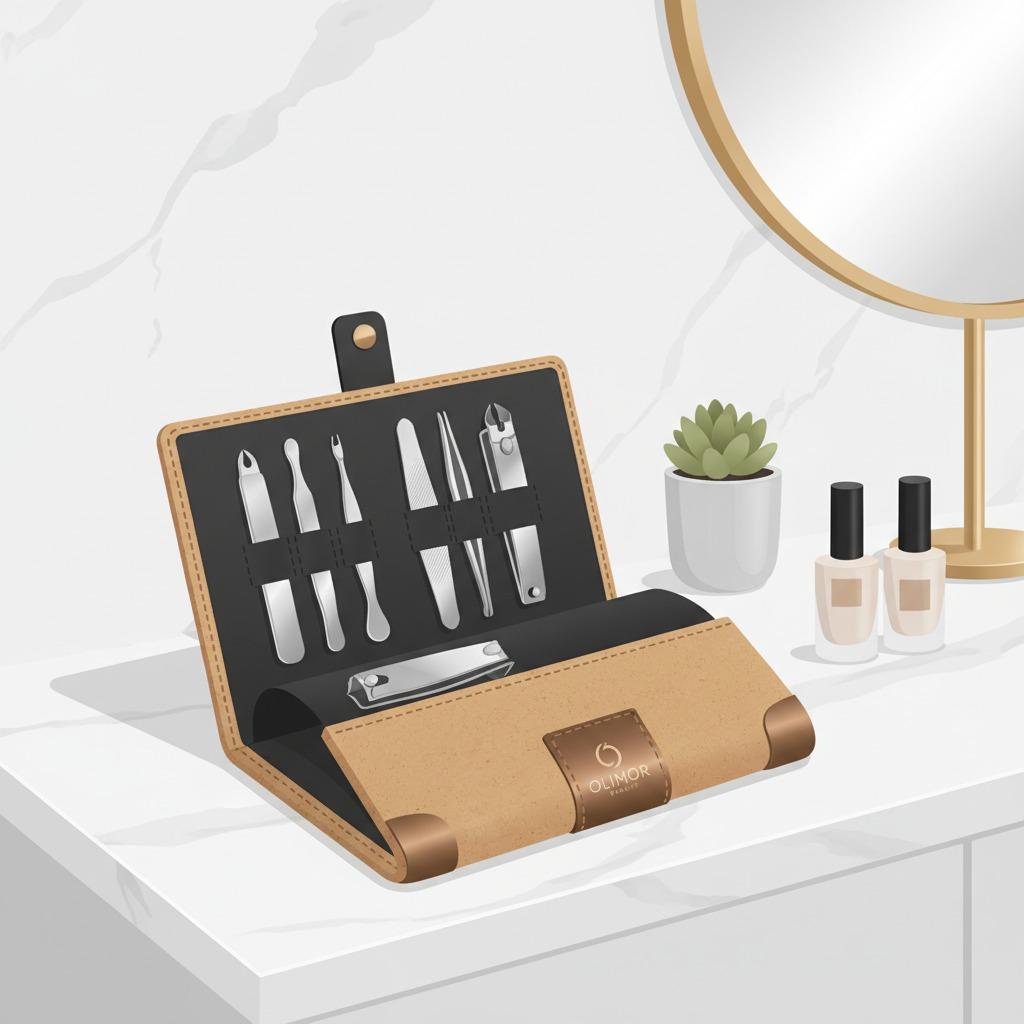
If you are comparing nail clippers with other beauty tool products, consider how the item will sit within the complete range. Will it be sold alone, included in a kit, or paired with files, tweezers, cuticle tools or scissors? This context affects size, finish, packaging space and the level of customization that is worth investing in.
Key Design Choices for a Custom Made Nail Clipper
The design of a nail clipper is a balance between cutting performance, comfort, manufacturability and brand presentation. Even small changes can influence how the product feels in the hand. Before starting an ODM discussion, it helps to define the design priorities clearly.
- Clipper size: Smaller clippers are convenient for travel and retail kits, while larger clippers may feel stronger for toenail use. The intended use should guide the size decision.
- Blade shape: A curved blade is common for fingernails, while a straighter edge may be preferred for toenails. The product description and packaging should align with the blade type.
- Lever feel: The lever should be easy to press without feeling loose. Buyers should review samples for smooth movement, stable riveting and consistent spring action.
- Grip and ergonomics: Surface texture, handle width and lever length all influence control. A clipper intended for salon retail may need to feel comfortable across many hand sizes.
- Finish and color: Polished, brushed, matte or colored details can support brand identity, but the finish should be evaluated for durability and clean appearance after handling.
- Packaging fit: The clipper’s thickness, lever profile and accessory components should be planned together with the packaging format to avoid movement or damage in transit.
The original concept may include details such as modern color accents or a sleek handle shape, but those choices should be tested against function. A product that looks distinctive but cuts poorly will not support long-term customer satisfaction.
ODM Planning: From Concept to Production-Ready Tool
Nail clipper ODM services allow a brand to develop a product without building a full manufacturing operation. However, ODM success depends on clear specifications and careful sample review. A practical project usually begins with the target market, preferred product positioning and the functional requirements of the clipper.
- Define the user: Identify whether the clipper is for personal grooming, salon resale, travel kits, gift sets or distributor assortments.
- Set the product role: Decide whether it is a budget item, a mid-range branded tool, a premium accessory or part of a coordinated grooming set.
- Confirm the core structure: Review size, blade style, lever design, surface treatment and any color or branding area.
- Review samples carefully: Check cutting feel, alignment, finish consistency, hand comfort and packaging fit before moving ahead.
- Prepare inspection points: Define what should be checked during production, such as blade alignment, visible defects, lever operation and packaging condition.
For buyers comparing product collections, ODM planning also helps avoid duplication. A brand may need one compact fingernail clipper, one stronger toenail clipper and one travel set version rather than several similar items that confuse customers. Clear range planning makes the product line easier to sell and easier to manage.
Quality Checks Buyers Should Not Overlook
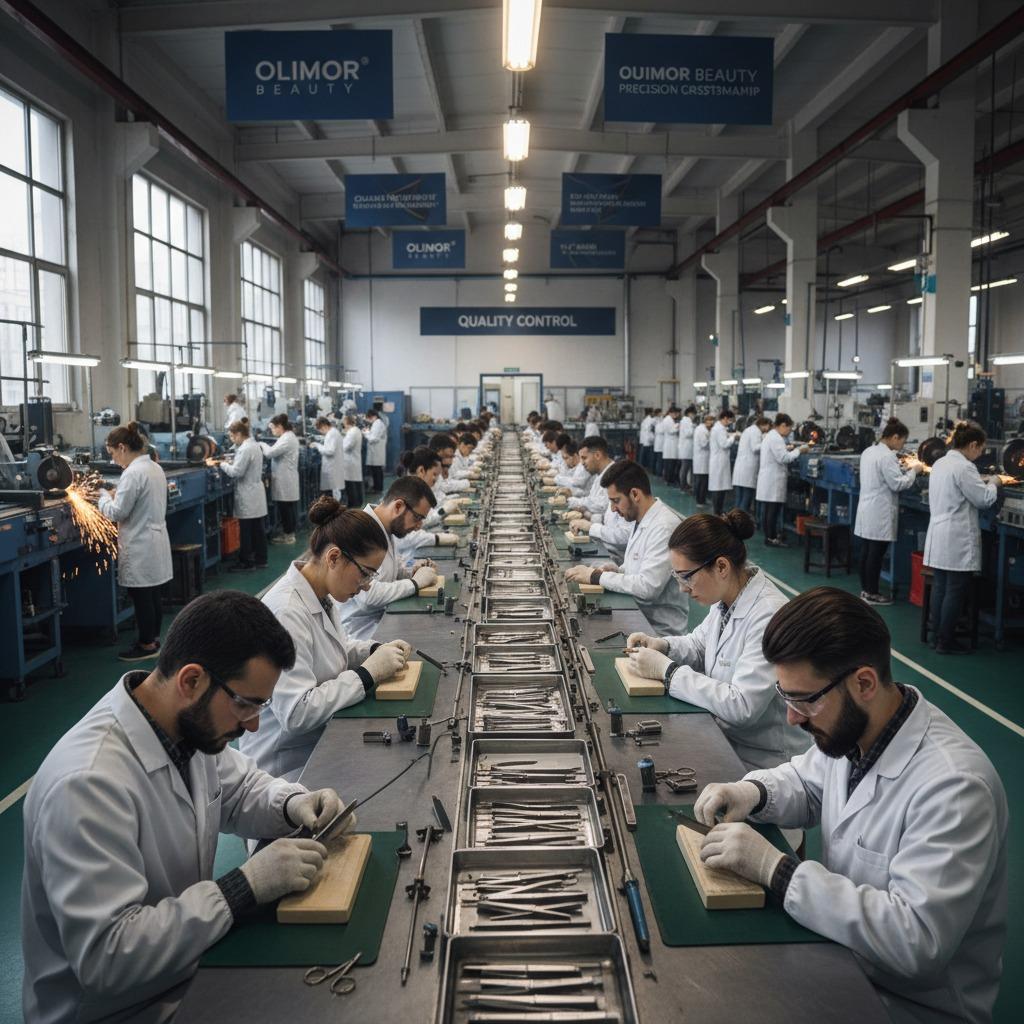
Because a nail clipper is a cutting tool, quality checks should focus on performance as well as appearance. A shiny finish cannot compensate for misaligned blades or rough cutting. Buyers should build a checklist that can be used during sample review and later for production inspection.
| Check area | What to review | Why it matters |
|---|---|---|
| Blade alignment | Edges meet evenly without visible gaps or offset | Supports clean, controlled cutting |
| Cutting action | Lever presses smoothly and returns reliably | Improves comfort and user confidence |
| Surface finish | No sharp burrs, stains, uneven coating or rough edges | Affects safety, appearance and perceived value |
| Rivet and hinge area | Stable connection without excessive looseness | Helps maintain consistent operation over use |
| Packaging | Clipper is protected and correctly positioned | Reduces transit damage and supports retail display |
Inspection standards should be realistic and linked to the product’s market position. A salon-oriented product may need tighter checks for cutting consistency and handling comfort. A gift set may require closer attention to cosmetic finish and packaging presentation. In every case, the criteria should be defined before production rather than after goods are completed.
Material, Finish and Maintenance Considerations
The original product information highlights stainless steel construction and a focus on durability. For beauty tools, stainless steel is commonly valued because it can provide a clean appearance and practical resistance to everyday wear. Even so, buyers should evaluate the material and finish in relation to the sales environment. A product used in a humid bathroom, a salon station or a travel pouch may face different handling conditions.
Finishing options can change the perception of the product. A polished surface may look bright in retail packaging, while a brushed effect can reduce visible fingerprints. Colored details can help the clipper coordinate with a brand palette, but they should be reviewed for adhesion, edge coverage and consistency. If the product will be sold in sets, finish matching across tools becomes especially important.
Maintenance information can also improve the customer experience. Simple instructions on packaging or inserts can reduce misuse and returns. Practical care guidance may include wiping the tool dry after use, storing it away from prolonged moisture, keeping the cutting edge free of nail debris and avoiding use on materials other than nails. These points are simple, but they help customers understand how to keep the tool performing properly.
How to Source Nail Clippers for Retail, Salon and Distributor Channels
Different channels require different sourcing priorities. A retailer may care about packaging dimensions, barcode placement, display appeal and margin structure. A salon supplier may focus on reliable performance, hygiene-friendly surfaces and repeat reorder consistency. A distributor may need clear product segmentation, stable specifications and packaging that travels well through multiple handling points.
Before sending an ODM brief, prepare a concise sourcing document. Include target users, intended channel, approximate product position, preferred finish direction, packaging format, branding needs and any compliance or documentation requirements relevant to your market. When exact technical details are not yet defined, a clear buyer checklist is better than vague requests for a nice design.
Useful questions to settle internally include: Will this be sold as a single clipper or in a grooming kit? Should the tool be optimized for fingernails, toenails or general use? Is the design intended to look clinical, fashionable, minimal or value-focused? Does the packaging need to hang on a retail peg, sit in a box, or fit inside a travel case? Answers to these questions make supplier communication more efficient and reduce unnecessary sample rounds.
Working With Olimor Beauty on Custom Grooming Tools
Olimor Beauty supports B2B beauty supplies and custom tool development for brands that need practical, market-ready grooming products. For a custom made nail clipper, the strongest projects are built around clear user needs, realistic quality expectations and careful sample evaluation. Instead of treating the clipper as a simple commodity, buyers should look at how it contributes to the broader product range and customer experience.
If you are planning a nail clipper ODM project, organize your design references, packaging ideas and channel requirements before starting the discussion. You can contact Olimor to discuss custom grooming tool options or send an inquiry with your project details. A well-prepared brief helps the development process focus on the decisions that matter most: cutting performance, comfort, finish quality, packaging suitability and consistency for your target market.