












Custom Made Nail Clipper: Practical Guidance for Beauty Tool Buyers
A custom made nail clipper may look simple, but it is one of the most frequently handled grooming tools in a salon, retail beauty aisle, travel kit or personal care set. For B2B buyers, the value of a nail clipper is not only in its appearance. The real measure is whether it cuts cleanly, feels stable in the hand, supports brand positioning and arrives with consistent quality from batch to batch.
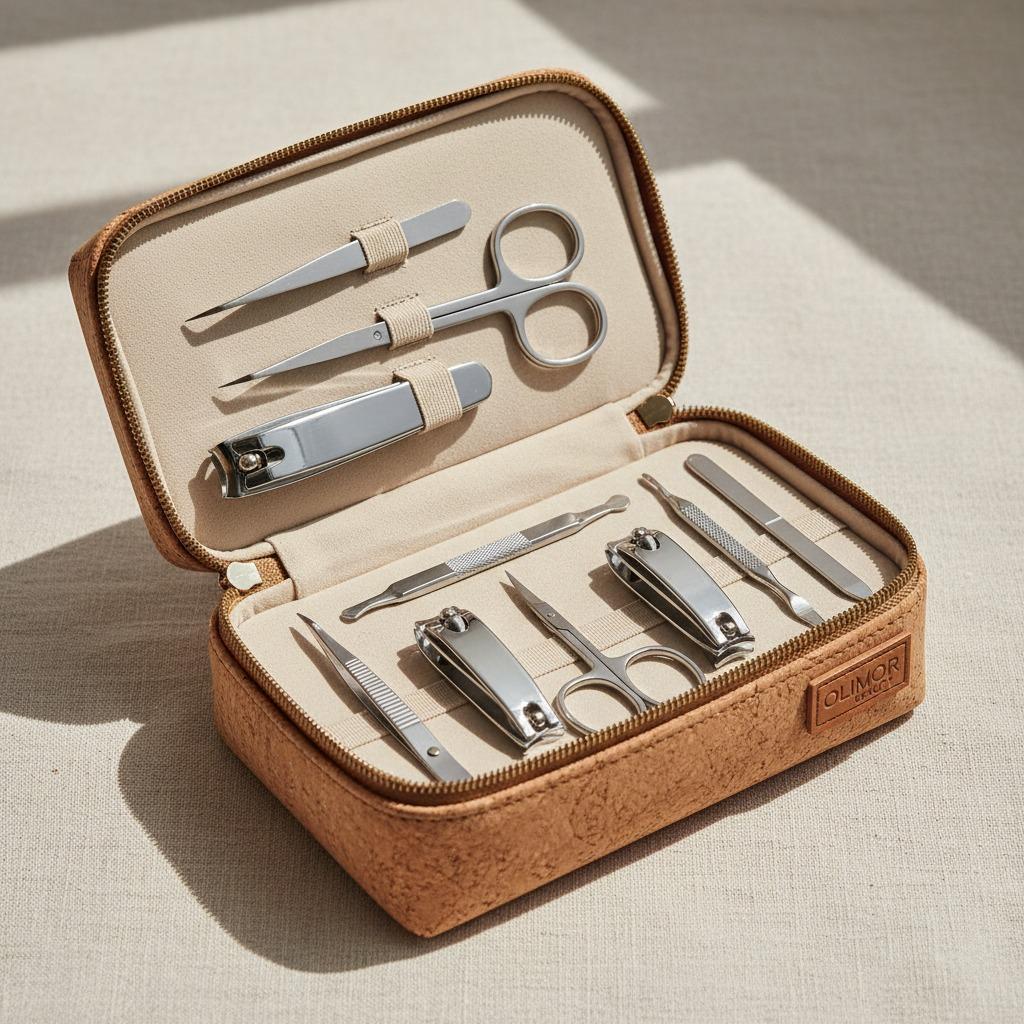
Olimor Beauty offers a custom made nail clipper designed around the needs of professional beauty supply buyers, retailers and brands developing grooming assortments. The product described here features a robust stainless steel blade, ergonomic handles, artistic blue geometric patterns and a blue rotating button mechanism that helps simplify adjustment for better control. These details make it a useful reference point for buyers comparing nail clipper ODM options and broader beauty tool products.
What Makes a Custom Made Nail Clipper Worth Sourcing?
For everyday users, a nail clipper is expected to work immediately and comfortably. For a buyer, the evaluation is more layered. A good custom clipper should combine cutting performance, safe handling, visual appeal and production consistency. If any one of these areas is weak, the product can lead to complaints, returns or a mismatch with the intended retail price point.
The stainless steel blade is a key advantage because the cutting edge determines the user’s first impression. A blade should align evenly, close smoothly and trim without excessive pressure. While detailed material grades or test results should be confirmed for any specific order, stainless steel is commonly valued in grooming tools because it supports a clean, polished look and is suitable for products that may be used frequently.
The handle design matters just as much. Ergonomic handles help users hold the clipper with better stability, particularly when trimming thicker nails or working at an awkward angle. For salons and retailers, this is important because a tool that feels uncomfortable during use is less likely to earn repeat purchase. A custom made nail clipper with a comfortable grip can be positioned as a practical grooming essential rather than a disposable accessory.
Design Details: Blue Geometric Pattern and Rotating Button
Visual design is one of the main reasons buyers choose a custom made nail clipper rather than a generic stock item. The artistic blue geometric pattern gives this clipper a more distinctive appearance, which can help it stand out in a packaged beauty tool display or personal care gift set. Color and pattern should not distract from function, but they can help create a stronger shelf presence when used carefully.
The blue rotating button mechanism is another useful feature. Its purpose is to simplify adjustments and support better control during trimming. For B2B buyers, this type of design element should be evaluated in two ways: how it feels in the user’s hand and how consistently it performs across samples. A mechanism that looks attractive but feels loose, stiff or inconsistent can reduce trust in the finished product.
When comparing samples, do not rely only on product photos. A nail clipper is a tactile item. The click, resistance, lever movement, edge alignment and grip comfort all influence perceived quality. If the product is intended for a private label line, subscription kit or retail chain, these details become part of the customer’s brand experience.
Buyer Checklist for Nail Clipper ODM Projects
Nail clipper ODM services are useful when a business wants to develop a product that reflects its own market positioning. Customization can involve design accents, finish, packaging direction, branding placement or assortment planning. Before confirming a direction, create a checklist that balances appearance, function and production practicality.
- Cutting performance: Check whether the blade closes evenly and trims without tearing or bending the nail.
- Handle comfort: Test the clipper with different hand sizes and grip positions, not only in a straight tabletop demonstration.
- Adjustment mechanism: Confirm that the blue rotating button mechanism feels stable and is easy to understand for end users.
- Surface finish: Look for rough edges, uneven coating, visible scratches or decoration flaws on the blue geometric pattern.
- Branding area: Decide whether the final product needs logo placement, printed packaging, instructions or coordinated set packaging.
- Packaging durability: Consider how the item will be protected during storage, shipping and retail handling.
- Inspection expectations: Define the most important quality points before production, including blade alignment, movement and visual consistency.
This checklist helps prevent a common problem in beauty tool sourcing: approving a design that looks good in a sample photo but has not been reviewed for day-to-day handling. A custom grooming tool needs both a clear visual identity and dependable function.
How B2B Beauty Supply Buyers Can Position This Product
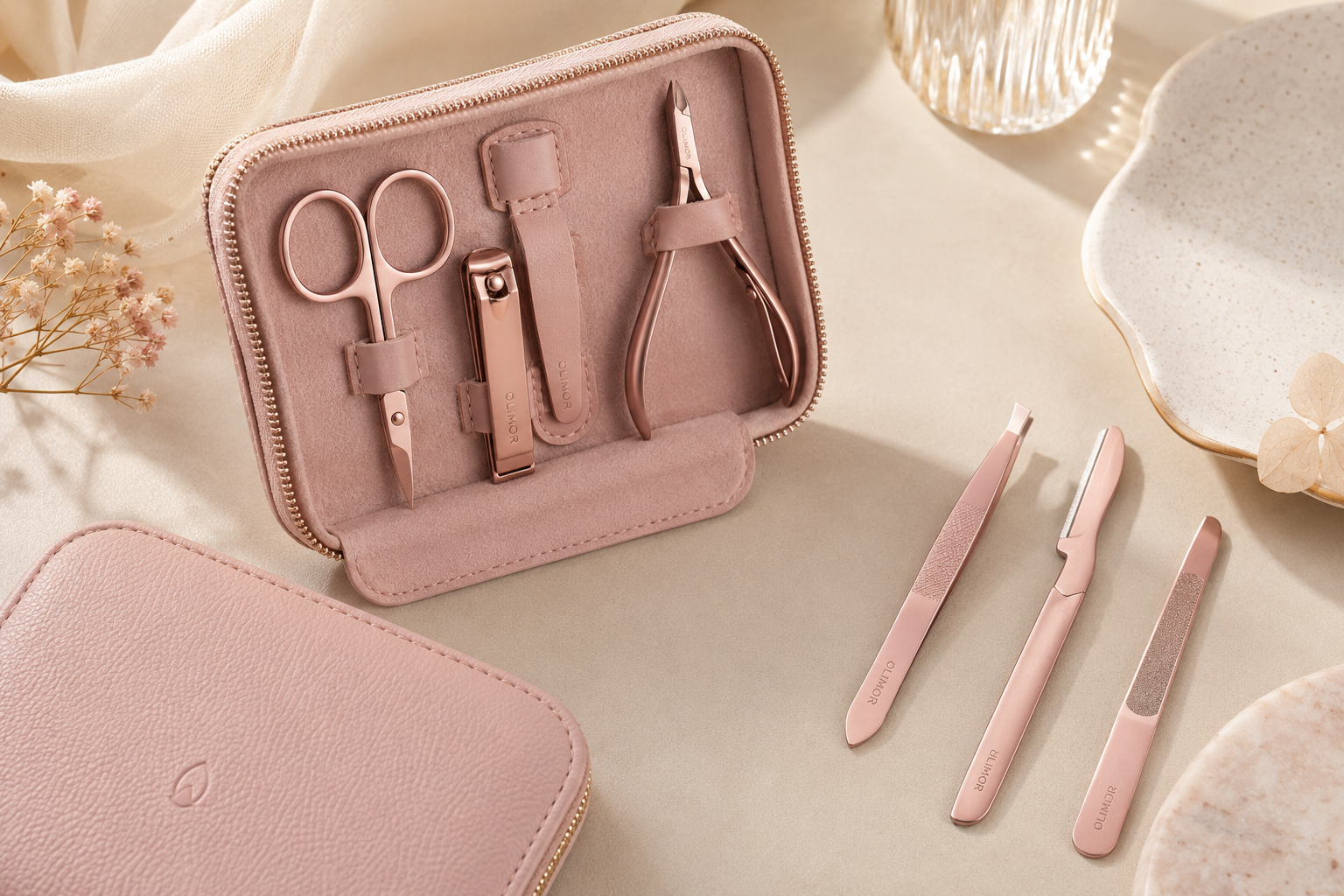
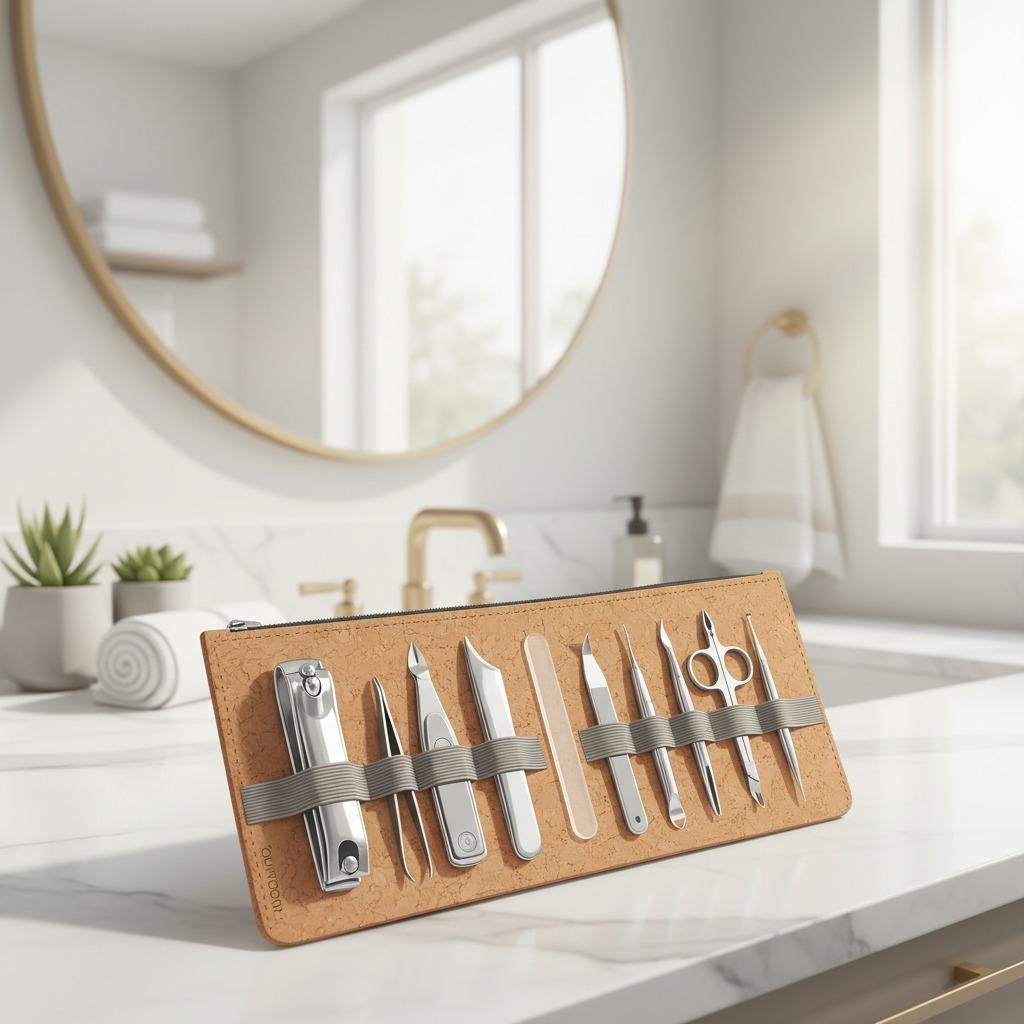
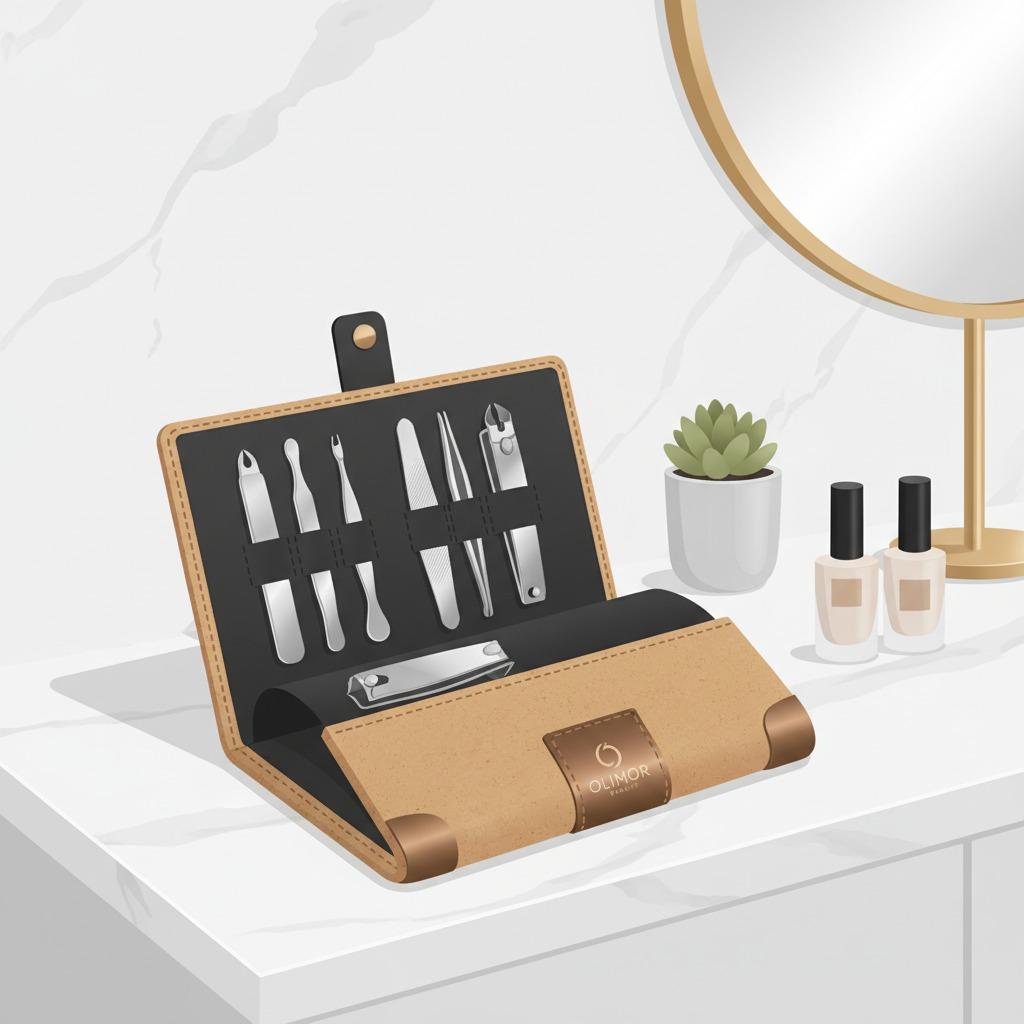
A custom made nail clipper can fit several sales channels. In salon environments, it can support professional grooming services or be sold as a take-home tool. In retail stores, it can be merchandised with manicure accessories, travel grooming items or personal care basics. For beauty brands, it may become part of a branded nail care kit or seasonal gift assortment.
The most effective positioning depends on the buyer’s audience. A salon buyer may focus on precision, handling comfort and reliable trimming. A retailer may emphasize attractive design, compact usability and coordinated packaging. A brand owner may care most about whether the clipper can fit a consistent visual system across a wider beauty tool range. To compare related sourcing directions, buyers can browse Olimor product collections and consider how a nail clipper might sit alongside other grooming accessories.
Because this product includes a blue geometric pattern, it is especially suitable for buyers who want a grooming tool with a more designed appearance than a plain metal clipper. However, the design should still be matched to the intended customer. A bold pattern may work well for modern retail packaging, while a more understated assortment might require a different decoration approach through ODM planning.
Quality Control Points from Materials to Packaging
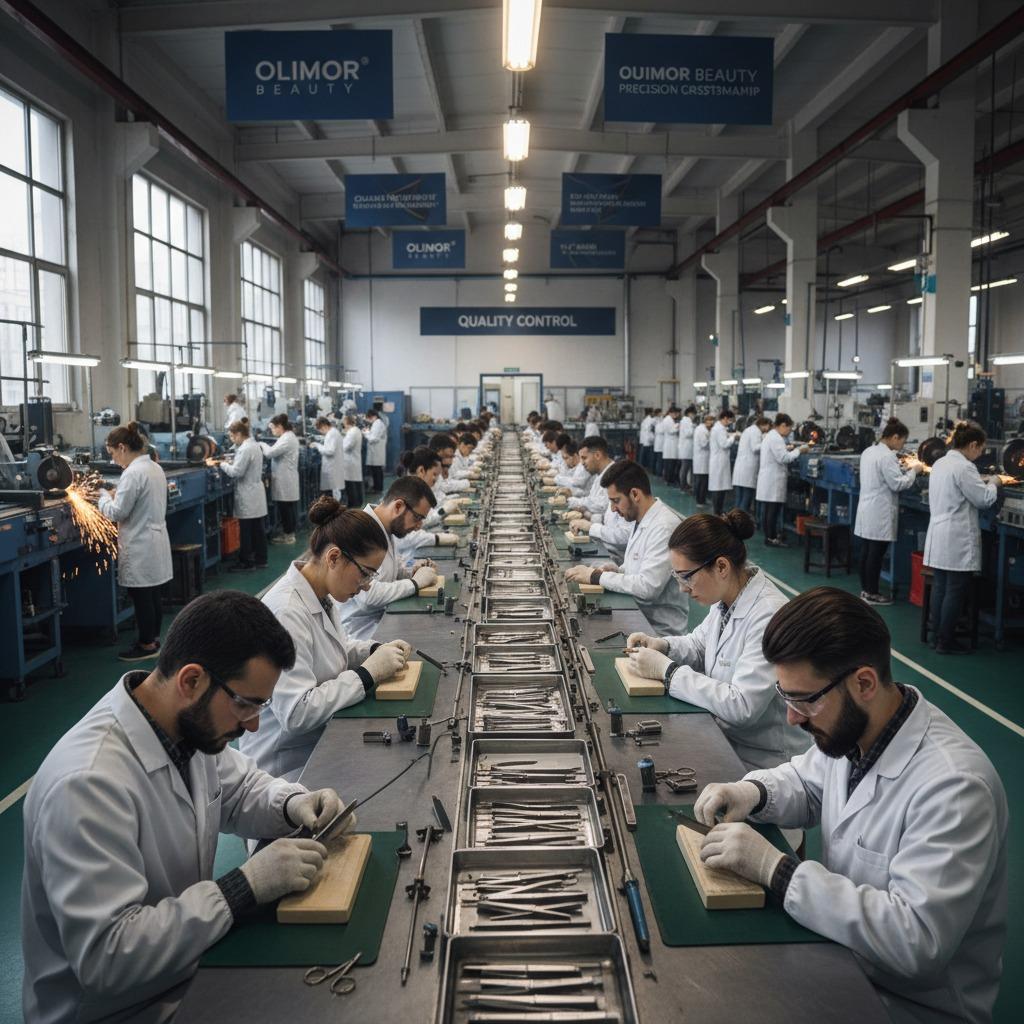
The original value of this product is not only in customization but also in the quality control mindset behind it. Olimor Beauty describes quality checks from raw materials to final packaging, which is important for beauty tools where small inconsistencies can be noticeable. For nail clippers, inspection should not stop at the visible surface. Functional checks are equally important.
During sourcing discussions, buyers should define what will be examined at each stage. Raw material checks may focus on suitability for the intended tool. In-process checks can review cutting edge alignment, handle assembly, rotating mechanism movement and surface decoration. Final checks should include appearance, operation, packaging condition and quantity accuracy. The specific inspection plan should reflect the order type and market requirements, but the principle is simple: a nail clipper must look consistent and function smoothly.
| Inspection Area | What to Review | Why It Matters |
|---|---|---|
| Blade | Alignment, smooth closure and cutting feel | Determines trimming quality and user satisfaction |
| Handle | Grip comfort, lever movement and stability | Affects control during regular grooming use |
| Decoration | Blue geometric pattern consistency and finish | Supports retail appearance and brand perception |
| Rotating button | Ease of adjustment and secure movement | Helps users control the tool confidently |
| Packaging | Protection, labeling area and visual presentation | Reduces handling damage and improves shelf readiness |
Questions to Settle Before Confirming a Custom Order
Before moving ahead with a nail clipper ODM project, buyers should clarify their commercial and product requirements. This does not mean every feature must be complicated. In many cases, the strongest product is a well-made clipper with a clear design direction, comfortable use and suitable packaging.
- Who is the end user? Decide whether the clipper is for salon professionals, everyday retail customers, travel kits or branded gift sets.
- What level of design customization is needed? Determine whether the existing blue geometric look fits the program or whether a different visual direction is required.
- How should the product be packaged? Consider retail hanging cards, boxed presentation, set packaging or bulk professional supply formats.
- What quality points are non-negotiable? Blade sharpness, smooth mechanism movement and clean surface finish should be prioritized.
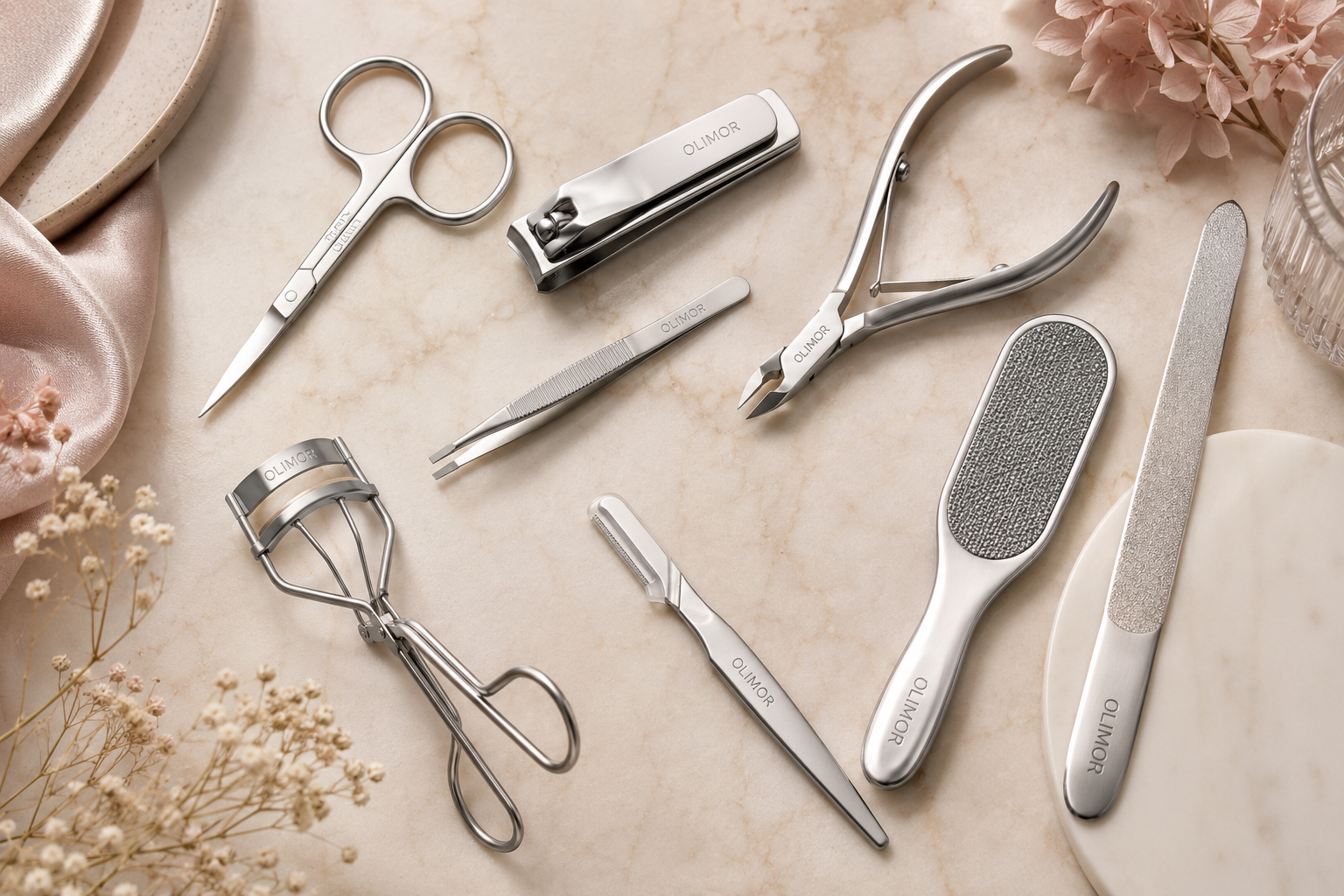
- How will it connect with other products? Plan whether the clipper should match tweezers, nail files, scissors or other grooming tools in the same range.
These questions help buyers avoid over-customizing details that do not matter while paying close attention to the features that shape real user experience.
Working with Olimor Beauty on Custom Grooming Tools
For brands, distributors and retailers, a custom made nail clipper is a practical entry point into a more complete grooming tool assortment. It is small, familiar and easy for customers to understand, yet it offers room for meaningful differentiation through blade quality, grip comfort, color, pattern and packaging.
Olimor Beauty supports B2B beauty supplies and nail clipper ODM development with attention to technical precision and quality checks. Buyers evaluating this custom made nail clipper should focus on the combination of its stainless steel blade, ergonomic handles, blue geometric design and rotating button mechanism. Together, these features create a product that can serve both everyday grooming needs and branded retail programs.
If you are planning a nail care line, salon supply program or private label grooming accessory, compare your target market, packaging needs and inspection requirements before choosing the final specification. To discuss a project direction, you can contact Olimor or send an inquiry with your intended channel, design preferences and product use case.