Best Tweezers for Beginners: Tip Types, Control and Care
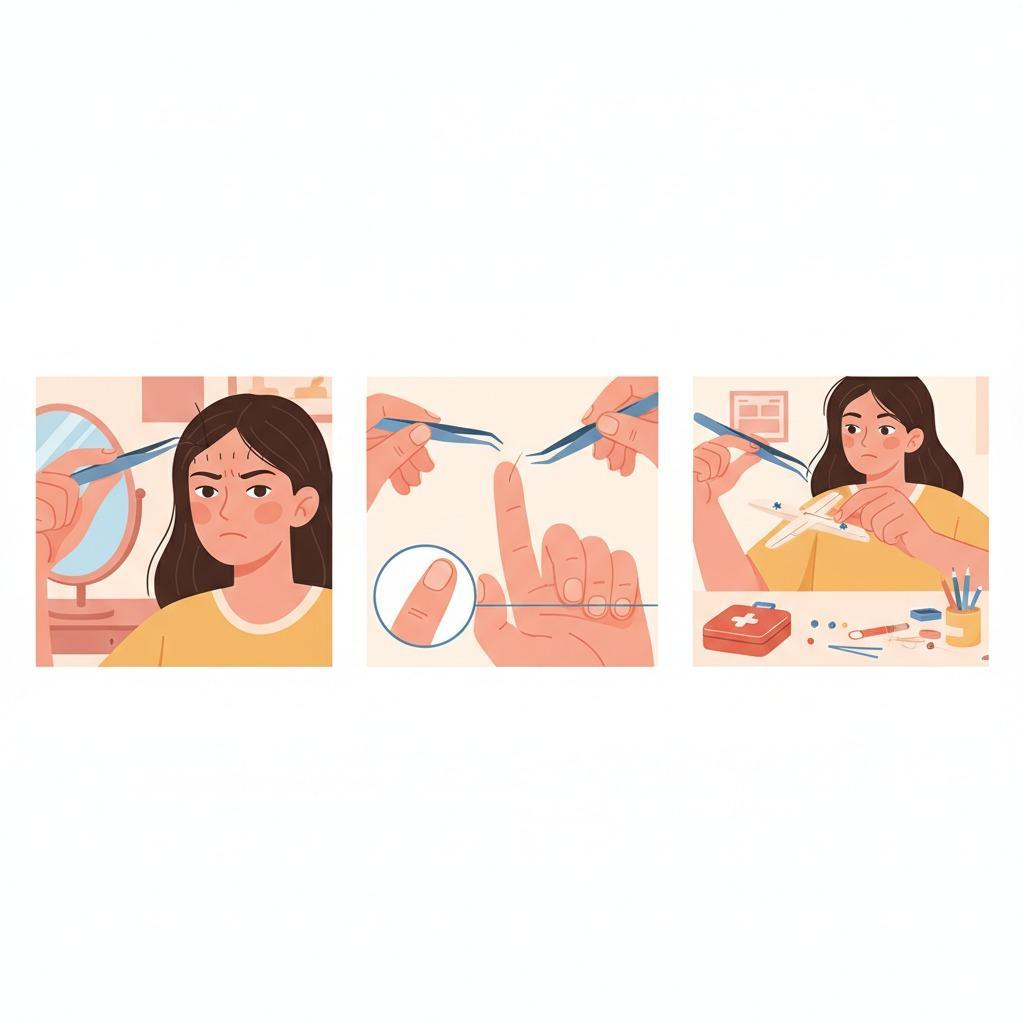
Choosing tweezers sounds simple until you try to remove one fine hair, grip a tiny splinter, or handle a delicate craft part and the tips slide off. For beginners, the best tweezers are not necessarily the sharpest-looking or the most expensive. They are the pair that gives steady control, meets cleanly at the tip, feels comfortable in the hand, and suits the task you are learning.
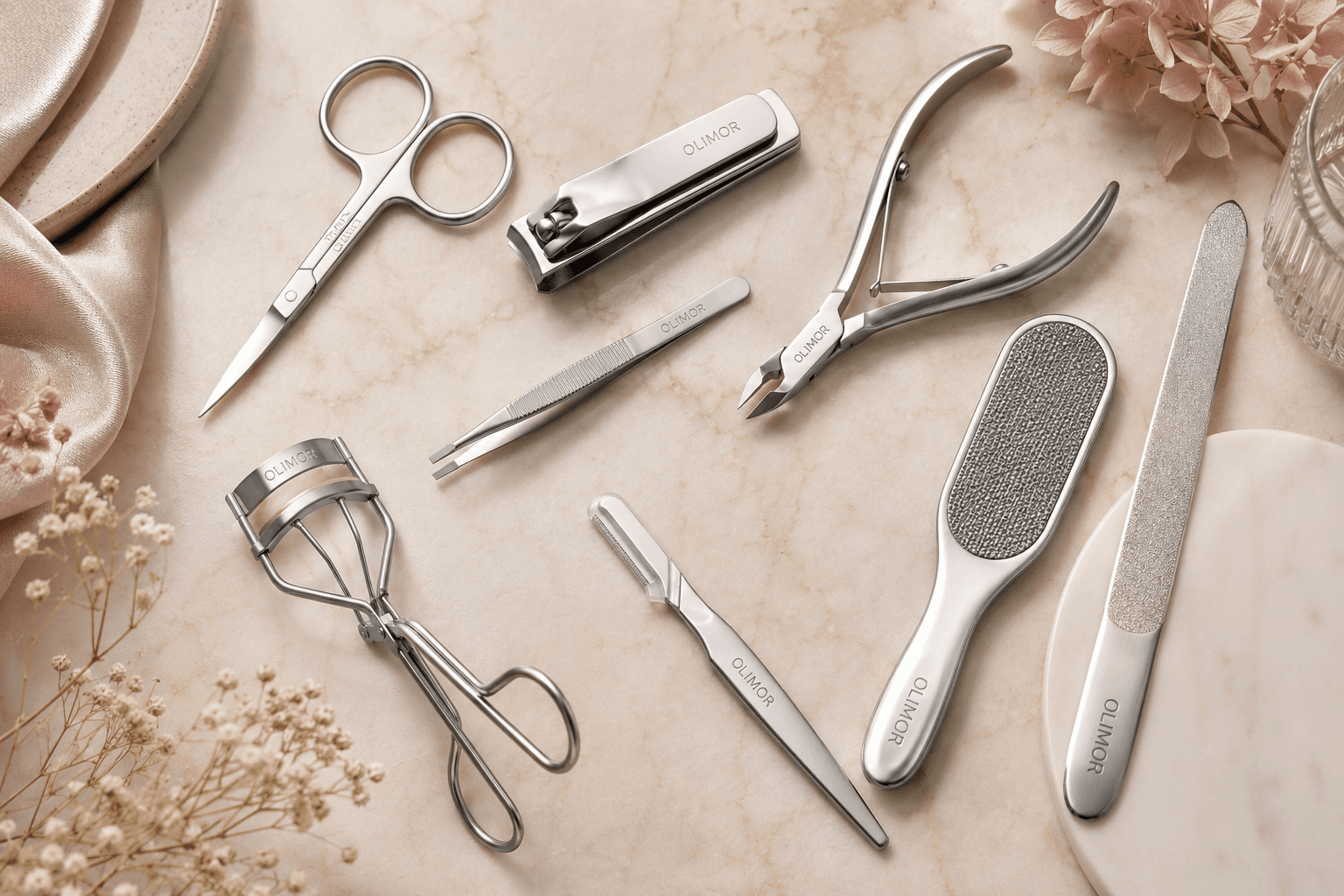
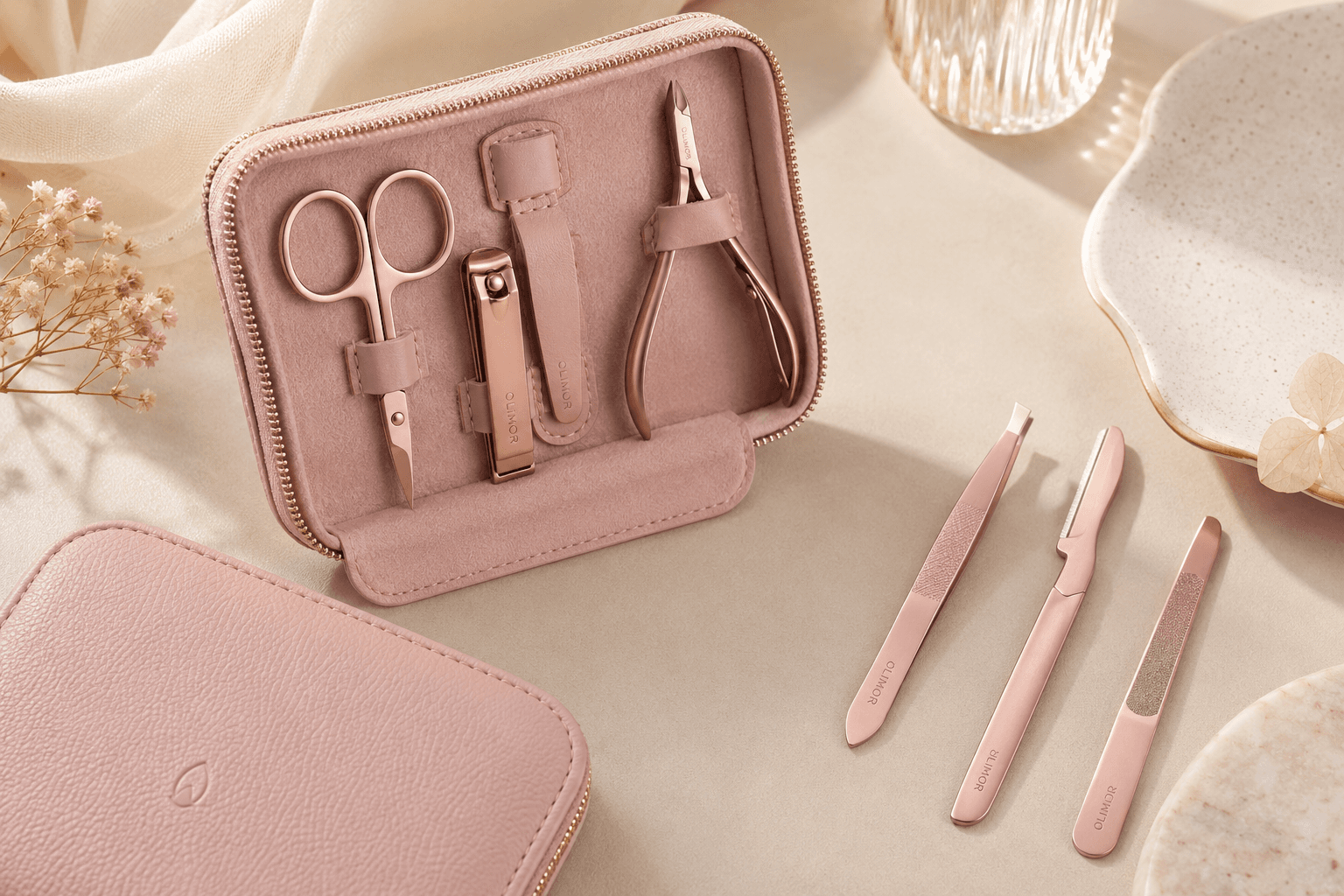
Olimor Beauty offers stainless steel tweezers designed for precision tasks such as grooming, eyebrow shaping, crafting and fine handling. The set described here includes four uniquely shaped tweezers, giving beginners a practical way to learn different tip styles without relying on one tool for every job. If you are comparing options across beauty tool products, this guide explains what to look for before you buy and how to use each tweezer more confidently.
What Makes a Tweezer Beginner-Friendly?
A beginner-friendly tweezer should reduce mistakes, not magnify them. When the tool is hard to control, users often squeeze too tightly, approach the hair or object from the wrong angle, or press the tips into the skin. Good design helps you work with less force and more accuracy.
Start with tip alignment. The two ends should meet evenly so they can hold a hair or small item without pushing it away. Poorly aligned tips are frustrating because they require repeated attempts, which can irritate skin during grooming or damage small materials during craft work. The original product information highlights carefully aligned tips, which is especially important for beginners building hand control.
Material also matters. Stainless steel is a practical choice because it is durable, easy to wipe clean, and suitable for repeated use. The supplied product information describes the tweezers as corrosion-resistant stainless steel, a useful feature for tools that may be stored in bathrooms, kits, salon drawers or travel cases. Corrosion resistance does not replace basic care, but it does help the tool remain reliable when maintained properly.
Understanding Common Tweezer Tip Types
Different tweezer tips are designed for different gripping situations. A beginner does not need to master every shape immediately, but understanding the main uses will prevent choosing the wrong tool for the job. The Olimor Beauty set includes four uniquely shaped tweezers, with fine-point and slanted styles specifically noted in the product information.
| Tip style | Best use | Beginner note |
|---|---|---|
| Slanted tip | General eyebrow shaping and routine plucking | Often the easiest starting point because the angled edge offers visibility and contact area. |
| Fine-point tip | Delicate extractions, tiny hairs, splinters and small parts | Use with gentle pressure; the narrow point requires more control. |
| Straight or flat-style edge | Holding broader small items or applying even grip | Useful when you need surface contact rather than a piercing point. |
| Angled precision shape | Working around curves or reaching difficult angles | Helpful once you are comfortable positioning the wrist and tool together. |
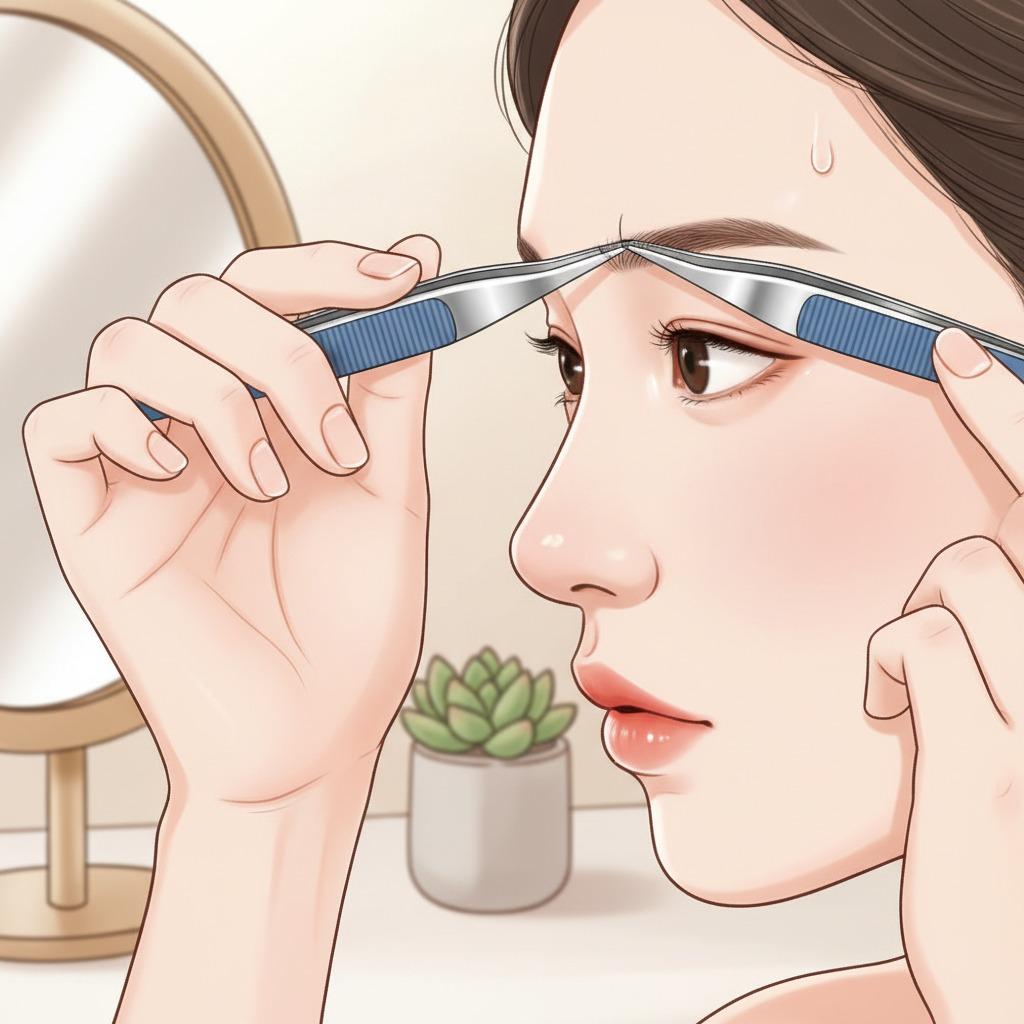
For eyebrow grooming, most beginners should begin with a slanted tip because it is forgiving. The edge can sit close to the skin while the angle leaves room to see the hair. A fine-point tweezer is better saved for isolated hairs, splinters or precision handling, where the target is very small and clear.
How to Choose the Right Tweezer for Your First Kit
When buying your first tweezer set, look beyond the product photo. A polished finish is appealing, but performance depends on small functional details. A practical first kit should cover common grooming and precision needs without overwhelming the user with specialized tools.
- Tip contact: The tips should close evenly from both sides and hold a fine object without slipping.
- Grip texture: A textured or easy-hold handle helps reduce hand fatigue and improves control, especially when your hands are slightly damp after cleansing.
- Spring tension: The tweezer should open naturally after pressure is released, but not feel so stiff that you need to squeeze hard.
- Material: Stainless steel is a sensible option for personal beauty tools because it can be cleaned and stored easily.
- Task coverage: A set with multiple shapes lets you use a slanted tip for general grooming and a fine point for delicate handling.
If you are sourcing tools for a beauty retail range, starter kit, grooming accessory line or promotional beauty set, compare how the tweezers will be used by the final customer. A beginner-focused kit should prioritize comfort, stable alignment and simple instructions. For broader purchasing questions or customization discussions, you can send an inquiry with your preferred tool type and intended market.
Basic Technique: How Beginners Can Tweeze More Accurately
Technique affects results as much as the tool. Before grooming, cleanse the area and make sure there is enough light. For eyebrow shaping, brush hairs in their natural direction and remove only the obvious stray hairs at first. Beginners often over-pluck when they try to create a full shape in one session.
- Choose the correct tip. Use a slanted tweezer for general hair removal and a fine-point tweezer for one isolated hair or tiny object.
- Hold close to the center. Gripping too far back reduces control; holding too close to the tips can block your view.
- Approach at a low angle. For hair removal, place the tip close to the skin and pull in the direction of hair growth.
- Use steady pressure. Squeezing harder does not improve grip if the tips are not positioned correctly.
- Pause and check symmetry. When shaping brows, step back often rather than removing several hairs in a row.
For craft or fine mechanical handling, keep the work surface stable and rest part of your hand on the table. This reduces shaking and helps the tip move in smaller increments. When using fine-point tweezers, do not twist the tip while gripping; twisting can make the object spring away or put unnecessary stress on the tool.
Care, Cleaning and Storage for Longer Tool Life
Even corrosion-resistant stainless steel tweezers need basic maintenance. Wipe the tips after use, especially after contact with cosmetics, skin oils, adhesive, craft residue or moisture. A clean tip grips better and is easier to inspect for alignment.
Store tweezers separately or with a protective cover when possible. Tossing several metal tools loose into a drawer may nick fine tips or affect alignment. Fine-point tweezers deserve extra care because a small bend at the end can change how accurately they close. If you use tweezers in a salon, retail demonstration setting or shared kit, establish a clear cleaning routine suitable for the environment and local hygiene expectations.
Avoid using beauty tweezers for jobs that require pliers, cutters or high force. Pulling hard wire, scraping surfaces or prying open packaging can damage the tips. If a tweezer no longer meets evenly, it may still look acceptable but will not perform well for precision grooming.
Buyer Checklist for Beauty Brands and Retailers
For businesses evaluating beginner tweezer sets, selection should be based on usability as well as appearance. A product aimed at first-time users should feel intuitive from the first use. The four-shape stainless steel set described by Olimor Beauty is suited to that direction because it lets users compare tip styles and learn which shape fits each task.
Before adding tweezers to a product range, prepare a checklist covering the customer experience: how the tweezers will be packaged, whether the tip shapes are easy to identify, how care guidance will be presented, and whether the set suits eyebrow grooming, general precision tasks or both. It is also useful to review neighboring categories in product collections so the tweezers fit naturally with other beauty accessories.
If your project requires decisions about finish, packaging direction or assortment planning, contact Olimor with the intended sales channel and user profile. Clear use cases help narrow the right tweezer types more effectively than choosing by appearance alone.
Final Thoughts for First-Time Tweezer Users
The best tweezers for beginners combine aligned tips, comfortable handling and suitable tip variety. A slanted tweezer is usually the easiest tool for learning eyebrow grooming, while a fine-point tweezer is useful for delicate, targeted work. Stainless steel construction and corrosion resistance are practical advantages, but care and storage still determine how long the tool performs well.
Instead of relying on one tweezer for every task, beginners benefit from a small set with distinct shapes. Learning when to use each tip builds confidence, reduces repeated attempts and helps achieve cleaner results in grooming, crafting and other precision tasks.
Tag: