B2B Nail Clipper Sourcing: Quality, Precision and Price Advantage
For beauty retailers, distributors, salon suppliers and promotional product buyers, the nail clipper is a small item with a large quality impact. A clipper that cuts cleanly, feels stable in the hand and resists frequent cleaning can support repeat sales. A clipper that bends, pulls, chips the nail edge or arrives with inconsistent finishing can quickly create complaints across an entire batch.
B2B nail clipper sourcing is therefore not only about finding a low unit price. The better question is whether the product can meet the expectations of your sales channel: retail shelf presentation, salon back-bar use, travel kit inclusion, distributor stock rotation or private label assortment planning. Olimor Beauty supplies beauty tool products for professional purchasing scenarios, and this guide explains how to evaluate quality, precision and price advantage before making a bulk decision.
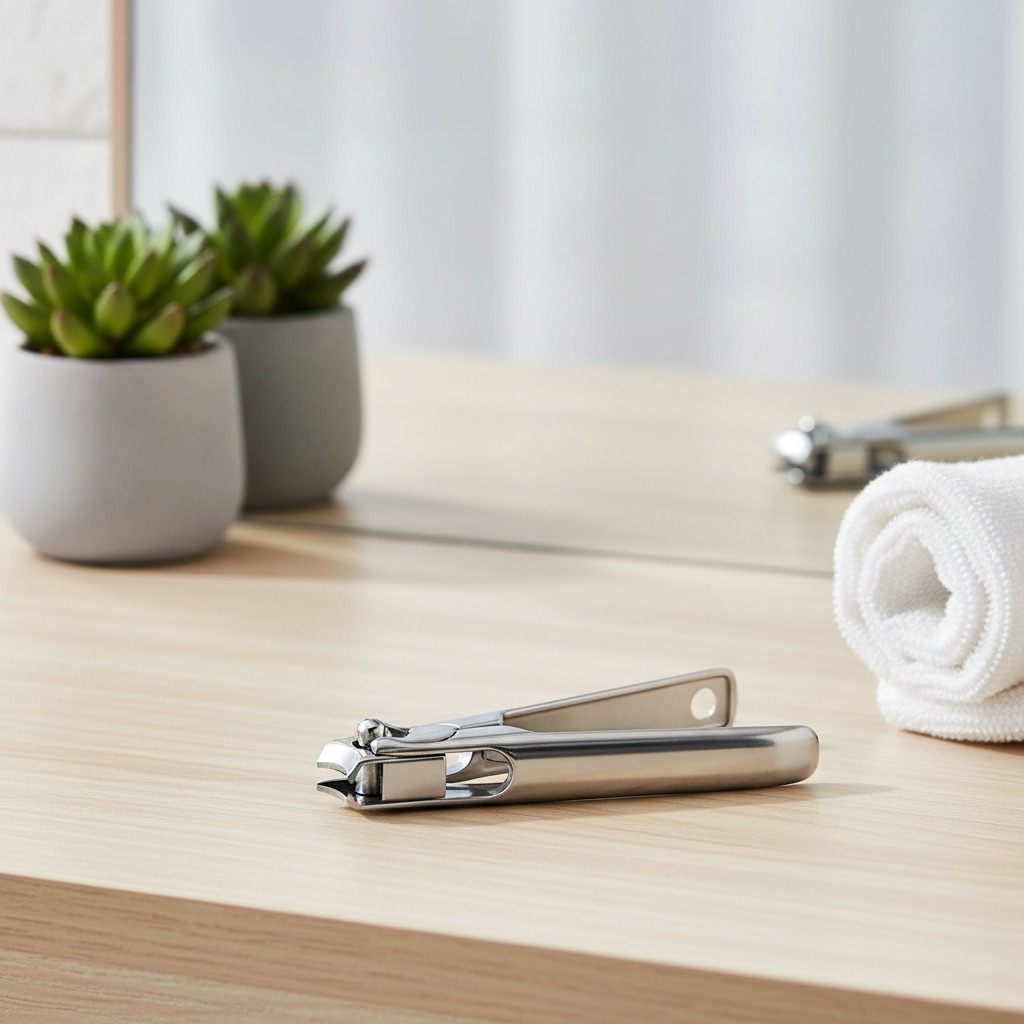
What Makes a B2B Nail Clipper Different from a Consumer One-Off Purchase?
A single consumer may judge a nail clipper only after using it at home. A business buyer has to judge the clipper before it reaches hundreds or thousands of end users. That changes the selection process. Instead of looking only at surface appearance, B2B buyers need to think about repeatable production quality, packaging suitability, blade alignment, storage stability and the way the tool fits into a wider grooming category.
The main performance requirement is simple: the cutting edges should meet cleanly and cut the nail without crushing or tearing. However, the details behind that result are more complex. The lever should provide enough pressure without feeling loose. The body should feel rigid enough for repeated use. The edges should be finished smoothly so the tool does not scratch fingers during handling. For retail buyers, the clipper also needs to look presentable in packaging and be easy for shoppers to understand at a glance.
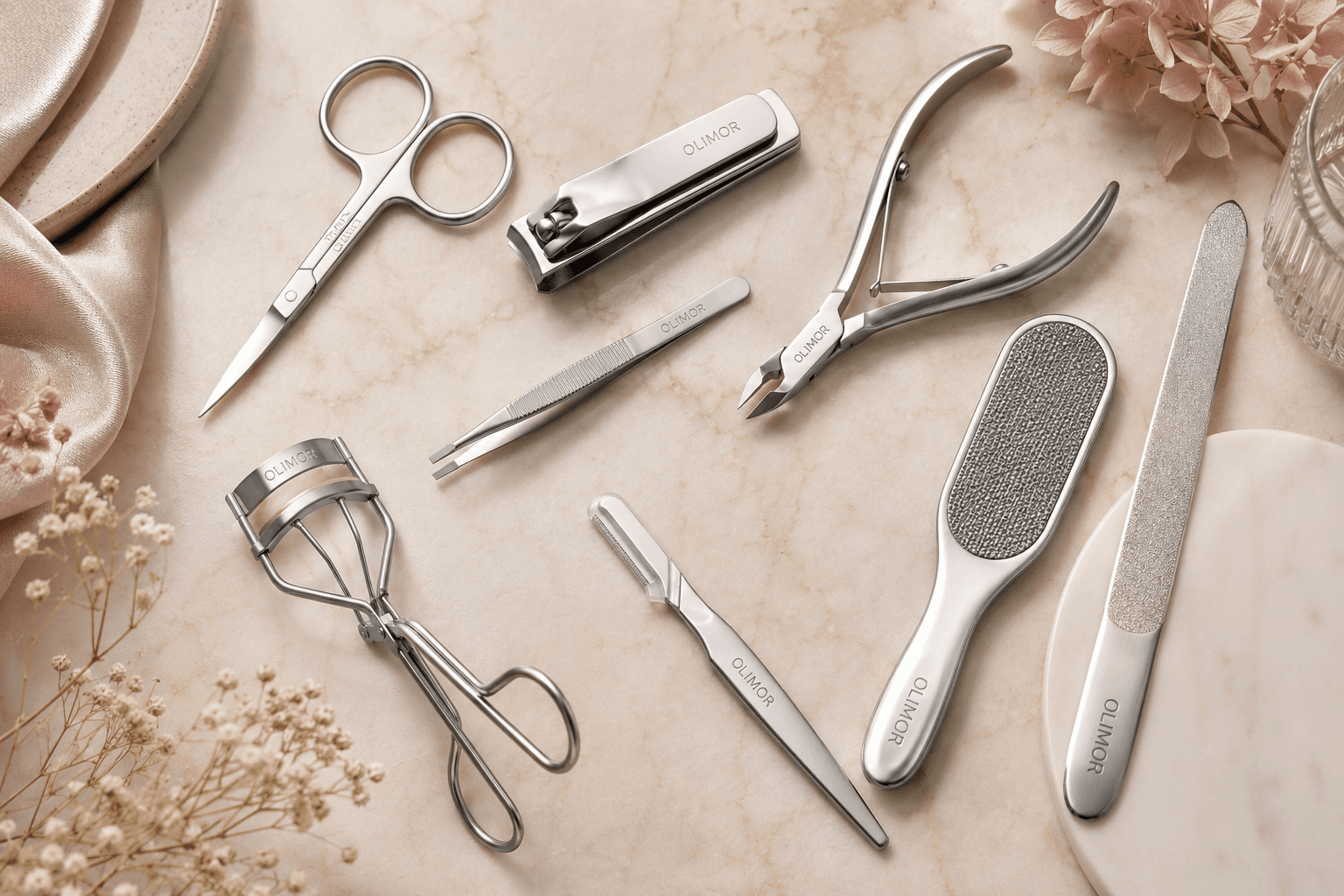
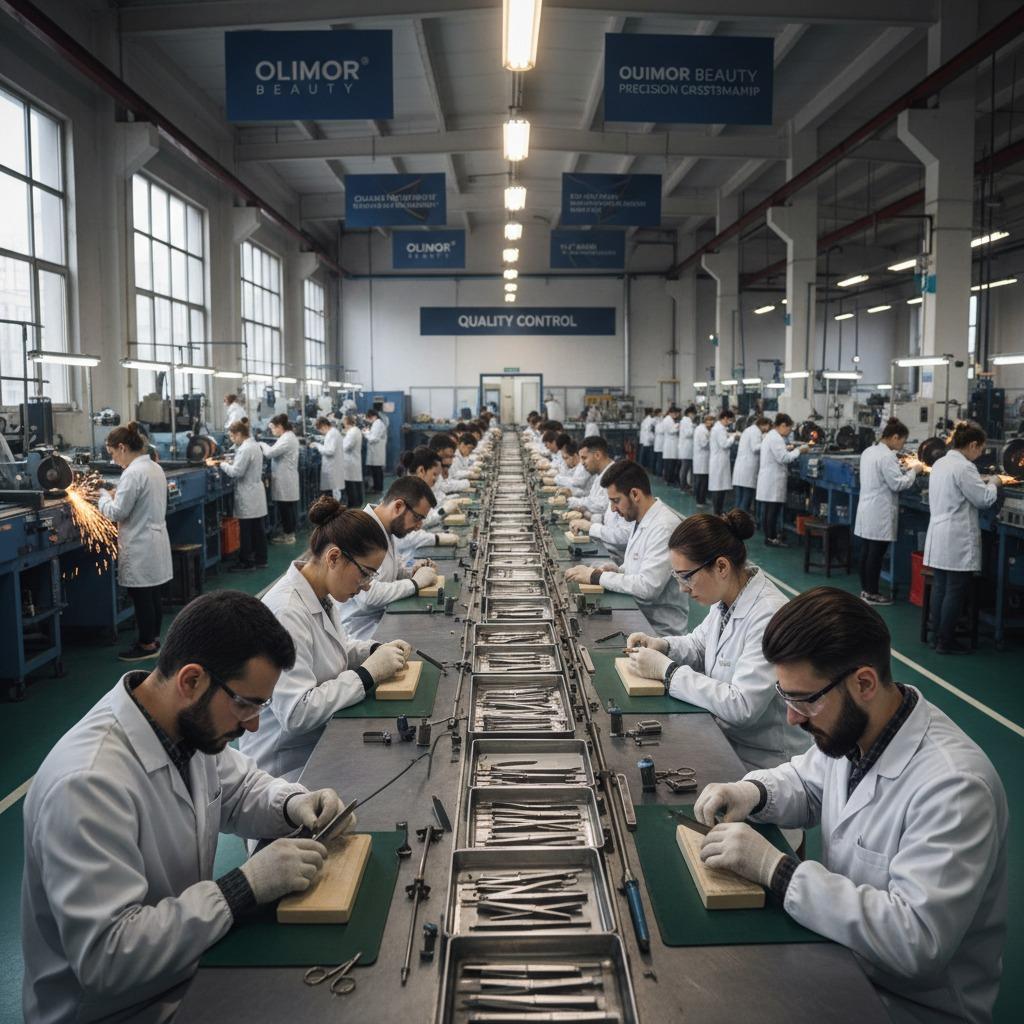
Olimor Beauty positions B2B nail clippers as practical grooming tools for bulk purchasing needs, including distributors and retailers. When comparing options within beauty tool products, buyers should treat nail clippers as precision items rather than low-value accessories. Small differences in cutting feel, surface finishing and packaging can influence returns, reviews and reorder potential.
Key Quality Checks Before Ordering Bulk Nail Clippers
Before committing to a bulk nail clipper order, create a simple inspection checklist. This helps purchasing, quality control and merchandising teams evaluate the same criteria instead of relying on vague impressions such as “looks good” or “feels cheap.” The following points are especially useful when comparing samples.
- Blade alignment: The two cutting edges should meet evenly from side to side. Gaps or offset edges can lead to uneven cutting.
- Cutting action: The lever should press smoothly and return reliably. A clipper that feels stiff or unstable may be tiring for frequent users.
- Edge finish: Look for burrs, sharp non-cutting corners or rough stamped areas that could affect comfort and perceived quality.
- Body rigidity: The frame should not twist easily under pressure. Weak body construction can reduce cutting efficiency.
- Surface consistency: Check whether polishing, coating or finishing is even across the batch sample.
- Cleaning practicality: For salon or professional supply channels, consider whether the shape is easy to wipe and maintain between uses.
- Packaging fit: The tool should sit securely in its packaging without rattling, scratching or shifting during transport.
The original selection of materials matters as well. Stainless steel is commonly preferred for nail clippers because it supports durability, a clean appearance and practical maintenance. Buyers should still compare actual sample performance rather than relying on the material name alone. A stainless steel clipper with poor edge alignment may perform worse than a better-finished option at a similar price level.
How to Compare Bulk Nail Clipper Price Without Choosing the Wrong Bargain
Bulk nail clipper price is important, but the lowest quote is not always the strongest commercial choice. A nail clipper may look inexpensive on a spreadsheet while creating hidden costs through quality complaints, replacement needs, damaged packaging or poor sell-through. For B2B buyers, price should be compared against expected channel performance.
A more useful method is to compare total value per usable unit. This includes the quoted product cost, packaging cost, freight impact, defect allowance, expected return rate and the amount of customer service effort the item may create. Even a small improvement in product consistency can matter when the order quantity is large.
| Price Factor | Why It Matters | Buyer Check |
|---|---|---|
| Cutting quality | Affects customer satisfaction immediately after first use. | Test samples on different nail thicknesses and check the cut edge. |
| Finish consistency | Influences retail appearance and perceived value. | Review multiple sample units, not only one perfect piece. |
| Packaging type | Changes shelf appeal, storage efficiency and shipping protection. | Match packaging to distributor cartons, retail display or kit assembly. |
| Replacement risk | Low durability can reduce the benefit of a cheap unit price. | Consider expected use frequency and customer segment. |
When evaluating quotes, avoid comparing only the headline unit price if the products are not equivalent. A heavier or more precisely finished clipper, a more secure package or a better inspection process may justify a different price point. The best price advantage is not simply “cheap”; it is a stable balance of acceptable cost, reliable cutting performance and low after-sale friction.
Nail Clipper for Distributors: Stock Efficiency and Repeatability
Distributors usually need nail clippers that are easy to store, easy to ship and consistent across repeat orders. Their customers may include retailers, salon suppliers, online sellers and regional wholesalers. Because the product may move through several hands before reaching the end user, packaging durability and carton organization become important.
For distributors, neutral and efficient packaging can be as valuable as decorative retail packaging, depending on the sales model. Stackable cartons, clear product identification and sensible inner packing can reduce warehouse handling time. Consistency also matters because distributors often reorder based on a proven item. If the second shipment feels different from the first, downstream customers may question reliability.
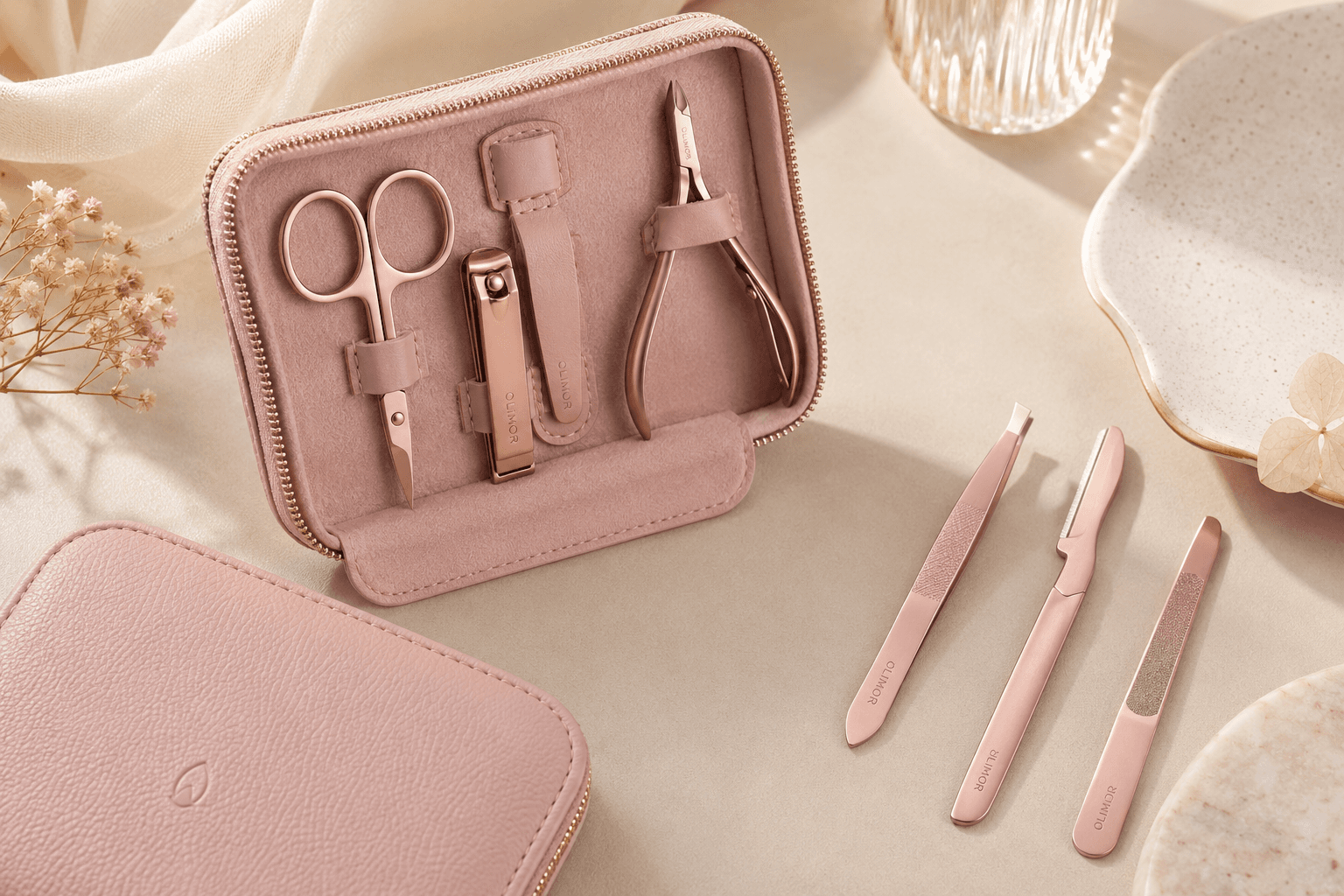
Distributors comparing nail clippers should also consider assortment planning. A simple clipper may be sold as an entry-level grooming essential, while a more refined design may fit into a premium personal care range. Reviewing related product collections can help identify whether the clipper should stand alone or be paired with tweezers, manicure tools or grooming sets.
Nail Clipper for Retailers: Shelf Appeal and End-User Confidence
Retailers have a different set of priorities. Their nail clipper must earn attention quickly, communicate its purpose clearly and feel trustworthy before the shopper opens the package. Packaging copy, visible product finish and compact size can all influence purchase decisions. A clipper that looks clean, practical and comfortable is easier to position as a daily grooming tool.
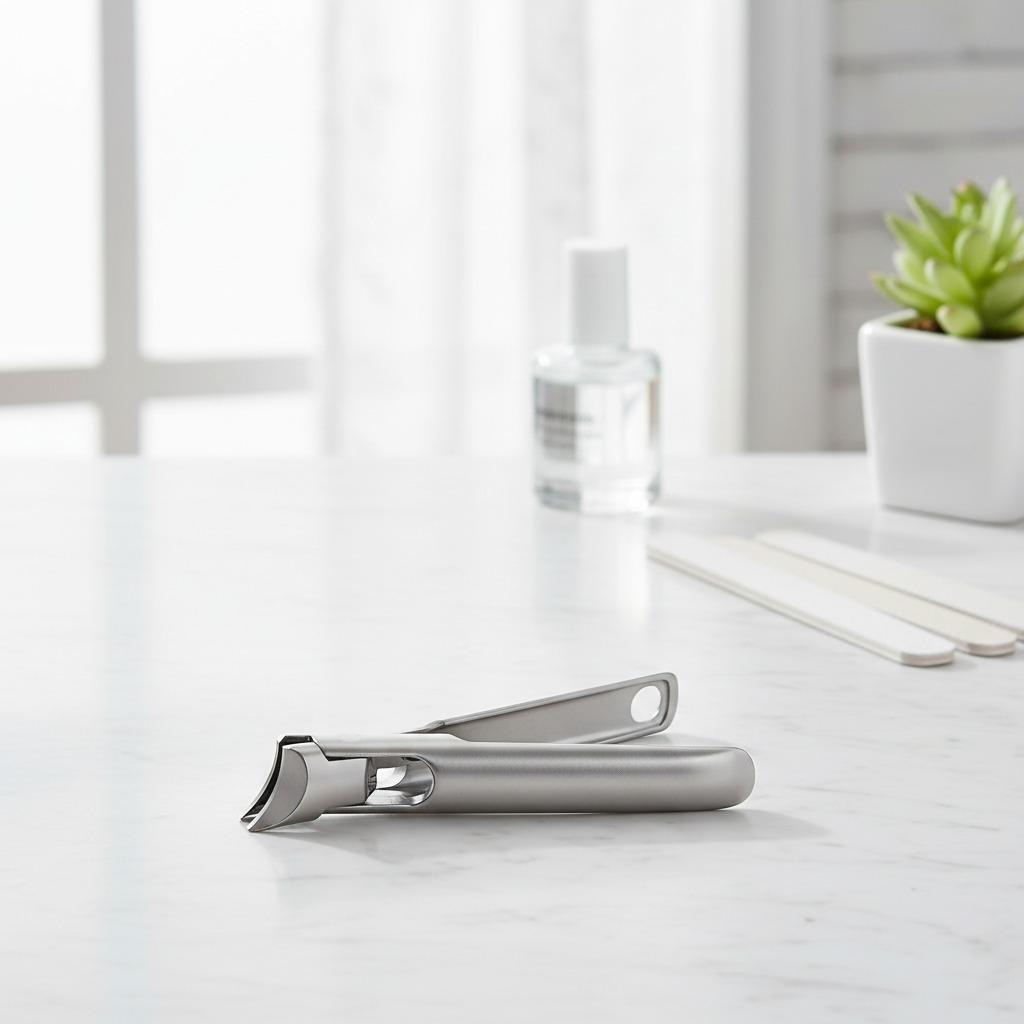
One explicit example from the supplied product information is a compact 90 mm nail clipper weighing 41 grams, which indicates a portable format suitable for everyday personal care, travel kits or small retail displays. For retailers, dimensions and weight help determine peg display layout, shipping cost, bundle compatibility and how the item feels in hand. Even when exact specifications vary by product, buyers should request or confirm measurements early in the selection process to avoid packaging and merchandising problems later.
Retailers should also test the experience from the shopper’s perspective. Can the customer immediately understand the product? Does the packaging protect the cutting edge? Is the finish attractive under store lighting? Does the clipper feel substantial enough for the target price point? These details often matter more than adding unnecessary features.
Maintenance and Handling Considerations for Professional Channels
Nail clippers are simple tools, but correct handling helps preserve performance and appearance. For B2B buyers supplying salons, spas or grooming professionals, maintenance guidance can reduce misuse and improve customer satisfaction. Stainless steel tools should still be kept dry after cleaning, stored away from corrosive liquids and checked regularly for blade damage or debris buildup.
Retail customers also benefit from basic use instructions. A short care note can explain that the clipper should be used on clean nails, wiped after use and stored in a dry place. If the clipper is included in a kit, the packaging should prevent it from scratching other tools. For distributors and retailers, these small instructions may reduce complaints caused by improper storage rather than product defects.
- Inspect the clipper visually before use and avoid using it if the cutting edge is damaged.
- Cut nails gradually rather than forcing the entire nail edge in one heavy press.
- Wipe the tool after use to remove nail dust or residue.
- Store the clipper in a dry pouch, case or compartment when possible.
- Keep retail samples clean if they are handled during buyer presentations or trade meetings.
Choosing Olimor Beauty for B2B Nail Clipper Purchasing
A good B2B nail clipper should combine clean cutting performance, comfortable handling, consistent finishing and packaging that suits the sales channel. For distributors, the focus may be repeatable supply and efficient stock movement. For retailers, the priority may be shelf presentation and consumer confidence. For salon suppliers, the most important points may be comfort, cleaning practicality and dependable daily performance.
Olimor Beauty supports B2B beauty tool sourcing with attention to practical purchasing needs rather than one-size-fits-all claims. When reviewing nail clipper options, prepare your target market, preferred packaging format, expected order channel and any branding requirements in advance. This makes product comparison clearer and helps avoid choosing a clipper based only on a low unit quote.
If you are comparing a B2B nail clipper for distributors, retailers or professional grooming supply, you can contact Olimor to discuss product direction or send an inquiry with your purchasing requirements. The right nail clipper should be easy to sell, easy to use and reliable enough to support repeat business.
Tag: