B2B Nail Clipper Sourcing Guide for Custom Beauty Supply Buyers
For beauty distributors, salon suppliers, grooming brands and promotional product buyers, a nail clipper is a small item with a large impact on customer confidence. A clipper that feels unstable, cuts unevenly or arrives with inconsistent finishing can create returns and weaken a retail or professional assortment. A well-selected clipper, on the other hand, can become a practical repeat-purchase item that supports a wider range of B2B beauty supplies.
Olimor Beauty supplies beauty tools for business buyers who need dependable sourcing, practical customization discussions and consistent product presentation. This guide focuses on how to evaluate a custom made nail clipper and how to work with a reliable nail clipper supplier without relying on vague claims. It is written for buyers comparing options for salons, retail kits, travel grooming sets, gift programs or private-label beauty accessories.
What B2B Buyers Should Expect from a Nail Clipper Supplier
A nail clipper may look simple, but bulk purchasing requires more than checking the shape in a product photo. B2B buyers need a supplier that can communicate clearly about materials, finishing, packing, inspection and order suitability. The goal is not only to receive a sharp tool; it is to receive a product that matches the sales channel and maintains consistent user experience across the order.
Olimor Beauty positions its nail clipper offering within a wider beauty tool sourcing context, which is useful for buyers building coordinated product lines. A salon distributor may need clippers that fit professional grooming routines. A private-label brand may care more about logo placement, retail packaging and product feel. A promotional buyer may focus on presentation, practicality and ease of inclusion in kits. These different priorities should shape the questions asked during sourcing.
When reviewing potential supply options, compare the nail clipper against the complete business use case. Will it be sold individually, included in a manicure set, used in a professional environment or shipped as part of a personal-care bundle? Each scenario affects packaging, quality tolerance, appearance requirements and the level of customization needed.
Key Product Features to Evaluate Before Ordering
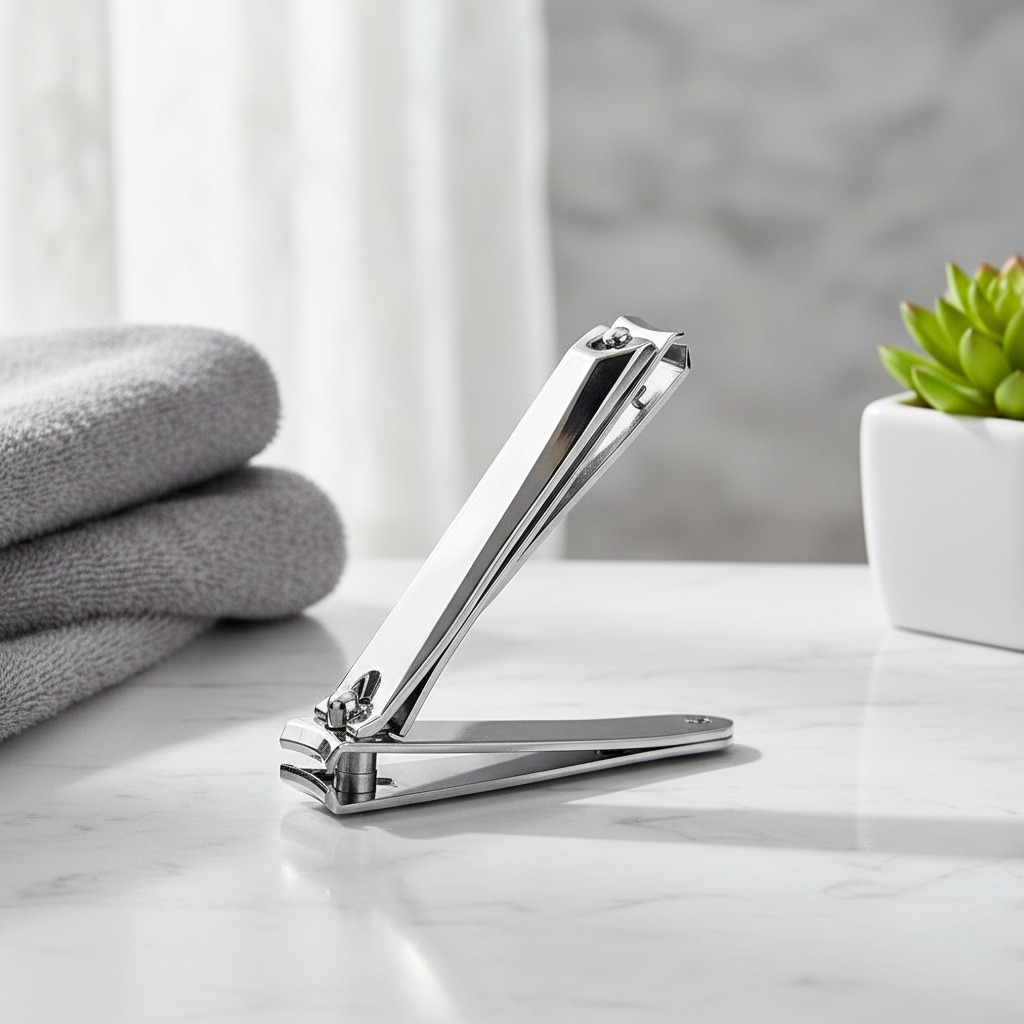
The supplied nail clipper is described as being crafted from high-quality stainless steel, with an ergonomic design, sharp blades and an integrated file. These are meaningful features for business buyers because they connect directly to durability, cutting comfort and user satisfaction. However, each feature should still be evaluated with samples and practical handling checks before a bulk purchase decision.
- Stainless steel construction: Stainless steel is commonly valued in grooming tools because it can support durability and a clean appearance. Buyers should review the surface finish, edge consistency and resistance to visible marks during handling.
- Ergonomic grip: A clipper should feel stable in the hand. Check whether the lever is comfortable for different users and whether the tool can be controlled without slipping.
- Sharp cutting edges: Clean cuts are essential. A sample should cut smoothly rather than crushing or tearing the nail edge.
- Integrated file: A built-in file adds convenience, especially for travel kits or compact grooming sets. Inspect its placement and usability so it does not feel like an afterthought.
- General finishing: Look at polishing, edges, alignment and any printed or engraved areas. Small details matter when the product is sold under a customer-facing brand.
These checks help buyers move beyond a basic catalog comparison. A low-cost clipper that performs poorly can create more cost through returns, customer complaints and brand damage. A better approach is to define the acceptable feel, finish and function before confirming production details.
Custom Made Nail Clippers: Branding and Functional Decisions
Customization can help a nail clipper fit a brand program, but it should be approached carefully. The original purpose of the tool is grooming performance; customization should support that purpose rather than compromise comfort or cutting reliability. Olimor Beauty can discuss personalized options for branding or functional needs, giving buyers a path to tailor the clipper to a specific market position.
For private-label and distributor programs, customization usually begins with visual identity. This may include logo treatment, surface presentation or packaging direction, depending on what is suitable for the product and order plan. The best choices are often simple and durable: a clean brand mark, packaging that protects the clipper, and product information that helps the end user understand safe and proper use.
Functional customization discussions should be even more practical. Buyers may need to consider clipper size, hand feel, lever resistance, file inclusion and suitability for manicure or general grooming kits. Not every idea is appropriate for every channel. For example, a compact clipper may work well in a travel set, while a professional-use assortment may prioritize handling comfort and cutting control.
| Buyer Type | Likely Priority | What to Confirm |
|---|---|---|
| Salon supplier | Reliable cutting and comfortable handling | Sample performance, grip feel, edge finish and packing method |
| Retail brand | Consistent appearance and brand presentation | Logo approach, packaging concept, product finish and inspection points |
| Distributor | Stable repeat sourcing | Product consistency, communication process and reorder expectations |
| Gift or kit buyer | Compact usefulness and visual compatibility | Clipper dimensions, integrated file usability and fit with other tools |
Quality Control Points That Matter in Bulk Orders
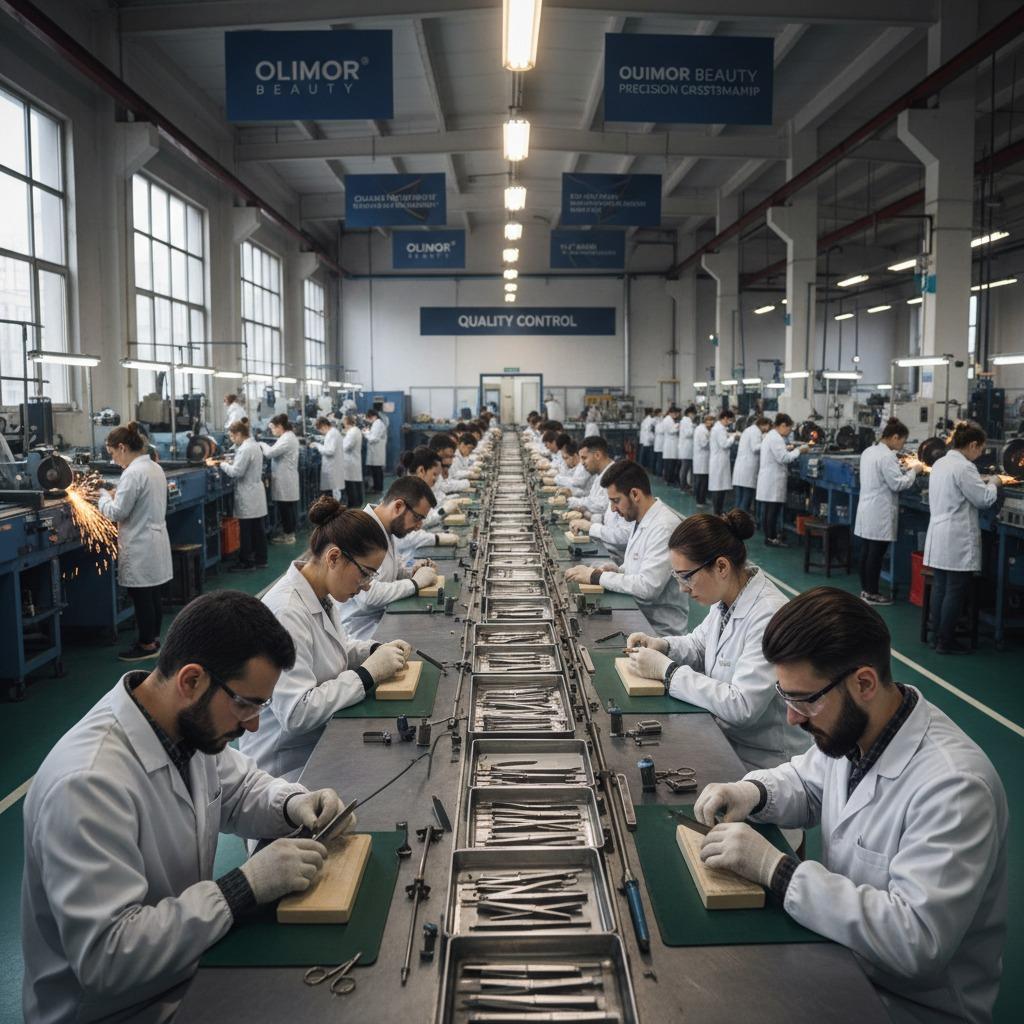
Quality assurance is especially important for B2B beauty supplies because a buyer may receive a large number of units at once. Olimor Beauty emphasizes quality checks from raw material selection to final packaging. For purchasing teams, this is a reminder to define inspection expectations early and focus on the characteristics that most affect end-user satisfaction.
Useful inspection points for nail clippers include blade alignment, cutting smoothness, lever action, surface finish, integrated file placement, cleanliness and packaging condition. These are straightforward, practical checks that can be applied to samples and used as reference points when reviewing production readiness. Buyers should also consider how the product will be handled after delivery: warehouse storage, retail display, shipment in kits or distribution to professional users can all influence packaging decisions.
Consistency is often more important than one impressive sample. A sample that feels good is a start, but the real sourcing question is whether the bulk order can match the approved direction. Clear communication about acceptable appearance, function and packing details reduces misunderstandings before goods are prepared for shipment.
How to Match Nail Clippers with a Wider Beauty Tool Range
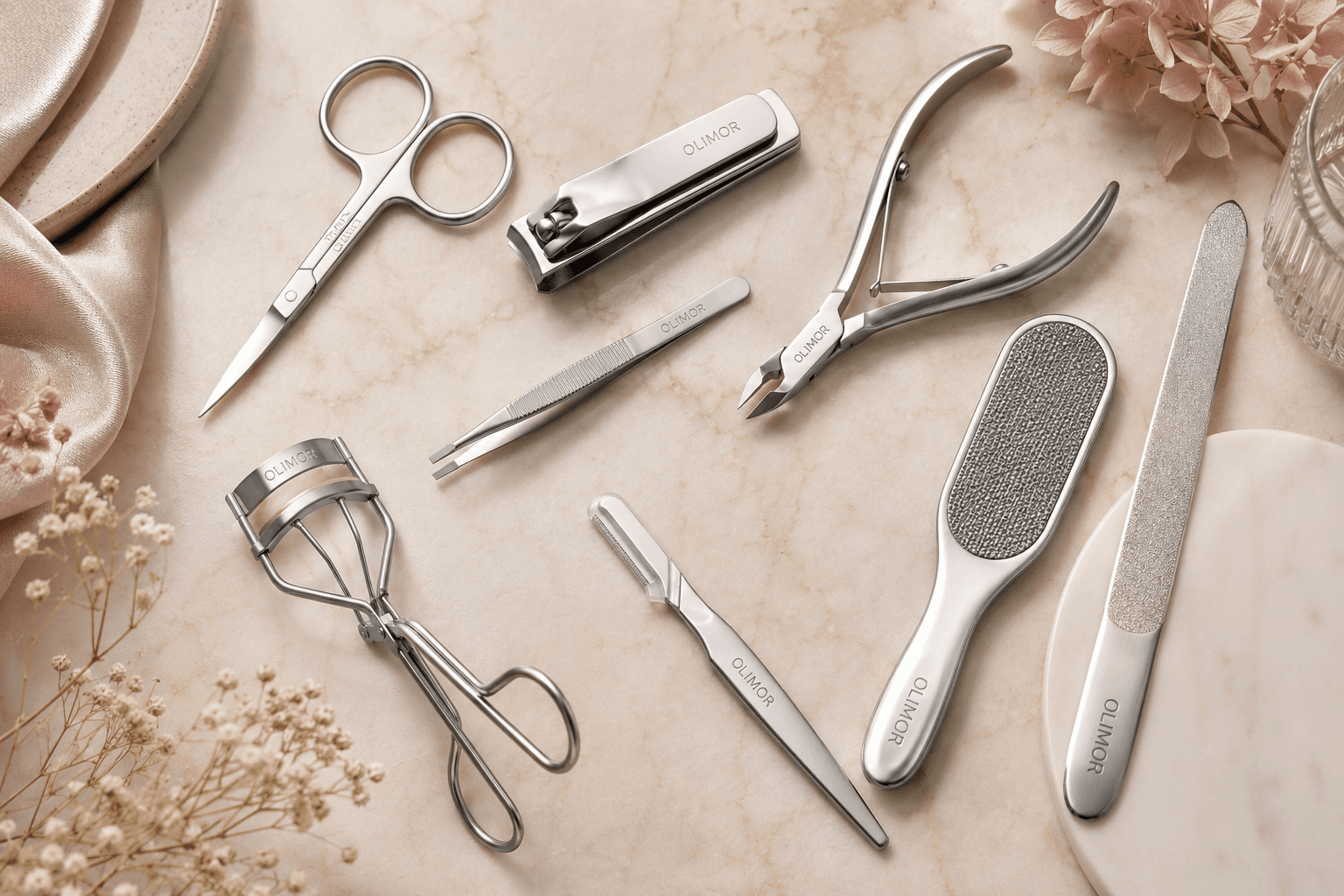
A nail clipper often performs best commercially when it is part of a broader beauty tool strategy. It may be sold with nail files, tweezers, scissors, grooming kits or other personal-care accessories. Buyers planning a coordinated range can review Olimor Beauty's beauty tool products to understand how a nail clipper might fit with complementary tools.
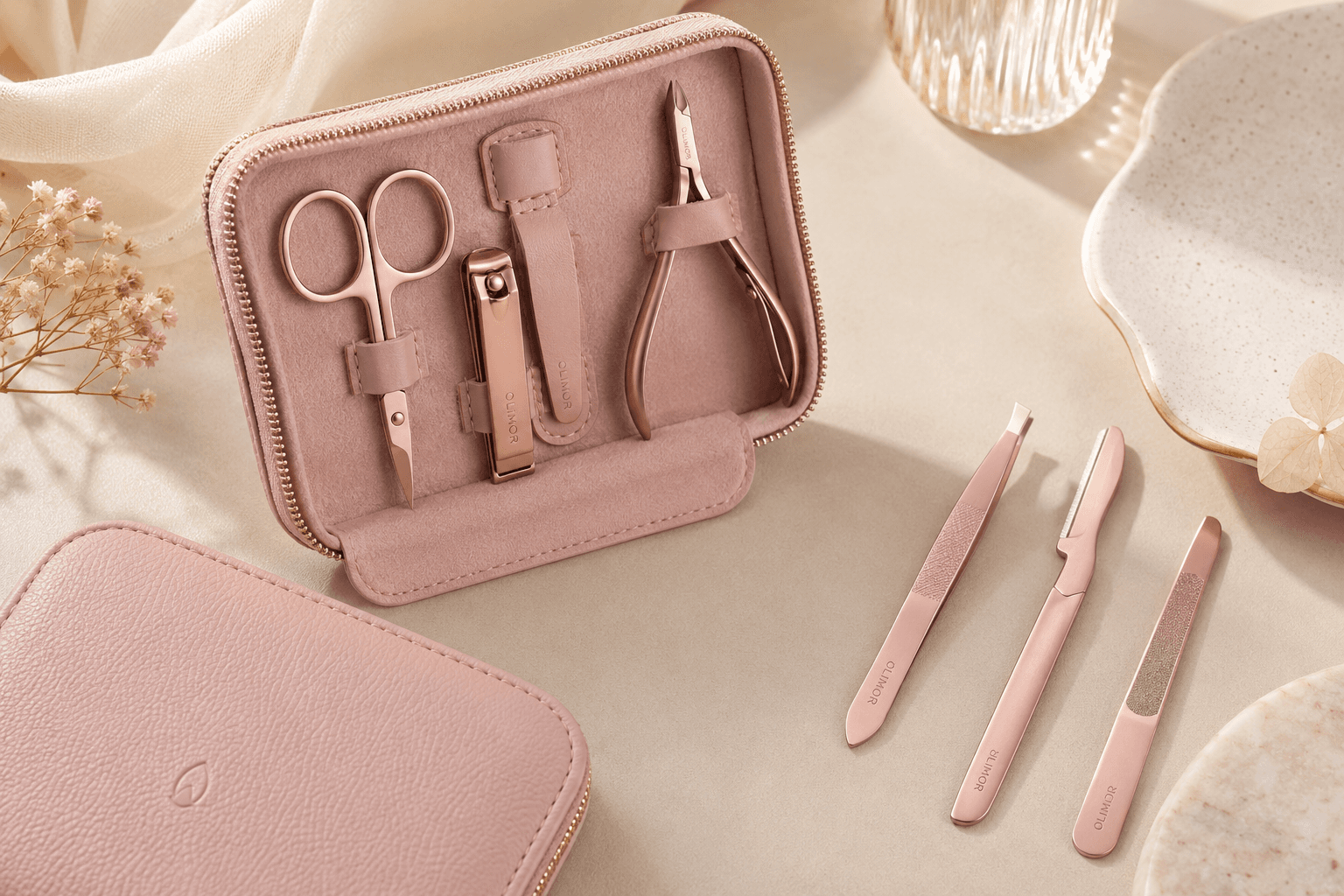
When building a set, visual consistency matters. Tools do not need to be identical, but they should feel like they belong together. Consider finish, packaging color direction, tool size and the end-use story. A travel grooming kit should be compact and protective. A salon supply assortment should be easy to restock and identify. A retail manicure set should look organized and be simple for customers to understand.
Buyers can also browse product collections when planning assortment architecture. This helps avoid treating the nail clipper as an isolated item. Instead, it can become part of a practical product family that supports repeat orders, category expansion and stronger shelf presentation.
Practical Sourcing Checklist for Custom Nail Clipper Projects
Before confirming a custom made nail clipper order, create a short sourcing brief. This does not need to be complicated, but it should be specific enough to guide product discussion and sample review. A clear brief saves time and helps the supplier understand the intended market.
- Define the sales channel: State whether the clipper is for salons, retail, online sales, kits, gifting or distribution.
- Clarify the user expectation: Decide whether the main priority is compact size, comfortable grip, premium appearance or everyday value.
- Review the sample carefully: Test cutting action, lever comfort, blade alignment, file usability and finishing.
- Plan branding with restraint: Choose logo and packaging details that support the product without interfering with use.
- Confirm inspection focus: Identify the appearance and function points that should remain consistent across the order.
- Prepare packaging needs: Consider whether the clipper will ship alone, in a kit or as part of a larger beauty supply program.
This checklist is useful for both experienced import teams and first-time private-label buyers. It keeps the discussion focused on real purchasing decisions instead of broad product claims.
Why Work with Olimor Beauty for B2B Beauty Supplies
Choosing a reliable nail clipper supplier is ultimately about reducing uncertainty. Buyers need a partner that understands beauty tool presentation, professional grooming expectations and the importance of consistent delivery condition. Olimor Beauty supports B2B buyers with nail clippers and related grooming tools, with attention to product details, quality checks and customization discussions that fit business needs.
If you are preparing a new beauty tool range, refreshing an existing nail care product or comparing options for private-label sourcing, start with a clear brief and sample evaluation plan. To discuss a custom made nail clipper or broader B2B beauty supplies, contact Olimor or send an inquiry with your target channel, packaging direction and product expectations. A focused sourcing conversation helps turn a simple grooming tool into a dependable part of your product line.
Tag: