Custom Nail Clippers: A B2B Sourcing Guide for Beauty Tool Buyers
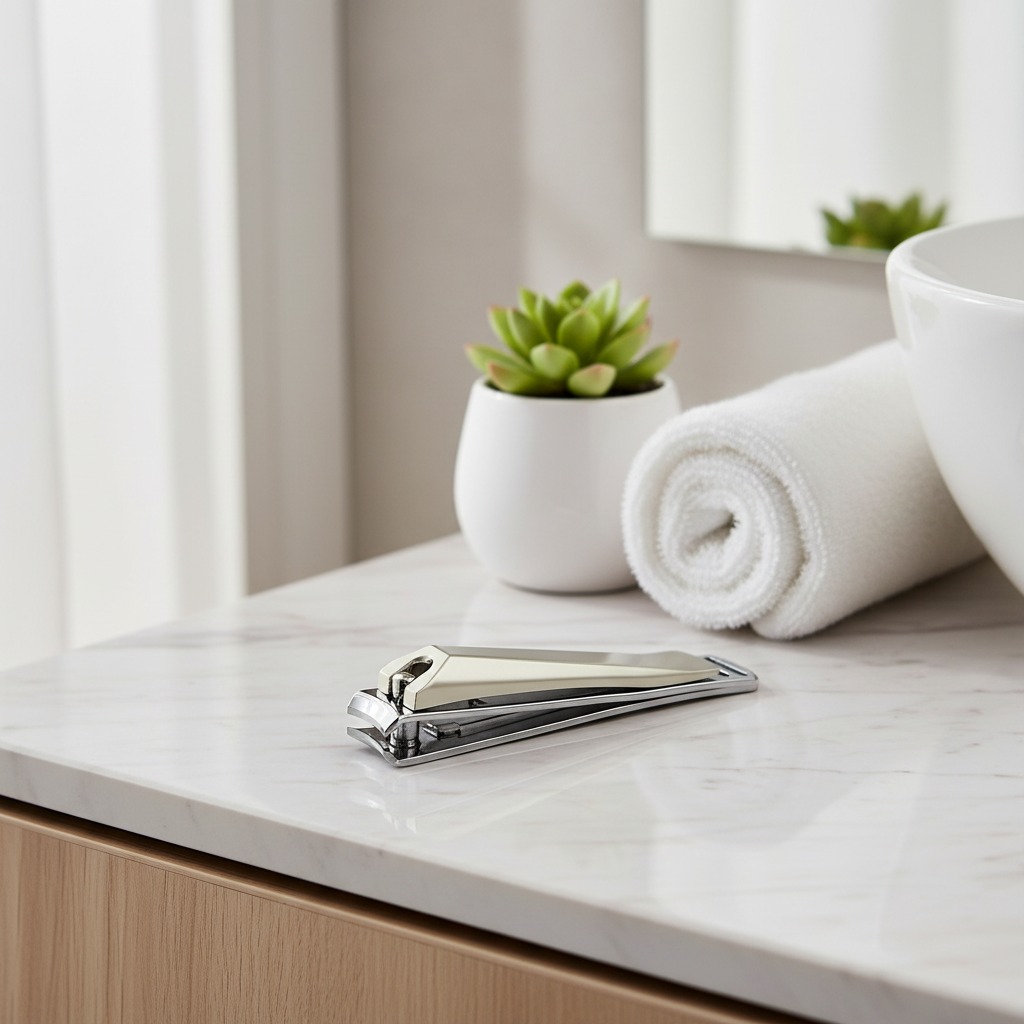
Custom nail clippers are small tools, but they can strongly influence how customers judge a salon kit, retail grooming range, hotel amenity, promotional gift or private-label beauty collection. The right clipper should feel stable in the hand, cut cleanly, travel easily and match the presentation level of the brand selling or using it.
For B2B buyers, the best sourcing decision is not simply the lowest unit cost. It is the clipper that fits the user, sales channel, packaging plan, quality expectations and customization requirements. This guide explains how to evaluate custom made nail clippers, compare supplier capability and prepare a practical brief before ordering.
Why Nail Clippers Matter in B2B Beauty Supplies
Nail clippers are often treated as basic accessories, yet they are frequent-use grooming tools. A clipper that feels flimsy, slips during use or leaves rough nail edges can make a broader beauty set feel poorly specified. A compact, polished and comfortable clipper, by contrast, can support a professional impression across salons, spas, retail channels and travel programs.
Different B2B buyers also use nail clippers in different ways. A salon or spa may need a practical tool that staff can handle repeatedly as part of a hygiene-focused workflow. A beauty retailer may focus on shelf presentation, packaging clarity and customer-friendly product positioning. A hospitality buyer may prefer a compact format that fits neatly into an amenity program. A grooming kit brand may need visual consistency across clippers, tweezers, scissors, nail files and other tools.
Before comparing samples, define the use case first: who will use the clipper, how often, in what setting and at what quality position? That answer should guide the material, shape, finish, packaging and logo decisions.
Core Product Features to Evaluate Before Customization
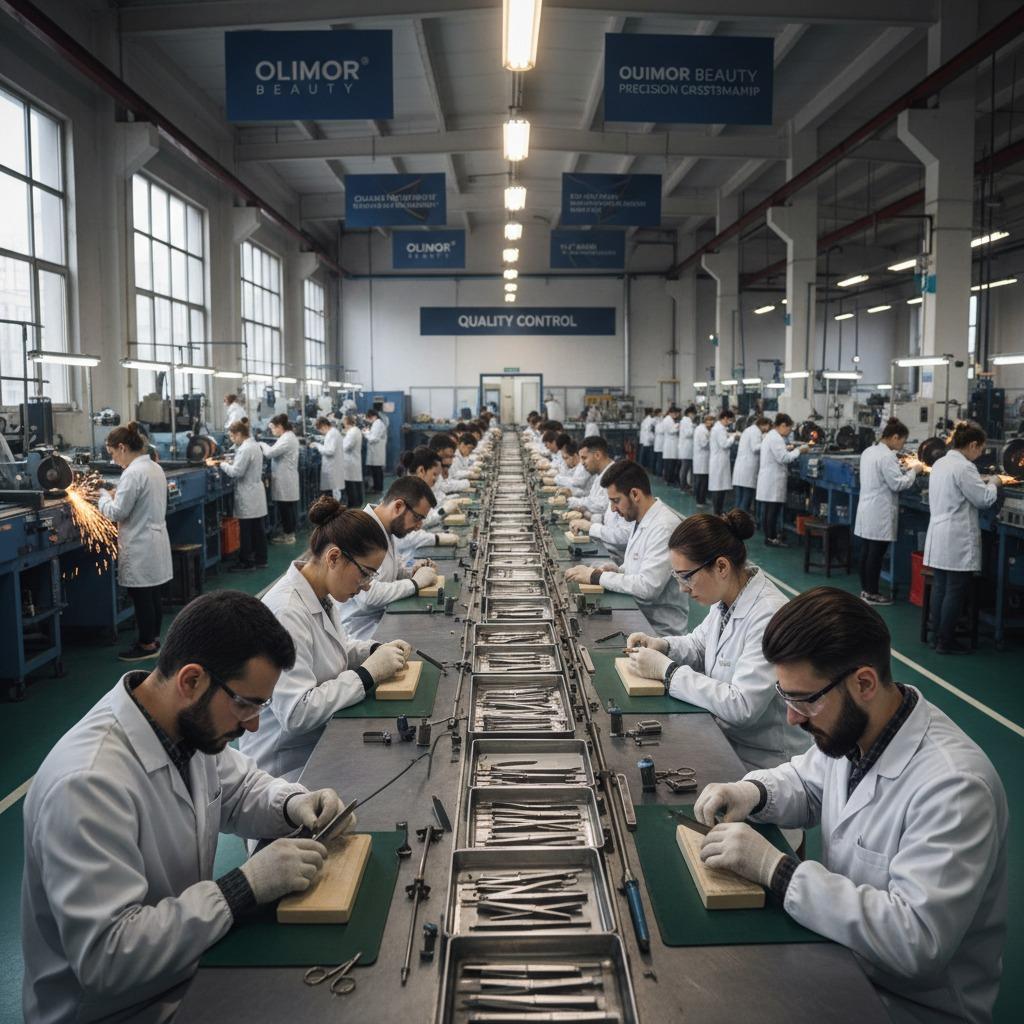
Customization should never distract from function. A branded clipper still needs clean cutting edge alignment, comfortable leverage and consistent surface finishing. Olimor Beauty’s nail clipper offering includes robust metallic construction, and supplied product information notes that stainless steel tools are inspected from raw materials to final packaging. For buyers, the practical value of this type of process is reduced variation in finish, assembly and usability.
Material and construction
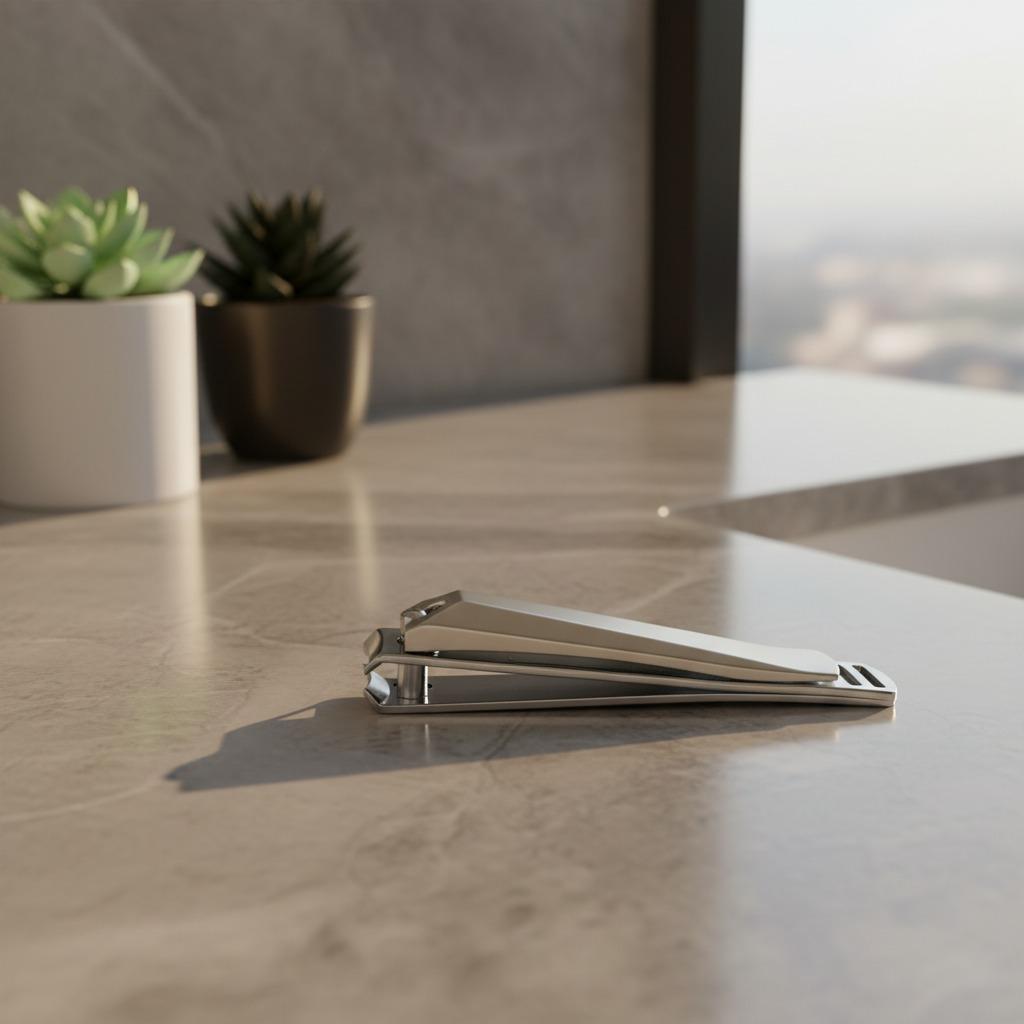
Stainless steel is commonly preferred for grooming tools because buyers expect a clean appearance and durable feel. When reviewing a sample, do not rely on material language alone. Hold the clipper, press the lever, check the hinge area and inspect whether the tool feels stable rather than loose or thin. If the clipper will be used in a professional or travel setting, construction quality matters as much as surface appearance.
Cutting edge alignment
The upper and lower cutting edges should meet evenly. Misalignment can lead to pinching, tearing, uneven trimming or repeated cutting passes. For B2B purchasing, ask the supplier how cutting alignment is checked during production and final inspection. Keep an approved sample and written specification so bulk goods can be compared against the same reference.
Blade shape and trimming control
A specially curved blade can support smoother, more accurate trimming and help reduce unnecessary pressure on the nail edge. The right blade curve depends on the target user. A general retail clipper may need a familiar, easy-to-use shape, while a professional grooming kit may place more emphasis on precision and repeatable control.
Grip, lever feel and ergonomics
The lever should press smoothly without feeling unstable. A matte handle area can support grip and control, especially when paired with polished stainless steel for a two-tone appearance. Buyers should test whether the handle feels comfortable for different hand sizes and whether the lever action gives the user enough control without excessive pressure.
Surface finish and touch points
Finish quality affects both appearance and safety of touch. Polished and matte areas should look intentional, with no rough edges, sharp burrs, stains, visible scratches or coating inconsistency. For retail and gifting, macro product photography will reveal surface issues quickly. For professional and hospitality use, touch comfort and easy wiping are equally important.
Portability and storage
Compact, travel-friendly nail clippers are useful for hotel amenities, personal grooming pouches, retail travel sets and promotional programs. However, compactness should not make the lever hard to operate. Ask for samples in the intended packaging or kit layout so you can evaluate both tool handling and set compatibility.
Matching the Clipper to Your Sales Channel
A reliable sourcing brief connects product design to the sales channel. The same custom nail clipper may not work equally well for a salon, an online retail store, a hotel amenity kit and a corporate gift program.
- Salons and spas: Prioritize comfortable handling, stable lever movement, easy cleaning and a professional look.
- Beauty retailers: Focus on shelf presentation, product photography, packaging clarity and a design that customers understand quickly.
- Hospitality and travel: Look for compact size, protective packaging and simple user guidance.
- Private-label grooming brands: Check whether the finish, size and style coordinate with other tools in the range.
- Promotional buyers: Balance branding visibility with real product usability, because a practical clipper is more likely to be kept.
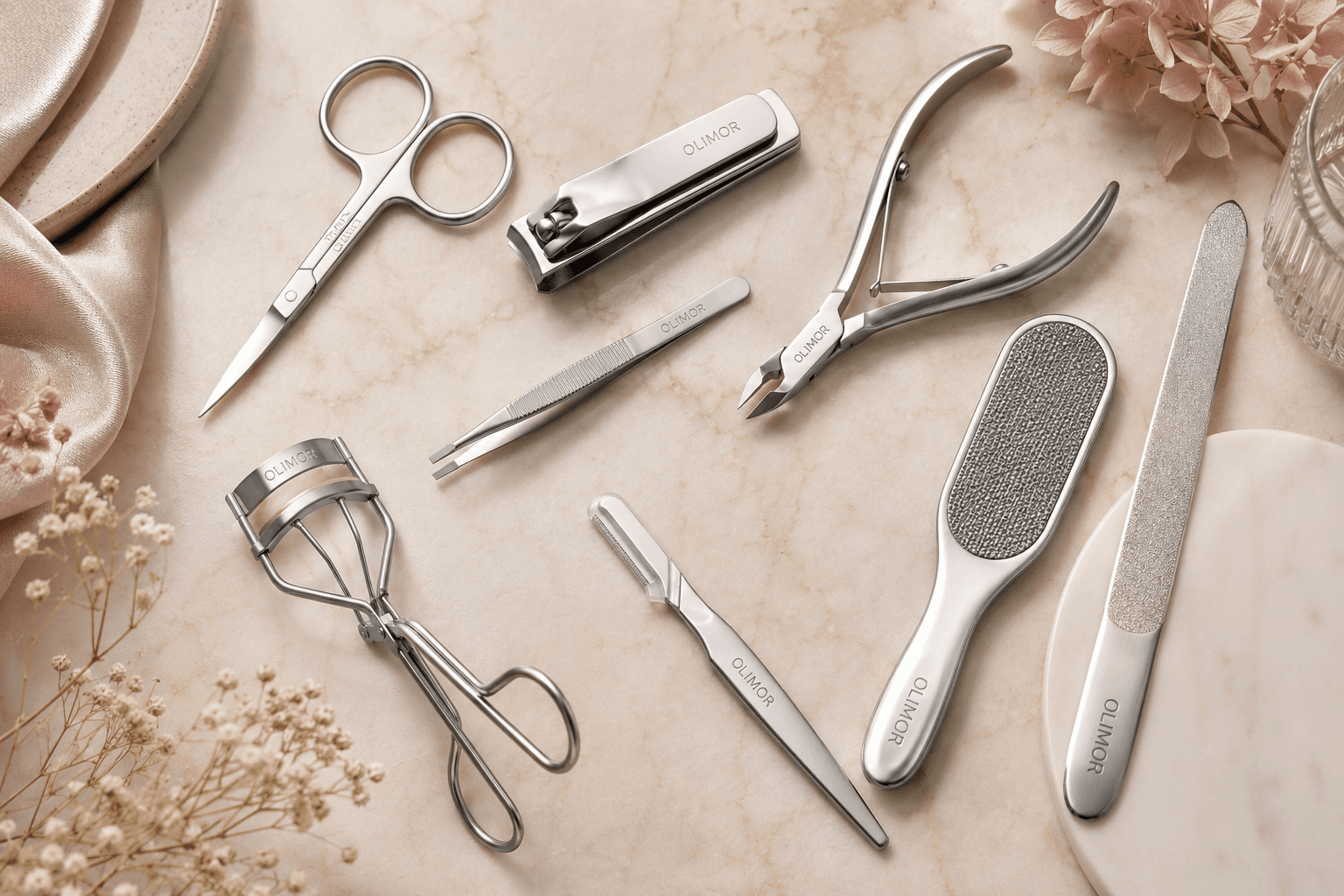
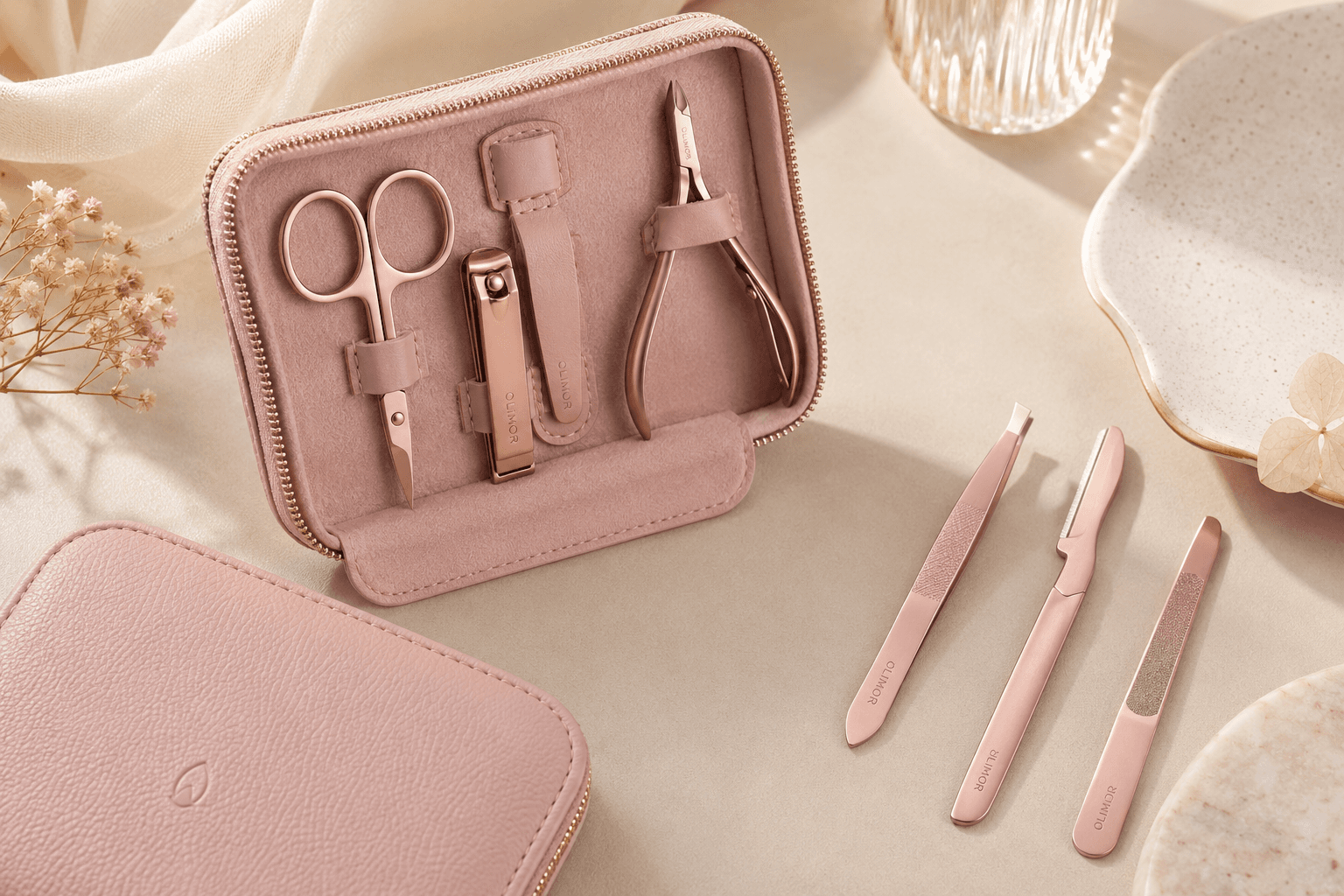
If you are building a wider assortment, review related Olimor beauty tool products to plan how nail clippers can sit alongside tweezers, scissors, nail files and manicure sets. A strong collection usually has visual coherence, but each tool still needs to perform its own job well.
Customization Choices That Affect the Final Product
Custom made nail clippers can support a private-label program, branded retail line, salon aftercare kit or promotional set. The most useful customization decisions normally relate to finish, logo placement, packaging and set configuration.
Logo placement
A logo may be placed on the lever, handle area or packaging depending on the tool design and branding method available for the selected model. A logo that looks clear in a digital mockup may be too small, too close to a curved surface or poorly positioned for retail photography. Always review physical samples or realistic pre-production references before approving the final placement.
Finish direction
A polished metallic finish can feel clean and modern. A matte handle can create contrast and support grip. A two-tone appearance combining polished stainless steel with a matte handle can make a basic utility item feel more considered. Buyers should decide whether additional branding should be subtle or more visible, especially if the clipper already has strong visual contrast.
Packaging approach
Packaging changes how the product is perceived and how it performs logistically. Simple protective packaging may suit bulk professional supply. Retail packaging may need feature communication, barcode placement, safety information and display-friendly structure. Kit-ready packaging should protect the clipper while fitting neatly with other grooming tools.
Set compatibility
If the clipper will be sold with tweezers, scissors, files or other beauty tools, check whether the finish, size and quality level feel consistent. Buyers can browse Olimor’s broader beauty tool collections when planning a coordinated grooming assortment.
Supplier Evaluation Checklist for B2B Orders
A dependable nail clipper supplier is not only one that can make the product. For B2B buyers, reliability means clear communication, stable sample evaluation, practical customization support, packaging understanding and a consistent inspection approach. The supplied information notes that Olimor Beauty emphasizes inspections at production stages and strict internal controls, including checks from raw materials to final packaging for stainless steel tools.
Use the table below to compare suppliers and keep the sourcing conversation specific.
| Evaluation Area | What to Check | Why It Matters |
|---|---|---|
| Sample quality | Cutting edge alignment, lever movement, grip comfort and finish consistency | Samples show whether the clipper feels suitable for your target customer before bulk ordering. |
| Material and construction | Metal body stability, hinge area, stainless steel appearance and overall balance | Good construction supports repeated use and a more professional customer impression. |
| Customization support | Logo position, finish options, packaging style and set compatibility | Branding should look intentional, not added as an afterthought. |
| Inspection process | Checks during material review, production, assembly and final packaging | Consistent inspection helps reduce variation in B2B orders. |
| Use case fit | Salon, spa, retail, travel, gift, hospitality or grooming kit application | Different channels need different handling, presentation and packaging priorities. |
| Communication | Clear confirmation of artwork, samples, packaging and order requirements | Accurate communication reduces mismatched expectations and approval delays. |
Quality Control Questions to Ask Before Placing an Order
Quality control for nail clippers should cover function, appearance, packaging and consistency between approved samples and bulk goods. Buyers should not limit inspection to whether the product looks acceptable from a distance. A nail clipper depends on small mechanical details, so hands-on review is essential.
- How are raw materials and incoming components reviewed before production?
- How is cutting edge alignment checked during production and final inspection?
- What surface defects are considered unacceptable, such as burrs, scratches, stains or coating inconsistency?
- How is lever movement evaluated for stability and smooth pressure?
- How are approved samples, artwork and packaging specifications controlled for repeat orders?
- How are finished goods protected during packing to reduce surface damage?
For consumer goods sold into regulated markets, buyers should also verify applicable safety, labeling and import requirements. Depending on destination and product use, public frameworks such as the EU General Product Safety Regulation or guidance from the U.S. Consumer Product Safety Commission may be relevant. Requirements change and can vary by market, so buyers should verify the applicable version, confirm documentation with the supplier and consult local compliance support where needed. Do not assume that a general product standard or public regulation is the same as a supplier certification.
Cost Factors Without Reducing the Product to Price
Custom nail clipper cost is influenced by more than the metal tool itself. Buyers comparing quotations should ask what is included and whether the quoted product matches the approved sample. A lower price may not be useful if it leads to weak lever action, inconsistent finishing, poor packaging fit or unclear branding.
Common cost factors include material and construction, finish complexity, logo method, packaging structure, order quantity, sample development, inspection requirements and whether the clipper is supplied as a standalone item or part of a grooming set. Instead of asking only for the lowest price, ask suppliers to explain the trade-offs behind each option. This makes it easier to choose a product that fits your brand position and expected customer experience.
How to Prepare a Clear Sourcing Brief
A clear sourcing brief helps both buyer and supplier avoid vague assumptions. It should describe the intended user, sales channel, desired finish, logo requirements, packaging direction and inspection expectations. Include reference photos if available, but do not rely on images alone. A good brief also explains what the product must do, not just how it should look.
- Define the user: Retail consumer, salon professional, spa team, hotel guest, gift recipient or grooming kit buyer.
- Describe the channel: Online retail, physical store, professional use, hospitality program, promotional distribution or private label.
- Confirm functional priorities: Cutting feel, lever stability, grip comfort, portability and easy cleaning.
- Specify visual direction: Polished, matte, two-tone, understated, modern or coordinated with an existing range.
- Clarify branding: Logo size, placement preference, packaging artwork and any set presentation requirements.
- Plan quality review: Approved samples, inspection checkpoints, packaging checks and final confirmation process.
If you are ready to compare options, you can send product requirements through the Olimor inquiry page and include your target channel, packaging needs and customization goals.
Common Sourcing Problems and How to Avoid Them
Many nail clipper sourcing problems begin with incomplete specifications. A buyer may approve a product based on appearance but later discover that the lever feels loose, the logo is hard to read, the retail packaging does not protect the tool or the clipper does not match the rest of a grooming set.
To avoid these issues, evaluate samples in the same way customers will experience the product. Open the packaging, hold the clipper, test the lever, inspect the edges, check the logo from normal viewing distance and compare the finish with nearby tools. If the product will be sold online, review how it photographs. If it will be used in a salon or spa, ask staff to handle it and comment on grip, leverage and cleaning practicality.
For repeat B2B orders, keep a record of approved samples, artwork files, packaging references and any written inspection notes. This helps maintain consistency when reordering or adjusting the product for a new channel.
When Olimor May Be a Fit
Olimor Beauty works with beauty tool buyers sourcing practical grooming instruments, including custom nail clippers for professional and everyday use. The strongest fit is a buyer who already knows the intended channel and wants to align product function, finish, branding and packaging before confirming an order.
For a restrained next step, share your target use case, preferred appearance, packaging direction and any existing brand requirements through Olimor’s contact page. The discussion can then focus on suitable product options, sample review and the checks needed before production approval.
FAQ
Can B2B buyers request samples before confirming a custom nail clipper order?
Sample review is an important step for checking cutting feel, lever movement, grip comfort, finish quality and logo placement. Buyers should confirm sample availability, sample scope and approval steps directly with the supplier.
What MOQ applies to custom nail clippers?
MOQ can depend on the selected model, customization method, packaging style and production plan. Buyers should avoid assuming a fixed quantity and should ask for the requirement that matches their exact specification.
Can the logo and packaging be customized?
Logo placement and packaging options may be available depending on the clipper design and order requirements. Buyers should provide artwork, preferred placement and channel details so the supplier can advise what is practical.
What quality checks should be requested?
Useful checks include cutting edge alignment, lever stability, surface finish, burr inspection, packaging condition and comparison with the approved sample. Buyers should document expectations before bulk production.
How should lead time be discussed?
Lead time depends on sample approval, customization, packaging complexity and production scheduling. Ask the supplier to confirm the process stages rather than relying on a generic estimate.
Tag: