Wet or Dry Nail Clipping: How to Choose the Right Method and Nail Clipper
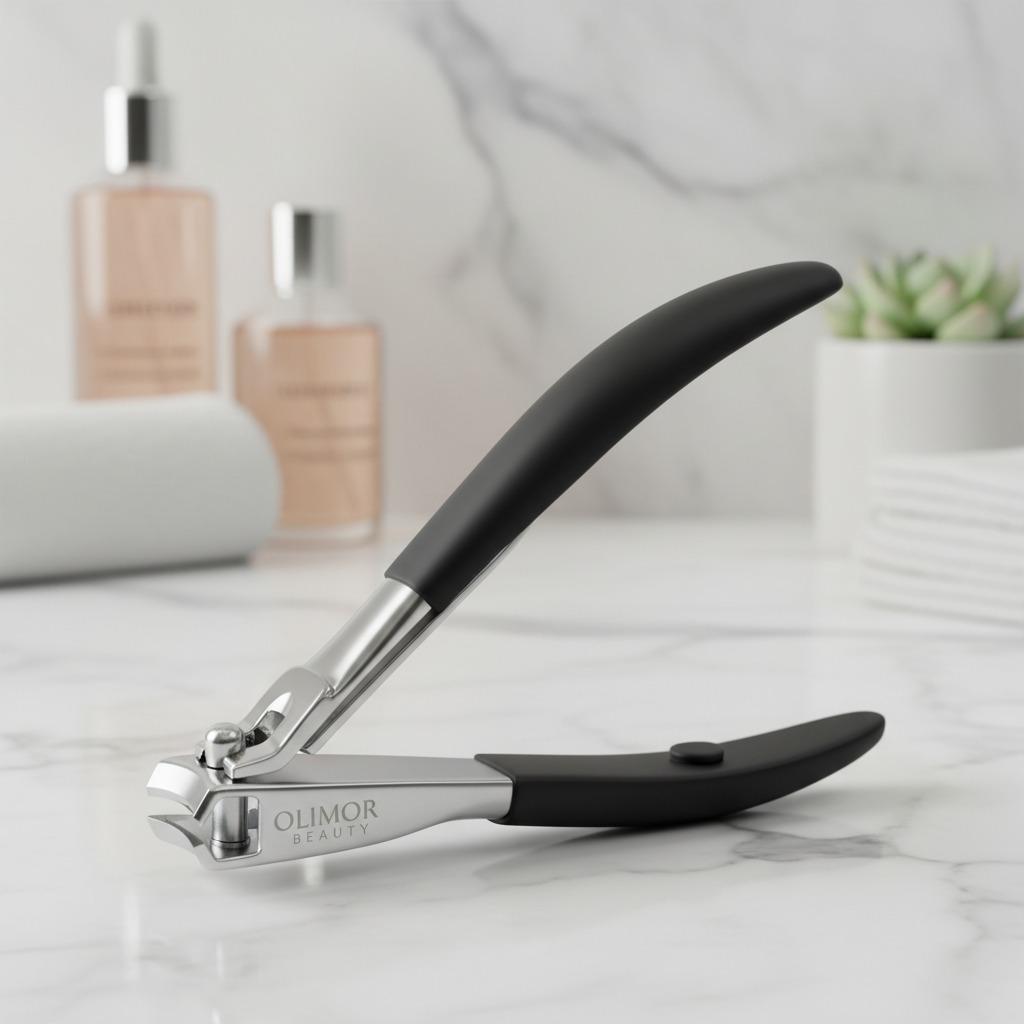
A cleaner nail trim comes from two decisions: when to cut and what tool to use. Wet clipping can make hard or brittle nails easier to shorten, while dry clipping gives better visibility and control for final shaping. A stainless steel nail clipper with sharp, aligned cutting edges and comfortable leverage helps both methods work more predictably.
For personal grooming, the goal is simple: remove length without crushing the nail, leaving sharp corners, or cutting too close to sensitive skin. For retailers, distributors, and beauty-tool buyers, the question is broader. A nail clipper must feel reliable in everyday use, be easy to clean, suit the intended retail channel, and arrive with product details that support responsible sourcing.
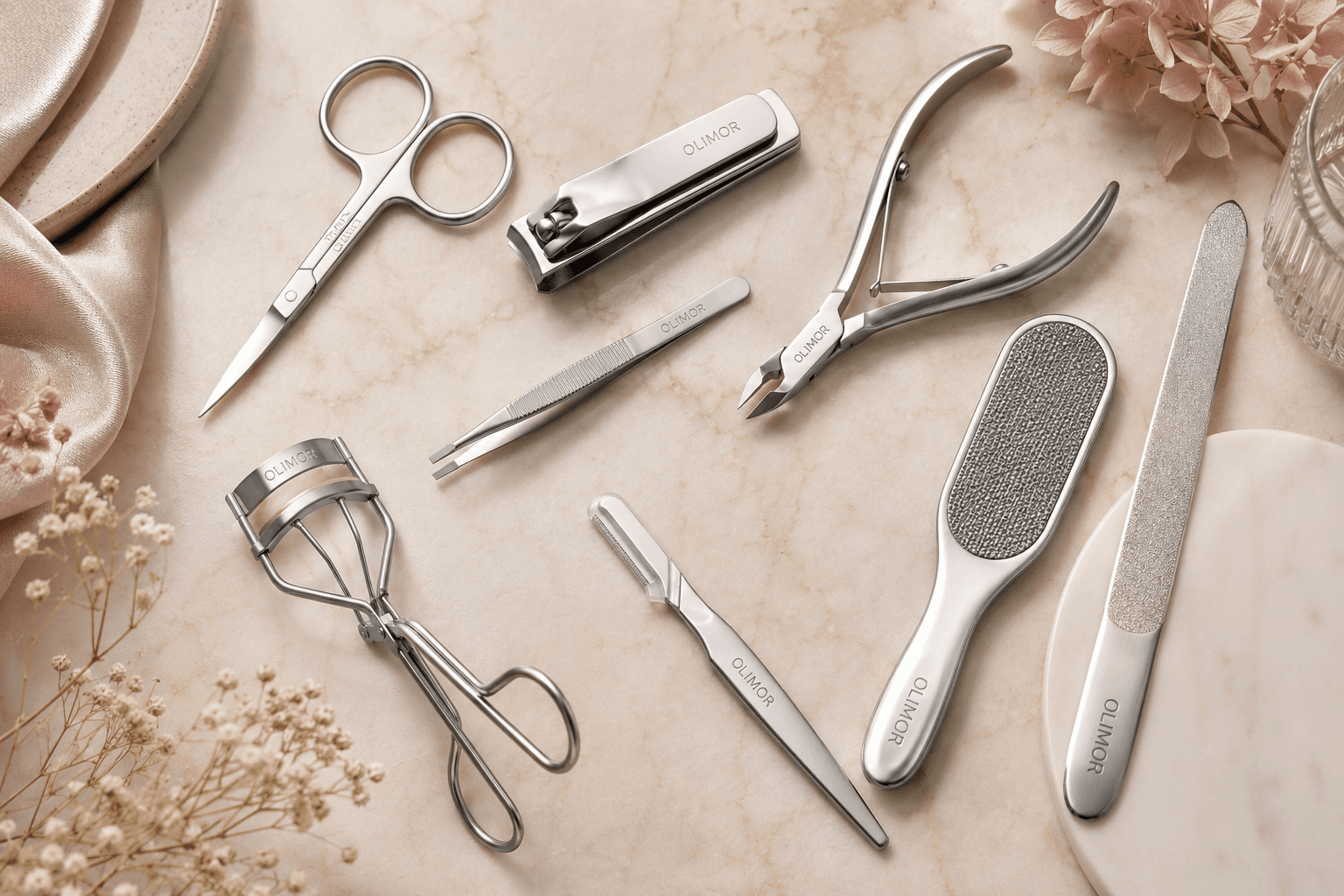
Olimor Beauty presents its nail clipper as a stainless steel grooming tool designed for precision trimming, with sharp blades and an ergonomic design for regular personal care. This guide explains how to decide between wet and dry clipping, how to trim nails with fewer jagged edges, and what commercial buyers should inspect when comparing nail clippers within broader beauty tool products.
Quick Answer: Should Nails Be Clipped Wet or Dry?
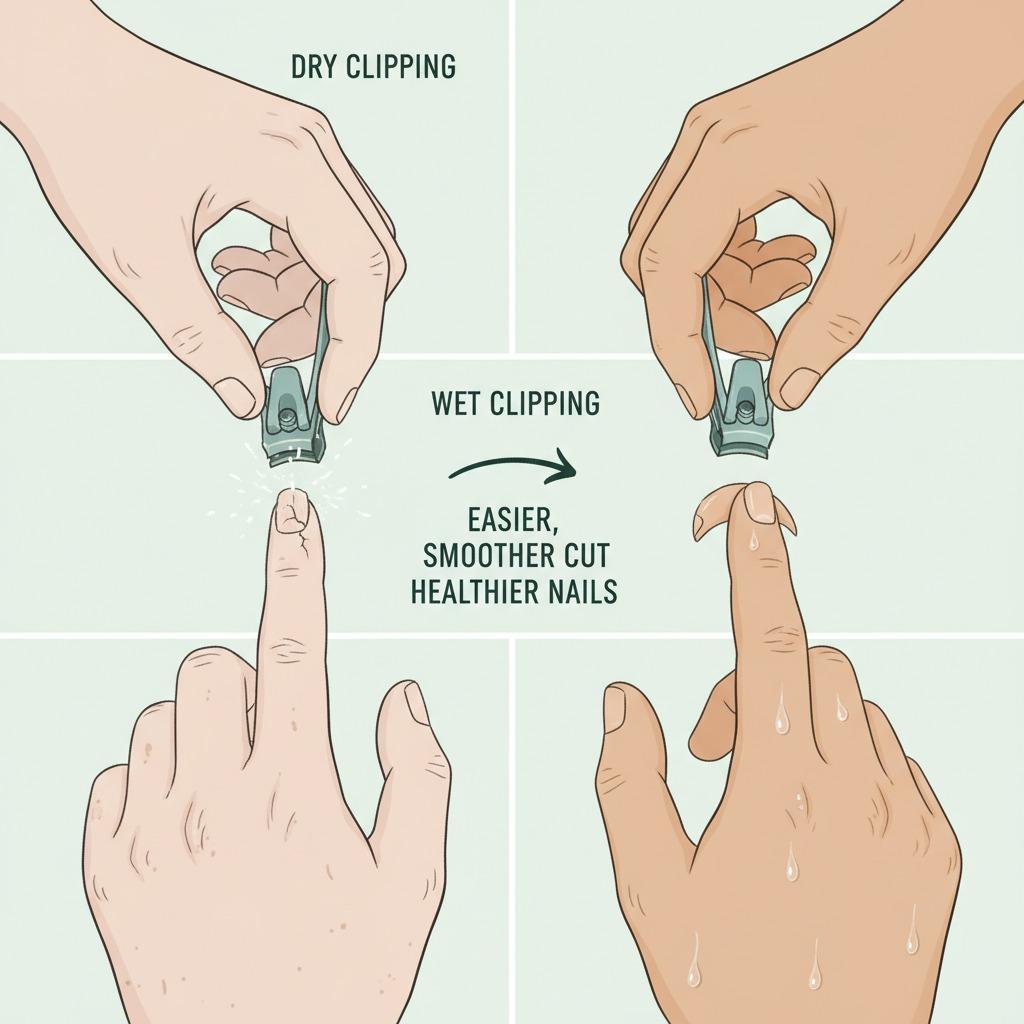
Clip nails wet when they are thick, dry, brittle, or uncomfortable to cut. Clip nails dry when you need more control over shape, length, and final appearance. Many people get the best result by softening difficult nails first, trimming conservatively, then drying and filing the edge.
Wet clipping usually follows a shower, bath, or short warm-water soak. The nail plate becomes more flexible, so the clipper meets less resistance. This can reduce the harsh snapping feeling that some users notice when trimming dry nails. It may also help when shortening thicker toenails in small sections.
Dry clipping is better for routine maintenance when only a little length needs to be removed. Because the nail is firm and not temporarily softened by water, the user can see the true nail line more clearly. This makes it easier to avoid over-trimming and easier to match the length from one nail to the next.
The practical rule is to avoid extreme cutting in either condition. Do not cut a wet nail too short just because it feels soft. Do not force a dry, brittle nail through one heavy cut. Small, controlled cuts followed by light filing give the cleanest everyday result.
How a Stainless Steel Nail Clipper Affects the Cut
A nail clipper looks simple, but its performance depends on blade alignment, cutting edge finish, lever stability, and hand feel. Stainless steel is commonly selected for grooming tools because it is durable in regular use and easier to clean than many porous materials. However, material alone does not guarantee a good cut. A poorly aligned stainless steel clipper can still crush or tear the nail.
A useful clipper should close evenly from one side of the jaw to the other. The lever should feel steady under pressure instead of twisting or wobbling. The cutting edges should meet cleanly so the nail is separated in a controlled press rather than chewed through by repeated squeezing. The user should also be able to see the nail edge clearly while trimming.
Ergonomic design matters because clipping is often done with the non-dominant hand, at an angle, or on toenails where visibility is less convenient. A stable grip helps the user apply pressure slowly and stop before cutting too close. Sharp blades are also important because they reduce the need to squeeze the same section again and again.
For business buyers, these details are not just user-comfort points. They influence customer satisfaction, product reviews, returns, and repeat orders. When evaluating samples, do not judge only the shine of the surface or the compactness of the packaging. The actual cutting feel is the main function customers will remember.
Wet vs Dry Nail Clipping Comparison
The better method depends on nail condition, the amount of length being removed, and the purpose of the grooming session. The table below gives a practical way to choose before trimming.
| Situation | Better method | Reason | Extra tip |
|---|---|---|---|
| Brittle fingernails that split easily | Wet clipping | Softening may reduce cracking at the free edge. | Trim lightly, then file after drying. |
| Weekly maintenance trim | Dry clipping | The true shape and length are easier to see. | Use several small cuts instead of one wide cut. |
| Thicker toenails | Wet clipping, then dry inspection | Warm water can reduce resistance before cutting. | Do not cut deep into the corners. |
| Final shaping before polish or grooming products | Dry clipping | The edge is closer to its final appearance. | Finish with a fine nail file. |
| Nails that snag on towels or clothing | Either method | The problem is often an unfinished edge. | File corners smooth after clipping. |
| Long nails needing major length reduction | Wet or dry, depending on nail strength | Control matters more than speed. | Remove length gradually rather than cutting to the final line at once. |
Step-by-Step Technique for Cleaner Nail Trimming
Technique has as much impact as the tool. Even a sharp stainless steel nail clipper can leave uneven edges if the user rushes, cuts too deeply, or tries to remove the entire nail width in one press. Use this process for more consistent results.
- Start with clean hands or feet. Wash away dirt, skin oils, lotion, and debris. If you plan to clip wet, use warm water and pat away excess moisture before trimming.
- Inspect the nail edge first. Look for small splits, lifted layers, or sharp corners. Cut around weak areas carefully rather than forcing the clipper directly through a damaged section.
- Position the clipper where you can see the edge. Do not hide the nail under the jaw. Good visibility helps prevent cutting too short.
- Use short, controlled cuts. Begin at one side and move across the nail in small sections. This is especially helpful for thumbs, big toes, and thicker nails.
- Follow a sensible shape. Fingernails are often shaped with a gentle curve. Toenails are commonly kept straighter across to avoid pressure from deep corner cutting.
- Leave a small visible free edge. Cutting into tender skin can cause discomfort and may make future trimming harder.
- File after clipping. Filing smooths small points that clippers can leave behind, especially at the corners.
- Clean the tool before storage. Remove clippings, wipe the cutting area, and dry the clipper thoroughly.
If a nail feels painful, unusually thick, discolored, or difficult to cut safely, grooming technique may not be the only issue. Users should consider professional advice from a qualified healthcare provider rather than forcing the tool through the nail.
Common Problems and How to Fix Them
Jagged edges after clipping
Jagged edges usually come from dull cutting action, poor blade alignment, or cutting too much nail at once. Try smaller cuts and finish with a file. If every cut leaves a crushed edge, inspect the clipper jaws for alignment and damage.
Nails splitting during dry clipping
Dry, brittle nails are less forgiving. Clip after a shower or short soak, remove only a little length, and file gently after the nail dries. Avoid snapping through the nail with a single hard press.
Toenails feel too hard to cut
Soften them first and use gradual cuts. A stable lever and sharp blades are important for control. Do not cut deep into corners, and do not use excessive force if the nail resists.
Clipper slips in the hand
Dry your hands and the tool before trimming. A comfortable, ergonomic lever helps users maintain pressure and direction. For retail assortments, hand feel should be part of sample evaluation, not an afterthought.
The nail looks uneven after drying
This is common when too much shaping is done while the nail is wet. Leave extra length during wet clipping, then check symmetry and refine when dry.
Care, Cleaning, and Storage for Stainless Steel Nail Clippers
Basic maintenance helps preserve cutting feel and hygiene. After each use, tap out nail clippings and wipe the jaw area. If the clipper was used after soaking or stored in a bathroom, dry it before placing it in a pouch, drawer, or grooming kit. Moisture left around joints and cutting edges can shorten the useful life of many metal tools.
Personal clippers should ideally be kept separate, especially in households where multiple people groom at different times. If a tool is shared, clean it between users. Nail debris and skin particles can remain around the jaws, so open and close the lever while checking for trapped material.
Storage also affects alignment. Dropping a clipper onto a hard floor can damage the cutting edge or shift the jaw relationship. In retail sets, packaging should protect the clipper during transport and display so the customer receives a tool that closes correctly.
For brands and retailers, clear care instructions are part of product value. Simple consumer guidance can reduce misuse, improve perceived quality, and support lower return rates. When building a manicure set or travel grooming kit, compare care requirements across related items in the Olimor Beauty collection.
What B2B Buyers Should Check Before Sourcing Nail Clippers
Commercial sourcing requires more than confirming that the item looks attractive in photos. A nail clipper is a functional tool, so sample inspection should include cutting action, hand comfort, edge finishing, cleaning access, and packaging suitability. Buyers should also confirm which documents the supplier can provide for the intended market.
Use the checklist below when reviewing a stainless steel nail clipper sample:
- Blade alignment: the cutting edges should meet evenly without visible offset.
- Cutting consistency: the clipper should remove nail length cleanly in controlled sections.
- Lever stability: the handle should not twist or feel loose under normal pressure.
- Surface finishing: edges that contact the hand should feel smooth and comfortable.
- Cleaning access: nail debris should be easy to remove from the jaw area.
- Ergonomic feel: the design should support steady use by different hand sizes where possible.
- Packaging fit: the product should suit the sales channel, whether retail shelf, travel kit, gift set, or manicure assortment.
- Labeling and documents: check product description, material statement, care instructions, and destination-market requirements.
Cost can vary for legitimate reasons, including material selection, finishing steps, packaging format, order complexity, customization, and inspection requirements. A lower unit cost is not useful if the clipper feels unstable, arrives with inconsistent alignment, or creates customer complaints. Buyers should evaluate total commercial value rather than price alone.
For consumer products, buyers may need to consider applicable safety and labeling expectations in their destination market. In the European Union, the General Product Safety Regulation is relevant to many consumer goods. In the United States, the Consumer Product Safety Commission is a recognized public body for consumer product safety. Requirements can change, so buyers should verify current versions and request supplier documents rather than relying on assumptions.
Customization, Retail Positioning, and Supplier Evaluation
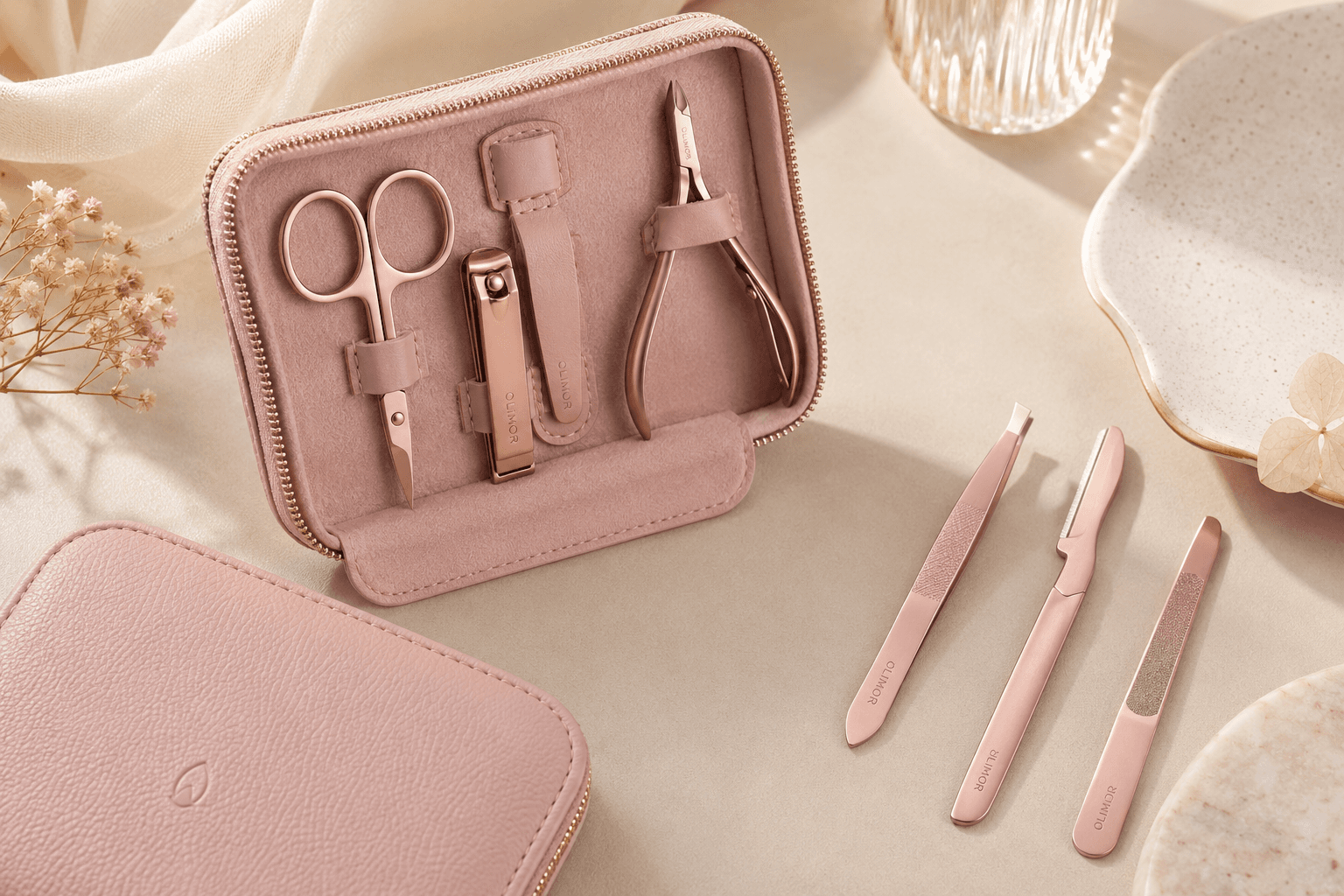
Nail clippers can be sold as individual grooming tools, included in manicure sets, paired with nail files, or used in travel and personal-care assortments. The best specification depends on the buyer position. A compact retail clipper may prioritize portability and simple packaging. A gift set may require coordinated appearance, protective presentation, and clear care instructions. A salon-adjacent retail item may place greater emphasis on cutting feel and repeat-use comfort.
Customization should be discussed early because it can affect packaging, appearance, inspection steps, and production planning. Buyers should provide the intended sales channel, target market, packaging preference, and any compliance expectations. If branding, surface finish, or set configuration is required, confirm what can be customized before approving artwork or sales listings.
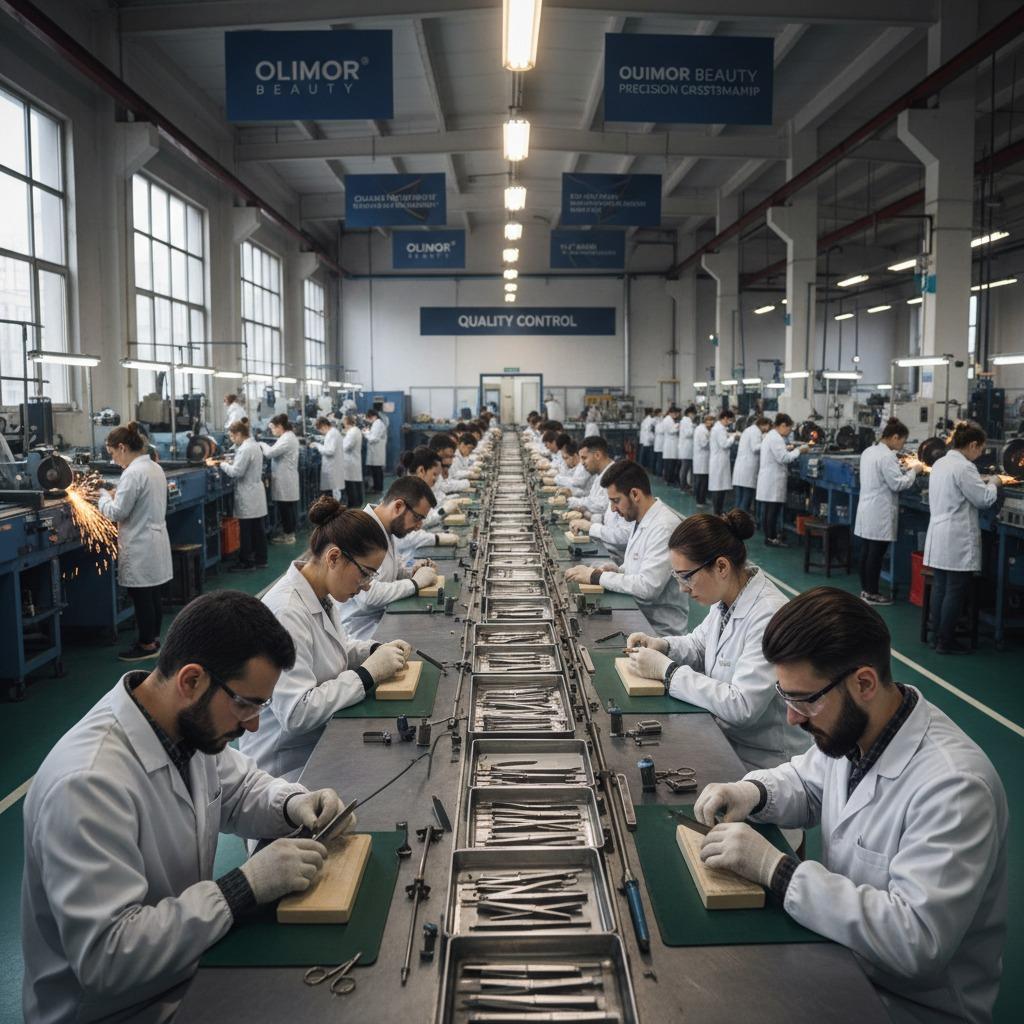
Supplier evaluation should include communication as well as samples. A useful supplier can explain product options, identify practical limitations, and provide current product information without making unsupported claims. Olimor Beauty positions its nail clipper around stainless steel construction, precision trimming, ergonomic use, sharp blades, and quality checks. Buyers comparing grooming tools can send a product inquiry with intended use, packaging needs, and destination-market requirements.
Practical Buying Questions to Ask a Nail Clipper Supplier
Before placing an order, ask questions that connect directly to product performance and resale needs. Useful questions include: What stainless steel construction and finishing options are available? How is blade alignment checked during production? What packaging formats can be supported? Can the clipper be supplied as a single item or as part of a grooming set? What product information and care guidance can be provided for retail use?
For sample evaluation, ask whether the sample reflects the intended production version. Test the sample under realistic conditions, including fingernail and toenail trimming where appropriate. Inspect several pieces if available, not only one best-looking unit. Consistency matters in beauty-tool sourcing because customers expect the same cutting feel from every package on the shelf.
If you are comparing multiple beauty tools for a coordinated assortment, contact Olimor Beauty to discuss product matching, packaging direction, and the information needed for your sales channel.
FAQ
Can buyers request nail clipper samples before ordering?
Sample availability should be confirmed directly with the supplier. When requesting samples, explain the target market, packaging idea, and whether the clipper will be sold alone or included in a set.
Is there a fixed MOQ for customized nail clippers?
MOQ can depend on the product version, customization method, packaging, and order requirements. Buyers should request current MOQ details instead of assuming one quantity applies to every project.
Can the nail clipper be customized for retail packaging or sets?
Customization may be possible depending on the requested appearance, packaging format, and assortment plan. Provide artwork expectations, sales channel, and destination-market needs early in the discussion.
How should quality be checked before bulk purchase?
Review samples for blade alignment, cutting feel, lever stability, surface finishing, cleaning access, and packaging protection. Also request relevant product documents and verify current market requirements.
How is lead time confirmed?
Lead time should be confirmed with the supplier based on order quantity, customization, packaging, and production schedule. Buyers should confirm timing before committing to launch dates.
Cleaner Trimming Comes from Method, Tool, and Maintenance
Wet clipping is useful when nails need softening. Dry clipping is useful when shape and length control matter most. The cleanest routine often combines both: soften difficult nails, cut conservatively, dry the nails, inspect the edge, and finish with a file.
A stainless steel nail clipper with sharp blades, aligned jaws, ergonomic handling, and practical cleaning access supports that routine. For B2B buyers, the same features also support retail value, customer satisfaction, and responsible product selection. Choose the clipping method based on nail condition, and choose the supplier based on consistent function, clear communication, and verifiable product information.
Tag: