Ergonomic Nail Clippers for Comfortable, Controlled Nail Care
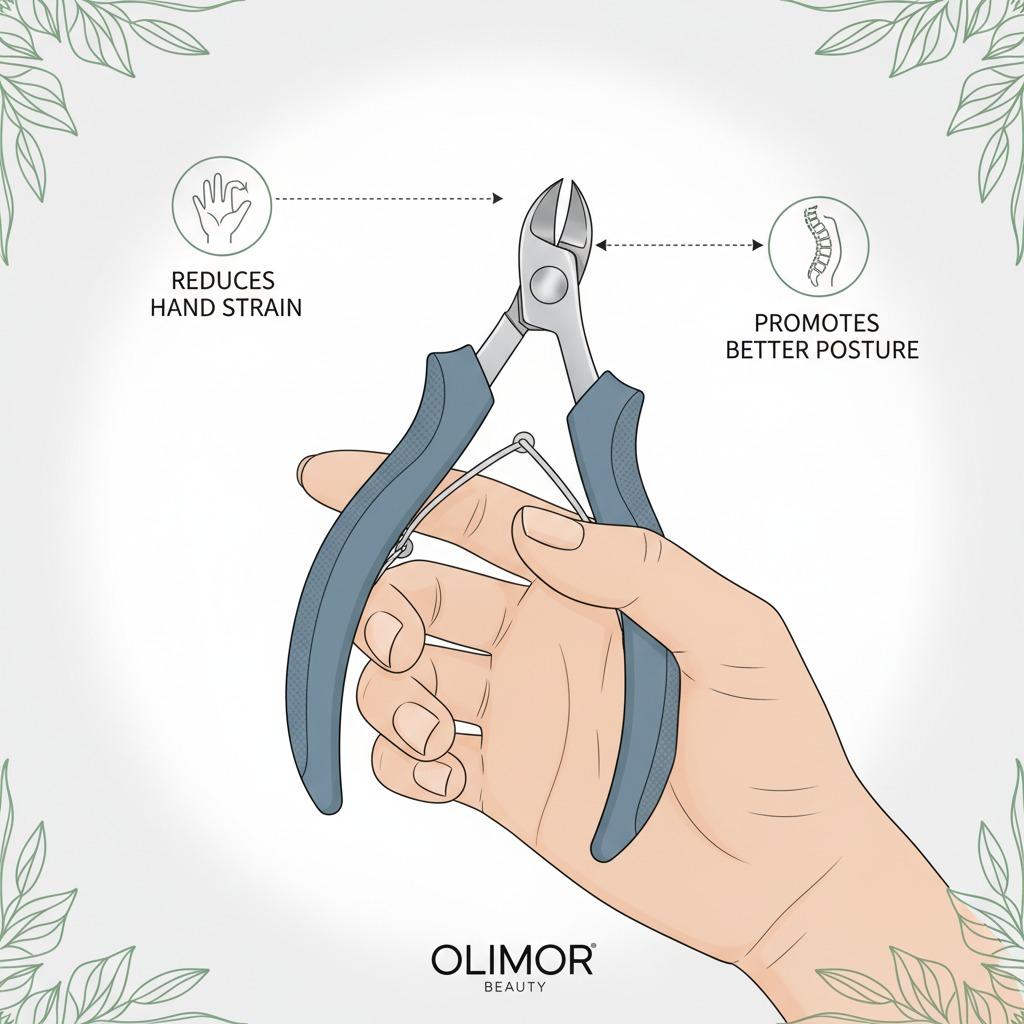
Ergonomic nail clippers are designed for a simple purpose: making nail trimming easier to control. A standard clipper can work well, but if the lever is difficult to press, the body is too small to hold securely, or the cutting edge does not meet cleanly, trimming fingernails and toenails becomes less accurate than it should be. For home users, salons, retailers and private-label beauty tool buyers, comfort is not a decorative feature. It affects safety, cutting accuracy and how consistently the tool performs in daily use.
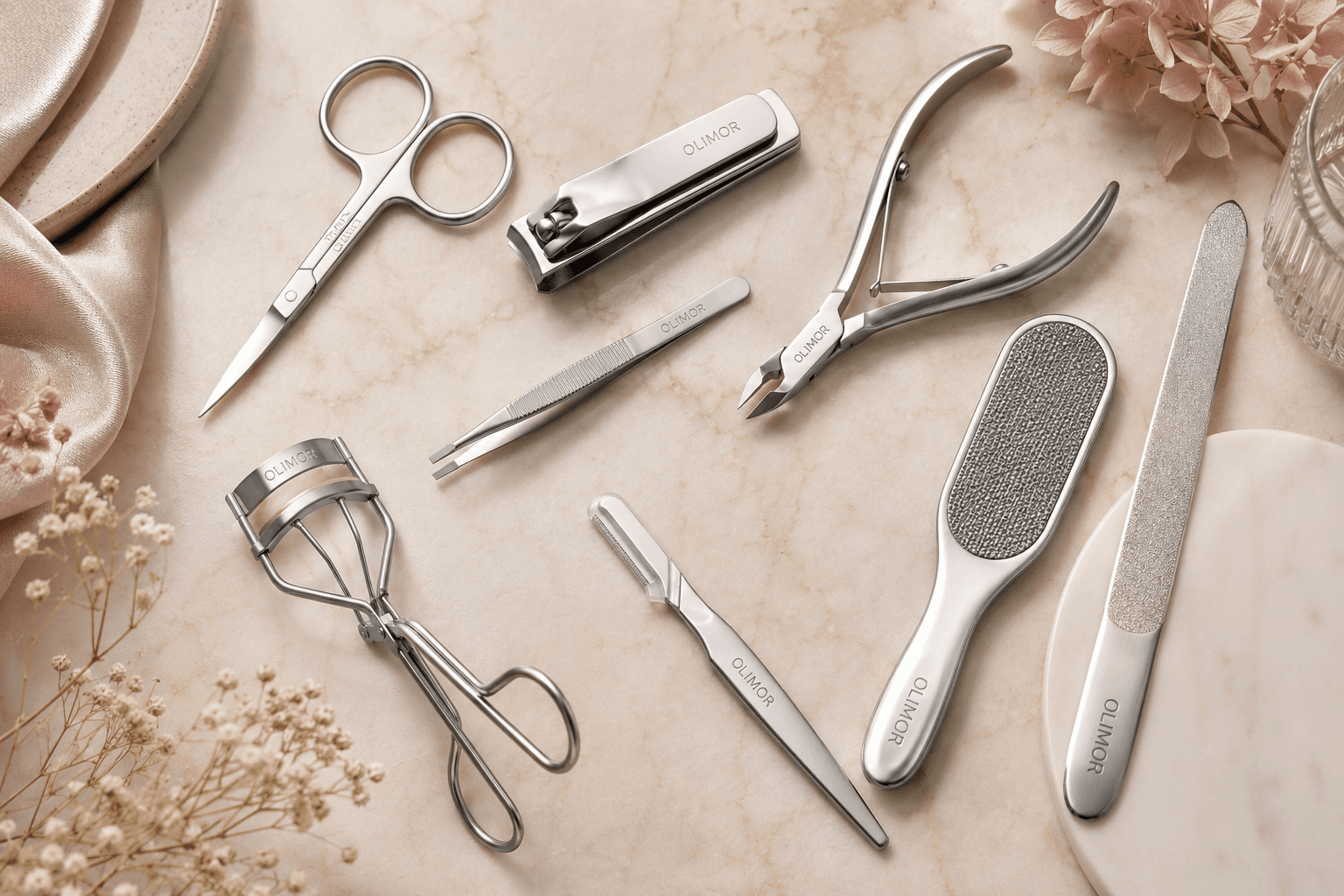
This guide explains what to look for when selecting ergonomic nail clippers, how design choices influence trimming results, and which quality details matter before adding a nail clipper to a personal kit or product line. Olimor Beauty offers beauty tool products for buyers who need practical grooming tools, and nail clippers remain one of the most frequently used items in any nail care assortment.
What Makes a Nail Clipper Ergonomic?
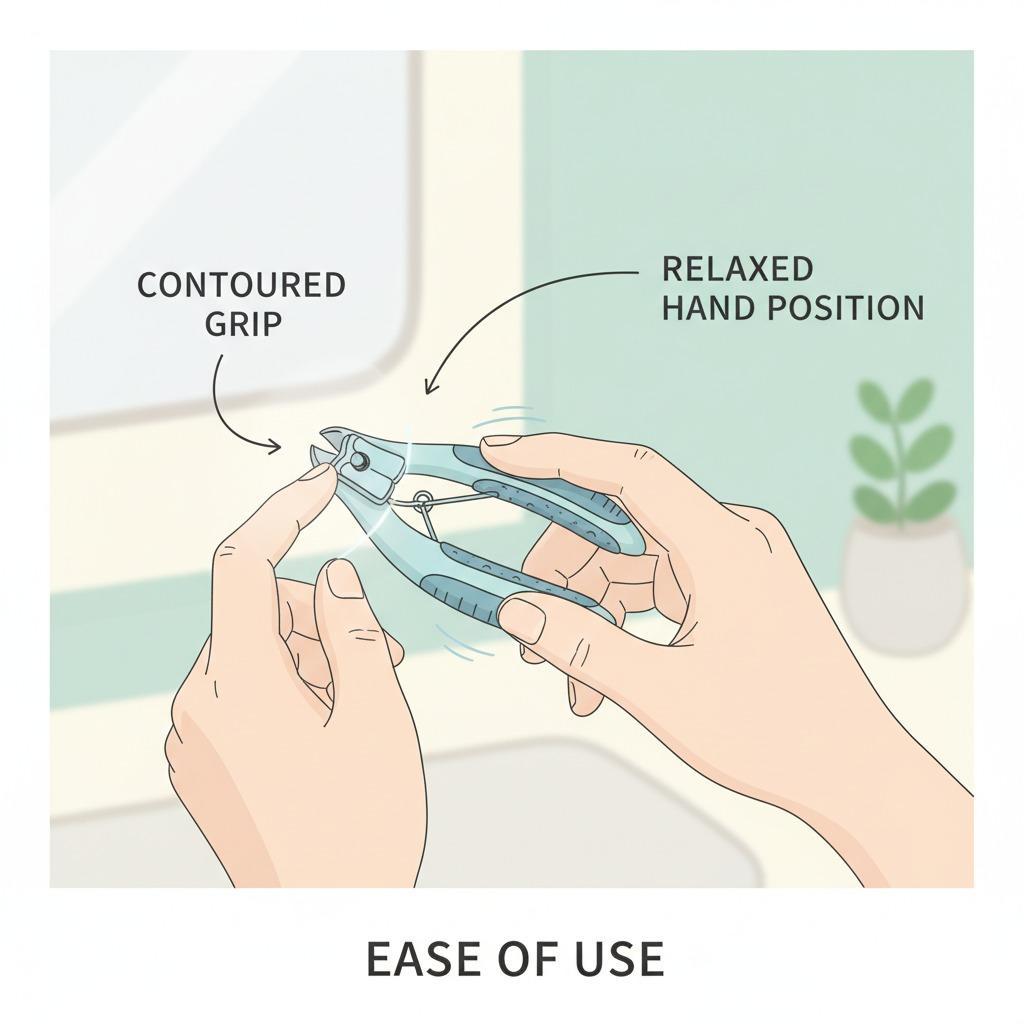
An ergonomic nail clipper is shaped to reduce unnecessary effort while improving control. The most obvious feature is the handle or lever. A longer or better-contoured lever can make pressing easier because it provides better leverage. A clipper that feels stable between the fingers allows the user to align the cutting edge before applying pressure, which helps reduce jagged edges and uneven trimming.
Good ergonomic design is not only about softness or a curved shape. It also includes balance, grip area, spring action, visibility of the cutting edge and the angle at which the user holds the tool. A clipper may look attractive in packaging, but if it slips in the hand or requires excessive force, it will not feel comfortable after repeated use.
- Grip stability: The body should be easy to hold without twisting during the cut.
- Lever comfort: The pressing surface should distribute pressure instead of creating a sharp point against the thumb.
- Cutting visibility: Users should be able to see where the blade meets the nail.
- Appropriate size: Fingernail clippers and toenail clippers often need different dimensions for best control.
- Smooth movement: The lever should open and close without a rough, unstable feeling.
Why Cutting Control Matters More Than Force
Many users assume a stronger clipper is always better. In practice, control is more important than raw force. A nail clipper should remove a small section of nail cleanly without crushing, tearing or forcing the nail plate to bend. When the blade alignment is poor, users may press harder to finish the cut, increasing the chance of splitting or leaving an uneven edge.
For fingernails, a controlled cut helps maintain a neat shape. For toenails, especially thicker nails, stable handling becomes even more important because the clipper may need to work across a broader and harder nail edge. Ergonomic design helps the user apply pressure in a straight, predictable direction. That stability is one reason retailers and sourcing teams should test how a clipper feels in actual use, not only how it appears in a product photo.
Clean trimming also reduces the need for excessive filing afterward. A nail file may still be useful for smoothing corners, but a well-made clipper should not leave deep notches or crushed edges that require major correction. When comparing nail clipper options from beauty tool products, consider the trimming experience as a full sequence: positioning, cutting, checking the edge and finishing.
Key Selection Criteria for Buyers and Daily Users
Whether you are purchasing a single personal grooming tool or evaluating products for a retail assortment, the same practical criteria apply. The best choice depends on user group, nail type, packaging needs and the expected care routine.
| Selection point | What to check | Why it matters |
|---|---|---|
| Handle shape | Look for a stable grip and a comfortable pressing surface. | Improves control and reduces thumb strain during repeated trimming. |
| Blade alignment | Close the clipper and inspect whether the cutting edges meet evenly. | Helps create a cleaner cut with less splitting. |
| Opening width | Check whether the jaw opening suits fingernails or toenails. | Prevents forcing the nail into a tool that is too narrow. |
| Surface finish | Feel for rough edges, burrs or uncomfortable corners. | A smoother finish supports safer handling and better user perception. |
| Packaging fit | Confirm the clipper is protected and presented clearly. | Important for retail display, online sales and private-label programs. |
For elderly users or people with reduced hand strength, a clipper with better leverage can be more comfortable than a compact design. For travel kits, compactness may matter more, but the tool should still provide enough control to avoid slipping. For a broad retail range, it may be useful to include both everyday fingernail clippers and larger toenail clippers so customers can choose according to their needs.
Materials, Finish and Manufacturing Questions to Consider
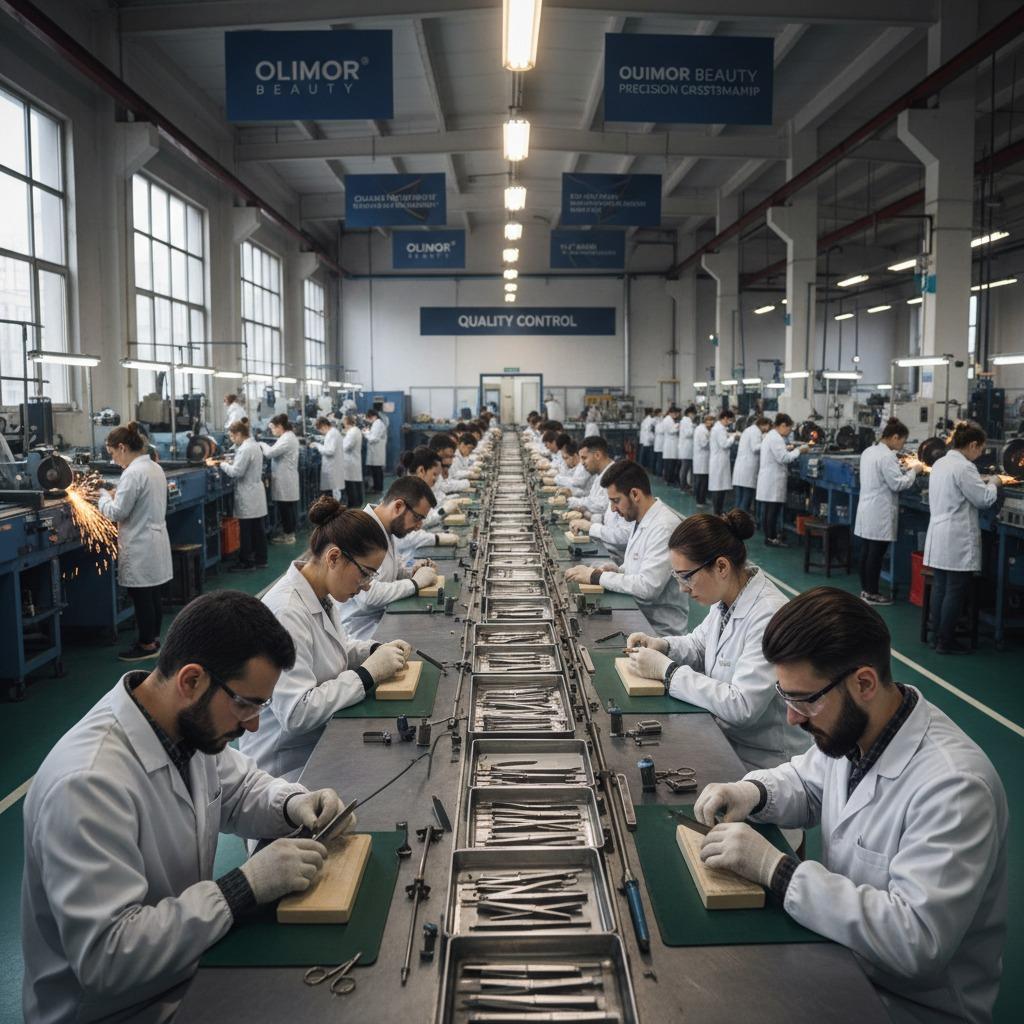
The supplied product information highlights stainless steel blades and internal quality controls. Stainless steel is commonly selected for nail tools because it can provide durability and a clean appearance when properly manufactured and maintained. However, buyers should evaluate more than the material name. Edge finishing, blade grinding, assembly consistency and lever movement all affect the final user experience.
If you are sourcing nail clippers for a brand, salon supply range or promotional kit, prepare a clear checklist before comparing samples. Instead of relying on broad claims, focus on observable details: Does the lever sit firmly? Does the rivet or pivot feel stable? Are the edges smooth to the touch? Does the clipper cut a thin nail and a thicker nail sample without tearing? Is the finish consistent across multiple samples?
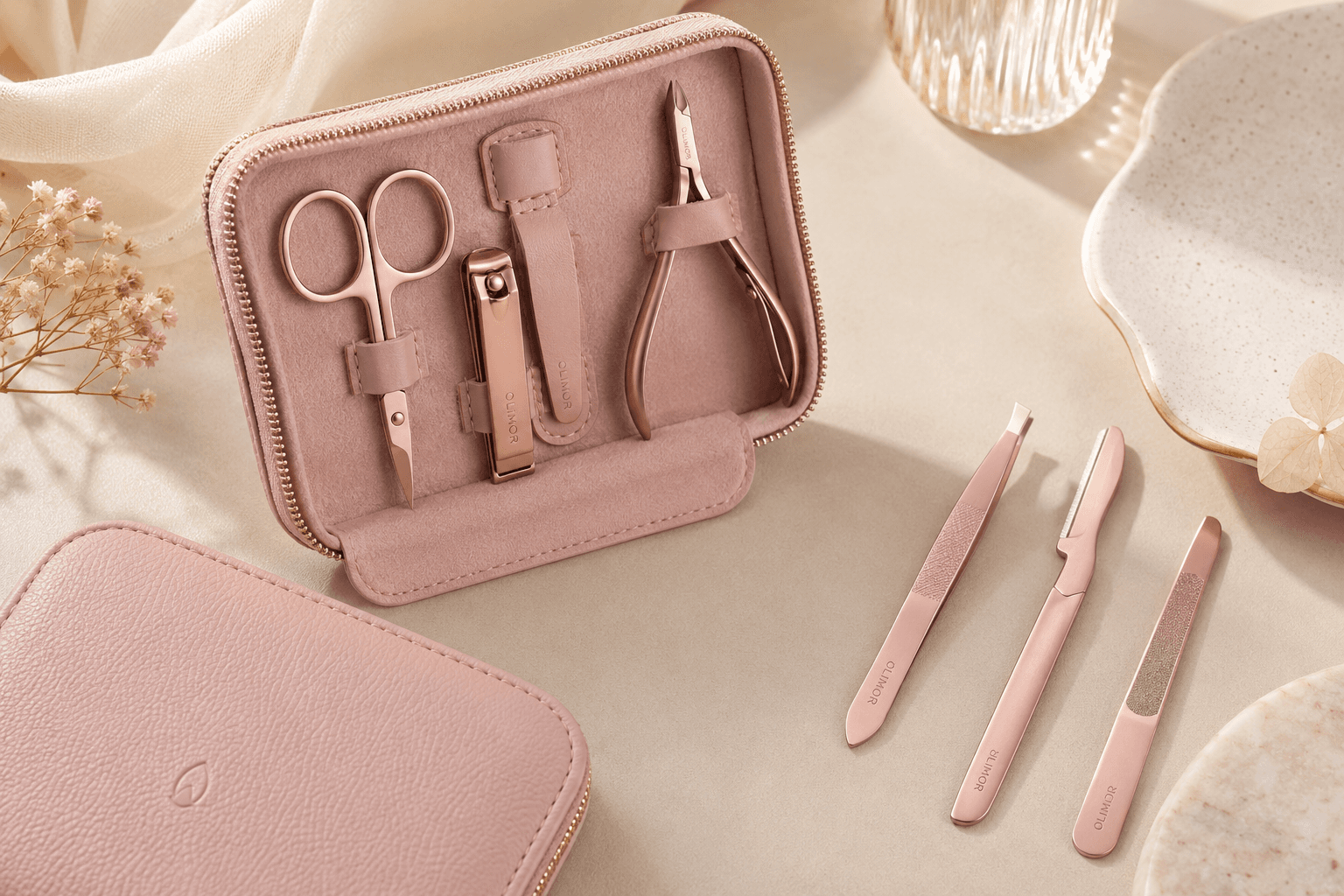
Packaging is another important sourcing decision. A nail clipper is a small tool, but packaging influences hygiene perception, shelf presentation and shipping protection. For retail, buyers may need a format that clearly shows the handle shape and cutting head. For kits, compact packaging and consistent placement may matter more. Olimor Beauty's product collections can help buyers think about how nail tools fit into a wider beauty accessory assortment.
How to Use Ergonomic Nail Clippers Correctly
Even a well-designed clipper performs best when used with care. Trimming too aggressively can create sharp corners or cut the nail too short. A controlled technique helps protect the nail edge and creates a cleaner finish.
- Start with clean, dry hands or feet. Dry nails are easier to shape consistently, while very soft nails may bend during trimming.
- Choose the correct clipper size. Use a smaller clipper for fingernails and a larger, stable clipper for toenails when needed.
- Trim in small sections. Avoid removing the entire free edge in one large cut, especially on curved nails.
- Follow the natural nail shape. For toenails, many users prefer a straighter trim with lightly smoothed corners.
- Finish with gentle filing. Smooth any sharp points instead of continuing to cut too deeply.
Users should avoid cutting into skin or trimming nails extremely short. If nails are painful, unusually thick or affected by a medical condition, professional advice may be appropriate. Nail clippers are grooming tools, not treatment devices.
Cleaning and Maintenance for Longer Tool Life
Regular cleaning helps maintain a nail clipper's appearance and function. After use, remove nail debris from the cutting area and wipe the tool dry. If the clipper is shared in a household or salon environment, sanitation practices become more important. Follow the cleaning method suitable for the tool's materials and any applicable local hygiene requirements.
Storage also matters. Keeping the clipper dry and away from loose cosmetic residue can help protect the finish and movement of the lever. If a clipper becomes misaligned, rusted, loose or unable to cut cleanly, it should be replaced rather than forced through the nail. A dull or damaged cutting edge can increase splitting and make trimming less predictable.
When Ergonomic Nail Clippers Are the Right Product Choice
Ergonomic nail clippers are especially suitable for users who trim nails frequently, manage family grooming kits, build salon retail displays or source practical beauty tools for private-label programs. They offer a clear customer benefit that is easy to understand: better comfort and control during a common grooming task. That makes them a useful addition to beauty tool assortments without requiring complicated instructions.
For buyers, the strongest product decisions come from sample testing and clear specifications. Review grip comfort, cutting consistency, finish quality and packaging needs before confirming an order. If you are planning a nail care assortment or comparing options for a retail program, you can send an inquiry or contact Olimor to discuss the type of beauty tool solution you need.
A good ergonomic nail clipper should feel secure, cut cleanly and remain simple to maintain. By focusing on control rather than decoration, users and buyers can select a tool that supports neat nail care with less effort and fewer trimming mistakes.
Tag: