How to Source Wholesale Tweezers for Consistent Quality and Value
Finding a reliable global tweezers supplier can look simple at first: compare prices, choose a shape, approve packaging, and place an order. In practice, tweezers are small tools with very little room for error. If the tips do not meet cleanly, if the grip feels unstable, or if the finish scratches too easily, customers notice immediately. For retailers, beauty brands, salons, and distributors, inconsistent tweezers can create returns, poor reviews, and avoidable pressure on the supply chain.
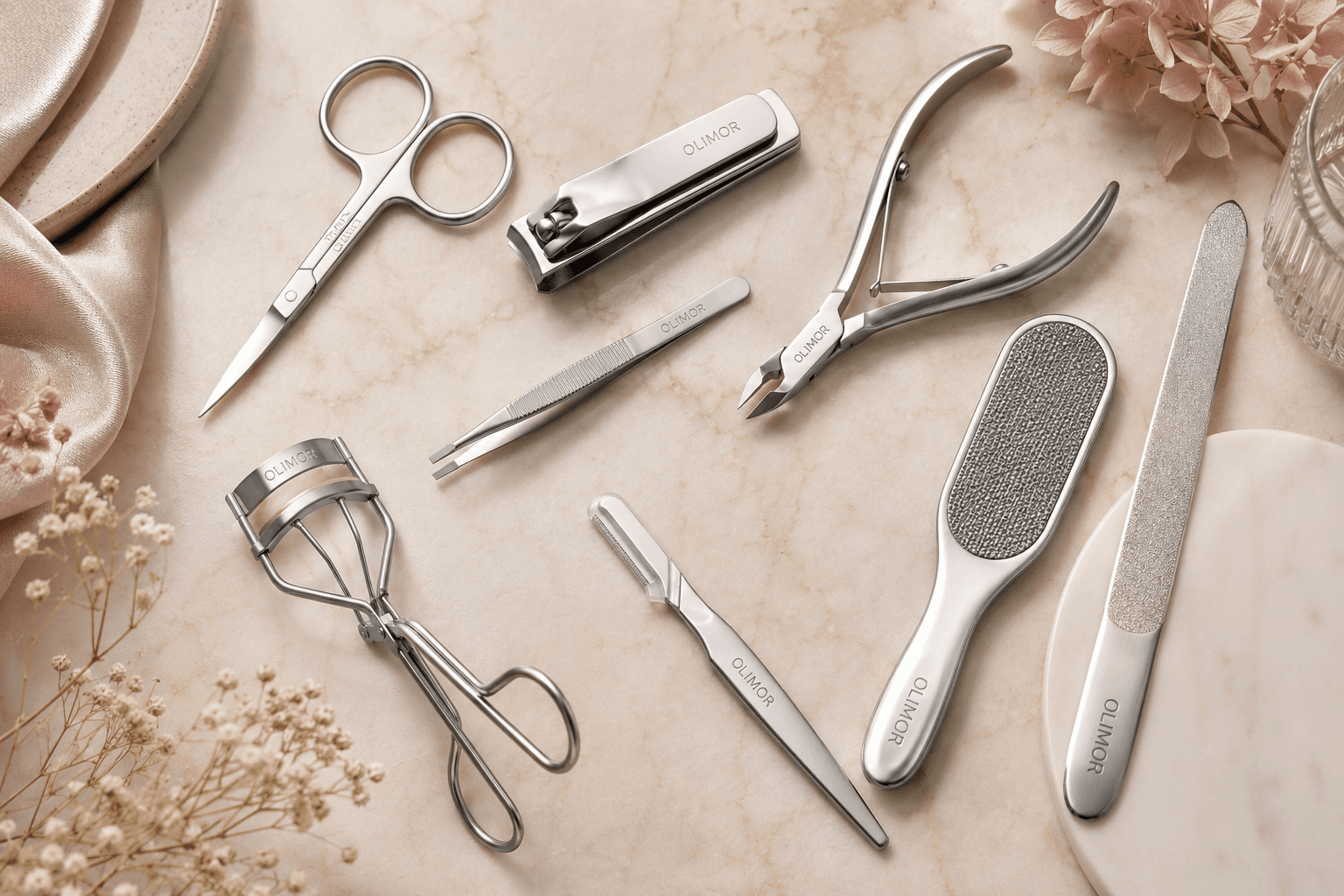
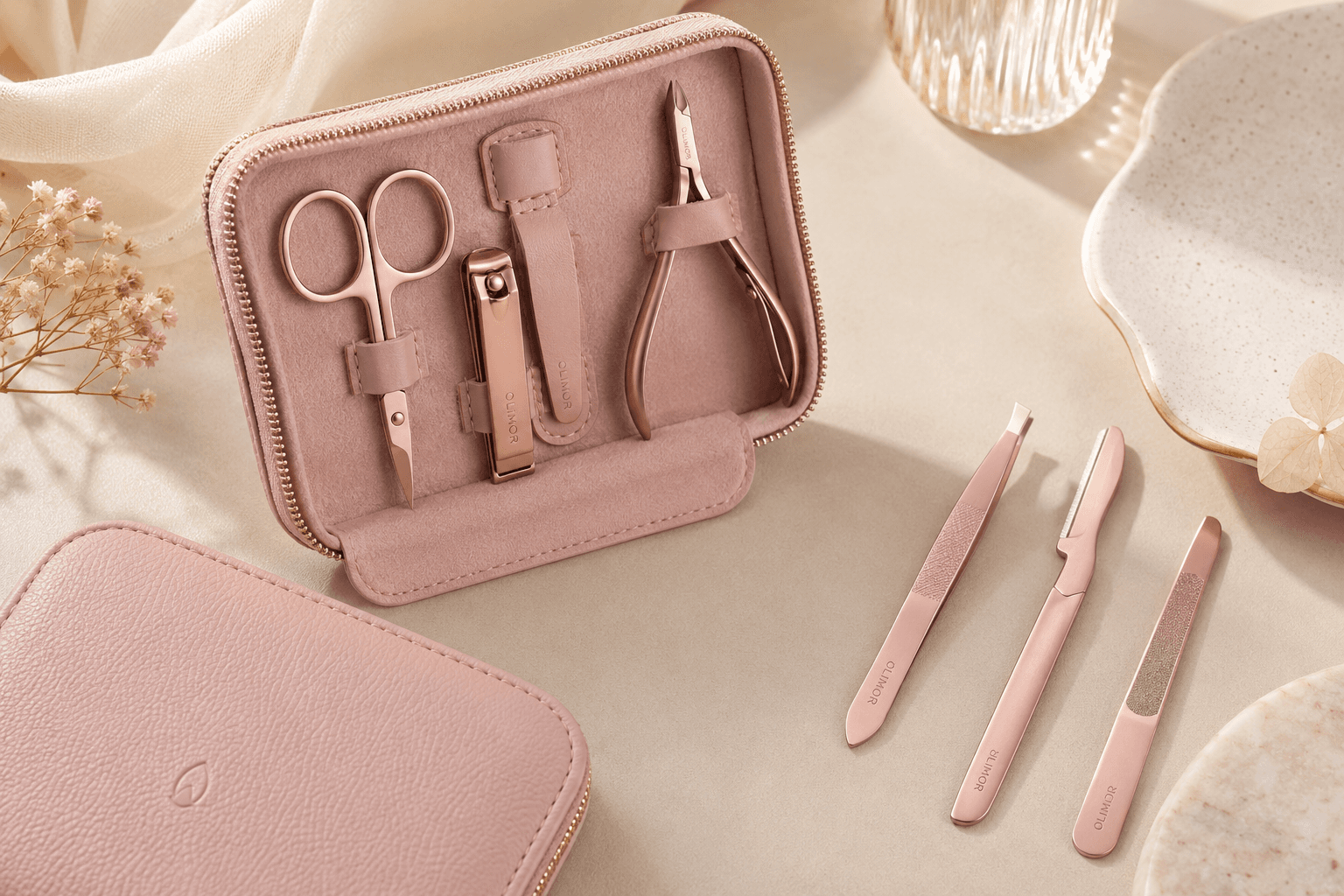
This guide explains how to evaluate wholesale tweezers with a practical buyer’s mindset. It focuses on the decisions that matter most: tip alignment, material choice, ergonomics, finish, packaging, OEM/ODM customization, and quality control. Olimor Beauty supplies beauty tools for global buyers, including tweezer products for wholesale and customization projects. You can explore broader beauty tool products or review related product collections when comparing your sourcing options.
Why Tweezers Are Harder to Source Than They Look
Tweezers are judged by precision. A buyer may receive a sample that looks attractive in photos, but the real test is how the tips close, how much pressure is needed, and whether the tool can grip fine hair without cutting, slipping, or bending. Small dimensional differences at the tip can change the entire user experience.
Common sourcing problems include uneven tip contact, sharp edges that feel uncomfortable, finishes that look inconsistent across batches, and packaging that does not protect the tips during transit. Price is important, especially for wholesale programs, but a very low unit cost can become expensive if the product leads to complaints or repacking work. A dependable supplier should help you balance affordability with repeatable manufacturing quality.
For global buyers, communication and documentation also matter. A good tweezer supplier should be able to discuss the intended use, target retail channel, packaging expectations, and customization requirements before production decisions are locked in. This reduces the risk of approving a product that looks right but does not match the customer’s real use case.
Key Product Details to Confirm Before Ordering
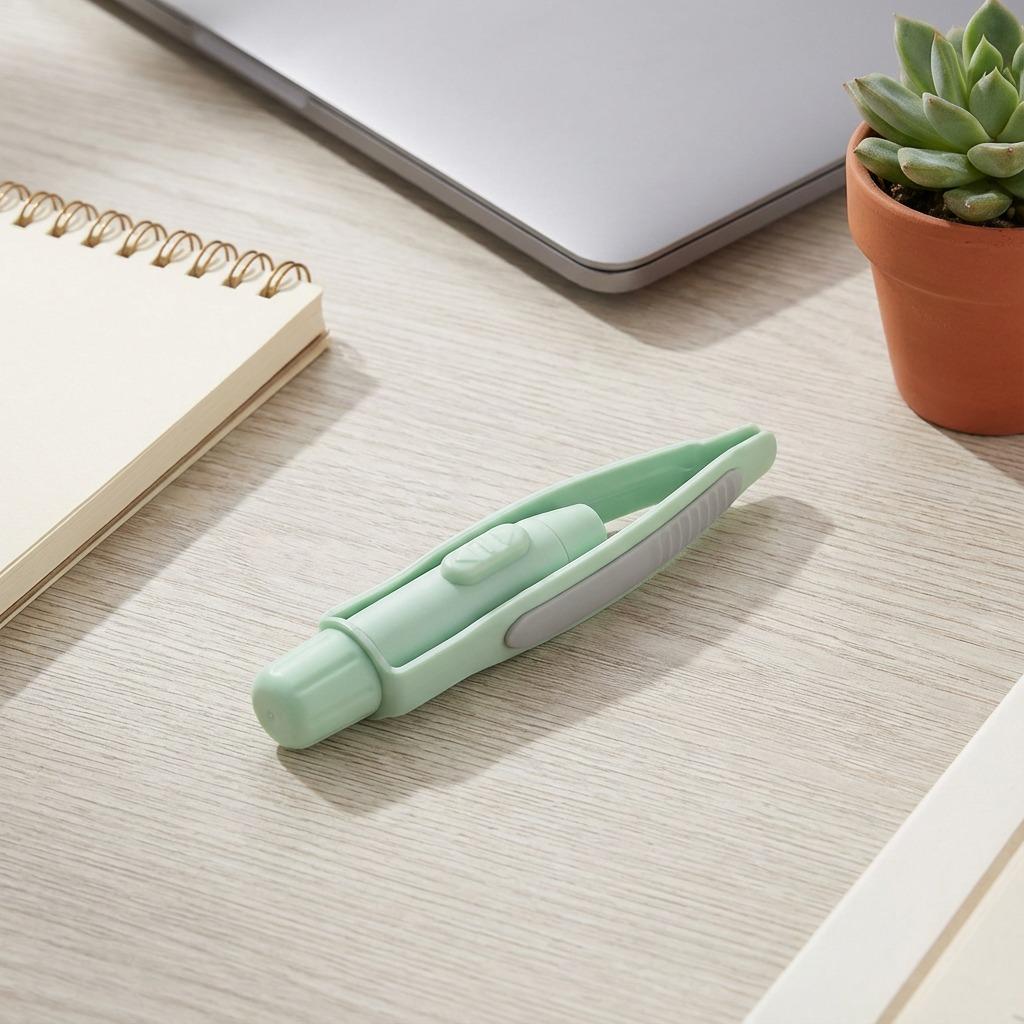
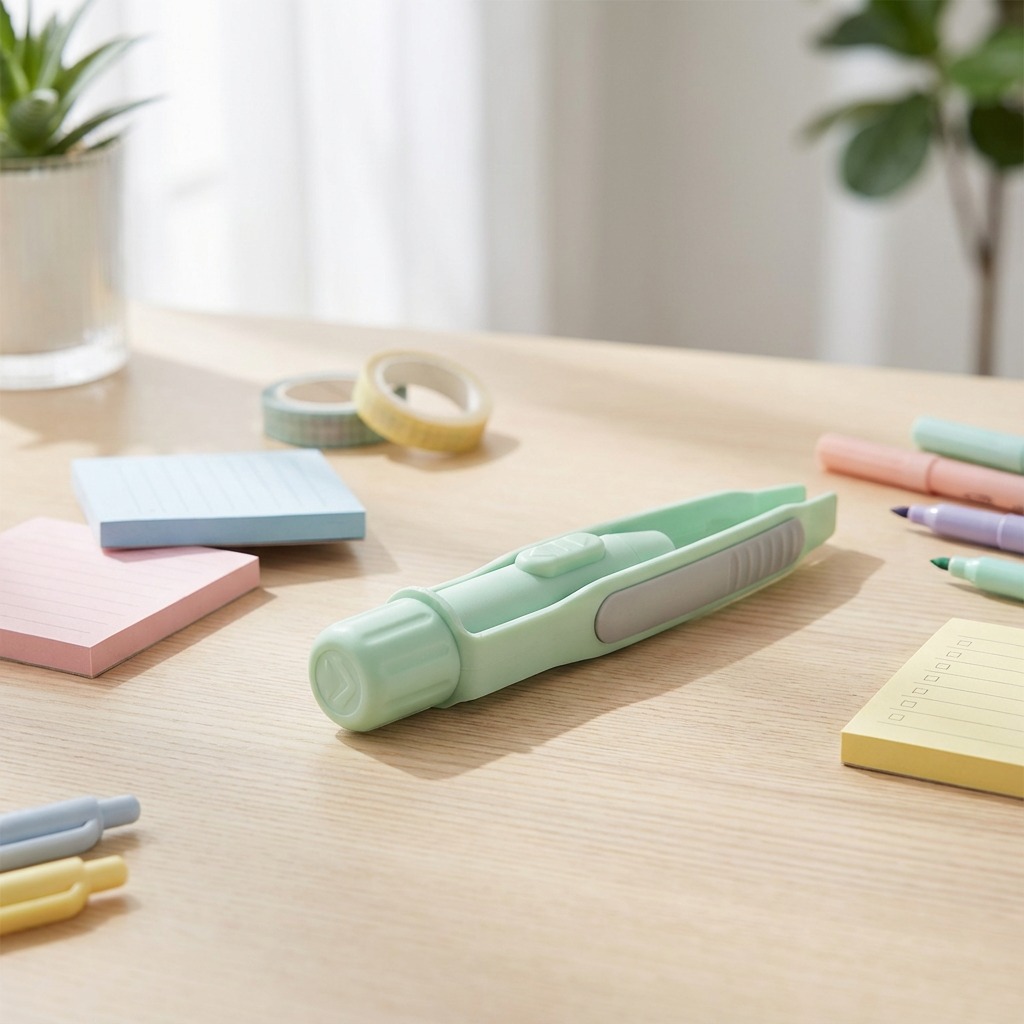
When comparing wholesale tweezers, start with the physical product rather than only the quotation. The original Olimor Beauty product description highlights ergonomic stainless steel tweezers, including a lightweight 127 mm tool in a mint green color and an approximate weight of 19 g. Those details are useful because they show the kinds of specifications buyers should check before confirming an order.
Use the following checklist when reviewing samples or preparing a purchase specification:
- Tip alignment: The two sides should meet evenly at the gripping point without visible gaps.
- Grip performance: Test whether the tweezer can hold fine hair or small beauty accessories without slipping.
- Edge comfort: The body should not have rough burrs or uncomfortable edges where fingers rest.
- Material and finish: Stainless steel is commonly chosen for beauty tweezers because it supports durability and cleaning, but the surface finish should still be inspected carefully.
- Length and weight: Dimensions such as 127 mm and a lightweight feel may suit portable grooming kits, retail sets, and salon backup tools.
- Color consistency: If a color such as mint green is selected, confirm the approved shade and acceptable variation range.
- Packaging protection: Tip covers, inserts, cards, or cartons should prevent deformation during shipping and handling.
These checks are simple, but they help separate a visually acceptable tweezer from a buyer-ready product that can perform consistently in real use.
Wholesale Tweezers: Choosing Value Without Chasing the Lowest Price
Many buyers search for cheap wholesale tweezers or the cheapest wholesale tweezers because margin matters. That is understandable. However, the best purchasing decision is usually based on total value, not only the lowest unit price. A tweezer that requires sorting, reworking, relabeling, or customer service support can reduce profit quickly.
Instead of asking only for the lowest possible price, compare suppliers across a few measurable points. Can they repeat the approved sample? Do they understand the required finish? Is the packaging suitable for your retail channel? Can they support a consistent appearance across cartons? Do they have a clear process for checking raw materials, production, and final packaging?
For retail shelves, appearance matters as much as function. For professional use, grip and durability may be more important. For promotional kits, compact size and packaging efficiency may take priority. A good global tweezers supplier should help you identify which specification affects your project most so you do not overpay for unnecessary features or under-specify a detail that customers will notice.
OEM/ODM Tweezers for Private Label and Brand Programs
OEM/ODM tweezers can help a brand create a more differentiated product line. Customization may include logo placement, color selection, surface finish, packaging layout, or product set configuration. The goal is not only to make the tweezer look different; it is to make it fit your market position, price point, and customer expectations.
Before beginning an OEM/ODM project, prepare a clear brief. Include the target customer, sales channel, expected packaging format, preferred color direction, logo requirements, and any functional preferences such as grip strength or tip style. If you already have a benchmark sample, include notes on what you like and what should be improved. If you are building a new line, browse Olimor’s beauty tool products to compare possible categories that may pair well with tweezers.
Customization should also consider compliance with your retail environment. For example, a beauty retailer may need barcode space, multilingual labeling, or a clear product description. An e-commerce seller may prioritize protective packaging and photo-friendly presentation. A distributor may need carton labeling and item codes that reduce warehouse errors. These details are easier to handle before artwork and production plans are finalized.
Quality Control Points for a Reliable Global Supply Chain
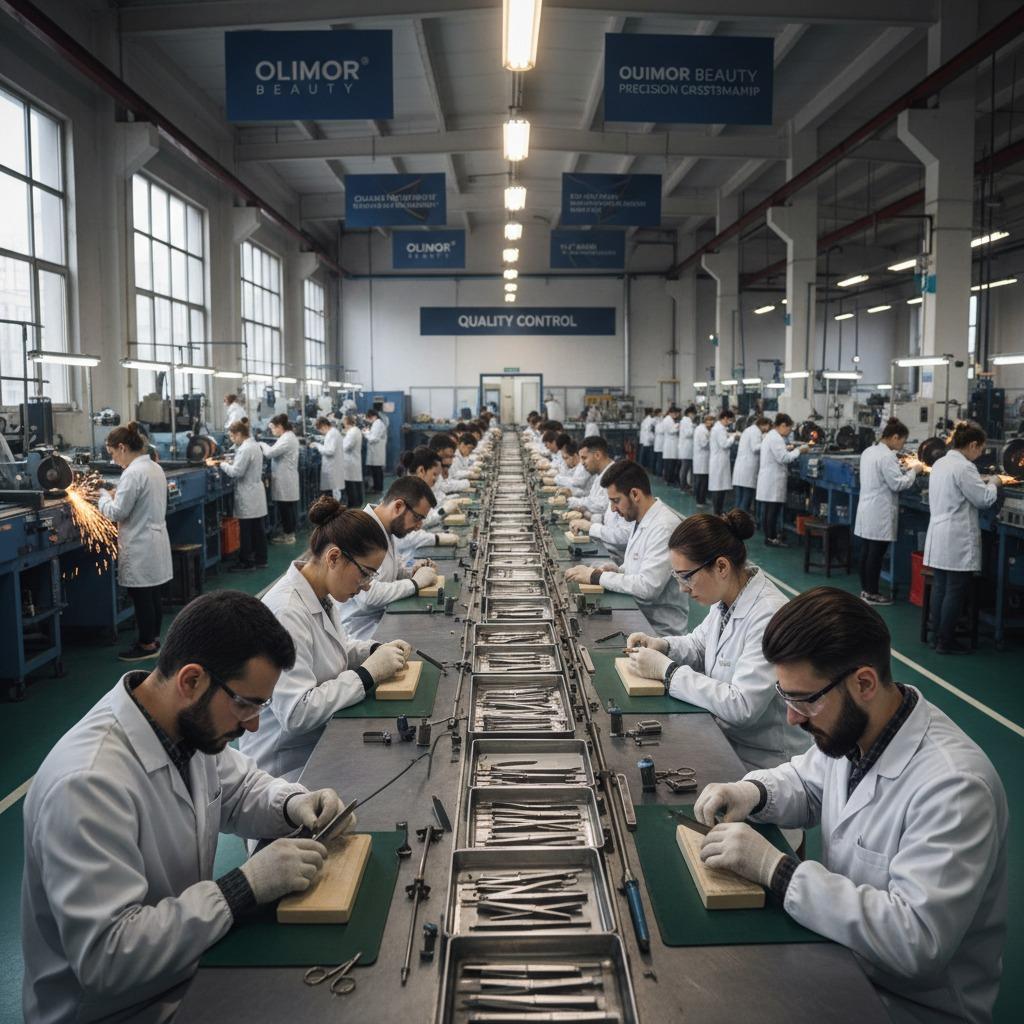
Quality assurance for tweezers should cover more than a final glance at finished goods. Because precision depends on small tolerances, inspection should begin with material and component checks and continue through forming, finishing, assembly if applicable, and packaging. The original product information refers to checks from raw materials to final packaging, which is a sensible approach for beauty tools.
A practical inspection plan for tweezers may include the following:
- Pre-production confirmation: Approve the sample, finish, color, logo location, packaging structure, and carton information.
- In-process review: Check early production pieces for tip contact, shape, surface finish, and handling comfort.
- Functional testing: Confirm that the tweezer grips properly and opens and closes smoothly.
- Appearance inspection: Review coating, polishing, color, printing, and visible scratches or stains.
- Packaging check: Confirm that each piece is protected and that labels, inserts, and cartons match the order requirements.
For international shipments, packaging deserves particular attention. Tweezer tips can be damaged if products move inside packaging or if cartons are compressed. Even a well-made tweezer can arrive with compromised tips if the packing method is weak. Buyers should evaluate both the product and the shipping presentation before scaling an order.
How to Compare Suppliers Beyond the Quotation
A quotation is only one part of supplier selection. To choose a dependable global tweezers supplier, compare how each supplier communicates, samples, documents, and follows up. Strong sourcing decisions are built on clarity.
The table below shows practical comparison points for buyers reviewing wholesale tweezer suppliers:
| Evaluation Area | What to Check | Why It Matters |
|---|---|---|
| Sample quality | Tip alignment, grip, finish, comfort | Shows whether the product meets real user expectations |
| Specification clarity | Length, weight, color, material, packaging | Reduces misunderstandings before production |
| Customization support | Logo, color, packaging, OEM/ODM options | Helps private label brands build a coherent product line |
| Quality process | Checks from raw material through final packing | Improves consistency across wholesale orders |
| Communication | Clear answers, realistic timelines, organized files | Supports smoother international sourcing |
If two suppliers offer similar pricing, the one with clearer sampling, documentation, and quality control often provides better long-term value. Beauty tools are repeat-purchase products for many businesses, so a stable supplier relationship can be more useful than a one-time low price.
When Olimor Beauty Is a Good Fit
Olimor Beauty is suited for buyers who need wholesale tweezers, OEM/ODM tweezer support, or broader beauty tool sourcing. The company’s role as a global tweezers supplier is especially relevant for retailers, private label brands, distributors, and beauty businesses that want affordable tools without ignoring precision, packaging, and repeatability.
If you are preparing a new tweezer order, define your required price level, target market, color or finish preference, packaging format, and any branding needs. Share reference photos or samples if available. Clear information helps the supplier recommend a practical route, whether you need a simple wholesale product or a customized OEM/ODM solution.
To discuss a project, you can send an inquiry with your sourcing requirements or contact Olimor for more information. A well-planned tweezer order starts with the right questions: how the product grips, how it is protected, how it represents your brand, and how consistently it can be supplied. When those points are handled carefully, wholesale tweezers can become a dependable part of your beauty tool assortment rather than a recurring sourcing problem.
Tag: