Wholesale Tweezers: How to Choose Precision Tools for Beauty Retail and Professional Use
Tweezers look simple, but wholesale buyers know they are one of the most detail-sensitive beauty tools in a manicure, brow, lash or grooming assortment. A tweezer that fails to grip fine hair, feels uncomfortable in the hand, or loses alignment too quickly can create returns, poor reviews and low repeat orders. For salons, beauty retailers, distributors and private-label brands, the goal is not only to find an attractive tool, but to select a reliable tweezer that performs consistently across a full production run.
This guide explains how to evaluate wholesale tweezers for quality, finish, packaging and sourcing. It is written for buyers comparing professional beauty tools suppliers, manicure tools exporters and private-label options. Olimor Beauty supplies beauty tools for professional and retail channels, and the same buying principles can help you build a stronger tweezer program whether you need a single core item or a coordinated grooming range.
What Wholesale Buyers Should Look for First
Before comparing colors, plating or packaging, start with the job the tweezer must perform. A brow specialist may prioritize hair removal accuracy, while a manicure kit buyer may need a compact grooming tweezer that looks cohesive with nail tools. Retailers often need a balance of shelf appeal, safe packaging and understandable usage claims. Distributors may focus more on durability, carton efficiency and consistent inspection standards.
The most important selection criteria are practical:
- Tip alignment: The two tips should meet evenly without crossing, twisting or leaving a visible gap.
- Grip strength: The tweezer should hold fine hair or small items with moderate pressure, not excessive squeezing.
- Hand feel: Edges should be smooth enough for repeated use, with a spring tension that feels controlled.
- Material and finish: Stainless steel is commonly used for beauty tweezers because it supports durability and corrosion resistance when properly manufactured and maintained.
- Surface consistency: Plated, polished or coated finishes should appear even across the handle and tip area.
- Packaging suitability: The pack should protect the tips from bending during shipping and retail handling.
These fundamentals matter more than decorative details. A tweezer can look premium in a display, but if the tips do not close cleanly, it will not satisfy professional users or repeat retail customers.
Tip Shape and Use Case: Match the Tweezer to the Customer
Not every tweezer belongs in the same product brief. Wholesale tweezers should be selected according to the end user and the task. A beauty brand selling brow products may need a more precise tip, while a general personal-care kit may need a versatile shape that is easier for beginners.
| Common tweezer style | Best-fit use | Buyer considerations |
|---|---|---|
| Slant tip | Eyebrow shaping and general grooming | Popular for retail because it is versatile and familiar to most users. |
| Point tip | Precision tasks and very fine hair | Requires careful tip protection and clear safety-focused packaging. |
| Flat tip | Gripping larger hairs or small accessories | Useful in kits, but less precise for detailed brow shaping. |
| Angled or specialty tip | Professional brow, lash or manicure applications | Best when the target user and intended application are clearly defined. |
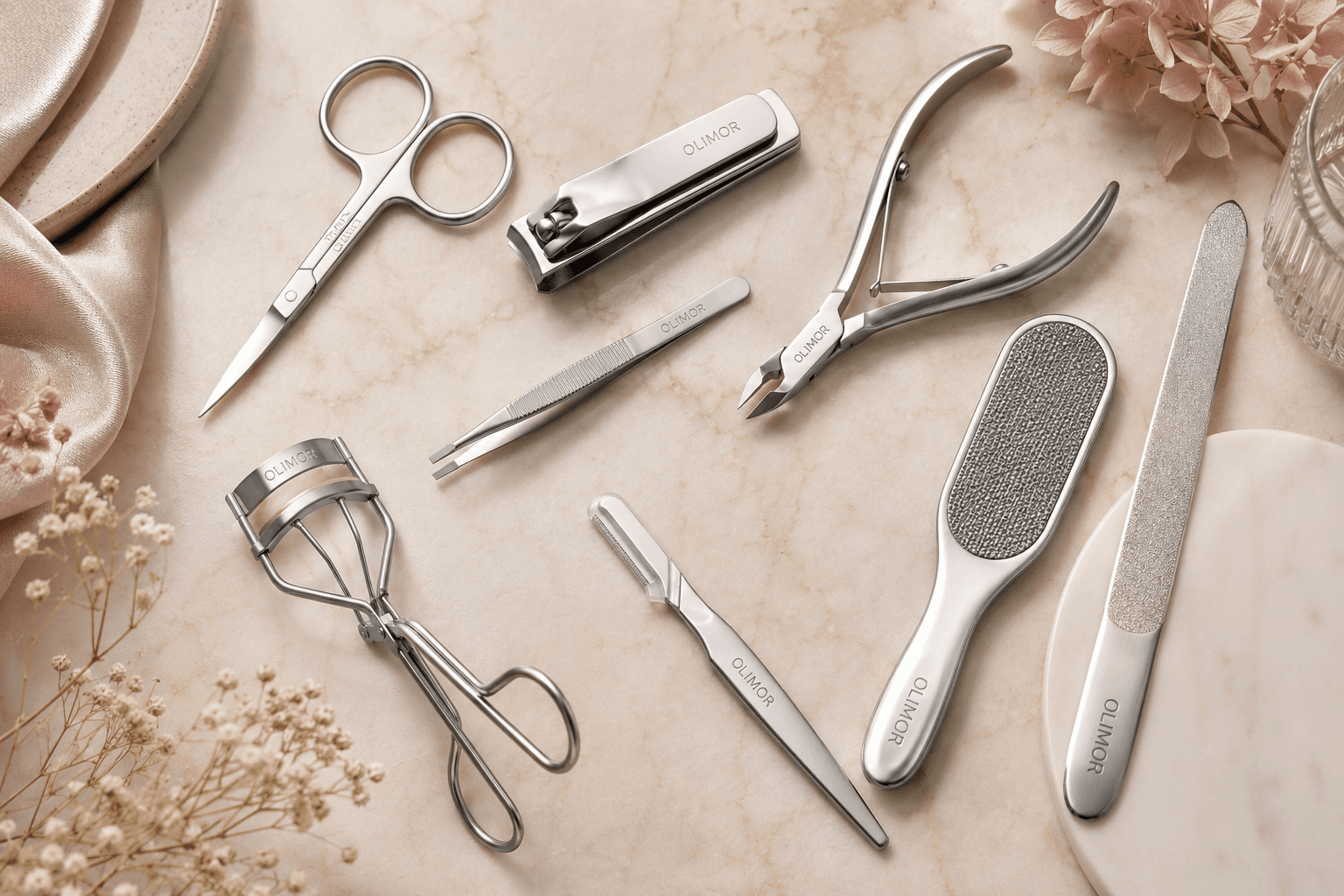
If your assortment includes manicure tools, brow grooming and skincare accessories, avoid treating one tweezer as a universal answer. Instead, map each item to a clear audience. Browse Olimor beauty tool products to compare how different beauty tools can be positioned within a broader retail or professional range.
Material, Finish and the Role of Stainless Steel
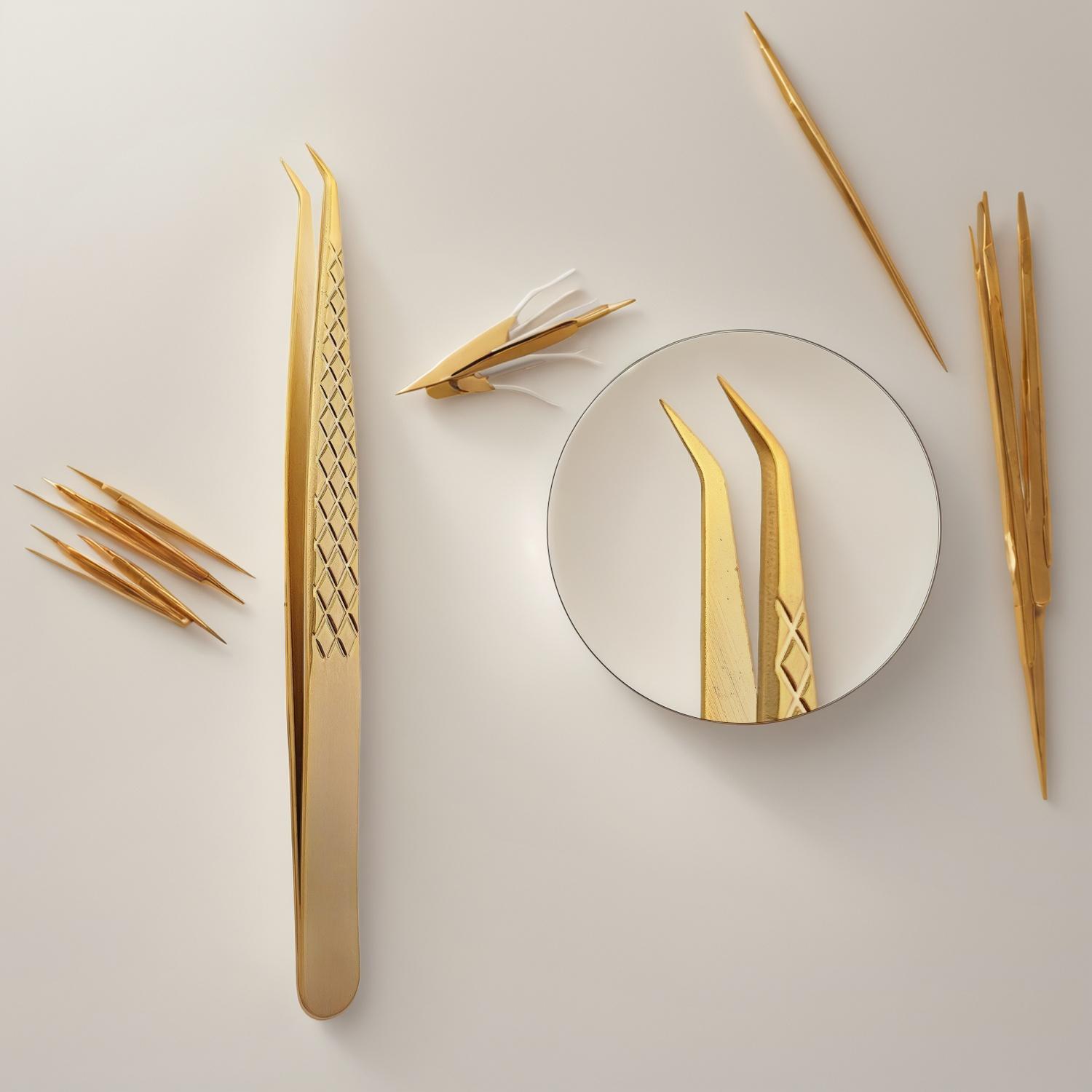
The original value of a tweezer is determined by how reliably it grips, but the material and surface finish influence perceived quality and product life. Stainless steel is a common choice for precision beauty tools because it can support strength, cleanability and resistance to corrosion. The supplied product information references Gold-Plated Precision Tweezers crafted from stainless steel, which shows how a functional base material can be paired with a decorative finish for a more premium presentation.
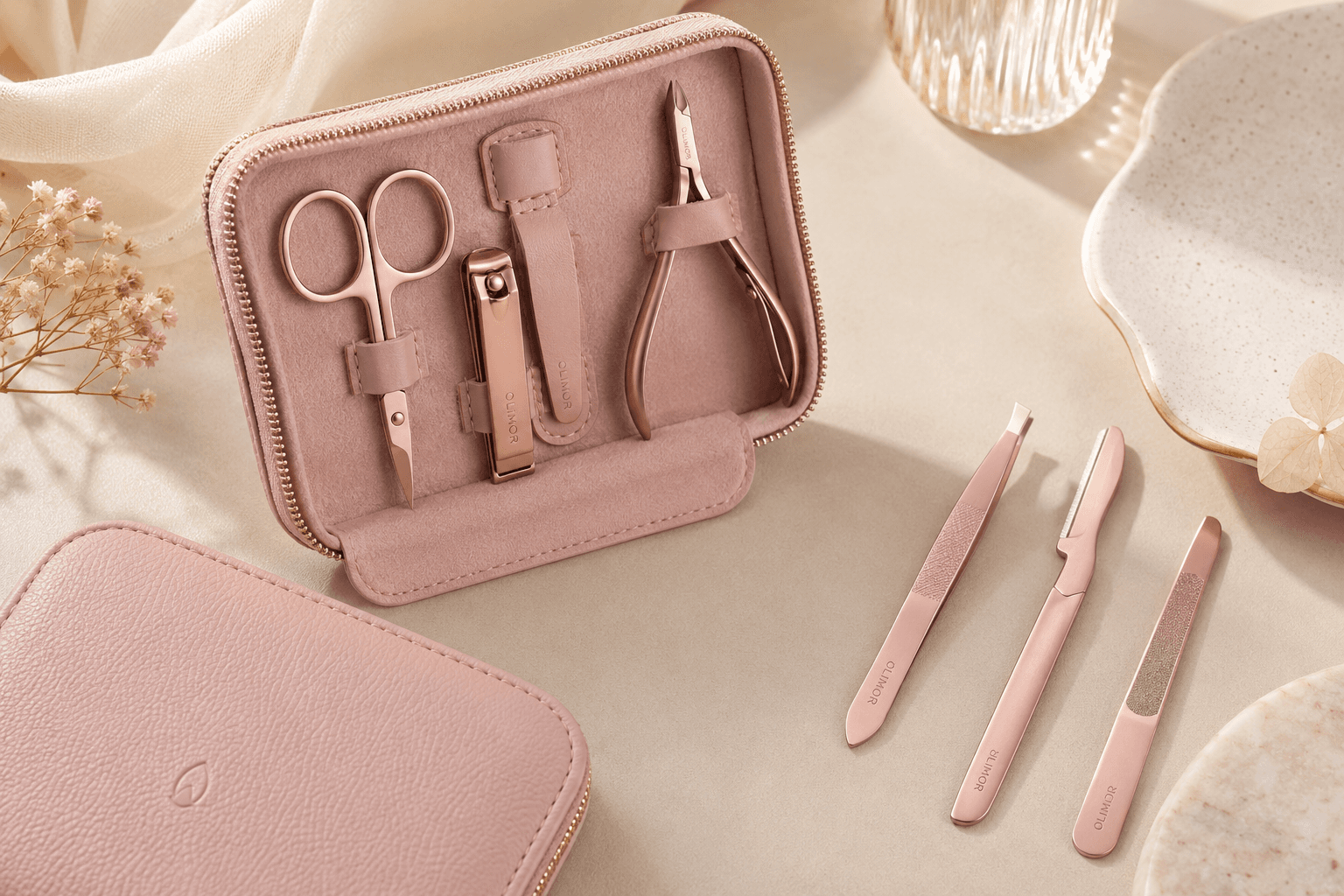
For wholesale sourcing, finish decisions should be made with both appearance and handling in mind. A gold-plated appearance may suit gift sets, boutique brow lines or premium personal-care kits. A polished silver finish may be easier to position as professional and clean. Matte or colored finishes can help a private-label range stand out, but buyers should review samples for coating uniformity, scratch resistance during normal handling and color consistency between batches.
When you evaluate samples, inspect more than the front-facing side. Check inner arms, edges near the tips, the heel and any engraved or printed areas. Uneven finishing in hidden areas can signal weak process control. For retail, also consider how the finish looks under store lighting and in product photography, since tweezers are often purchased based on close-up images and packaging presentation.
Quality Control Questions That Protect Your Order
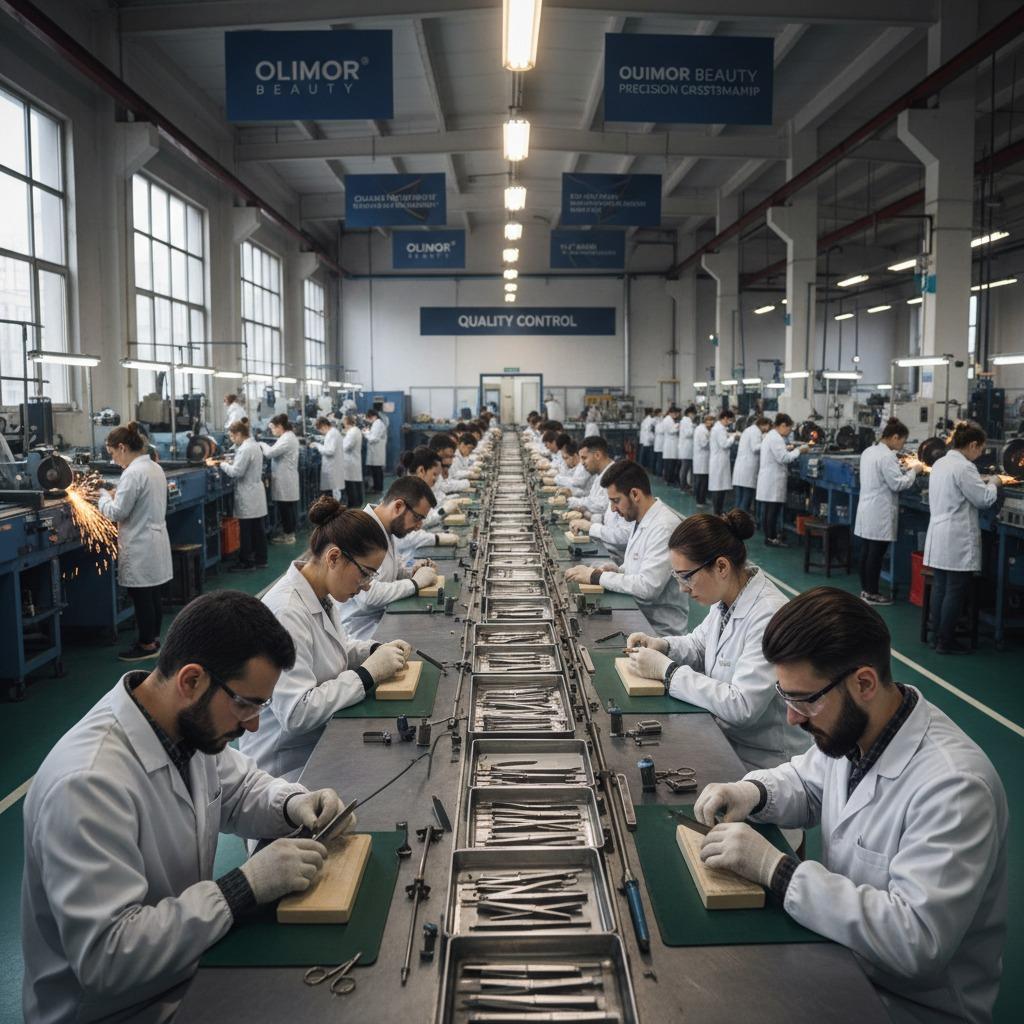
A reliable manicure tools supplier should be able to discuss quality control in practical terms. Buyers do not need vague promises; they need a shared inspection standard. Because tweezers depend on small tolerances, inspection should focus on the areas most likely to affect customer satisfaction.
- Define acceptable tip alignment. Confirm how gaps, uneven tips or twisted arms will be judged.
- Review grip performance. Test the tweezer on fine fibers or comparable sample material to check whether it holds consistently.
- Check spring tension. The tweezer should open naturally after use without feeling too stiff or too weak.
- Inspect surface finish. Look for scratches, pits, discoloration, plating marks or sharp edges.
- Confirm packaging protection. Tip covers, inserts or tray structures can help reduce deformation in transit.
- Compare pre-production and bulk samples. A good-looking sample is only useful if the final goods match the approved standard.
For professional channels, it may be worth creating a sample evaluation sheet for salon testers. Ask them to rate grip, comfort, tip accuracy and cleaning convenience after repeated use. Their feedback can reveal practical issues that are not visible during a quick office inspection.
Private Label Tweezers: Branding Without Losing Function
Private label manicure tools and grooming accessories allow beauty brands to build a cohesive identity across multiple categories. Tweezers are especially suitable for private label because the shape, finish, logo placement and packaging can all influence how the product is perceived. However, private labeling should not reduce attention to usability.
Start with the customer promise. If your brand is positioned for brow professionals, prioritize tip precision, stable tension and protective packaging. If the tweezer will be sold as part of a manicure or travel set, compact storage and a durable finish may matter more. If the item is for a giftable retail line, packaging design and surface appearance become important, but the tool still needs to pass functional testing.
Useful private-label decisions include logo size, placement method, handle finish, outer carton needs and retail-ready packaging. Avoid overloading a small tweezer with too much text or complex decoration. A clean logo and well-protected tip often look more refined than a crowded design. To discuss a custom tweezer or beauty tool project, you can send an inquiry with your target market, intended use and preferred packaging format.
Guangdong Export Sourcing and Supplier Evaluation
Guangdong is widely associated with beauty tool manufacturing, export infrastructure and supply chain support. For international buyers, working with a manicure tools exporter in Guangdong can be attractive because the region has experience serving global product programs. Even so, supplier evaluation should remain product-specific. A supplier that performs well on one tool category should still be assessed carefully for tweezer precision, packaging protection and batch consistency.
When comparing professional beauty tools suppliers, look for clear communication and practical documentation. Useful supplier conversations include sample approval steps, packaging options, inspection criteria, lead-time planning, export packing and how design changes are managed. If sustainability is part of your product strategy, focus on concrete choices such as durable tools, reduced unnecessary packaging, recyclable packaging components where appropriate, and designs that encourage long-term use rather than frequent replacement.
Olimor Beauty supports buyers seeking manicure and beauty tools for retail, professional and private-label programs. You can also review broader product collections to plan a coordinated assortment instead of sourcing tweezers as a disconnected single item.
Care, Storage and After-Sales Guidance for End Users
Wholesale buyers should think beyond delivery. Clear care guidance can reduce complaints and help customers keep tweezers performing well. Even a well-made tweezer can lose alignment if it is dropped, stored loose in a crowded bag or used for tasks beyond its intended purpose.
Simple after-sales instructions are useful for packaging inserts, product pages and retail staff training:
- Keep the tip protected when the tweezer is not in use.
- Wipe the tool clean after use and dry it before storage.
- Avoid using precision tweezers as pry tools, craft tools or cutters.
- Do not drop the tweezer, as impact can affect tip alignment.
- Store separately from heavy metal tools that may scratch the finish.
These instructions are not filler; they help preserve the performance that customers judge most closely. For private-label brands, good care guidance also makes the product feel more professional and reduces preventable returns.
Build a Tweezer Program Around Performance, Not Decoration Alone
Wholesale tweezers can serve many channels, from salon supply and brow grooming to manicure kits and beauty retail displays. The strongest programs begin with a clear use case, then match the tip shape, stainless steel construction, finish, packaging and inspection standard to that customer. Decorative choices such as gold plating or custom branding can add value, but they work best when the tool already performs reliably.
If you are developing a tweezer line, start by defining the end user, testing samples for alignment and grip, and confirming how the finished product will be protected in packaging and shipping. For help comparing options or planning a private-label beauty tool range, contact Olimor with your product goals and target sales channel.
Tag: