Wholesale Personal Care Tools: How to Source Quality Grooming and Beauty Tools

Buying wholesale personal care tools is not only about filling a catalog with nail, grooming, and beauty accessories. For retailers, salon suppliers, distributors, and private-label beauty businesses, tool quality affects customer reviews, repeat purchases, returns, and long-term brand trust. A nail tool that feels weak, a cuticle tool with rough finishing, or an eyelash curler that pinches can make an entire product line seem unreliable.
The right sourcing approach starts with one practical question: how will the tool be used by the end customer? A salon resale item, an at-home grooming essential, a travel-friendly accessory, and a giftable beauty set may all sit in the personal care category, but they require different decisions about finish, durability, packaging, visual presentation, and cost position.
Olimor Beauty supports business buyers sourcing beauty and personal care tools for wholesale channels. This guide explains how to compare grooming tools beyond catalog photos, what quality signals to inspect before a bulk order, how to plan a focused assortment, and what to ask a supplier before committing to production or replenishment.
Start With the Customer, Channel, and Use Case
A strong wholesale decision begins before comparing materials or packaging. Define the buyer segment first. Personal care tools are purchased by everyday consumers replacing home grooming items, salons looking for dependable retail products, e-commerce sellers building bundles, and distributors supplying beauty stores. Each group values different details.
For a salon or professional supply buyer, durability, ergonomic handling, and a clean professional appearance may matter more than decorative finish. For a retail beauty shelf, visual appeal, packaging clarity, and a simple product story can influence conversion. For online sales, the item must photograph well, ship safely, and be easy to describe without exaggerated claims.
Useful sourcing questions before requesting samples
- Will the tool be used for daily salon service, salon resale, occasional home care, travel, or gifting?
- Does the target customer prioritize precision, comfort, compact size, appearance, hygiene perception, or entry-level cost?
- Will the product be sold as a single item, in a grooming set, in an e-commerce bundle, or in a seasonal retail display?
- Does the category require extra attention to edge finish, hinge movement, tension, grip, cushion fit, or tip alignment?
- Should packaging support hanging display, shelf presentation, e-commerce shipping, or all of these?
These questions help prevent overbuying attractive items that do not match the practical expectations of the sales channel. They also make supplier discussions more efficient because your inquiry can specify the intended use, not just the product name.
Core Quality Signals in Bulk Grooming Tools
Many personal care tools look similar in catalog images, but the user experience can differ significantly. Small manufacturing and finishing details determine whether a tool feels reliable, comfortable, and appropriate for repeated use. Buyers should avoid relying only on words such as premium or professional unless those claims are supported by sample review, clear specifications, and practical inspection.
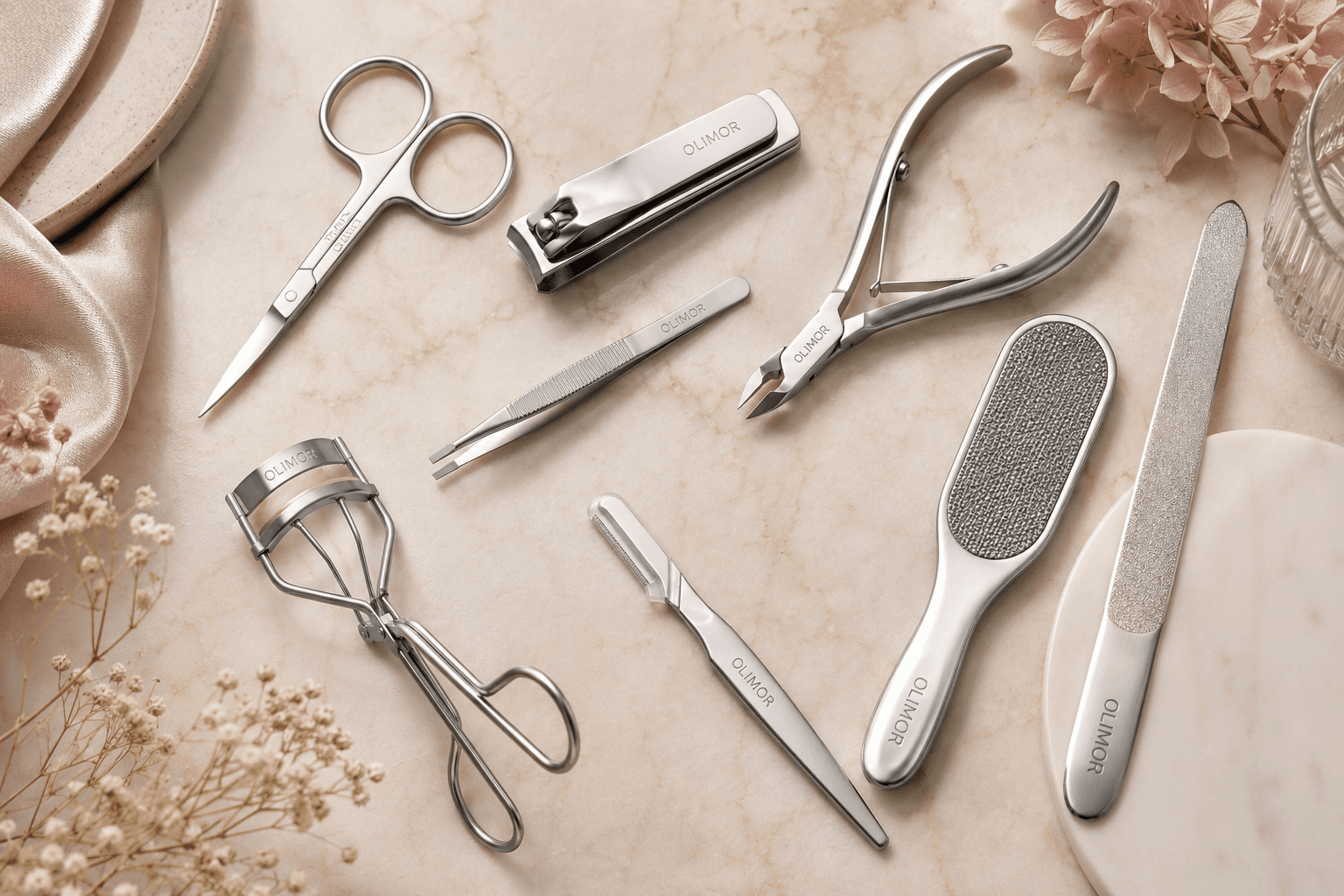
For nail and pedicure tools, inspect whether working edges are consistent, whether handles provide stable control, and whether surfaces are smooth enough for comfortable handling. For eyelash curlers, check frame alignment, opening and closing movement, tension, and cushion fit. For tweezers and detail tools, tip alignment and grip control are critical because users notice poor precision immediately.
Inspection points to compare across samples
- Material and finish: Stainless steel is commonly used for many grooming tools because it can provide a clean appearance and good durability when properly manufactured. Check whether the surface is smooth, clean, and suitable for the tool’s intended use.
- Edge condition: Cutting or trimming tools should not show burrs, jagged areas, rough non-working edges, or uneven contact points. Non-cutting tools should still feel safe and comfortable in the hand.
- Functional alignment: Cutting, gripping, clamping, curling, or trimming parts should meet evenly and work without excessive force.
- Movement and tension: Hinged tools should open and close smoothly. Spring, hinge, and frame behavior should feel stable rather than loose or uneven.
- Grip and ergonomics: Handles, finger rests, and textured areas should support secure control, especially for frequent-use salon or home care customers.
- Packaging fit: Tools should be held securely so movement during shipping does not scratch, bend, loosen, or deform the product.
- Batch consistency: A good sample is not enough. Review multiple pieces when possible and confirm how consistency is checked before shipment.
Olimor Beauty emphasizes internal quality control across production stages, including attention from raw material inspection through final packaging. For B2B buyers, that process focus matters because wholesale success depends on repeatable quality, not only one impressive sample.
Build a Focused Wholesale Personal Care Tools Assortment
A useful wholesale assortment is not simply a long product list. It should reflect how customers shop and how your channel sells. Most buyers purchase grooming tools to complete specific care tasks: trimming, shaping, smoothing, cleaning, curling, or detail grooming. Organizing the range around these functions makes the line easier to merchandise and easier for customers to understand.
Retailers may need everyday nail care tools, compact grooming accessories, and several visually distinctive products for display or gifting. Salon supply distributors may prioritize dependable manicure and pedicure tools that can be reordered consistently. E-commerce sellers may create bundles around occasions such as home manicure care, travel grooming, eyebrow preparation, or lash preparation.
Business buyers can explore Olimor’s broader beauty tool products when building a category plan, or review related product collections to compare assortment directions before preparing a focused inquiry.
| Assortment Area | Typical Buyer Need | What to Evaluate | Best-Fit Sales Use |
|---|---|---|---|
| Manicure tools | Nail shaping, trimming, cuticle care, and everyday grooming | Edge finish, grip comfort, alignment, surface smoothness, packaging clarity | Retail essentials, salon resale, home manicure kits |
| Pedicure tools | Foot care for home users or salon retail customers | Durability, handle control, finish consistency, hygienic appearance, ease of cleaning | Pedicure tools bulk programs, salon displays, foot care sets |
| Grooming essentials | General personal maintenance and travel-friendly care | Compactness, usability, storage, set composition, safe packaging | Travel kits, e-commerce bundles, everyday personal care ranges |
| Lash and brow tools | Precision beauty preparation | Tip accuracy, frame alignment, curler tension, cushion fit, user comfort | Beauty accessory add-ons, cosmetic retail displays, gift bundles |
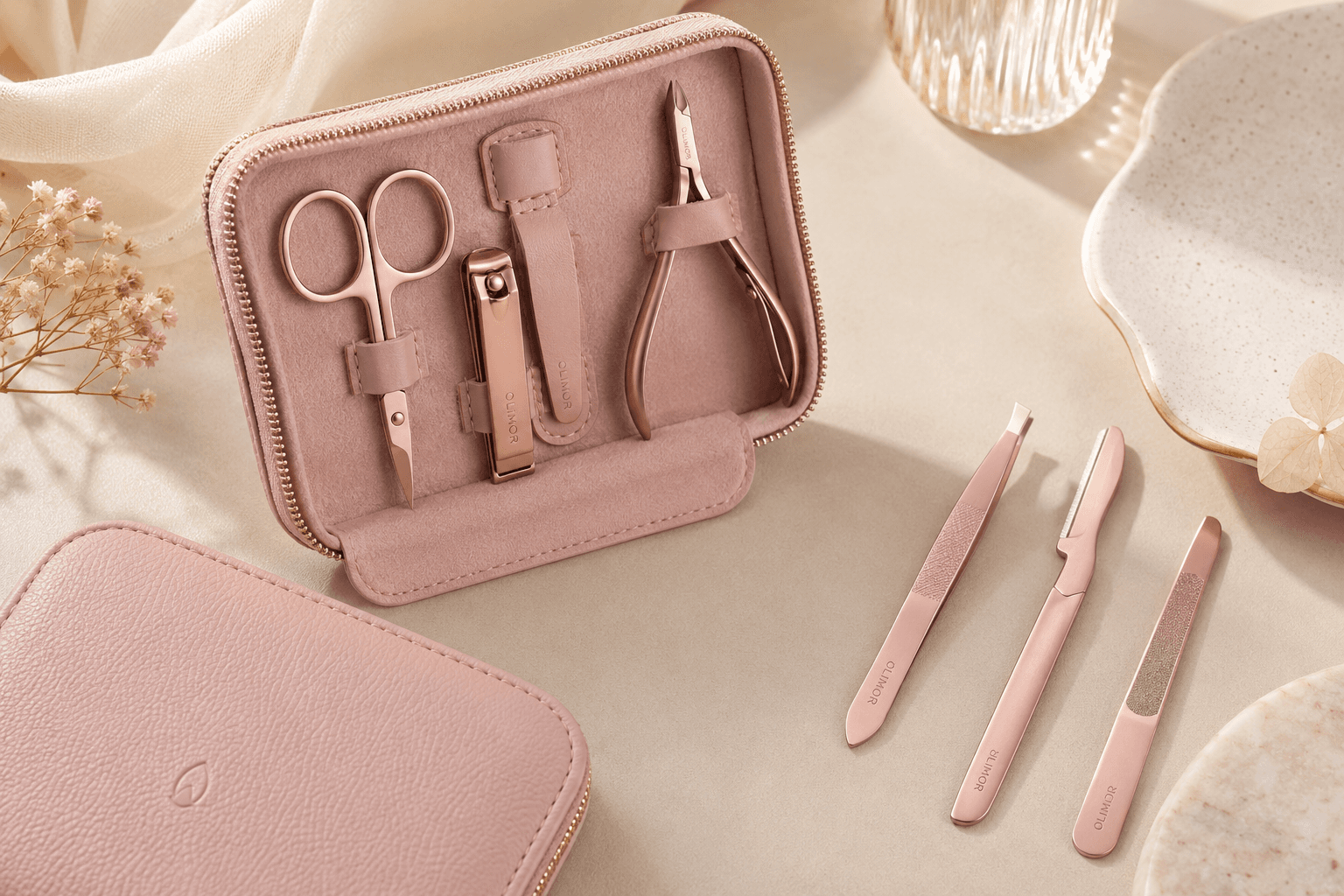
| Gift or display items | Higher perceived value and impulse purchase appeal | Visual finish, case quality, product arrangement, presentation consistency | Seasonal promotions, retail shelves, curated beauty sets |
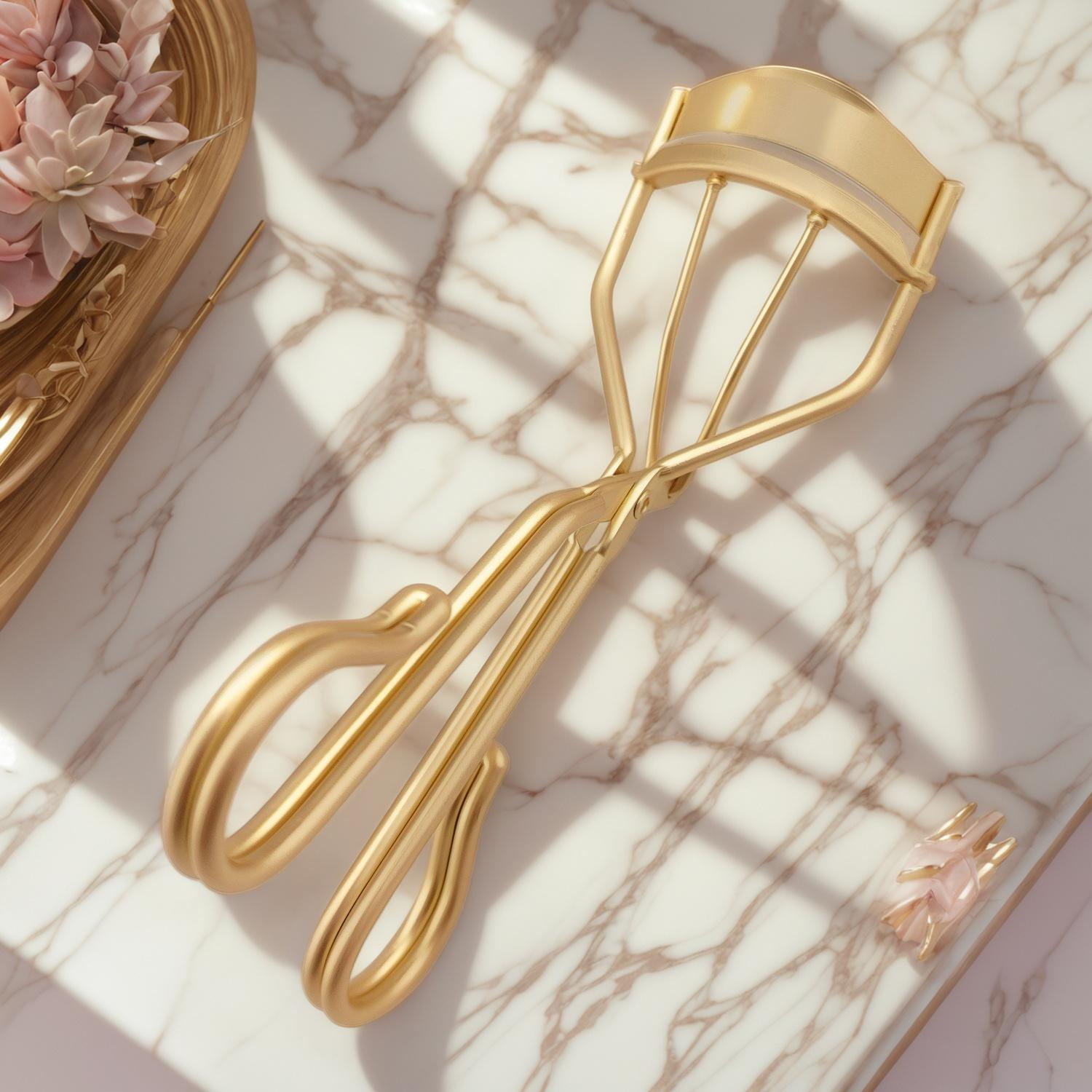
Decorative finishes can add shelf appeal, but appearance should support function rather than replace it. A gold-tone or polished finish may help a beauty tool stand out, but buyers should still inspect alignment, comfort, movement, and packaging protection before approving a bulk order.
Packaging, Presentation, and Shipping Protection
Packaging is often treated as a final step, but for wholesale personal care tools it affects both product protection and sell-through. A well-made tool can still disappoint buyers if it arrives scratched, loose, difficult to display, or unclear to the consumer.
Retail packaging should present the tool clearly, communicate its function, and fit the intended shelf or hanging display. E-commerce packaging should reduce movement during transit and protect working edges, frames, cushions, and polished surfaces. Set packaging should keep each item in position so the arrangement still looks clean when opened by the customer.
Packaging details to confirm with a supplier
- How will cutting edges, tips, hinges, frames, or cushions be protected during transport?
- Will the packaging support retail display, e-commerce shipping, or both?
- Can product information be presented clearly without unsupported performance claims?
- Does the packaging fit the perceived value of the tool and the target retail level?
- Will cartons and inner packing reduce scratching, shifting, and pressure damage?
Packaging also influences brand fit. A practical grooming tool may suit simple, clean packaging, while a giftable beauty set may need a more polished presentation. The important point is consistency: the tool, packaging, and target customer should tell the same story.
How to Compare Cost Without Choosing Only the Lowest Quote
Wholesale buyers naturally compare unit cost, but the lowest quote is not always the lowest business risk. A cheaper item may reduce margin if it causes returns, replacement requests, negative reviews, poor shelf presentation, or slower repeat orders. At the same time, buying a more expensive tool without matching it to the customer segment can create inventory pressure.
A better cost-factor comparison looks at the whole commercial picture: material and finish expectations, functional complexity, packaging type, customization requirements, inspection needs, and order consistency. Hinges, tension parts, polished surfaces, protective packaging, and coordinated sets can all affect sourcing cost and quality-control attention.
Practical cost-factor checklist
- Use case: Frequent-use tools may need stronger perceived build quality than occasional travel items.
- Finish level: Smooth surfaces, consistent coatings, and decorative appearances require closer visual control.
- Function complexity: Tools with hinges, springs, cushions, frames, or precision tips require more careful alignment checks.
- Packaging: Retail-ready, giftable, or e-commerce-protective packaging can change the total landed value.
- Customization: Branding, color direction, packaging artwork, or set configuration should be discussed early because they affect sampling and production planning.
- Consistency requirements: If repeat orders are important, ask how the supplier controls variation between samples, production, and shipment.
The goal is not to over-specify every item. It is to match the quality level to the customer, the sales channel, and the brand promise.
Supplier Evaluation for Wholesale Grooming Tools
A suitable beauty tools supplier should reduce sourcing uncertainty. Product samples matter, but so do communication quality, sample handling, packaging discussions, inspection planning, and consistency expectations. When evaluating Olimor Beauty or any potential supplier, look beyond a single quote and compare how well the supplier can support your buying process.
Relevant public standards can provide useful language for supplier conversations, but buyers should verify the applicable version and request supplier documentation rather than assume compliance. For example, ISO 9001 is a widely recognized quality management framework, and ISO 2859 is commonly referenced for sampling inspection approaches. Mentioning these standards does not prove that a supplier is certified or that a specific inspection result applies; it simply helps buyers discuss quality systems and sampling expectations more clearly.
Questions to ask before placing a bulk order
- Can the supplier recommend products that match your target retail level rather than only the cheapest available option?
- Are product photos, specifications, and physical samples detailed enough for your team to evaluate function and finish?
- Can packaging be discussed in relation to transport protection, retail display, and product information?
- How are raw materials, in-process production, finished goods, and final packaging checked?
- Can the supplier explain how sample quality relates to expected bulk production quality?
- Are communication timelines practical for your launch, promotion, or replenishment schedule?
If you already know the category, set composition, or packaging direction you need, you can send Olimor a focused request through the wholesale inquiry page. For broader sourcing discussions, the Olimor contact page can help you clarify available options before sampling.
Sample Review and Pre-Shipment Quality Checks
Samples should be treated as working decision tools, not just sales references. When samples arrive, test them the way your customer will handle them. Open and close hinged items repeatedly, check grip comfort, compare alignment, inspect the finish under normal light, and review how packaging protects the item. If the product is part of a set, check whether each tool is arranged securely and whether the set looks consistent as a complete retail item.
For bulk orders, ask what inspection steps are used before shipment. Useful discussions may include raw material checks, production-stage review, finished product inspection, and final packaging confirmation. Buyers should not expect a supplier to invent guarantees that were never agreed, but they should expect clear communication about what can be checked and documented.
A simple internal buyer checklist can include sample approval notes, packaging photos, agreed product details, customization artwork if applicable, inspection focus points, and shipment packaging expectations. Keeping these records helps your team compare repeat orders and reduces confusion when reordering.
Common Sourcing Problems and How to Avoid Them
Many wholesale issues begin with unclear expectations. A buyer may ask for a general grooming tool quote, while the supplier does not know whether the product is for budget retail, salon resale, gift packaging, or online bundles. The result can be a sample that looks acceptable but does not fit the commercial use.
To avoid this, describe the target customer, sales channel, packaging need, and acceptable finish level in your first inquiry. If you are sourcing pedicure tools in bulk, explain whether the priority is home use, salon display, coordinated sets, or replacements. If you are sourcing lash and brow tools, identify whether precision, visual finish, or giftable presentation matters most.
Another common issue is approving one excellent sample without checking consistency. Whenever possible, compare multiple pieces and ask how the supplier manages variation. For tools with working edges, hinges, tension, or cushions, consistency is especially important because the customer notices small differences quickly.
FAQ: Wholesale Personal Care Tools
Can I request samples before placing a bulk order?
Yes. Samples are a practical way to evaluate finish, alignment, handling, packaging, and overall product fit before making a larger buying decision. Discuss the exact categories and packaging expectations so the sample review reflects your intended sales channel.
Does Olimor offer customization for beauty and grooming tools?
Customization may depend on the product type, packaging direction, and order requirements. Buyers should share branding, color, set composition, or packaging ideas early so Olimor can confirm what is practical for the selected items.
What should I ask about MOQ and lead time?
MOQ and lead time can vary by product, customization, packaging, and production schedule. Ask for confirmation based on the exact tool category, finish, packaging format, and order plan instead of relying on a general estimate.
How can I check quality before shipment?
Ask which inspection steps are available, such as raw material review, production checks, finished product inspection, and final packaging confirmation. Buyers should also define key inspection points, including edge condition, alignment, movement, finish consistency, and packaging protection.
What information should I include in a supplier inquiry?
Include the product category, target customer, sales channel, desired packaging style, customization needs, expected quality level, sample request, and any inspection concerns. A clear inquiry helps the supplier recommend a better-fit wholesale solution.
Final Sourcing Takeaway
Wholesale personal care tools should be selected for practical performance, not only appearance or unit price. The strongest sourcing decisions connect customer use, tool function, finish quality, packaging protection, supplier communication, and repeat-order consistency.
For retailers, salon suppliers, distributors, and private-label beauty businesses, a clear evaluation process can reduce returns, strengthen customer trust, and make the product line easier to sell. Olimor Beauty can support business buyers reviewing grooming tools, nail and pedicure items, lash and brow accessories, and coordinated personal care assortments for wholesale channels.
Tag: