Vegan Manicure Tools Wholesale: Practical Sourcing Guide for Ethical Nail Businesses
Vegan manicure tools wholesale is no longer a narrow niche for a few specialty salons. Nail professionals, beauty retailers, spa buyers, private-label brands, and distributors are all paying closer attention to what their tools are made from, how they are packaged, and whether the product story matches the expectations of modern beauty customers. For many businesses, vegan sourcing is about avoiding animal-derived materials while still choosing tools that feel professional, last through repeated use, and look suitable for retail or salon presentation.
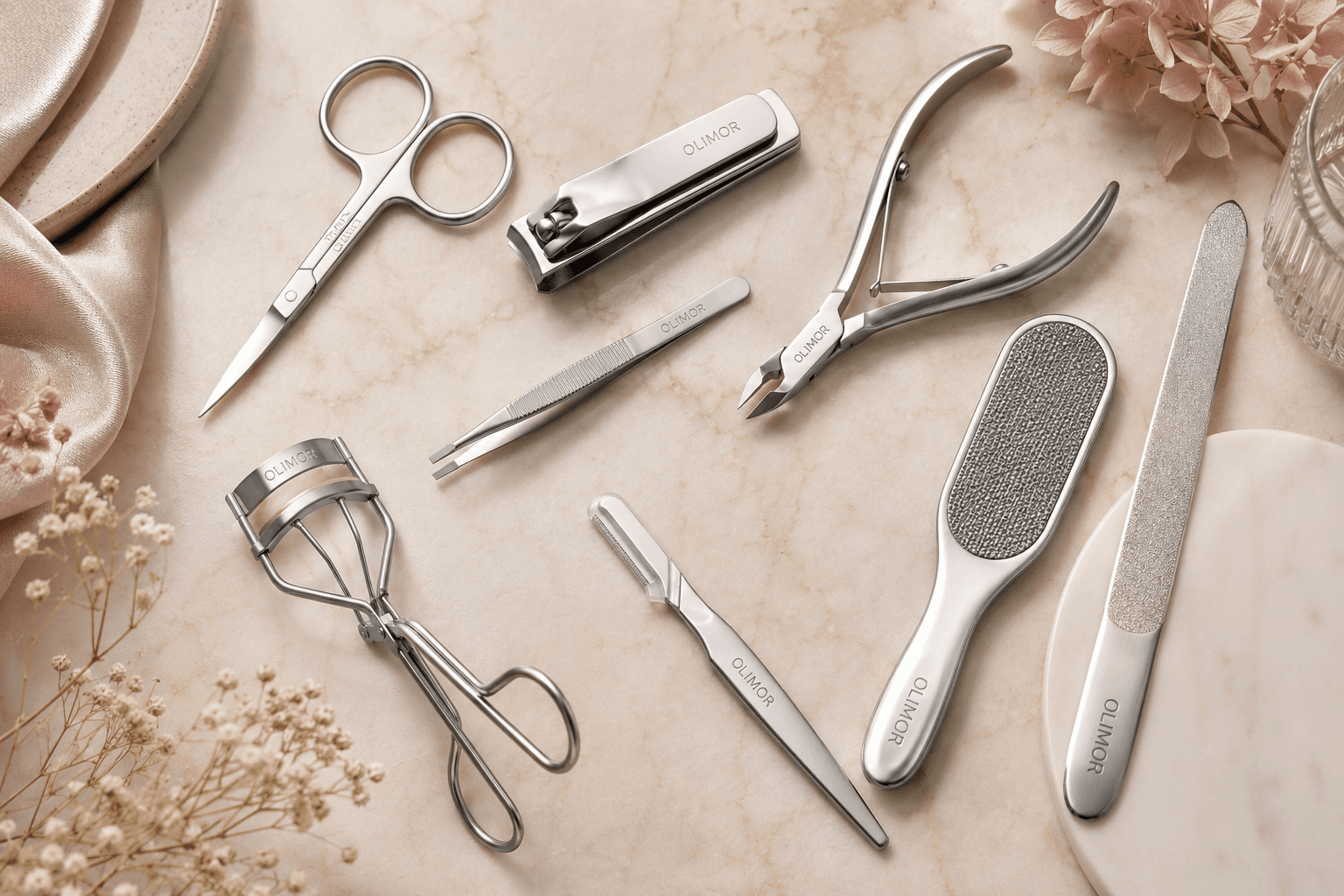
The important point is that “vegan” should not be treated as a decorative claim. A manicure set can include several components: clippers, scissors, pushers, files, buffers, separators, pouches, handles, packaging inserts, adhesives, and surface finishes. Each part deserves a closer look. A well-planned wholesale order considers both function and material transparency, so the final product can be promoted confidently to salons, online shoppers, and store buyers.
Olimor Beauty works with beauty tool buyers who need practical sourcing support for nail care lines, retail programs, and customized tool assortments. If you are comparing options, start by reviewing available beauty tool products and then build a clear specification list before moving into quotation, sample review, or packaging decisions.
What “Vegan” Means for Manicure Tools
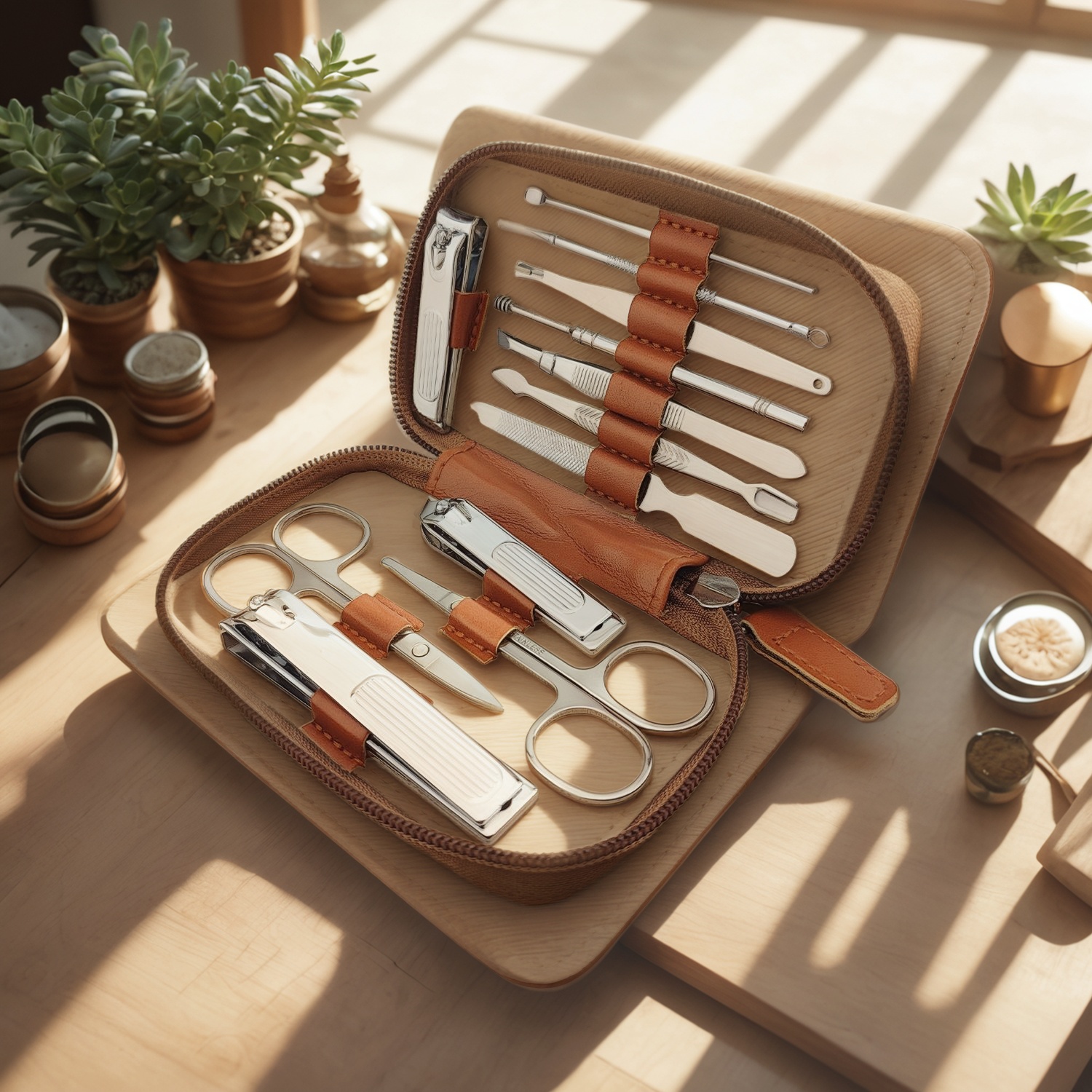
For manicure tools, a vegan approach generally means avoiding animal-derived materials in the tool body, accessories, packaging, and presentation items. Stainless steel implements are often a practical foundation because they do not rely on leather, horn, bone, natural bristle, or other animal-derived components. The original product concept also emphasizes stainless steel tools and wholesale distribution, making this category suitable for buyers who want durable nail care essentials without animal-based materials.
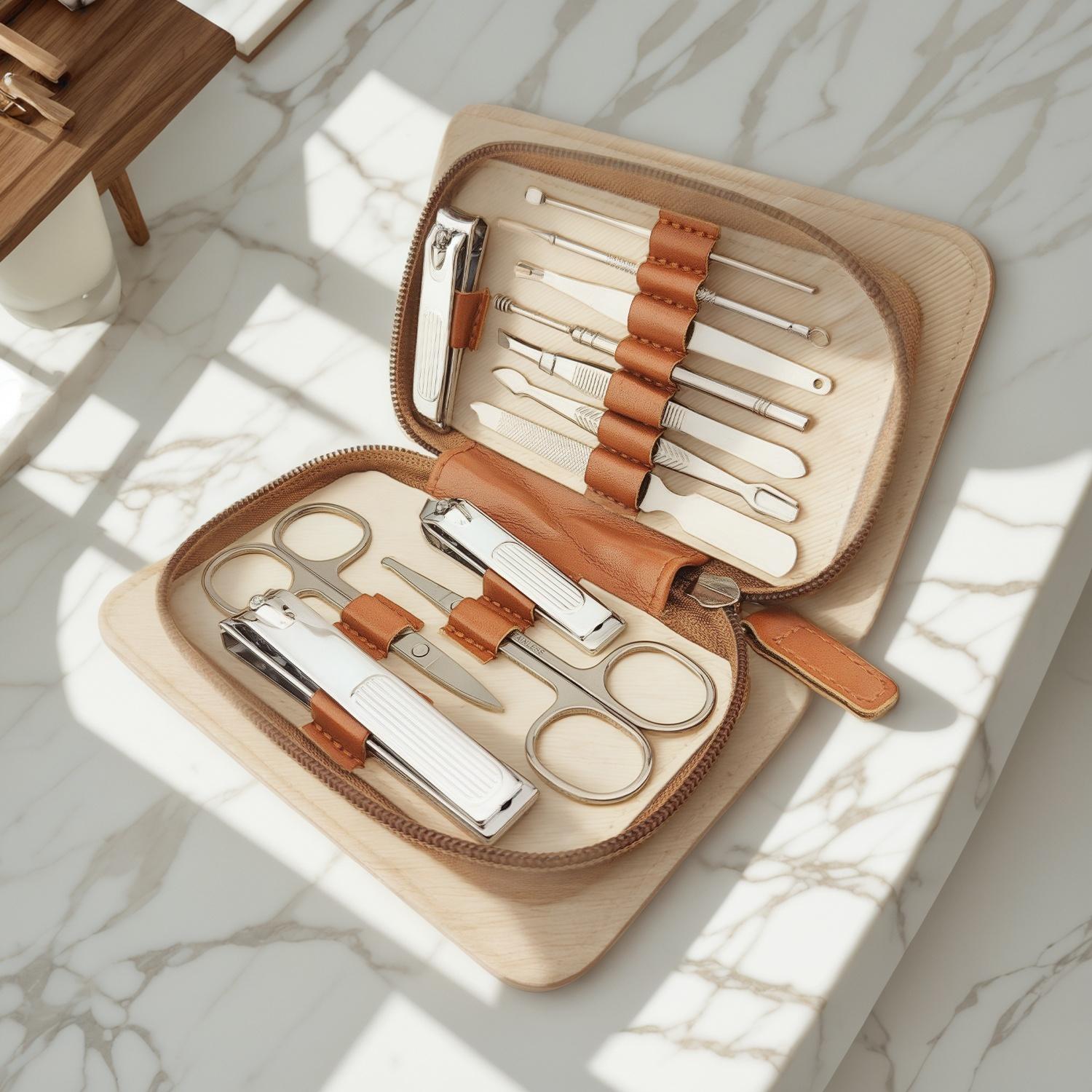
However, the main metal tool is only one part of the sourcing picture. Buyers should also consider pouches, display cards, glue, coatings, polishing compounds, hangtags, and inserts. For example, a manicure kit may use a synthetic pouch instead of leather, paperboard packaging instead of animal-derived decorative materials, and synthetic or plant-based alternatives where soft-touch details are needed. This level of review is especially important for retailers that make ethical or vegan claims on product pages, shelf labels, or promotional materials.
Vegan does not automatically mean biodegradable, plastic-free, or certified cruelty-free. These are separate topics. A responsible wholesale program separates the claims: vegan material choices, packaging sustainability, factory quality control, and product durability. Clear language helps avoid overstating benefits while still giving customers the information they care about.
Why Wholesale Buyers Choose Vegan Nail Care Tools
Salons and retailers buy vegan manicure tools for different reasons. Some want to serve customers who actively avoid animal-derived goods. Others want a cleaner product story for online listings or a more modern retail assortment. Distributors may use vegan nail tools to open conversations with spas, boutique beauty stores, hotel amenities buyers, and wellness-focused retail channels.
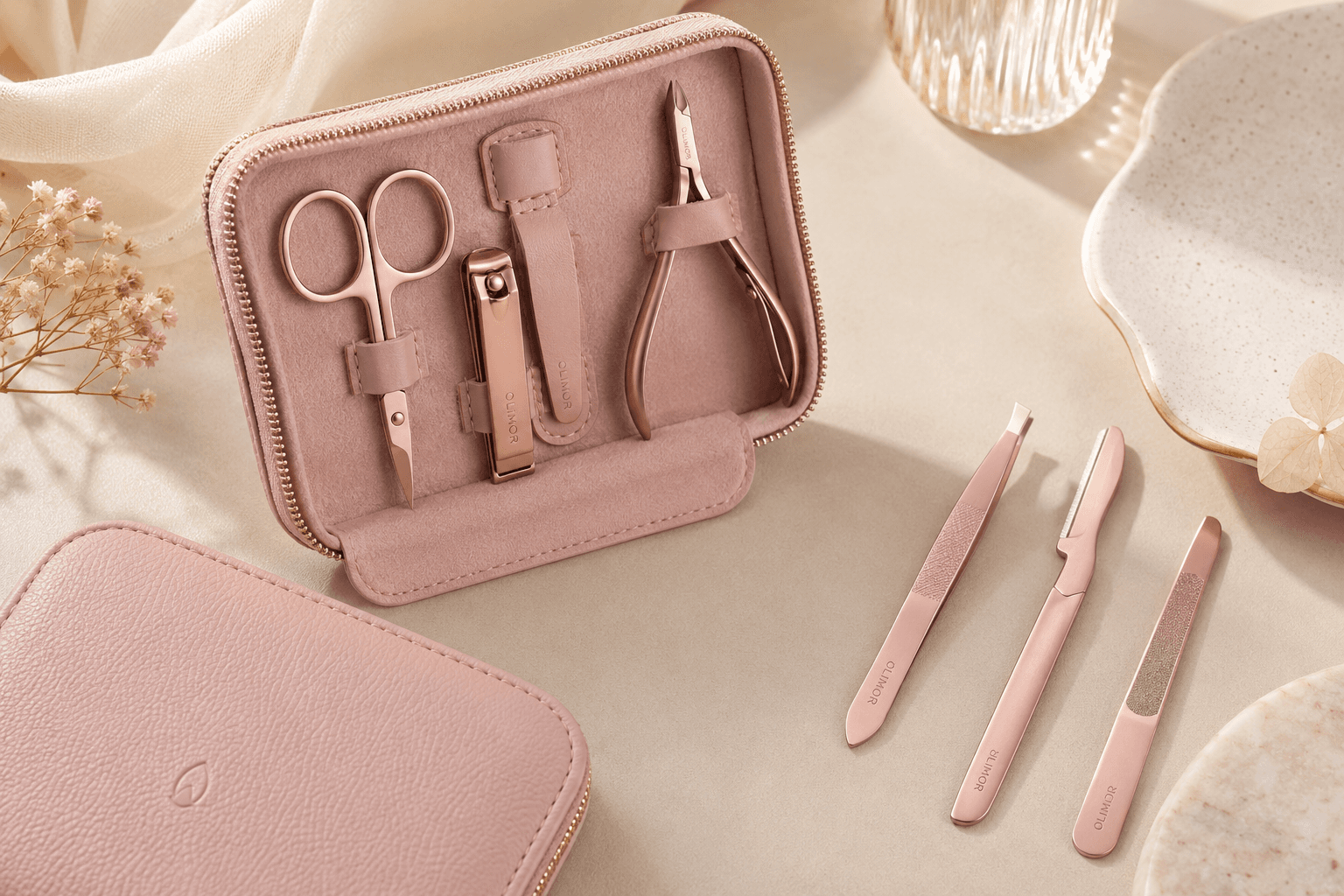
From a commercial perspective, the advantage is not only ethical positioning. Vegan manicure tools can be organized into multiple sales formats: single nail clippers, compact travel kits, professional cuticle care sets, retail-ready manicure sets, or promotional gifts. The category is flexible because basic nail care has broad demand across genders, age groups, and price tiers.
Wholesale planning should focus on matching the tool mix to the sales channel. A professional salon may prioritize precise edges, easy cleaning, and ergonomic handling. An online retailer may care more about attractive packaging, clear product photos, and a concise vegan claim. A distributor may need cartons, barcode placement, and consistent appearance across repeated shipments. Before selecting a product, define who will use it, how it will be sold, and what claims must be supported.
Key Selection Criteria Before Placing a Bulk Order
A good vegan manicure tools wholesale order starts with a detailed checklist rather than a general request for “ethical nail tools.” The more precise the requirements, the easier it is to compare samples and avoid changes late in production.
- Tool assortment: Decide whether the order should include clippers, cuticle pushers, nail scissors, tweezers, nail files, buffers, or complete manicure kits.
- Main material: Confirm the intended material for each metal tool, especially when stainless steel is expected for durability and cleaning convenience.
- Non-animal accessories: Review pouches, separators, handles, tags, inserts, and packaging components for animal-derived materials.
- Edge and finish: Check that cutting tools feel clean, aligned, and comfortable rather than rough or overly tight.
- Grip and ergonomics: Consider whether the tool is easy to hold for salon use, home use, or travel kits.
- Retail presentation: Choose packaging that supports your price point, shipping method, shelf display, and product story.
- Branding space: Plan where logos, care instructions, batch information, or barcodes will appear.
- Cleaning guidance: Make sure the product instructions are appropriate for the tool type and end user.
Sample review is especially useful for manicure tools because small details matter. A cuticle pusher that looks acceptable in a photo may feel too sharp in hand. A nail clipper may appear sturdy but need evaluation for alignment, spring feel, and smoothness. A pouch may look premium but conflict with a vegan positioning if the material is not clearly specified. Careful sample notes help turn a broad wholesale idea into a repeatable product standard.
Working With a Beauty Tools Supplier in China
China remains an important sourcing region for beauty tools because it offers broad manufacturing experience, multiple tooling options, and the ability to support different product formats. For buyers seeking vegan manicure tools wholesale, the goal is to combine manufacturing capability with clear material decisions and consistent quality checks. Cost matters, but it should not be the only measure. Tool performance, finish consistency, packaging accuracy, and communication during customization are all part of the value.
When comparing suppliers, look beyond a single sample photo. Ask for a clear breakdown of tool components, available packaging formats, logo placement options, and quality inspection points. If your product will be sold as vegan, the specification should identify which components must avoid animal-derived materials. This is especially important for kit cases and decorative packaging, where material assumptions can easily create confusion.
Olimor Beauty focuses on beauty tool sourcing for buyers who need functional products, customized presentation, and wholesale-ready planning. Buyers can browse related product collections to understand possible assortment directions, then prepare a product brief that covers target market, preferred tool mix, packaging style, and claim requirements.
Customization Decisions That Affect the Final Product
Custom beauty tools manufacturing is not only about adding a logo. For vegan manicure tools, customization may influence materials, packaging, user instructions, and the final product claim. A private-label retailer, for example, may want a minimalist kraft paper box, while a salon distributor may prefer a protective kit case and a practical care card. Both can be valid, but they require different specifications.
Useful customization questions include: Will the product be sold as a single tool or a kit? Is the packaging designed for e-commerce shipping, retail hanging display, or countertop presentation? Should the logo appear on the tool, pouch, box, or instruction insert? Does the brand need a written vegan material statement for internal approval? Will the product line later expand into pedicure tools or grooming accessories?
A structured customization plan reduces the risk of inconsistent results. It also helps the supplier identify which decisions must be confirmed before production. For example, changing a pouch material after packaging dimensions are finalized may affect carton layout and product photography. Changing the tool finish after sample approval may require a second sample round. Treat customization as a sequence: confirm tool function first, then materials, then branding, then packaging, then final inspection expectations.
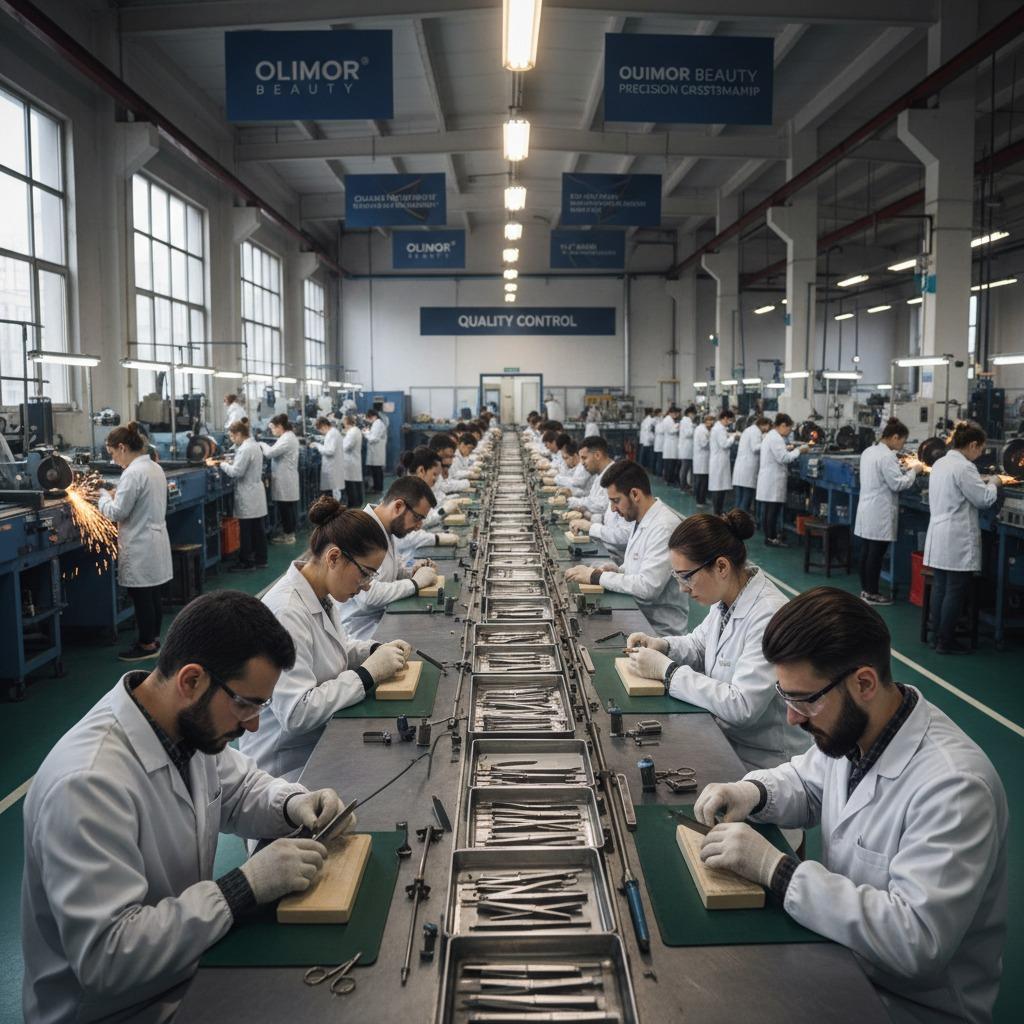
Quality Control Points for Wholesale Manicure Tools
Professional nail tools must be comfortable, cleanly finished, and consistent. Even when a product is positioned as vegan and ethical, buyers should not compromise basic performance. For cutting tools, alignment and smooth operation are central. For pushers and files, edges should be practical without feeling unsafe. For kits, every piece should sit securely in its case or insert, especially if the product will be shipped through e-commerce channels.
| Item to Check | Why It Matters | What Buyers Should Review |
|---|---|---|
| Material components | Supports vegan positioning | Main tool, case, glue, inserts, labels, and packaging |
| Tool finish | Affects comfort and perceived quality | Rough edges, burrs, scratches, coating consistency |
| Cutting performance | Critical for clippers and scissors | Alignment, tension, clean cut, hand feel |
| Packaging fit | Reduces damage and presentation issues | Insert hold, box strength, pouch closure, shipping protection |
| Branding accuracy | Protects retail professionalism | Logo placement, color, spelling, barcode, instructions |
Wholesale buyers should also think about long-term repeatability. A first sample is only useful if the approved details can be translated into a production reference. Keep a written record of approved materials, photos, packaging artwork, and functional expectations. This creates a clearer benchmark for future orders and helps maintain consistency across batches.
Building a Clear Buyer Brief for Vegan Manicure Tools
A concise buyer brief makes the sourcing process faster and more accurate. Instead of requesting a broad quotation, prepare the information that affects cost, lead planning, and product suitability. Include the intended sales channel, target customer, tool assortment, preferred materials, packaging concept, branding requirements, and any claim language that must be supported.
If the product will be promoted online, also consider how the listing will explain the vegan positioning. Avoid vague wording that customers cannot verify. Phrases such as “made without animal-derived materials in the specified tool and packaging components” are clearer than broad claims that may imply additional certifications. If certifications or test reports are required for a specific market, list them as buyer requirements before confirming production rather than adding them later.
For teams ready to develop a wholesale nail care program, the next step is to organize requirements and send an inquiry with the desired assortment, packaging direction, and vegan material expectations. For broader sourcing questions or a custom project discussion, you can also contact Olimor.
Final Thoughts for Ethical Nail Tool Sourcing
Vegan manicure tools wholesale can be a strong category when the sourcing process is specific, honest, and quality-focused. The best results come from looking at the whole product, not only the visible metal tool. Materials, accessories, packaging, branding, and inspection standards all shape whether the final item meets the expectations of ethical beauty customers.
For salons, retailers, and distributors, the practical path is clear: define the use case, confirm non-animal material requirements, review samples carefully, and document the approved standard. With that approach, vegan manicure tools can support both responsible product positioning and dependable everyday nail care.
Tag: