Tweezers Wholesale: A Practical Buying Guide for Beauty Tool Retailers
Buying tweezers wholesale is not only about lowering the unit cost. For beauty retailers, salon suppliers, e-commerce sellers and private label buyers, tweezers are small products with a large impact on customer trust. A tweezer that grips cleanly, feels balanced in the hand and keeps its alignment through repeated use can help a customer associate your store or brand with reliability. A tweezer that slips, pinches unevenly or arrives with rough edges can create returns and poor reviews quickly.
This guide explains what to evaluate when sourcing wholesale tweezers, how to compare beauty tools suppliers, and what sustainability questions to consider when building a grooming tool range. It is written for buyers who need practical selection criteria rather than generic product claims. If you are comparing options for retail shelves, salon resale, promotional sets or private label programs, use the sections below as a structured sourcing checklist.
What Wholesale Tweezers Buyers Should Decide First
Before comparing samples or discussing packaging, define how the tweezers will be sold and used. A retail buyer may prioritize display-ready packaging and visual consistency across a range. A salon supplier may focus more on grip, tip alignment and repeat handling. A private label buyer may need flexible finishing and packaging options that match an existing brand identity.
Start by clarifying three points: the end user, the sales channel and the expected product position. Tweezers for everyday home grooming do not need the same presentation strategy as tools sold in a professional beauty kit. Likewise, a compact product such as the Mini-Tweezer can be useful where portability, travel convenience or small accessory sets are important, but buyers should still evaluate the same fundamentals: tip performance, surface finish, comfort and packaging protection.
Common wholesale tweezer use cases include:
- Retail beauty accessories: individual tweezers sold through stores, marketplaces or beauty boutiques.
- Salon and spa resale: grooming tools offered to customers after brow shaping or facial services.
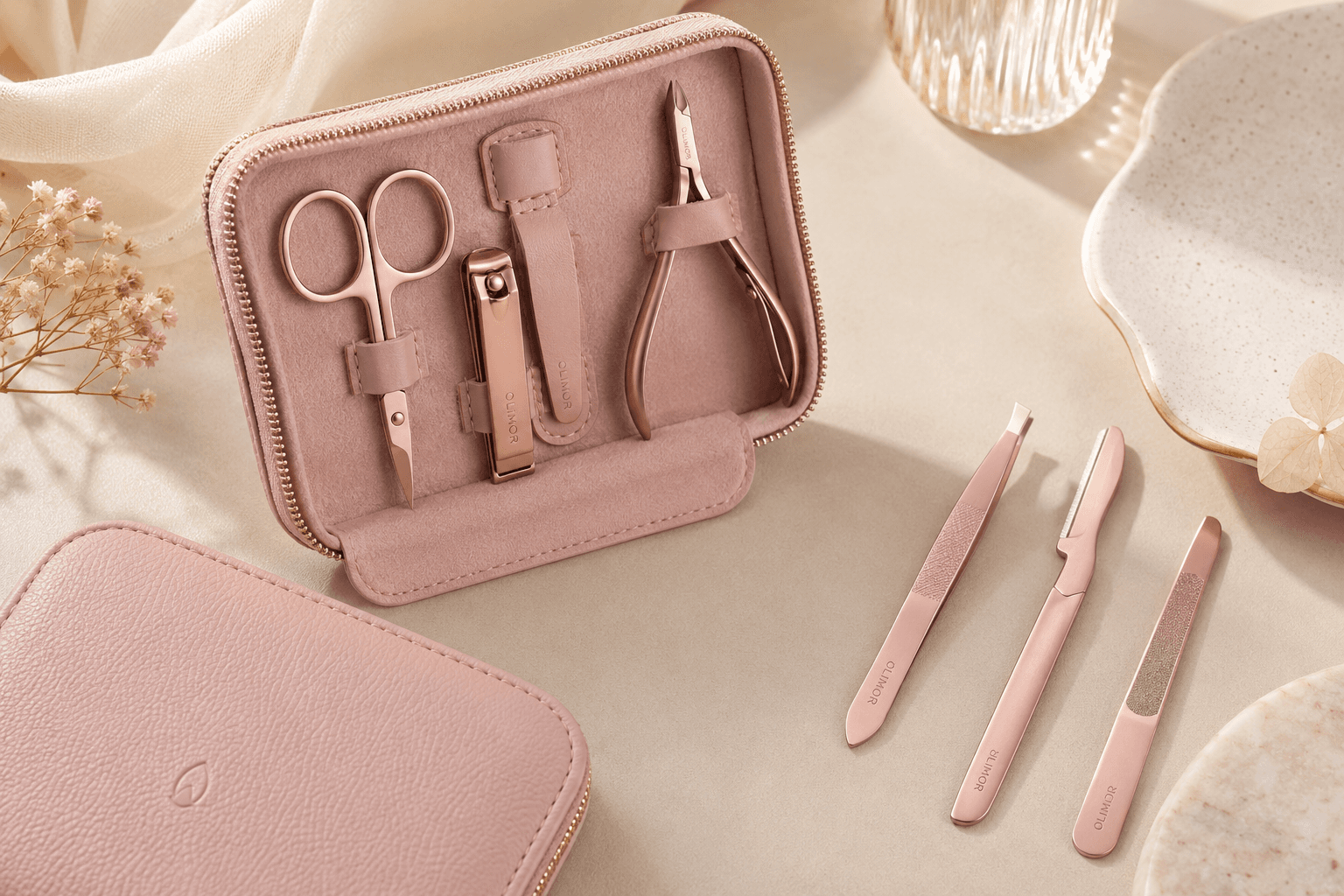
- Gift and travel sets: compact grooming products bundled with nail or skincare accessories.
- Private label programs: tweezers customized for a distributor, retailer or beauty brand identity.
- Promotional beauty tools: practical accessories used for brand campaigns or seasonal merchandising.
Key Tweezer Features That Affect Customer Satisfaction
The best wholesale decision is usually based on a balance of function, finish and consistency. Even when a tweezer looks simple, small manufacturing differences can affect how it performs. Buyers should inspect samples under normal use conditions and avoid relying only on photos.
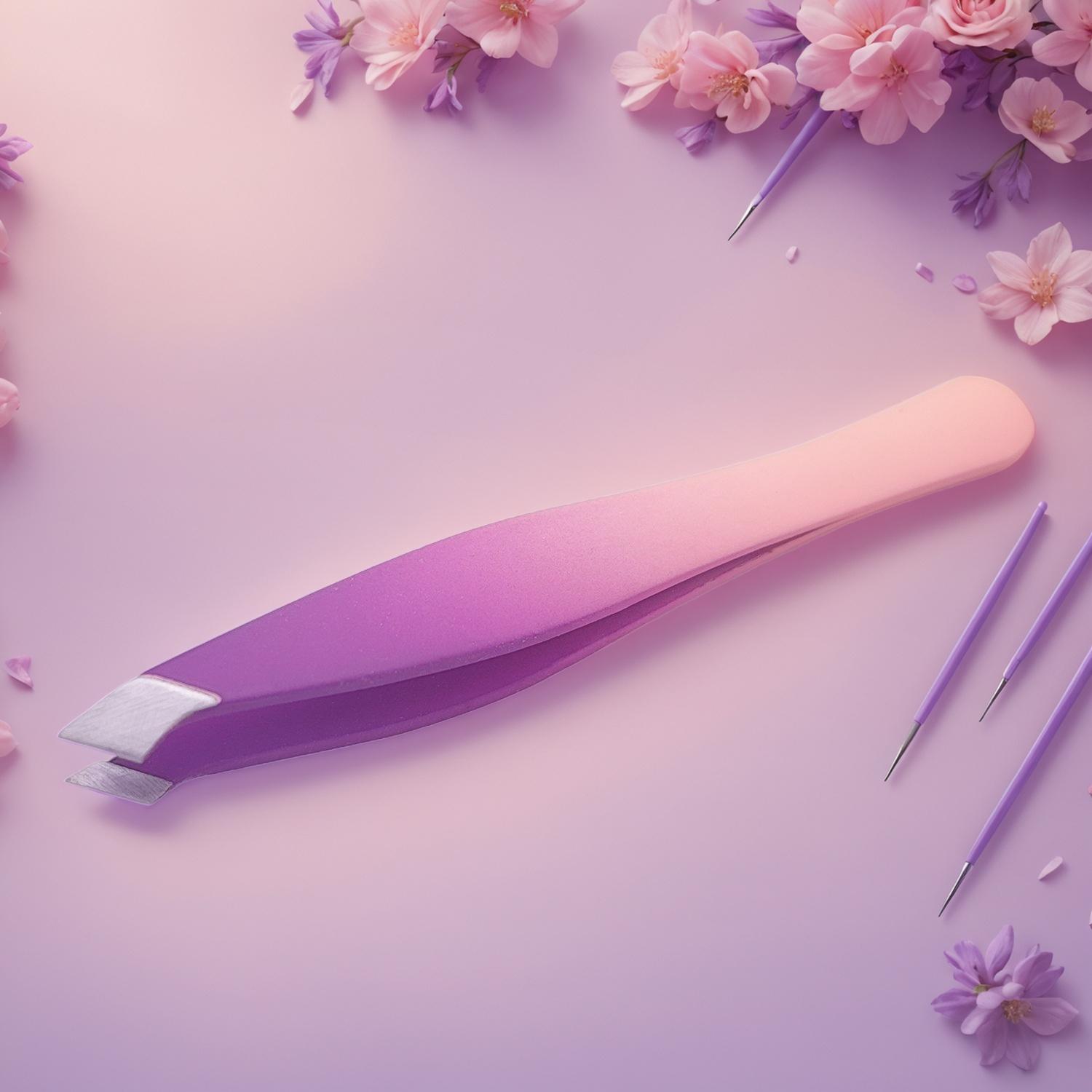
Tip alignment is one of the most important features. When the two tips close together evenly, the tool can grip fine hairs or small objects more predictably. Misaligned tips may slip or require extra pressure, which can frustrate the user. The closing tension also matters. If it is too stiff, the tweezer feels tiring; if it is too loose, it may feel weak or imprecise.
Surface finish should be checked for rough spots, scratches and sharp unintended edges. A neat finish supports both comfort and shelf appeal. Ergonomic shape is also worth evaluating. A tweezer should be easy to hold securely, especially when the user is working close to the face. Design details such as length, angle, tip shape and grip area can influence whether the product feels controlled in the hand.
| Feature to Check | Why It Matters | How to Evaluate Samples |
|---|---|---|
| Tip alignment | Supports clean gripping and reduces slipping | Close the tips slowly and check whether both sides meet evenly |
| Closing tension | Affects comfort and control during repeated use | Open and close the tweezer multiple times with normal hand pressure |
| Surface finish | Influences perceived quality and user comfort | Inspect edges, coating and visible surfaces under good lighting |
| Shape and size | Determines suitability for home, salon, travel or kit use | Compare handling for the intended buyer and sales channel |
| Packaging protection | Helps prevent tip damage before sale | Review how tips are protected in transit and on display |
How to Assess a Professional Beauty Tools Supplier
A professional beauty tools supplier should help buyers reduce sourcing risk. This does not mean every supplier will offer the same product range, customization options or lead times. It means they should be able to communicate clearly, provide consistent samples and support quality expectations before production begins.
When assessing a supplier, look for evidence of a systematic quality assurance approach. The original product may look attractive, but repeatability is what matters in wholesale. Ask how samples are approved, how production consistency is monitored, and how packaging is checked before shipment. These questions help buyers understand process discipline without relying on vague claims.
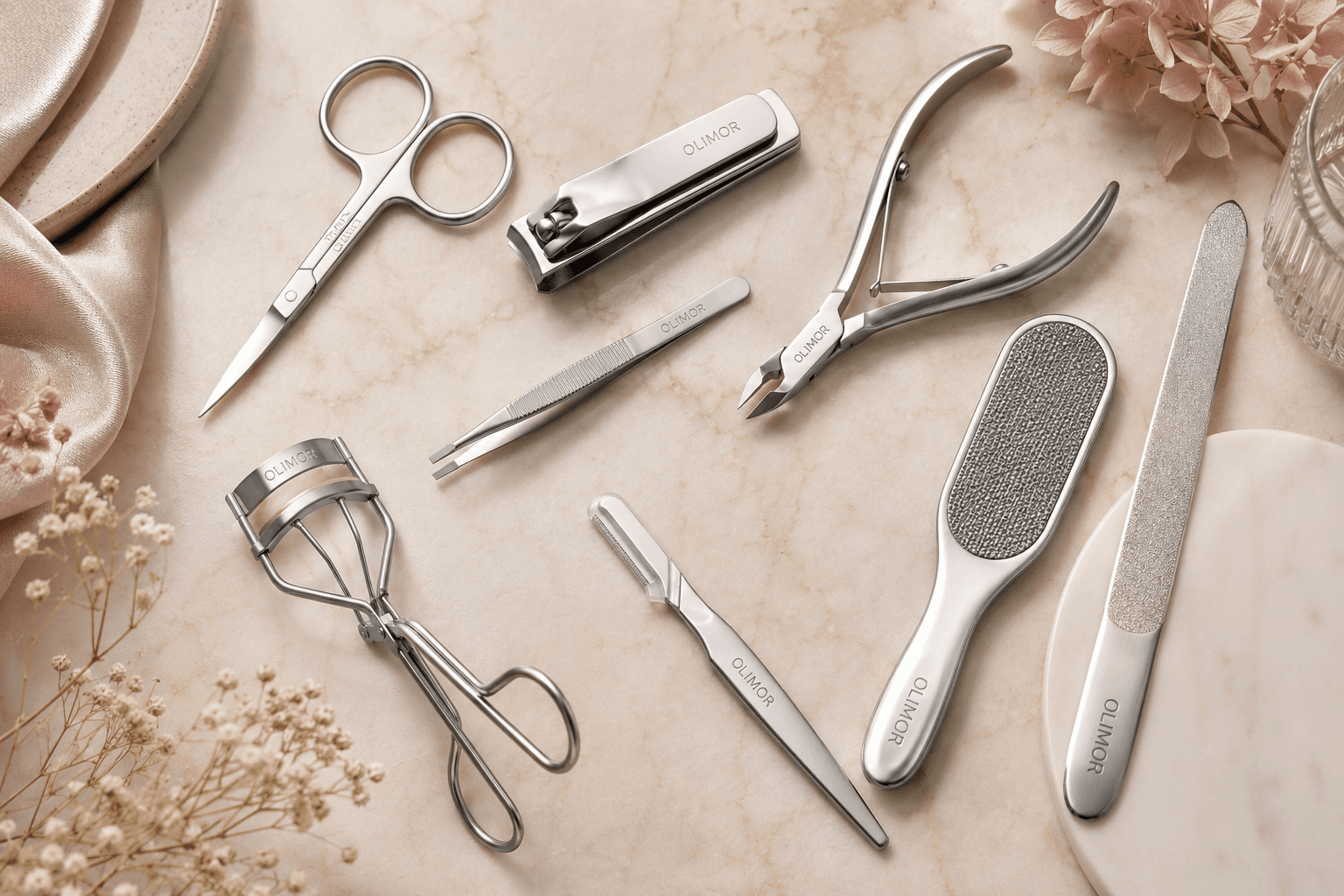
It is also useful to review whether the supplier understands related categories. A company supplying beauty accessories, manicure tools or grooming tools may have better insight into how tweezers fit within a broader retail program. If you are building a wider assortment, explore Olimor’s beauty tool products or browse product collections to compare possible category combinations.
For private label buyers, communication is especially important. Artwork files, color references, logo placement, packaging structure and barcode requirements should be documented clearly. A professional supplier should help confirm what is feasible before production, rather than discovering issues after goods are made.
Private Label and Packaging Considerations
Private label tweezers can be a practical way to build brand recognition in a beauty tools line. However, packaging and presentation should not be treated as an afterthought. Tweezers are compact, so every design element has to work efficiently: the product must be visible or clearly described, the tips should be protected, and the package should suit the sales environment.
For retail stores, hanging cards or display-friendly packaging can improve shelf organization. For e-commerce, packaging should protect the product during fulfillment and look professional when opened. For salon resale, simple, clean presentation may be more appropriate than oversized packaging. The correct choice depends on your market, price position and distribution method.
Buyers should prepare a packaging brief that includes:
- The sales channel, such as retail store, online marketplace, salon resale or distributor catalog.
- Any brand elements, including logo, color direction and required product information.
- Preferred packaging format and whether product visibility is important.
- Labeling needs for the destination market and retail partner requirements.
- Protection requirements for tweezer tips during shipping and handling.
A clear brief reduces misunderstandings and helps suppliers provide realistic options. It also makes it easier to compare quotations because each supplier is responding to the same requirements.
Sustainability and Recyclable Grooming Tools
Many beauty buyers now consider sustainability when choosing grooming tools. For tweezers wholesale, this can involve several decisions: material selection, packaging reduction, recyclable packaging components, product durability and whether the tool is designed to remain useful over time. A longer-lasting grooming tool can reduce unnecessary replacement, while thoughtful packaging can reduce avoidable waste.
When evaluating recyclable grooming tools in bulk, avoid relying only on broad environmental language. Instead, focus on verifiable choices within your project. Which components are intended to be recyclable? Is packaging minimized without leaving the product vulnerable to damage? Are mixed materials necessary, or can the design be simplified? These practical questions help buyers make better decisions while avoiding unsupported claims.
For brands serving eco-conscious consumers, sustainability should be presented accurately. If your packaging uses recyclable materials, describe the packaging honestly according to local rules and disposal systems. If the key advantage is durability or reduced packaging volume, state that clearly. Customers increasingly prefer specific, transparent information over vague green marketing.
Sample Review Checklist Before Placing a Wholesale Order
Samples are the most useful step before committing to wholesale tweezers. A buyer should test them in a structured way and record feedback, especially if multiple team members are involved. Do not evaluate only the first impression. Handle the sample repeatedly, compare multiple units if available and consider how it will look after shipping, stocking and customer use.
- Function: Do the tips meet evenly and grip with predictable pressure?
- Comfort: Is the tool easy to hold without awkward hand strain?
- Consistency: Do multiple samples look and perform similarly?
- Finish: Are the edges, surface and visible details clean?
- Brand fit: Does the design match the price point and customer expectation?
- Packaging: Are the tips protected and is the product presentation suitable?
- Documentation: Are agreed product details, artwork and packaging instructions recorded?
This checklist is especially important when sourcing for private label manicure tools, manicure tool distributors or broader beauty accessory programs. Small products can be produced in large quantities, so small errors may become large problems if they are not caught during sample approval.
Building a Better Wholesale Beauty Tool Assortment
Tweezers often perform best as part of a coordinated beauty tool assortment. A retailer may pair them with nail clippers, brow tools, grooming scissors or compact travel accessories. A distributor may offer multiple tweezer styles to serve different customer preferences. A private label brand may introduce a core grooming set before expanding into other beauty tools.
The goal is not to carry every possible variation. Instead, build a range that is easy for customers to understand. For example, you might separate products by use case: everyday grooming, travel convenience, salon resale or giftable accessories. This makes merchandising clearer and helps buyers choose without confusion.
If you are planning a wholesale tweezer project or comparing beauty tool sourcing options, you can contact Olimor to discuss general product needs or send an inquiry with your project details. A focused inquiry should include the intended market, sales channel, packaging preference and any private label requirements you already know.
Final Buying Advice for Tweezers Wholesale
Wholesale tweezers may be small, but they deserve careful sourcing. The right choice depends on reliable function, comfortable handling, consistent finishing, appropriate packaging and clear supplier communication. Buyers should define the end use first, review samples carefully and compare suppliers on process discipline rather than price alone.
For retailers and beauty tool distributors, a well-selected tweezer can become a dependable everyday product. For private label buyers, it can be an accessible entry point into a broader grooming tools range. By focusing on practical quality checks and honest product positioning, you can choose wholesale tweezers that support customer satisfaction and long-term category growth.
Tag: