Tweezers Wholesale Buying Guide for Beauty Brands and Tool Distributors
Wholesale tweezers may look simple at first glance, but buyers who handle beauty tools professionally know that small differences in alignment, tension, tip shape and finishing can determine whether a product earns repeat orders or returns. For beauty brands, salon suppliers, online retailers and grooming kit developers, tweezers are not just low-cost accessories. They are everyday precision tools that customers judge by feel, grip and reliability.
When sourcing tweezers wholesale, the goal is not only to find an attractive unit price. A stronger buying decision considers the intended user, retail positioning, quality consistency, packaging needs and long-term product durability. This guide explains how to evaluate wholesale tweezers with practical criteria, especially for buyers building a private-label beauty tool range or expanding an existing assortment.
Why Tweezers Still Matter in Beauty Tool Sourcing
Tweezers remain a core item in brow grooming, facial hair removal, nail care kits, lash application support and general personal care. Their value comes from precision. A well-made pair should grip fine hairs without cutting them, meet evenly at the tips and feel controlled in the hand. Poorly made tweezers, by contrast, may slide off hair, pinch skin, rust prematurely or lose alignment after limited use.
For wholesalers and brand owners, this makes tweezers a useful indicator product. If customers are satisfied with a small, frequently used tool, they are more likely to trust the rest of a beauty tool collection. Tweezers also fit easily into many sales formats, including single retail packs, eyebrow grooming sets, manicure kits, travel kits and promotional beauty bundles.
Buyers comparing beauty tool products should think about tweezers as both a standalone SKU and a component in a broader product strategy. A consistent design language, compatible packaging and reliable finishing can help the product feel intentional rather than generic.
Match Tweezer Types to Real Customer Use Cases
The best wholesale tweezer choice depends on how the end user will use the tool. A beauty retailer may need several shapes to cover different needs, while a focused private-label product line may start with one or two high-demand options. Before confirming an order, define the main usage scenario.
- Slant tip tweezers: Common for eyebrow shaping and general facial hair removal. The angled edge gives visibility and control, making this a practical choice for broad retail use.
- Point tip tweezers: Useful for very fine work where accuracy is important. These require careful finishing and protective packaging because the tips are more delicate.
- Flat tip tweezers: Often used for gripping larger areas or handling items rather than isolating individual hairs. They may suit certain grooming or beauty accessory tasks.
- Curved or specialty tweezers: These can support lash work, nail art or specific professional techniques, depending on the design. They should be selected only when the audience clearly needs them.
For new wholesale programs, a slant tweezer is often the most commercially flexible choice because it suits everyday brow grooming. However, distributors serving salons or beauty professionals may benefit from offering multiple tip styles so buyers can choose based on technique.
Precision, Alignment and Tension: The Quality Details That Matter
In wholesale sourcing, appearance is only one part of quality. The most important performance factors are at the tips and in the spring tension of the body. Even a polished tweezer can disappoint if the tips do not meet properly.
When evaluating samples, check the following points under good lighting:
- Tip closure: The two ends should meet evenly without visible gaps. Misalignment can prevent the tool from gripping fine hair.
- Edge finish: The gripping surface should feel precise, not rough, jagged or overly sharp against the skin.
- Arm tension: The tweezer should open and close smoothly. If tension is too stiff, users may tire quickly; if too loose, control can feel weak.
- Symmetry: Both arms should be balanced in shape and pressure. Uneven arms can cause twisting during use.
- Tip protection: Pointed or finely finished tips need protective caps, sleeves or packaging inserts to reduce damage in transit and retail handling.
Because tweezers are small, quality variation can be easy to overlook in photos. Physical samples are especially important for confirming hand feel, finish and gripping performance before a buyer commits to a larger wholesale program.
Material, Finish and Durability Considerations
The original trend toward durable, recyclable grooming tools is especially relevant for tweezers. Stainless steel is widely used for beauty tools because it can offer strength, long service life and corrosion resistance when properly selected and finished. It is also recyclable, which supports buyers trying to reduce disposable product cycles.
However, buyers should avoid treating all stainless steel tweezers as identical. Material quality, polishing, coating and edge finishing all affect performance. A tweezer may be described as stainless steel, but the buyer still needs to evaluate the actual surface finish, resistance to visible staining under normal care conditions and the consistency of production pieces.
Finish choices also influence brand positioning. A simple polished finish can suit professional and classic beauty lines. Matte, satin or coated finishes may support a more distinctive retail appearance, but they should be checked for wear behavior and comfort. Decorative coatings should not interfere with tip contact or make the tool slippery in use.
For sustainable product planning, durability is more meaningful than vague environmental language. A tweezer that performs well for a long time can reduce replacement frequency. Packaging choices also matter. Buyers may compare plastic sleeves, paperboard retail cards, reusable pouches and protective caps based on the product’s price point, shipping needs and retail channel.
Private Label and Branding Decisions for Wholesale Tweezers
Private label tweezers are popular because they allow beauty brands to present a complete grooming solution under their own name. Branding can include logo placement, color direction, packaging style and set configuration. The challenge is to create a product that feels distinctive while protecting the functional details that make the tweezer useful.
When planning a private-label tweezer program, consider these decisions early:
| Decision Area | What to Evaluate | Why It Matters |
|---|---|---|
| Tip style | Slant, point, flat or specialty shape | Determines the primary use case and customer expectations |
| Surface finish | Polished, matte, coated or textured appearance | Affects grip, shelf appeal and brand positioning |
| Logo method | Placement, size and durability of branding | Supports recognition without distracting from tool function |
| Packaging | Retail card, box, pouch, cap or kit insert | Protects the tips and communicates product value |
| Assortment role | Single SKU, kit component or collection item | Helps align sourcing with sales strategy |
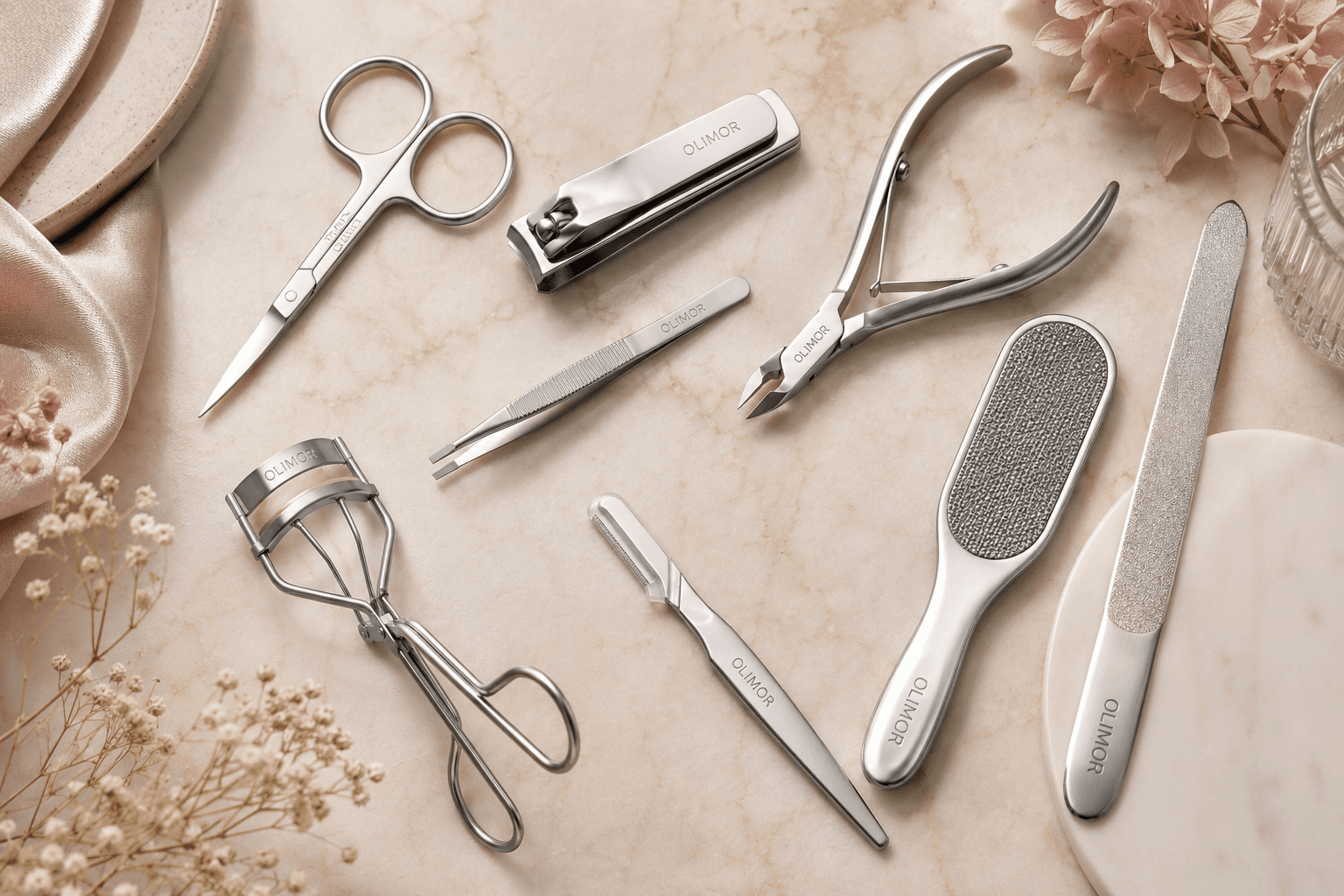
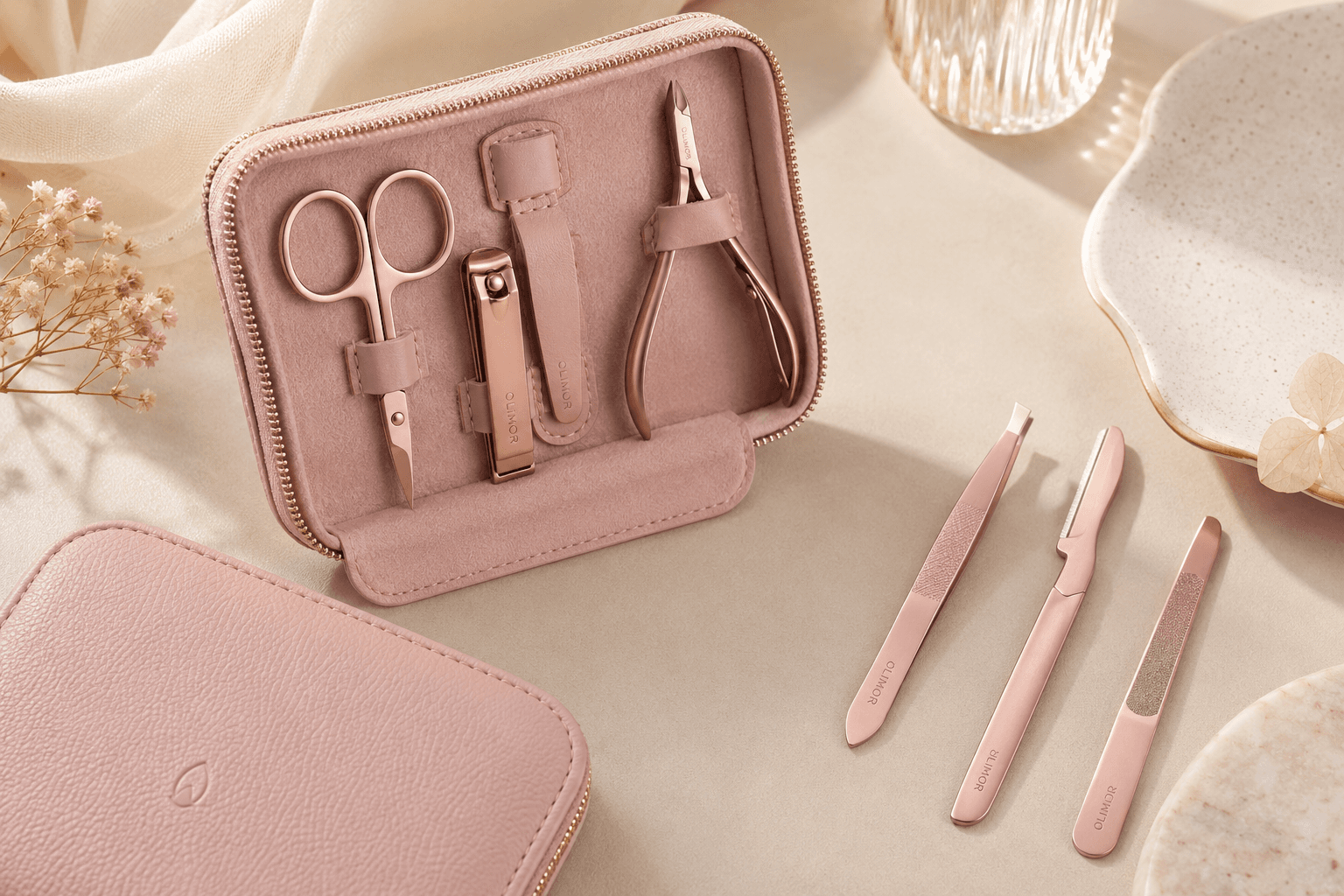
Buyers building a broader tool range can review Olimor product collections to think about how tweezers may sit alongside nail tools, grooming tools and other beauty accessories. The strongest private-label programs usually feel consistent across product types without sacrificing the specific function of each tool.
Wholesale Evaluation Checklist Before Placing an Order
A reliable wholesale process should balance commercial needs with product testing. Before placing an order, prepare a checklist that covers both the tool itself and the service requirements around it. This reduces confusion between buyer and supplier and helps compare options fairly.
- Define the target customer: Retail consumer, salon professional, brow specialist, travel kit buyer or gift set customer.
- Confirm intended use: Eyebrow shaping, fine hair removal, lash support, nail art or general grooming.
- Review physical samples: Test tip alignment, grip, tension, finish and comfort in hand.
- Check packaging protection: Ensure tips will not bend, chip or become exposed during shipping and retail display.
- Clarify branding needs: Logo placement, color direction, packaging artwork and product instructions.
- Assess production consistency: Compare multiple sample pieces when available rather than relying on one perfect item.
- Plan quality inspection points: Include visual finish, closure alignment, cleanliness and packaging condition.
- Consider after-sale expectations: Decide how defects, replacements or future reorders will be managed.
For buyers who need help narrowing options, it is useful to contact Olimor with the target market, preferred style and packaging goals. If the project is ready for quotation or sample discussion, buyers can also send an inquiry with clear requirements.
Sourcing from Manufacturing Hubs Without Losing Control of Quality
Global beauty tool sourcing often involves comparing suppliers from established manufacturing regions. Competitive pricing is important, but for tweezers the supplier’s production discipline is just as important. A small deviation in grinding or alignment can change the user experience significantly.
When reviewing potential suppliers, look for evidence of practical quality control rather than broad claims. Useful discussion points include how tip alignment is checked, how surface defects are sorted, how sharp or pointed ends are protected, and how packaged goods are inspected before shipment. Buyers can also request pre-shipment sample references or agreed inspection criteria so that expectations are clear.
Communication quality is another sourcing factor. A supplier should be able to understand whether the buyer is seeking a cost-efficient retail tweezer, a premium-feel grooming item, or a component for a larger private-label kit. Clear communication helps avoid mismatches in finish, packaging and end-user expectations.
Care Instructions That Improve Customer Satisfaction
Wholesale buyers should also think about the care instructions that reach the end user. Simple guidance can reduce avoidable complaints and help customers get better performance from the product. For example, users should keep tweezer tips clean and dry, avoid dropping precision tips onto hard surfaces, store pointed tweezers with a protective cap, and wipe the tool after use. If the tweezer is included in a retail package, concise care language can support both safety and durability.
For beauty brands, care instructions are also part of perceived professionalism. A customer who understands how to protect the tips is more likely to experience the tool as intended. This is especially important for point tweezers and finely finished slant tweezers, where alignment is central to performance.
Build a Tweezer Range Around Function, Not Filler
A successful tweezers wholesale program starts with a clear view of the end user and a disciplined approach to quality. Instead of adding many similar items, buyers should focus on tip style, grip performance, material durability, packaging protection and brand fit. The best assortment is usually one that explains itself: a dependable slant tweezer for daily brow care, a more precise option for detailed work, and packaging that protects the tool while matching the sales channel.
For beauty brands, distributors and salon suppliers, tweezers offer a practical way to strengthen a grooming range without overcomplicating sourcing. By evaluating samples carefully and aligning product details with real customer use, wholesale buyers can select tweezers that support repeat sales, brand trust and long-term product value.
Tag: