Tweezers Wholesale: Choosing Quality Tools That Support Your Brand
Tweezers may look simple, but for salons, beauty retailers, lash artists and grooming tool distributors, they are precision products. A tweezer that does not align correctly, feels unstable in the hand or loses tension too quickly can affect service quality and repeat sales. That is why tweezers wholesale sourcing should be treated as a product quality decision, not only a price comparison.
Olimor Beauty supplies beauty tools including stainless steel products such as the False Lash Tweezer, and the right wholesale approach can help buyers build a more dependable assortment. Whether you are stocking professional tools for salon use, developing private label manicure tools or comparing recyclable grooming tools in bulk, the best decision starts with clear selection criteria.
What Tweezers Wholesale Really Means for Buyers
Buying tweezers wholesale usually means purchasing in quantity for resale, salon back-bar use, kit assembly or distribution. The goal is not simply to acquire many units at a lower unit cost. A good wholesale program should help you maintain consistent tool quality across batches, reduce avoidable returns and create a more coherent product range for your customers.
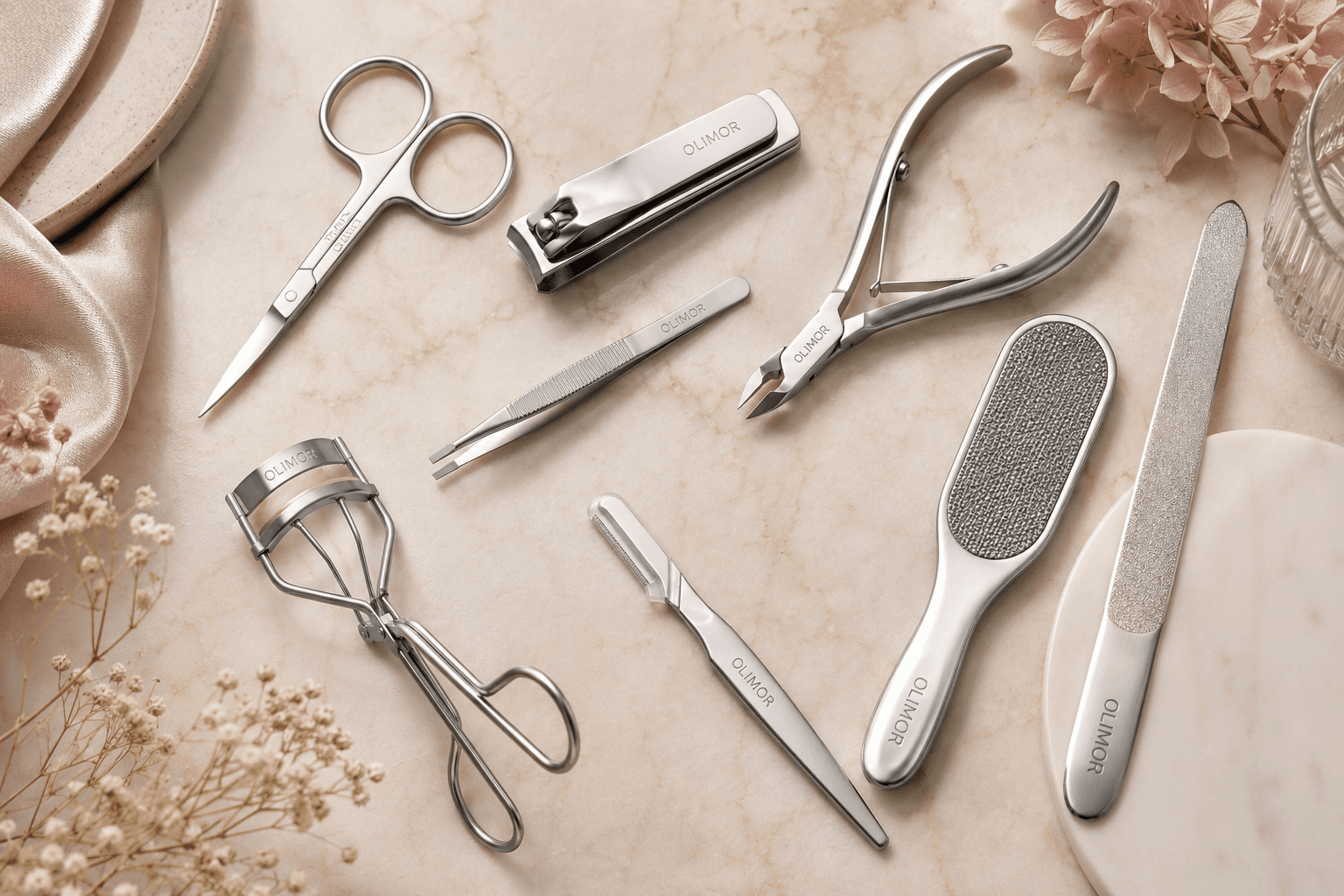
For beauty retailers, tweezers often sit beside nail care tools, lash accessories and grooming essentials. For salons, they are working tools used repeatedly throughout the day. For brand owners, they can become part of a private label line where appearance, packaging and perceived quality all matter. These use cases require different priorities, but they share one foundation: the tweezer must perform reliably.
When reviewing beauty tool products, consider where the tweezers will be used. A lash-focused buyer may prioritize tip control and a comfortable grip for delicate work. A general grooming retailer may need a broader selection that includes slant, pointed or lash-style options depending on the range offered. A manicure tool distributor may care most about consistent finish, corrosion resistance and how the tool fits into a larger kit.
Quality Factors That Separate Professional Tweezers from Basic Stock
The most important quality factor in tweezers is tip alignment. When the tips meet cleanly, the tool can grip fine hair, lash extensions or small beauty accessories with less effort. Poor alignment causes slipping and frustrates professional users. In wholesale purchasing, alignment should not be judged from a single sample only; buyers should evaluate consistency across multiple pieces.
Material also matters. Stainless steel is widely used in professional beauty tools because it can offer durability and a clean appearance when properly manufactured and cared for. The original product context references stainless steel products such as the False Lash Tweezer, which makes material evaluation especially relevant for this category. Buyers should check finish smoothness, edge feel and whether the surface is easy to clean for the intended use.
Tension is another practical detail. Tweezers that are too stiff can fatigue the hand during repeated use, while tools with weak tension may not grip firmly. For lash artists and brow technicians, the spring feel can influence accuracy and speed. Ergonomics should be evaluated by actual use, not just appearance. A polished tool may photograph well, but the hand feel determines whether professionals reorder it.
- Tip closure: Tips should meet evenly without visible gaps or crossing.
- Grip control: The tool should hold fine items without excessive pressure.
- Surface finish: Edges should feel smooth, with no sharp burrs on the handle.
- Tension: Resistance should feel stable and comfortable for repeated use.
- Batch consistency: Samples from different pieces should perform similarly.
- Packaging fit: Protective packaging should help prevent tip damage during shipping and storage.
Private Label Manicure Tools Versus Generic Wholesale Tweezers
Generic wholesale tweezers can be suitable when speed, simplicity and broad availability matter most. They are often used by retailers testing demand or by salons that need practical tools without developing a branded line. However, if your business wants stronger brand distinction, private label manicure tools may be a better direction.
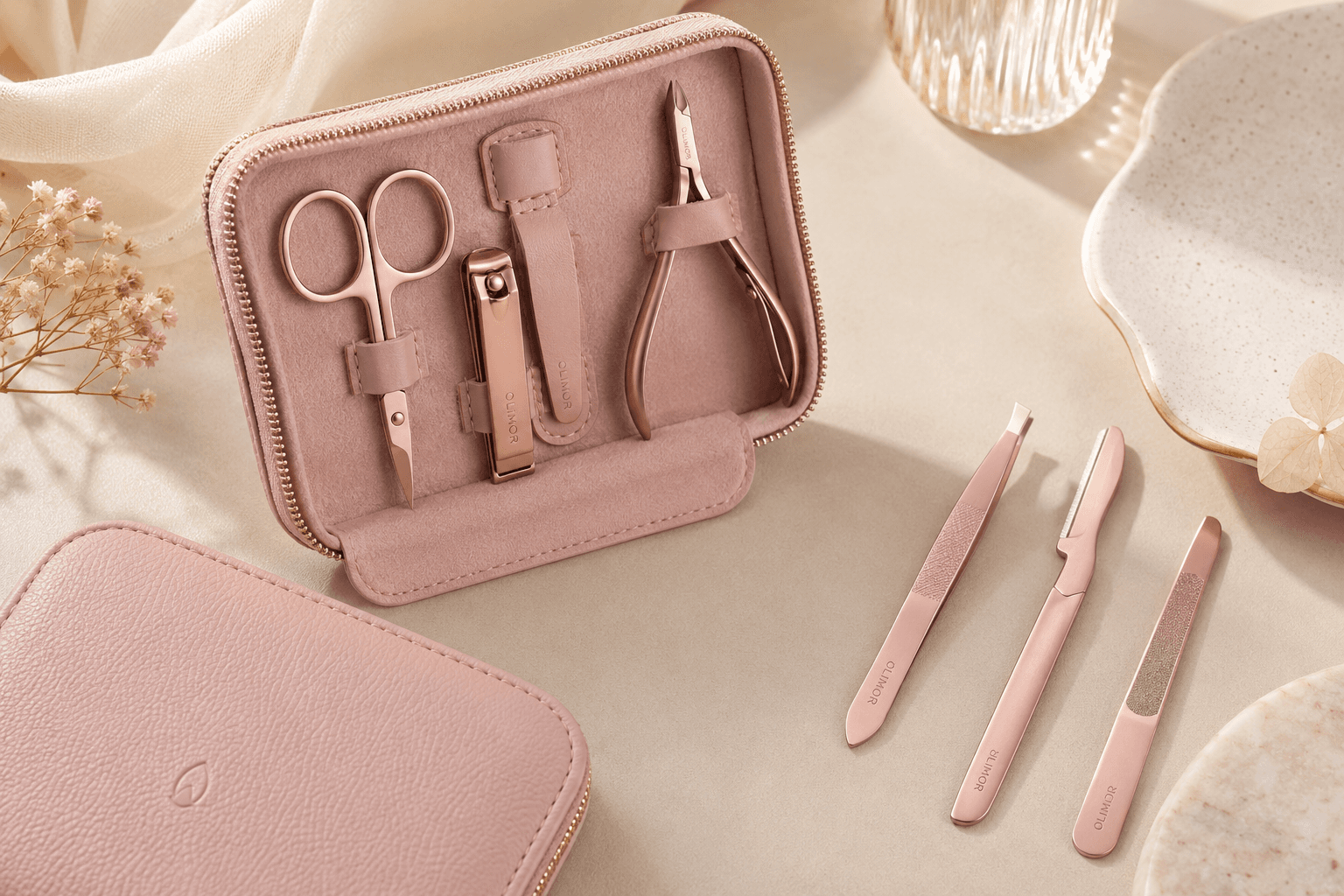
Private label sourcing allows a buyer to think beyond the tool itself. Handle finish, color direction, logo placement, packaging style and set composition can all influence how customers perceive the product. This is especially useful for companies building a cohesive grooming or manicure line rather than selling one-off tools. A tweezer may be paired with cuticle tools, nail clippers or other accessories as part of a curated set.
The trade-off is that private label decisions require more planning. Buyers should prepare clear artwork files, packaging expectations, product positioning and quality requirements before sampling. A supplier with experience in beauty tool production can help align design choices with practical manufacturing limits, but the buyer should still define the customer, channel and intended price tier. For tailored sourcing discussions, you can send an inquiry with your target product type and branding needs.
Recyclable Grooming Tools in Bulk and the Performance Question
Sustainability is increasingly important in beauty retail, and recyclable grooming tools in bulk may appeal to salons or retailers trying to reduce environmental impact. However, grooming tools must still meet the performance expectations of the user. A product marketed around recyclability but lacking grip, durability or safe finishing can create customer dissatisfaction and unnecessary replacement purchases.
The best approach is not to treat sustainability and performance as opposites. Instead, buyers should evaluate both. If a grooming tool uses recyclable material or more responsible packaging, confirm that the product still suits the service environment. For tweezers, that means checking tip precision, finish quality, cleaning compatibility and expected handling conditions. For packaging, it means balancing product protection with material reduction.
Professional beauty tools often need to withstand frequent handling and repeated cleaning routines. If a tool is intended for salon use, the buyer should prioritize durability and safe surface finishing. If it is intended for occasional retail use, the criteria may be different. The key is to match product claims to real use, rather than relying on a single sustainability or professional label.
A Practical Wholesale Evaluation Checklist
Before committing to a wholesale tweezer order, create a structured evaluation process. This prevents decisions from being based only on catalog photos or isolated samples. The following table can help purchasing teams compare options more consistently.
| Evaluation Area | What to Check | Why It Matters |
|---|---|---|
| Tip precision | Alignment, closure, ability to grip fine items | Directly affects brow, lash and grooming performance |
| Material and finish | Stainless steel appearance, smooth edges, surface consistency | Influences durability, cleaning and perceived quality |
| Hand feel | Tension, balance, pressure required | Important for professionals using tools repeatedly |
| Branding options | Logo area, packaging layout, color consistency | Supports private label manicure tool programs |
| Assortment fit | How the tweezer pairs with other tools | Helps build coherent retail sets or salon kits |
| Shipping protection | Tip guards, sleeves or packaging strength | Reduces damage before the tool reaches the user |
This kind of checklist is useful whether you are comparing Olimor Beauty tools with other product options or building an internal purchasing standard. It also makes communication clearer between buying, quality control and merchandising teams.
Manufacturing and Sourcing Questions Worth Preparing
Wholesale beauty tool sourcing is easier when buyers prepare precise questions. Instead of asking only for the lowest price, focus on the elements that affect user satisfaction and resale confidence. For example, define whether the tweezers are intended for lash application, brow shaping, general grooming or inclusion in manicure kits. Each use case may require different tip shapes, tension and packaging.
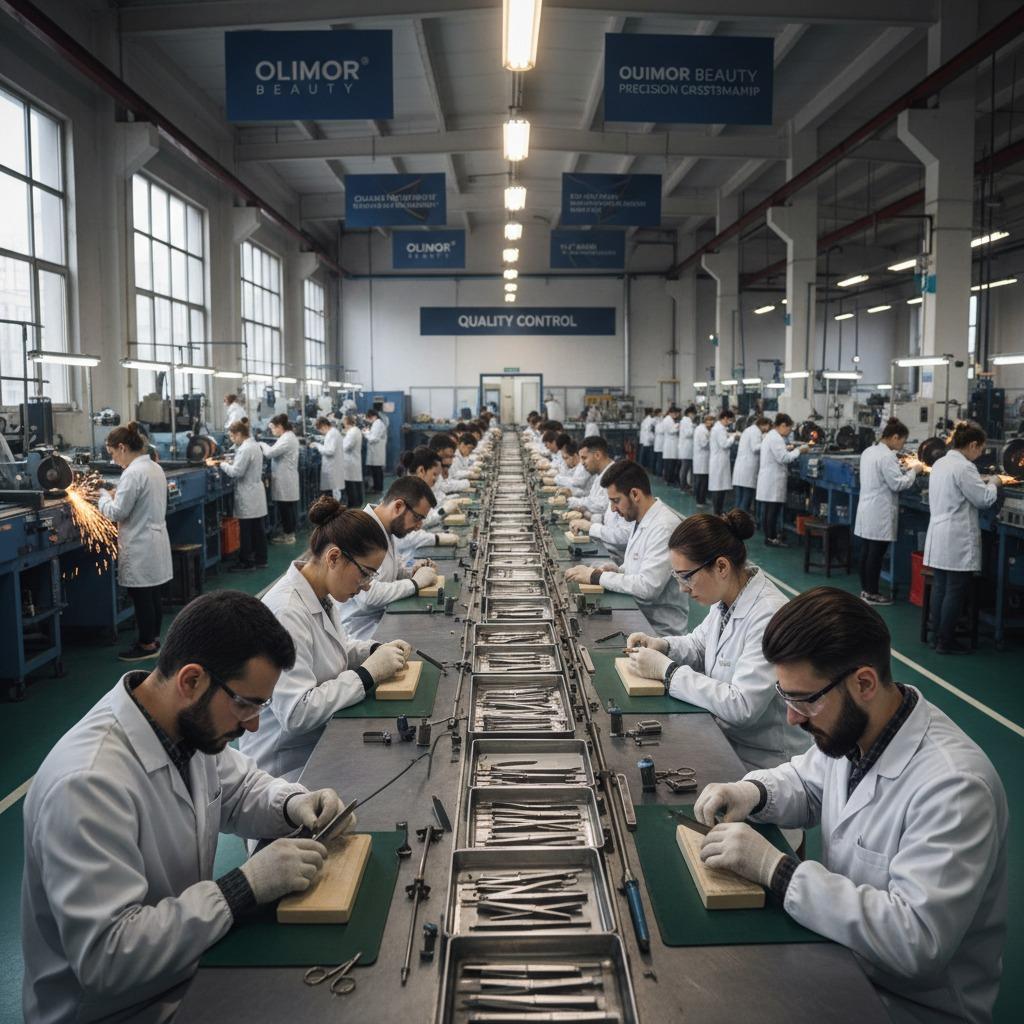
Buyers may also want to understand how quality checks are handled during production. The original product context highlights precision and strict quality checks, which are especially relevant for small tools where minor variation can change performance. Practical questions include how tip alignment is inspected, how surface defects are screened and how products are protected before export.
Location can also matter in sourcing strategy. Guangdong is known as a region connected with global manicure tool exports, making it a relevant area for buyers evaluating beauty tool supply. However, location alone is not a quality guarantee. The better measure is whether the supplier can provide consistent samples, practical communication and products that match your market requirements.
If your assortment is still being planned, browse Olimor product collections to think through how tweezers may fit with other manicure and grooming tools. A cohesive assortment can make retail presentation easier and help distributors offer more complete solutions to their customers.
Maintenance Guidance for End Users and Retail Confidence
Wholesale buyers should also consider what the end user needs to know after purchase. Clear care guidance can reduce complaints and improve repeat sales. Tweezers should be stored so the tips are protected from drops and impact. Even a well-made tweezer can lose precision if the tip is bent during storage or shipping.
Cleaning guidance should match the intended professional or personal use. Salons may have their own hygiene procedures, while retail consumers may need simple instructions for wiping and drying the tool after use. Keeping tools dry and protected helps maintain appearance and function. If the tweezer is part of a kit, the case or sleeve should prevent the tips from rubbing against harder tools.
For private label programs, include care instructions in packaging inserts or on the outer package where appropriate. This adds value without making unsupported claims. It also signals that the tool is a precision item, not a disposable accessory.
Choosing the Right Tweezer Wholesale Strategy
The best tweezers wholesale choice depends on your business model. A salon supplier may prioritize professional feel and durability. A beauty retailer may need a balanced mix of attractive packaging, dependable performance and clear product segmentation. A private label brand may focus on customization, consistency and how the tweezer supports a broader manicure or grooming line.
Olimor Beauty’s role in beauty tools, including stainless steel products such as the False Lash Tweezer, makes this category a useful starting point for buyers who want practical, precision-focused sourcing. Rather than selecting products by price alone, evaluate the complete picture: tool alignment, material, finish, ergonomic comfort, packaging protection, branding requirements and assortment fit.
For help matching tweezers or manicure tools to your purchasing plan, contact Olimor with your intended market, use case and product range. A clear brief helps turn wholesale sourcing into a stronger product decision, giving your customers tools that feel reliable from the first use and support your brand over time.
Tag: