Wholesale Tweezers Buying Guide for Beauty Tool Businesses
Tweezers are small tools, but they carry a lot of responsibility for a beauty business. A poorly aligned tip, weak tension, rough edge, or uncomfortable grip can quickly turn a simple grooming task into a frustrating experience. For salons, retail brands, hotel amenity programs, and beauty kit developers, sourcing tweezers wholesale is not only a pricing decision. It is a product quality decision that affects customer trust, repeat purchases, and the perceived standard of the entire range.
The right wholesale tweezer program starts with understanding how the tool will be used. A salon may need durable tweezers that can tolerate frequent handling and repeated cleaning. A retail buyer may care about packaging presentation, finish consistency, and assortment planning. A hotel or travel amenity buyer may prioritize compact size, reliable basic performance, and clean visual presentation. Private label brands often need a supplier that can support branding decisions while maintaining consistent production standards.
Olimor Beauty works with beauty tool buyers who need practical sourcing options for professional, retail, and customized programs. This guide explains how to evaluate wholesale tweezers in a more structured way, from tip performance and material choices to supplier communication and private label planning.
Start With the Intended Use Case
Before comparing prices or finishes, define the role of the tweezers in your product line. Tweezers used by trained salon professionals are not always selected the same way as tweezers placed in a hotel bathroom kit or sold as an impulse retail item. The end user, frequency of use, and packaging environment all affect what you should prioritize.
For professional beauty businesses, control and accuracy are usually the main concerns. The tweezer should feel stable in the hand, close evenly, and grip fine hair without excessive pressure. For retail shelves, the buyer also needs to think about appearance, packaging space, and how the product communicates quality at first glance. For amenity kits, the tool should be simple, clean, and reliable enough for occasional grooming needs.
Common wholesale tweezer applications include:
- Salon and brow service tools: selected for grip precision, hand comfort, and long-term usability.
- Retail beauty accessories: chosen for consistent finish, attractive packaging, and clear product positioning.
- Private label grooming kits: developed to match a brand identity, color direction, or coordinated tool range.
- Hotel amenity beauty tools: designed for convenience, neat presentation, and practical guest use.
- Travel and gift sets: often selected for compactness, lightweight packaging, and broad consumer appeal.
Clarifying the use case early helps avoid overbuying features that do not matter to your audience or under-specifying details that will affect satisfaction.
What to Check When Comparing Wholesale Tweezers
A quality tweezer is defined by more than its surface finish. The most important performance details are often felt during use: how the arms flex, how the tips meet, and whether the tool grips cleanly without slipping. When reviewing samples, evaluate each detail with the same attention your customer will bring to daily use.
Tip alignment is one of the first checks. The two ends should meet evenly without visible gaps or twisting. If the tips do not align, the tweezer may miss fine hairs or cut rather than grip. Tension is also important. Too stiff, and the tool becomes tiring. Too loose, and it may lack control. A balanced tension allows the user to close the tweezer with steady pressure.
Material choice matters because tweezers are handled frequently and often used near skincare products, water, or sanitizing routines. The original product guidance emphasizes stainless steel for durability and rust resistance, which is a practical baseline for many beauty tool programs. Buyers should still evaluate the final product finish, edge smoothness, and cleaning expectations for their specific market.
Use this checklist when reviewing wholesale tweezer samples:
- Tip contact: Do the tips meet fully and evenly when closed?
- Grip performance: Can the tweezer hold fine hair or small fibers without slipping?
- Edge comfort: Are there sharp burrs, rough corners, or unfinished areas?
- Hand feel: Is the tension comfortable after repeated opening and closing?
- Finish consistency: Are the surface color, polish, or coating uniform across samples?
- Packaging fit: Does the tweezer sit securely and present cleanly in the planned package?
- Brand suitability: Does the design match the intended price point and customer expectation?
These checks are simple, but they reveal a lot about production control and product suitability. A tweezer that looks acceptable in a photo may not perform well in hand, so physical sampling is an important step for serious buyers.
Choosing the Right Tweezer Style for Your Range
Different tweezer shapes serve different grooming habits. A general-purpose beauty range may include one dependable style, while a more complete line may offer several options for different users. The key is to avoid building an assortment that looks broad but does not have clear functional differences.
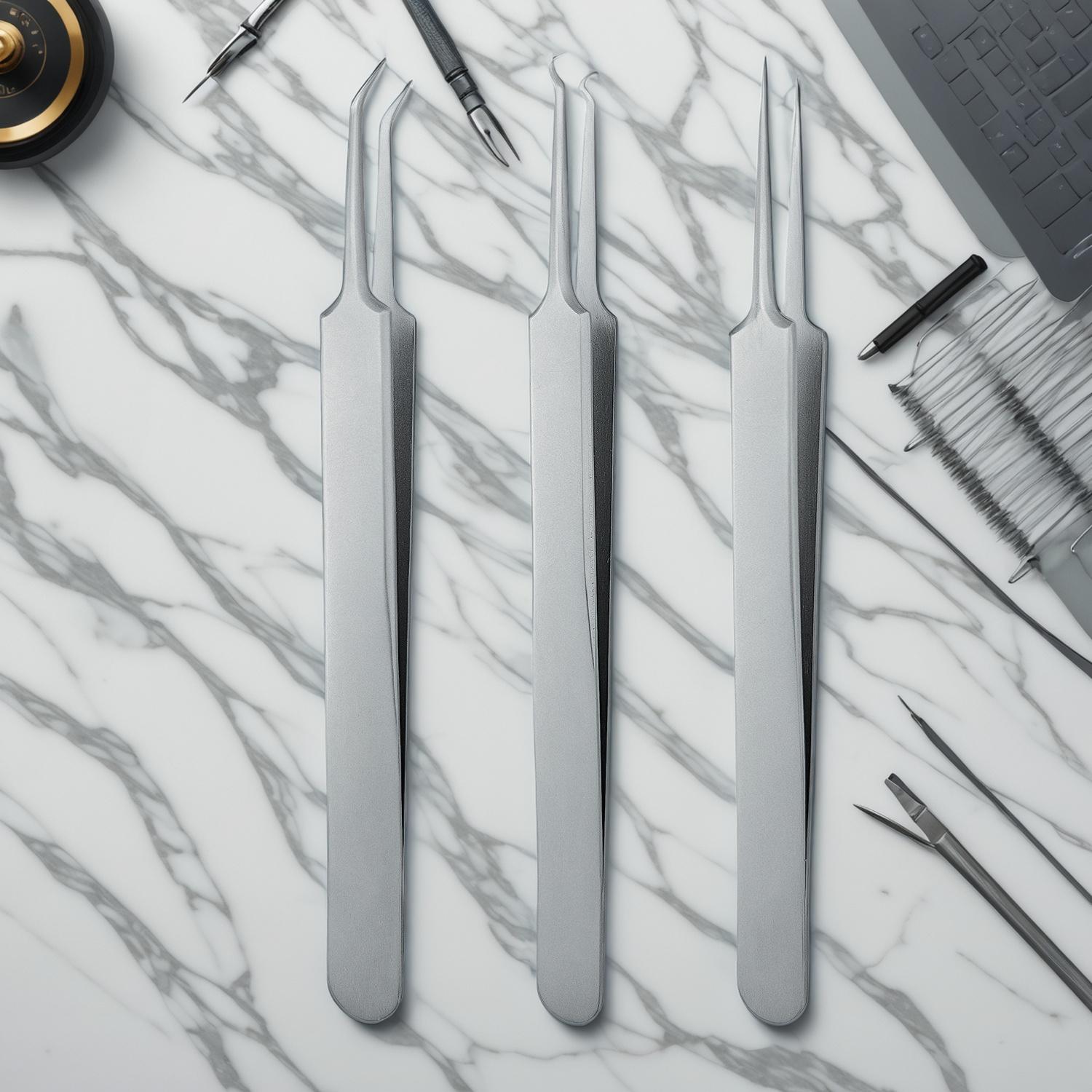
Slanted tips are commonly used for brow shaping and general hair removal because they provide a useful balance between visibility and contact area. Pointed tips are more specialized and can help with very fine work, but they require careful handling and may not be suitable for every retail or amenity context. Flat tips can be useful for gripping wider surfaces, depending on the intended application. The exact assortment should match customer skill level, safety expectations, and packaging instructions.
| Tweezer consideration | Why it matters | Best-fit buying context |
|---|---|---|
| Slanted tip | Offers versatile control for brow and general grooming use | Retail, salon, travel kits |
| Pointed tip | Supports more precise work but requires careful use | Professional or clearly instructed retail products |
| Compact size | Saves space and suits occasional grooming needs | Hotel amenities, travel sets, gift kits |
| Ergonomic shape | Improves grip comfort and control during repeated use | Salon tools, premium retail lines |
| Coordinated finish | Helps the product match a branded beauty accessory range | Private label and retail collections |
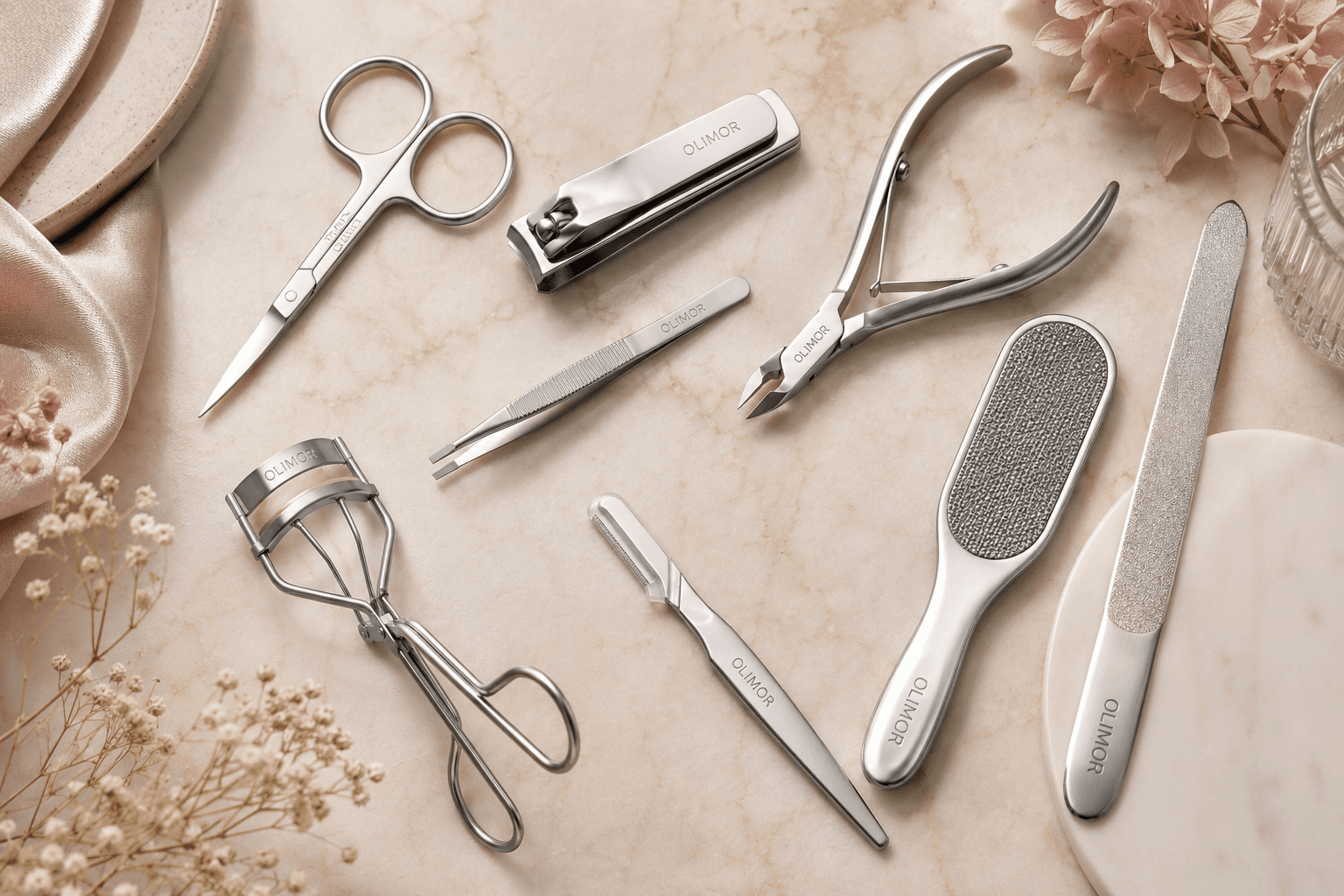
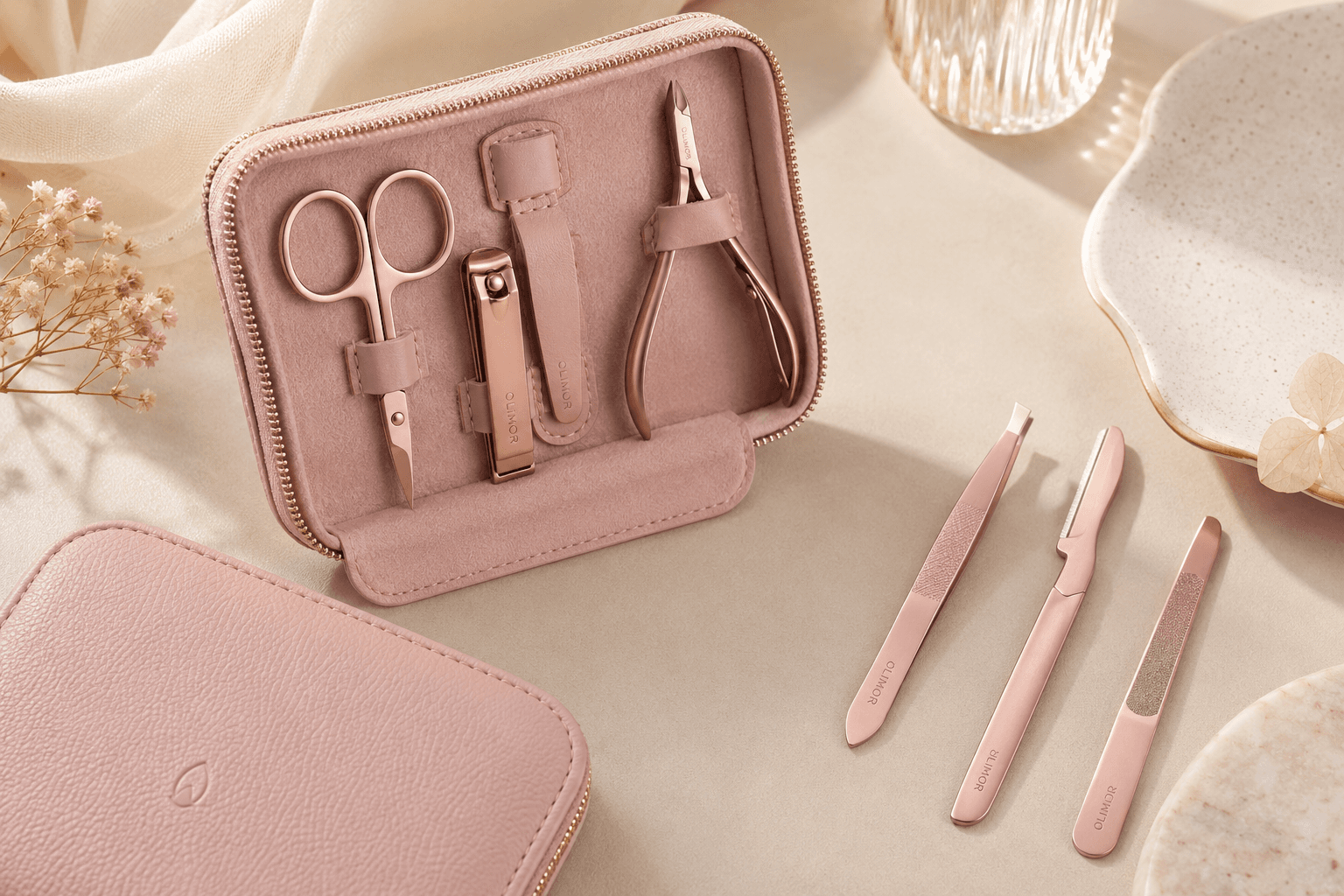
If you are developing a broader assortment, compare tweezers alongside related beauty tool products so the line feels coherent. A brand that sells nail files, manicure tools, scissors, or grooming kits may benefit from matching finishes and packaging structure across the range.
Supplier Qualities That Matter for Beauty Tool Buyers
A reliable manicure tools supplier should be able to do more than accept an order. Buyers need clear communication, consistent interpretation of requirements, and attention to product details from raw materials through final packaging. For tweezers, small differences in alignment or finishing can create meaningful differences in user experience, so supplier discipline is important.
When evaluating a professional beauty tools supplier, look for signs of manufacturing awareness. The supplier should understand that tweezers are precision instruments, not generic metal accessories. Useful conversations often include sample review, finish options, package fit, inspection points, and how the tool will be used by the final customer. Olimor Beauty emphasizes technical commitment and quality assurance, which is especially relevant for buyers who need repeatable beauty tools rather than one-time promotional items.
A strong sourcing partner should be prepared to discuss:
- How product appearance and hand feel are checked during production.
- How sample approval is handled before bulk production.
- What packaging formats are practical for the tool size and sales channel.
- How private label details can be applied without weakening function or presentation.
- How related beauty tools can be coordinated into one purchasing program.
Buyers can also review product collections to understand how tweezers may fit within a larger beauty tool assortment. This helps prevent a fragmented product line where every item appears to come from a different source.
Private Label and Customization Planning
Private label manicure tools can help a retailer, distributor, salon group, or hospitality buyer create a more recognizable product offering. However, customization should be planned around real customer value, not decoration alone. A logo, color, or package design is most effective when the tool itself performs consistently.
For tweezers, private label planning may include surface finish direction, packaging style, product card language, or inclusion in a set. Buyers should think about how the tweezer will be displayed, stored, and explained. A simple retail blister card needs different information from a soft pouch, hotel sleeve, or gift set insert. The packaging should protect the tips, keep the product clean, and make the intended use easy to understand.
Specialized programs, such as hotel amenity beauty tools, require a practical mindset. The tweezer may not need complex packaging, but it should look clean, be easy to identify, and support the property’s guest experience. For retail private label programs, the buyer may want more visual distinction and clearer positioning, such as brow grooming, travel grooming, or everyday beauty care. The best result comes from aligning tool design, package format, and buyer expectations before production begins.
If you are developing a custom program, prepare a brief that includes the sales channel, target user, preferred finish, packaging idea, order planning timeline, and any matching tools in the range. This makes communication more efficient and helps the supplier recommend practical options.
Practical Questions to Resolve Before Ordering
A wholesale tweezer order should not be based on a single product photo. Photos help with style selection, but they do not confirm grip, tension, packaging compatibility, or finish consistency. Before moving forward, create a short evaluation process that combines sample review with commercial planning.
Important questions include: Will the tweezer be sold alone or in a kit? Does the buyer need a professional feel or a simple everyday grooming tool? What level of packaging protection is required? Will the product be used in a humid bathroom environment, a salon treatment room, a hotel amenity package, or a retail display? How will the brand handle instructions or warnings for pointed tools?
It is also useful to consider the full cost of the finished product, not only the tweezer itself. Packaging, labeling, storage efficiency, shipping carton planning, and inspection expectations all affect the final buying decision. A lower unit cost may not be the best option if it creates returns, weak presentation, or inconsistent customer experience.
For tailored sourcing discussions, buyers can contact Olimor or send an inquiry with their intended application and product requirements. Clear information at the beginning usually leads to more relevant recommendations and fewer revisions later.
Building a Better Wholesale Tweezer Program
Wholesale tweezers are most successful when they are treated as precision beauty tools rather than commodity accessories. The best choice depends on where the product will be used, who will use it, how it will be packaged, and what quality level your brand promises. Tip alignment, stainless steel durability, ergonomic handling, consistent finishing, and appropriate packaging all contribute to customer satisfaction.
For salons, retailers, private label brands, and amenity buyers, the goal is not simply to buy tweezers in bulk. The goal is to build a dependable product program that supports your brand and meets practical grooming needs. With careful sample review, clear use-case planning, and a supplier that understands beauty tool quality, tweezers can become a small but trusted part of a larger beauty tools supply strategy.
Tag: