Tweezers Wholesale: How to Source Professional Beauty Tools with Confidence
Tweezers look simple, but buyers who source them in bulk know that small details determine whether a tool feels precise, durable and comfortable in daily use. A salon, brow studio, manicure tools distributor or retail beauty brand needs tweezers that close accurately, grip reliably and maintain a clean appearance after repeated handling. When you are evaluating tweezers wholesale, the goal is not only to find a low unit cost. It is to choose tools that fit the end user, support your packaging plan and reduce avoidable quality issues.
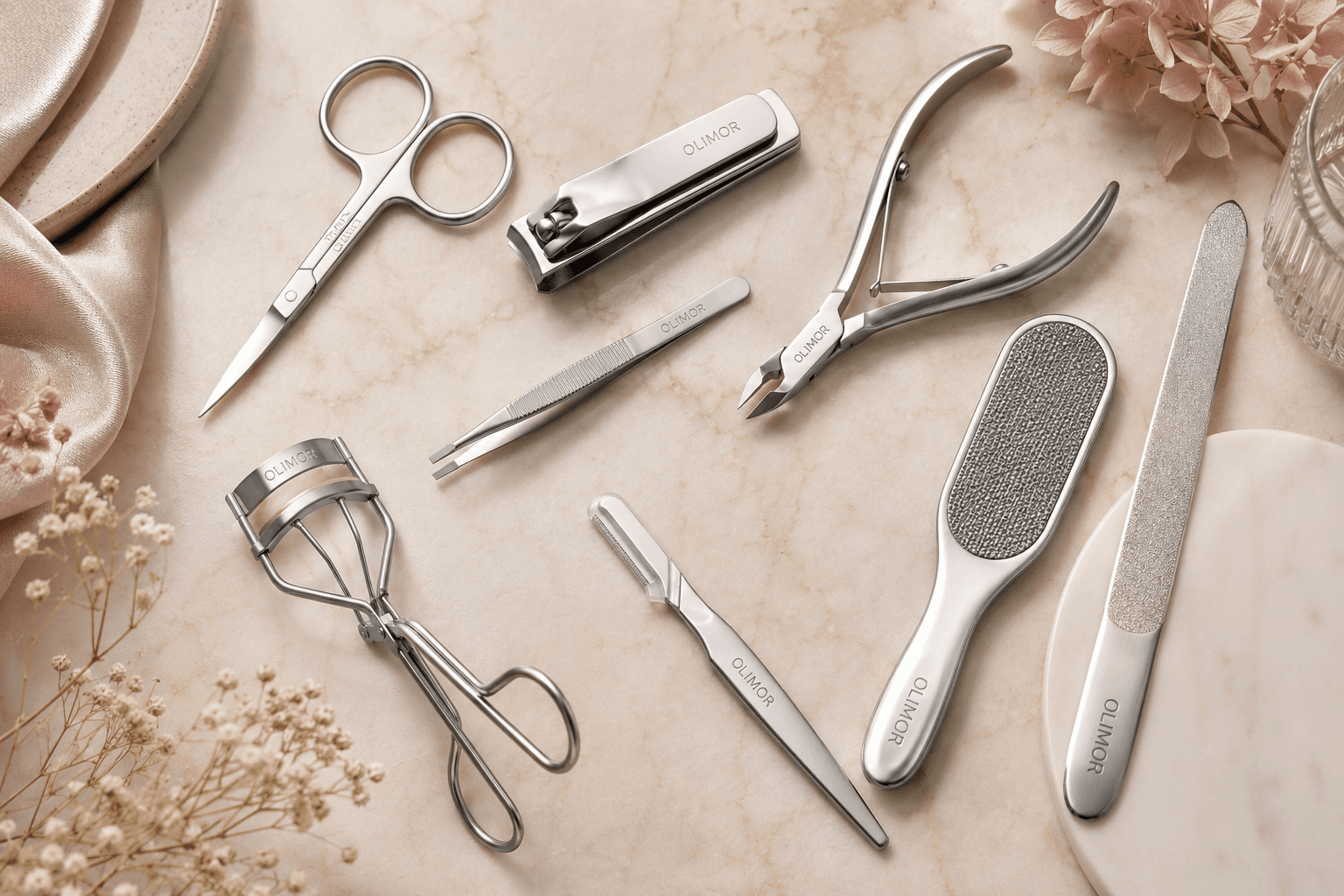
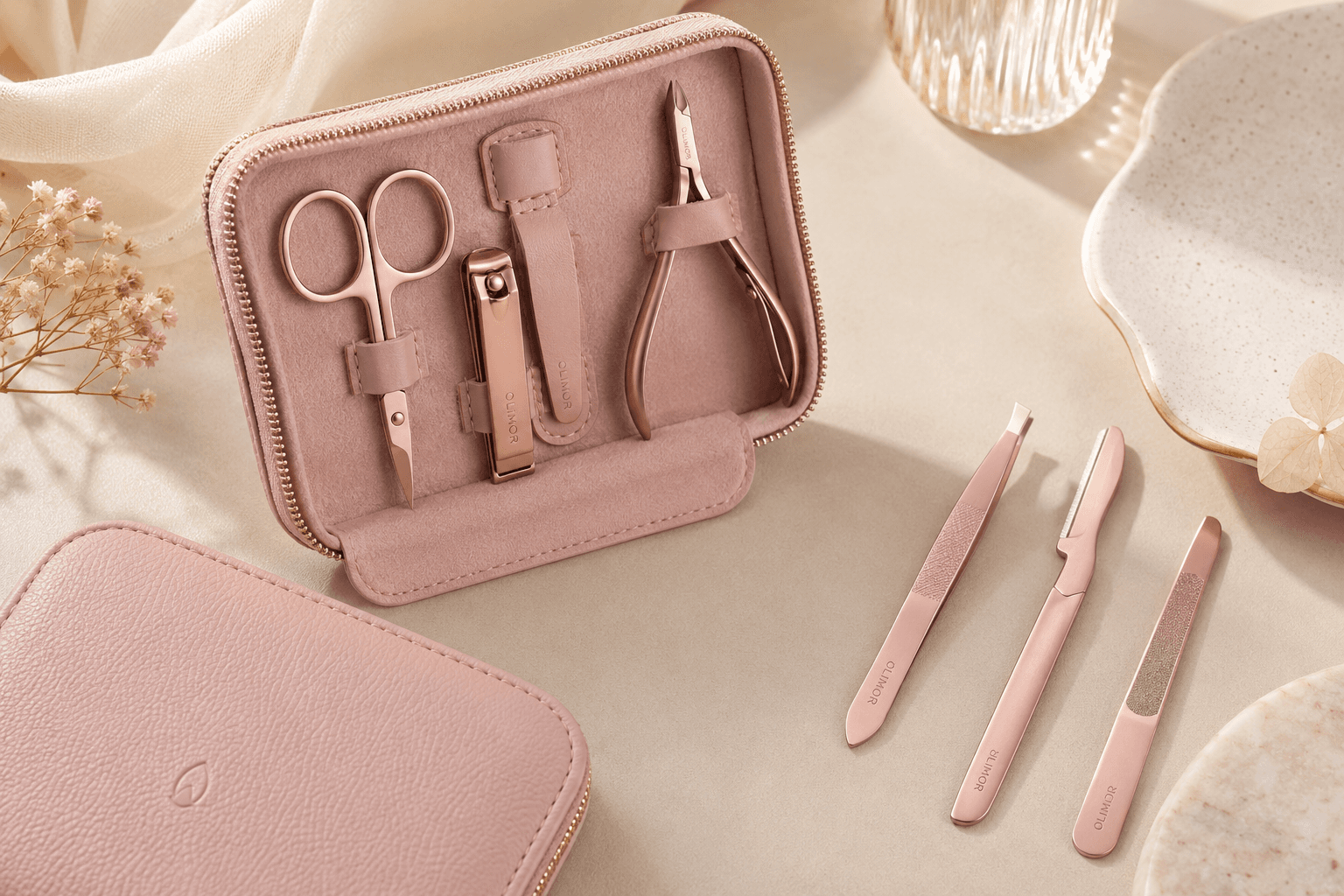
Olimor Beauty supplies beauty tools for professional and commercial buyers, including buyers who need grooming tools for retail, salon supply and private-label projects. If you are comparing options across beauty tool products, this guide explains what to inspect before placing a wholesale order and how to define a practical specification for tweezers used in brow shaping, facial hair removal, manicure preparation and general grooming.
Why Tweezers Quality Matters in Wholesale Beauty Tool Buying
In single-piece retail shopping, a customer may judge tweezers by appearance first. In wholesale sourcing, appearance is only one part of the buying decision. A professional buyer must consider consistency across the batch. If one tweezer grips cleanly while another slips, the product line becomes difficult to trust. For salons, inconsistent tools slow down services. For distributors, returns and complaints can reduce profit. For private-label brands, poor tweezers can damage the customer’s perception of the entire range.
The most important quality factor is tip alignment. Both tips should meet evenly when the handle is pressed with normal force. A visible gap, uneven point or twisted end can make it harder to pick up fine hairs. Tension is also important. If the arms are too stiff, hand fatigue increases during repeated use. If they are too loose, the tool may feel weak and imprecise. A dependable wholesale tweezer should balance spring, grip and control.
Finishing also matters. Edges should feel smooth where fingers hold the tool. Decorative finishes should be even, and any coated or colored surface should look clean without obvious blemishes. For a beauty counter or salon display, the tool must present well before it ever touches a client’s skin.
Common Tweezer Types and Where They Fit
Not every buyer needs the same tip style. Before requesting a quote or building a product assortment, define the use case. A professional brow bar may prioritize slant tweezers, while a general grooming kit may need a smaller travel-friendly format. A manicure supplier may want tweezers that complement cuticle pushers, nail clippers and other hand-care tools.
| Tweezer style | Typical use | Wholesale buying focus |
|---|---|---|
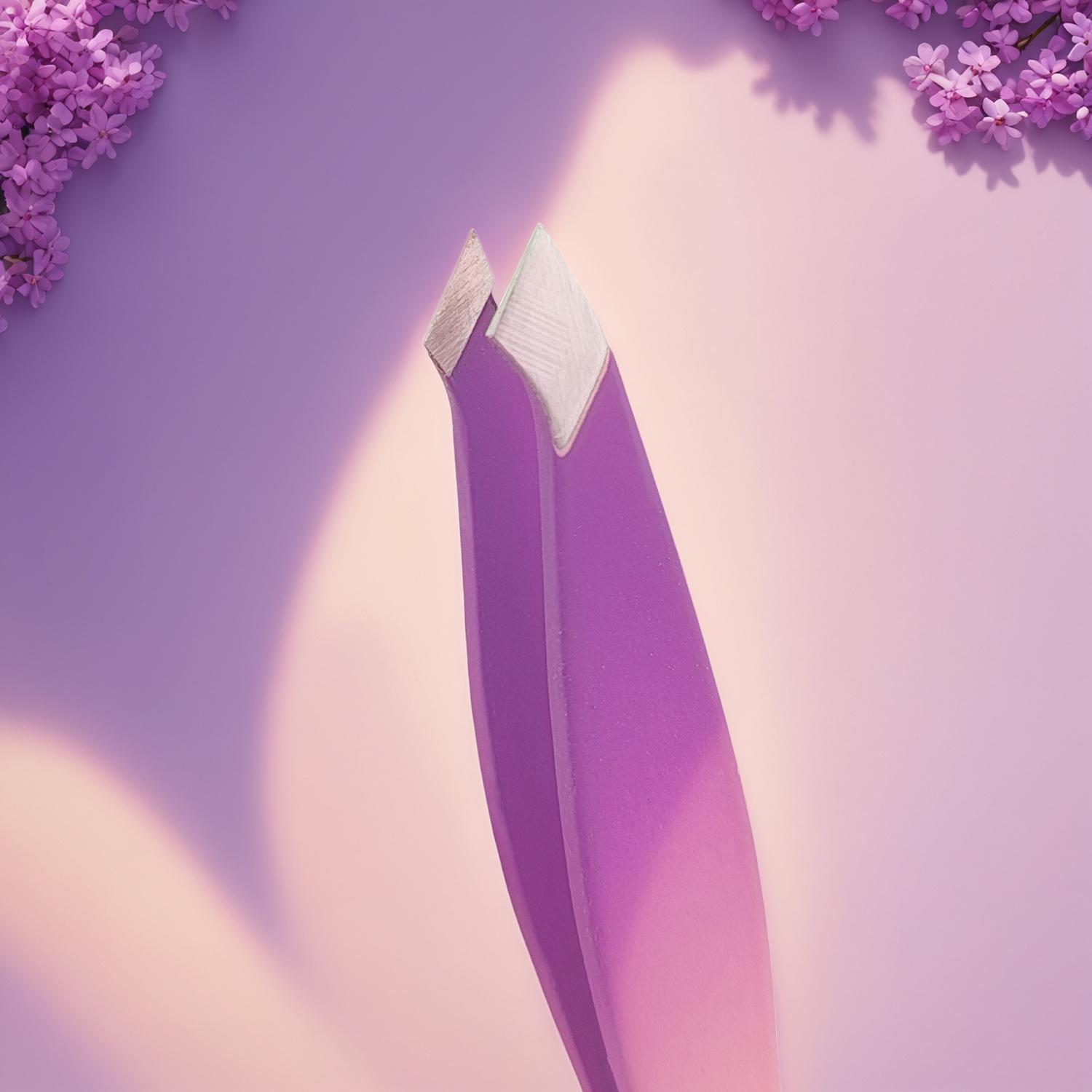
| Slant tip | Eyebrow shaping and general grooming | Even angled edge, comfortable tension and clean hair grip |
| Point tip | Fine or precise picking tasks | Sharp alignment, protective packaging and safe handling instructions |
| Flat tip | Gripping broader items or general beauty kit use | Uniform closing surface and smooth edges |
| Mini tweezers | Travel kits, compact retail sets and promotional beauty kits | Usability despite small size, stable grip and attractive presentation |
Mini tweezers can be especially useful for travel-size grooming sets or retail gift formats. Their compact profile saves packaging space, but they still need a functional gripping surface. A miniature tool that looks attractive but cannot remove fine hairs cleanly will not satisfy users. When sourcing mini-tweezers, check whether the shorter body still provides enough control for everyday use.
Material, Finish and Handling Considerations
The original function of tweezers depends on metal strength, formed shape and finishing precision. Stainless steel tools are widely used in beauty and grooming because they can provide a clean look, a firm hand feel and practical durability. However, buyers should avoid assuming that every stainless steel tweezer performs the same. The manufacturing process, grinding, polishing and inspection all affect the final result.
For wholesale selection, examine the tool from both a user and merchandising perspective. Does it feel balanced in the fingers? Does the surface show scratches easily? Is the logo or decoration positioned cleanly if branding is required? Does the tweezer close smoothly without wobbling sideways? These practical questions matter more than broad marketing claims.
Finish options should be selected according to your market. A polished metallic look can fit professional salon supply. Matte or colored finishes may suit retail beauty displays. A compact and sleek mini-tweezer may work well in a grooming kit, while a full-size tweezer may be better for professional brow use. If sustainability is part of your assortment strategy, consider how the tool, packaging and refill or replacement expectations fit together rather than relying on a single vague claim.
Checklist for Evaluating Tweezers Before Bulk Ordering
A structured sample review helps buyers compare suppliers fairly. Instead of judging only by photographs, review physical samples and record the results. The following checklist can be used by purchasing teams, beauty distributors and private-label product managers.
- Tip alignment: The two ends should meet evenly without crossing or leaving a visible gap.
- Grip test: The tweezer should catch fine hair or a thin fiber without slipping under normal hand pressure.
- Tension: The arms should open and close smoothly without feeling too stiff or too weak.
- Edge comfort: Outer edges should not feel sharp against the fingers.
- Surface finish: Check for scratches, discoloration, uneven coating or visible polishing marks.
- Consistency: Review more than one sample to see whether quality is stable across pieces.
- Packaging fit: Confirm that the tweezer is protected, presented neatly and easy to identify by type.
- Branding area: If private label is planned, evaluate whether logo placement is readable and durable.
- Retail readiness: Consider barcode space, hanging display needs, safety notes and set configuration.
- Cleaning guidance: Make sure care instructions are simple and appropriate for the intended user.
This type of review is especially useful when you are comparing a manicure tools exporter in Guangdong with other sourcing channels. Guangdong is a major beauty-tool manufacturing and export hub, but the best choice still depends on product fit, communication, inspection process and long-term consistency.
Wholesale Tweezers for Salons, Retailers and Private Label Brands
Different buyers look for different value. A salon supplier may want a practical professional tool that estheticians can use daily. A retail buyer may prioritize attractive packaging, clear product positioning and a price point that fits the shelf. A private-label brand may need a product that supports a broader grooming range and can be presented consistently across multiple beauty accessories.
For salons and brow professionals, focus on grip accuracy, hand comfort and easy cleaning. A tweezer that performs consistently can help technicians work efficiently during eyebrow shaping and facial hair removal. For manicure and pedicure businesses, tweezers may be part of a wider tool assortment, so visual consistency with nail clippers, cuticle tools and grooming scissors may matter. For retail brands, the question is how the customer will understand the difference between tip styles at a glance.
If you are building a coordinated range, review Olimor Beauty’s product collections to think beyond a single tweezer SKU. A stronger assortment may include full-size tweezers, mini-tweezers, nail-care tools and grooming accessories packaged for different buying occasions. This can help retailers serve both everyday replenishment and giftable beauty-tool demand.
Packaging and Presentation Decisions That Affect Sell-Through
Packaging is not only a protective layer. It explains the product and shapes customer expectations. For wholesale tweezers, packaging should prevent tip damage, keep the tool clean and make the style easy to identify. Pointed tips may need extra protection so they arrive safely and can be handled responsibly in retail or salon storage.
For retail use, the front of the package should quickly communicate the tip type and grooming purpose. A customer looking for eyebrow shaping needs different guidance than someone buying a compact travel tool. If the product is sold as part of a manicure or grooming kit, the insert or label should show how each item is used. Overly generic packaging can make otherwise good tools harder to sell.
For private-label projects, buyers should prepare artwork expectations early. Decide whether you need a logo on the tweezer, custom card packaging, a case or a complete set arrangement. Also consider how the product will be photographed for e-commerce. Reflective metal surfaces, small tips and slim silhouettes can be challenging to show clearly, so clean packaging and simple product positioning make online listings stronger.
Maintenance Guidance for End Users
Clear care guidance can reduce complaints and help customers keep the tweezers performing well. Even a well-made tool can become less effective if the tip is dropped, bent or contaminated with residue. Wholesale buyers should include simple maintenance language suitable for their market and sales channel.
- Wipe the tips before and after use to remove oil, hair or cosmetic residue.
- Store tweezers with the tips protected, especially for point or fine-tip styles.
- Avoid dropping the tool, because impact can affect alignment.
- Use the tweezer only for appropriate grooming tasks, not as a general prying or scraping tool.
- Keep dry after cleaning to maintain a clean appearance and comfortable handling.
For professional environments, salons should follow their local hygiene practices and tool-care requirements. For retail customers, short and direct care instructions are usually most effective.
How to Prepare a Better Wholesale Inquiry
A clear inquiry helps both buyer and supplier move faster. Before requesting pricing, define the type of tweezer, quantity range, packaging expectation, target market and whether branding is needed. Include reference images only to explain functional preferences, not to copy another brand’s protected design. If you are unsure which format best suits your customers, compare sample options before locking the specification.
Useful inquiry details include the desired tip type, full-size or mini format, finish preference, packaging style, sales channel and any private-label requirements. You can also describe the buyer audience, such as salon professionals, beauty retailers, travel-kit customers or manicure tool distributors. This gives the supplier a clearer basis for recommending practical options.
To discuss wholesale tweezers or a broader grooming-tool assortment, you can send an inquiry with your project details. If you need help clarifying specifications before sampling, contact Olimor and outline the intended use, market and packaging direction. The right tweezer is a small product, but the right sourcing decision can strengthen an entire beauty-tool line.
Tag: