











Wholesale Tweezers: How to Source Precision Beauty Tools for Professional and Retail Use
Tweezers are small tools, but they carry a large share of the client experience in lash, brow, manicure and beauty retail settings. A tweezer that does not align cleanly, pinches unevenly or feels uncomfortable in the hand can slow down a technician and reduce confidence in the service. For salons, lash artists, beauty schools, distributors, retailers and hotel amenity buyers, wholesale tweezers are not simply a low-cost accessory. They are a repeat-purchase product category where consistency, finish and packaging all matter.
This guide explains how to evaluate tweezers wholesale, including ultra-thin-tip false lash tweezers, brow tweezers and general beauty tool assortments. It also covers private label considerations, the difference between professional and amenity-grade tools, and practical supplier questions for buyers comparing beauty tool products from Guangdong and other sourcing regions.
Why Wholesale Tweezers Need More Careful Selection Than They First Appear
Buying tweezers in bulk can improve unit economics, simplify inventory planning and help a business maintain a consistent tool standard across locations or service teams. However, a low price alone is not a reliable buying criterion. A tweezer used for eyelash application must control tiny fibers with accuracy. A brow tweezer needs enough grip to remove fine hair without excessive pressure. A manicure or grooming kit tweezer should be durable enough for repeated handling and attractive enough for retail or hospitality presentation.
For beauty professionals, the most important qualities are tip alignment, tension, hand feel and surface finish. If the tips meet evenly, the tool can grip with less effort. If the spring tension is too stiff, technicians may experience fatigue during long sessions. If it is too loose, the tweezer may feel unstable. These small performance differences become significant in lash extension work, brow shaping and training environments where the same motion is repeated many times.
Retail buyers also need to think about customer expectations after purchase. A tweezer sold as a precision beauty tool should look clean, feel balanced and be packaged in a way that protects the tips. Even when the product is simple, the perceived quality is influenced by finish, labeling, protective sleeves and outer packaging.
Common Wholesale Tweezer Use Cases
The right tweezer specification depends on how the buyer intends to sell or use the tool. A lash studio, a beauty academy and a hotel purchasing department may all search for wholesale tweezers, but their ideal products are not identical.
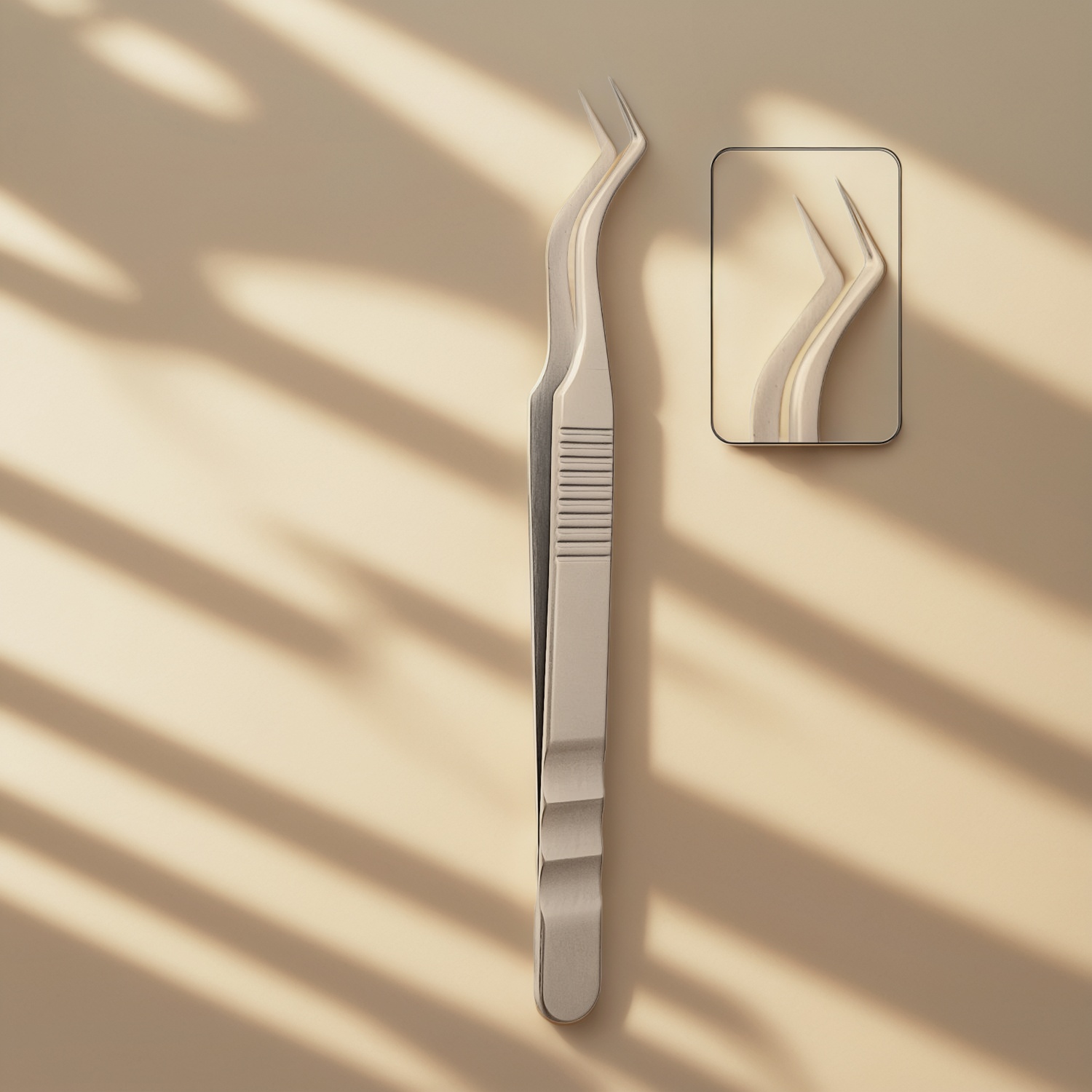
- Lash application: Ultra-thin-tip false lash tweezers are selected for fine control, tip precision and steady grip on delicate lash fibers.
- Brow shaping: Slanted or pointed tips are often chosen depending on the desired balance of accuracy and ease of use.
- Beauty schools: Training programs may need reliable, cost-efficient tools that perform consistently across student kits.
- Retail beauty kits: Packaging, finish and brand presentation may matter as much as functional performance.
- Hotel amenity kits: Buyers often prioritize compact size, practicality, safety in packaging and cost control for short-term guest use.
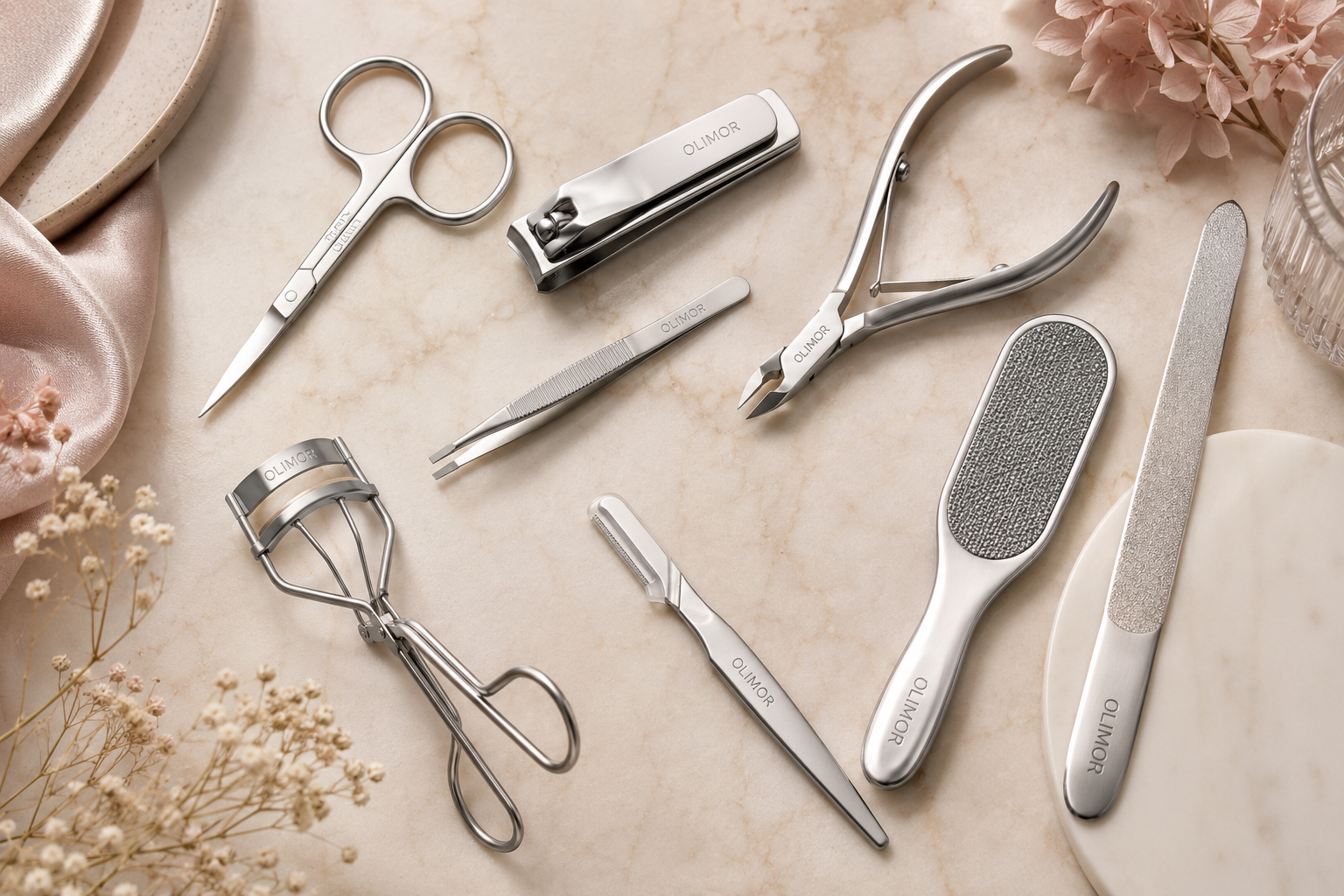
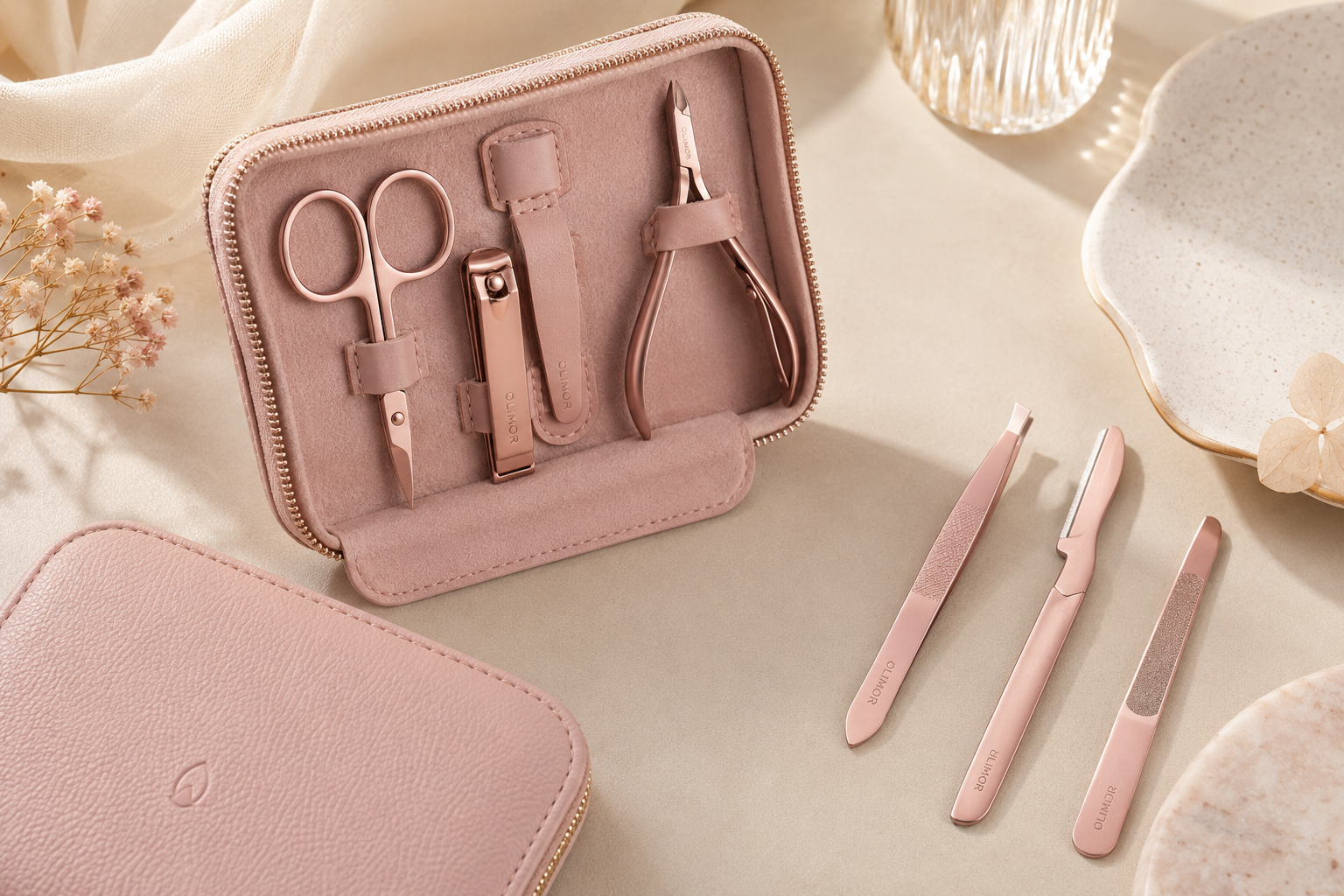
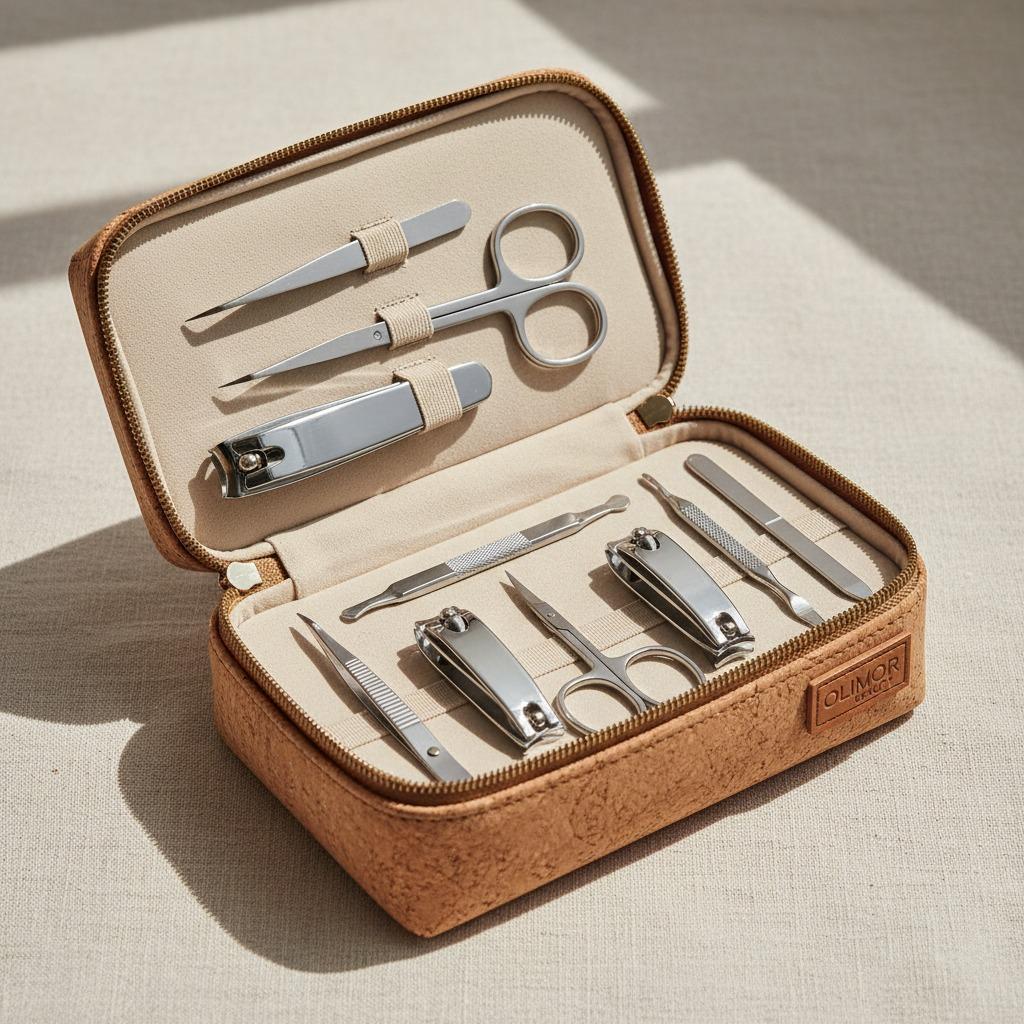
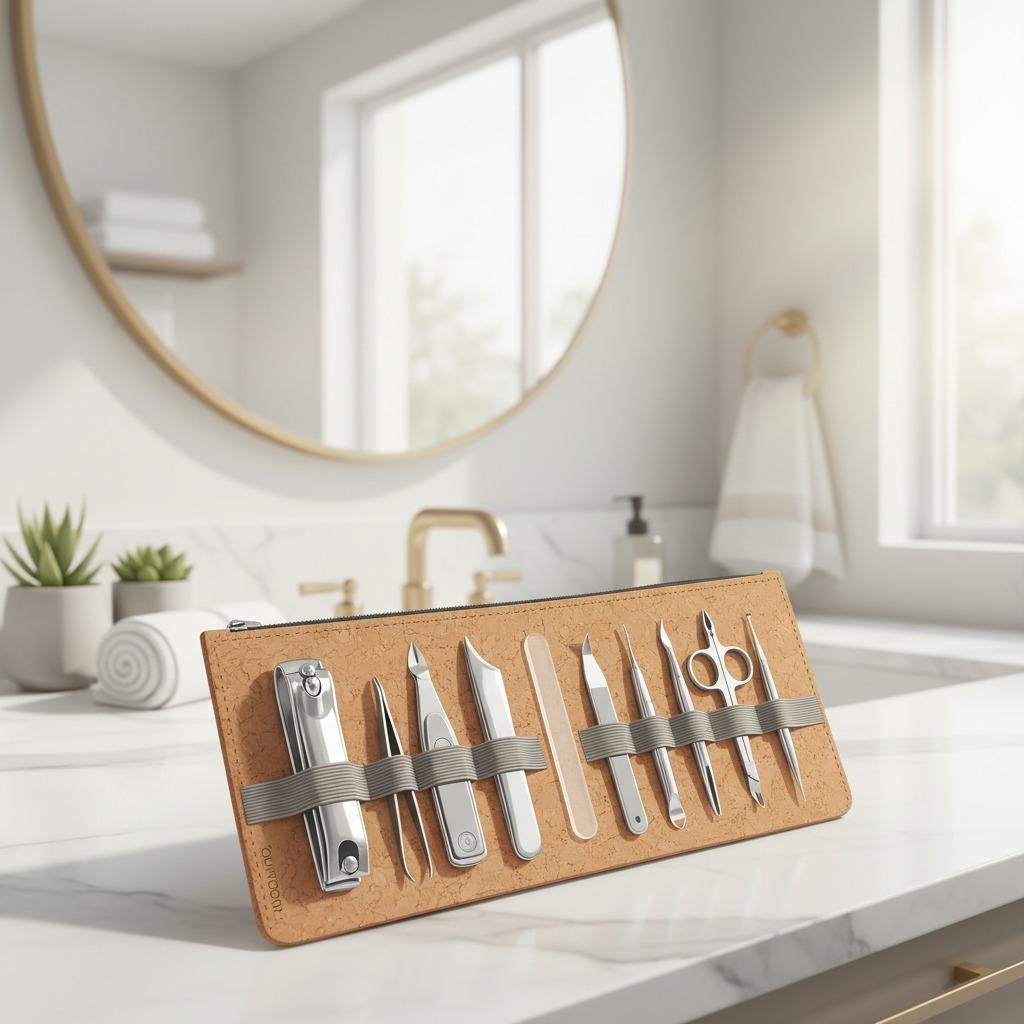
- Manicure and grooming sets: Tweezers may be combined with nail files, clippers, scissors or other personal care tools.
Before comparing suppliers, define the target use and sales channel. This avoids over-specifying an amenity product or under-specifying a professional tool that needs to survive daily salon use.
Professional Tweezers vs. Hotel Amenity Beauty Tools
Professional beauty tools and hotel amenity beauty tools can overlap in appearance, but they usually serve different business goals. Professional tweezers are expected to support frequent, skilled use. They should have dependable tip alignment, comfortable tension and a finish that can handle regular cleaning routines appropriate to the workplace. Lash and brow technicians often notice small inconsistencies quickly because tool control affects service speed and result quality.
Hotel amenity tweezers, by contrast, are usually intended for occasional guest convenience. The buyer may be more focused on compact packaging, ease of storage, safe presentation and cost-effective replenishment. That does not mean amenity tools should feel flimsy; it means the specification should match short-term use instead of intensive professional application.
Retail sits between these two categories. A retail tweezer should feel good enough to encourage repeat purchase and positive reviews, while packaging must communicate value clearly on the shelf or in e-commerce images. For retailers building a beauty accessory range, it can be useful to review broader beauty tool products to understand how tweezers can fit with manicure tools, grooming tools and travel kits.
Private Label Tweezers and Manicure Tools: What to Decide Early
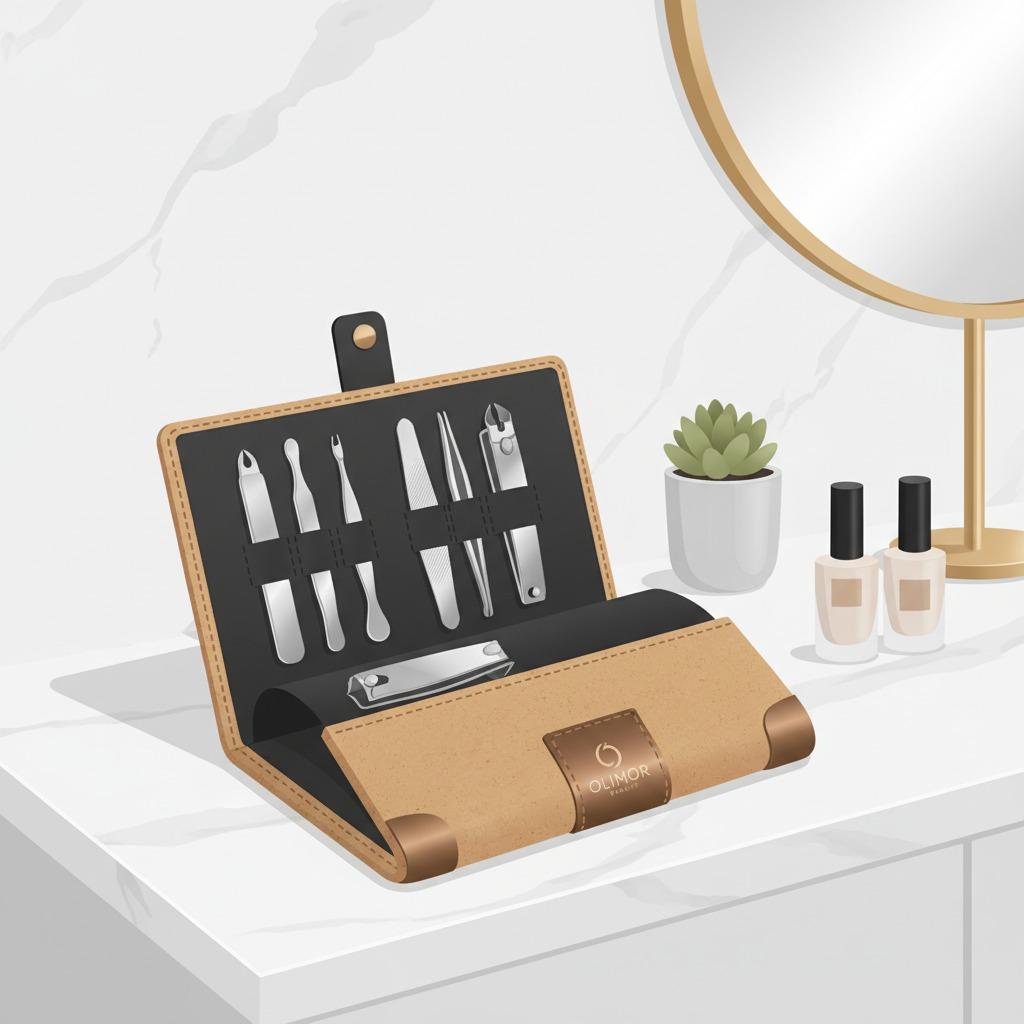
Private label beauty tools allow retailers, salons, distributors and promotional buyers to sell products under their own brand identity. For tweezers, private label decisions may include logo placement, color or surface finish, packaging format, instruction text, barcode needs and assortment planning. When tweezers are part of a manicure or grooming kit, the buyer also needs to consider how the full set looks together.
It is best to separate brand decisions from functional decisions. First, confirm what type of tweezer is needed, who will use it and what performance level is expected. Then decide how the product should be presented. A beautiful package cannot compensate for poor tip alignment, and a strong tool can still underperform commercially if it arrives in packaging that does not match the sales channel.
Useful private label planning questions include:
- Will the tweezer be sold individually, in a set or as part of a professional kit?
- Does the brand need a premium, minimalist, colorful or practical packaging style?
- Should the packaging protect fine tips during shipping and storage?
- Will the same design language be used across nail tools, lash tools and grooming accessories?
- Are there market-specific labeling, language or barcode requirements for the sales destination?
For buyers developing a broader range, Olimor offers a useful starting point through its product collections, where related beauty tool categories can be considered together rather than as isolated items.
Quality Checks for Bulk Tweezer Orders
When comparing wholesale tweezer suppliers, create a practical inspection checklist. The goal is not to turn every buyer into an engineer, but to make sure samples and production orders are reviewed consistently. Many problems can be identified through simple handling tests before a large purchase is confirmed.
| Check point | What to look for | Why it matters |
|---|---|---|
| Tip alignment | Tips meet evenly without visible gaps | Improves grip on fine hair or lashes |
| Tension | Tool opens and closes smoothly | Reduces hand fatigue during repeated use |
| Edge finish | No rough burrs or sharp unwanted edges | Improves comfort and perceived quality |
| Surface finish | Consistent color, polish or coating | Supports retail presentation and brand image |
| Packaging protection | Tips are covered or secured | Prevents damage during transport |
| Batch consistency | Samples resemble bulk production pieces | Helps avoid uneven customer experience |
For lash tweezers in particular, sample testing should include the actual motion used in service. Pick up fine lash fibers, isolate small sections and hold the tool for several minutes. A tweezer may look precise but feel awkward during real work. For brow or general grooming tweezers, test both fine and slightly thicker hair-like materials to understand grip reliability.
Guangdong as a Beauty Tool Sourcing Region
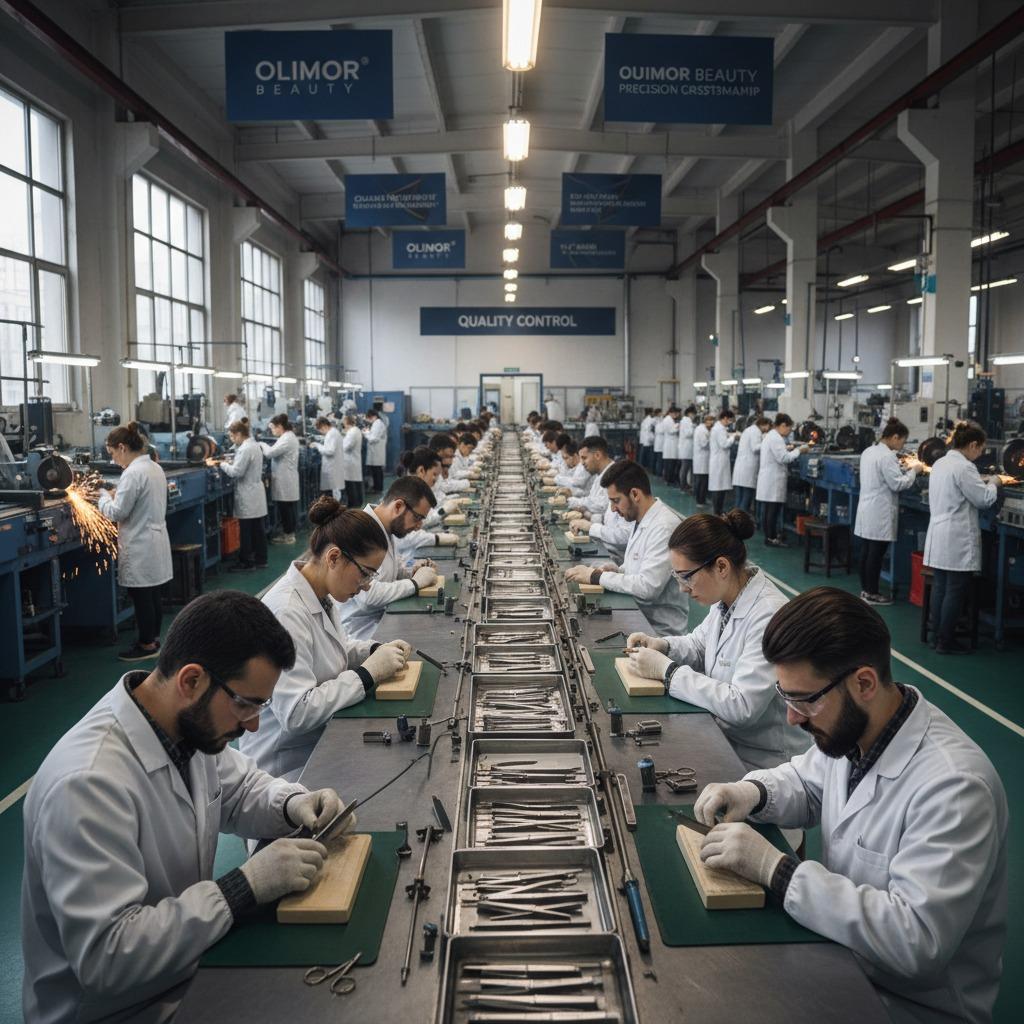
Guangdong is widely recognized as a major sourcing region for manicure tools, beauty implements and related export products. Buyers often look to suppliers in this region because of the concentration of manufacturing experience, export support and access to a wide range of beauty tool categories. For wholesale tweezers, this can be helpful when a buyer wants to combine lash tools, manicure tools and grooming accessories in one purchasing plan.
Still, location alone should not be the final reason to choose a supplier. The better approach is to evaluate whether the supplier understands the intended application, can communicate clearly about available options and can support the level of packaging or private label work needed. A buyer sourcing a simple hotel amenity tweezer may need different support than a lash brand building a premium tool line.
When contacting a supplier, prepare a concise product brief. Include the target customer, use case, preferred tweezer shape, finish direction, packaging concept, destination market and expected order timeline. If specifications are not finalized, share reference goals rather than vague phrases. For example, “false lash application with ultra-thin tip control” is more useful than “high quality tweezer.” Buyers who are ready to discuss a project can send an inquiry with their requirements.
How to Choose a Manicure Tools Supplier for Long-Term Buying
A strong supplier relationship is especially important when tweezers are part of a larger beauty tool range. Consistency across repeat orders protects brand trust, while clear communication reduces the risk of mismatched packaging, delayed approvals or unclear expectations. Instead of judging only the first quoted price, consider the full sourcing process.
Look for a supplier that can discuss both product function and presentation. For example, a professional lash tweezer buyer may need attention to tip style and tension, while a retail buyer may need help aligning packaging with other manicure tools. A hotel buyer may prioritize practical packing, clean appearance and replenishment planning. In each case, the supplier should understand the trade-off between cost, finish, durability and market position.
It is also wise to keep records of approved samples, packaging artwork, color references and order notes. Even simple beauty tools benefit from organized documentation. This helps future reorders match the approved standard and makes it easier to expand into related products later.
Final Buying Tips for Wholesale Tweezers
Wholesale tweezers can support many beauty businesses, from lash studios and salons to retailers, schools and hotel amenity programs. The best buying decision starts with the end user: a professional needs control and durability; a retail customer needs useful performance and appealing presentation; a hotel guest needs a practical tool that is cleanly packed and easy to use.
Before placing a bulk order, compare samples, test real use cases, confirm packaging protection and decide whether private label branding is needed. Avoid relying only on product photos or general claims. A well-selected tweezer should feel controlled in the hand, protect its tips during shipping and match the buyer’s sales channel. To discuss suitable options or clarify sourcing details, buyers can contact Olimor for product support.