Tweezers Wholesale: How to Choose a Professional Beauty Tools Supplier
Sourcing tweezers wholesale looks simple until customers begin judging the tool in real use. A tweezer that seems acceptable in a product photo may slip on fine hair, feel unbalanced in the hand, lose tip alignment after light pressure, or show surface marks that make the product feel cheap. For beauty retailers, lash brands, salon suppliers, and private label buyers, the supplier decision is therefore not only about unit cost. It affects user satisfaction, repeat orders, returns, and the way customers perceive the entire beauty tool range.
A professional beauty tools supplier should understand precision, comfort, finishing, packaging consistency, and batch-to-batch reliability. This is especially important for products such as Olimor Beauty's Precision False Lash Tweezer, where control and tip accuracy directly influence the application experience. Whether you are building a focused lash accessory line or adding tweezers to a broader tool assortment, the right sourcing process helps separate dependable products from low-cost items that create complaints later.
What Wholesale Buyers Should Check Before Choosing Tweezers
Wholesale tweezers are often purchased in quantity, so small quality differences become large brand issues. Before comparing quotations, buyers should define how the product will be used. A false lash tweezer has different performance priorities from a brow grooming tweezer or a general manicure accessory. For lash application, the tool should provide controlled grip, stable handling, and accurately finished tips. For retail display, the finish, packaging, and perceived value also matter.
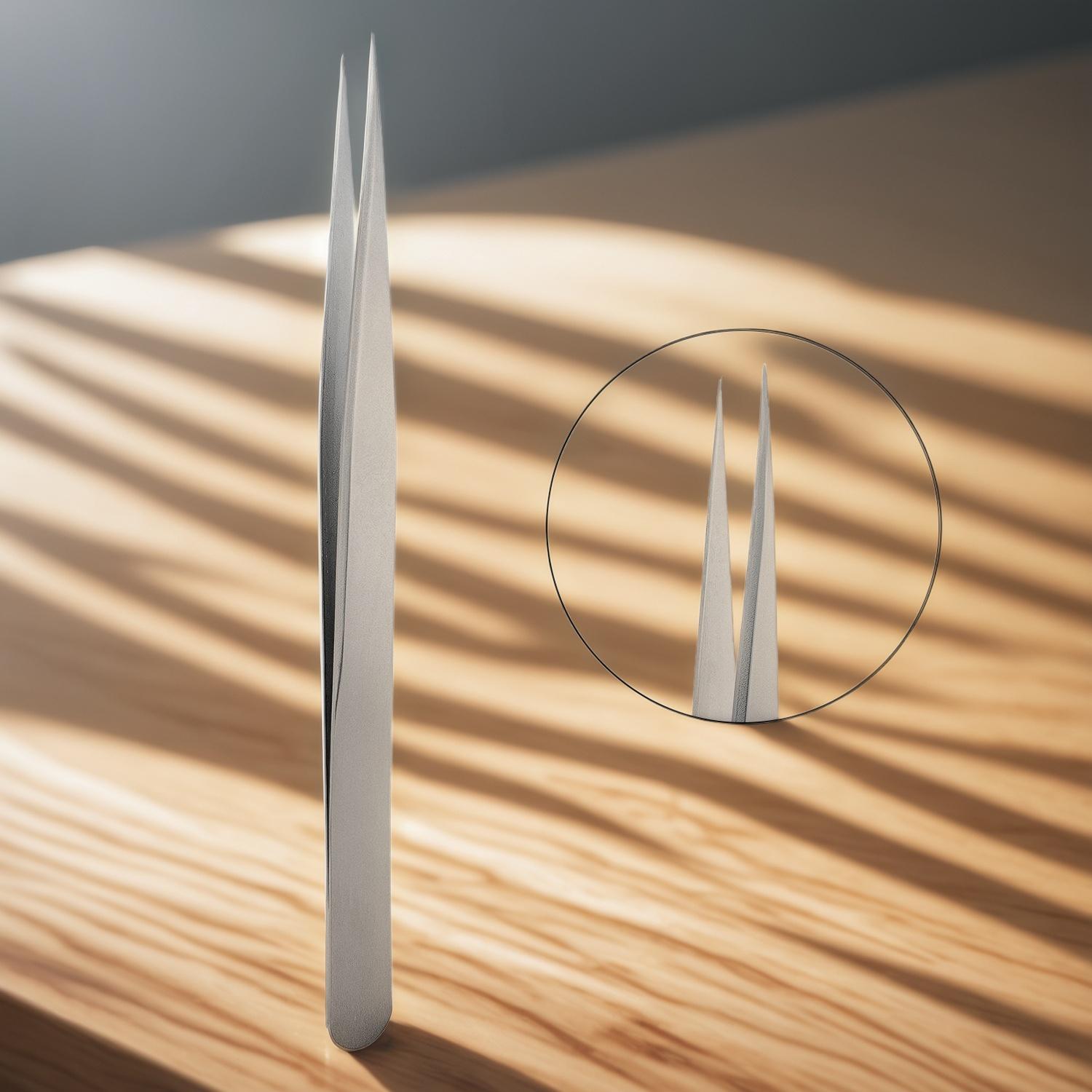
Start by reviewing the product’s core function. The tips should meet evenly, grip without excessive force, and release smoothly. If the tweezer is designed for false lash placement, finely tapered tips are useful because they allow more accurate positioning. The handle should feel comfortable during repeated use, particularly for salon professionals or lash technicians who may handle tools for long periods. Olimor Beauty’s Precision False Lash Tweezer is described with an ergonomic handle and finely tapered tips, which are practical details to examine when evaluating samples.
- Tip alignment: Check whether both tips meet cleanly from the end and do not cross or leave visible gaps.
- Grip consistency: Test the tweezer on fine lash fibers or similar materials, not only on thick paper or plastic.
- Hand feel: Compare pressure, balance, and edge comfort during repeated open-close movements.
- Surface finish: Look for scratches, burrs, uneven polishing, discoloration, or rough inner edges.
- Packaging fit: Confirm that the tool is protected from deformation during transport and retail handling.
Professional Grade Versus Mass-Market Tweezers
The difference between professional-grade and mass-market tweezers is usually visible in performance over time. Low-cost generic tweezers may look similar at first glance, but they can lose alignment quickly, rust more easily, or have poorly finished tips that make application frustrating. For beauty brands, these failures are not minor. A customer who cannot place lashes cleanly or grip a fine hair accurately may blame the brand, not the factory.
Professional-grade sourcing focuses on material choice, tool finishing, and inspection standards. The supplied information for Olimor Beauty’s Precision False Lash Tweezer identifies high-quality stainless steel, rust resistance, an ergonomic handle, and finely tapered tips. These are useful purchase criteria because they connect directly to user experience. Stainless steel is valued in beauty tools because it supports durability and easier cleaning when properly finished. Tapered tips support accuracy, while handle comfort supports control.
Mass-market sourcing often prioritizes the lowest immediate price. That approach may suit short-term promotional items, but it is risky for brands that depend on repeat buyers. A tweezer is a small product, yet it is handled closely and judged instantly. If the tips are dull, uneven, or unstable, the buyer notices. A better-quality tweezer can support a higher perceived value across a wider beauty tools program, including other beauty tool products offered under the same brand.
Why a Specialized Beauty Tools Supplier Matters
A specialized supplier brings category knowledge that a general wholesaler may not provide. Tweezers are precision tools, not simple metal accessories. The supplier needs to understand how raw material, forming, polishing, tip finishing, inspection, and packaging all affect the final product. For wholesale buyers, this expertise can reduce the risk of inconsistent batches and unclear product positioning.
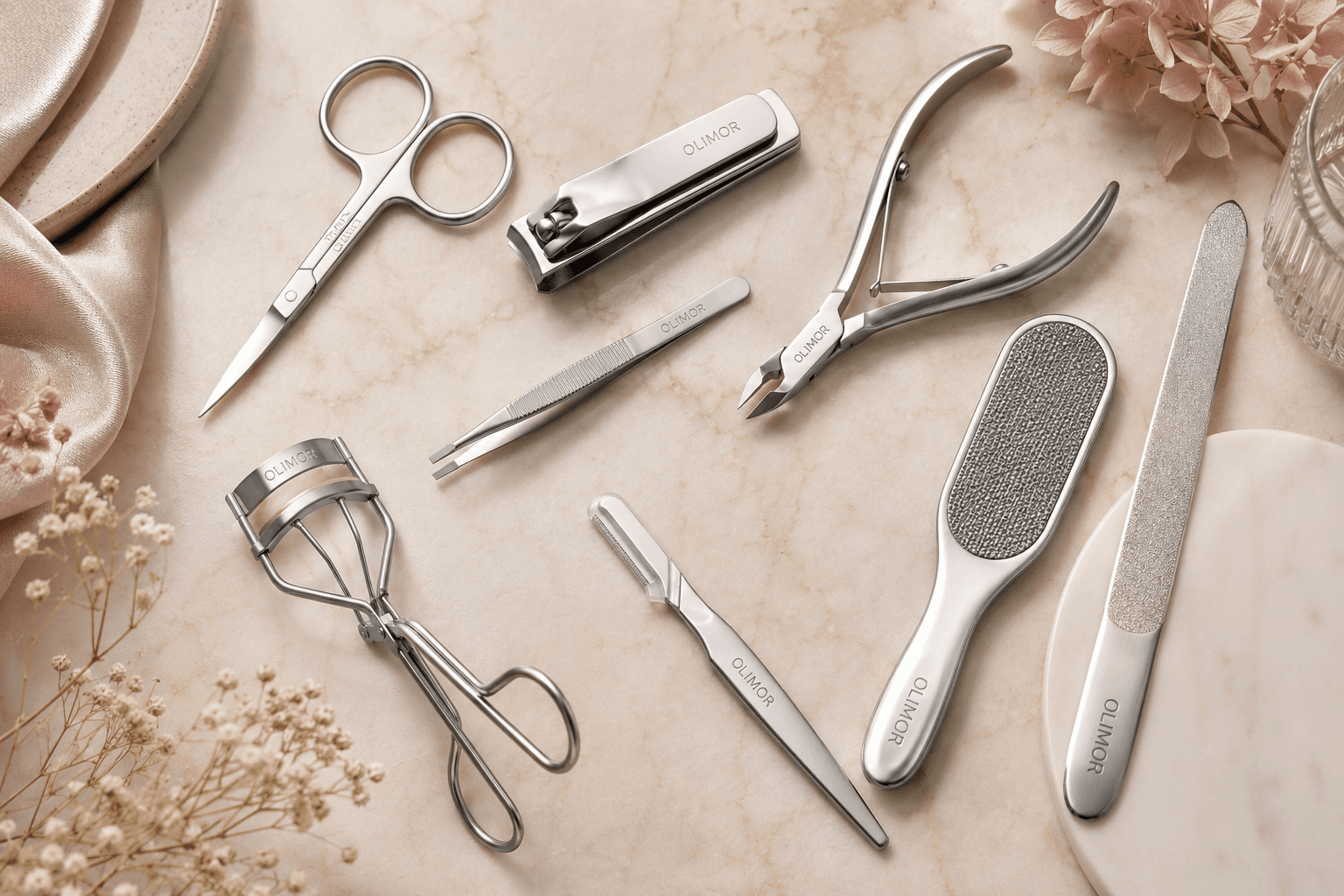
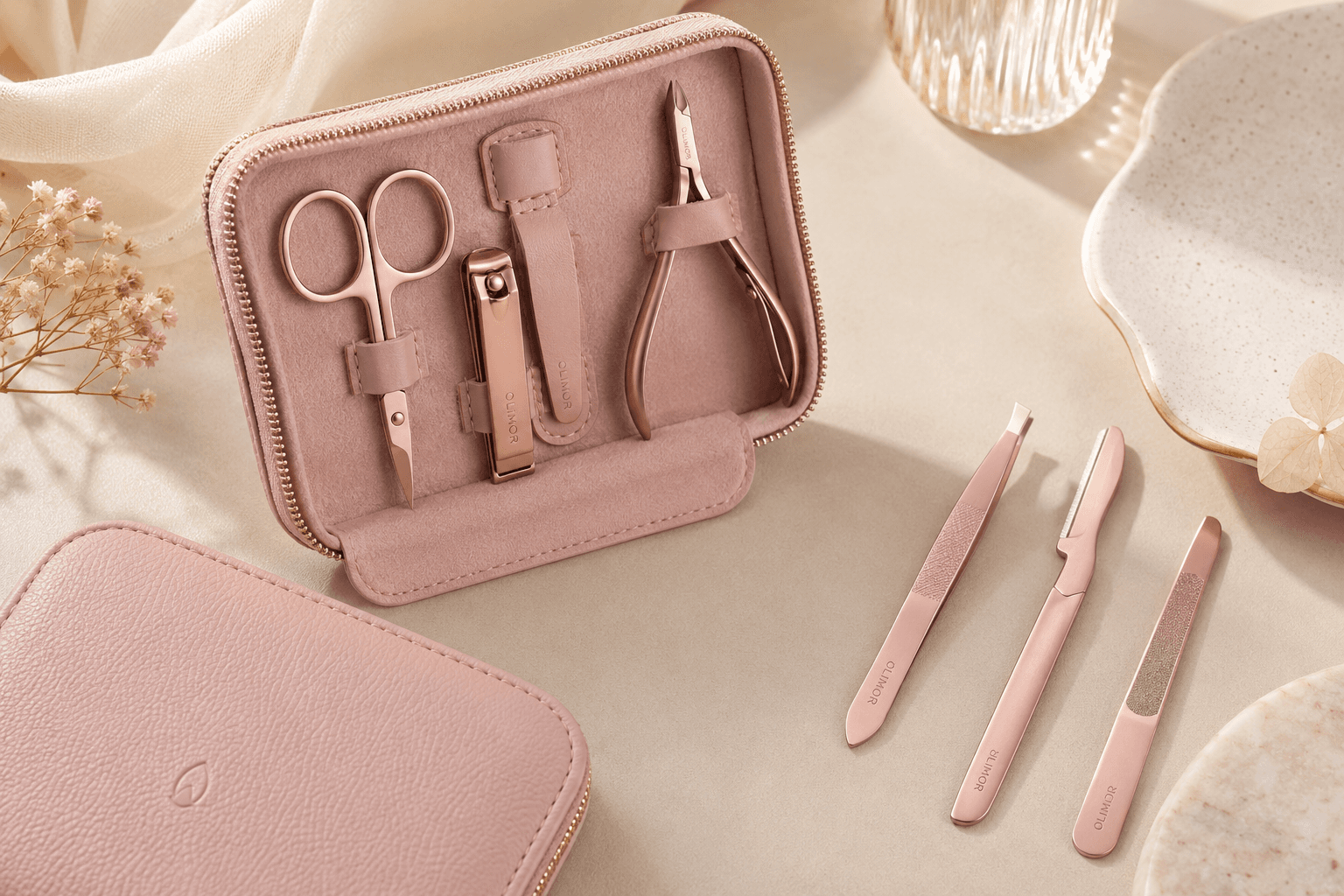
Working with a professional beauty tools supplier is also useful when you need a coherent assortment. Many brands do not buy tweezers alone; they combine them with lash tools, nail tools, grooming accessories, and other personal care items. A supplier that focuses on beauty tools can help buyers compare product roles, choose packaging directions, and avoid duplication in a product line. You can review broader options through Olimor’s product collections when planning how tweezers fit into a complete range.
Specialization also matters for private label planning. Private label beauty tools need more than a logo. Buyers should consider color direction, packaging structure, barcode space, retail display needs, instruction copy, and how the tool will be protected before it reaches the customer. Even when the tweezer itself is the central product, the surrounding presentation affects trust. A supplier experienced with beauty tool categories is more likely to understand these requirements from the beginning.
A Practical Quality Checklist for Tweezers Wholesale
Wholesale buyers can make better decisions by using a structured sample review instead of relying only on appearance. The checklist below helps organize what to test before confirming an order or adding a tweezer to a private label line.
| Review Area | What to Examine | Why It Matters |
|---|---|---|
| Material and finish | Stainless steel quality, smooth surface, absence of burrs, clean edges | Supports durability, comfort, and a more professional appearance |
| Tip precision | Even contact, no visible gap, accurate taper, stable grip | Determines whether the tweezer can handle fine lash or brow work |
| Handle comfort | Pressure required, balance, grip security, feel during repeated use | Affects control for both consumers and beauty professionals |
| Batch consistency | Compare multiple samples rather than judging only one perfect piece | Reduces the risk of quality variation in wholesale supply |
| Packaging protection | Tip cover, insert, card, box, or pouch fit depending on retail plan | Prevents bent tips and supports brand presentation |
When testing samples, use the tweezer in the same way your customer will use it. For a false lash tweezer, pick up lash segments, position them near the lash line on a practice surface, and check whether the tips allow controlled release. For a brow or general grooming tweezer, test fine fibers and check whether the tips grip cleanly without cutting or sliding. A sample that passes only a quick visual check may still fail in actual beauty use.
Packaging, Private Label and Brand Perception
Packaging should protect the tweezer and communicate the intended quality level. A precision tool can be damaged if the tips are not secured during shipping or if the packaging allows movement. For retail buyers, packaging also needs to present the product clearly. Customers often want to see the tip shape and understand the intended use, especially when choosing between lash, brow, or general tweezers.
Private label buyers should plan the product story carefully. Avoid vague claims and focus on details customers can verify: stainless steel construction, tapered tips, comfortable handling, and suitability for false lash application when relevant. The language should match the actual product and avoid overpromising. Clear product naming helps too. If the tweezer is primarily for lash application, say so. If it is designed for another use, position it accordingly.
Brand perception is built through consistency. If a customer buys one well-finished tweezer and later purchases another beauty tool from the same brand, they expect a similar standard. This is why many buyers prefer to source from a focused supplier rather than assembling unrelated items from many low-cost vendors. A consistent approach to finish, packaging, and quality control makes the product line feel more reliable.
Long-Term Value: Looking Beyond the Lowest Price
Price is important in wholesale sourcing, but the lowest unit cost is not always the lowest total cost. Poor tweezers can create hidden expenses: returns, customer service time, negative reviews, replacement shipments, and reduced reorder confidence from retail partners. A better-performing tweezer may support stronger sell-through and fewer complaints, especially in categories where precision matters.
Durability also affects sustainability in a practical way. A tool that lasts longer is less likely to be discarded quickly. While buyers should not rely on broad environmental claims without evidence, choosing well-made personal care tools can reduce unnecessary replacement and waste. Stainless steel construction, rust resistance, and careful finishing are relevant because they support longer usable life when the tool is properly maintained.
For wholesalers and brand owners, the best supplier relationship is not just transactional. It should support repeatable quality, clear communication, and product planning over time. When you are comparing options, prepare your required use case, packaging needs, target market, and expected quality level before requesting pricing. If you want to discuss sourcing options for tweezers or related beauty tools, you can contact Olimor or send an inquiry with your project details.
Care and Handling Guidance to Share With Customers
Even a well-made tweezer performs best when handled correctly. Including simple care instructions in packaging or product pages can improve customer satisfaction and reduce avoidable damage. Customers should keep the tips protected when the tweezer is stored in a cosmetic bag, avoid dropping the tool on hard surfaces, and clean residue from the tips after use. If the tweezer is used around adhesives for false lashes, prompt cleaning is especially important so buildup does not affect grip.
Retailers can also educate customers on choosing the right tweezer for the task. A fine, tapered false lash tweezer is suitable for accurate lash placement, while other tip shapes may be better for different grooming needs. Clear guidance helps customers buy the correct tool and improves reviews because the product is judged in the right use case.
How to Make a Confident Wholesale Decision
A strong wholesale tweezer decision comes from matching product function, supplier capability, inspection discipline, and brand positioning. Do not judge only by a catalog image or the lowest quotation. Review samples carefully, compare multiple pieces, test real-use performance, and consider how the product will be packaged, shipped, displayed, and explained to customers.
Olimor Beauty’s Precision False Lash Tweezer provides a useful example of the qualities buyers should prioritize for lash-focused tools: stainless steel construction, rust resistance, ergonomic handling, and finely tapered tips. For brands building a dependable beauty tool range, these details are not decorative; they are the features that shape everyday user experience. By choosing a professional beauty tools supplier with the right category focus, wholesale buyers can build a tweezer program that supports customer trust and long-term brand value.
Tag: