Tweezers Wholesale Buying Guide for Beauty Retailers and Salon Suppliers
Tweezers are small tools, but they carry a large share of customer expectations. A beauty retailer, salon supplier, brow studio, nail brand, or personal care distributor cannot treat tweezers as generic accessories. The tool must grip reliably, feel comfortable in the hand, resist visible wear, and arrive in packaging that fits the sales channel. When customers buy tweezers, they judge the product quickly: do the tips meet cleanly, does the surface feel smooth, and does the tool remove fine hair without slipping?
That is why tweezers wholesale sourcing deserves a structured buying process. Bulk purchasing can improve supply stability and support better assortment planning, but only when the product is chosen for the right user, price point, and merchandising format. Olimor Beauty supplies beauty tool products for businesses that need practical sourcing options, including round-tip tweezers and private label manicure tools. For buyers comparing suppliers, the goal is not simply to find a low unit cost; it is to build a dependable product line that customers will reorder and recommend.
Why Tweezers Remain a Strong Wholesale Beauty Tool Category
Tweezers are used across several beauty and grooming settings: eyebrow shaping, facial hair removal, nail care, lash application support, splinter removal, and general personal care. Their compact size also makes them attractive for travel kits, gift sets, counter displays, promotional bundles, and salon retail shelves. Unlike trend-led cosmetics, tweezers are not tied to a single color season or style cycle, which can make them a stable inventory item.
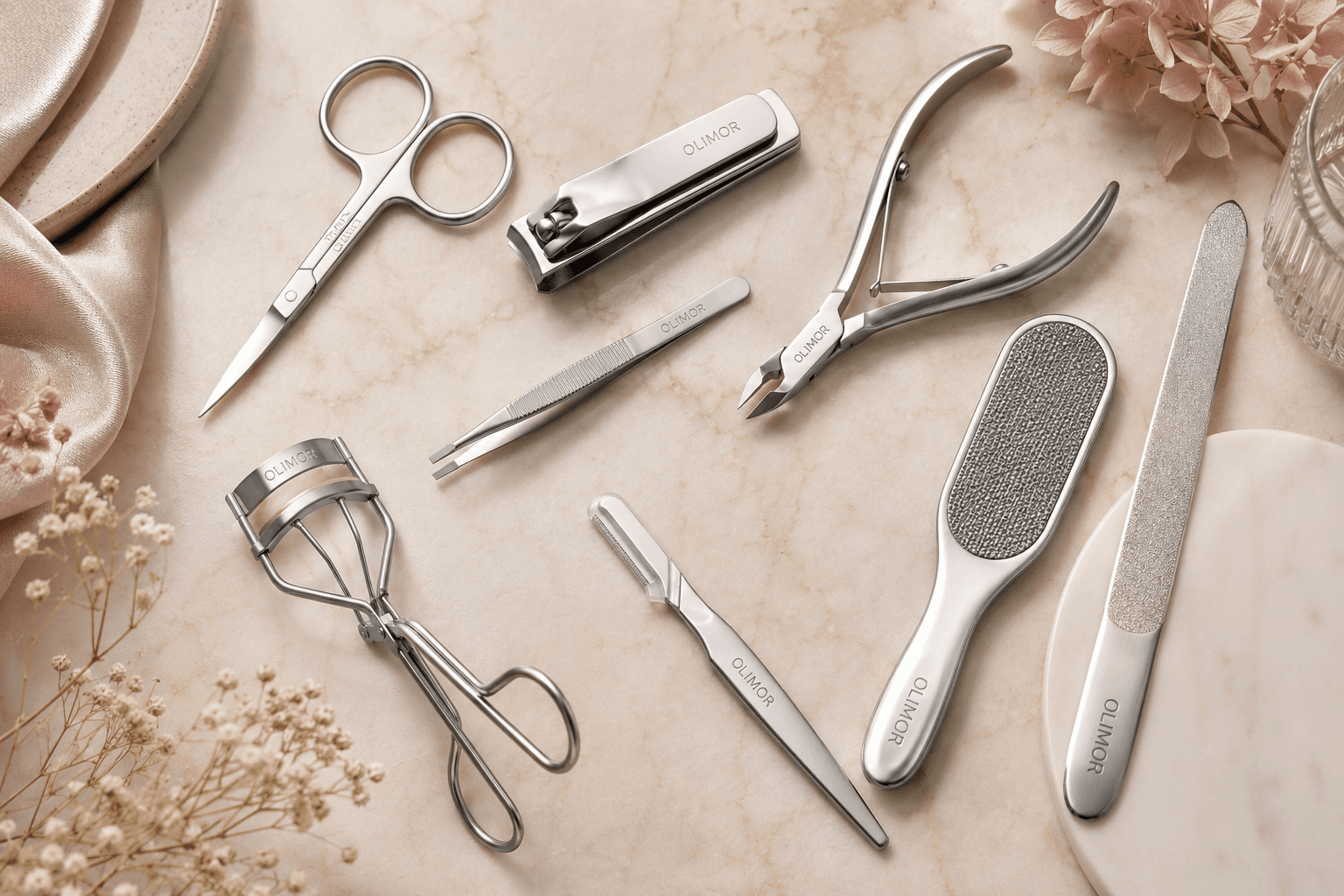
For wholesale buyers, this stability matters. A well-selected tweezer assortment can serve multiple customer segments without taking up much storage space. Brow professionals may prefer precise angled or pointed tips. General consumers often want safe, comfortable shapes for home grooming. Nail and manicure buyers may look for tools that pair naturally with clippers, scissors, cuticle pushers, and other accessories. If your business already carries beauty tool products, tweezers can help complete a practical personal care range.
The key is to avoid treating every tweezer as interchangeable. Tip alignment, tension, surface finishing, edge smoothness, material choice, and packaging can all affect user satisfaction. A product that looks acceptable in a catalog image may not perform well if the tips are uneven or too blunt for the intended task. Wholesale success depends on confirming these details before committing to large volume purchasing.
Choosing the Right Tweezer Type for Your Customers
Different tweezer shapes solve different grooming problems. A buyer should map the product type to the end user rather than ordering one style for every channel. Round-tip tweezers, for example, can be appropriate where comfort and reduced sharpness are important, while slant tips are often chosen for eyebrow grooming because they combine reach with surface contact. Pointed tips can support precision work, but they require careful handling and are not ideal for every consumer audience.
| Tweezer type | Common use case | Buying consideration |
|---|---|---|
| Slant tip | Eyebrow shaping and general hair removal | Check that the two edges meet evenly from corner to corner. |
| Pointed tip | Fine hair removal and detailed beauty work | Review tip sharpness, protective packaging, and user safety warnings. |
| Round tip | General grooming where a less sharp end is preferred | Confirm the grip is still strong enough for the target use. |
| Flat tip | Holding, placing, or removing wider items | Evaluate whether the flat surfaces close without gaps. |
Assortment planning should also reflect your sales format. A single tweezer in retail packaging works for beauty shops and ecommerce. A multi-tool grooming kit may fit travel, gifting, or salon resale. Bulk packs can suit professional studios that use tools frequently and need consistent replenishment. If you are unsure which format fits your market, compare your current customer questions, return reasons, and best-selling price bands before expanding the range.
Quality Details That Matter in Wholesale Tweezers
The most important quality feature in tweezers is tip alignment. When the two sides close, the contact point should be consistent and capable of gripping fine hair without crushing or slipping. A tool can be made from stainless steel and still perform poorly if the tips are not finished properly. Buyers should therefore review production samples with actual use in mind, not only appearance.
Stainless steel is commonly used for beauty tweezers because it is suitable for repeated handling and can support a clean, professional look. However, buyers should not rely on the phrase “stainless steel” alone. The finish should be smooth, edges should not feel rough, and the spring tension should suit the target customer. Too much tension can make the tweezer tiring to use; too little tension can feel weak and reduce control.
Before approving a wholesale order, create a simple inspection routine:
- Close the tweezer slowly and check whether the tips meet evenly.
- Test grip on fine hair or a comparable fiber to confirm holding power.
- Run a fingertip carefully along non-cutting edges to detect burrs or rough finishing.
- Check surface consistency under bright light for scratches, stains, or uneven coating.
- Open and close the tool repeatedly to judge tension and hand comfort.
- Review packaging protection to ensure tips are not damaged during transit.
This kind of practical review is especially useful for ecommerce sellers. Online customers cannot test the product before buying, so photos, descriptions, and delivered performance must match closely. A low-quality tweezer can create negative reviews quickly because the user notices failure on the first grooming attempt.
Packaging, Private Label, and Retail Presentation
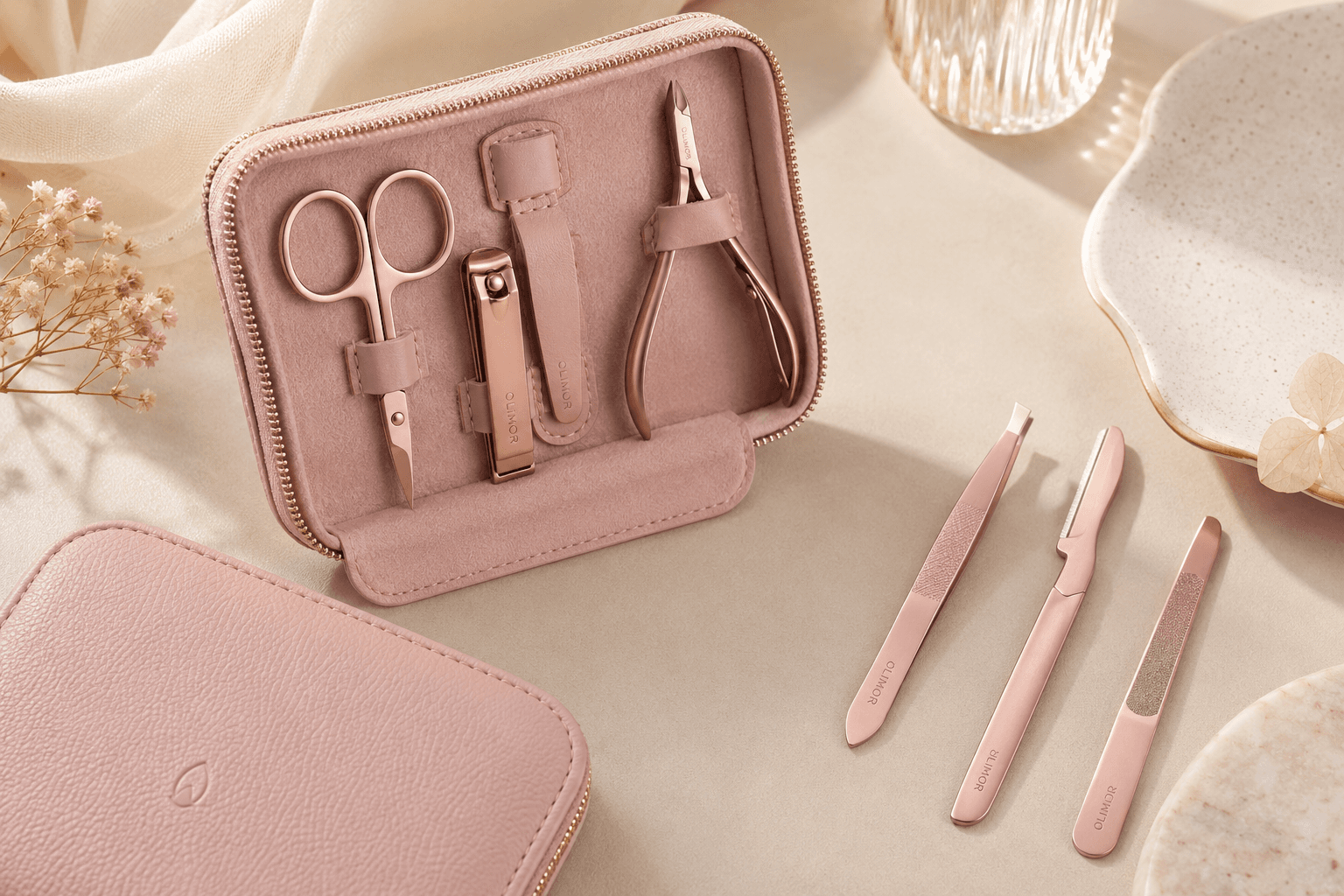
Packaging does more than hold the product. It affects customer trust, shelf visibility, shipping protection, and perceived value. A tweezer sold through a professional salon may only need clean, functional packaging, while a retail beauty brand may require a more polished presentation with clear instructions and consistent visual identity. Private label manicure tools can help businesses build a unified product line, but the packaging brief must be detailed enough to avoid misunderstandings.
When developing private label tweezers or adding them to a broader tool collection, prepare the following information before finalizing specifications:
- Target sales channel: salon resale, ecommerce, retail store, gift set, or distributor catalog.
- Preferred tweezer style and finish: round tip, slant tip, pointed tip, matte, polished, or coated appearance.
- Packaging format: sleeve, blister card, box, pouch, or kit packaging.
- Branding placement: logo position, product name, barcode area, and any required legal text.
- Instruction needs: grooming use, cleaning guidance, handling warnings, and storage recommendations.
- Assortment plan: single SKU, mixed styles, color variations, or combination with other manicure tools.
Clear packaging decisions are also helpful for cost control. A premium box may look attractive but may not be necessary for a refill pack or entry-level retail item. Conversely, very minimal packaging may reduce perceived value for a giftable beauty product. The best choice depends on where and how the tweezer will be sold.
Eco-Conscious Sourcing Without Vague Claims
Many consumers now consider waste, packaging, and material longevity when choosing personal care tools. For tweezers wholesale buyers, eco-conscious sourcing should be handled carefully and accurately. It is better to make specific, supportable choices than to rely on broad environmental language. A durable tweezer that performs well for a long time can be more responsible than a poorly made tool that is quickly discarded.
Start with the areas you can evaluate directly. Can packaging be reduced without causing tip damage? Can a recyclable paper card replace unnecessary plastic in certain sales channels? Is the product designed to be kept, cleaned, and reused rather than treated as disposable? Are care instructions clear enough to help customers extend product life? These questions help your business respond to consumer demand for more thoughtful personal care tools while avoiding unsupported claims.
If your assortment includes eco-positioned items, make sure product descriptions are precise. Instead of saying a tool is “green” or “planet safe,” describe the actual choice, such as reduced packaging, reusable construction, or a paper-based retail card, only when those details are true for the product you purchase.
How to Compare a Manicure Tools Supplier
A reliable manicure tools supplier should support consistent product quality, practical communication, and enough flexibility to match your business model. Olimor Beauty works in the beauty tools category and offers options relevant to buyers building personal care assortments. Still, every buyer should evaluate suppliers with the same disciplined process, especially when preparing wholesale or private label orders.
Use a supplier comparison checklist that focuses on verifiable details:
- Product range: Does the supplier offer the tweezer styles and related manicure tools your customers expect?
- Sample review: Can you examine fit, finish, grip, and packaging before confirming bulk production?
- Customization scope: Are private label, packaging, or assortment options available for your sales plan?
- Quality control process: How are alignment, finish, cleanliness, and packaging condition checked?
- Communication: Are specifications, artwork, timelines, and shipment details confirmed clearly in writing?
- Continuity: Can the supplier support repeat orders with consistent appearance and function?
Location can also influence sourcing decisions. Guangdong is known as a major manufacturing and export region for manicure and beauty tools, which can give buyers access to a broad supplier base. However, region alone does not guarantee product quality. The specific supplier process, sample approval, and order inspection steps are what determine whether the final tweezers meet your market’s expectations.
Building a Tweezer Line That Sells Consistently
A good wholesale tweezer program is usually built in layers. Start with the core product your customers request most often, such as a slant or round-tip tweezer, then add variants only when they serve a clear use case. Avoid creating too many similar SKUs that compete with each other. Instead, define each item by purpose: everyday brow grooming, precision work, travel kit, salon retail, or gift set.
Product pages and sales materials should be specific. Mention the tip style, intended use, finish, grip feel, packaging format, and care instructions. If the tweezer is part of a larger grooming kit, explain how it complements the other tools. Clear information reduces buyer uncertainty and helps distributors, retailers, and consumers understand why one tweezer may be better suited to their needs than another.
For businesses planning a broader beauty tool assortment, browse Olimor product collections to consider how tweezers can sit alongside manicure, pedicure, and personal care tools. If you are preparing a wholesale plan, private label brief, or packaging concept, you can send an inquiry with your target channel, preferred tweezer type, and expected presentation style. You may also contact Olimor to discuss product options for your market.
Maintenance Guidance to Reduce Complaints and Returns
Customer satisfaction does not end when the product is sold. Simple maintenance guidance can reduce avoidable complaints. Tweezers should be kept clean and dry, stored with the tips protected, and not used for tasks that can bend the ends. If tips become misaligned from dropping or misuse, grip performance will decline. Retail packaging, ecommerce descriptions, and insert cards can all include concise care instructions.
For professional settings, cleaning practices should follow the hygiene requirements of the salon or local market. For consumer retail, the guidance can be simple: wipe after use, dry before storage, keep away from children if tips are sharp, and protect the tweezer from impact. These details may seem basic, but they help the customer get better performance from the tool and protect your brand reputation.
Tweezers wholesale sourcing is most successful when the buyer looks beyond unit price and evaluates real use. The right product should match the customer’s grooming task, feel comfortable, close accurately, arrive protected, and support your brand presentation. With a clear specification, sample review, and practical packaging plan, tweezers can become a dependable part of a beauty business assortment rather than a minor add-on.
Tag: