Tweezers Wholesale: How Professionals Choose Reliable Beauty Tools
Buying tweezers wholesale is not only about getting a lower unit cost. For salons, brow studios, beauty retailers, nail suppliers and private label brands, tweezers affect daily work quality, customer trust and repeat sales. A tool that looks simple can still create problems if the tips do not meet cleanly, the tension is uncomfortable, the finish scratches easily or the packaging does not match the retail channel.
Olimor Beauty supplies professional beauty tools for businesses that need practical sourcing options rather than one-off consumer purchases. Whether you are building a starter range, replenishing salon consumables or comparing private label manicure tools, the key is to evaluate tweezers as working instruments: precise, consistent, comfortable and suitable for the intended use.
Who Benefits Most From Wholesale Tweezers?
Wholesale purchasing makes sense when a business needs consistency across multiple users or sales locations. A brow salon may want the same feel at every workstation, while a retailer may want a dependable tweezer style that can be reordered without changing the customer experience. Distributors and importers also need predictable packaging, product descriptions and after-sales communication.
Common wholesale buyers include:
- Professional salons and brow studios that need reliable tools for shaping, hair removal and detailed grooming.
- Beauty retailers looking for practical, easy-to-understand products for daily personal care.
- Private label brands that want to build a cohesive manicure or beauty tool line under their own branding.
- Training schools that need sets of consistent tools for students learning technique and hygiene routines.
- Exporters and distributors sourcing from a manicure tools supplier for regional resale.
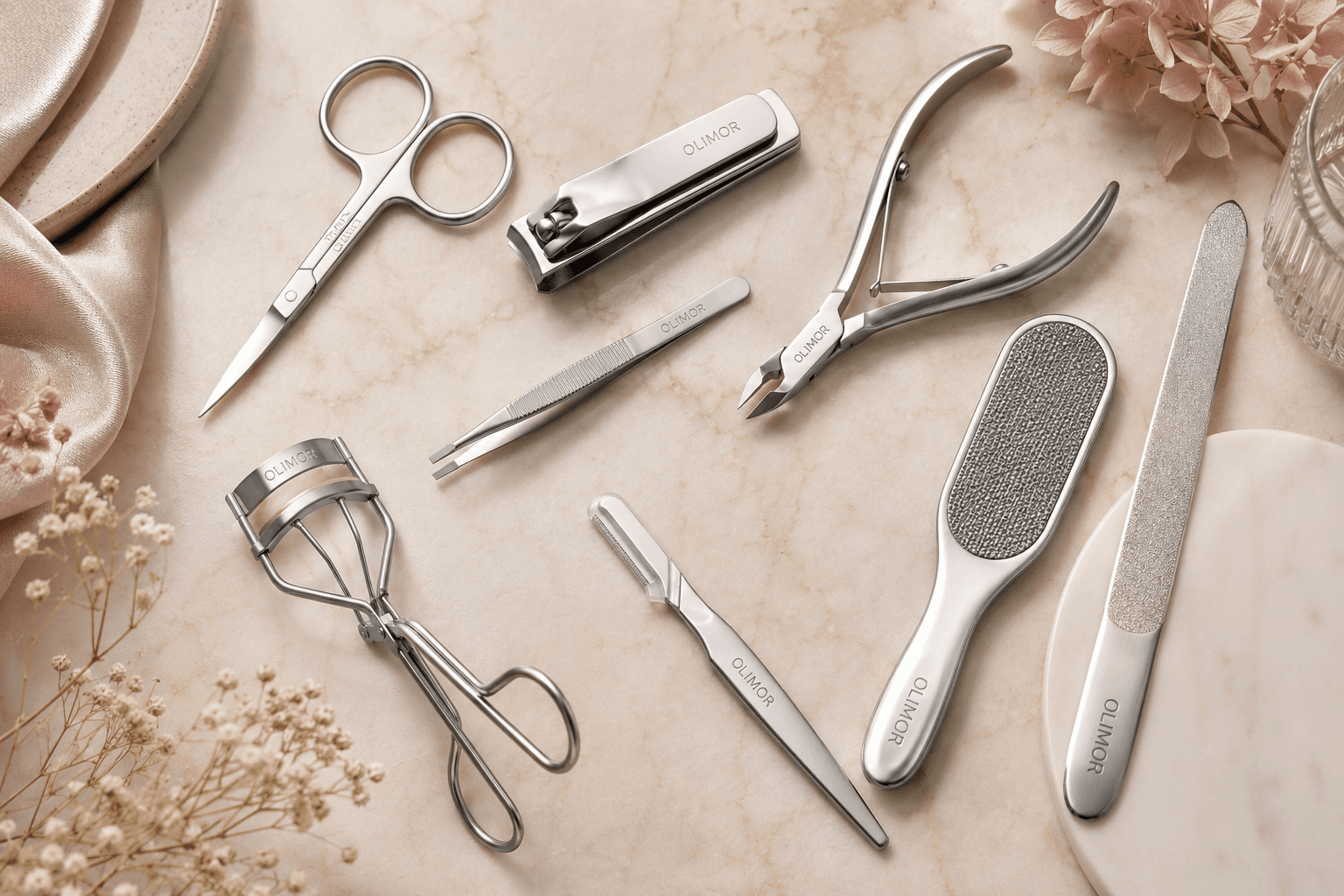
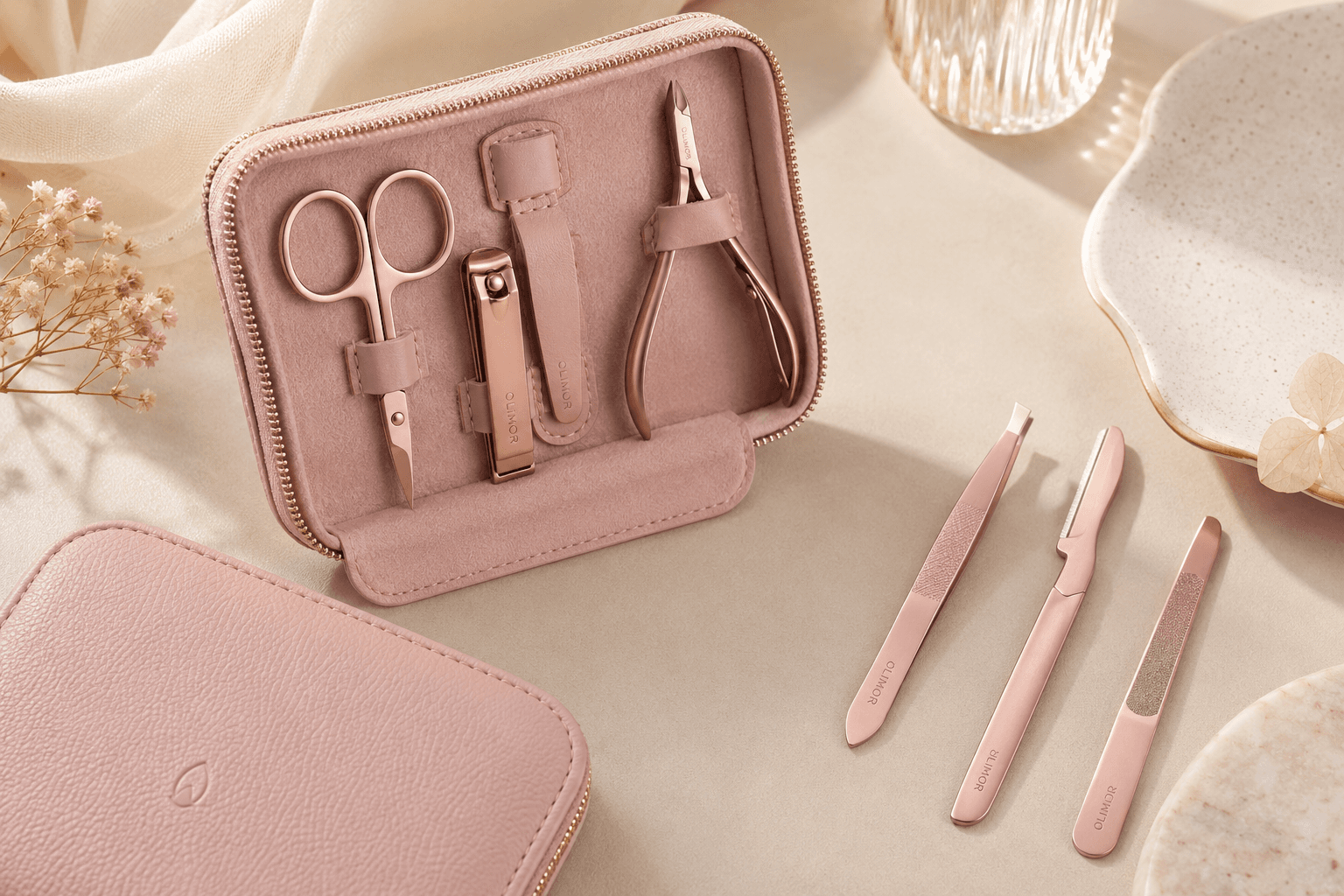
If your business sells or uses broader tool assortments, it is worth reviewing related beauty tool products to keep tweezers aligned with the rest of your range. Consistent design language, packaging format and tool quality can make a product line easier to present to professional and retail customers.
Understanding Tweezer Types and Intended Use
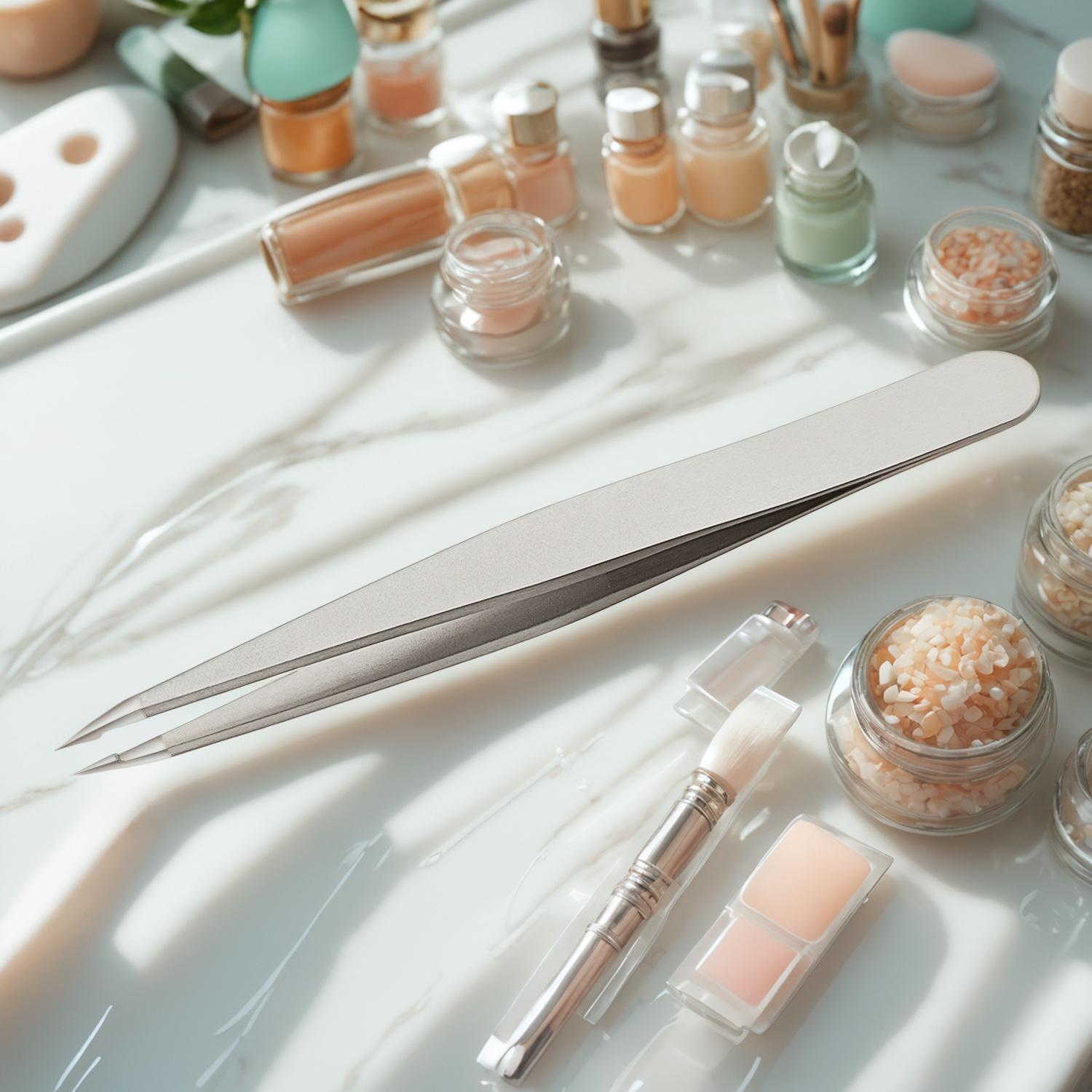
The original sourcing conversation should begin with function. Not every tweezer shape is ideal for every task. While Olimor Beauty’s range includes manicure and personal care tools, one specific item often requested by professional buyers is the Pointed Tip Tweezer. This type is commonly chosen when detailed grabbing, precision grooming or careful removal of fine hairs is needed.
A pointed tip can be useful for accuracy, but it also requires careful quality control and responsible handling. The fine ends should be protected during storage and transport, and users should avoid dropping the tool because impact can affect tip alignment. For retail buyers, a pointed tweezer also needs clear packaging communication so customers understand that it is designed for detailed use rather than broad gripping.
When comparing styles, consider how the tool will be sold or used:
| Buyer need | Selection focus | Why it matters |
|---|---|---|
| Salon workstation use | Tip alignment, hand comfort and repeatable grip | Professionals may use the tool many times per day. |
| Retail beauty aisle | Clear product positioning and protective packaging | Customers need to understand the use case quickly. |
| Private label launch | Finish consistency and brand-ready presentation | The tool must match the look and promise of the brand. |
| Distributor assortment | Stable supply and practical SKU planning | Reorders should be simple and product differences clear. |
Quality Checks That Matter in Wholesale Tweezers
Professional buyers should look beyond surface appearance. A shiny tweezer may photograph well but still fail in daily use if the tips do not close properly. Since tweezers are small, slight differences can be noticeable to experienced users. A good sourcing process includes sample review, handling tests and packaging checks before a larger order is confirmed.
Useful inspection points include:
- Tip meeting and symmetry: The two sides should close evenly at the working end. Misalignment can make gripping fine hairs difficult and may create user frustration.
- Tension and spring feel: The tweezer should not feel too stiff or too loose. Comfortable resistance helps reduce hand fatigue and supports controlled movement.
- Edge and finish safety: Surfaces should feel smooth where the hand holds the tool. Any sharp non-working edges, burrs or rough finish areas should be identified during sampling.
- Grip stability: Textured or shaped gripping areas should support control without being uncomfortable during extended use.
- Protective handling: Fine tips, especially on pointed styles, need protection during shipping and retail display so they do not arrive bent or damaged.
- Batch consistency: For wholesale orders, the sample should represent the bulk order closely. Differences in feel, color or finish can create problems for private label and retail buyers.
These checks are not complicated, but they are important. A professional beauty tools supplier should be able to discuss quality expectations clearly and help buyers compare options for their channel.
Private Label Tweezers and Manicure Tool Lines
Private label manicure tools are attractive because they let a business create a branded range without starting from raw manufacturing development alone. Tweezers can be part of a broader set that may include manicure tools, grooming accessories or related personal care items. For a new brand, the challenge is not only selecting products but also making the range feel coherent.
Before adding tweezers to a private label line, clarify the role they play. Are they a professional brow tool, a personal grooming item, a nail care add-on or part of a travel set? The answer affects packaging, retail price positioning, product copy and even the level of protective packaging needed. A Pointed Tip Tweezer, for example, may need more careful presentation than a general grooming item because customers should understand its precision purpose.
Private label buyers should prepare several decisions in advance:
- Preferred product type and target user, such as salon professional, home grooming customer or beauty gift buyer.
- Branding placement needs, including whether the tool, sleeve, card or box is expected to carry the brand identity.
- Packaging language requirements for destination markets.
- Retail channel expectations, such as hanging cards, countertop display suitability or e-commerce protection.
- Quality acceptance criteria for finish, alignment, packaging and outer carton presentation.
Olimor Beauty can be considered as part of a broader sourcing plan when buyers compare tool categories and branded presentation options. To discuss product direction, packaging needs or export purchasing steps, you can send an inquiry with your target use and order planning details.
Eco-Friendly Positioning Without Overclaiming
Many beauty customers are interested in eco-friendly personal care tools, but professional buyers should handle sustainability claims carefully. A tweezer can be long-lasting compared with disposable alternatives, and durable tools can support a lower-waste beauty routine when used and stored properly. However, environmental claims should be based on verified materials, packaging choices and documented supply details rather than broad marketing language.
If sustainability is important for your retail or brand strategy, focus on practical choices. Consider whether packaging can be minimized, whether plastic components are necessary, how the tool is protected during shipping and whether the product information encourages long-term care. A reusable beauty tool with clear care instructions may be more convincing to customers than a vague claim printed on a box.
For wholesale sourcing, create an eco-positioning checklist before approving packaging copy. Confirm what can be stated accurately about the tool, what should be left out and what documentation is needed for your market. This protects both the seller and the end customer from misleading expectations.
Maintenance Guidance for Professional Users and Retail Customers
Good maintenance extends the usable life of tweezers and reduces complaints. Salons usually have their own hygiene procedures, while retail customers often need simple instructions. Including care guidance in packaging or product pages can improve customer satisfaction and reduce avoidable damage.
Helpful care points include cleaning the tool after use, drying it fully before storage and protecting the tips from impact. Pointed tweezers should be stored with a cap, sleeve or secure compartment whenever possible. Users should avoid using precision tweezers as general-purpose tools for opening containers, scraping surfaces or gripping hard objects, because misuse can damage the tip alignment.
For professional environments, tool rotation also matters. A salon may keep several tweezers available so cleaned tools are ready while others are being processed according to the business’s hygiene routine. Retailers can turn the same concept into consumer education: a tweezer works best when treated as a precision personal care tool, not as a household utility item.
How to Plan a Wholesale Tweezer Order
A strong wholesale order begins with clear product positioning. Instead of asking only for a general tweezer quote, define the intended channel, target customer and packaging requirements. This makes it easier to compare products fairly and prevents confusion later in the process.
Use this buyer checklist when preparing your request:
- Identify the tweezer style you need, including whether a Pointed Tip Tweezer is suitable for the task.
- Specify the selling channel: salon use, retail store, e-commerce, distributor catalog or private label range.
- List packaging expectations, including protective tip coverage and language requirements.
- Request samples when evaluating alignment, finish and hand feel.
- Decide how the tweezer will fit with other tools in your product assortment.
- Clarify inspection priorities before production or shipment, especially for private label orders.
If you are building a full range rather than buying a single item, browse Olimor Beauty’s product collections to consider how tweezers can sit alongside related beauty and manicure tools. A coordinated assortment is often easier for retailers to sell and easier for distributors to explain.
Choosing a Professional Beauty Tools Supplier
The right supplier should understand that tweezers are detail-sensitive products. Communication, sampling and consistency are just as important as catalog variety. A manicure tools exporter in Guangdong or a professional beauty tools supplier should be able to help buyers compare product options, understand packaging implications and prepare for wholesale distribution requirements.
When evaluating a supplier, look for clear answers, realistic timelines and a willingness to discuss quality points before an order is placed. Avoid choosing based only on the lowest price if the tool will represent your salon, store or private label brand. In beauty tools, poor alignment, weak packaging or inconsistent finish can cost more in returns and lost trust than the initial savings are worth.
For businesses that need wholesale tweezers, private label manicure tools or related professional supplies, Olimor Beauty offers a practical starting point for product comparison and sourcing conversations. If you need help narrowing down a tweezer option for your audience, you can contact Olimor with your intended use, market and packaging expectations.
Tag: