Wholesale Tweezers for Private Label Beauty Tool Lines
Wholesale tweezers are small tools, but they can have a large effect on how customers judge a beauty brand. A tweezer that grips cleanly, feels balanced in the hand and protects its tip alignment through repeated use can become a trusted daily grooming item. A tweezer that slips, scratches, feels uneven or arrives with inconsistent finishing can create returns, weak reviews and lower confidence in the wider product line.
For beauty retailers, brow studios, lash brands, salons, distributors and e-commerce sellers, sourcing tweezers wholesale is not only a low-price comparison. The better question is whether the tool matches the intended user, selling channel, packaging format and brand promise. Olimor Beauty supplies stainless steel beauty tools and supports private label beauty-tool programs for buyers who need practical product options, branding support and structured communication before bulk ordering.
This guide explains how to choose wholesale tweezers for private label lines, what to inspect before ordering, how stainless steel and recyclable grooming tools fit into responsible buying, and which supplier questions help reduce sourcing risk.
Why Tweezers Matter in a Beauty Tool Assortment
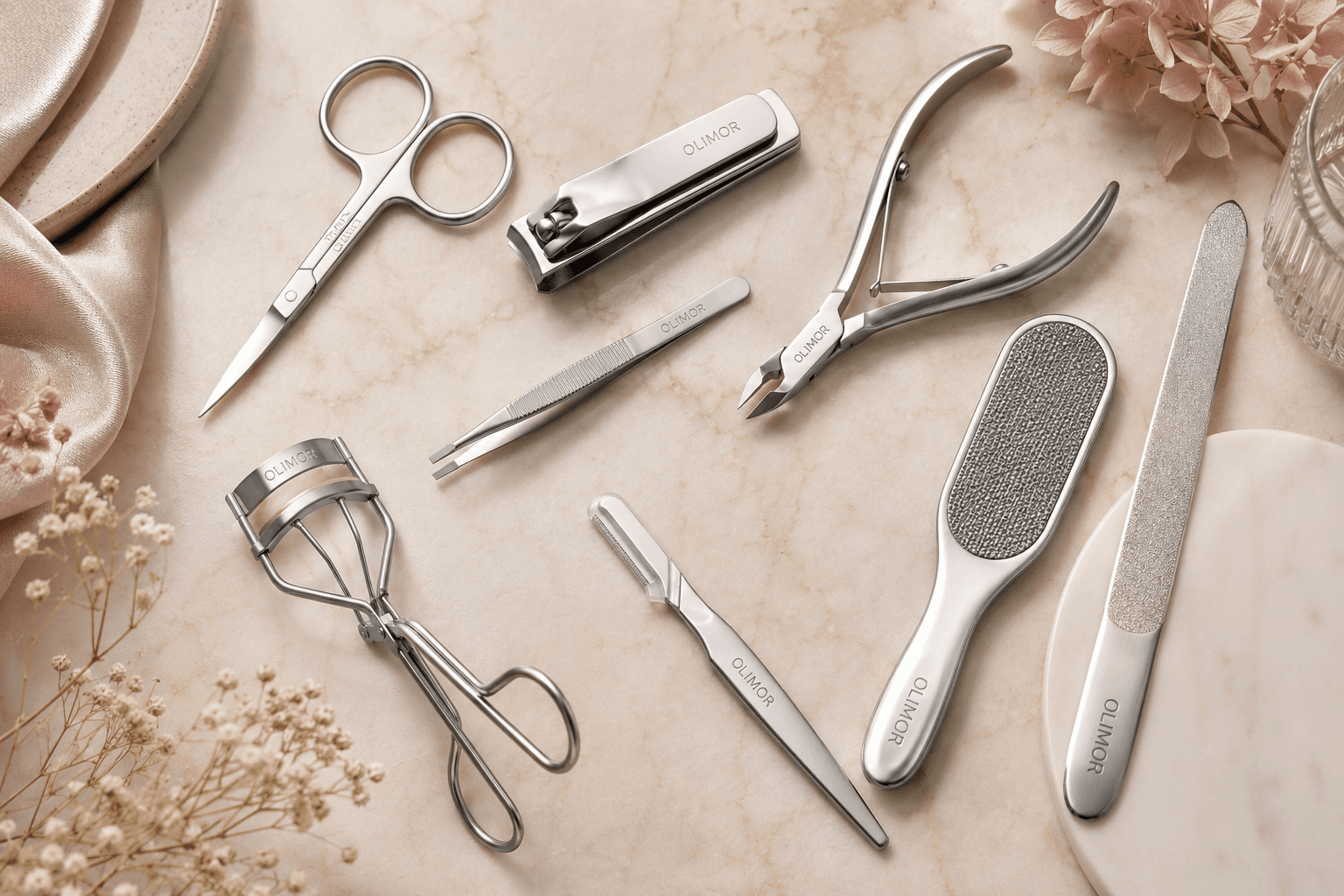
Tweezers are often sold as standalone brow tools, included in lash accessory ranges, placed inside manicure or grooming kits, or displayed near checkout areas. They are compact, easy to ship and suitable for repeat retail placement, which makes them a practical entry point for brands expanding into beauty tools.
Customers, however, rarely treat a tweezer from a professional beauty brand as a disposable accessory. They expect the tips to meet evenly, the tension to feel controlled and the finish to be comfortable against the hand and skin when used correctly. Professional users may also need tools that withstand frequent handling and cleaning routines. For both consumer and professional use, performance depends on consistent manufacturing details rather than appearance alone.
Because tweezers are handled directly and judged immediately, they can either reinforce or weaken the credibility of the rest of a private label range. A well-selected tweezer supports brow, lash, manicure and grooming categories; a poorly selected one can make even attractive packaging feel unreliable.
Start With One Clear Use Case
The best wholesale tweezer choice begins with the intended application. A tool for brow shaping may need different tip contact from a tweezer used for lash placement, manicure detail work or general grooming. Even when two tweezers look similar in photos, small differences in tip shape, closing pressure and surface texture change the user experience.
Before requesting samples, define the role of the product in the line. Is it a hero retail item, a salon-use tool, a gift set component, a travel grooming accessory or a supporting product in a brow or lash collection? This decision affects the level of finish, packaging protection, branding placement and inspection detail required.
Buyers can review current tool options through Olimor’s beauty tool products when planning a coordinated assortment across tweezers, manicure tools and grooming accessories.
Key Selection Criteria for Wholesale Tweezers
A good wholesale sourcing process checks the tool as an end user would use it. The following criteria are especially important for private label tweezers because they influence both customer satisfaction and complaint risk.
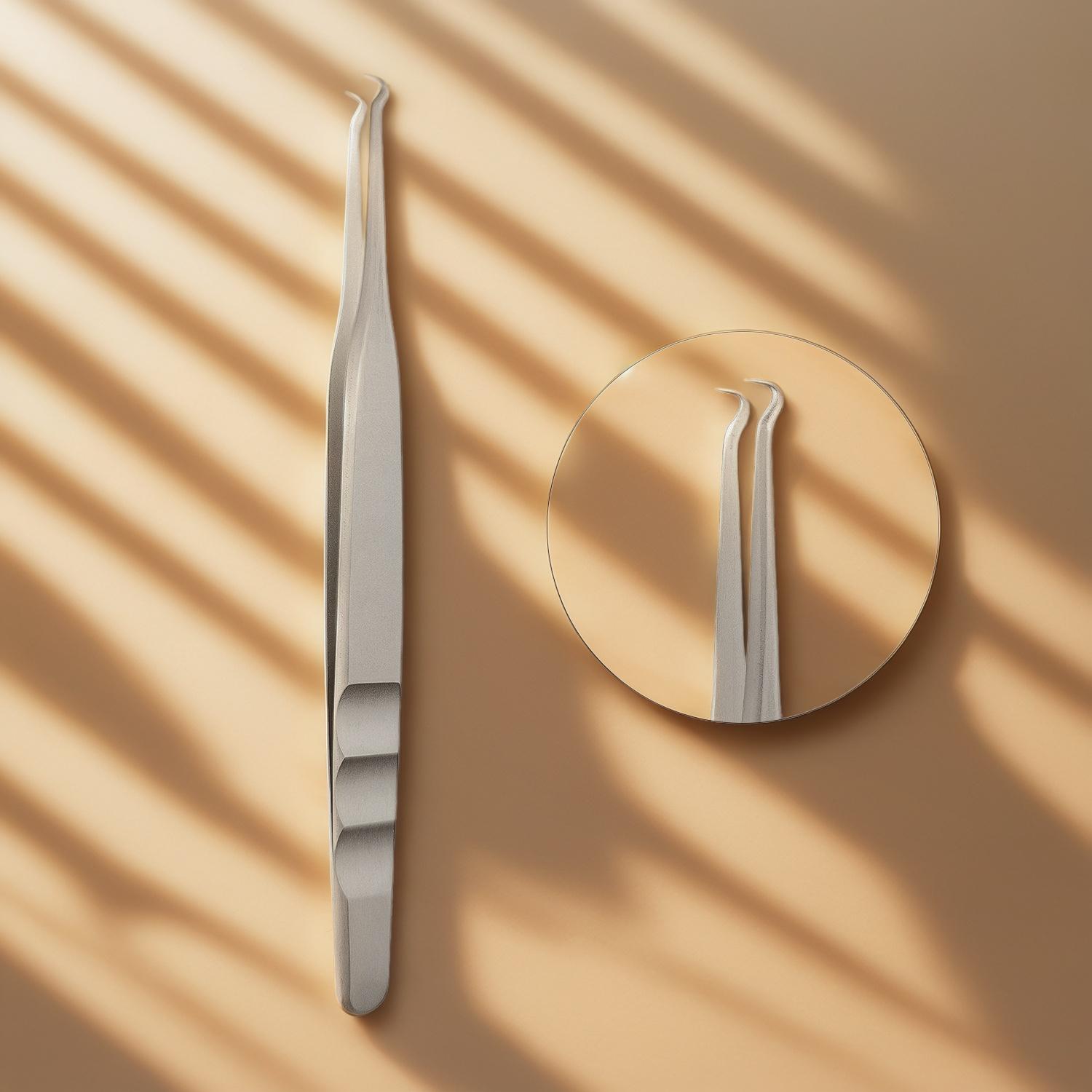
- Tip alignment: The two tips should meet evenly without obvious gaps. Poor alignment makes it difficult to grip short hairs, fine hairs or delicate lash elements.
- Grip performance: The tweezer should hold the intended target securely without slipping. Buyers should test the actual use case rather than relying only on visual inspection.
- Controlled tension: The tool should open and close smoothly. If it is too stiff, repeated use becomes uncomfortable; if it is too loose, control may feel weak.
- Edge comfort: Surfaces that contact the fingers should feel smooth enough for repeated handling. Edges should not feel sharp or rough in normal use.
- Finish consistency: Samples should be checked for scratches, uneven coating, rough spots, polishing defects or visible inconsistencies that may affect retail presentation.
- Bulk consistency: A single attractive sample is not enough. Buyers should compare several units to judge whether alignment, hand feel and finish remain stable across pieces.
- Packaging fit: Caps, sleeves, pouches, trays or boxes should protect the tips during shipping, storage and display. Damaged tips can make an otherwise good tool unusable.
These checks help buyers avoid a common sourcing mistake: choosing the lowest unit cost while overlooking the details that determine whether the consumer can actually use the product well.
Choosing Tweezer Styles by Sales Channel
Different sales channels place different pressure on the same tool. A salon professional may value repeat handling comfort and reliable tip contact, while an online customer may judge close-up product photos, packaging condition and simple instructions. A distributor may need a style that fits several retail customers without excessive customization.
| Buyer or channel | Main priority | Selection focus | Common sourcing risk |
|---|---|---|---|
| Beauty retail brand | Clear value and attractive presentation | Smooth finish, comfortable grip, shelf-ready or e-commerce-ready packaging | Choosing a tool that looks good but has weak tip contact |
| Salon or brow studio | Repeat performance during services | Precise tip alignment, controlled tension, easy handling over longer use | Ignoring hand comfort and only comparing appearance |
| Lash brand | Fine placement and accessory compatibility | Tip shape, grip control, clean presentation for lash kits | Selecting a general grooming tweezer that does not suit lash work |
| Online seller | Low complaint rate and strong product photos | Uniform finish, protective packaging, clear use and care guidance | Underestimating close-up visual inspection by customers |
| Gift or grooming set buyer | Coordinated assortment | Consistent finish across tools, compact packaging, secure internal placement | Allowing the tweezer to move in the set and damage its tips |
This comparison shows why a wholesale tweezer program should be built around the buyer’s real channel rather than a generic style list. The same design may work well in one setting and perform poorly in another if expectations are different.
Stainless Steel, Recyclability and Long-Term Value
Stainless steel is widely used in beauty tools because it supports durability, corrosion resistance and recyclability. For tweezers, these material qualities can contribute to longer service potential when the tool is properly maintained, while recyclable metal helps brands move away from short-life, throwaway accessories.
Material choice alone does not guarantee a good tweezer. Buyers still need to review shaping, polishing, tip precision, surface finishing and packaging protection. A stainless steel tweezer with poor alignment will not satisfy the user simply because the base material is durable.
For brands communicating sustainability, claims should be specific and supportable. Instead of broad environmental language, buyers can describe practical attributes such as stainless steel construction, long-use potential under proper care and recyclability of the metal material where applicable. If selling into markets with environmental claim rules, buyers should review guidance from public bodies such as the U.S. Federal Trade Commission for green marketing claims, where relevant. The applicable version and destination-market requirements should always be verified with current official guidance and supplier documentation.
Private Label Opportunities for Beauty Brands
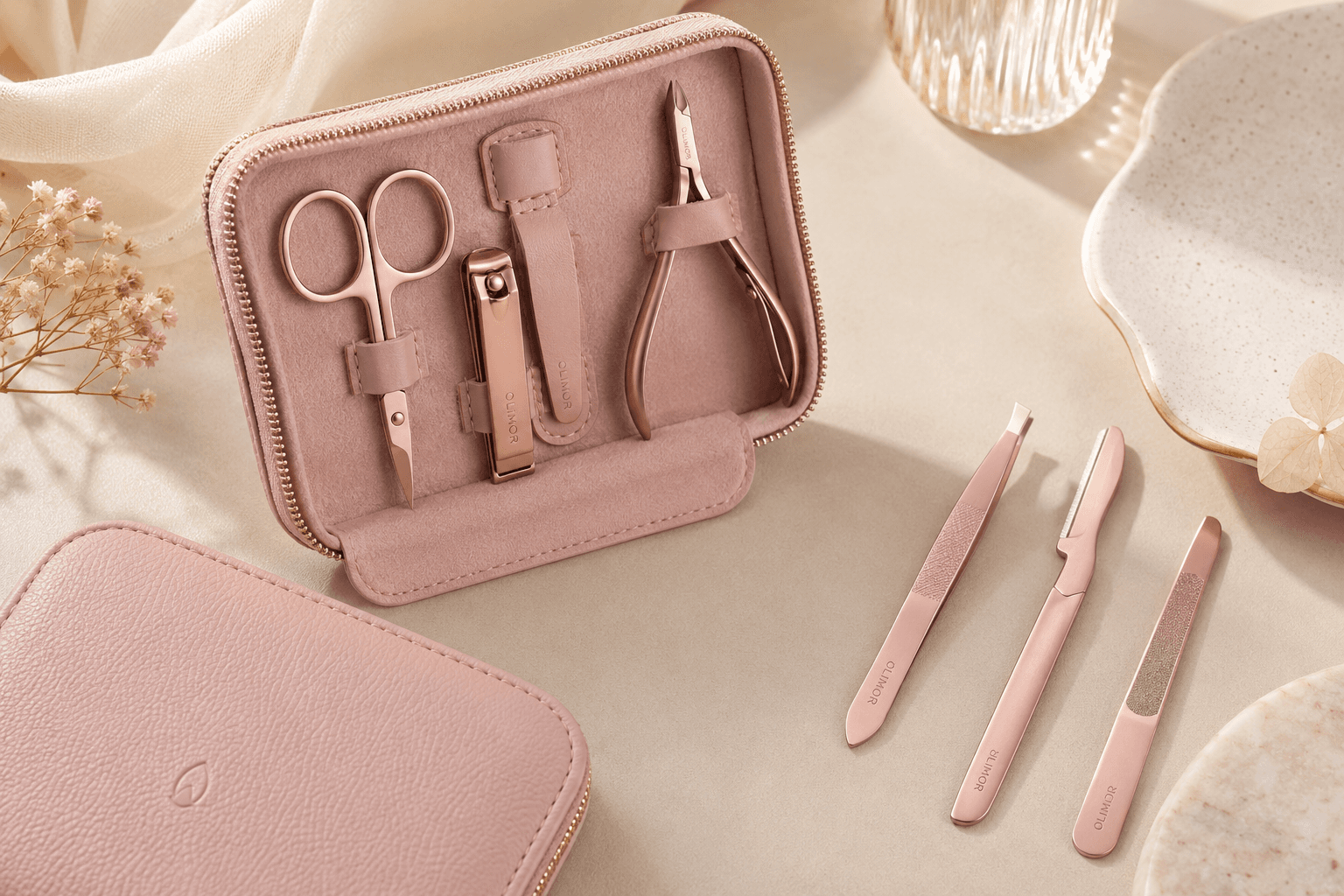
Private label tweezers allow beauty businesses to expand into tools without developing every production process in-house. They are useful for brow brands adding grooming accessories, lash brands building applicator ranges, manicure retailers creating accessory sets, spas adding retail products, and distributors seeking coordinated beauty-tool families.
A strong private label project starts with product positioning. A premium hero item may need greater attention to surface finish and packaging presentation. A kit component must fit securely with the rest of the assortment. A salon-use tool may prioritize repeat hand comfort over decorative details. A promotional item may require a simpler presentation while still protecting basic functionality.
Branding should support the tool rather than interfere with it. Logo placement, surface finish, color direction and packaging structure should preserve grip comfort and protect the tweezer tips. If the tool belongs to a wider assortment, buyers may review Olimor’s beauty tool collection to plan consistent product families across grooming and manicure categories.
Information to Prepare Before Customization
Clear preparation helps the supplier respond more accurately and helps the buyer compare options. Before discussing private label tweezers, prepare the intended use, target customer, selling channel, packaging direction, artwork status and destination-market labeling needs.
- Will the tweezers be sold alone, in a brow kit, in a lash set or inside a travel grooming kit?
- Should the product look minimal and professional, retail-focused, giftable or aligned with an existing cosmetic range?
- Will it be sold through salons, spas, drugstores, online marketplaces, distributor catalogs or brand-owned stores?
- What packaging information is needed, such as care instructions, barcode space, importer details or customer use guidance?
- How will samples be reviewed and approved before bulk production proceeds?
Buyers can share these details through Olimor’s private label inquiry form so the discussion starts with the product role, not only the unit price.
Quality Checks Before Placing a Bulk Order
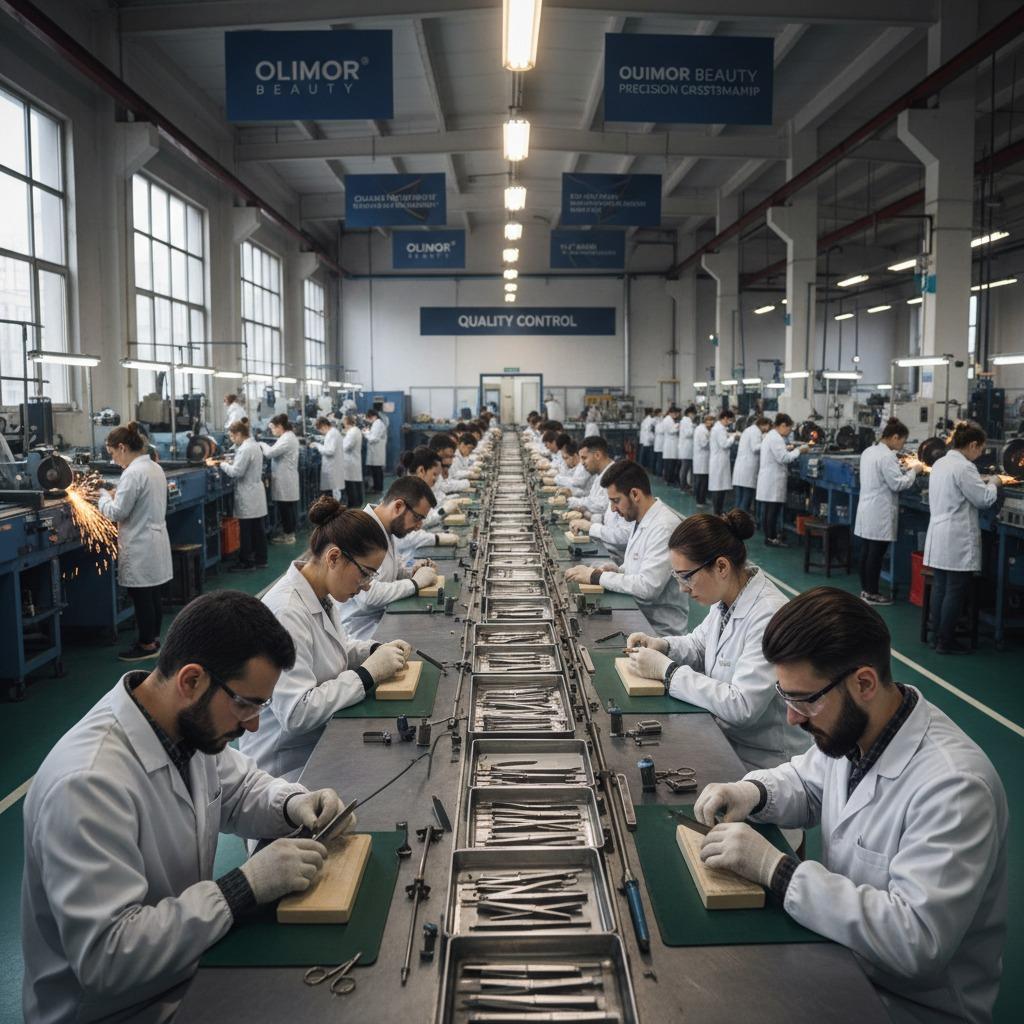
Wholesale beauty tools require repeatable quality. One good sample does not guarantee that a bulk order will meet the same expectations. Buyers should use a structured evaluation process covering sample review, intended-use testing, packaging checks and final approval criteria.
For tweezers, practical inspection points include the visual condition of the finish, tip meeting point, opening and closing tension, cleanliness, branding placement, print clarity and packaging condition. If the product is packed in a box, card, pouch or set tray, the fit should prevent unnecessary movement that may damage the tip during transit.
Buyers should also communicate how the product will be sold. A tweezer photographed close-up for e-commerce may need stricter cosmetic consistency than a simple kit component. A salon tool may require more attention to hand feel. A premium retail product may need stronger packaging presentation and clearer care instructions.
Buyer Inspection Checklist
| Inspection area | What to check | Why it matters |
|---|---|---|
| Tip contact | Tips meet evenly without visible gaps or twisting | Determines grip accuracy for brow, lash and fine grooming use |
| Tension | Opening and closing feel controlled, not too stiff or loose | Affects comfort and repeat handling |
| Surface finish | No obvious scratches, rough edges or uneven coating | Protects retail presentation and user confidence |
| Branding | Logo or decoration is clear and placed away from uncomfortable grip areas | Supports brand identity without reducing usability |
| Packaging | Tips are protected and the tool is secure in transit and display | Reduces damage, returns and customer complaints |
| Documentation | Care, labeling and destination-market requirements are reviewed | Helps avoid incomplete retail information |
For quality management discussions, some buyers reference ISO 9001 as a general quality management framework when evaluating supplier processes. This should not be treated as proof of a specific product result. Buyers should verify the applicable standard version, required documents and any supplier claims directly before relying on them in procurement or retail materials.
Cost Factors Beyond Unit Price
Wholesale tweezer cost is influenced by more than the metal tool itself. Tip precision, polishing time, surface finishing, branding method, packaging type, inspection requirements and order complexity can all affect the final commercial offer. A lower unit price may not be the lowest total cost if it leads to inconsistent appearance, weak grip performance or packaging damage.
When comparing suppliers, ask what is included in the quoted scope. Does the offer include packaging, logo application, sample development, artwork handling, inspection steps or only the bare tool? Are there changes in cost if the buyer chooses a more protective package or a different finish? Are samples representative of the proposed bulk production method?
Good supplier evaluation combines price with usability, communication, sample consistency and packaging suitability. For private label beauty lines, the most economical choice is usually the one that reduces avoidable rework, complaints and uncertainty.
How to Evaluate a Wholesale Tweezer Supplier
A reliable supplier should be able to discuss the tool in practical terms: intended use, tip alignment, finish, packaging, customization and inspection. Buyers should be cautious if a sourcing conversation focuses only on appearance or price while avoiding sample review and quality expectations.
Useful supplier questions include:
- Which tweezer styles are most suitable for brow, lash, manicure or general grooming use?
- How should samples be checked before approving a private label order?
- What branding and packaging options are available for the selected tool type?
- How are tip protection, finish consistency and packaging fit reviewed before shipment?
- What buyer-supplied artwork, labeling or destination-market information is needed?
- Which sustainability or recyclability statements can be supported with clear product information?
Olimor Beauty can support buyers evaluating stainless steel tweezers and related private label beauty tools. For project-specific questions, artwork review or product selection support, buyers can contact Olimor Beauty with the intended market, product role and packaging direction.
Care Guidance for End Customers
Care instructions are a small but useful part of a wholesale tweezer program. Clear guidance can help customers maintain the tool and reduce avoidable dissatisfaction. Care language should be simple and matched to the intended user. For example, customers can be advised to keep tips protected when not in use, avoid dropping the tool, clean it according to appropriate hygiene expectations and store it dry.
Professional environments may have additional hygiene or workplace requirements. Buyers should ensure that any cleaning or labeling guidance used on packaging is appropriate for the destination market and does not overstate product performance. If a specific market requires particular regulatory or labeling review, the buyer should verify the current requirements before production.
FAQ: Wholesale Tweezers and Private Label Orders
Can I request samples before placing a wholesale tweezer order?
Yes. Samples are important because buyers need to check tip alignment, grip performance, finish, tension and packaging fit before approving a bulk order. Sample expectations should match the intended application and selling channel.
Does Olimor offer custom branding for tweezers?
Olimor Beauty supports private label beauty-tool discussions, including branding and packaging direction for suitable products. Buyers should provide artwork, target market details, intended use and packaging requirements so the project can be reviewed properly.
What MOQ or lead time should I expect?
MOQ and lead time depend on the selected product, customization level, packaging requirements and order details. Buyers should confirm current requirements directly with Olimor before planning launch schedules or retail commitments.
How should I judge quality before bulk production?
Inspect multiple samples, test the tweezer for its actual use case, review tip protection, check branding placement and define acceptance expectations before production. For retail products, also review packaging condition and customer instructions.
Are stainless steel tweezers recyclable?
Stainless steel is a recyclable metal material, and it is valued in beauty tools for durability and corrosion resistance. Any sustainability statement used in packaging or product listings should be specific, supportable and verified for the destination market.
Final Sourcing Recommendation
The strongest wholesale tweezer programs are built around use case, consistency and honest product communication. Choose the style for the channel, verify samples through practical testing, protect the tips with suitable packaging and make private label decisions that improve the customer experience rather than distract from it.
For beauty brands, salons, distributors and e-commerce sellers, Olimor Beauty offers a practical starting point for sourcing stainless steel tweezers and related private label beauty tools. A clear brief covering application, target customer, packaging and inspection expectations will help turn a small grooming tool into a reliable part of a professional beauty assortment.
Tag: