











Wholesale Tweezers for Eco-Conscious Beauty Tool Buyers
Tweezers are small tools, but they carry a large responsibility in a beauty assortment. A customer may use them for brow shaping, splinter removal, lash handling, nail art preparation, facial hair removal or travel grooming. For retailers, salons, hotel amenity programs and beauty distributors, buying tweezers wholesale is not only about finding a low unit price. It is about choosing a dependable grooming tool that feels precise in the hand, keeps its alignment, arrives consistently packed and fits the expectations of increasingly sustainability-aware buyers.
Olimor Beauty supplies beauty tools for buyers who need practical sourcing support across personal care and manicure categories. If you are comparing bulk tweezers for a private label line, a salon resale display, a hospitality kit or an online store, the best purchasing decision starts with clear requirements: intended use, tip shape, material and finish expectations, packaging format, inspection points and environmental priorities. This guide explains what to evaluate before placing a wholesale order, without relying on vague claims or one-size-fits-all advice.
Why Tweezers Remain a Core Wholesale Beauty Tool
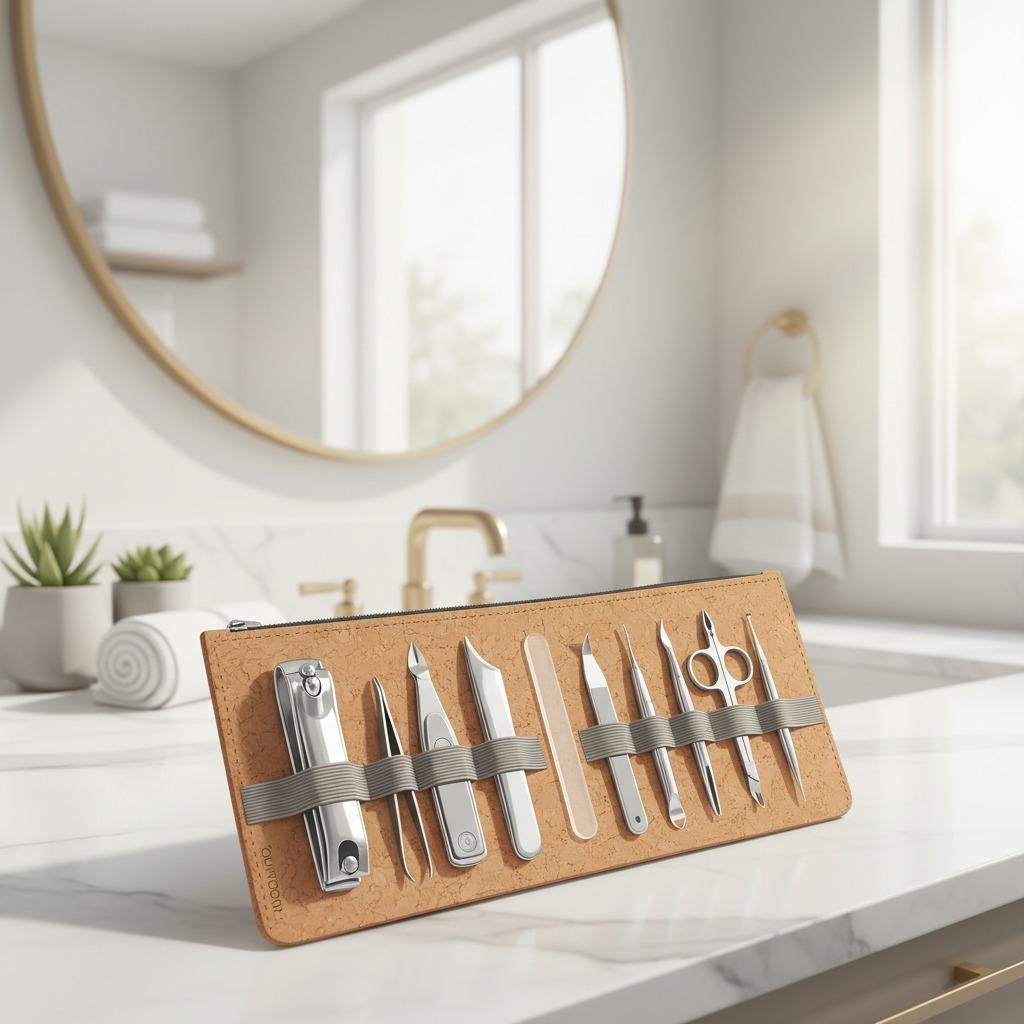
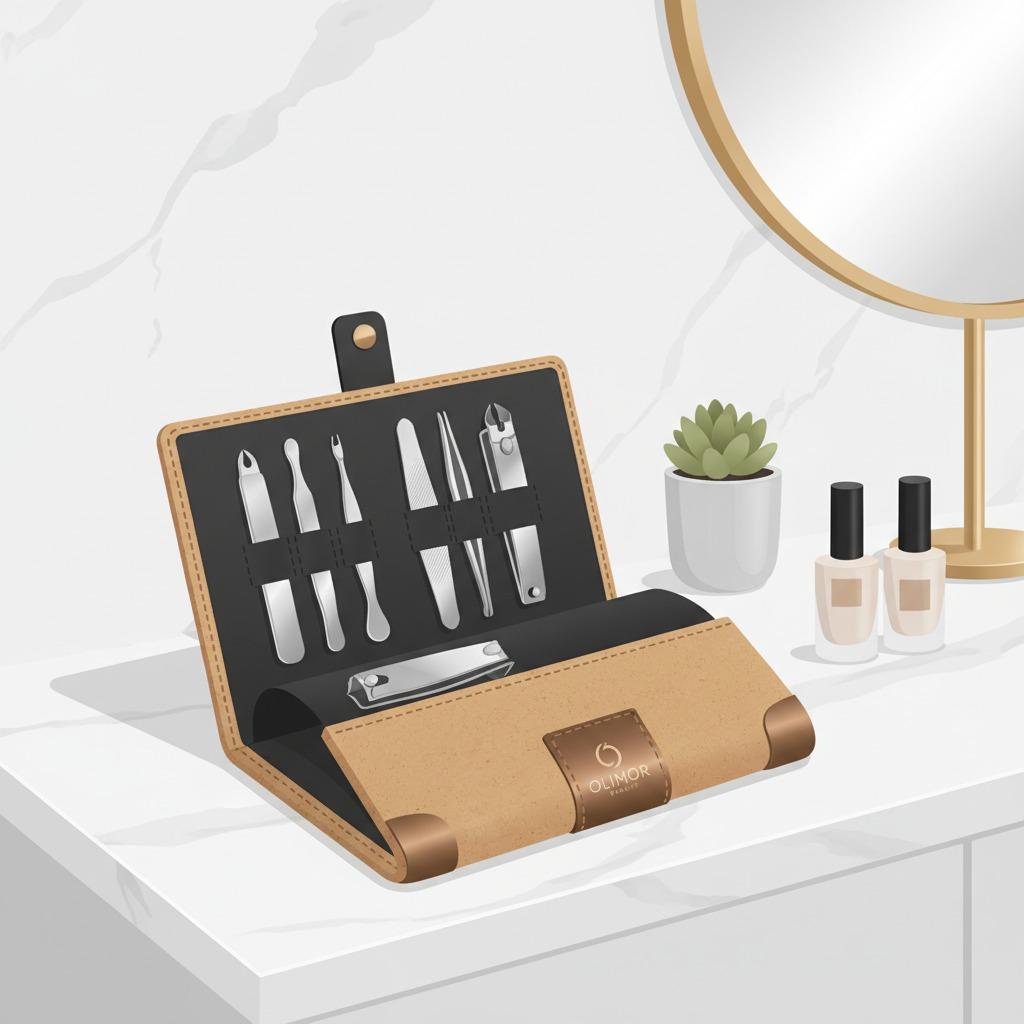
Tweezers have a long shelf life, compact packaging footprint and broad user base, which makes them attractive for bulk beauty programs. They can be sold as a single everyday tool, included in manicure sets, added to travel grooming kits or paired with brow scissors, nail clippers and facial tools. Unlike trend-driven cosmetics, tweezers are replenishment-friendly: customers replace them when the tips become misaligned, when they want a cleaner personal-use tool or when they need a dedicated pair for a specific purpose.
For wholesale buyers, the challenge is that many tweezers look similar in product photos. The real differences appear in the tension, edge alignment, tip consistency, coating durability and packaging execution. A tweezer that looks acceptable but fails to grip fine hair can generate returns, negative reviews or salon staff complaints. A well-selected tweezer, however, can strengthen trust in an entire grooming assortment.
Before expanding your order quantity, compare options through the way the end user will actually handle the tool. Does it close evenly? Does the tip meet without a visible gap? Is the grip too stiff for repeated use? Is the surface comfortable, or does it become slippery with skincare residue? These details matter more than decorative styling alone.
Choosing the Right Tweezer Type for Your Market
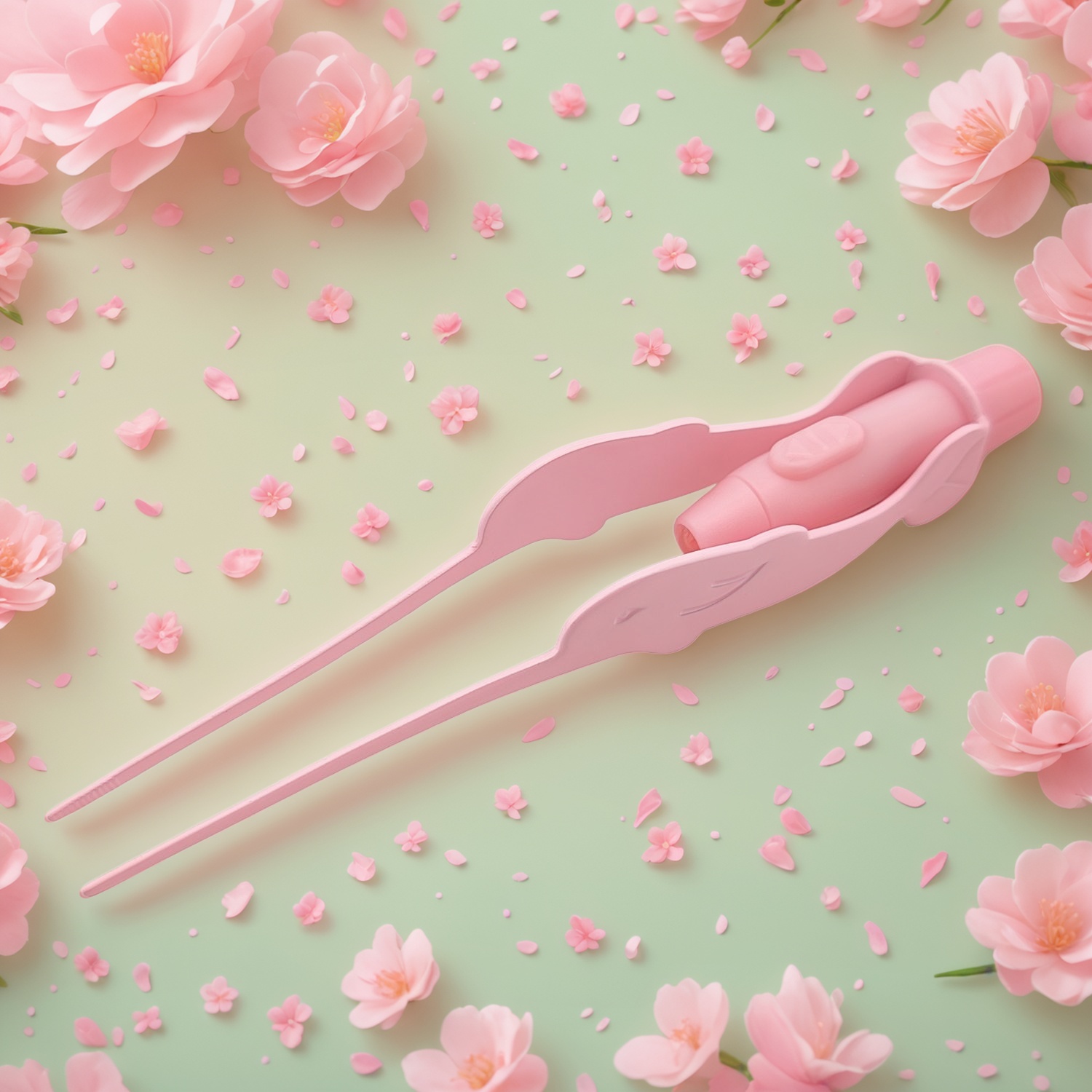
The best wholesale tweezer is not always the most specialized one. It is the one that suits the channel, user skill level and final packaging concept. A brow-focused retailer may want a precise slant tip, while a hotel amenity buyer may prefer a simple and safe general-use shape. Nail art or lash accessory buyers may need more delicate tip control. Consider how each tip style matches the customer’s likely use case.
| Tweezer type | Typical use | Wholesale buying considerations |
|---|---|---|
| Slant tip | Brow shaping and everyday grooming | Often the most versatile choice; check that the angled edges close evenly and grip fine hair without cutting it. |
| Point tip | Detailed work, ingrown hair care, splinter removal | Requires careful packaging to protect sharp tips; best for experienced users or clearly labeled applications. |
| Flat tip | General gripping and cosmetic handling | Less precise for fine brow hair but useful in kits where broad gripping is more important than detailed shaping. |
| Curved or specialty tip | Lash handling, nail art or specific beauty tasks | Suitable for targeted assortments; confirm the intended application and user instructions before bulk purchase. |
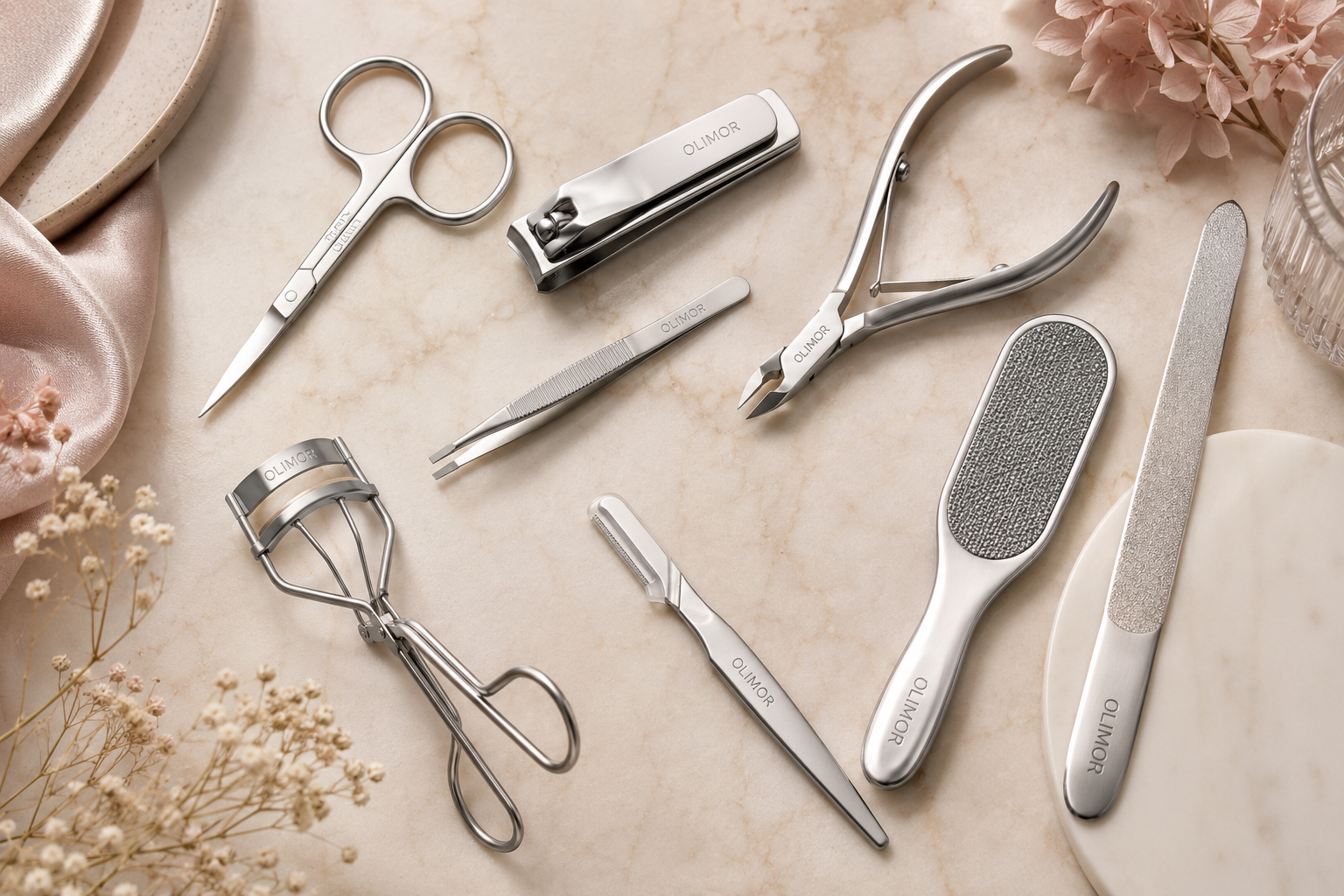
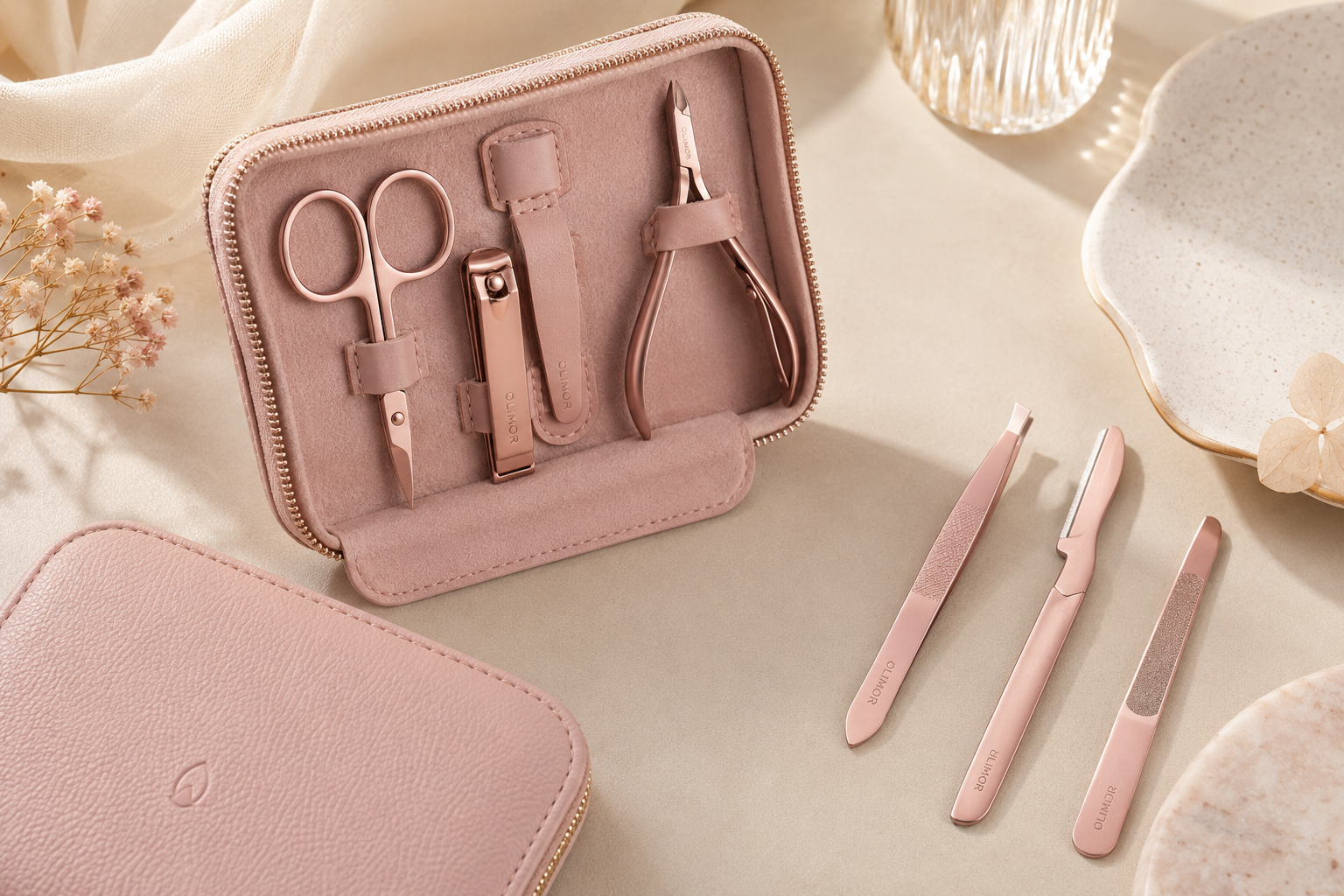
When building a product line, avoid adding too many nearly identical tweezers. A focused assortment is easier for shoppers and sales teams to understand. For example, one everyday slant tweezer, one precision point tweezer and one kit-friendly basic option may serve more customers than five finishes of the same tool. You can review broader category ideas through Olimor’s beauty tool products and compare how tweezers may fit beside other grooming items.
Quality Checks That Matter in Bulk Tweezer Orders
Quality assurance for tweezers should be practical and repeatable. The purpose is not only to inspect finished appearance, but to confirm that the tool performs the same way across a bulk lot. Because tweezers depend on fine contact between two arms, small variations can change performance noticeably.
Useful inspection points include:
- Tip alignment: Both sides should meet cleanly when closed. A visible offset can reduce grip and frustrate users.
- Closing tension: The tweezer should not feel too loose or too stiff. For salon or brow use, repeated squeezing should remain comfortable.
- Grip performance: Test with fine hair or a similar thin material to confirm the tips can hold without slipping.
- Edge finish: Tips should be smooth enough for safe handling while still effective for the intended purpose.
- Surface consistency: Look for scratches, uneven coating, discoloration, burrs or rough edges that may affect perceived quality.
- Packaging protection: Tips should not be damaged during transport. Pointed or precision styles may need caps, sleeves or secure inserts.
- Batch consistency: Randomly compare multiple units instead of judging a shipment by one sample.
Wholesale buyers should also think about the buyer journey after delivery. If tweezers are going into a retail display, the product must look consistent under store lighting. If they are going into amenity kits, the packaging must be compact and easy to handle at scale. If they are being sold online, the tool must match the product images and description closely to reduce customer dissatisfaction.
Eco-Conscious Sourcing Without Empty Claims
Interest in eco-friendly personal care tools is growing, but sustainability claims need to be specific. A buyer should separate meaningful decisions from broad marketing language. For tweezers, environmental considerations may involve material durability, packaging reduction, recyclability of packaging components, shipment efficiency and product lifespan. A tweezer that lasts longer and avoids unnecessary replacement can support a lower-waste approach, even when the tool itself is small.
When comparing recyclable grooming tools in bulk, review the full presentation rather than the metal tool alone. Is the item packed in excessive plastic? Can the retail card, pouch or outer carton be simplified? Does the packaging communicate disposal or recycling information clearly where appropriate? Are finishes selected for durability rather than short-term visual appeal? These are practical questions that help create a more responsible product offer without making unsupported environmental promises.
For brands developing an eco-conscious line, minimal packaging can be a strong design direction. A simple protective sleeve, paper-based card or compact carton may be more aligned with customer expectations than heavy decorative packaging. However, protection cannot be sacrificed entirely. Damaged tips create waste, complaints and replacement shipments. The best approach balances material reduction with secure transit and usable retail presentation.
Wholesale Applications: Retail, Salon, Hotel and Kits
Different sales channels call for different tweezer decisions. A beauty retailer may want an attractive finish and hangable packaging. A salon supplier may prioritize performance, repeat-use comfort and easy sanitation practices. A hotel amenity buyer may prefer compact, simple grooming tools that fit within a broader guest care kit. A distributor may need a flexible option that can serve several downstream customers.
Use the following selection process before finalizing a bulk order:
- Define the end user: Brow customer, salon professional, hotel guest, travel shopper or general grooming user.
- Select the tip type: Match the tweezer shape to the main task instead of choosing by appearance first.
- Decide the packaging role: Retail display, e-commerce shipping, kit insertion or hospitality distribution.
- Set inspection expectations: Tip alignment, closing tension, surface finish and packaging protection should be reviewed consistently.
- Compare sustainability choices: Look at durability, packaging material, pack size efficiency and waste reduction opportunities.
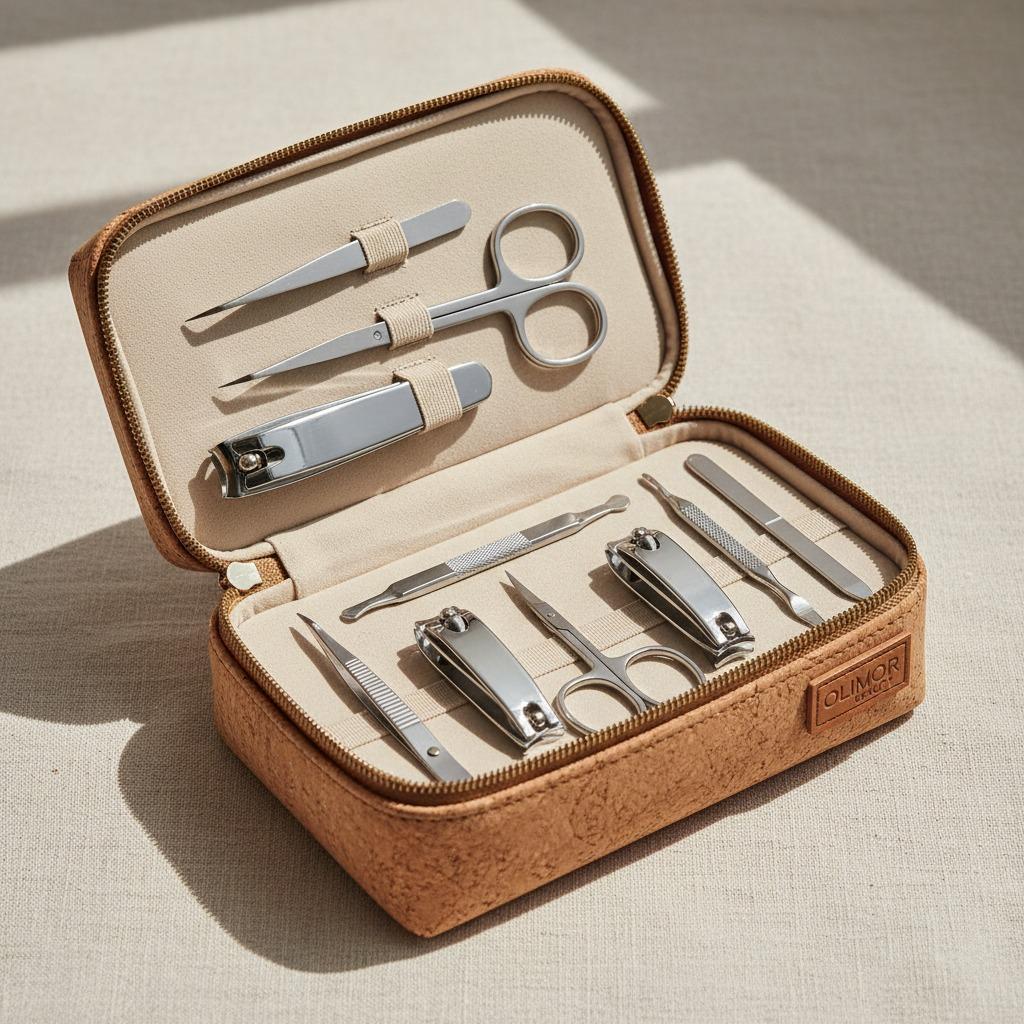
- Plan the assortment: Position tweezers alongside complementary tools such as nail clippers, brow scissors or manicure items.
Olimor Beauty can be considered as part of a broader sourcing plan for beauty and manicure tools. Buyers exploring related categories can browse product collections to think about how tweezers may be combined with other personal care items for retail sets, travel kits or salon supply programs.
Packaging and Presentation Details Buyers Should Not Overlook
Packaging affects both product protection and customer perception. For tweezers, packaging must prevent tip damage, communicate the intended use and support the buyer’s sales channel. A precision pointed tweezer needs more protective consideration than a basic flat tip. A retail item may need clear front-facing information, while a kit component may only need compact hygienic wrapping.
Common packaging questions include whether the tweezer should be visible, whether a tip guard is needed, how instructions or warnings should be presented, and whether the package size fits existing displays or kit compartments. Buyers should also consider barcode placement, language requirements for their market and whether the product name describes the tip type clearly. Ambiguous labeling can lead customers to buy the wrong tweezer for their task.
For online sales, packaging should also support photography and shipping. If a surface finish is reflective, product images must show the shape and tip clearly. If the packaging is too delicate, it may arrive bent or scuffed even when the tool is usable. A product that arrives looking worn can still trigger complaints, especially in beauty categories where cleanliness and presentation matter.
Building a Better Inquiry for Wholesale Tweezers
A strong inquiry saves time and helps suppliers understand your real sourcing needs. Instead of asking only for a general price, prepare a concise brief that includes the intended market, quantity range, tip style, preferred finish, packaging type and any sustainability priorities. If you are comparing several tweezer types, separate them clearly so each option can be evaluated on its own merits.
Your buyer brief may include:
- Target sales channel, such as retail, salon supply, hotel amenity, e-commerce or gift set.
- Preferred tweezer tip shape and intended use.
- Packaging preference, including minimal, retail-ready or kit-ready formats.
- Appearance expectations, such as matte, polished or coated finish, if relevant.
- Inspection priorities, especially tip alignment and gripping performance.
- Environmental goals, such as reduced packaging or recyclable packaging components where feasible.
- Destination market requirements for labeling, safety language or compliance review.
If you are ready to compare options for a wholesale program, you can send an inquiry with your project details. For questions about assortment planning or product fit, you may also contact Olimor and outline your channel, packaging needs and target customer.
Final Buying Perspective
Tweezers wholesale sourcing should be judged by performance, consistency and suitability for the buyer’s channel. A good product decision considers more than appearance: the tip must align, the tension must feel controlled, the surface should be clean, and the packaging should protect the tool while supporting the selling context. For eco-conscious beauty tool programs, the most useful approach is to focus on durable design, thoughtful packaging and clear communication rather than broad unsupported claims.
By defining the use case, choosing the right tweezer type and setting practical quality checks, buyers can build a more reliable grooming assortment. Whether the goal is a salon-ready brow tool, a retail beauty accessory, a travel kit component or a hotel amenity item, careful sourcing helps protect both customer experience and brand reputation.