Tweezers Wholesale Buying Guide for Beauty Tool Brands
Tweezers are small products, but they carry a surprising amount of responsibility for a beauty brand. A customer may use them for brow shaping, splinter removal, false lash placement, nail art details or general grooming. If the tips do not align, the grip feels slippery or the finish wears quickly, the product can damage trust in the whole line. That is why tweezers wholesale sourcing should be treated as a precision purchasing decision rather than a simple accessory order.
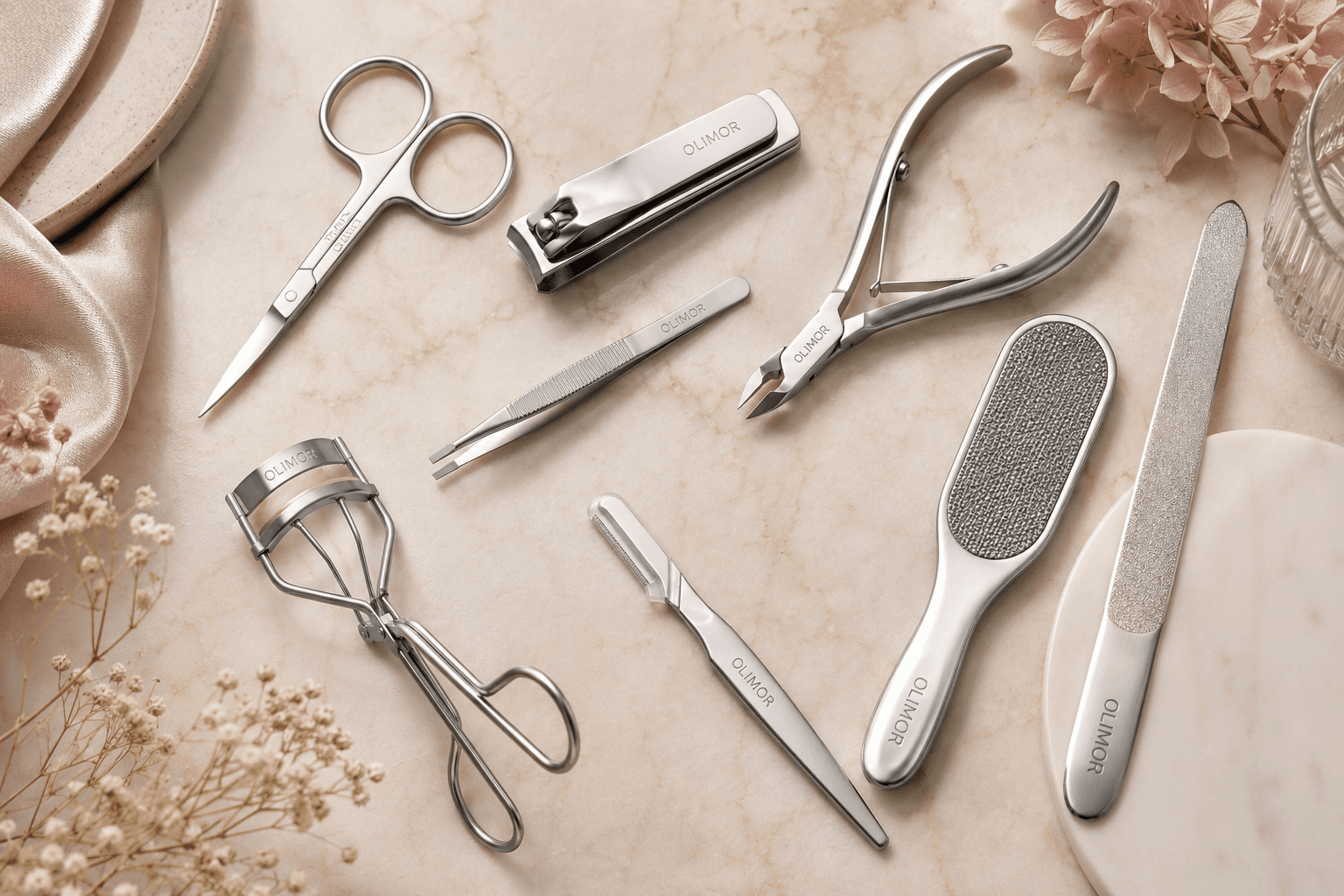
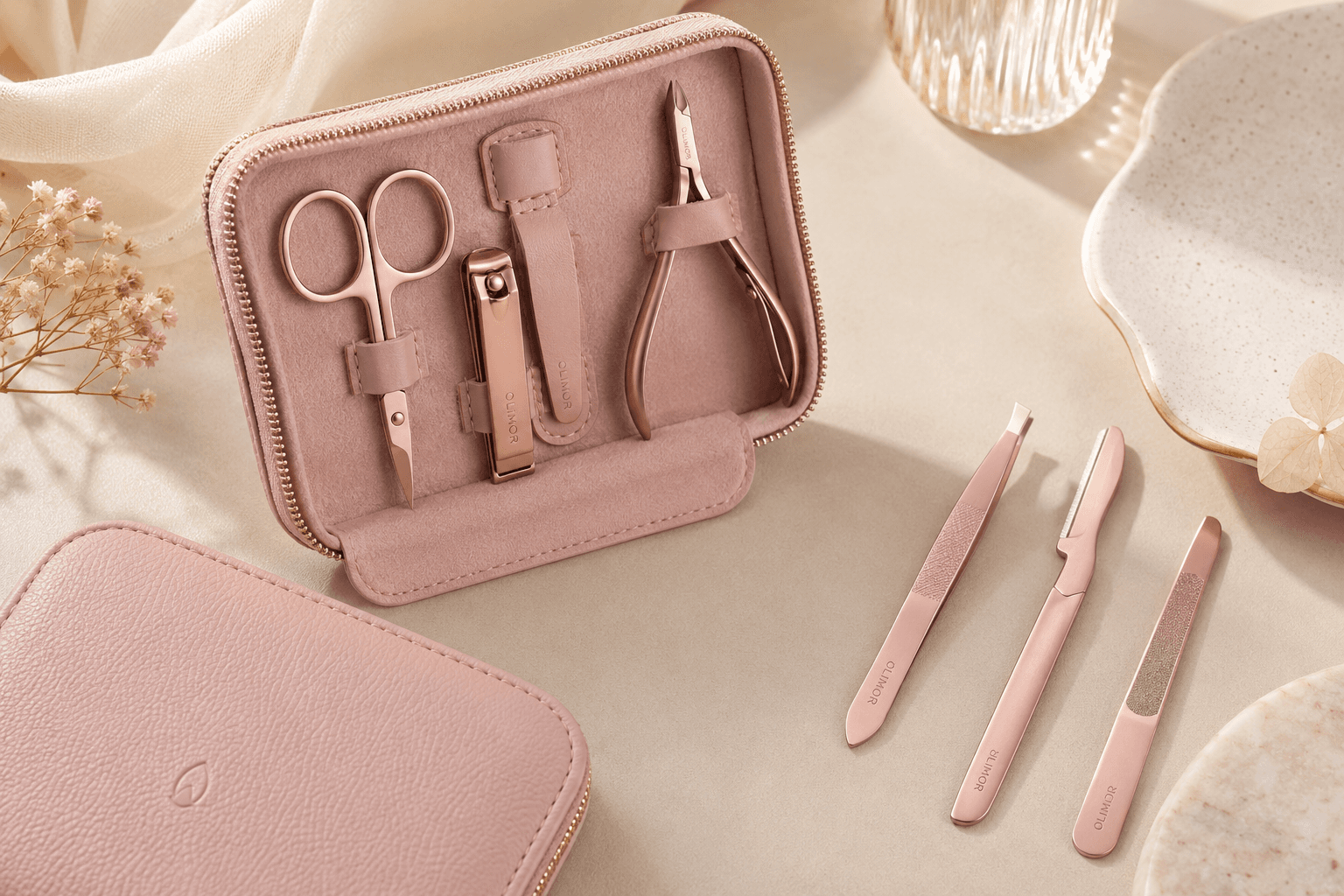
For retailers, salon suppliers, private label brands and beauty kit developers, the goal is not only to find a competitive unit price. The better question is whether the tweezer design, manufacturing consistency, packaging and inspection process match the customer you want to serve. Olimor Beauty works in the beauty tools category with manicure and grooming tools, including compact tweezer options for brands that need practical tools for retail, kits or promotional assortments. This guide explains how to evaluate tweezers wholesale with a buyer’s eye.
Why Tweezers Remain a Strong Wholesale Category
Tweezers are easy to underestimate because they are compact and familiar. In wholesale purchasing, however, they offer several advantages. They are lightweight, easy to include in manicure sets, suitable for travel grooming kits and commonly purchased as both individual items and add-on products. Their low storage burden makes them attractive for online sellers and distributors managing multiple beauty tool SKUs.
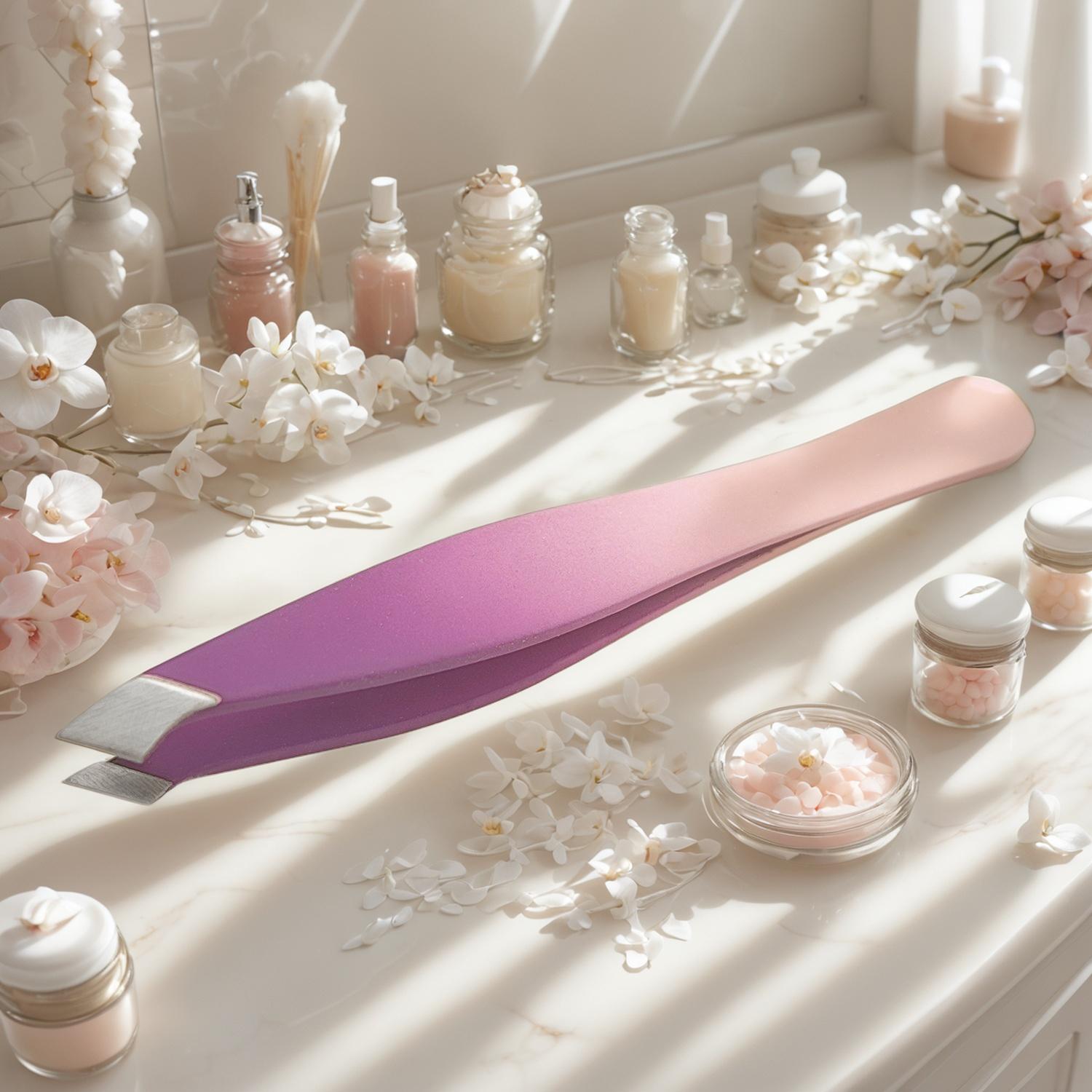
Demand also comes from different use cases. A consumer may need a slant-tip tweezer for eyebrow maintenance, a pointed-tip tweezer for detailed grooming or nail art, or a compact mini tweezer for a pouch or travel case. Professional users often care about repeatable tip alignment and hand comfort, while retail customers may respond strongly to color, finish and packaging presentation. These differences make tweezers a flexible wholesale product, but they also mean buyers should define the intended channel before confirming a style.
When browsing beauty tool products, compare tweezers not only by appearance but also by application. A decorative finish may help shelf appeal, while a clean tip edge and stable tension determine whether the product will be used again. The best wholesale selection balances both.
Key Tweezer Features Buyers Should Compare
Before placing a wholesale order, build a clear specification checklist. This helps avoid vague purchasing decisions and makes sample review more consistent across different designs. The exact details will depend on your market, but the following criteria are useful for most beauty tool buyers:
- Tip style: Slant tips are common for eyebrow shaping, pointed tips suit detailed tasks, and flat tips may be preferred for broader gripping needs.
- Tip alignment: The two sides should meet evenly without visible gaps when light pressure is applied.
- Grip tension: The tweezer should close smoothly without feeling too loose or too stiff during repeated use.
- Edge finishing: Edges should feel clean and safe in the hand, with no rough burrs or uncomfortable corners.
- Surface finish: Color, coating or polish should match the brand’s look and withstand normal handling.
- Size and portability: Mini tweezers can work well for travel kits, while full-size tools may suit professional or daily-use ranges.
- Packaging fit: The product should suit the intended retail format, whether a blister card, pouch, box, sleeve or kit insert is used.
For wholesale assortments, it is often practical to carry more than one tweezer format. A compact tweezer can support travel and gift sets, while a standard grooming tweezer may serve as a core retail item. If your buyers include salons or nail technicians, functionality should lead the decision. If your channel is fashion beauty retail, the finish, color and display packaging may carry more weight, but performance still cannot be ignored.
Private Label Tweezers: What to Decide Before Production
Private label manicure tools are popular because they allow a brand to expand a product range without building a dedicated factory operation. For tweezers, private label planning should begin with the customer promise. Is the product positioned as affordable everyday grooming, a professional salon tool, a travel essential or part of a curated manicure set? Each position affects design and packaging decisions.
Branding may include logo placement, color direction, packaging artwork and set configuration. However, buyers should avoid focusing only on decoration. A strong private label tweezer program starts with a reliable base tool, then adds the visual identity around it. If the tool feels inconsistent, attractive packaging will not solve repeat-purchase problems.
| Decision Area | Buyer Question | Why It Matters |
|---|---|---|
| Tool function | Which tip style and size best match the target use? | Function drives customer satisfaction after purchase. |
| Visual finish | Should the tweezer be polished, colored, patterned or kept minimal? | Finish affects shelf appeal and brand consistency. |
| Packaging | Will it sell alone, in a kit or as a promotional item? | Packaging must protect the tips and communicate value. |
| Quality checks | How will alignment, tension and appearance be inspected? | Clear checks reduce variation across wholesale batches. |
Brands developing several products at once can review related product collections to think about how tweezers fit with nail tools, grooming accessories or travel sets. A coordinated range can be easier for retailers to display and easier for customers to understand.
Quality Control Points for Wholesale Tweezers
Quality control for tweezers should be practical and repeatable. Since tweezers are used for precision tasks, small defects are noticeable. A buyer’s inspection plan should include both visual checks and simple functional checks. Look at whether the tips meet cleanly, whether the tweezer arms are symmetrical, whether the finish is even and whether the grip returns naturally after pressure is released.
Packaging inspection is also important. Tweezer tips can be damaged if they move freely inside a package or if a protective cap is missing where one is required. Retail packaging should keep the product clean, visible and secure. For ecommerce, consider whether the package can survive handling without the tweezer pushing through a sleeve or scratching other items in a kit.
A useful sample review process includes the following steps:
- Confirm the intended use case and customer segment before reviewing appearance.
- Test tip alignment with light and moderate hand pressure.
- Check for rough edges, uneven coating or visible marks.
- Use the sample repeatedly to judge comfort and tension.
- Place the sample in proposed packaging to confirm fit and protection.
- Record approved colors, finishes and packaging details for future orders.
This kind of structured review is especially helpful when comparing multiple suppliers or multiple tweezer designs. It turns subjective comments such as “good quality” into clear criteria that can be checked again during production and delivery.
Sourcing from a Manicure Tools Supplier in Guangdong
Guangdong is widely connected with beauty tool and consumer goods manufacturing. For buyers searching for a manicure tools exporter in Guangdong, the advantage is often the ability to discuss not only one item, but also related tools, packaging and assortment planning. Olimor Beauty is located in this supply environment and serves buyers looking for manicure and grooming tool sourcing support.
When evaluating a supplier, buyers should focus on communication clarity, sample consistency and the ability to support the product type you need. A good sourcing conversation should cover the intended market, design preferences, packaging format and inspection expectations. If a supplier understands whether your tweezers are for mass retail, salon distribution, travel kits or brand promotion, the recommendations are more likely to fit the project.
It is also useful to think beyond the first order. If your brand plans to expand into nail files, cuticle tools, grooming sets or compact beauty accessories, working with a professional beauty tools supplier may reduce the complexity of coordinating multiple product lines. You can contact Olimor to discuss sourcing needs or send an inquiry with the product type, quantity expectations, packaging direction and target market.
How to Build a Better Wholesale Tweezer Range
A strong tweezer range is usually simple, not crowded. Instead of buying many similar styles, choose products that solve different customer needs. For example, a basic slant tweezer can serve everyday grooming, a mini tweezer can fit travel and gift sets, and a more refined finish can support a higher retail price point. The right mix depends on your channel and customer expectations.
Consider how the product will be displayed. A single tweezer on a card needs clear visual impact and concise benefit wording. A tweezer in a manicure kit should match the rest of the tools in color and finish. A compact tweezer for travel should feel light but not flimsy. These decisions affect reorder potential because customers judge the product both before and after purchase.
Recyclable grooming tools and environmentally conscious packaging are also receiving more attention in beauty retail. When sustainability is part of your brand direction, review material choices, packaging reduction and recyclability claims carefully. Avoid broad claims unless they are supported by the actual product and packaging details. A clear, modest statement is better than an unsupported marketing promise.
Final Checklist Before Placing a Tweezers Wholesale Order
Before confirming a wholesale order, align your team on the details that affect customer experience. Identify the exact tweezer style, finish, packaging, branding placement and inspection standards. Confirm how samples will be approved and how changes will be recorded. If the order is for private label, make sure artwork, logo size and packaging copy are reviewed carefully before production.
Tweezers may be compact, but they are highly visible in daily grooming. A well-made tweezer can strengthen a beauty tool assortment, support private label growth and create a practical entry point for customers discovering your brand. By focusing on precision, comfort, packaging and supplier communication, beauty brands can source tweezers wholesale with fewer surprises and a better chance of repeat business.
Tag: