How to Choose a Tweezers Supplier for Wholesale and OEM Beauty Tools
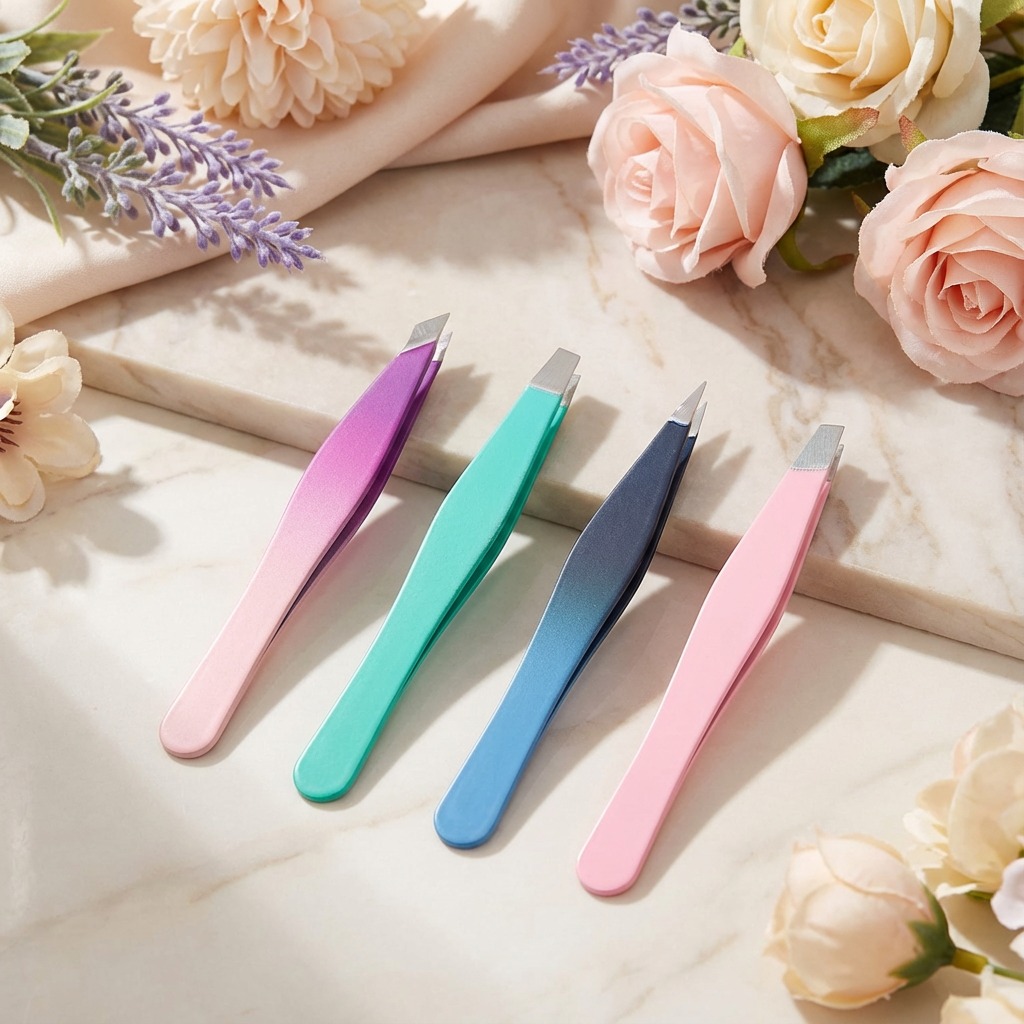
Choosing a tweezers supplier is a practical sourcing decision, not just a catalog selection. Tweezers look simple, but buyers quickly discover that small differences in tip alignment, grip tension, finish, material and packaging can decide whether the tool feels precise or disappointing. For beauty retailers, distributors, salons, brow studios, lash professionals, private-label brands and promotional beauty buyers, the right supplier helps control both daily performance and retail presentation.
Olimor Beauty supplies stainless steel tweezers for wholesale and OEM beauty tool programs, with attention to precision, ergonomic handling, finishing and inspection. This guide explains how to compare a tweezers factory or trading partner before placing a wholesale order, building a private-label product, or adding tweezers to a broader grooming kit.
Start With One Clear Use Case Before Comparing Suppliers
The best tweezers supplier for your business depends on the end user and sales channel. A brow-shaping customer, a lash technician, a salon buyer and a travel kit customer may all expect different handling and tip behavior. Before discussing color, logos or packaging, define what the tool must do best.
For eyebrow shaping, slanted tips are widely used because they help isolate hairs and support controlled plucking. For more detailed work, buyers may evaluate pointed or specialty tips. General grooming tweezers may need a more forgiving feel for everyday users. A tool sold in a beauty gift set may require stronger shelf appeal, while a professional salon product should emphasize consistent closure and comfort during repeated use.
- Application: eyebrow shaping, facial hair removal, lash work, general grooming or multi-purpose beauty kits.
- User type: beginner consumer, daily grooming user, brow studio, lash professional, salon buyer or gift purchaser.
- Sales channel: e-commerce, beauty retail, professional supply, subscription box, promotional set or private-label collection.
- Product format: single retail item, set component, travel tool, brow kit item or broader grooming assortment.
- Positioning: professional control, affordable everyday use, decorative retail appeal or branded OEM differentiation.
When these details are clear, supplier comparison becomes more objective. You can judge whether each sample supports your actual customer need instead of choosing a tweezer that only looks attractive in a photo.
Material and Finish: Why Stainless Steel Is a Practical Choice
Material affects durability, touch, appearance and the way the product is perceived by customers. Olimor Beauty uses stainless steel for tweezers. Stainless steel is commonly used for beauty tools because it supports durability, a clean appearance and resistance to everyday corrosion when properly manufactured and cared for.
For B2B buyers, material selection should be reviewed together with finish quality. Customers often judge a tweezer within seconds of opening the package. Rough edges, visible burrs, uneven color, poor coating or inconsistent polish can weaken confidence before the tool is used. A reliable sample should feel smooth in the hand, close evenly and look consistent with the intended retail or professional positioning.
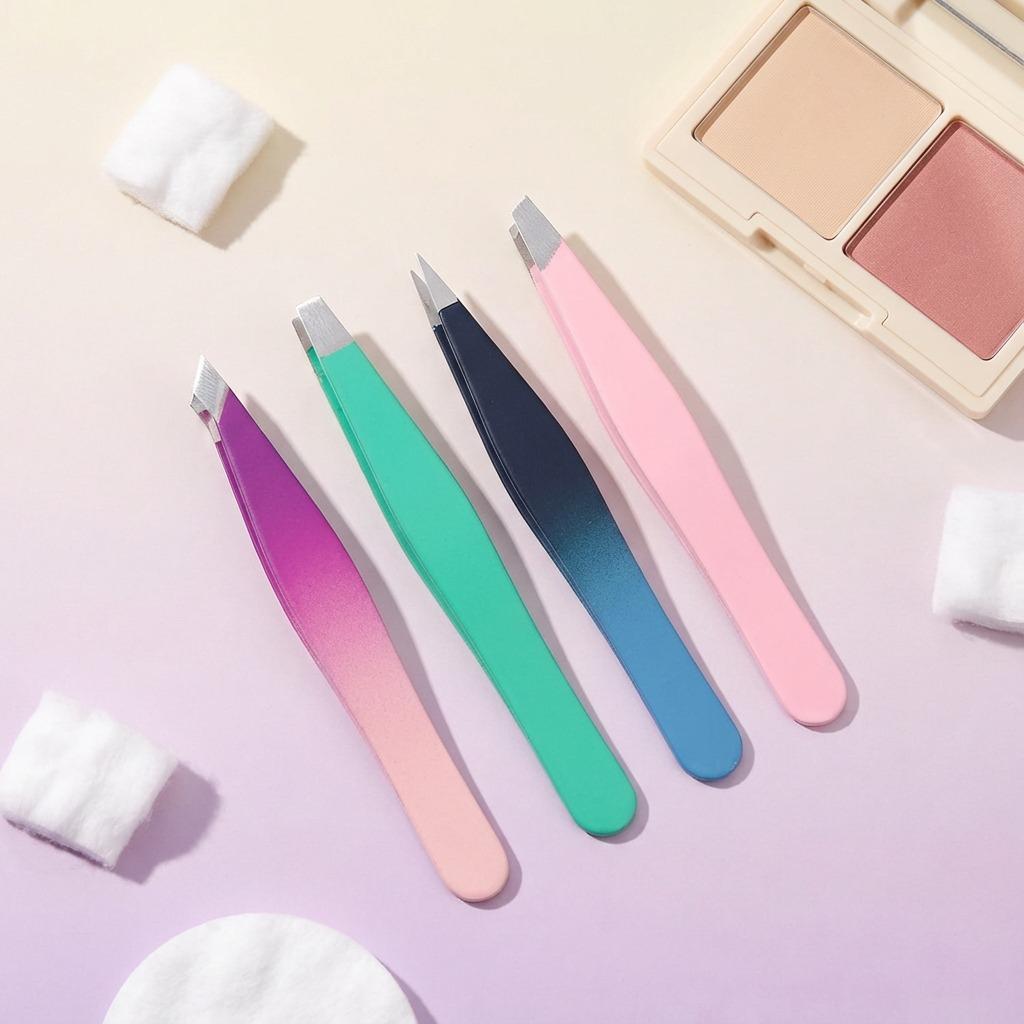
Finish selection should also match the channel. A simple polished or matte surface may suit professional supply programs. A decorative color finish may help a retail line stand out in-store or online. A non-slip grip finish can improve control for brow shaping and other careful grooming tasks. However, decoration should never interfere with the working tip, user grip or cleaning expectations.
If you sell into regions with specific chemical, material or labeling expectations, ask suppliers which public regulations or standards may apply to your product category and market. For example, buyers may need to consider requirements such as EU REACH for restricted substances or ISO 9001 as a general quality management reference when evaluating supplier systems. Always verify the applicable version, product scope and supplier documentation yourself; do not assume a tool or factory is covered without written evidence.
Tip Alignment Is the Core Test of a Tweezers Supplier
The tip is the working part of the tool, and alignment is one of the clearest signs of a capable tweezers manufacturer. The two arms should meet evenly, close smoothly and grip fine hairs or similar thin fibers without slipping. Poor alignment can cause broken hairs, uncomfortable pulling or inconsistent performance across a batch.
Buyers should not approve a supplier based on one attractive sample. Test several units from the same proposed production type. Open and close each pair multiple times, observe whether the tips meet without twisting, and check whether the closure point is stable. The tension should be firm enough for control but not so stiff that it causes hand fatigue.
For professional users, small alignment issues become serious because the tool may be used repeatedly throughout the day. For consumer products, poor grip quickly leads to negative reviews and returns. This is why tip inspection should be part of both sample approval and final shipment checks.
Key Features to Compare Before Ordering Wholesale Tweezers
Before reviewing only cost, define the product standard you expect. Wholesale tweezers need repeatability across units, not just one well-finished reference sample. Use a consistent checklist so your team can compare products, quotes and suppliers fairly.
- Tip style: slanted tips for common brow shaping, pointed or specialty tips for more detailed work, and broader profiles for general grooming where appropriate.
- Tip alignment: the two sides should meet evenly under light pressure without a visible gap at the working edge.
- Grip performance: the tweezer should hold fine hairs or thin fibers securely without requiring excessive pressure.
- Spring tension: opening and closing should feel smooth, balanced and repeatable across samples.
- Hand feel: ergonomic shaping and stable grip help reduce fatigue and improve control.
- Surface finish: color, polish, coating and texture should be uniform and suitable for the sales channel.
- Edge comfort: areas touched by the user should feel smooth, not jagged or unfinished.
- Packaging fit: the package should protect the tips, present the product clearly and suit retail display, set assembly or fulfillment.
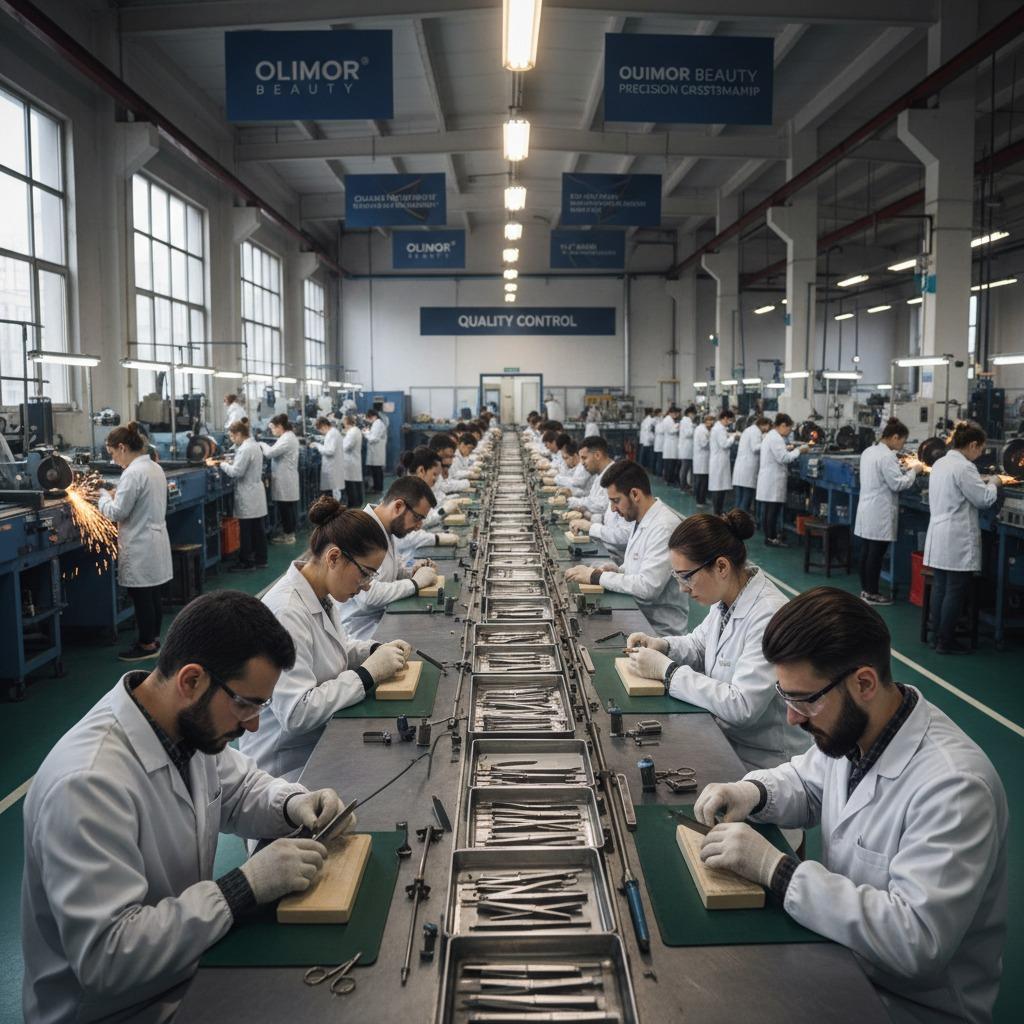
- Inspection process: confirm how raw material selection, shaping, alignment, finishing and final packaging are checked before shipment.
This type of practical evaluation helps avoid a common sourcing mistake: approving tweezers because the finish looks fashionable while overlooking grip, closure and batch consistency.
Wholesale Tweezers vs. OEM Custom Tweezers
Most B2B buyers follow one of two sourcing paths: wholesale tweezers or OEM custom tweezers. Each path can be effective, but they serve different business needs.
Wholesale tweezers are often suitable when you want to add proven items to an existing catalog, test market demand, replenish inventory, or build a retail assortment with less product development complexity. In this route, your evaluation should focus on available tip types, finish options, packaging choices, quality consistency and compatibility with your sales channel.
OEM custom tweezers are better suited for private-label brands, coordinated beauty collections, gift sets, promotional programs or buyers who need a product that matches a specific visual identity. Customization may include color direction, finish style, logo placement, packaging artwork, set configuration and presentation method. Buyers can explore broader product planning through Olimor beauty tool products when considering how tweezers fit with other grooming items.
| Buying Route | Best For | Key Questions | Main Risk to Control |
|---|---|---|---|
| Wholesale tweezers | Retailers, distributors, e-commerce sellers and beauty supply channels adding existing tweezer options | Which tip styles, finishes and packaging formats are available? Can quality remain consistent across repeat orders? | Choosing by price or appearance without testing grip, alignment and finish consistency |
| OEM custom tweezers | Private-label brands, promotional buyers, beauty kits and coordinated product collections | What can be customized without affecting usability? How will samples be approved before production? | Adding color, coating, logo or packaging changes that weaken handling or tip protection |
How to Prepare an OEM Tweezers Brief
A clear brief saves time and reduces unnecessary revisions. Instead of requesting a generic custom tweezer, describe the user, task, style and quality expectations. The supplier can then recommend a more suitable product direction.
- Define the target user. State whether the product is for beginners, daily grooming users, makeup artists, lash technicians, salons, retail gift buyers or promotional recipients.
- Identify the main task. Brow shaping, fine hair removal, lash-related work and general grooming may lead to different tip and tension choices.
- Describe the visual direction. Include preferred color families, finish effects, packaging mood and any brand rules.
- Explain the sales format. Specify whether the tweezer is a standalone retail item, part of a set, a travel item or a component in a larger beauty kit.
- List approval checks. Review sample alignment, tension, coating consistency, logo placement, packaging fit and tip protection before confirming production.
If you are planning a private-label line, you can compare formats across Olimor beauty tool collections to keep color, finish and presentation consistent across related items.
Sample Testing Checklist for Precision Tweezers
Sample testing should be structured and repeatable. If several people on your team review the product, ask them to score the same criteria instead of giving only general comments. This separates personal preference from real performance issues.
| Checkpoint | What to Look For | Why It Matters |
|---|---|---|
| Tip closure | Tips meet evenly at the working edge under light pressure | Improves accuracy and reduces slipping during brow shaping or fine hair removal |
| Hair grip | Holds fine hairs or thin fibers without excessive force | Shows practical plucking performance, not just visual quality |
| Handle feel | Comfortable pressure, stable grip and balanced tension | Supports repeated use and reduces hand fatigue |
| Finish consistency | Color, polish or coating appears even across multiple samples | Protects retail presentation and brand image |
| Edge comfort | No rough, jagged or unfinished areas where the user holds the tool | Improves perceived quality and user comfort |
| Tip protection | Packaging or cap helps protect the working edge during storage and shipment | Reduces the risk of damage before the customer receives the product |
| Branding clarity | Logo, artwork and package information are clean and correctly positioned | Creates a more professional OEM or retail result |
Keep notes during sample review and compare units side by side. If a decorative finish, grip texture or package structure changes after the first sample, request a revised sample rather than assuming performance will remain the same.
Packaging and Retail Presentation
Packaging is more than decoration. It should protect the working tip, communicate the product clearly and match the sales channel. A tweezer sold through a beauty boutique may need display-friendly packaging and a finish that photographs well. A professional salon tool may use a more restrained presentation with a stronger focus on precision and handling. A grooming kit requires packaging that fits efficiently with other tools without damaging the tweezer tip.
For OEM programs, confirm details such as artwork placement, insert card content, barcode location, warning or care text where applicable, and how the product will be held inside the package. If the tweezer is part of a set, review visual consistency with other tools in the same kit.
Cost Factors Buyers Should Discuss Without Reducing Quality
Price matters, but the lowest quote may not be the lowest-risk choice. Tweezers are high-touch items, and customer complaints often come from details that were not controlled during sourcing. Cost can be affected by material selection, tip type, finishing method, color treatment, logo process, packaging complexity, inspection expectations and order structure.
Instead of asking only for the cheapest option, ask what changes would affect cost and what risks those changes create. For example, a simpler finish may reduce complexity while still fitting a professional channel. A more decorative coating may support retail appeal but should be checked carefully for uniformity and grip comfort. Packaging upgrades can improve shelf presence, but they should also protect the working tip and suit your fulfillment process.
A good supplier conversation connects cost with function, presentation and inspection. This helps buyers make informed decisions rather than cutting details that customers will notice immediately.
Supplier Evaluation Questions for Wholesale and OEM Programs
Use direct questions when comparing tweezers suppliers. Clear answers help you understand whether the supplier is prepared for B2B requirements, not only one-time sample sales.
- Which stainless steel tweezer styles are available for wholesale supply?
- Which tip styles are most suitable for brow shaping, fine hair removal, lash-related use or general grooming?
- How are tip alignment, tension, finish and packaging checked before shipment?
- Can several samples from the same production type be reviewed before approval?
- What color, finish, logo and packaging customization options can be considered for OEM tweezers?
- How should buyers provide artwork, packaging direction and quality expectations?
- What documents can the supplier provide for the specific order, material, packaging or compliance needs?
- How are sample approval and production confirmation handled?
These questions are especially important for international wholesale tweezers because buyers often manage retailer expectations, online reviews and repeat orders across multiple markets.
Why Work With Olimor Beauty for Tweezers Sourcing
Olimor Beauty supports B2B buyers looking for wholesale tweezers and OEM custom tweezers for professional and retail beauty applications. The product focus includes stainless steel construction, ergonomic handling, precision-oriented tips, finish options and quality checks from material selection through final packaging.
For buyers, the value is in combining function and presentation. A tweezer must grip well, feel comfortable, look consistent and fit the intended sales channel. Whether you are building a retail assortment, developing a private-label beauty tool, or adding tweezers to a grooming kit, the sourcing conversation should include tip performance, finish, packaging and inspection rather than price alone.
To discuss a wholesale or OEM tweezer project, share your target use, preferred finish, packaging direction and quality expectations through the Olimor product inquiry form. For broader sourcing questions, you can also contact Olimor Beauty with your project details.
FAQ
Can I request tweezers samples before placing a wholesale or OEM order?
Yes, sample review is an important step. Buyers should test more than one unit where possible and check tip alignment, grip, tension, finish consistency, logo placement if applicable, and packaging fit before approving an order.
Does Olimor provide custom tweezers for private-label beauty brands?
Olimor Beauty supports OEM custom tweezers, including decisions such as color direction, finish style, branding and packaging concept. Final options depend on the selected tweezer type and project requirements.
What MOQ or lead time should buyers expect?
MOQ and lead time depend on the product style, customization level, packaging requirements and order plan. Buyers should confirm these details directly during quotation instead of assuming a fixed number.
What quality checks should be discussed before shipment?
Discuss raw material selection, tip alignment, spring tension, surface finishing, edge comfort, coating consistency, branding accuracy, packaging protection and final inspection. Ask for documentation relevant to your specific order and market.
How should I choose between a standard wholesale tweezer and an OEM custom tweezer?
Choose wholesale tweezers when you need an efficient catalog or retail addition with less development work. Choose OEM custom tweezers when your brand needs custom color, packaging, logo placement or a coordinated private-label product range.
Tag: