Choosing a Tweezers Supplier for Precision Beauty, Lash, Brow and Craft Work
A good pair of tweezers looks simple, but anyone who works with eyebrow shaping, lash extensions, small components or detailed craft work knows how much the tool affects accuracy. The grip, tip alignment, spring tension, edge finish and surface feel can determine whether a task is clean and efficient or frustrating and inconsistent. For brands and professional buyers, choosing the right tweezers supplier is not only about finding a product that looks acceptable in photos. It is about selecting a manufacturing partner that understands precision work, repeatable quality and the needs of end users.
Olimor Beauty supplies tweezers for beauty and precision applications, including OEM options for businesses that want to develop their own line of tools. This guide explains how to evaluate tweezers for professional use, what to consider when exploring customization, and how to make sourcing decisions that support long-term product consistency.
What Professional Buyers Should Expect from a Tweezers Supplier
Professional buyers often compare tweezers by price first, but the most important differences are usually found in performance details. A reliable tweezers supplier should be able to support stable production, reasonable customization discussion and careful inspection at multiple stages. For beauty tools, consistency matters because customers expect each unit in a retail pack or salon kit to feel similar in the hand.
When reviewing potential suppliers, focus on the practical questions that affect real use. Do the tips meet evenly? Is the tension comfortable for repeated squeezing? Are the edges finished smoothly enough for close work near the skin? Does the tool hold fine hairs, lashes or small items without slipping? These details influence product reviews, repeat orders and professional trust.
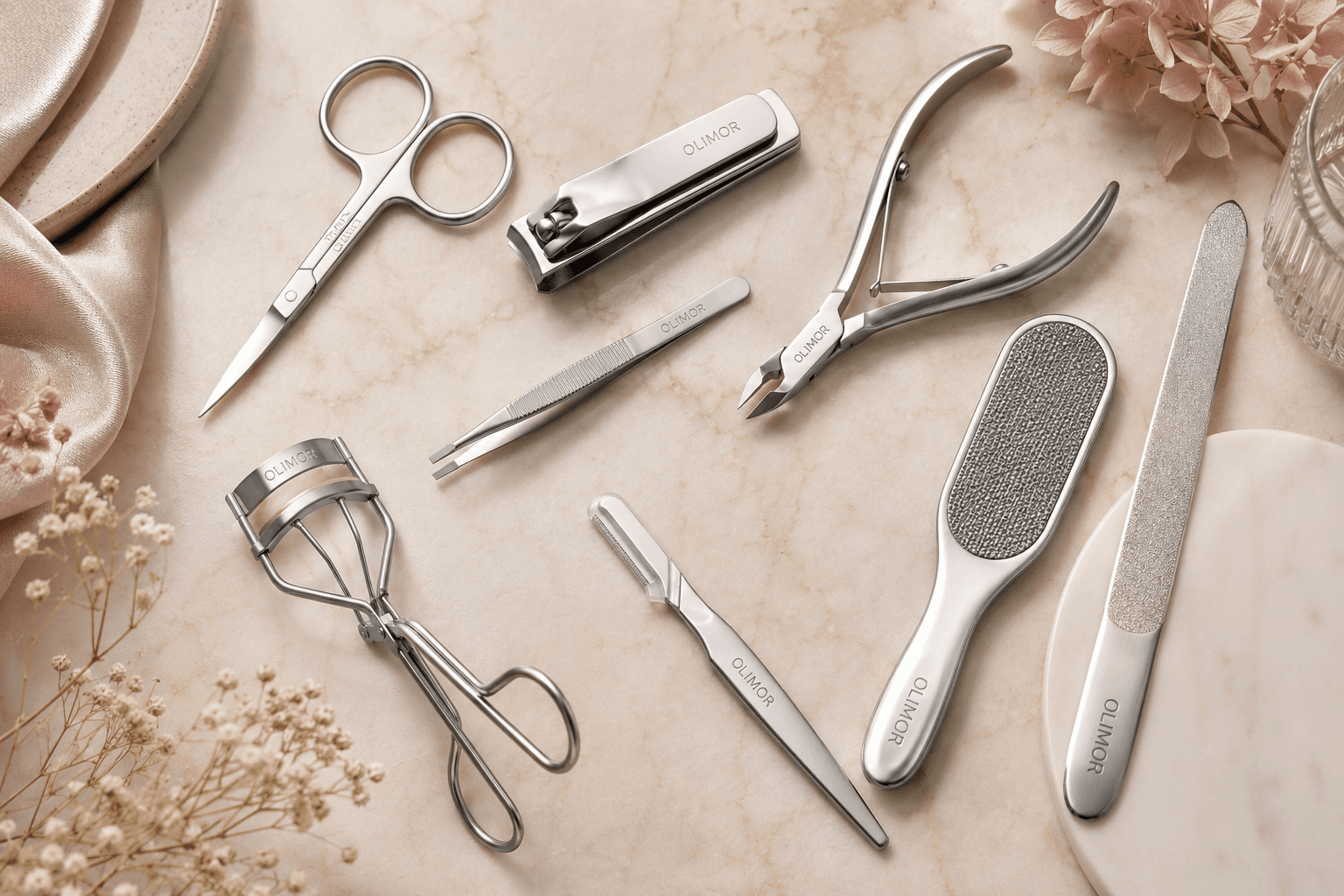
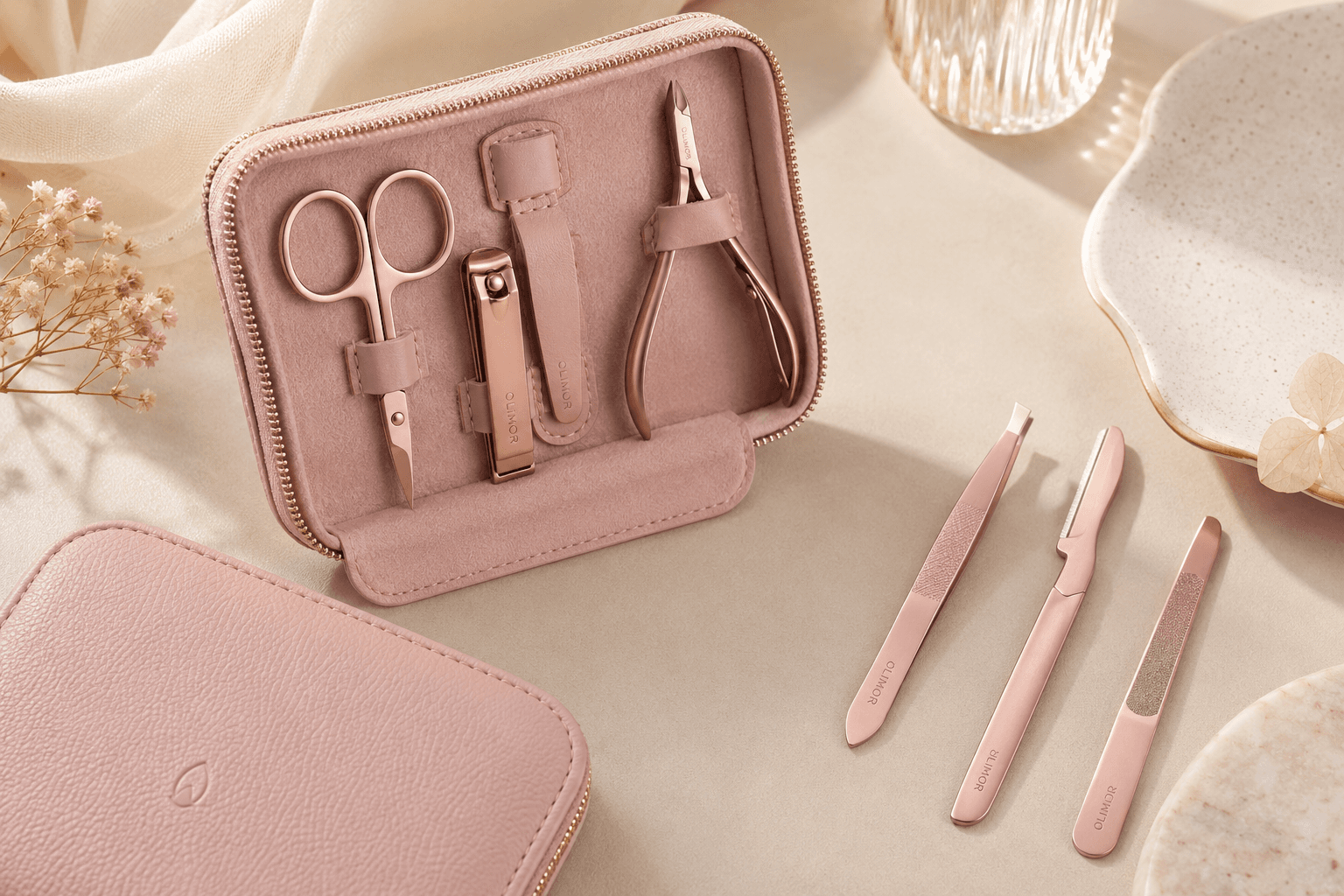
For a broader view of available categories, buyers can review Olimor beauty tool products and compare how tweezers fit into a wider personal care or professional tool assortment.
Matching Tweezer Design to the Intended Use
Not every tweezer design serves the same task. A brow artist may prefer a tool that grips short hairs cleanly, while a lash technician needs controlled pickup and placement. Craft and jewelry users may focus on fine handling of small components. Before choosing a supplier or placing an OEM order, define the exact work the tweezers must perform.
- Eyebrow shaping: Look for clean tip contact, controlled tension and smooth finishing around the gripping area to support accurate hair removal.
- Lash extension work: Curved or specialty tip shapes can help with isolation, pickup and placement, depending on the technician’s method.
- General beauty kits: A balanced stainless steel tweezer with a comfortable grip may be suitable for retail sets and everyday grooming.
- Craft or jewelry work: Tip precision, visibility and grip stability are important when handling tiny decorative parts or components.
- Professional salon supply: Durability, repeatable shape and consistent feel across batches are especially important for users who work with tweezers daily.
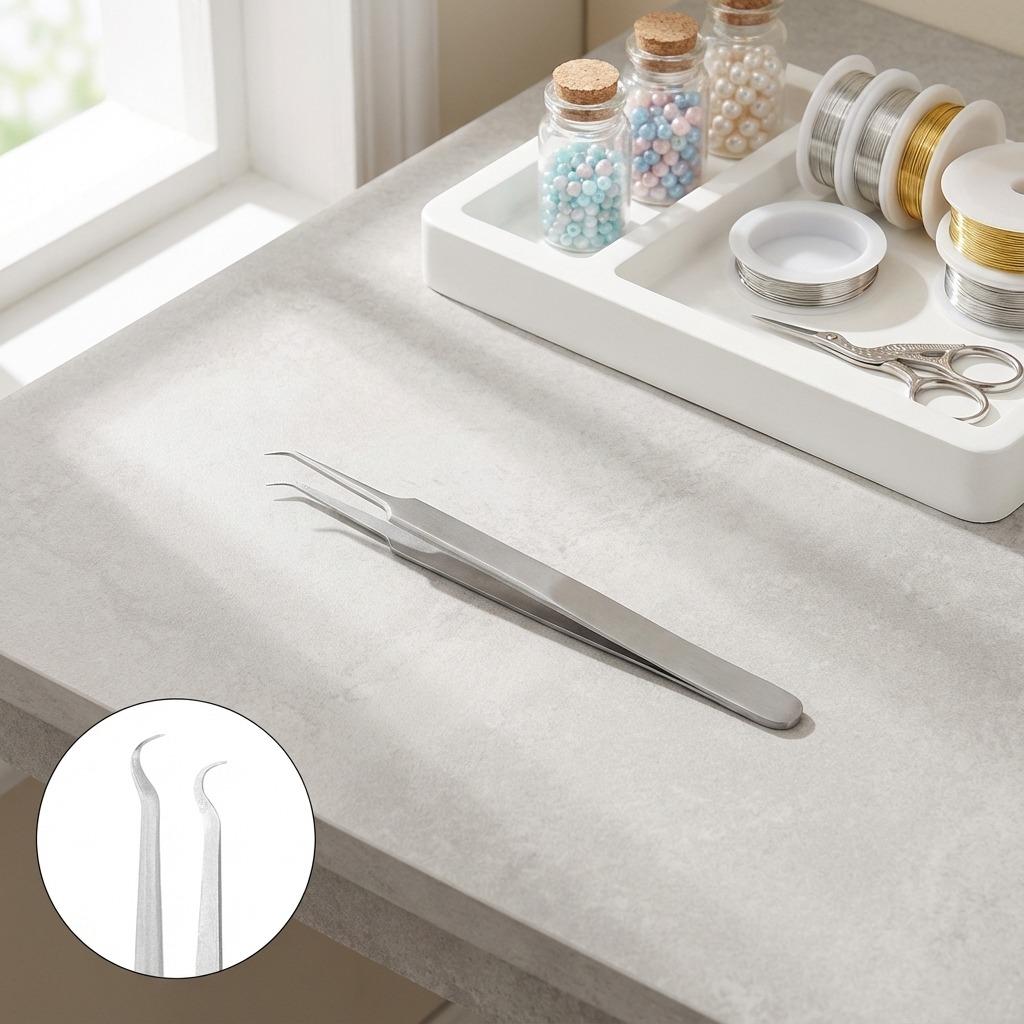
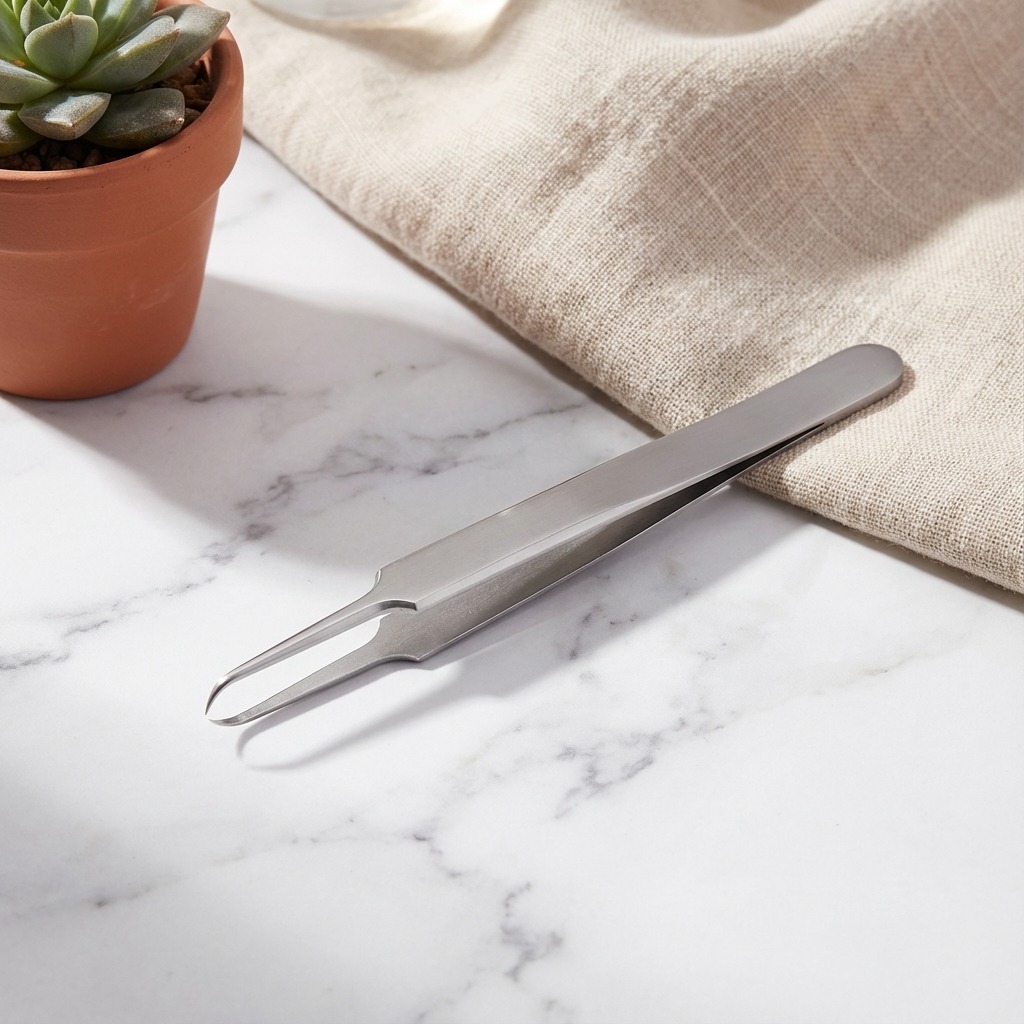
The original product focus includes stainless steel tweezers and a Precision Curved Tweezers option with curved tips. Curved tips can be helpful where the user needs access from an angle or a more controlled approach to tiny hairs or components. The right choice depends on the intended technique, packaging concept and target customer.
Key Quality Details to Review Before Ordering
Quality inspection for tweezers should be practical and use-based. A polished finish is useful, but it does not prove that the tool will perform well. Buyers should create a review process that checks appearance, function and user comfort together. If possible, evaluate samples with the same tasks your customers will perform.
| Quality point | Why it matters | What to check |
|---|---|---|
| Tip alignment | Uneven tips can miss fine hairs or small items. | Close the tweezers gently and check whether the contact is even. |
| Grip performance | Good tweezers should hold the target without excess force. | Test on fine hair, lash fibers or small craft pieces depending on use. |
| Hand tension | Too much tension can cause fatigue; too little can reduce control. | Use the tool repeatedly and note comfort during longer tasks. |
| Surface finish | Rough edges can feel uncomfortable and reduce perceived quality. | Inspect edges, shoulders and gripping surfaces for smoothness. |
| Packaging readiness | Retail buyers need tools that arrive clean, protected and presentable. | Review how the product is protected during handling and shipment. |
Stainless steel construction is commonly selected for beauty tweezers because it supports durability and a clean appearance. The supplied product information also notes a sleek silver finish and corrosion resistance. Even with these advantages, buyers should still verify how the finish, tip condition and grip feel match their own market requirements.
OEM Tweezers: When Customization Makes Sense
Tweezers OEM services are useful when a business wants more than an off-the-shelf item. A brand may need a specific tip shape, surface look, logo position, packaging style or ergonomic preference. Salons, distributors and retail brands may also want a cohesive tool line that aligns with other beauty accessories.
Customization should begin with the end user, not only with appearance. A tweezer that looks distinctive but feels uncomfortable will not support repeat purchases. When planning an OEM project, define the function first, then refine the visual details. For example, if the product is aimed at brow professionals, gripping short hairs should be the priority. If it is intended for lash extension work, tip angle, pickup control and hand comfort may be more important.
Useful OEM planning points include:
- Application: Decide whether the tweezers are for brows, lashes, grooming kits, crafts or multi-purpose retail use.
- Tip shape: Consider straight, angled, pointed or curved concepts based on the work being performed.
- Material and finish: Confirm the desired look and the practical requirements for cleaning, handling and durability.
- Ergonomics: Review width, tension, contact area and the way the tool sits in the hand.
- Brand presentation: Plan logo placement, packaging and product information so the final item is clear to buyers.
Businesses comparing product directions can also browse Olimor product collections to think about how tweezers may sit alongside other beauty tools in a complete range.
Design Your Own Tweezers with Ergonomics in Mind
The option to design your own tweezers is valuable because small ergonomic differences can have a large effect during repeated use. A professional may squeeze the same tool hundreds of times in a working day. If the arms are awkward, the tension is too stiff or the gripping area is uncomfortable, fatigue builds quickly. Good ergonomics do not need to be complicated; they need to match the task and the user.
For precision work, comfort and control should be considered together. A tool that is too light may feel unstable for some users, while a tool with excessive pressure may be tiring. Tip visibility also matters. Curved tips, such as those described for the Precision Curved Tweezers, can help users approach tiny hairs, lash fibers or components from a controlled angle. For buyers developing a customized design, sample testing with actual users is one of the most useful steps.
Instead of relying only on drawings, evaluate how the prototype behaves in real scenarios. Ask testers to comment on grip security, hand comfort, tip visibility and ease of cleaning. This feedback can help refine a design before it becomes part of a retail or professional product line.
Questions to Prepare Before Contacting a Supplier
A productive supplier conversation starts with clear requirements. You do not need every technical decision finalized, but you should understand your product direction. Preparing details in advance helps avoid vague quotations and makes sample evaluation more efficient.
- Who is the target user: retail consumer, brow artist, lash technician, salon buyer or craft user?
- What task should the tweezers perform best: hair removal, lash handling, component placement or general grooming?
- Do you need a standard product, an OEM version or a fully customized design direction?
- What type of packaging and branding presentation will your sales channel require?
- How will you evaluate samples: by appearance, tip alignment, gripping performance, comfort or all of these?
- Are there market-specific labeling, packaging or compliance expectations to consider?
Once these points are defined, you can send an inquiry with a more complete brief. If you need help narrowing down the most suitable direction, you can also contact Olimor to discuss product goals and sourcing considerations.
Why Supplier Consistency Matters for Beauty Tool Brands
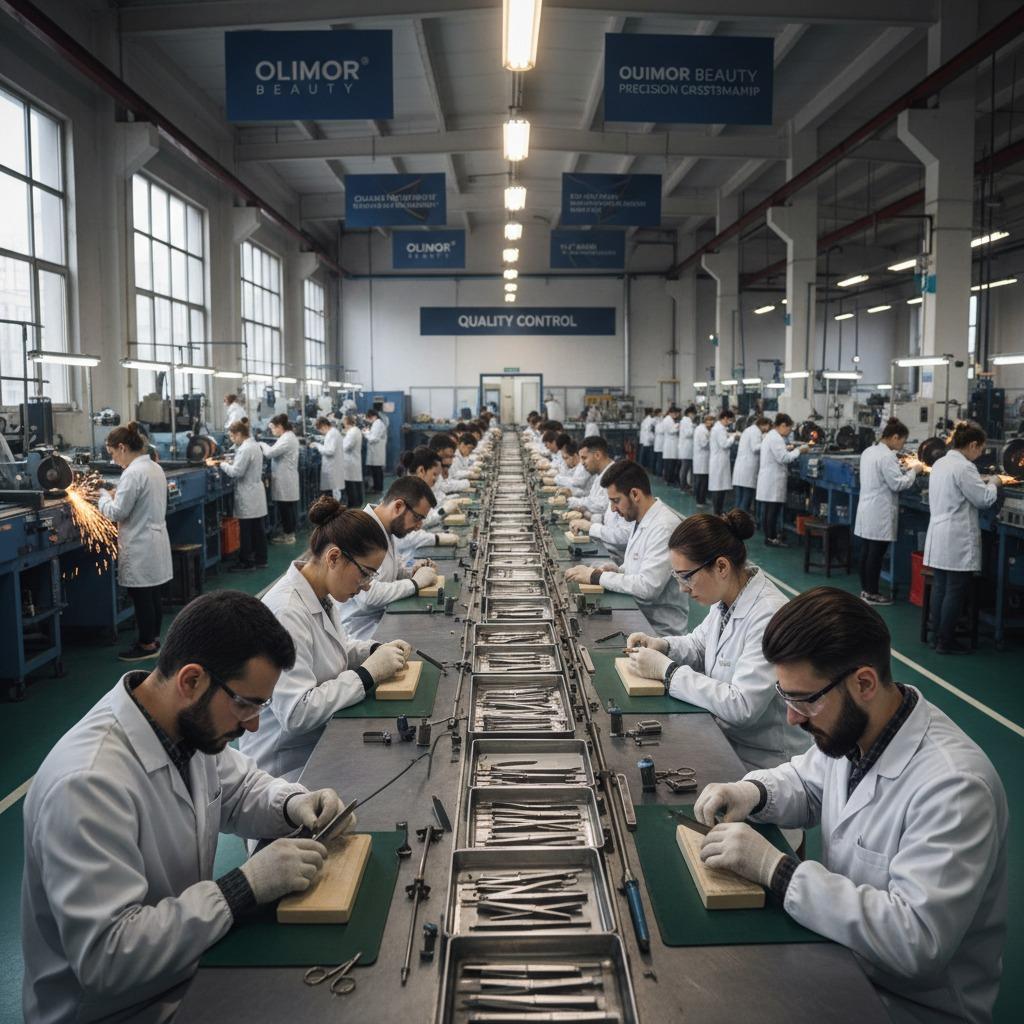
A single good sample is important, but long-term consistency is what protects a beauty tool brand. Tweezers are judged by touch and performance, so variations in alignment, tension or finishing can be noticed quickly by professionals. Reliable sourcing should therefore include quality checks from raw material review through final packaging, as described in the supplied product information.
For growing brands, supplier choice can also affect future product development. If your first tweezer line performs well, you may later add curved, angled or specialty versions. Working with a supplier familiar with OEM communication can make it easier to refine designs, compare samples and build a cohesive assortment over time.
Olimor Beauty supports buyers looking for stainless steel tweezers, precision curved designs and customized OEM solutions. By focusing on intended use, ergonomic comfort and inspection criteria, you can choose tweezers that serve your customers reliably rather than simply filling a catalog page.
Tag: