Tweezers OEM Sourcing Guide for Precision Grooming Brands
Tweezers look simple, but buyers who source them for a beauty brand know how much performance depends on small details. Tip alignment, edge smoothness, hand feel, surface finish and packaging consistency all affect whether a customer keeps the tool in a daily grooming kit or replaces it after a few uses. For retailers, salons, private-label brands and beauty-kit suppliers, a tweezers OEM project should be planned with the same care as any other precision beauty tool.
Olimor Beauty supports tweezers OEM needs for brands that want customized grooming tools without setting up in-house manufacturing. The focus is on precision stainless steel tweezers made for professional and personal use, with fine aligned tips, rust resistance, ergonomic handling and quality checks from raw materials through final packaging. This guide explains how to evaluate OEM tweezers for bulk orders and how to make sourcing decisions that protect your brand reputation.
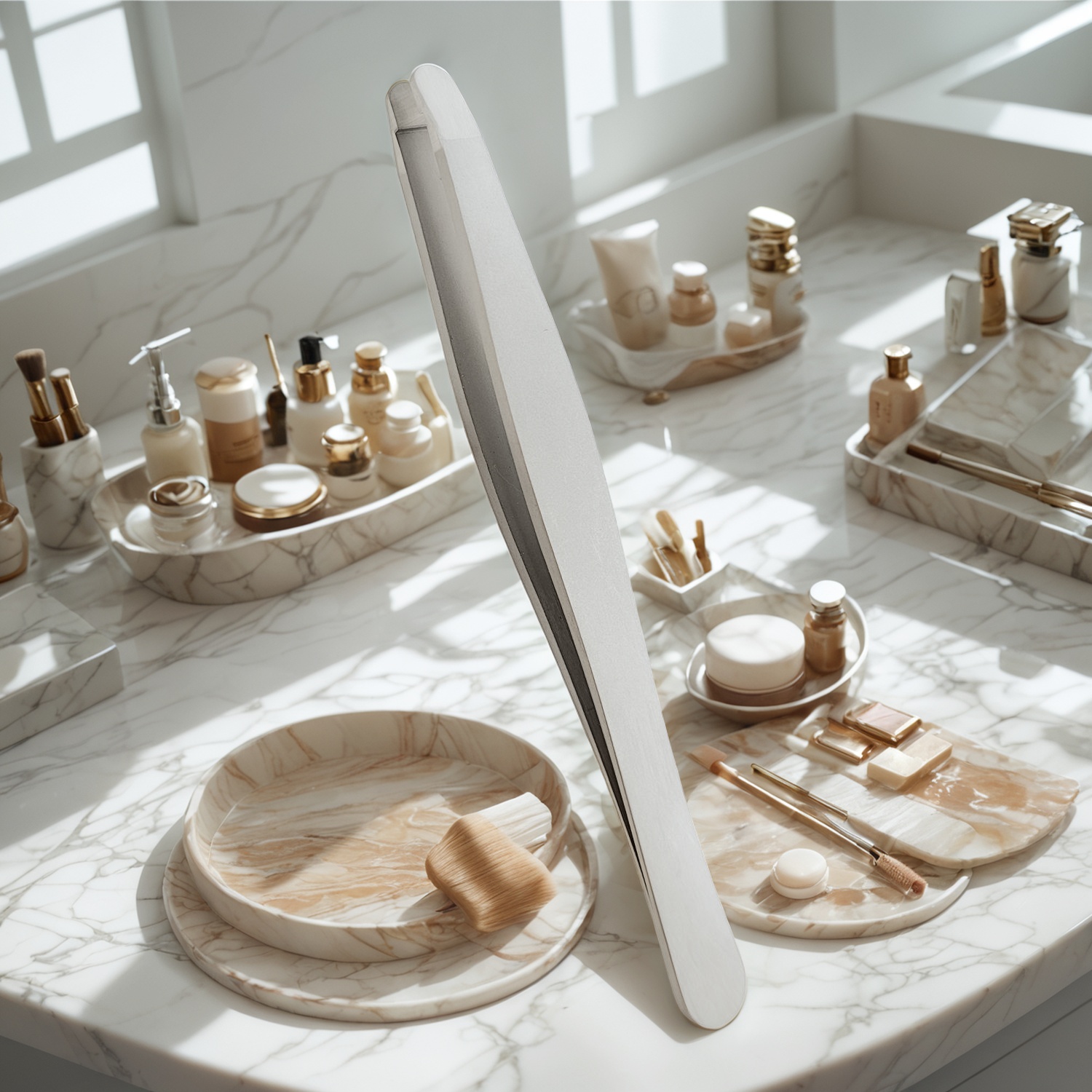
What a Tweezers OEM Project Should Define First
Before comparing suppliers or requesting a quotation, define the user scenario. A tweezer for eyebrow shaping, a travel grooming kit and a professional salon kit may look similar online, but the priorities can differ. Eyebrow tools need accurate gripping at the tip. Travel kits benefit from compact, lightweight construction. Professional users often care about comfort during repeated use and consistent tension from piece to piece.
A practical OEM brief should describe the intended customer, the sales channel and the grooming task. If the tweezers will be sold as part of a larger beauty set, consistency with the rest of the kit may matter as much as the tool itself. If they are sold as a standalone precision tool, the buyer should pay closer attention to the finish, hand feel and tip protection.
Olimor Beauty’s precision stainless steel tweezers are designed around the core requirements that matter in these applications: durability, rust resistance, fine aligned tips and a grip-friendly shape. These are not decorative details. They are the features that determine whether the tool can pick fine hairs cleanly, remain comfortable in the hand and keep its appearance through normal grooming use.
Tip Alignment Is the Main Performance Test
The most important part of any tweezer is the meeting point of the tips. If the tips do not meet evenly, the tool can slip, break hairs, pinch skin or require extra pressure. That creates frustration for home users and slows down professional work. In an OEM order, tip precision should be treated as a measurable quality priority rather than a general promise.
Buyers should review samples under practical conditions. Use the tweezers on fine hair-like fibers, check whether both tips close at the same time, and test whether the gripping surface holds without excessive force. The tool should feel controlled, not harsh. Smooth edges are also important because rough finishing can create discomfort during longer grooming sessions.
For eyebrow shaping, aligned tips help isolate a single hair without disturbing the surrounding area. For ingrown hair removal, precision and control are especially important because the task often requires careful handling. While a tweezer is not a medical device, a well-finished grooming tool should support careful use and reduce avoidable pulling or slipping.
Stainless Steel, Finish and Grip: What Buyers Should Compare
Stainless steel is widely used for quality tweezers because it supports durability and rust resistance. In a beauty-tool context, this matters because tweezers may be stored in bathrooms, travel bags, salon stations or retail kits where moisture and repeated handling are common. A tool that stains quickly or feels weak can damage the perceived value of the entire product line.
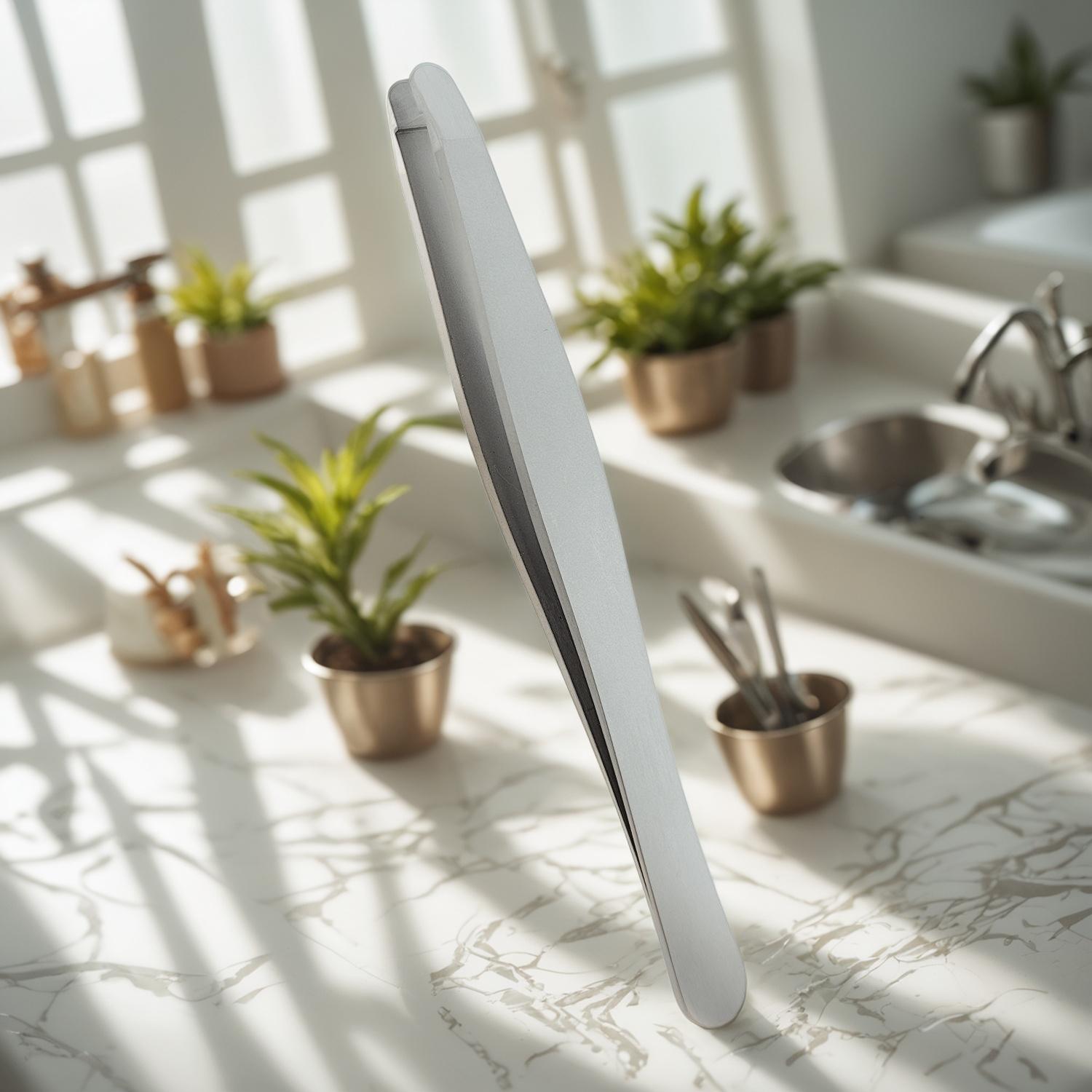
Surface finish also affects daily use. A sophisticated matte finish can reduce glare and create a more refined appearance. Contoured edges and a non-slip grip can make the tool easier to hold, especially when the user is working close to a mirror or using the tweezer for several minutes. These details are useful for both professional and personal grooming customers.
When reviewing samples, look beyond the first impression. Hold the tweezer at different angles, test the tension repeatedly and check whether the surface feels consistent from end to end. A good OEM sample should not have sharp unintended edges, uneven finish, visible burrs or a loose-feeling close. If you are building a branded product range, compare the tweezer finish with other beauty tool products you plan to sell so the final assortment feels coherent.
Bulk Order Tweezers: Quality Control Points That Matter
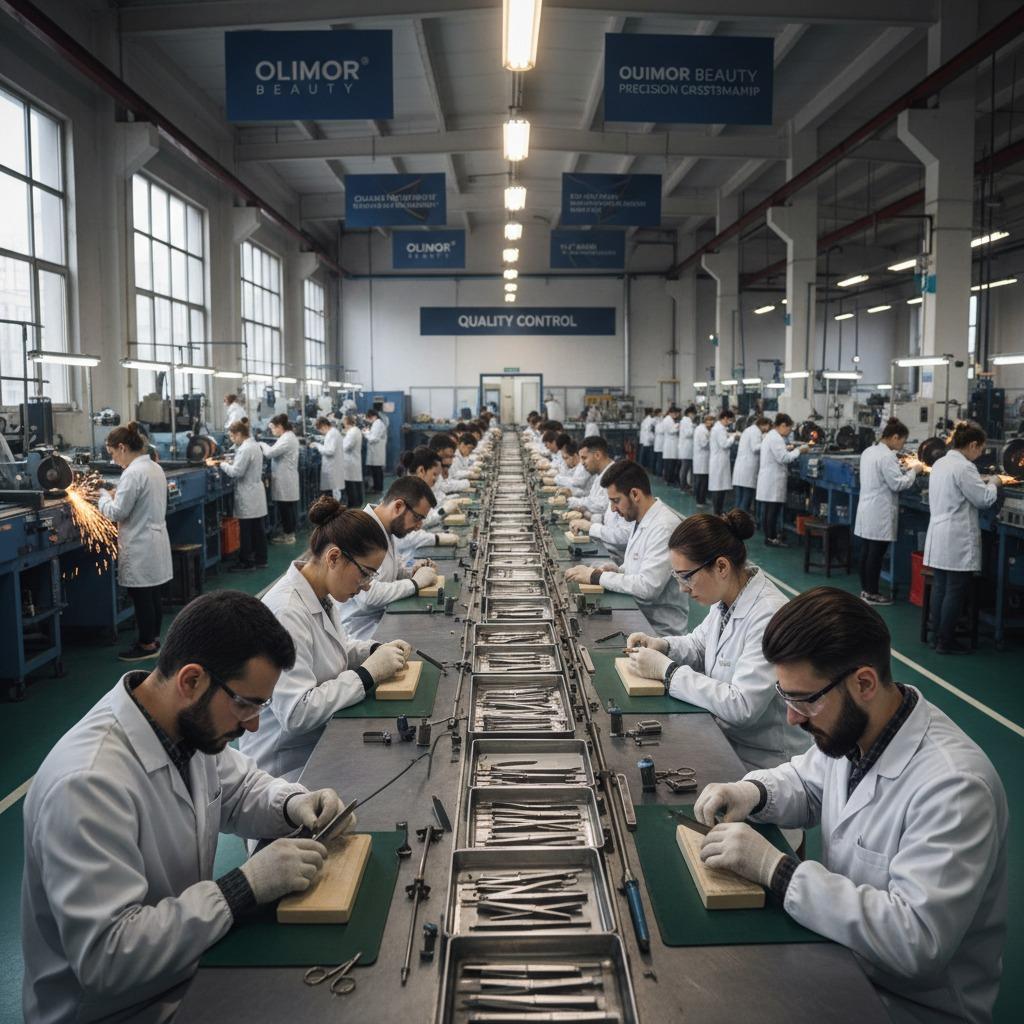
Bulk order tweezers require more than a good sample. The main sourcing risk is variation: one sample may perform well, but the bulk shipment must deliver consistent alignment, surface finish, tension and packaging. Olimor Beauty emphasizes internal controls from raw materials to final packaging, which is important because defects can appear at different stages of production.
Use the following checklist when planning or reviewing a bulk order:
| Quality area | What to check | Why it matters |
|---|---|---|
| Tip alignment | Tips meet evenly with no visible offset | Supports precise hair removal and reduces slipping |
| Closing tension | Tool closes smoothly without feeling weak or too stiff | Improves comfort and control during repeated use |
| Surface finish | Matte finish appears even; no burrs or rough areas | Protects the user experience and retail appearance |
| Edge comfort | Contoured or smooth edges feel comfortable in hand | Helps reduce hand fatigue during grooming |
| Packaging condition | Product is clean, protected and presented consistently | Reduces returns and improves shelf-readiness |
For larger orders, buyers should define acceptable inspection methods before production begins. This does not require overcomplicating the project. A clear approval sample, a shared checklist and consistent packaging references can prevent many common misunderstandings. If the tweezer is part of a kit, inspect the full kit assembly as well, because movement inside packaging can affect presentation during shipping and handling.
Designing Tweezers for Retail, Salon and Travel Kits
The right OEM choice depends on where the product will be used. Retail buyers often focus on shelf appeal, finish consistency and packaging clarity. Salon buyers may prioritize grip, comfort and reliable performance under repeated use. Travel-kit buyers need compact and lightweight tools that still feel precise enough for quick grooming.
Olimor Beauty’s precision stainless steel tweezers are described as lightweight and compact, which makes them suitable for travel kits while still supporting controlled grooming tasks. Smooth edges help with comfort, and ergonomic shaping can reduce hand fatigue. For brands assembling kits, these details can make the difference between a filler accessory and a tool the customer actually uses.
Consider these use-case questions when selecting an OEM direction:
- For eyebrow grooming: Does the tip close accurately enough to grip fine hairs one at a time?
- For professional kits: Is the hand feel comfortable during repeated use?
- For travel sets: Is the tool compact, lightweight and protected inside the package?
- For gift sets: Does the finish match the visual quality of the rest of the assortment?
- For value ranges: Can the design stay reliable without unnecessary decorative complexity?
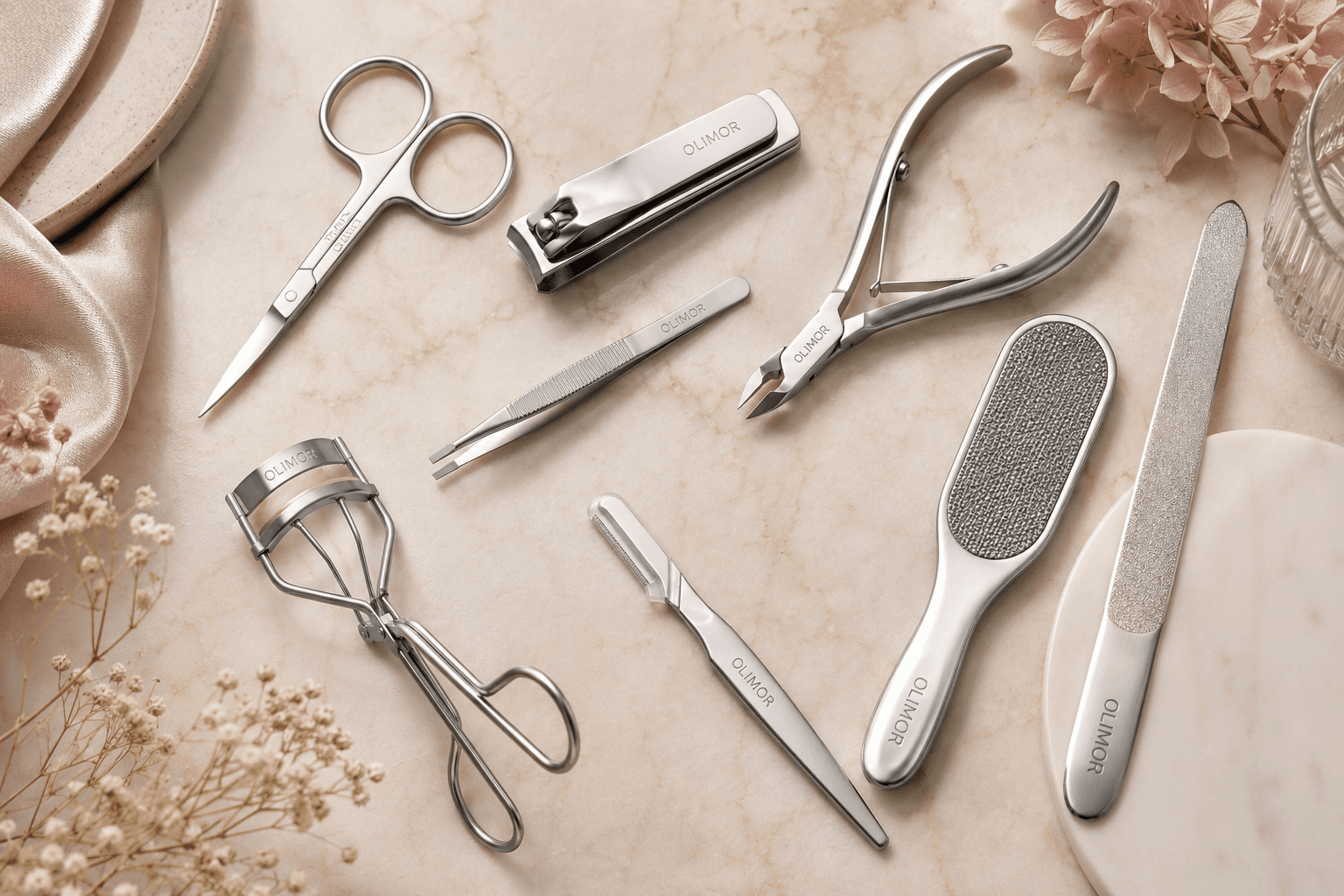
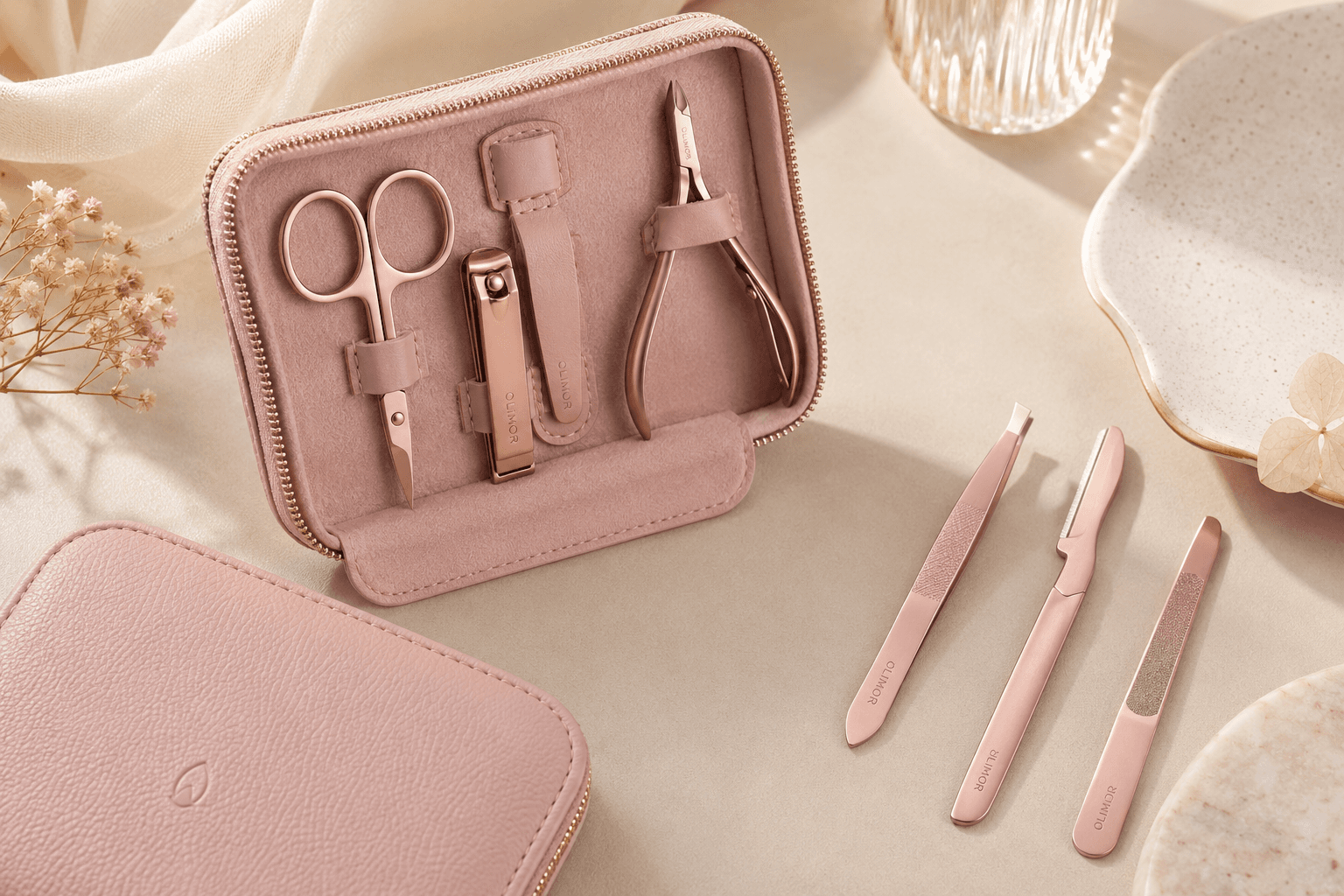
If your brand is expanding into related grooming accessories, browse Olimor’s product collections to think through how tweezers can sit alongside other beauty tools in a consistent range.
Packaging and Branding Decisions for OEM Tweezers
Packaging is not only a visual decision. It protects the tips, communicates the intended use and affects how quickly retail or fulfillment teams can handle the product. For precision tweezers, tip protection is especially important because even a small impact can compromise alignment. Bulk packaging should prevent tools from rubbing against each other, and retail packaging should keep the tweezer secure while allowing a clean presentation.
When planning branded tweezers, decide what information should appear on the package. Simple usage guidance, care instructions and safety notes can reduce confusion. Avoid overclaiming. A stainless steel grooming tweezer can be positioned around precision, comfort, rust resistance and daily grooming convenience, but claims should remain accurate and supportable.
Visual branding should also fit the customer segment. A salon-oriented tool may benefit from a clean professional look. A travel-kit tweezer may need compact packaging that fits easily into a larger set. A beauty gift set may require stronger presentation consistency. These choices should be discussed early because packaging dimensions and materials can affect production planning and final inspection.
Care Instructions That Improve Customer Satisfaction
Even well-made tweezers need basic care. Including simple maintenance guidance in packaging or product pages can reduce complaints and help customers get better results. Stainless steel supports rust resistance, but users should still keep grooming tools clean and dry after use. The tips should not be dropped onto hard surfaces or used for tasks that can deform the gripping edge.
- Wipe the tips after use to remove oil, residue or fine hairs.
- Dry the tweezer before storing it in a bathroom, pouch or travel kit.
- Keep the tips protected so they do not bend or become misaligned.
- Avoid using precision tweezers as a general household tool.
- Check the tips periodically and replace the tool if alignment is damaged.
For brand owners, these instructions are small but valuable. They show that the product has been developed for real grooming use, and they help customers understand why a precision tweezer should be handled differently from a disposable accessory.
How to Evaluate a Tweezers Manufacturer Without Relying on Claims
Search results for the top tweezers manufacturers can be broad and difficult to compare. Instead of relying only on rankings, evaluate whether a supplier can support the specific product you want to sell. A reliable OEM partner should understand tip alignment, material consistency, finish quality, ergonomic handling and bulk-order inspection. Communication should be clear enough to turn a concept into a repeatable product.
Useful evaluation steps include requesting a representative sample, reviewing the surface finish under normal lighting, testing the closing action repeatedly and checking packaging quality. If your brand has an existing product line, compare the tweezer against your current quality level rather than against a generic market sample. Consistency with your own brand promise is the real benchmark.
Olimor Beauty is a practical option for buyers who need OEM tweezers with precision-focused construction, stainless steel durability, fine aligned tips, ergonomic details and bulk-order quality attention. To discuss a new grooming-tool project, contact Olimor or send an inquiry with your target use case, packaging direction and expected quality requirements.
Tag: