Tweezers OEM Sourcing Guide for Beauty Brands and Wholesale Buyers
For beauty brands, distributors, salon suppliers, and grooming tool retailers, tweezers are small products with a large impact on customer satisfaction. A pair that grips cleanly, aligns accurately, and feels comfortable in the hand can become a repeat-purchase item. A poorly made pair can damage trust quickly. That is why choosing the right tweezers OEM partner is not only a purchasing decision, but also a quality-control decision for your brand.
Olimor Beauty works with buyers who need dependable beauty tools for retail, professional, and wholesale channels. This guide explains how to evaluate a tweezers supplier, what to review before placing an OEM order, and how to think about materials, tip finishing, packaging, and international wholesale requirements without relying on vague promises.
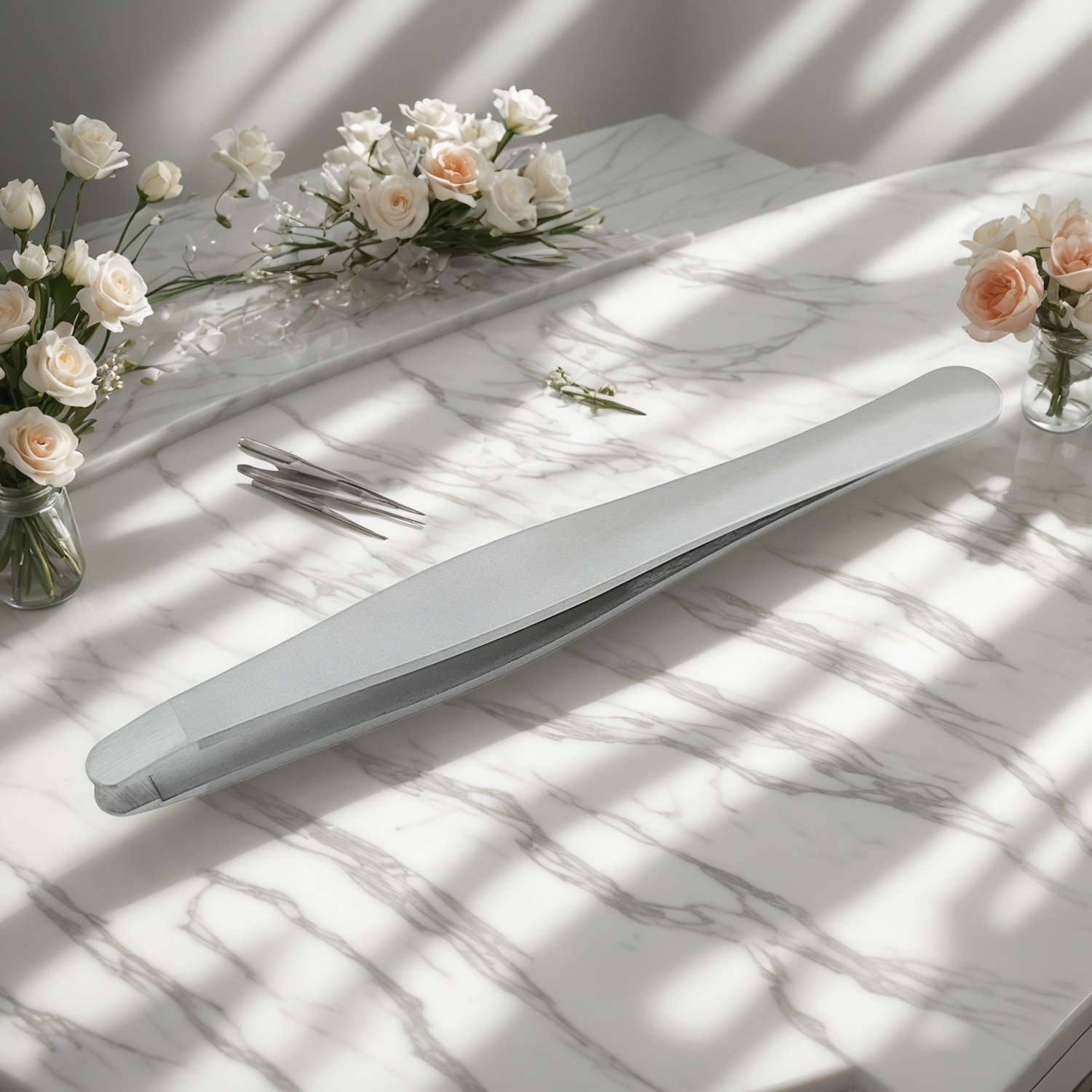
What Buyers Should Expect from Tweezers OEM Manufacturing
Tweezers OEM manufacturing is more than adding a logo to a finished beauty tool. For a buyer, the process should support a consistent product concept, repeatable workmanship, and practical packaging for the intended sales channel. The most important question is not simply whether a factory can produce tweezers, but whether it can control the details that make tweezers feel precise in daily use.
A strong OEM workflow usually starts with product positioning. A tweezer designed for eyebrow shaping may need a different grip feel, tip angle, and finish from one intended for skincare, lash work, or general grooming kits. The supplier should be able to discuss these use cases clearly so that design choices match the audience instead of copying a generic tool.
Olimor Beauty focuses on precision grooming tools and OEM production for buyers who want consistent quality and professional presentation. When reviewing beauty tool products, buyers should look beyond the surface finish and consider whether the tool can be reliably reproduced across future purchase orders.
Tip Alignment, Grip, and Finish: The Details That Decide Quality
The working end of the tweezer determines most of the user experience. Even an attractive finish or premium package cannot compensate for tips that do not meet evenly. A useful inspection should include visual checks, feel checks, and functional checks on sample pieces before confirming bulk production.
Key areas to review include:
- Tip contact: The two sides should meet cleanly, with no visible gap at the gripping point when closed.
- Edge finishing: Tips should feel controlled and precise, not rough, overly sharp, or uneven.
- Tension: The spring resistance should be firm enough for control but not tiring during repeated use.
- Grip comfort: Contours, surface texture, and handle width affect both retail users and professional users.
- Finish consistency: Matte or polished surfaces should appear even across the batch and should not distract from functional quality.
The supplied product information references hand-filing tips, ergonomic design, rust resistance, matte finishes, aligned tips, and contoured grips. These are the types of features buyers should confirm with real samples, because they directly influence how the tool performs during eyebrow shaping, skincare tasks, and salon use.
Choosing a Tweezers Supplier for Private Label and Wholesale Orders
A dependable tweezers supplier should help buyers balance appearance, function, packaging, and repeatability. Private label buyers often focus first on the visible brand elements, such as logo placement and packaging design. Those details matter, but they should come after the tool itself is selected and approved.
Before selecting a supplier, prepare a clear buyer brief. This helps prevent confusion during sampling and production. A practical brief can include the intended user, retail price position, finish preference, package type, and any market-specific labeling needs. If you are building a broader grooming category, compare related items through Olimor Beauty product collections so your tweezer design fits the rest of your range.
It is also useful to separate non-negotiable requirements from preferences. For example, clean tip alignment may be essential, while a specific surface texture may be flexible depending on the final sample. This makes supplier communication faster and reduces unnecessary revisions.
A Practical OEM Checklist Before You Approve Production
Sampling is the point where many sourcing problems can be caught early. Instead of only checking whether the tweezer looks like the requested design, buyers should inspect how it works, how it is packed, and how it may be received by the final customer.
| Review Area | What to Check | Why It Matters |
|---|---|---|
| Tip performance | Alignment, closing contact, gripping ability, and edge smoothness | Determines whether users can remove fine hairs cleanly and comfortably |
| Handle design | Width, tension, contour, and surface feel | Affects comfort for both daily users and professionals |
| Material and finish | Stainless steel appearance, matte or polished consistency, and visible defects | Supports durability, presentation, and customer confidence |
| Logo and branding | Placement, legibility, color, and resistance to handling | Protects brand image at retail and in professional kits |
| Packaging | Fit, protection, barcode area, inserts, and outer carton planning | Reduces shipping damage and supports efficient sales handling |
Keep one approved reference sample for comparison. This sample becomes the standard for future production checks. For international wholesale tweezers, it is especially important to define the acceptable appearance and performance range before goods move through longer shipping and distribution chains.
Customization Decisions That Affect Cost, Lead Time, and Consistency
Customization can help a tweezer line look distinctive, but every change should serve the target customer. Surface finish, handle shape, printed branding, etched branding, pouch style, retail card, and box design can all change the final impression. However, over-customization may create longer development cycles or more inspection points.
For many buyers, the best approach is to start with proven functional requirements and then customize the elements that matter most for sales. A professional brow brand may prioritize a precise slanted tip and clean monochrome packaging. A mass-market grooming kit may prioritize reliable performance, simple branding, and packaging that works well in multi-piece sets. A salon distributor may care more about comfortable tension and repeat use than decorative finishes.
If you are preparing a new OEM project, organize your request into three categories: required function, preferred appearance, and packaging information. This structure makes it easier to send an inquiry that can be reviewed efficiently by a supplier team.
International Wholesale Tweezers: Planning for Different Markets
International wholesale buyers need consistency across shipments because the product may pass through importers, distributors, retailers, and end users. A small defect rate can become expensive when products are spread across different regions. That is why repeatability, packaging protection, and clear product documentation matter as much as visual design.
When selling in multiple markets, review language requirements, barcode placement, retail display methods, and carton labeling before production. Packaging that works for e-commerce may not be ideal for a physical retail shelf. Likewise, salon supply channels may prefer practical protective packaging, while retail consumers may expect stronger visual branding.
The original product information notes that Olimor Beauty provides scalable wholesale solutions and customizable options for brands seeking stainless steel tweezers. For buyers, the practical next step is to define how the tweezers will be sold: single-item retail, professional salon supply, travel kits, brow kits, skincare sets, or mixed beauty tool assortments.
How to Compare Samples Without Overlooking User Experience
When multiple samples look similar, test them under realistic conditions. Use the tweezers as the end user would. Open and close them repeatedly. Check whether the tension stays comfortable. Test the grip on fine hairs or comparable fibers. Look for whether the tips meet consistently from the first use and whether the tool feels controlled in the hand.
It is also helpful to involve more than one reviewer. A buyer, product manager, brow professional, and packaging coordinator may notice different issues. One person may focus on tip performance, while another may catch a packaging fit problem that affects shipping or retail display.
Document comments clearly. Instead of writing “better finish,” specify whether the issue is uneven texture, visible scratches, logo position, sharp edges, or color mismatch. Clear notes reduce the chance of repeated sampling cycles and help the supplier understand the exact adjustment needed.
Working with Olimor Beauty on Tweezers OEM Projects
Olimor Beauty supports buyers looking for tweezers OEM services, wholesale tweezers, and private label beauty tool sourcing. The strongest projects begin with clear product goals: who will use the tweezers, what level of precision is expected, how the item will be packaged, and where it will be sold.
If you are comparing suppliers, focus on evidence from samples, communication quality, and the supplier’s ability to discuss manufacturing details such as tip finishing, ergonomic design, inspection steps, and packaging preparation. These practical factors are more reliable than broad claims about quality.
To plan a new tweezers OEM order, browse Olimor Beauty’s beauty tool products for category context, then contact Olimor with your target market, preferred finish, branding needs, and packaging direction. A well-prepared brief makes it easier to develop tweezers that fit your brand and perform consistently for your customers.
Tag: