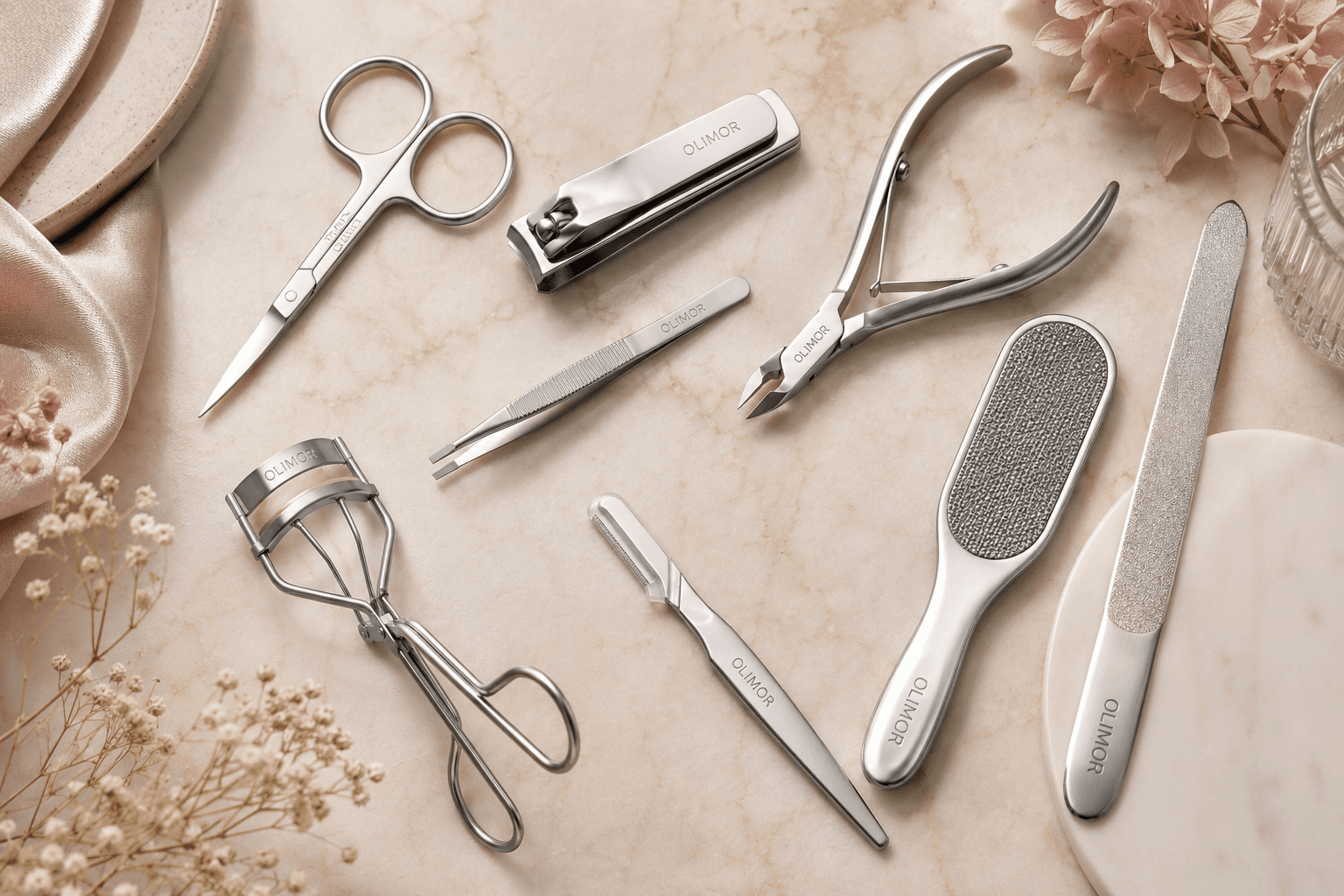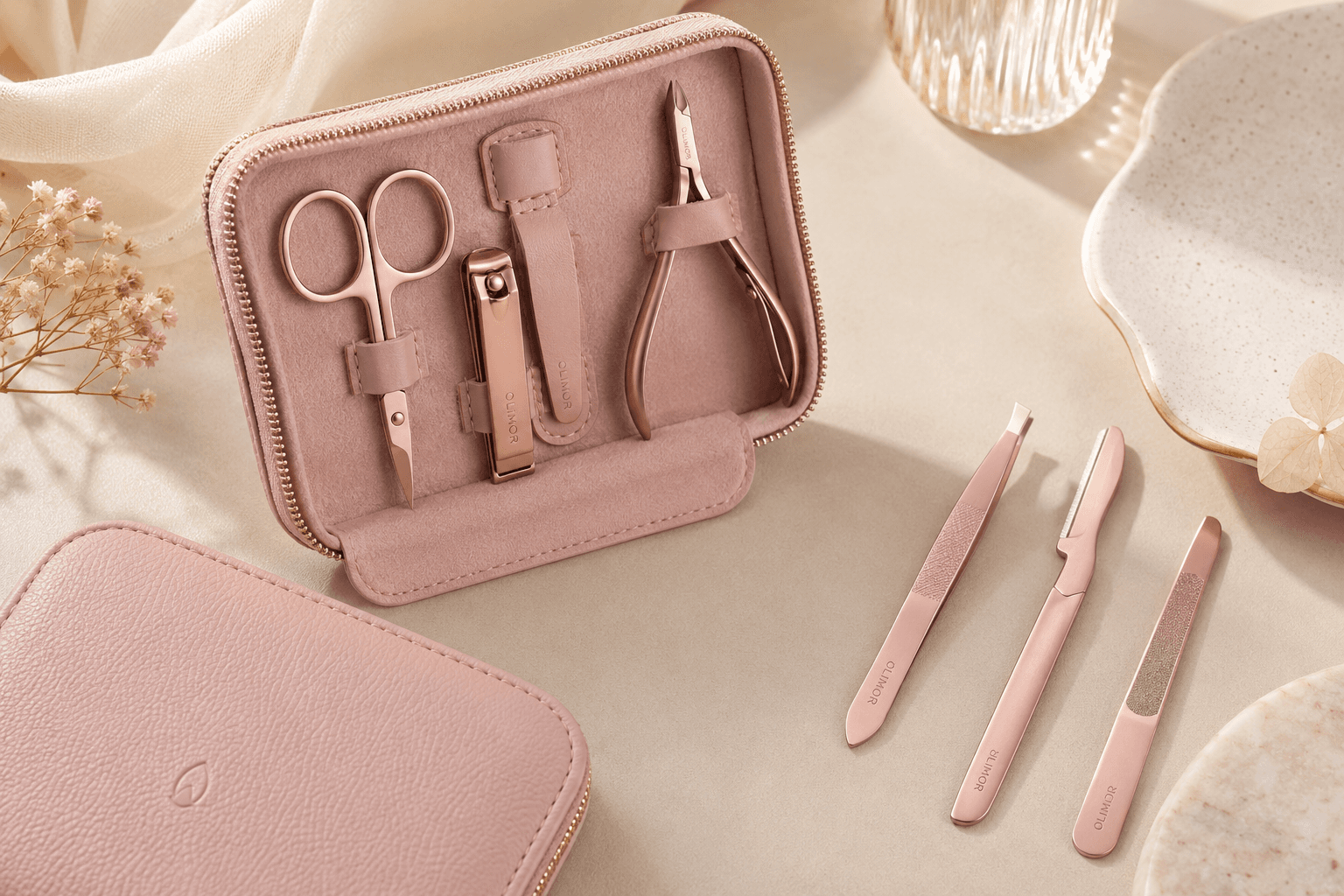
Tweezers for Retailers: How to Source Reliable Beauty Tools Customers Will Rebuy
For retailers, tweezers are small products with a large impact on customer trust. A shopper may buy them for eyebrow shaping, facial hair removal, lash application support or general grooming, but the expectation is always the same: the tips should meet cleanly, grip fine hairs without slipping and feel comfortable enough for repeated use. If a tweezer bends, rusts, pinches unevenly or loses alignment quickly, the customer rarely blames the category. They blame the store that selected it.
Choosing tweezers for retailers is therefore not only a matter of unit cost. It is a sourcing decision that affects reviews, returns, merchandising quality and repeat purchases. Retailers and distributors need to compare materials, tip finishing, tension, packaging and supplier consistency before adding a tweezer line to a shelf or online catalog. Olimor Beauty works with beauty tool buyers who need dependable grooming products and clear communication during sourcing. You can also browse related beauty tool products to understand how tweezers fit within a broader personal care assortment.

What Retail Buyers Should Look for in a Quality Tweezer
The most important part of any tweezer is the tip. A polished handle or attractive package can draw attention, but performance comes from how accurately the two arms close together. When the tips are not properly aligned, they may push hair aside instead of gripping it. If the edge is too blunt, fine hair is difficult to remove. If the edge is too sharp or unfinished, it may scratch skin or feel unsafe for everyday grooming.
Retailers should evaluate tweezers as functional tools rather than simple accessories. A good product sample should be tested for tip contact, spring tension, comfort and grip control. For example, a slanted tip is widely used for eyebrow grooming because it combines visibility with control, while pointed tips are often suited to more precise tasks. The right assortment may depend on your target customer: a mass retail beauty section, a salon supply distributor, an online grooming store or a travel beauty kit program may all need different packaging and product positioning.
Material Matters: Why Stainless Steel Is Commonly Preferred
The original product information highlights surgical-grade stainless steel, enduring sharpness and rust resistance as core quality points. For retail buyers, these are meaningful criteria because tweezers are often used in humid bathrooms, cosmetic bags and salon environments where lower-quality materials can discolor or degrade. A retailer does not need to overcomplicate the decision, but the material should be suitable for a grooming tool that may be cleaned frequently and handled near the skin.
When comparing samples, look for a clean surface finish, no rough burrs around the tips and no visible stains or weak points along the arms. The tweezer should feel solid but not heavy. The arms should return smoothly after each squeeze without feeling loose or overly stiff. Buyers sourcing tweezers for distributors should also consider whether the product remains consistent across multiple samples, not just whether one display sample performs well.
Tip Alignment and Tension: The Details Customers Notice First
A tweezer succeeds or fails at the moment it tries to grip a hair. Customers may not know the manufacturing terms, but they quickly recognize whether the tool works. Perfectly aligned tips help grasp fine hairs more effectively and reduce breakage caused by slipping or partial contact. This is especially important for eyebrow grooming, where users want clean results without repeated pulling.
Tension is equally important. If the tweezer arms are too hard to press, the tool becomes tiring and difficult to control. If they are too soft, the user may need to squeeze repeatedly to secure the hair. Good tension feels stable, predictable and comfortable. Retailers can test this with a simple sample review process: open and close the tweezer repeatedly, check that the tips meet evenly from one side to the other and use fine synthetic fibers or sample hair-like material to compare grip performance between suppliers.
A Practical Sample Evaluation Checklist
Before placing a retail or distributor order, create a repeatable review method. This helps buyers avoid choosing products based only on appearance or the lowest quoted price. A basic checklist can also support internal buying decisions when multiple team members are comparing samples.
- Tip contact: The two tips should meet evenly without gaps, crossing or twisting.
- Grip performance: The tweezer should hold fine hair or fiber without sliding away immediately.
- Edge finish: Tips should be precise but not visibly jagged, rough or unsafe.
- Arm tension: Squeezing should feel controlled, not weak or uncomfortably stiff.
- Surface quality: Check for stains, scratches, burrs, inconsistent coating or poor polishing.
- Rust resistance considerations: Confirm the stated material and review how the tool is intended to be cleaned and stored.
- Packaging fit: The package should protect the tips and present the tool clearly for retail display.
- Batch consistency: Review several samples, not just one, to see whether quality is repeatable.
Retail Packaging and Merchandising Considerations
Packaging affects both protection and sales presentation. A tweezer with exposed or poorly protected tips may arrive misaligned or become damaged during display handling. For physical retail, packaging should make the tip type easy to identify and should allow the customer to understand the product use at a glance. For e-commerce, packaging should protect the tool during shipping while remaining practical for inventory handling and photography.
Retailers should also consider how tweezers sit within a broader assortment. A single general-use tweezer may suit a compact grooming section, while a distributor may need several tip styles for different customer segments. Matching tweezers with complementary products from product collections can help create a more coherent beauty tool offering without relying on exaggerated claims. The goal is to make selection easier for the end user: eyebrow shaping, precision grooming, travel use or professional retail resale.
Choosing a Global Supplier for Tweezers Export from China
International sourcing can give retailers and distributors access to a wider range of beauty tools, but supplier choice matters. The original product information emphasizes working with an established global supplier and avoiding the uncertainty of unvetted factories. For buyers, this means looking beyond a product photo and reviewing how the supplier manages communication, samples, inspection and packaging confirmation.
A reliable sourcing partner should be able to discuss product details clearly, support sample review and maintain consistent standards from raw materials through final packaging. Olimor Beauty positions its work around quality control and reliability for retailers seeking grooming tools that meet customer expectations. When evaluating any tweezers global supplier, buyers should document their requirements early: intended retail channel, packaging format, target use, labeling needs, acceptable finish and any market-specific compliance requirements that apply to their business.
Common Sourcing Mistakes That Lead to Returns
Many tweezer issues are preventable if buyers slow down during the selection stage. A low initial price may look attractive, but hidden costs appear when customers complain, inventory needs rework or repeat orders arrive with inconsistent quality. Retailers should pay particular attention to the following mistakes:
- Judging only by appearance. A polished tool is not automatically precise. Always test the tips and tension.
- Skipping multi-sample checks. One good sample does not prove batch consistency.
- Ignoring packaging protection. Misaligned tips can result from inadequate protection during transport or display.
- Choosing an unclear assortment. Customers need to understand whether the tweezer is for general grooming, eyebrow shaping or precision use.
- Failing to define quality criteria. Without written expectations, it is harder to compare suppliers or inspect received goods.
How Olimor Beauty Supports Retail and Distributor Buyers
Olimor Beauty focuses on beauty tools where small details affect the user experience. For tweezers, that means attention to material, alignment, usability and packaging readiness. The supplied product information highlights surgical-grade stainless steel, rust resistance, precise engineering and internal quality controls from raw materials to final packaging. These are valuable points for buyers who want to reduce uncertainty in their supply chain and offer tools customers can trust.
For retailers expanding a grooming category, the best approach is to start with a clear product brief, review samples carefully and compare how each option supports your customer’s actual use case. Distributors should also consider repeatability, because their customers depend on stable supply and consistent quality across orders. If you are planning a new tweezer program or comparing grooming tools for retail shelves, you can send an inquiry with your sourcing requirements or contact Olimor to discuss suitable options.
Final Buying Guidance for Retailers
Quality tweezers are not defined by one feature alone. The right retail product combines suitable stainless steel, accurate tip alignment, comfortable tension, clean finishing and packaging that protects the tool before it reaches the customer. Retailers that build a structured sample review process are more likely to avoid inconsistent products and select tools that support stronger customer satisfaction.
Whether you are buying tweezers for a beauty aisle, an online shop, a distributor catalog or a private retail program, focus on performance first. A reliable tweezer should grip cleanly, feel controlled in the hand and maintain a professional appearance through normal handling. With careful evaluation and a dependable sourcing partner, tweezers can become a steady, practical category that earns customer confidence instead of creating avoidable returns.
Tag: