












Tweezers for False Lash Application: How to Choose a Precise, Comfortable Tool
False lashes can look clean and natural only when the lash band is positioned accurately along the lash line. Adhesive timing, lash shape, and eye anatomy all matter, but the tool in the hand often decides whether the application feels controlled or frustrating. A well-designed pair of tweezers for false lash application helps the user hold the lash securely, align the center point, adjust the inner and outer corners, and release the lash without pulling it out of place.
For beauty retailers, salons, makeup artists, and brands sourcing B2B beauty supplies, false lash tweezers are more than a small accessory. They are a high-touch tool used close to the eye, so buyers should evaluate comfort, tip geometry, grip stability, finishing, and packaging suitability before adding them to a product range. This guide explains what to look for and how to assess options without relying on vague claims.
Why False Lash Tweezers Are Different from Ordinary Tweezers
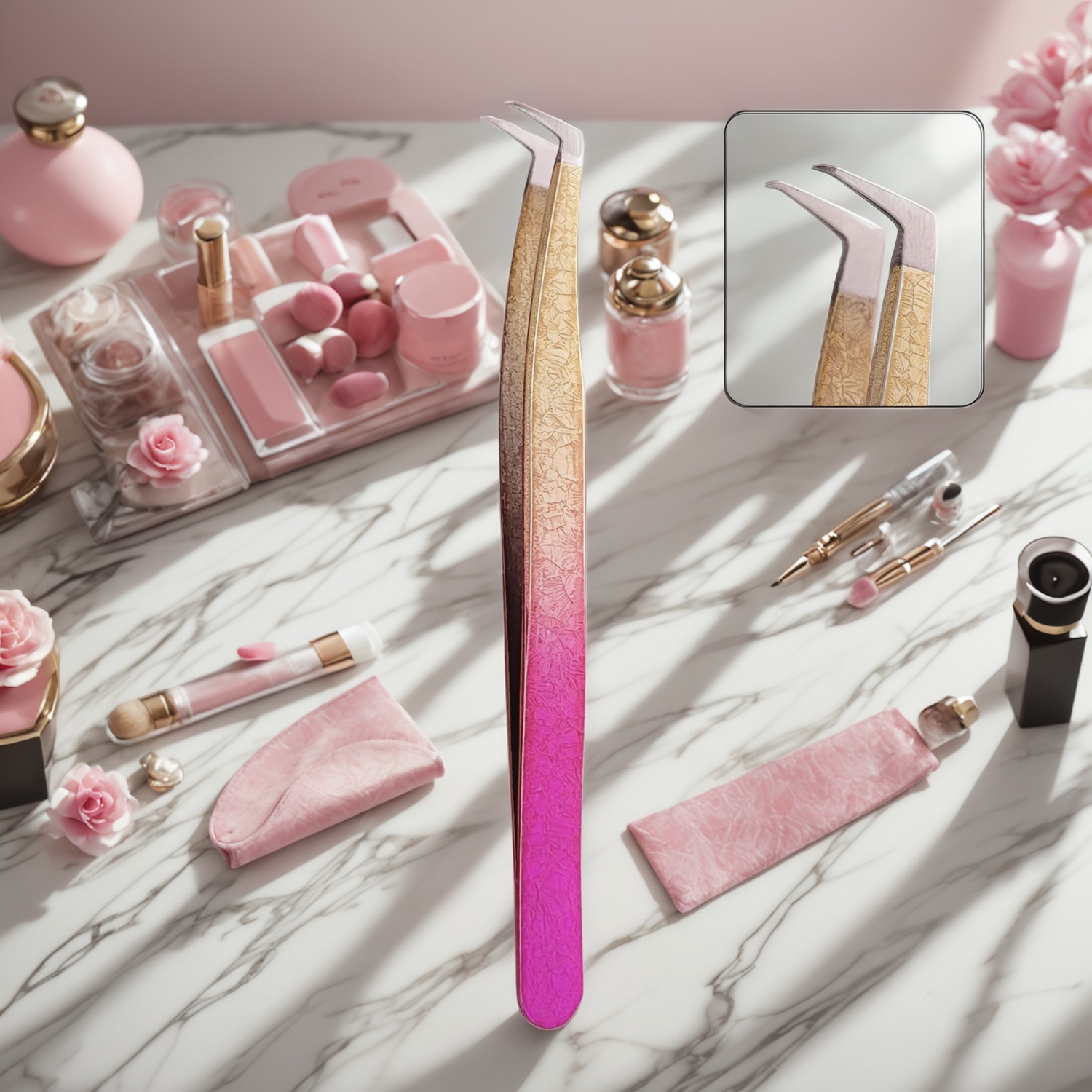
Standard eyebrow tweezers are designed to isolate and remove individual hairs. False lash tweezers have a different job: they must hold a flexible lash band without crushing it, keep the fingers away from fresh adhesive, and allow the user to follow the curve of the eyelid. This is why many lash placement tools use a curved or angled tip rather than a narrow pointed tip.
The right tweezer shape can reduce common application errors. A lash band that is gripped too tightly may bend unevenly. A tool that is too short may force the user’s hand too close to the face, blocking visibility. A tweezer with poor alignment may release one side before the other, causing the lash to lift at the corner. For beginners, these small issues make application feel inconsistent; for professionals, they can slow down service time.
When comparing beauty tool products, look at how the tool supports the full application sequence: picking up the lash, checking the curve, applying adhesive, positioning the center, securing the corners, and pressing the band lightly into place. A useful design should assist with each step, not only look attractive in packaging.
Tip Shape, Curve, and Grip: The Main Selection Criteria
The tip is the most important part of a false lash tweezer. Curved tips can mirror the natural curve of the eyelid and help the user place the lash band close to the roots of the natural lashes. A wider contact area can hold strip lashes more evenly, while a more defined end may help with corner adjustments. Neither design is universally better; the best choice depends on whether the tool is meant for daily users, retail kits, salon counters, or professional makeup bags.
Use the following checklist when evaluating a sample:
- Tip alignment: The two sides should meet evenly without visible twisting or uneven contact.
- Controlled tension: The tweezer should close firmly enough to hold a lash band, but not require excessive pressure.
- Smooth edges: Areas near the tip should feel clean and free from rough burrs that could catch on lash fibers.
- Useful curve: The curve should help placement on the lash line rather than block the user’s view.
- Stable grip surface: The handle should not feel slippery when used with clean, dry hands.
- Consistent release: The lash should release predictably when pressure is reduced.
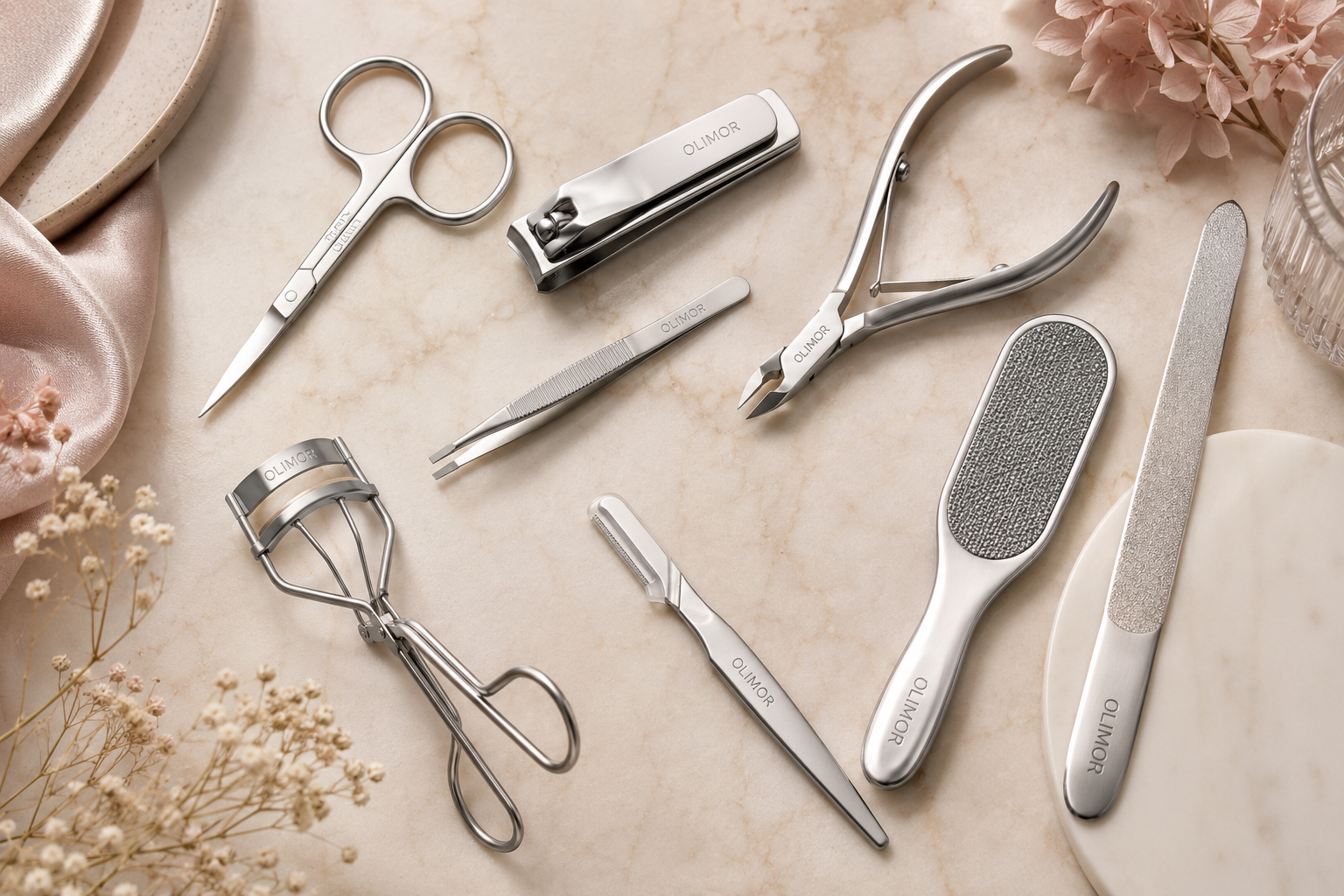
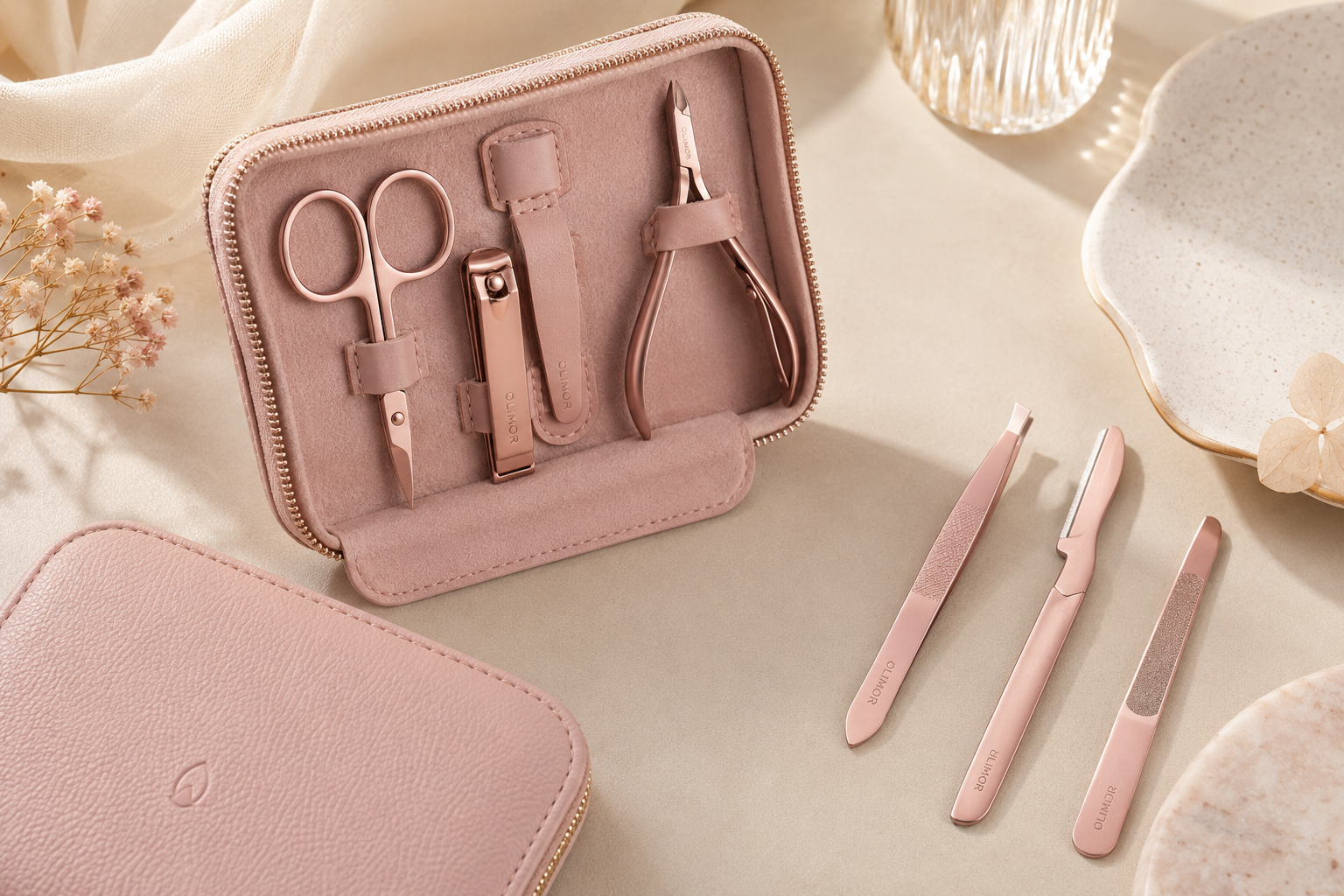
For a product line, it can be helpful to compare several tip styles side by side. A consumer-focused false lash applicator may prioritize a gentle learning curve, while a professional tool may prioritize speed, visibility, and precise corner control. Olimor Beauty supports buyers looking for practical beauty tool options across different use cases; you can browse related beauty tool products to consider how lash tools fit within a wider assortment.
Comfort Matters for Makeup Artists and Frequent Users
Comfort is easy to underestimate because tweezers are small. However, repeated lash application requires steady hand control. If the body is awkward, too stiff, or poorly balanced, the user may grip harder than necessary. Over time, this can lead to hand fatigue and less accurate placement.
An ergonomic body should make the tool feel stable between the fingers. The user should be able to open and close it with small movements rather than force. For salon or studio settings, this is especially important because a makeup artist may apply multiple lash sets in a day. For retail customers, comfort affects whether the tool becomes part of a regular routine or remains unused in a drawer.
Good comfort also supports safety. A relaxed grip allows more deliberate movement near the eye area. When testing a tweezer, simulate real application rather than only squeezing it once. Pick up a strip lash, hold it at different points, bring it toward a mirror, and adjust the corners. This reveals whether the tool allows natural wrist positioning and clear visibility.
Quality Checks for Beauty Brands and B2B Buyers
For B2B beauty supplies, quality should be evaluated in terms of both product performance and batch consistency. A single attractive sample is not enough if the final production tools vary in tension, finish, or alignment. Buyers should define practical inspection points before confirming an order or adding a tweezer to a lash kit.
Useful quality questions include: Does the tool close evenly across multiple samples? Are the tips protected during packaging and transport? Is the finish consistent on visible surfaces? Does the tool feel stable after repeated open-close cycles? Are there any sharp or uncomfortable edges on the handle? These checks help reduce customer complaints and protect the reputation of the finished product.
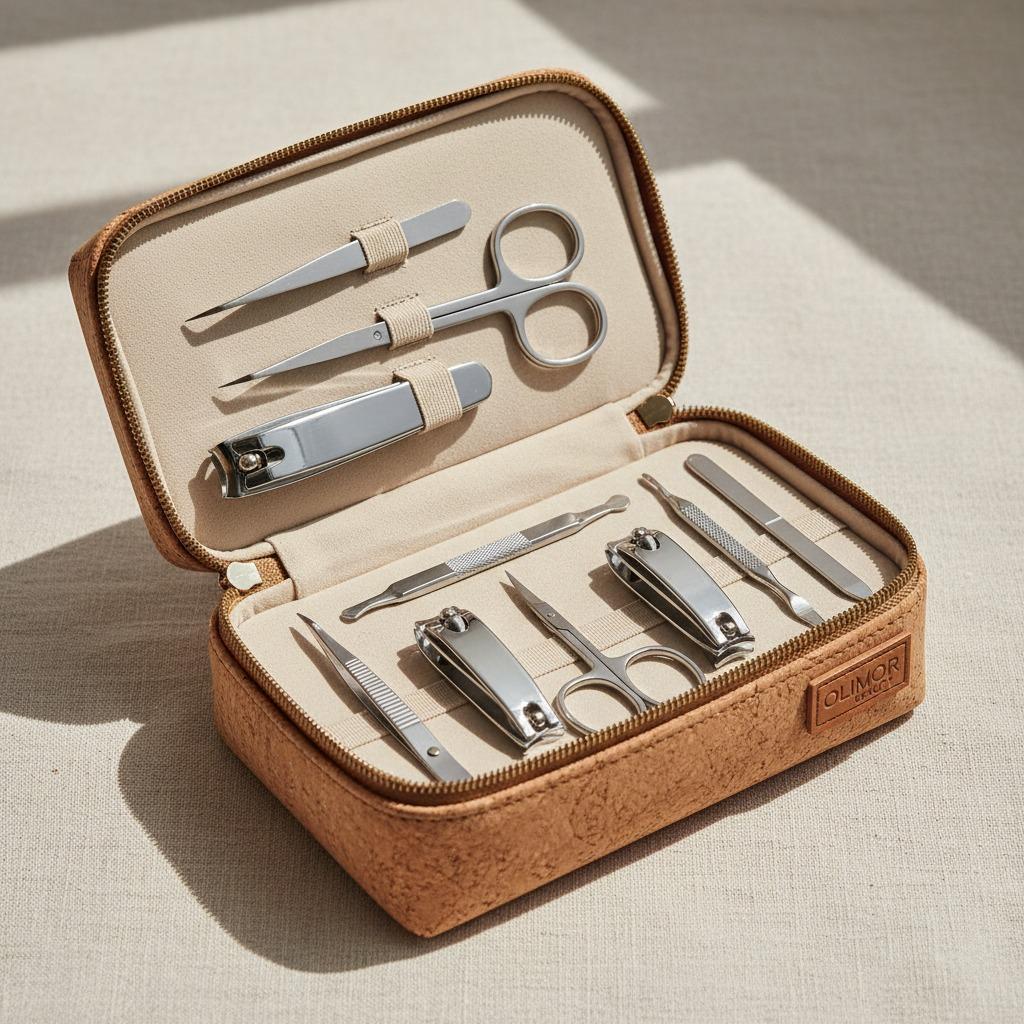
Packaging should also match the product’s use. A false lash tweezer may be sold individually, paired with lash products, or included in a larger beauty tool set. The packaging should protect the tip from deformation and keep the item clean during handling. It should also communicate the intended use clearly, especially if the tool is shaped differently from ordinary eyebrow tweezers.
Customization Without Compromising Function
Custom made tweezers can help beauty brands create a more cohesive product line, but customization should begin with function. Color, surface finish, logo placement, and packaging style are important for shelf appeal, yet they should not interfere with grip, balance, or the precision of the tip. A beautiful tweezer that slips in the hand or releases the lash unevenly will not create repeat customers.
When planning a custom version, prepare a simple brief that separates essential performance requirements from visual preferences. For example, performance requirements may include a curved tip for strip lash placement, comfortable hand feel, smooth edge finishing, and reliable closure. Visual preferences may include brand color direction, logo area, or retail packaging format. This structure helps keep product development focused.
If you are building a broader retail or professional range, consider how false lash tweezers relate to other eye-area accessories and personal care tools. A consistent sourcing plan across product collections can make the final assortment easier to merchandise and easier for customers to understand.
How to Test Tweezers Before Adding Them to a Product Range
A practical test does not need to be complicated. It should reflect the way the end user will actually handle the tool. Use several lash band styles if possible, because a thin flexible band behaves differently from a thicker dramatic band. Evaluate both first impressions and repeated handling.
- Visual inspection: Check the overall shape, finish, tip symmetry, and packaging protection.
- Grip test: Pick up a lash band from the tray and hold it at the center without bending the band unnaturally.
- Placement simulation: Move the lash toward the lash line area in front of a mirror and check visibility around the tip.
- Corner control: Use the tip to adjust inner and outer corners with light pressure.
- Release test: Reduce finger pressure and confirm the lash releases smoothly without shifting position.
- Repeat test: Open and close the tool repeatedly to judge hand comfort and tension consistency.
For professional buyers, it is also useful to have more than one person test the same sample. A beginner, a frequent lash wearer, and a makeup artist may notice different strengths and weaknesses. Their combined feedback gives a more realistic view of customer experience.
Choosing a Supplier for Lash Tool Sourcing
When sourcing tweezers for false lash application, the strongest supplier conversations are specific. Instead of asking only whether a tool is “high quality,” discuss the intended user, lash type, packaging channel, desired finish, and inspection standards. Share whether the product will be sold as a standalone beauty tool, included in a lash kit, or used for professional service environments.
Buyers should also consider communication speed, sample clarity, packaging protection, and the supplier’s ability to discuss practical tool details. Reliable sourcing is not only about the object itself; it is about whether the final product can be repeated consistently and delivered in a form that suits the buyer’s market.
Olimor Beauty works with beauty tool buyers who need functional, well-presented products for retail, salon, and brand programs. To discuss false lash tweezers, custom made tweezers, or related B2B beauty supplies, you can send an inquiry with your product requirements or contact Olimor for sourcing support.
A Small Tool That Shapes the Lash Experience
False lash tweezers may seem simple, but they directly affect application accuracy, comfort, and user confidence. The best choice is not determined by appearance alone. It comes from a careful balance of curved tip design, stable grip, comfortable tension, smooth finishing, and packaging that protects the tool until it reaches the customer.
For beauty brands and professional buyers, treating lash tweezers as a precision tool rather than a generic accessory leads to better product decisions. When the tool helps users place lashes cleanly and comfortably, it supports both the final makeup result and the credibility of the brand behind it.