Tweezers Exporter Guide: How Beauty Brands Can Balance Cost, Precision and Finish Quality
Choosing a tweezers exporter is rarely just a question of finding the lowest unit price. For beauty brands, salon suppliers, retail buyers and private-label importers, the real cost of a tweezer includes tip alignment, grip consistency, finish durability, packaging readiness and the ability to repeat the same quality across future orders. A low-cost shipment can become expensive if customers complain that the tips do not meet cleanly, the surface finish fades quickly, or the tool feels uncomfortable in the hand.
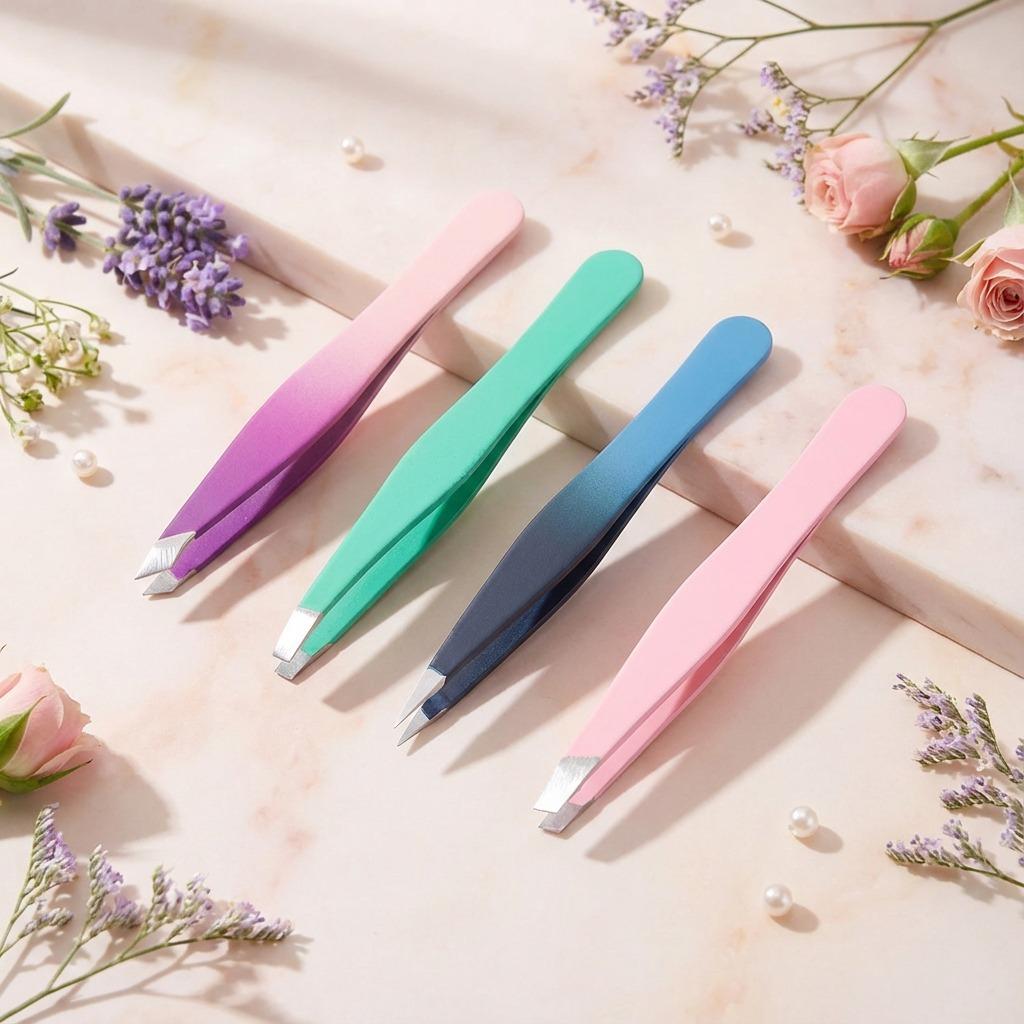
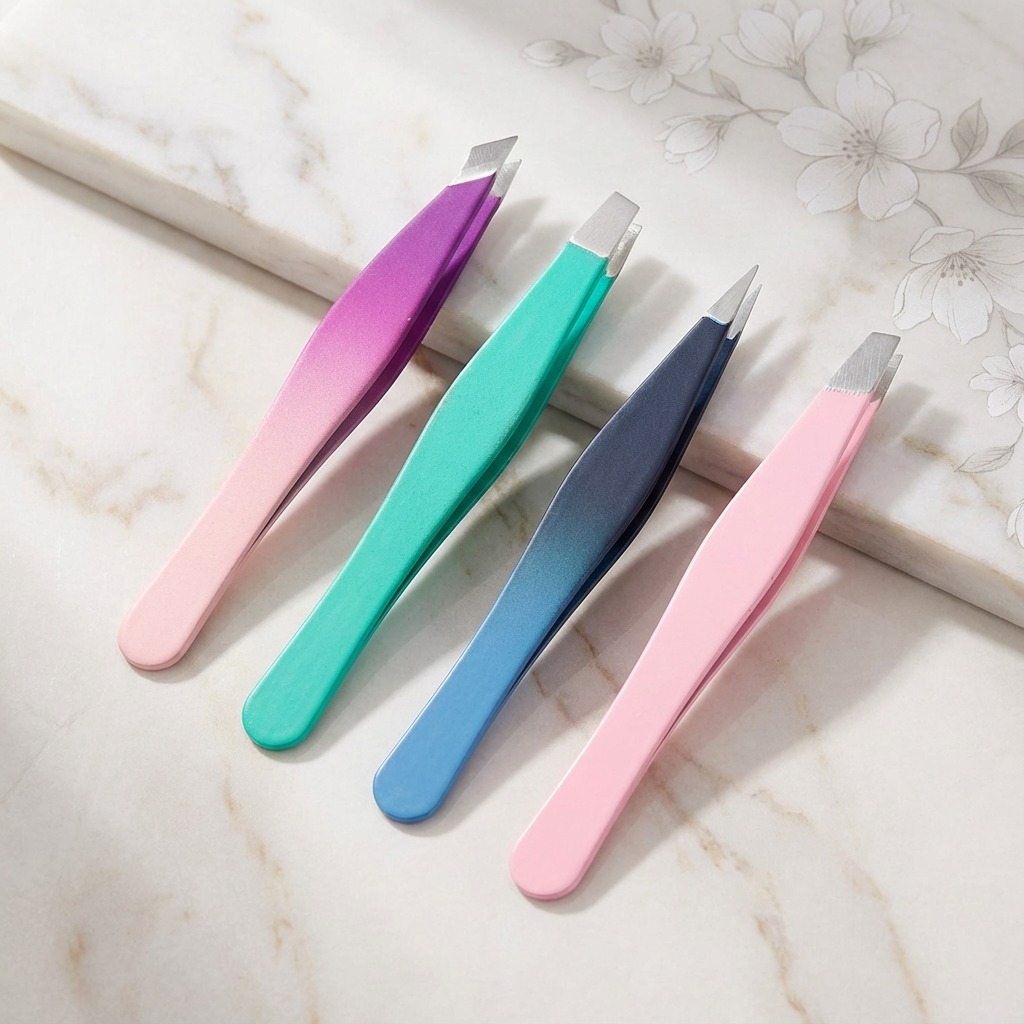
Olimor Beauty offers stainless steel tweezer options with ergonomic design and vibrant aesthetics, including colorful sets and designs such as the Spectrum Precision Tweezer Set and the Tweezy Glam Precision Tweezers. These examples show the kind of details buyers often compare when reviewing exporter samples: angled tips, a polished beauty-tool appearance, and a finish that suits modern brow and grooming categories. The goal is not simply to buy tweezers; it is to source tools that feel reliable enough for daily grooming and attractive enough for retail presentation.
Why the Cheapest Wholesale Tweezers Are Not Always the Lowest-Cost Choice
Wholesale price is important, especially for brands building entry-level beauty kits or promotional bundles. However, tweezers are precision tools. If the two arms are uneven, if the tips are too thick, or if the grip pressure feels inconsistent, the user notices immediately. Unlike a disposable accessory, a tweezer is judged every time it catches or misses a fine hair.
When comparing exporters, buyers should separate visible cost from operating cost. Visible cost is the quoted price per unit. Operating cost includes defects, returns, replacement requests, repacking labor, inconsistent finishes, and the time spent approving new samples when a supplier cannot repeat the previous order. A slightly higher unit cost may be reasonable if it reduces these hidden problems and supports steadier customer satisfaction.
For brow-focused products, the most important performance question is simple: do the tips meet accurately and hold the hair without excessive pressure? For retail products, another question follows: does the tweezer look clean, modern and suitable for the intended customer? Colorful stainless steel tweezers, gradient finishes and coordinated sets can help a product stand out, but only if the base tool performs well.
Material, Tip Alignment and Grip: The Core Quality Checks
Stainless steel is a common choice for beauty tweezers because it is associated with hygiene, durability and a smooth finish. Still, buyers should not treat the phrase “stainless steel” as a complete specification. The sample itself must be evaluated for finish quality, edge feel, arm tension and tip symmetry. A tweezer that looks attractive in a catalog can still fail if the tips do not close evenly.
Use a simple inspection routine when reviewing samples from any tweezers manufacturer or exporter:
- Tip meeting point: close the tweezer slowly and check whether the full gripping edge meets cleanly without visible gaps.
- Hair-grip test: test the tool on fine hair or thread to confirm it can hold without cutting, slipping or requiring excessive force.
- Arm tension: the spring pressure should feel controlled, not too stiff for repeated use and not too loose for precision work.
- Edge comfort: the outside edges should feel smooth enough for handling and should not scratch the user during normal grooming.
- Finish consistency: compare several pieces, not only one sample, to check whether color, gradient and surface treatment remain consistent.
- Packaging fit: confirm that the tweezer is protected from tip damage during shipping, storage and retail handling.
The original appeal of products such as the Spectrum Precision Tweezer Set is the combination of stainless steel function with vibrant aesthetics. The practical sourcing point is that both elements matter. A beautiful tweezer with weak alignment disappoints users, while a precise tweezer with poor presentation may be harder to sell in beauty retail channels.
Comparing Standard Wholesale and OEM/ODM Tweezers
Standard wholesale tweezers can be useful when a buyer needs a straightforward product quickly: common shapes, simple finishes and minimal development work. OEM/ODM tweezers become more relevant when a brand wants its own visual language, color direction, packaging concept or product set. Olimor Beauty provides OEM/ODM tweezer options, which can be especially useful for private-label beauty brands that want tools aligned with a broader range of beauty tool products.
The depth of customization should be evaluated carefully. A buyer may need only logo placement and packaging changes, or may want a coordinated look across multiple tools. The original product information highlights colorful tweezer sets, ombre finishes and angled tips, all of which are real points of differentiation in a crowded beauty-tools category. However, every added design detail should be checked against practical production concerns: color consistency, scratch resistance, packaging protection and repeatability.
| Buying route | Best for | Main risk to check |
|---|---|---|
| Standard wholesale tweezers | Basic retail, kits, promotional items | Tip alignment and consistency across cartons |
| Color or gradient tweezers | Beauty retail and giftable sets | Finish uniformity and surface durability |
| OEM/ODM tweezers | Private-label brands and custom assortments | Clear approval samples and packaging specifications |
| Lowest-cost imports | Highly price-sensitive programs | Hidden costs from defects, returns and weak repeatability |
Questions to Ask Before Choosing a Tweezers Exporter
A reliable sourcing decision depends on specific questions, not broad claims. Before confirming an order, buyers should create a short checklist and use it consistently across samples from each exporter. This helps separate a good-looking presentation from a supplier that can support repeat orders.
- What exact tweezer shape is being quoted? Slanted, pointed and angled designs serve different grooming needs, so the sample must match the intended use.
- How will tip alignment be protected during packing? Even a well-made tweezer can be damaged if the tips are left exposed in transit.
- Can the same finish be repeated in future orders? This matters for colorful, gradient or ombre products where visual consistency affects shelf appeal.
- What inspection steps are used from raw materials to packaging? The supplied information notes internal quality assurance from raw materials to packaging, which is the type of process buyers should look for.
- How are approved samples controlled? A sealed approval sample or clear specification file helps prevent misunderstandings during bulk production.
- What packaging formats are available for the target channel? E-commerce, salon supply, gift sets and retail displays may require different levels of protection and presentation.
These questions are particularly important when comparing a premium exporter with the cheapest wholesale offer. If a low quotation excludes protective packaging, sample controls or stable finishing standards, the final landed cost may not be as low as it appears.
How Finish and Design Influence Retail Value
Beauty tweezers are small tools, but they are often purchased visually. Color, surface finish and packaging can influence whether a customer sees the item as a basic utility tool or part of a polished grooming routine. The supplied examples include a gradient pink-to-purple design for the Tweezy Glam Precision Tweezers and vibrant aesthetics for colorful sets. These details can make sense for brow bars, giftable beauty sets, online beauty shops and private-label collections.
Design should never replace function. A gradient finish is valuable only if the tweezer still grips reliably and feels comfortable in repeated use. An angled tip is helpful only if it is properly aligned and finished. For this reason, buyers should test design samples with the same seriousness as plain samples. Look at color, but also perform grip tests. Review the packaging, but also check whether the tip has shifted after shipping simulation or handling.
If you are building a wider beauty tools range, compare tweezer colors and finishes with other items in your assortment. A consistent visual direction can help a brand organize its product collections and make future product extensions easier.
Practical Sourcing Strategy for Beauty Brands
The best tweezers exporter for your business depends on your sales channel and customer expectations. A salon-focused buyer may prioritize grip accuracy, hand feel and durability. A beauty retailer may need a balance of reliable performance, attractive color and packaging that communicates value quickly. A private-label importer may also need OEM/ODM support, repeatable finishing and clear communication before production.
Start with the end user. If the tweezer will be sold as a precision brow tool, test the tip first and the decoration second. If it will be part of a colorful gift set, review the entire unboxing experience while still checking performance. If it will be sold under your own label, prepare artwork, packaging notes and a sample approval process before negotiating final details.
Olimor Beauty is a relevant sourcing partner for buyers who want stainless steel tweezer options, ergonomic designs, colorful finishes and OEM/ODM possibilities without reducing the conversation to the cheapest quoted unit price. To compare options or discuss a custom tweezer program, you can contact Olimor or send an inquiry with your target use, preferred finish, packaging needs and expected sales channel.
A good tweezer looks simple, but sourcing it well requires attention to small details. Tip alignment, grip pressure, surface finish, packaging and repeatability all affect customer satisfaction. By comparing exporters on these practical points, beauty brands can make a more confident decision and avoid the false economy of tools that look inexpensive at purchase but cost more after they reach the customer.
Tag: