Tweezers Exporter Guide for Global Beauty Tool Buyers
For beauty brands, importers, salon distributors and private-label buyers, tweezers look simple at first glance. In practice, they are precision tools where small differences in tip alignment, grip, surface finish and packaging can affect customer satisfaction. A reliable tweezers exporter should do more than ship low-cost grooming tools; the exporter should help buyers choose the right style for the market, prepare practical OEM/ODM requirements and control quality before goods leave the factory.
Olimor Beauty works with beauty tool buyers who need export-ready tweezers for retail, professional and everyday grooming use. Product examples described by Olimor include stainless steel slant tweezers for brow shaping and micro-precision tweezers for fine hair removal. This guide explains what to evaluate when sourcing tweezers for wholesale or custom beauty tool programs, without relying on vague claims or one-size-fits-all specifications.
What a Tweezers Exporter Should Help You Decide
The first sourcing decision is not price. It is product fit. A brow-focused retail line, a salon replenishment program and a compact travel grooming kit may all use tweezers, but they will not necessarily need the same tip style, handle feel or packaging format. A capable exporter helps turn a general request such as “wholesale tweezers” into a practical specification that can be quoted, sampled, inspected and repeated.
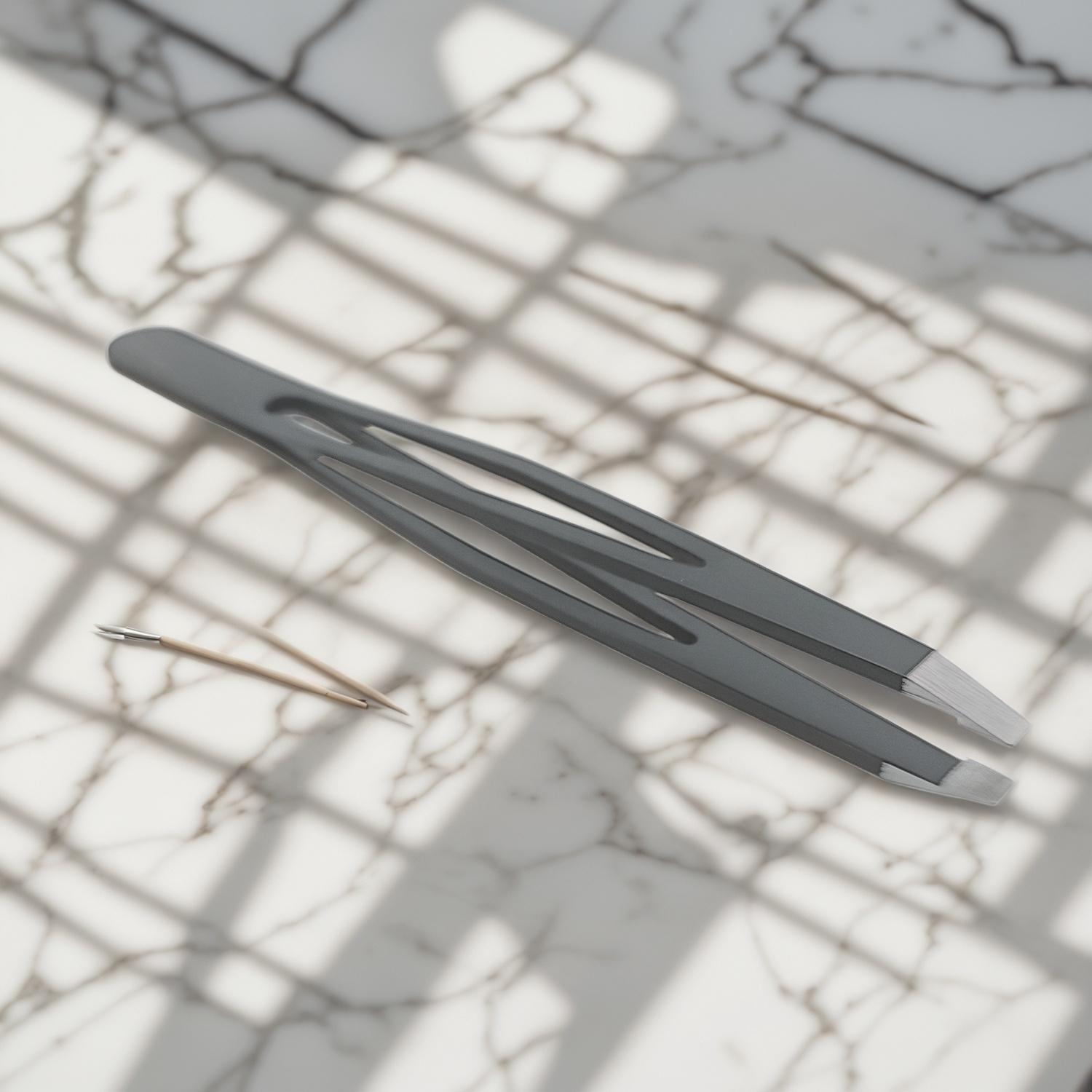
Key decisions usually include tip shape, total length, body finish, grip texture, packaging type and whether the item is sold alone or as part of a larger beauty tool set. Slant-tip tweezers are commonly selected for eyebrow shaping because the angled edge gives users visibility and control. Micro-precision tweezers are often chosen where buyers want a slimmer tool for targeting fine hairs. Olimor has referenced the ETEREAUTY Stainless Steel Slant Tweezer and SleekEdge Micro Precision Tweezers, including a slender 96mm design and matte black finish for the SleekEdge example. When using named examples, confirm that the exact style, finish and packaging match your purchasing plan.
Choosing Tweezer Types for Your Market
Beauty tool buyers often compare tweezers only by appearance, but performance depends on how the tool will be used. A retail customer may judge the item by comfort, first impression and packaging. A salon buyer may focus on repeat grip, easy handling and cleaning routines. An importer may care most about consistency across cartons, clear labeling and whether the product can be merchandised efficiently.
| Buyer goal | Tweezer features to review | Why it matters |
|---|---|---|
| Eyebrow shaping line | Slant tip, comfortable grip, clean finish | Supports common brow grooming use and easier positioning. |
| Fine hair removal | Micro-precision tip, stable alignment, slim body | Helps users target small or short hairs with more control. |
| Travel or compact kits | Lightweight body, protective packaging, compact dimensions | Reduces damage risk and improves convenience in small sets. |
| Wholesale beauty tools | Repeatable finish, consistent batch inspection, practical unit packaging | Helps distributors maintain customer confidence across orders. |
If you are building a broader beauty assortment, review related beauty tool products to decide whether tweezers should be sold as a single SKU, paired with scissors or included in a grooming kit. This sourcing step prevents packaging and merchandising decisions from being made too late in the project.
OEM/ODM Tweezers: Customization Without Losing Function
OEM/ODM sourcing is useful when a brand wants its own appearance, packaging or product positioning. However, customization should not interfere with the function of the tweezer. A matte finish may look refined, but the buyer should still verify that the body is comfortable to hold. A compact length may suit travel kits, but the tool should still give users enough control. A private-label carton may improve shelf appeal, but it should protect the tip during shipping and storage.
For an OEM/ODM discussion, prepare a short product brief before requesting samples. The brief does not need to be complicated, but it should be specific enough to avoid misunderstandings. Useful points include:
- Target user, such as retail brow customers, salon professionals, travel kit buyers or promotional beauty sets.
- Preferred tip type, such as slant-tip tweezers or micro-precision tweezers.
- Material expectation, including whether rust-resistant stainless steel is required.
- Finish direction, such as polished, coated or matte appearance, where available.
- Packaging format, including carded packaging, boxes, pouches or set packaging.
- Branding requirements for logo placement, labeling and insert information.
- Market requirements for language, barcode, warning text or importer details.
Custom sourcing becomes easier when the buyer separates non-negotiable functional requirements from visual preferences. Tip alignment, closing tension and edge condition are functional. Color, outer carton graphics and retail copy are presentation choices. Both matter, but they should not be evaluated in the same way.
Quality Checks That Matter for Wholesale Tweezers
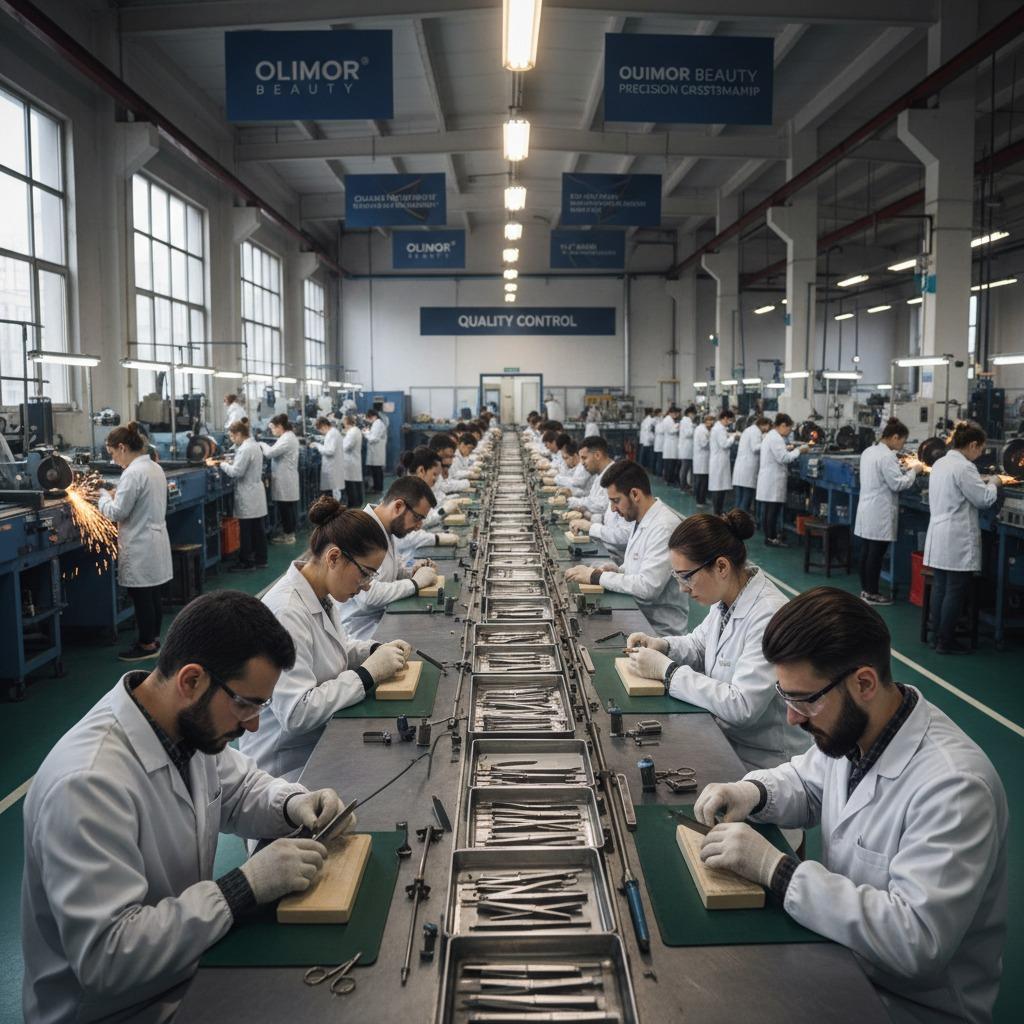
A strong wholesale price has little value if the delivered tweezers vary from unit to unit. Quality control for tweezers should focus on the parts customers notice immediately: whether the tips meet cleanly, whether the edges feel safe, whether the finish is even and whether the tool grips as expected. Olimor describes using internal quality controls and batch inspection; buyers can support that process by defining the acceptance points they care about before production.
Consider building an inspection checklist around these points:
- Tip alignment: The two sides should meet evenly enough to grip fine hair without excessive pressure.
- Tip condition: Edges should be clean and suitable for grooming use, with no obvious burrs or deformation.
- Grip and spring feel: The tweezer should open and close smoothly, without feeling too loose or too stiff for the intended user.
- Surface finish: Matte, polished or coated finishes should appear consistent across inspected samples.
- Body shape: Length, width and handle profile should match the approved sample.
- Packaging protection: Tips should be protected so they do not bend, rub or puncture packaging during transit.
- Label accuracy: Product name, barcode, country requirements and brand details should be checked before shipment.
Buyers importing across several markets should also keep a retained approved sample. This sample becomes the reference point for later orders and helps resolve questions about finish, tension or packaging details.
Balancing Cost and Value in Wholesale Tweezers
Many buyers search for the cheapest wholesale tweezers, especially when building entry-level beauty lines or promotional sets. Cost control is important, but the lowest visible unit price may not be the lowest practical cost. Poor packaging can increase damage. Inconsistent alignment can increase complaints. A finish that looks good in photos but wears poorly may weaken repeat sales. For export buyers, value should be measured by sellable quality, not only by initial quotation.
Practical cost decisions include simplifying packaging, choosing a finish that is easier to repeat, reducing unnecessary decoration and consolidating shipments with other compatible beauty tools where appropriate. Buyers should also compare the total landed cost, including packing method, carton efficiency and any relabeling required in the destination market. If you are comparing assortments, Olimor’s product collections can help you think beyond a single tweezer SKU and plan a more coherent beauty tool range.
Materials, Maintenance and End-User Care
Stainless steel is commonly used for tweezers because it supports durability and resistance to rust when properly manufactured and cared for. The original Olimor product information refers to rust-resistant stainless steel, which is a useful direction for grooming tools that may be stored in bathrooms or used in salon environments. Even with stainless steel, end-user care instructions are still important. Customers should keep tweezers dry after cleaning, store them with tip protection where possible and avoid dropping them on hard surfaces, since the precision tip is the most vulnerable part of the tool.
For retail packaging or product inserts, keep care language clear and realistic. Short instructions such as “wipe clean after use,” “dry before storage,” and “protect tips from impact” are more useful than broad marketing claims. If the tweezer has a coated or matte finish, include care wording that avoids abrasive cleaning methods unless the finish has been tested for that use.
Preparing a Clear Export Inquiry
A well-prepared inquiry saves time for both the buyer and the exporter. Instead of sending only a target price, include the intended use, quantity range for quotation, preferred style, packaging expectation and any required branding. If you are not sure which tweezer type fits your market, describe your sales channel and customer profile. A distributor serving salons may need different priorities from an online retailer selling compact personal grooming tools.
Before placing an order, compare samples under the same conditions. Test grip on fine hair, check the closing feel, review the finish in natural light and inspect packaging after handling. For custom projects, sign off on a complete approved sample that includes the tweezer, logo placement, packaging and labeling. This reduces the chance that a good tool is paired with unsuitable retail presentation.
To discuss a sourcing project, you can send an inquiry with your product brief, target market and packaging needs. For broader support or clarification on available beauty tool options, contact Olimor and share the details that matter most for your market. The strongest exporter relationship is built on repeatable specifications, transparent review points and practical decisions that protect both cost and end-user experience.
Tag: