How to Choose a China Tweezers Manufacturer for Consistent Beauty Tool Supply
For beauty brands, salon suppliers, brow studios, and professional retailers, tweezers are a small product with a large impact on customer trust. A tweezer that slips, bends, pinches unevenly, or loses alignment too quickly can create frustration for the end user and complaints for the seller. That is why choosing the right tweezers China manufacturer is not simply a pricing decision. It is a sourcing decision that affects product performance, repeat purchases, and the reputation of your beauty tool range.
Olimor Beauty focuses on beauty tools for businesses that need practical, consistent supply options. Whether you are building a private-label grooming range, adding tweezers to a salon retail display, or replenishing wholesale stock, the goal is the same: obtain tweezers with reliable grip, clean alignment, controlled finishing, and predictable batch quality. This guide explains what to evaluate before placing an order and how to compare suppliers in a structured way.
What Professional Buyers Should Expect From Precision Tweezers
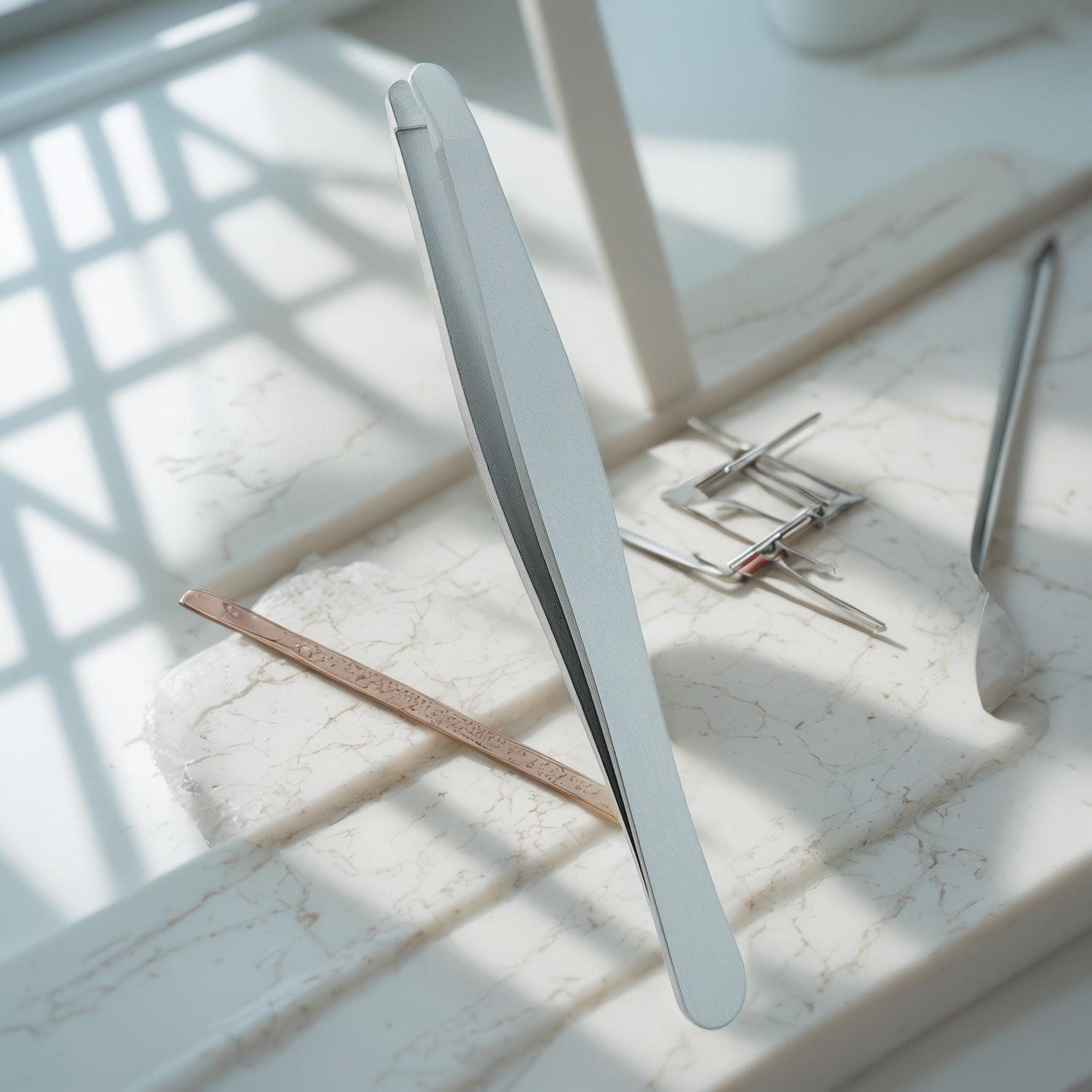
A good pair of tweezers should feel controlled in the hand and meet evenly at the tip. In professional grooming, small differences in alignment can determine whether a tweezer removes hair cleanly or breaks it. Buyers should look beyond a polished surface and evaluate the tool as a working instrument.
Several details influence the user experience. Tip contact is one of the most important. When the two sides close, they should meet with enough precision to grip fine hair without excessive pressure. Tension also matters. If the arms are too stiff, the tool causes hand fatigue; if they are too loose, grip becomes unreliable. Ergonomic design, mentioned in Olimor Beauty’s product approach, is especially relevant for professionals who use tweezers many times per day.
Material choice is another key factor. Stainless steel is widely used for grooming tweezers because it offers durability, cleanability, and a professional feel. However, the final performance depends not only on the base material but also on forming, grinding, polishing, inspection, and packaging. A sourcing decision should therefore include both product samples and process questions.
Why Source Tweezers Directly From a Specialized Manufacturer
Working with a specialized manufacturer can help buyers gain more control over consistency than buying anonymous stock through multiple intermediaries. A direct manufacturing relationship usually makes it easier to discuss tip style, finishing expectations, packaging direction, and quality checks before bulk production begins.
For growing brands, this can reduce confusion when reordering. If a tweezer becomes part of your core product line, customers expect the next batch to feel like the first batch. Direct communication with the manufacturer helps define what needs to remain consistent: grip feel, surface finish, arm tension, tip shape, and retail presentation.
Olimor Beauty’s original focus on rigorous quality assurance, stainless steel selection, ergonomic design, and aligned tips reflects the core issues that buyers should prioritize. Instead of choosing only by the lowest unit cost, consider whether the supplier can support repeatable output. For a wider view of related items, you can browse Olimor beauty tool products and compare how tweezers may fit with your broader assortment.
Bulk Tweezers: When Volume Purchasing Makes Sense
Buying tweezers in bulk can be useful for retailers, distributors, e-commerce sellers, and salon groups that need consistent replenishment. Bulk sourcing may also help simplify packaging plans and keep a unified look across product batches. However, volume purchasing should be approached with clear specifications rather than general requests.
Before increasing order size, test whether the tweezer suits your customer. A brow studio may prefer a slanted tip for general hair removal, while a detail-focused beauty retailer may want a finer point for precision tasks. The best choice depends on user skill level, grooming purpose, and the expectations of your market.
Use the following checklist when preparing a bulk tweezer order:
- Tip type: Define whether the tweezer should be slanted, pointed, flat, or another shape appropriate for the intended use.
- Tip alignment: Review samples for full contact when closed and consistent grip across the working edge.
- Arm tension: Confirm that pressure feels comfortable for repeated use and does not vary sharply between samples.
- Surface finish: Check for burrs, rough edges, uneven polishing, discoloration, or sharp non-working edges.
- Packaging format: Decide whether products need simple protection, retail-ready presentation, or packaging suitable for kits.
- Batch consistency: Compare multiple samples, not just one hand-selected piece, to understand normal production variation.
- Reorder plan: Keep written specifications so future production can match the approved sample more closely.
Low MOQ Tweezers for Emerging Beauty Businesses
Not every buyer is ready for large-volume commitments. Boutique beauty brands, independent estheticians, training academies, and new online stores may need a smaller entry point while they test demand. Low MOQ tweezers can be valuable because they allow a business to build a grooming category without tying up too much cash or storage space at the beginning.
The important point is to use smaller orders strategically. A low MOQ purchase should help you learn which tweezer style, packaging direction, and retail position work best for your audience. For example, a salon may test tweezers as an after-service retail item, while a beauty brand may evaluate whether tweezers sell better individually or inside a grooming set.
Even at smaller quantities, buyers should still define acceptance expectations. Low MOQ should not mean vague specifications. Provide a clear reference sample or written criteria for tip shape, finish, and packaging. This helps keep communication practical and reduces misunderstandings before production or replenishment.
Quality Checks That Matter Before Shipment
Tweezers appear simple, but their function depends on careful inspection. A useful quality process should include visual, tactile, and functional review. Beauty businesses do not need to overcomplicate this, but they should know what to look for when approving samples and checking received goods.
| Check point | Why it matters | What to look for |
|---|---|---|
| Tip alignment | Determines grip accuracy | Tips meet evenly without visible gaps at the working area |
| Closing tension | Affects comfort and control | Arms close smoothly without feeling too loose or too stiff |
| Edge finishing | Protects the user experience | No burrs, rough corners, or uncomfortable non-working edges |
| Surface appearance | Influences retail perception | Consistent finish, clean presentation, and no obvious marks |
| Packaging protection | Prevents damage in transit | Tips are protected and products remain clean during handling |
For importers and distributors, it is also helpful to document the approved sample with photos and written notes. This creates a reference point for future orders. If several tweezer styles are being purchased, label each specification clearly so a slanted grooming tweezer is not confused with a fine-detail version or another item in your range.
How Tweezers Fit Into a Broader Beauty Tool Range
Tweezers often sell well as part of a larger grooming offer. They may be included in brow care sets, nail and grooming kits, professional salon supplies, travel accessories, or retail counter displays. When planning a product range, think about how the tweezer will be used and sold rather than treating it as a standalone commodity.
A buyer serving salons may prioritize professional handling, durability, and clean storage. A retailer may focus on shelf appearance and easy-to-understand customer benefits. An e-commerce brand may need packaging that photographs clearly and protects the tips during shipping. These different sales channels can lead to different sourcing decisions even when the basic tool type is similar.
You can review Olimor product collections to consider how tweezers may sit alongside other beauty tools in a coordinated assortment. If you are building a custom range or comparing order options, you can also send an inquiry with your intended use, target customer, and packaging needs.
Questions to Prepare Before Choosing a Supplier
A strong supplier conversation begins with a prepared buyer. Instead of asking only for the cheapest tweezer, define what performance and presentation your business needs. This makes quotations easier to compare and helps avoid receiving products that do not match your market.
- Who is the end user: professional brow artist, salon client, retail shopper, student, or general home user?
- What tweezer tip shape is best suited to the main grooming task?
- Should the product be sold individually, in a kit, or as part of a branded beauty tool line?
- What level of packaging protection is needed for shipping and retail display?
- How will samples be evaluated before order approval?
- What details must remain consistent in future reorders?
- Will the first order test demand, replenish proven stock, or support a wider product launch?
These questions help buyers make decisions based on use case rather than assumptions. They also create a more efficient discussion with the manufacturer and reduce the risk of mismatched expectations.
Building a Reliable Tweezers Supply Plan With Olimor Beauty
The right tweezers China manufacturer should help your business balance quality, scalability, and practical ordering needs. For established distributors, bulk tweezers can support steady supply and consistent brand presentation. For newer beauty businesses, low MOQ tweezers can provide a manageable path to market testing and gradual growth. In both cases, precision, alignment, finishing, and quality assurance should remain central to the decision.
Olimor Beauty works with buyers who need beauty tools that are selected and evaluated with professional use in mind. By preparing clear specifications, reviewing samples carefully, and planning future reorders, you can source tweezers that support customer satisfaction rather than create avoidable service issues. To discuss a sourcing requirement or product plan, contact Olimor with your business type, preferred tweezer style, and intended sales channel.
Tag: