How to Evaluate Tweezers Exporters for Reliable B2B Beauty Supplies
For beauty brands, salon suppliers, distributors and private-label buyers, tweezers are small tools with a large effect on customer satisfaction. A pair of tweezers that looks acceptable in a catalog can still fail in daily use if the tips do not meet cleanly, the grip feels unstable, or the finish is inconsistent from batch to batch. That is why choosing among tweezers exporters should be based on more than price and delivery promises.
The right export partner helps buyers source professional-grade tools that are consistent, comfortable and suitable for the market they serve. Olimor Beauty focuses on durable stainless steel tweezers, precision-aligned tips, ergonomic handling and quality checks throughout production, including raw material selection and final packaging. For B2B buyers, these details are not decorative; they influence returns, reviews, salon repurchase rates and brand trust.
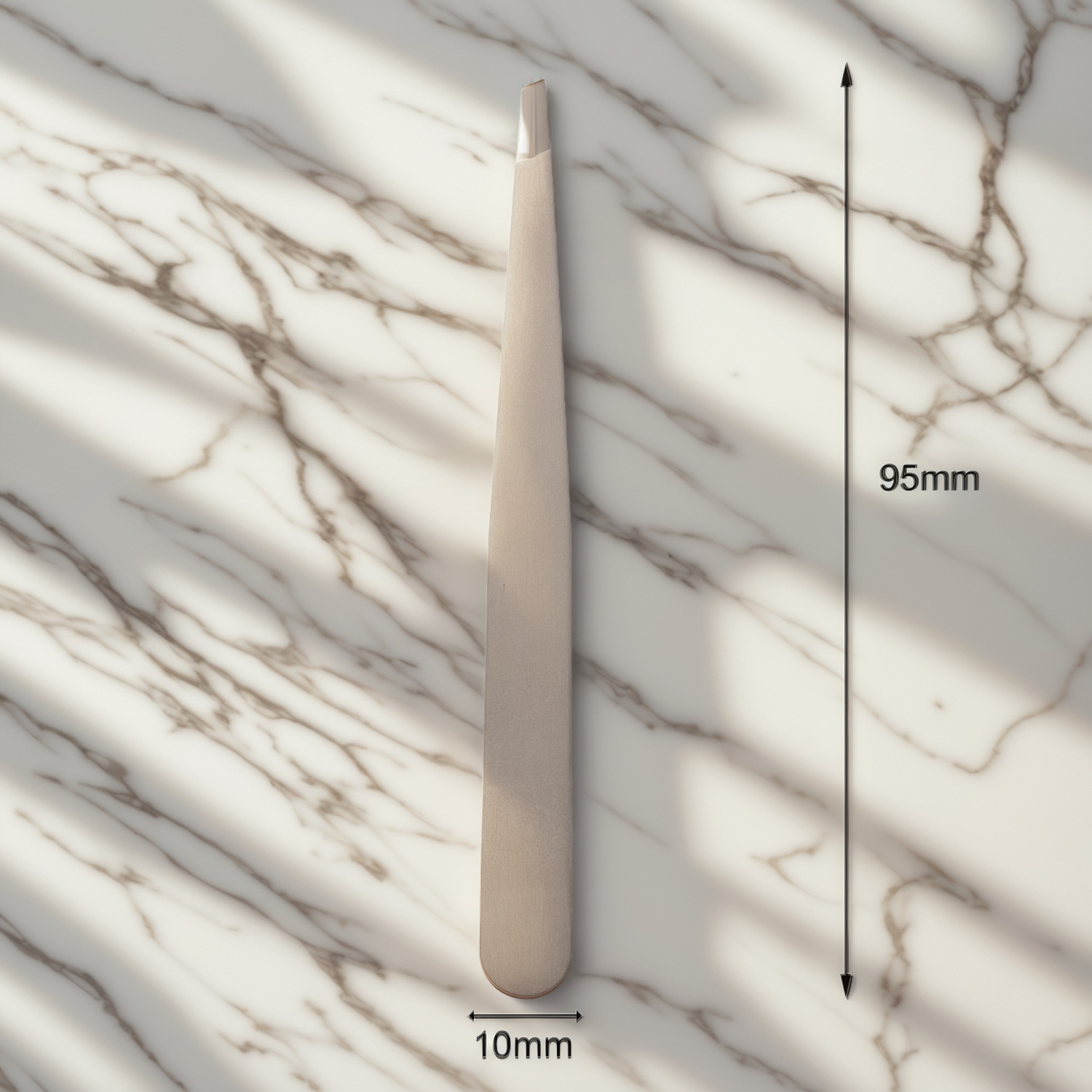
Why Tweezers Quality Matters in B2B Supply
Tweezers are often sold as low-complexity beauty tools, but professional users judge them quickly. Brow artists, lash technicians, estheticians and everyday retail customers notice whether the tips close evenly, whether fine hairs can be gripped without repeated pulling, and whether the tool feels controlled in the hand. Inconsistent tweezers can create frustration even when the product appears visually attractive.
For a B2B buyer, the risk is multiplied across cartons, stores and end users. A minor alignment issue in one item becomes a brand problem when repeated across a shipment. A rough edge, weak grip or uncomfortable shape may lead customers to switch suppliers. This is why craftsmanship, inspection and repeatability should be central to any sourcing decision.
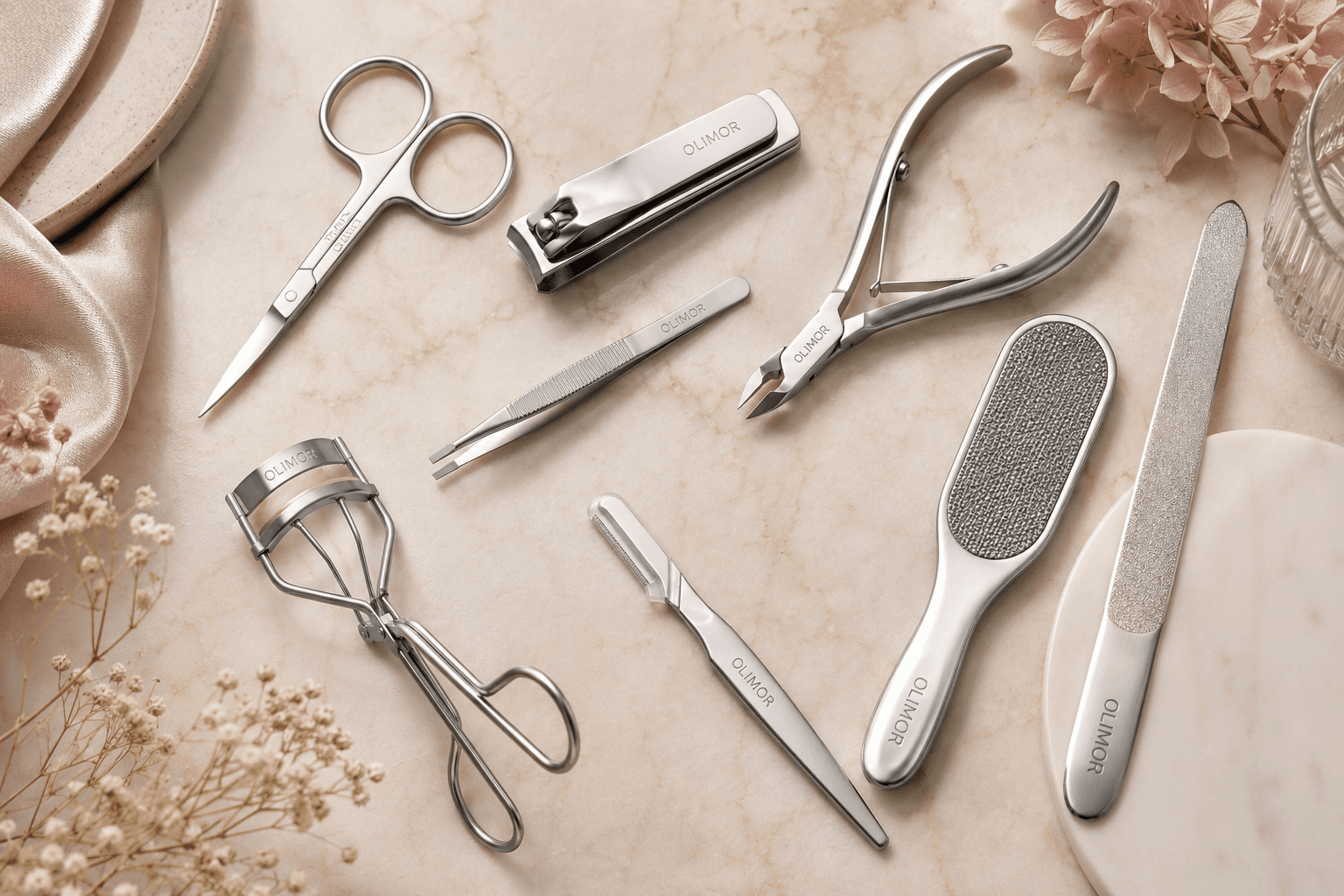
When comparing beauty tool products, buyers should treat tweezers as precision instruments rather than simple accessories. The best sourcing decisions consider how the tool will be used: brow shaping, fine hair removal, lash work, salon resale kits, promotional sets or general beauty retail. Each use case places slightly different pressure on tip shape, grip, finish and packaging presentation.
Craftsmanship Signals to Check Before Ordering
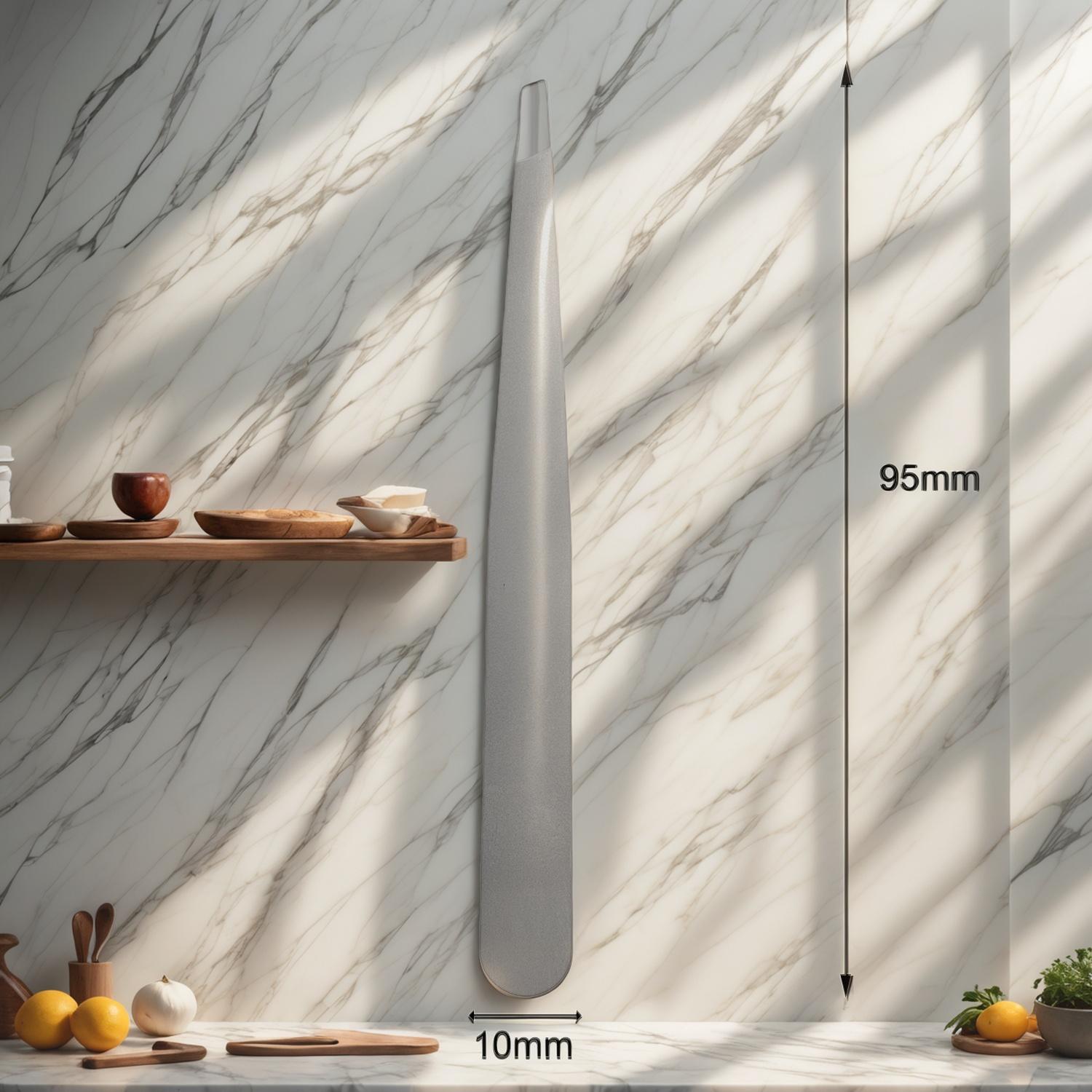
High-quality craftsmanship is visible in the details. Olimor Beauty’s approach includes stainless steel construction, precision-aligned tips and an ergonomic design intended to provide a comfortable, firm grip. These elements help the tweezer grasp fine hairs more effectively and support salon-quality results for professional users.
Before selecting a tweezers exporter, buyers can create a practical sample review process. The goal is not only to decide whether one sample looks good, but to determine whether the supplier can reproduce the same quality across ongoing orders.
- Tip alignment: The tips should meet cleanly without gaps, twisting or uneven contact. Misalignment makes fine hair gripping difficult.
- Gripping performance: Test on fine hairs or suitable sample fibers. A professional tweezer should not require excessive pressure to hold the target.
- Edge feel: Check that the tips and body do not have sharp burrs or rough points that could affect comfort or safety.
- Material suitability: Stainless steel is valued in beauty tools because it supports durability and a clean professional appearance.
- Hand comfort: The tweezer should feel stable during repeated use, especially for salon professionals who work for long sessions.
- Finish consistency: Inspect several samples, not just one, to see whether color, polishing and surface appearance remain consistent.
- Packaging condition: For retail or private-label supply, packaging must protect the tips and present the product cleanly.
Buyers should document these checks with photos and written notes. This creates a clear benchmark for future production and reduces misunderstandings when moving from sample approval to shipment inspection.
Matching Tweezer Types to Market Needs
Different sales channels need different sourcing priorities. A salon supply distributor may focus on performance and durability, while a retail brand may also care about packaging format, finish and shelf presentation. A promotional buyer may need a simpler product, but still cannot ignore tip alignment because the user experience reflects on the brand.
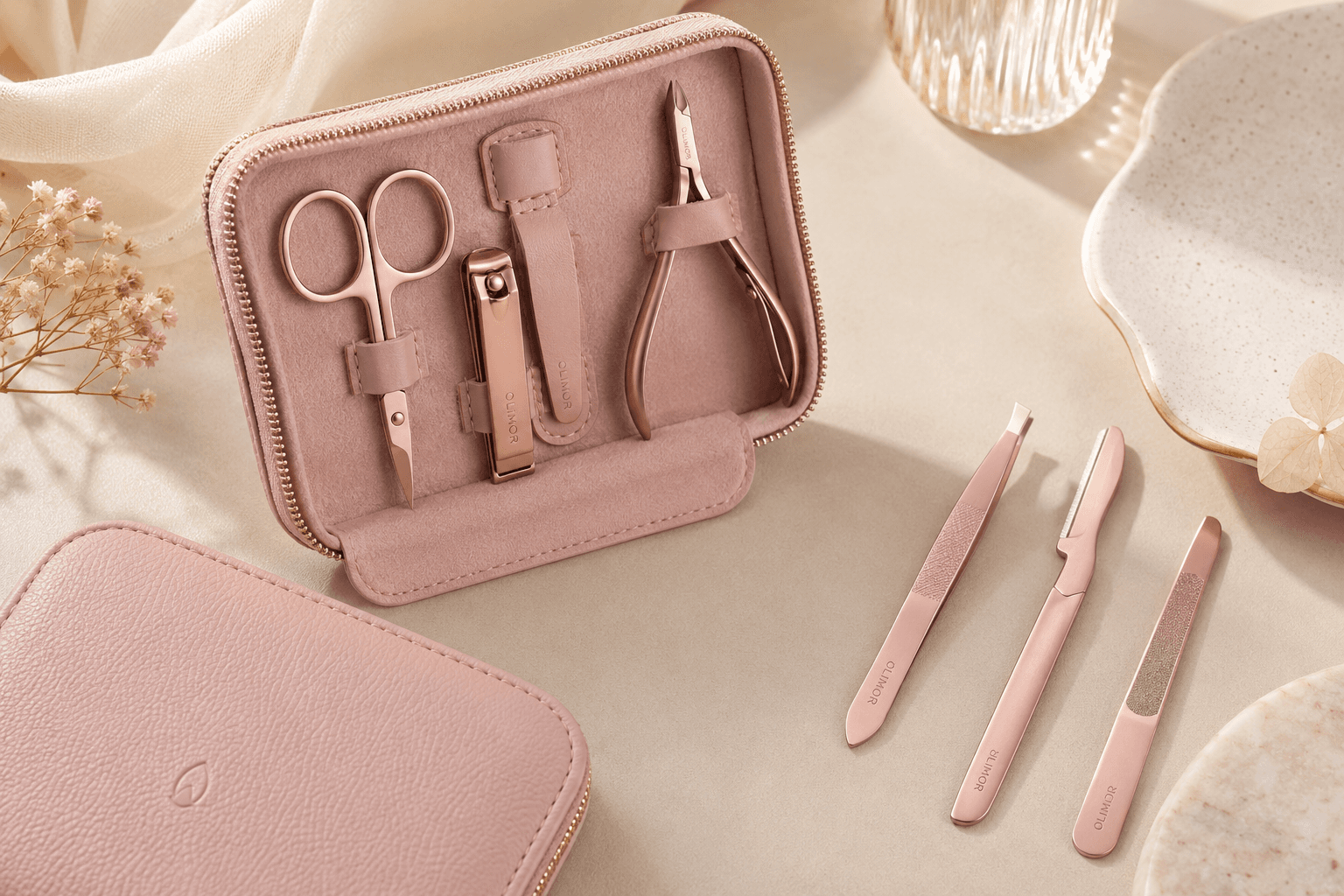
Custom made tweezers can help businesses align products with brand identity and specific professional applications. Customization may involve appearance, packaging direction, or functional preferences, depending on the project and what the supplier can support. However, customization should not weaken the core quality standard. The essential performance features—clean closing tips, reliable grip, stable handling and careful inspection—remain important for every order.
When developing a custom program, it helps to define the target user first. For example, a brow-focused product may require very precise tip contact, while a general grooming kit may prioritize durability and easy handling. A premium retail item may require greater attention to finish consistency and packaging protection. By connecting product decisions to actual use cases, buyers avoid vague specifications and reduce the chance of receiving attractive but poorly suited tools.
Quality Control Questions That Separate Suppliers
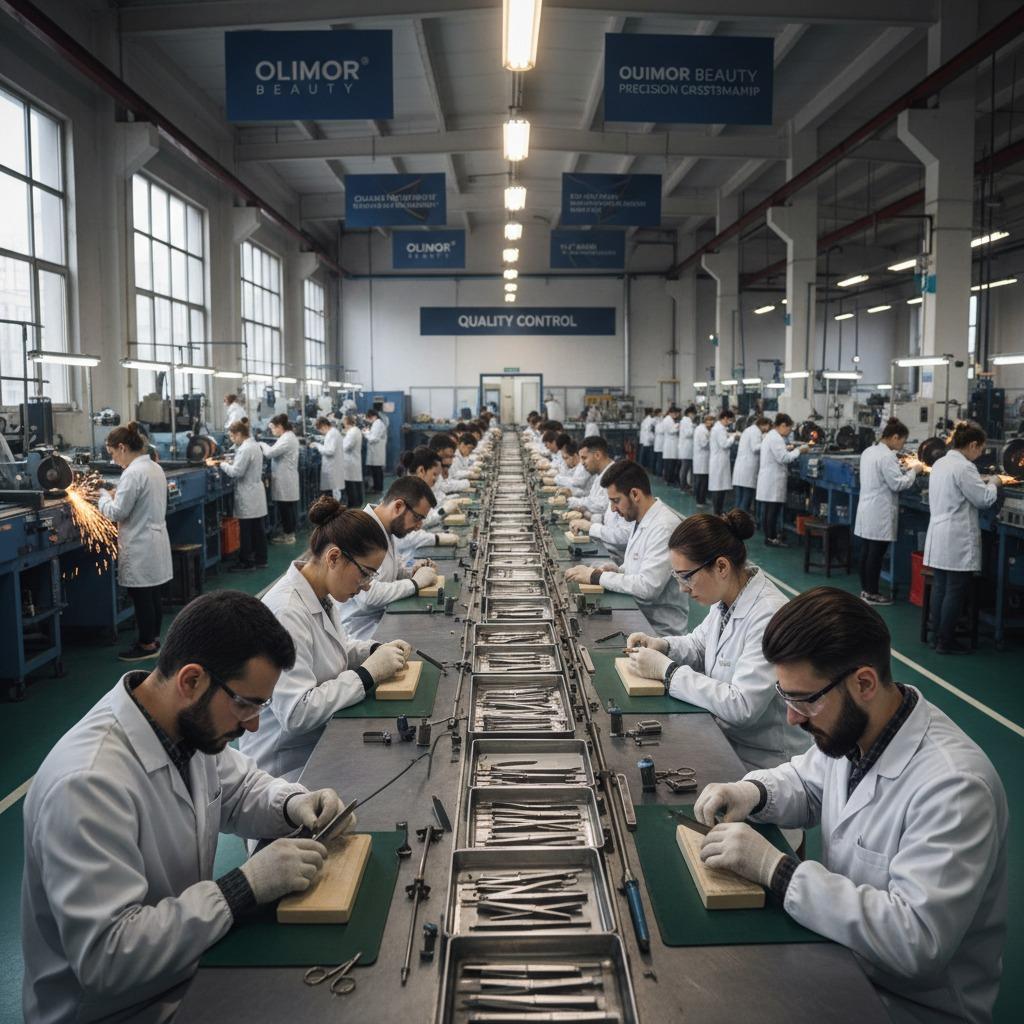
A reliable exporter should be able to explain how quality is managed throughout production. Olimor Beauty applies quality assurance protocols from raw material selection to final packaging, with inspections throughout the process. For buyers, this production discipline is valuable because it supports consistency across standard and custom orders.
Instead of asking only whether a supplier has “good quality,” use focused questions that connect directly to performance and shipment reliability:
- How are tweezer tips checked for alignment before packing?
- At what stages are inspections performed during production?
- How are raw materials selected and checked before manufacturing begins?
- How are finished tweezers protected so the tips are not damaged in transit?
- What sample approval process is used before bulk production?
- How are visual defects, rough edges or inconsistent finishes handled?
- Can the same quality checks be applied to both standard and custom made tweezers?
These questions help buyers evaluate whether a supplier has an organized process or relies mainly on final appearance. For precision tools, final inspection alone may not be enough. Problems such as poor tip contact or uneven finishing are easier to prevent when checks are built into the production flow.
A Practical Buyer Checklist for Comparing Tweezers Exporters
When several exporters appear similar, a structured comparison makes sourcing decisions easier. The table below gives buyers a practical way to rank suppliers without relying on vague claims.
| Evaluation Area | What to Look For | Why It Matters |
|---|---|---|
| Tip precision | Clean contact, no visible gap, reliable grip on fine hairs | Directly affects professional performance and customer satisfaction |
| Material and build | Durable stainless steel and consistent surface finish | Supports a professional feel and long-term product confidence |
| Ergonomics | Comfortable, firm grip during repeated use | Important for salons and frequent users |
| Customization | Options that align with brand and application needs | Helps distributors and brands differentiate their offer |
| Inspection process | Checks from raw materials through final packaging | Reduces variation between samples and bulk orders |
| Communication | Clear answers, practical documentation and responsive support | Improves project control and reduces sourcing risk |
This kind of checklist is especially useful when building a new product line or changing suppliers. It also helps internal teams—purchasing, product development and quality control—agree on what “acceptable quality” means before an order is placed.
Packaging and Shipment Details Buyers Should Not Overlook
Tweezers depend on precise tips, so packaging is more than a presentation choice. If the tips are not protected, a product that leaves the factory in good condition can arrive with bent or misaligned ends. For retail programs, packaging also communicates quality before the customer touches the tool.
Buyers should review whether packaging supports the sales channel. Salon supply products may need practical protection and easy identification. Retail products may require a more polished presentation. Private-label programs may need packaging that reflects the buyer’s brand while still protecting the tweezer’s working edge. Since Olimor Beauty includes final packaging within its inspection approach, packaging can be considered part of the overall quality system rather than a separate afterthought.
It is also helpful to request packaging samples or photos before confirming a full order. Review how the tweezer sits inside the packaging, whether the tips are shielded, and whether the product remains clean and stable during handling.
Building a Long-Term Export Partnership
The strongest B2B supplier relationships are based on repeatability. A successful first shipment is important, but buyers also need confidence that future orders will match the approved quality. This is where clear specifications, approved samples, inspection expectations and responsive communication all matter.
Olimor Beauty supports businesses seeking reliable B2B beauty supplies with a focus on stainless steel construction, ergonomic handling, precision-aligned tips and quality control. Buyers exploring new sourcing projects can review Olimor’s broader product collections to compare beauty tool categories or send an inquiry with project requirements for tweezers or related tools.
Before confirming a supplier, define the intended market, required performance level, packaging expectations and customization needs. Then compare samples against those requirements rather than against general marketing claims. The best tweezers exporters are not simply the ones offering a product that looks good in photos; they are the partners that can deliver consistent craftsmanship, practical customization and reliable quality control order after order.
For brands, distributors and salon suppliers, this disciplined approach protects reputation and improves the buying experience for end users. A well-made tweezer is a small product, but in professional beauty supply it can become a clear signal of whether a brand pays attention to details.
Tag: