Choosing Top Tweezers Exporters for Lash Extension Work
For lash artists, salon buyers and beauty-tool distributors, tweezers are not a small accessory. They are the tool that determines how cleanly a natural lash can be isolated, how accurately an extension can be picked up, and how comfortably a technician can work through a long appointment. When comparing top tweezers exporters, the goal is not simply to find a low-cost item. The better question is whether the supplier understands the grip, balance, tip finish and inspection standards required for false lash application.
Olimor Beauty supplies precision beauty tools for professional use, including tweezers suited to detailed lash work. Buyers comparing export partners should look beyond a catalog image and evaluate how the tool performs in real use: does the tip meet evenly, does the tweezer hold a fan securely, does the handle reduce strain, and is the finished tool consistent from one batch to the next?
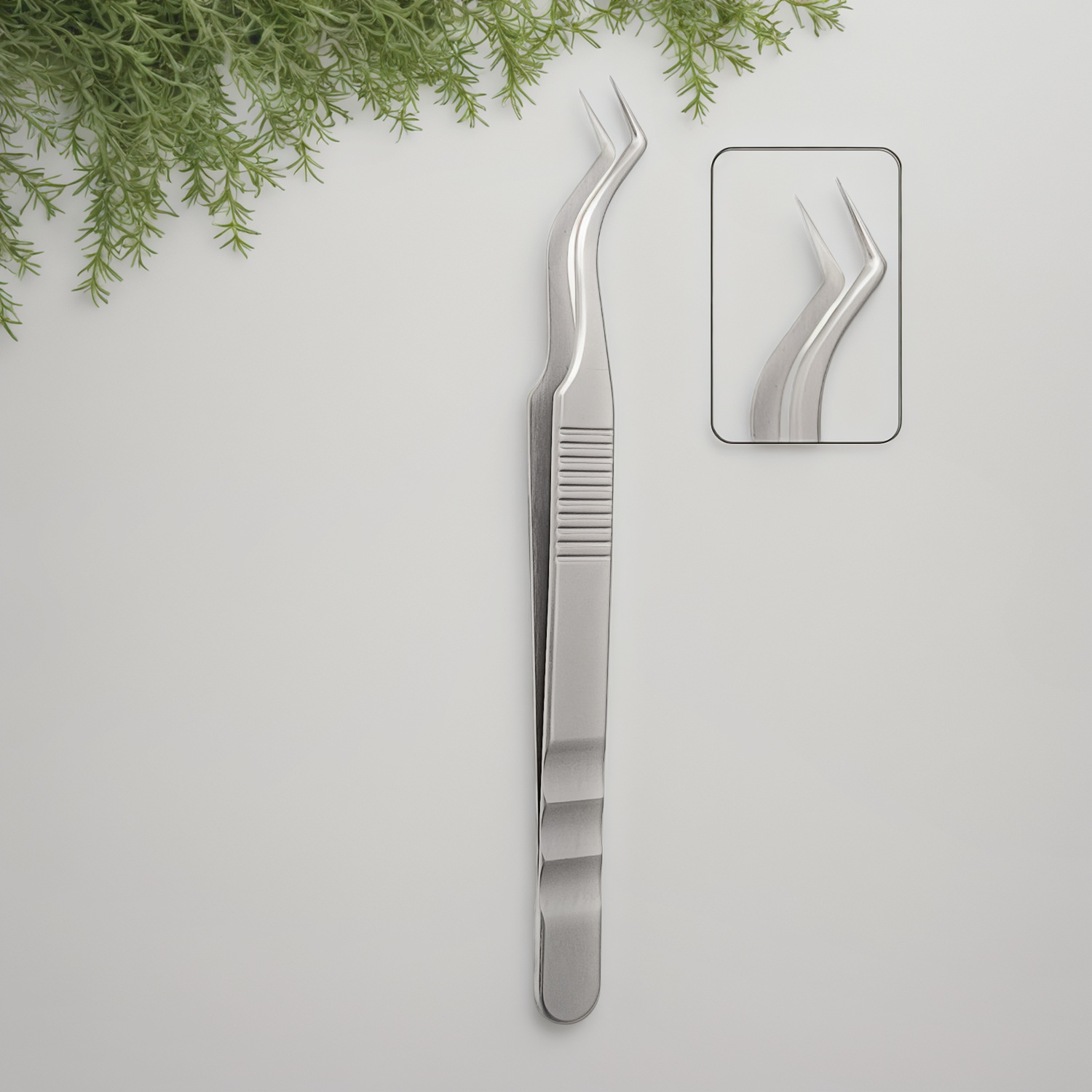
Why Lash Tweezers Require More Precision Than General Beauty Tweezers
Tweezers for false lash application must perform a different job from brow tweezers or general cosmetic tweezers. A brow tweezer is usually judged by how well it removes a single hair. A lash extension tweezer must isolate fine natural lashes without pulling, lift extensions without slipping, and support repetitive hand movement for hours. The wrong tension or tip shape can slow the artist down and make application less consistent.
Precision is especially important in volume lash services, where the artist may need to create or handle delicate fans. The tool needs a gentle yet firm grip: too weak and the extension drops; too strong and the fan can collapse or the hand tires quickly. Ergonomic design also matters because lash artists repeat small movements throughout the day. A well-balanced tweezer helps reduce unnecessary pressure in the fingers, wrist and forearm.
Key Features to Compare Before Choosing an Exporter
When buyers evaluate tweezers exporters, the most useful comparison is not a single specification. It is the combination of material, tip accuracy, tension, finish and packaging reliability. Premium stainless steel is commonly preferred for professional beauty tools because it supports durability and a clean finished surface. However, buyers should still judge the completed tool, not only the material description.
- Tip alignment: The two tips should meet evenly at the intended contact point, with no visible gap that could cause slipping during lash pickup.
- Grip zone: For lash work, the effective grabbing area should feel predictable, so technicians know exactly where the tweezer holds best.
- Tension: The tweezer should close smoothly without excessive force. Heavy tension can increase fatigue during long appointments.
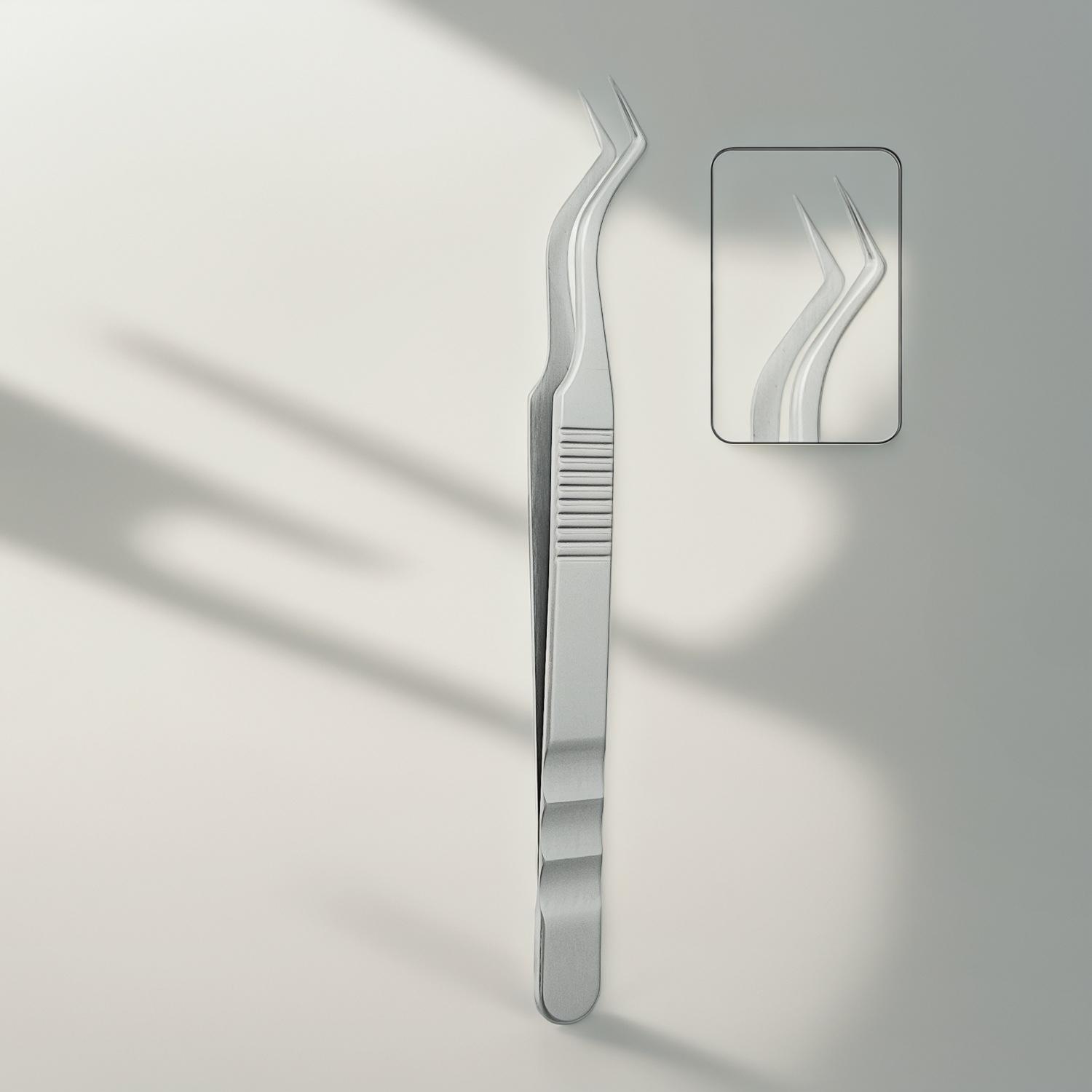
- Tip shape: A finely curved point can support detailed lash placement and controlled access around the lash line.
- Surface finish: Edges should feel smooth and controlled, not rough or sharp in a way that risks discomfort or accidental damage.
- Consistency: A professional buyer needs repeatable quality, especially when supplying multiple artists, training teams or retail customers.
Olimor Beauty focuses on beauty tools that support professional use. To compare available categories, buyers can review beauty tool products or browse broader product collections when planning a sourcing program.
Matching Tweezer Types to Lash Application Tasks
No single tweezer shape is perfect for every lash artist or every technique. An experienced technician may use different tools for isolation, classic placement and volume pickup. Export buyers should therefore consider the end user before choosing an assortment. A distributor selling to professional lash studios may need a more technical selection than a retailer focused on entry-level beauty accessories.
| Application need | What to look for | Why it matters |
|---|---|---|
| Isolation | Fine, precise tip with controlled closing action | Helps separate one natural lash without disturbing nearby lashes |
| Classic lash placement | Reliable grip and comfortable tension | Supports accurate placement of individual extensions |
| Volume fan handling | Predictable sweet spot and stable tip contact | Helps hold delicate fans without crushing or slipping |
| Long salon appointments | Ergonomic handle feel and balanced resistance | Reduces hand strain and supports consistent technique |
| Professional resale | Consistent finish, packaging and batch reliability | Improves buyer confidence and reduces avoidable complaints |
This type of task-based selection is more useful than ordering only by appearance. Two tweezers may look similar in a photo but feel different when closing, gripping or turning near the lash line. For that reason, serious buyers often compare samples in the hands of working lash artists before confirming a larger order.
How to Evaluate a Tweezers Manufacturer in China
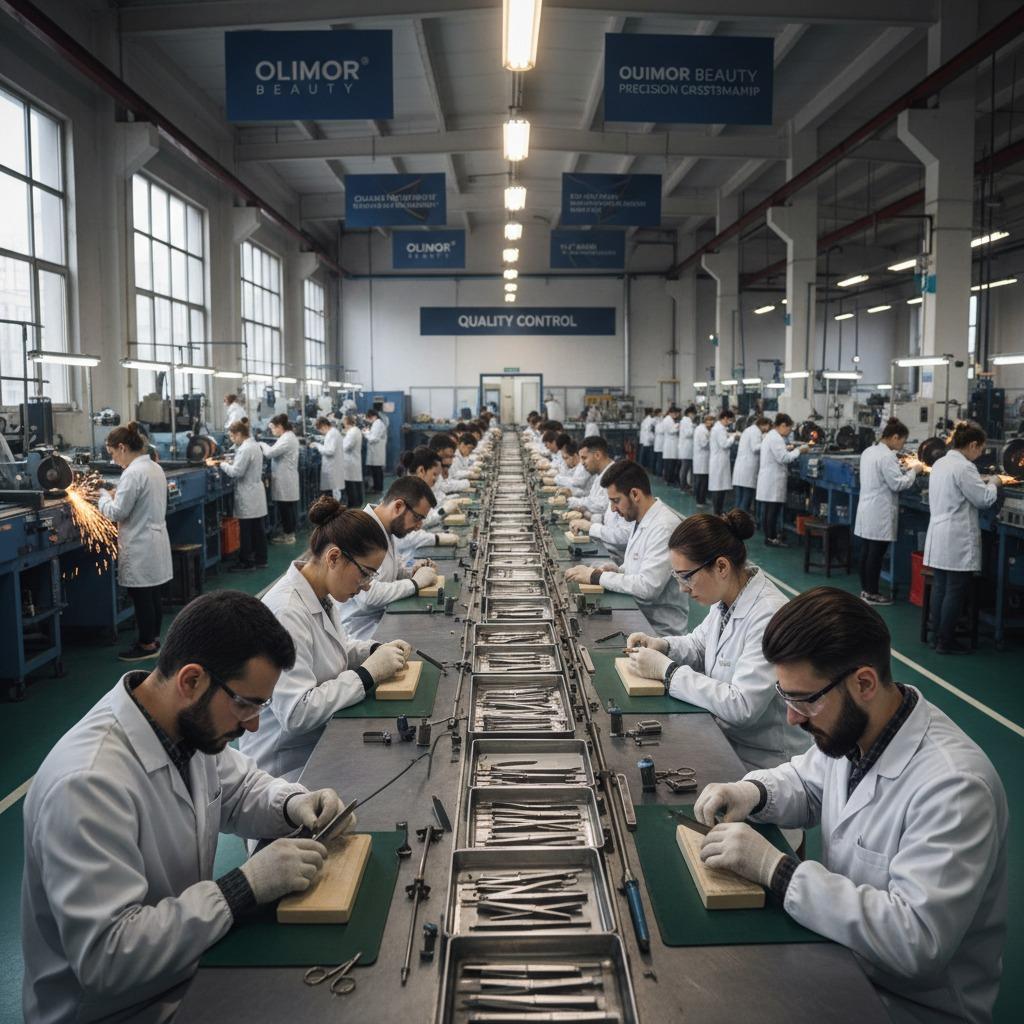
A strong export partner should be able to explain how quality is controlled from raw stainless steel through final packaging. The original performance of a tweezer depends on careful manufacturing, but the final inspection is equally important. Small differences in tip alignment, tension and finish can change how the tool performs in salon conditions.
When assessing a tweezers manufacturer in China, buyers can use a structured checklist rather than relying on broad claims. The checklist should include practical questions that relate directly to lash work:
- Request clear product photos from multiple angles. Close-up images of the tip and side profile help reveal shape and finish.
- Check sample consistency. Test more than one piece if possible, because repeatability matters for professional supply.
- Test with actual lash materials. A tweezer that grips paper or fabric may still behave differently with fine lash extensions.
- Measure comfort over time. A tool may feel acceptable for one minute but tiring during a full service.
- Review packaging needs. Protective packaging helps maintain tip condition during export handling and storage.
- Confirm labeling and assortment requirements early. Buyers should align product presentation with the intended sales channel before production planning.
Olimor Beauty is positioned as a precision beauty-tool supplier, and its quality approach includes checks from raw stainless steel to final packaging. For buyers comparing export options, that type of process discipline is important because lash tweezers leave little room for error.
Quality Control Details That Affect Salon Performance
In lash work, quality is felt in the hand before it is seen by the client. A well-made tweezer closes cleanly, returns smoothly and gives the artist confidence near the eye area. A poorly finished tool may still look acceptable online but can create problems during application: slipping, uneven fan pickup, pressure marks, or the need for excessive finger force.
Tip symmetry is one of the most important inspection points. If the tips do not meet properly, the artist may compensate by squeezing harder, which increases fatigue and reduces accuracy. Surface finishing also matters because rough contact points can interfere with smooth handling. Even packaging plays a role; precision tips should be protected so they do not bend or dull before reaching the technician.
Professional buyers should also consider training environments. Lash academies and studio teams need tools that behave consistently, so students and artists can build technique without adapting to irregular instruments. For distributors, consistency protects brand reputation because customers expect the next order to perform like the last one.
Sourcing Advice for Salons, Distributors and Private Buyers
Different buyers have different priorities. A solo lash artist may focus on hand comfort and the best tip shape for a preferred technique. A salon owner may need a reliable set of tools for multiple technicians. A distributor may care about repeatable quality, packaging presentation and product range. The strongest sourcing decision balances all of these factors with the realities of export communication and quality inspection.
Before placing an order, define the intended user and use case. Are the tweezers mainly for classic lash services, volume work, professional resale, or training kits? Once the use case is clear, it becomes easier to compare products and avoid choosing only by price or appearance. It is also helpful to document what a successful sample should do: grip without slipping, close evenly, feel comfortable, and arrive with protected tips.
Buyers who want to discuss product options can contact Olimor with their intended application, or send an inquiry for sourcing support. Providing details such as target user, preferred tweezer style, packaging expectations and sales channel can make communication more efficient.
Building a Reliable Lash Tweezer Supply Program
The best tweezers exporters help buyers build confidence through product consistency, practical communication and attention to professional requirements. For lash artists, the tool must support fine control and reduce strain. For distributors, the tool must be reliable enough to represent the business in a competitive beauty market. For salons, every pair should help technicians deliver clean, repeatable results.
When comparing exporters, look for evidence of manufacturing care rather than broad promises. Prioritize stainless steel construction, ergonomic design, precise tip finishing, controlled tension and reliable packaging. Most importantly, test the tool in the same way it will be used: with false lashes, under real working conditions, and by the artists who understand the difference between an average tweezer and a dependable professional instrument.
Tag: