How to Choose Tweezers Exporters for Precision Beauty Tools
For beauty brands, salon distributors, private-label buyers, and grooming tool wholesalers, tweezers are small products with a large impact on customer satisfaction. A pair that grips cleanly, aligns correctly, and feels balanced in the hand can become a repeat-purchase item. A pair with uneven tips, weak tension, or rough finishing can quickly create returns, complaints, and damage to a product line. That is why comparing the top tweezers exporters should go beyond price lists and catalog photos.
The right exporter should understand both the manufacturing details behind a precision tool and the commercial needs of bulk buyers. For many customers, the decision includes stainless steel quality, tip alignment, finishing consistency, packaging options, order communication, and whether ODM support is available for a more customized product. Olimor Beauty works with beauty-tool buyers who need practical, repeatable sourcing rather than one-time purchasing. This guide explains how to evaluate tweezers for wholesale and ODM projects with a focus on quality, usability, and long-term supply decisions.
Why Tweezers Quality Matters in Wholesale Beauty Tools
Tweezers look simple, but their performance depends on small details. The two arms must meet evenly, the tips must close without gaps, and the tension must be firm enough for control without creating hand fatigue. For beauty use, customers often rely on tweezers for eyebrow shaping, facial hair removal, lash-related preparation, or detail grooming. In each case, inconsistent grip can make the tool frustrating to use.
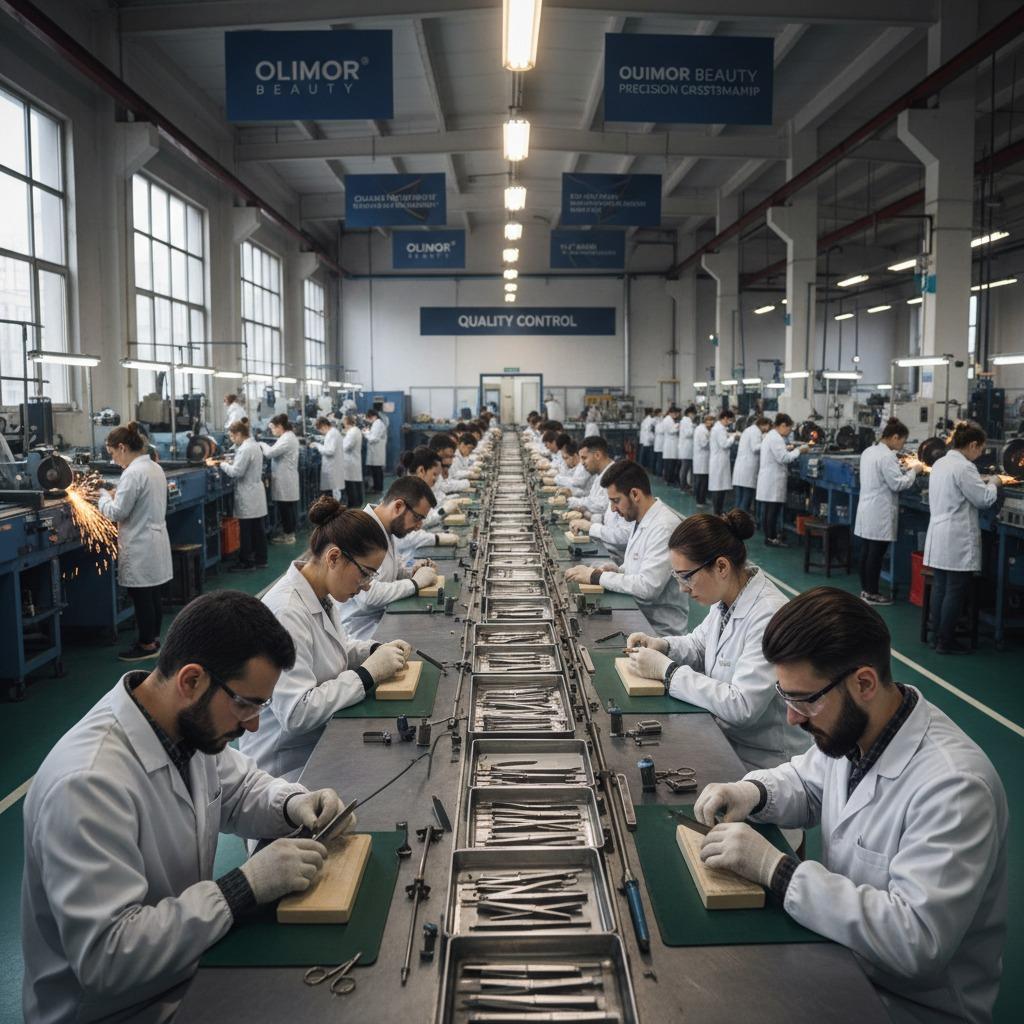
When buying from tweezers exporters, quality variation across a shipment is often the main risk. A sample may feel acceptable, but bulk production must maintain the same alignment and finish across cartons. That is why buyers should look for exporters with an internal quality assurance process that covers raw material inspection, in-process checks, final inspection, and packaging review. The goal is not only to produce a good pair of tweezers once; it is to repeat that result in volume.
Olimor Beauty focuses on stainless steel tweezers and applies quality checks throughout production and packaging. This type of process is important for buyers selling through salons, retail stores, e-commerce channels, or distributor networks where product consistency directly affects brand reputation.
Key Selection Criteria for Tweezers Exporters
Before placing a wholesale order, buyers should compare exporters using practical criteria. A low unit cost can become expensive if the product requires rework, repacking, or replacement. A reliable supplier should make it easier to evaluate both product and process.
- Tip alignment: The tips should meet evenly along the intended gripping surface. Poor alignment reduces precision and can pull unevenly.
- Grip and tension: Tweezers should offer controlled spring tension. Excessive stiffness can tire the hand, while weak tension can feel unstable.
- Material suitability: Stainless steel is commonly chosen for beauty tools because it supports durability and a clean appearance.
- Surface finishing: Edges, corners, and handles should feel smooth enough for repeated use. Rough finishing can affect comfort and perceived quality.
- Batch consistency: Exporters should be able to maintain similar feel, alignment, and finish from samples to bulk production.
- Packaging control: Packaging should protect the tips and keep the product presentable for the buyer’s sales channel.
- Communication discipline: Clear confirmation of product requirements, artwork, packaging, and inspection expectations reduces sourcing errors.
Buyers comparing beauty tool products should treat tweezers as precision items, not generic accessories. Even small changes in tip shape or arm tension can change the user experience.
How to Buy Tweezers Wholesale Without Creating Quality Risk
Learning how to buy tweezers wholesale starts with defining the product use case. A beauty retailer may need a polished retail-ready item, while a salon supplier may prioritize comfort, durability, and easy replacement. A private-label brand may need consistent appearance and packaging for online product photography. The more clearly the intended sales channel is defined, the easier it is to evaluate samples and approve production.
A practical wholesale sourcing process can follow these steps:
- Define the intended user: Decide whether the tweezers are for professional salons, home grooming kits, travel sets, retail shelves, or promotional bundles.
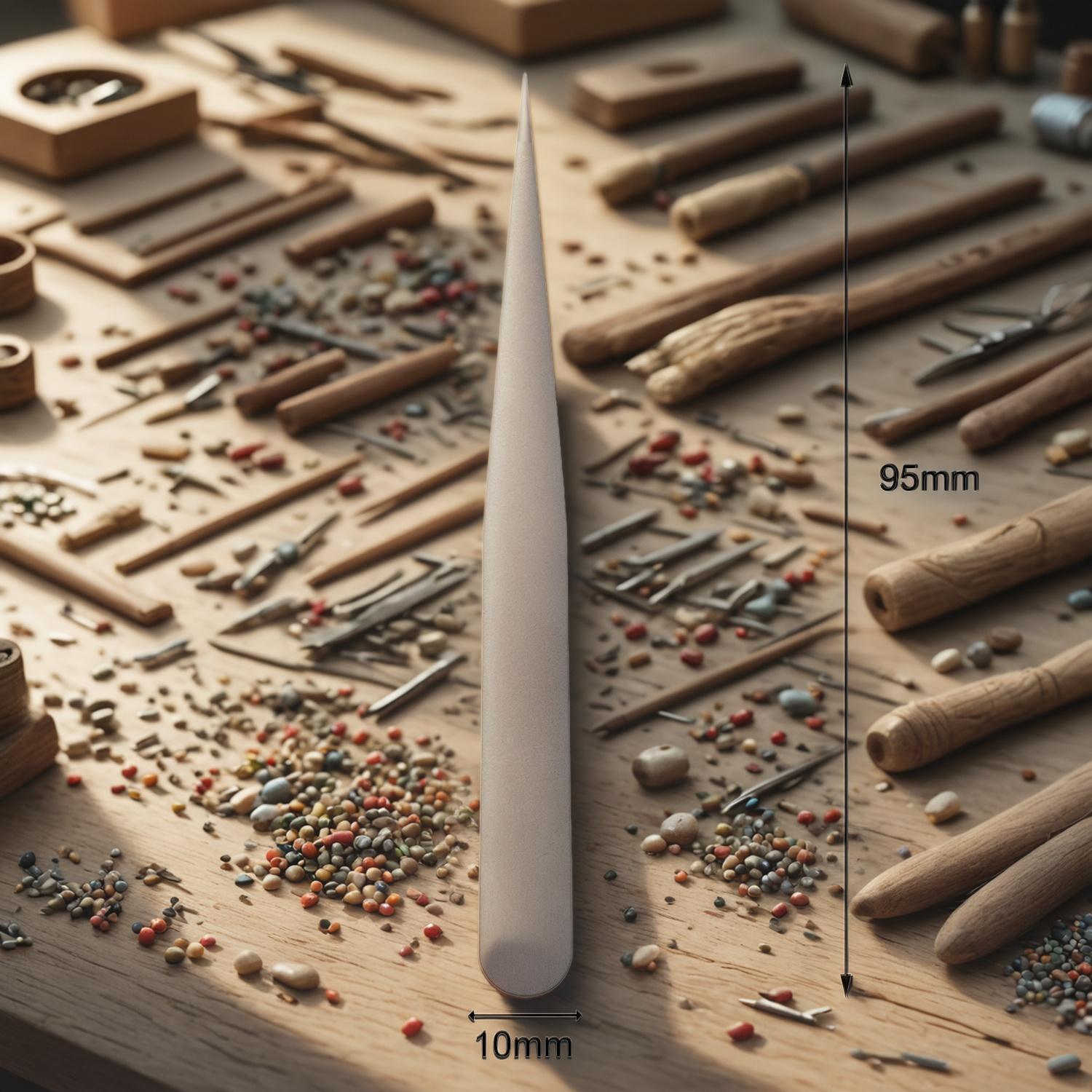
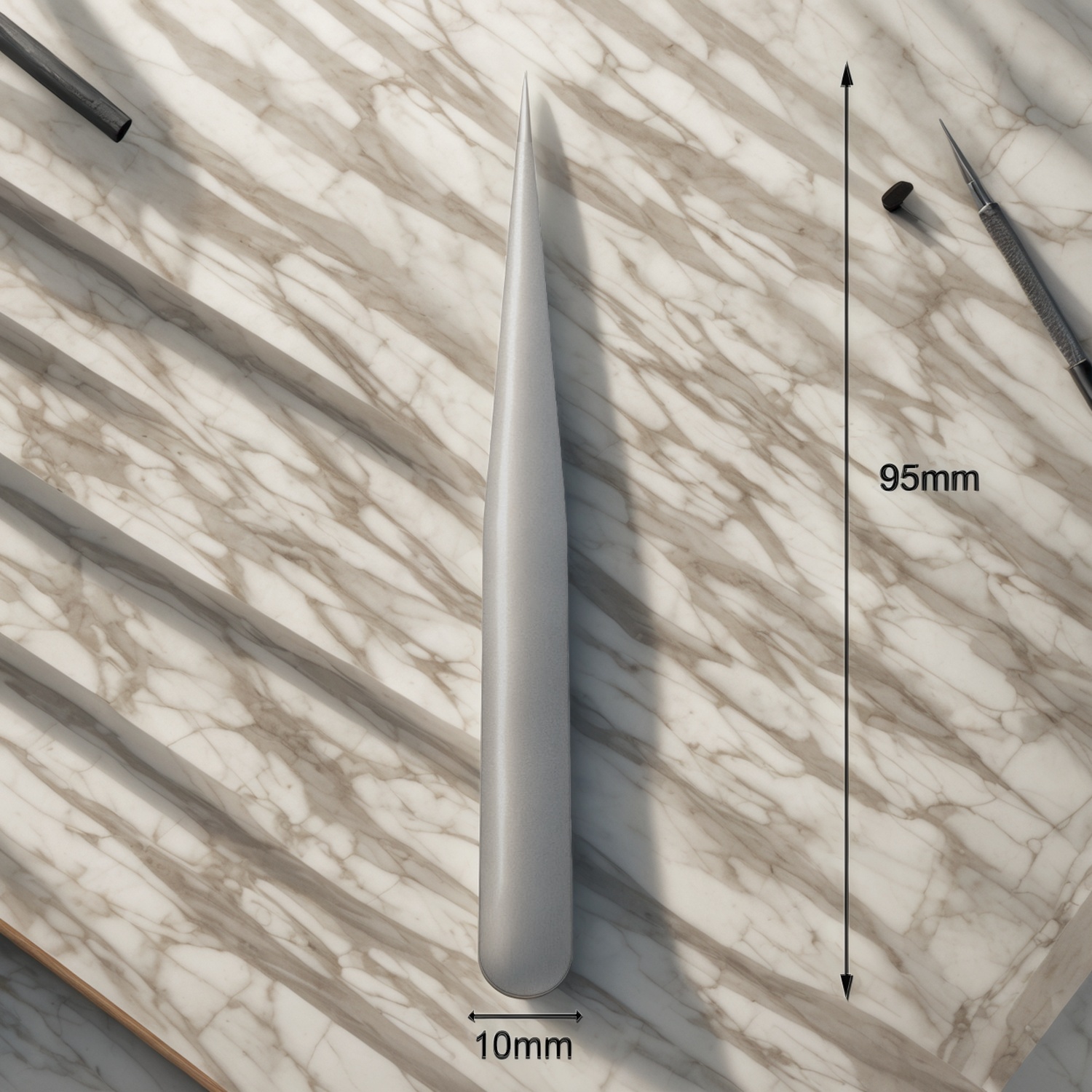
- Confirm the tweezer type and size: If the project uses a known size, such as the sleek 95mm stainless steel tweezers mentioned in Olimor Beauty’s product development experience, confirm whether that size suits the customer’s handling preferences and packaging plan.
- Review physical samples: Check alignment, grip, surface finish, hand feel, and the protection around the tips.
- Set acceptance priorities: Define which issues are critical, such as misaligned tips, visible surface defects, weak closing force, or damaged packaging.
- Confirm packaging needs: Determine whether products require individual packaging, protective sleeves, retail presentation, or bulk packing.
- Approve final details before production: Confirm product appearance, packaging artwork, labeling requirements, and carton information.
- Evaluate shipment consistency: When goods arrive, compare random pieces with the approved sample to monitor repeatability.
Buying directly from a manufacturer or experienced exporter can help buyers manage quality across larger orders because communication is closer to production. However, the buyer still benefits from a clear checklist and written confirmation of expectations.
When Tweezers ODM Support Makes Sense
Standard tweezers are suitable for many buyers, but tweezers ODM services become useful when a company wants a tool that better fits its brand, customer segment, or product bundle. ODM can involve adjustments to shape, handling feel, finishing style, packaging concept, or other design-related details that influence how the product is used and presented.
ODM is most valuable when the buyer has a clear commercial purpose. For example, a salon-focused brand may want a tool that feels steady during long working hours. A retail beauty brand may focus on a clean appearance and packaging that supports shelf display. A grooming kit supplier may need tweezers that fit into a compact set. In each case, the design decision should be connected to real usage rather than decoration alone.
Olimor Beauty’s ODM approach emphasizes ergonomic and functional design. For buyers, the most productive ODM discussions usually include target market, desired hand feel, packaging channel, acceptable finishing direction, and inspection priorities. Instead of requesting a vague “premium” product, it is better to describe what premium means for the end user: smoother edges, consistent closing, protected tips, or a more comfortable grip.
Inspection Points Buyers Should Not Overlook
Tweezers inspection should be simple enough to repeat but detailed enough to catch the defects that matter. A buyer does not need to turn every purchase into a laboratory project, but basic checks can prevent many common sourcing problems.
| Inspection area | What to check | Why it matters |
|---|---|---|
| Tip closure | Tips meet evenly without obvious gaps | Supports accurate gripping and hair removal |
| Arm tension | Opening and closing feel controlled | Affects comfort and precision during use |
| Surface finish | No rough edges, sharp burrs, or visible finishing problems | Improves handling and customer perception |
| Cleanliness | Product arrives clean and presentable | Important for retail and salon buyers |
| Packaging | Tips are protected and units match approved presentation | Reduces transit damage and repacking work |
These checks are especially important when a buyer is building a long-term assortment across multiple product collections. Consistency between tools helps a brand look organized and dependable.
Packaging and Brand Presentation for Export Orders
Packaging is not only a visual decision. It protects the gripping tips, supports inventory handling, and affects how customers judge the product before use. A well-made pair of tweezers can still disappoint buyers if the tips are exposed during shipping or if the retail presentation does not match the sales channel.
For wholesale and export orders, buyers should consider whether the tweezers will be sold individually, included in a set, or supplied to salons as professional consumable tools. Individual retail packaging may need stronger visual presentation, while bulk professional supply may focus more on protection and efficient handling. If a private-label project is involved, artwork, product labeling, and carton marks should be confirmed before production begins.
Good packaging planning also reduces downstream costs. Repacking, relabeling, or replacing damaged pieces after arrival can erase savings from a cheaper quotation. Exporters that pay attention to final packaging inspection help buyers receive goods that are closer to being sales-ready.
Building a Better Long-Term Supplier Relationship
The best tweezers exporters are not only factories that can make a sample. They are partners that can help buyers repeat quality, communicate changes, and support future product development. For growing beauty brands and distributors, this matters because successful tweezers may lead to matching grooming tools, kit expansion, or private-label collections.
A strong supplier relationship depends on clear information from both sides. Buyers should share product purpose, target channel, packaging expectations, and inspection concerns. Exporters should provide realistic production communication, sample confirmation, and quality control discipline. When both sides understand the standard, fewer decisions are left to assumption.
Olimor Beauty supports buyers looking for stainless steel tweezers, wholesale sourcing, and ODM development with attention to precision, ergonomic design, and internal quality assurance. If you are comparing suppliers or preparing a new tweezer project, you can contact Olimor to discuss requirements or send an inquiry with your product direction, packaging needs, and target market.
Final Thoughts for Buyers Comparing Tweezers Exporters
Choosing among the top tweezers exporters should be a structured decision. Product photos and low prices are not enough to confirm whether a shipment will satisfy beauty customers. Buyers should evaluate the tool’s tip alignment, hand feel, stainless steel construction, finishing quality, packaging protection, and the exporter’s ability to repeat approved standards in bulk.
For wholesale buyers, the safest path is to define the use case, approve samples carefully, document packaging and quality expectations, and monitor consistency over time. For private-label or differentiated products, tweezers ODM support can help turn a simple grooming tool into a product that better fits a brand’s audience. With the right sourcing process, tweezers can become a dependable part of a beauty tool range rather than a small item with outsized quality risk.
Tag: