How to Choose Tweezers Exporters for Precision Beauty Tools
For beauty brands, distributors and professional grooming suppliers, choosing among tweezers exporters is not simply a purchasing task. Tweezers are small tools, but customers notice every detail: the way the tips meet, how the tool grips fine hair, whether the tension feels controlled, and how long the finish holds up in daily use. A weak pair of tweezers can damage trust in an entire beauty tool range, while a well-made pair can become a repeat purchase and a reliable add-on for retail kits, salon supplies and promotional sets.
The right export partner should understand both manufacturing precision and the commercial needs of your market. That includes consistent production, practical customization, careful inspection and packaging that supports your sales channel. Olimor Beauty focuses on precision beauty tools for businesses that need dependable sourcing rather than one-time commodity buying. Use the guide below to compare suppliers more clearly and build a tweezers program that matches your customers’ expectations.
What Makes a Tweezers Exporter Worth Shortlisting?
A strong exporter is not defined only by a catalog photo or a low unit quote. Tweezers are precision items, so the supplier’s process matters. Before shortlisting a manufacturer, evaluate how the company approaches raw material selection, tool shaping, tip finishing, inspection and final packaging. Olimor Beauty uses high-quality stainless steel and emphasizes ergonomic designs, two practical factors that affect both durability and comfort during use.
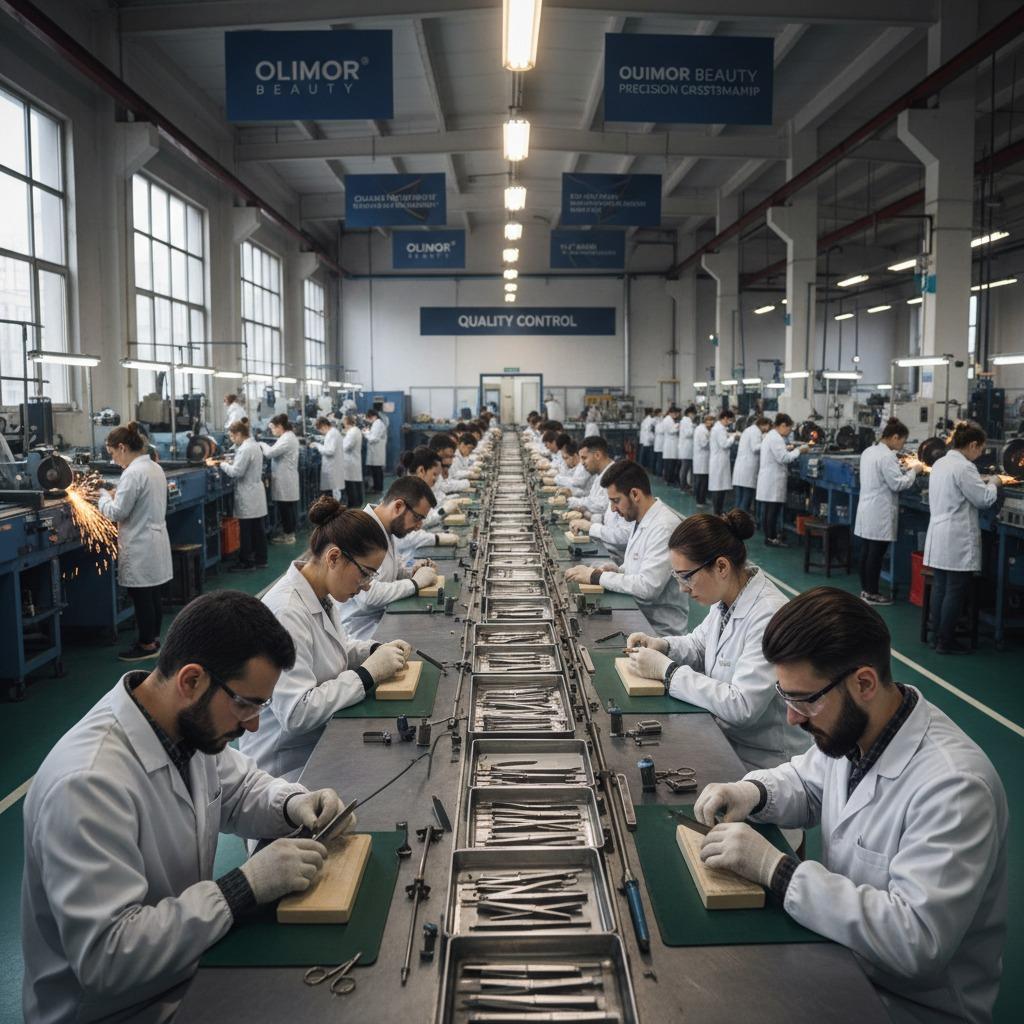
For importers and private label buyers, consistency is often more important than a single perfect sample. A sample can be hand-selected, but production orders must repeat the same grip, finish and alignment across the batch. That is why quality assurance should cover the full workflow, from incoming material inspection to final checks before shipment. When comparing exporters, look for evidence that inspection is part of normal production, not an afterthought at the end.
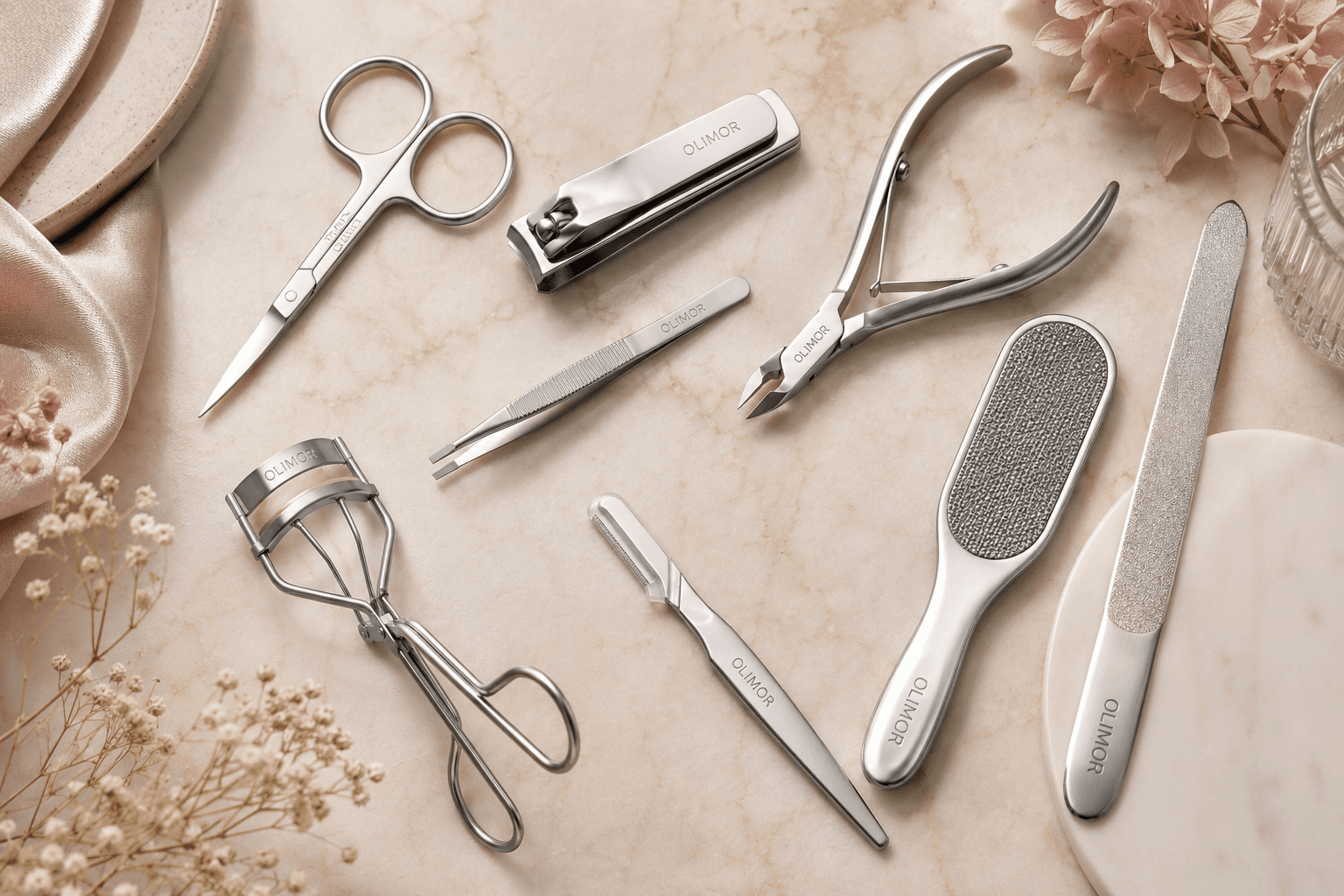
It is also useful to consider communication quality. Tweezers may require decisions about tip style, surface finish, logo placement, retail packaging and assortment planning. A supplier that can explain trade-offs clearly will help you avoid designs that look attractive in a mockup but perform poorly in real use. If you are developing a broader tool range, you can review related beauty tool products to understand how tweezers may fit with other grooming accessories.
Key Performance Details Buyers Should Inspect
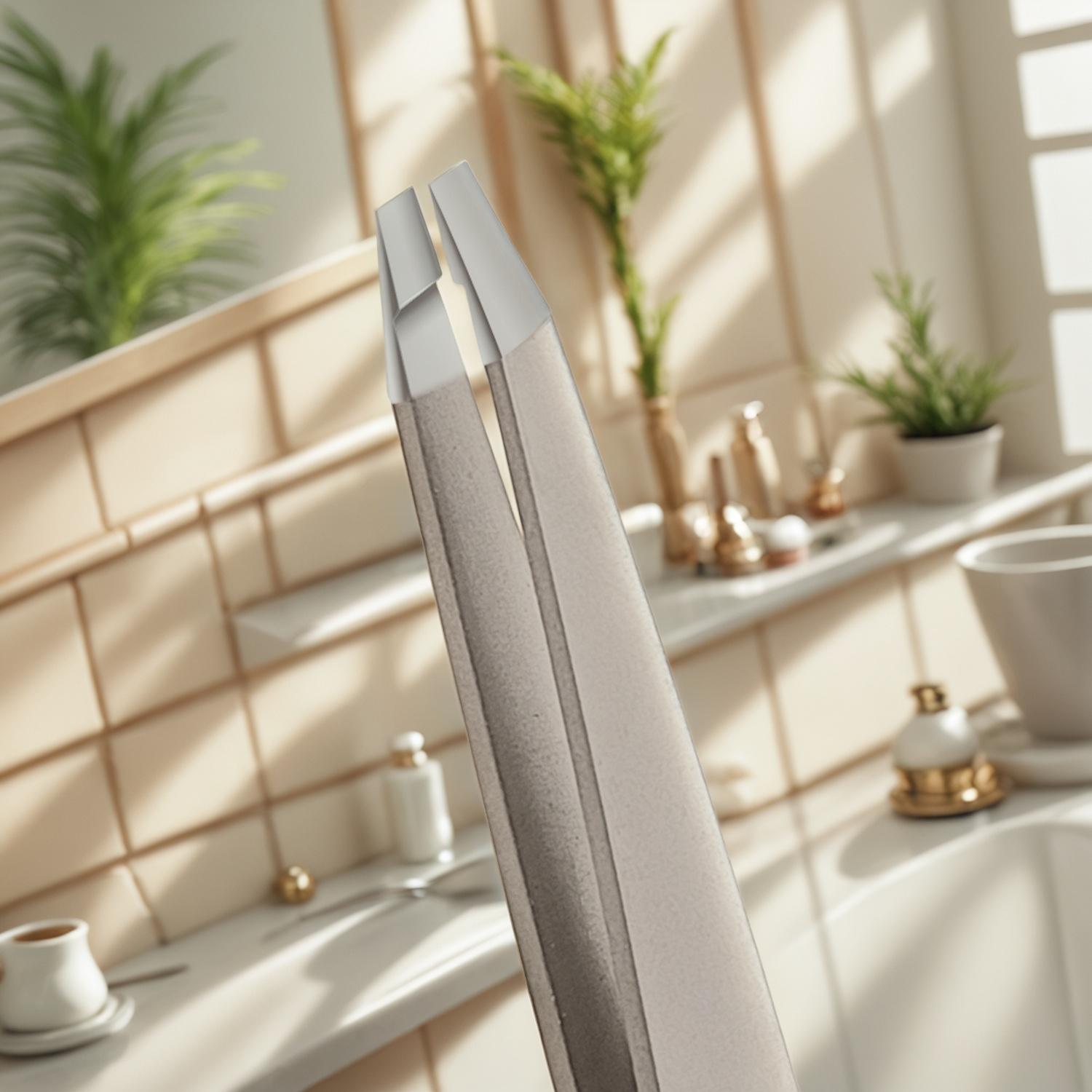
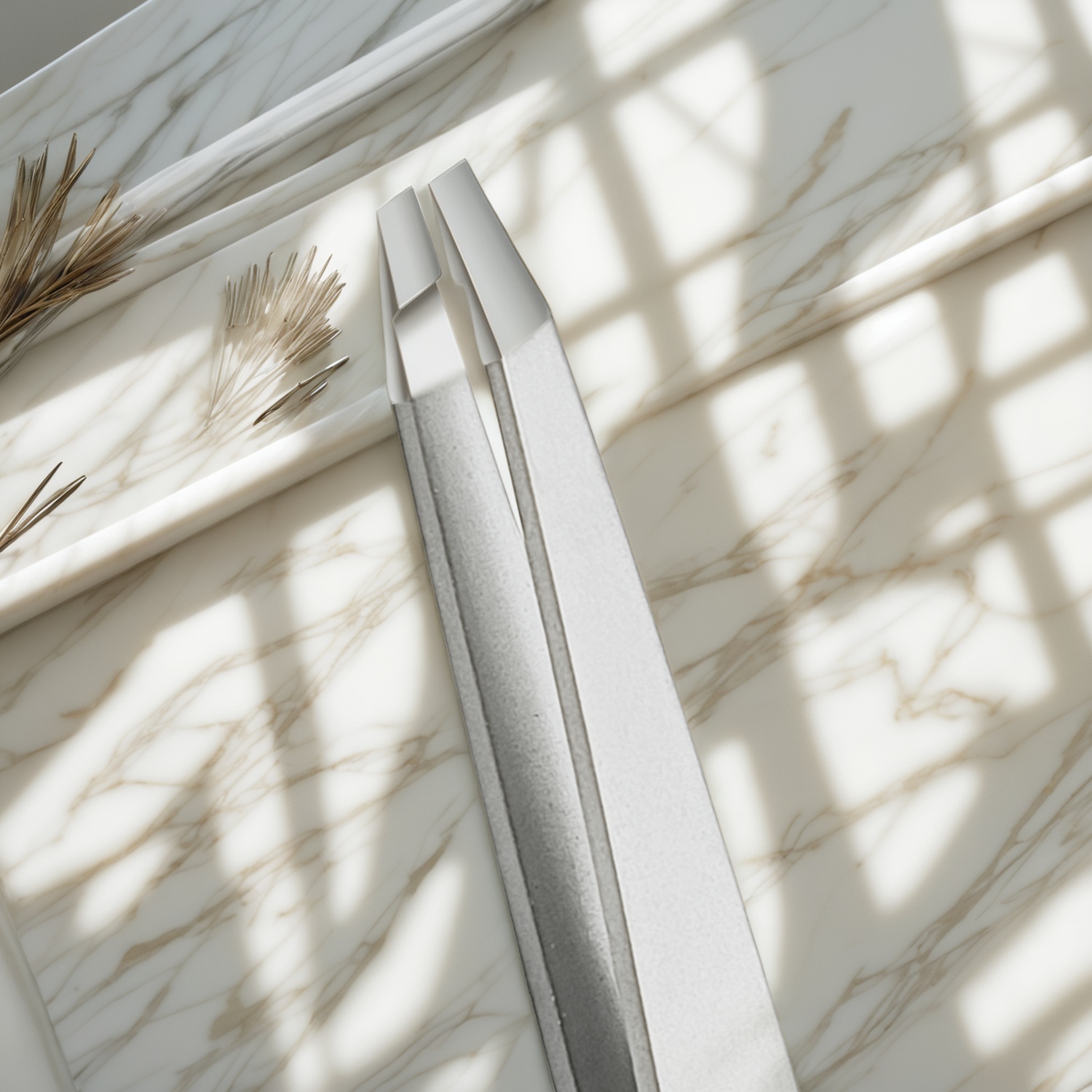
The best tweezers are judged at the tips. Even minor gaps, uneven contact or poor finishing can make the tool slip instead of gripping. Buyers should request samples that represent the intended production style and test them in real scenarios. A beauty retailer may focus on brow shaping, while a salon supplier may need reliable grip over repeated professional use. The target customer should shape the testing method.
Use the following checklist when reviewing samples or production approvals:
- Tip alignment: The two tips should meet evenly without twisting or visible offset.
- Grip precision: The tweezers should hold fine hair securely without excessive squeezing force.
- Tension control: The arms should feel stable, not too stiff and not too loose.
- Edge finish: Contact edges should be precise without feeling rough against skin.
- Handle comfort: The shape should support controlled use, especially for brow grooming.
- Surface consistency: The finish should look clean and uniform across the visible areas.
- Packaging fit: The tool should be protected from tip damage during storage and transit.
These details are also important for customer reviews. Many complaints about tweezers come from small functional failures: tips that do not close properly, tools that feel slippery, or packaging that allows the tip to bend before purchase. Addressing these points early helps protect your brand reputation.
Custom Made Tweezers: Where Customization Adds Value
Custom made tweezers can help a brand create a distinctive product, but customization should be tied to a clear user benefit. A unique finish may support a premium retail position, while an ergonomic handle may make the tool easier to control. A specialized tip can serve a specific grooming task. Olimor Beauty can develop bespoke solutions around details such as tip style, finish and handle design, allowing buyers to align the product with their market needs.
When planning customization, separate cosmetic changes from functional changes. Cosmetic customization includes surface color, finish direction, logo placement and packaging artwork. Functional customization may involve the tip shape, the pressure feel, the body width or the way the user holds the tool. Functional changes normally require more careful sampling because they affect performance, not just appearance.
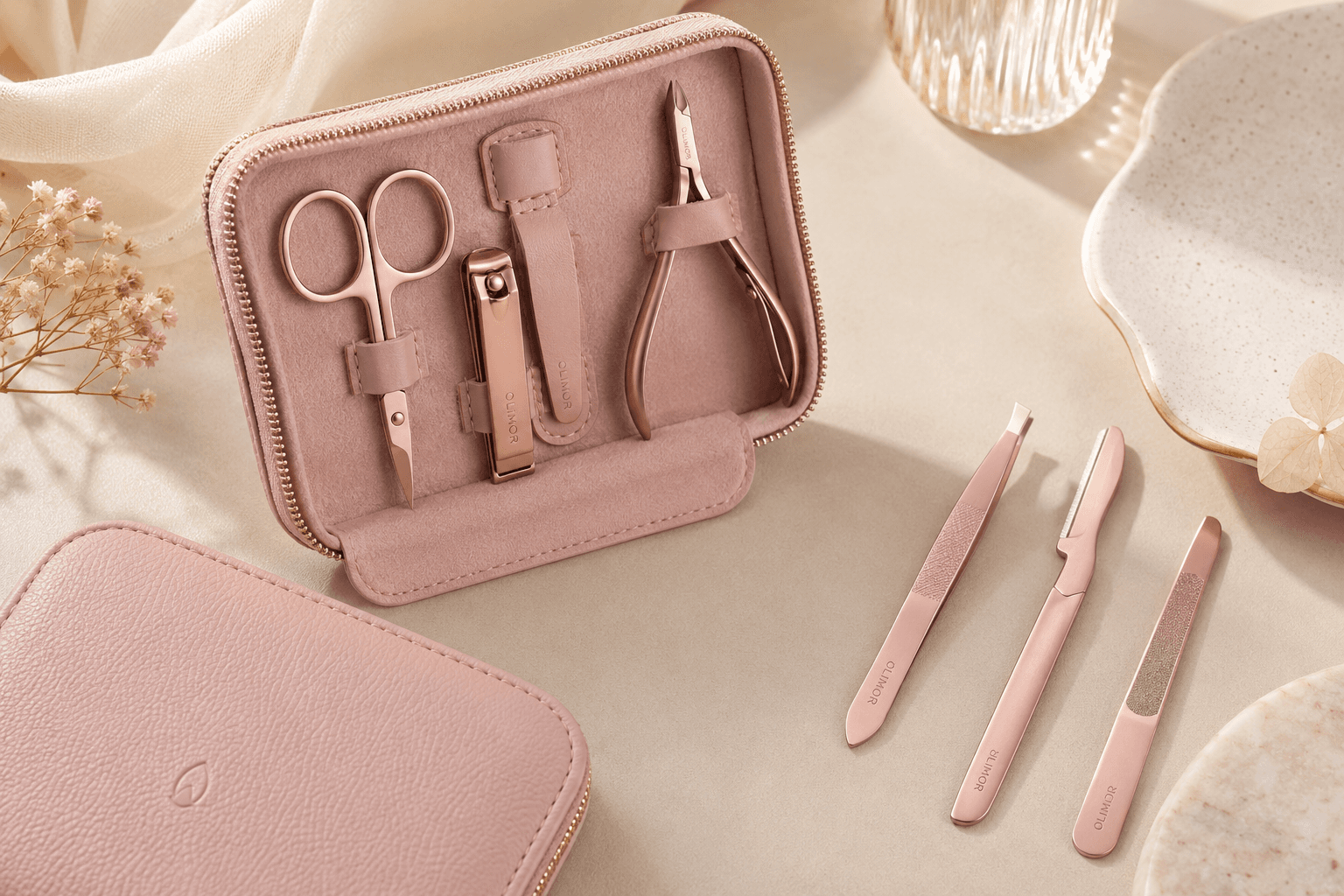
A practical product brief should include the sales channel, target retail position, intended user and competing products. For example, a brow-focused retail tweezer may need a different balance than a tool intended for a general manicure and grooming kit. A private label line may also require matching visual language across scissors, nail tools and tweezers. Explore Olimor product collections when planning how one tweezer design might coordinate with other beauty tools.
Questions to Ask Before Confirming a Production Order
Good sourcing decisions come from specific questions. Instead of asking only for the lowest quote, buyers should confirm how the exporter manages tolerances, packaging protection and repeat production. The table below summarizes practical decision points for a tweezers order.
| Decision Area | What to Confirm | Why It Matters |
|---|---|---|
| Material | Confirm stainless steel use and surface expectations. | Material choice affects durability, appearance and perceived quality. |
| Tip style | Define whether the tool is for brow shaping, general grooming or another use. | Tip geometry strongly affects grip and control. |
| Tension | Review samples for pressure feel and repeatable closure. | Comfort depends on controlled tension during use. |
| Finish | Agree on visual finish, logo method and acceptable appearance range. | Retail customers judge quality before opening the package. |
| Packaging | Check tip protection, display requirements and barcode or label needs. | Poor packaging can damage tips or weaken shelf presentation. |
| Inspection | Understand how alignment, appearance and packing checks are handled. | Inspection reduces the risk of inconsistent shipments. |
These questions help both sides work from the same expectations. They also make it easier to compare different exporters fairly. A supplier offering a lower price may not include the same finishing, inspection or packaging support. For custom tweezers, unclear specifications can create delays and repeated sampling, so documenting decisions early is usually more efficient.
Quality Control from Raw Material to Final Packaging
Olimor Beauty’s approach emphasizes precise manufacturing steps and quality checks throughout production. For buyers, this matters because tweezers require control at several stages. The raw material must be suitable for the intended tool, the body must be formed consistently, the tips must be finished carefully, and the final product must be protected for shipment.
Quality control should include both appearance and function. A tweezer can look acceptable in a package but still fail if the tips do not meet correctly. Likewise, a tool may grip well but appear uneven if the finish is inconsistent. A balanced inspection process considers both. Final packaging checks are also important because the tweezer tips are the working part of the product; if they are bent or exposed during transit, performance can be compromised before the item reaches the customer.
For brands building long-term programs, it is worth keeping approved reference samples. A reference sample provides a practical standard for future production orders and helps maintain consistency across repeat purchases. It also supports clearer communication if packaging or finish updates are introduced later.
How to Match Tweezers to Your Sales Channel
Different sales channels place different pressure on a tweezer design. A drugstore or beauty retailer may need strong shelf appeal and simple, clear packaging. A salon distributor may care more about repeat performance and comfortable handling. An online seller needs accurate product photography, clear descriptions and a product that performs well enough to avoid returns and negative reviews.
For gift sets or travel grooming kits, compact packaging and coordinated appearance may be central to the buying decision. For professional brow tools, tip alignment and grip should be prioritized over decorative features. For private label assortments, the buyer may need several tweezer types in a consistent finish to cover different grooming uses without creating a confusing product line.
Before placing an order, define the primary use case in one sentence. For example: “a retail brow tweezer for daily home use” or “a durable grooming tweezer for professional kits.” This simple statement helps guide decisions about tip style, finish, packaging and price position.
Working with Olimor Beauty on Tweezers Sourcing
Selecting a partner from the many tweezers exporters available requires more than browsing photos. The best sourcing relationship combines manufacturing knowledge, clear sampling, realistic customization and dependable quality control. Olimor Beauty supports businesses seeking stainless steel tweezers with ergonomic design considerations, carefully aligned tips and practical custom options for brand development.
If you are comparing suppliers, prepare your target market, preferred tip style, finish direction, packaging needs and any artwork requirements before starting discussions. Clear information allows the manufacturer to respond with more relevant options and helps prevent mismatched samples. To discuss a tweezers project or compare options for a broader beauty tool line, you can send an inquiry or contact Olimor with your sourcing requirements.
A well-chosen tweezer may be a small product, but it carries a large share of the user experience. By focusing on precision, comfort, inspection and practical customization, beauty brands can build a tool that customers trust and continue to use.
Tag: