Choosing a Tweezers Exporter for Lash and Beauty Tool Programs
For beauty tool distributors, lash supply brands, salon chains, and private-label buyers, tweezers are small products with a large impact on customer satisfaction. A pair of tweezers that feels balanced, closes cleanly, and grips consistently can become a repeat-purchase item. A poorly finished pair can create complaints, returns, and lost trust. That is why selecting the right tweezers exporter is not only a purchasing decision; it is a quality-control decision that affects every technician or consumer who uses the tool.
Olimor Beauty works in the beauty-tools market with attention to craftsmanship, stainless steel construction, ergonomic design, and application-specific shapes. Whether you are sourcing custom made tweezers for a brand program or tweezers for false lash application, the goal should be clear: choose tools that match the user’s hand, task, hygiene expectations, and retail positioning.
What Separates Reliable Tweezers Exporters from Basic Suppliers
The phrase “top tweezers exporters” is often used broadly, but buyers should look beyond simple catalog size. A dependable exporter must understand how a tweezer performs in the hand and how small manufacturing details affect the final result. The alignment of the tips, the tension of the arms, the surface finishing, and the consistency between production batches are all more important than the visual appearance alone.
For professional beauty use, especially lash work, a tweezer is judged by control. If the tip alignment is uneven, the user may squeeze harder than necessary. If the tension is too stiff, the hand can fatigue during repeated application. If the grip surface is too smooth, the tool may slip in a humid salon environment. These details are why buyers comparing beauty tool products should examine both product samples and the supplier’s process for checking them.
A practical exporter evaluation should include communication as well. Clear discussion of tool purpose, finish expectations, packaging needs, and inspection standards reduces mistakes before production begins. Beauty tools may look simple, but professional buyers know that the smallest differences can change how a product is received in the market.
Key Selection Criteria for Custom Made Tweezers
Custom made tweezers can support different brand strategies: a lash-focused professional line, a retail grooming set, a salon starter kit, or a private-label accessory program. The best customization is not decoration alone. It should improve usability, match the buyer’s customer segment, and make the product easier to sell with confidence.
When planning a custom tweezer project, define the working purpose first. A tweezer designed for false lash placement may need a different tip shape from one intended for brow grooming or general beauty use. The original design direction can include unique tips, grip styles, and tensions, but each choice should be connected to a real use case rather than added for appearance only.
- Tip shape: Consider whether the user needs straight precision, curved visibility, angled gripping, or a lash-friendly form for isolation and placement.
- Closing feel: Tension should allow control without forcing the user to squeeze excessively during longer sessions.
- Grip area: A textured grip can improve handling and help reduce slips, especially for professional users working quickly.
- Material choice: Stainless steel construction is valued for durability and hygiene in beauty tools.
- Finish and appearance: Surface finish should suit the sales channel while still being easy to clean and inspect.
- Packaging plan: Retail packaging, salon kits, and distributor cartons may require different presentation and protection.
Buyers developing a product family can review related categories through Olimor’s product collections to understand how tweezers may fit into a broader beauty tool assortment.
Tweezers for False Lash Application: Performance Details That Matter
False lash application is a precision task. Lash artists often work with tiny fibers, adhesives, natural lash isolation, and placement angles that leave little room for tool inconsistency. The tweezer must allow the user to see the work area clearly while holding or separating lashes with accuracy.
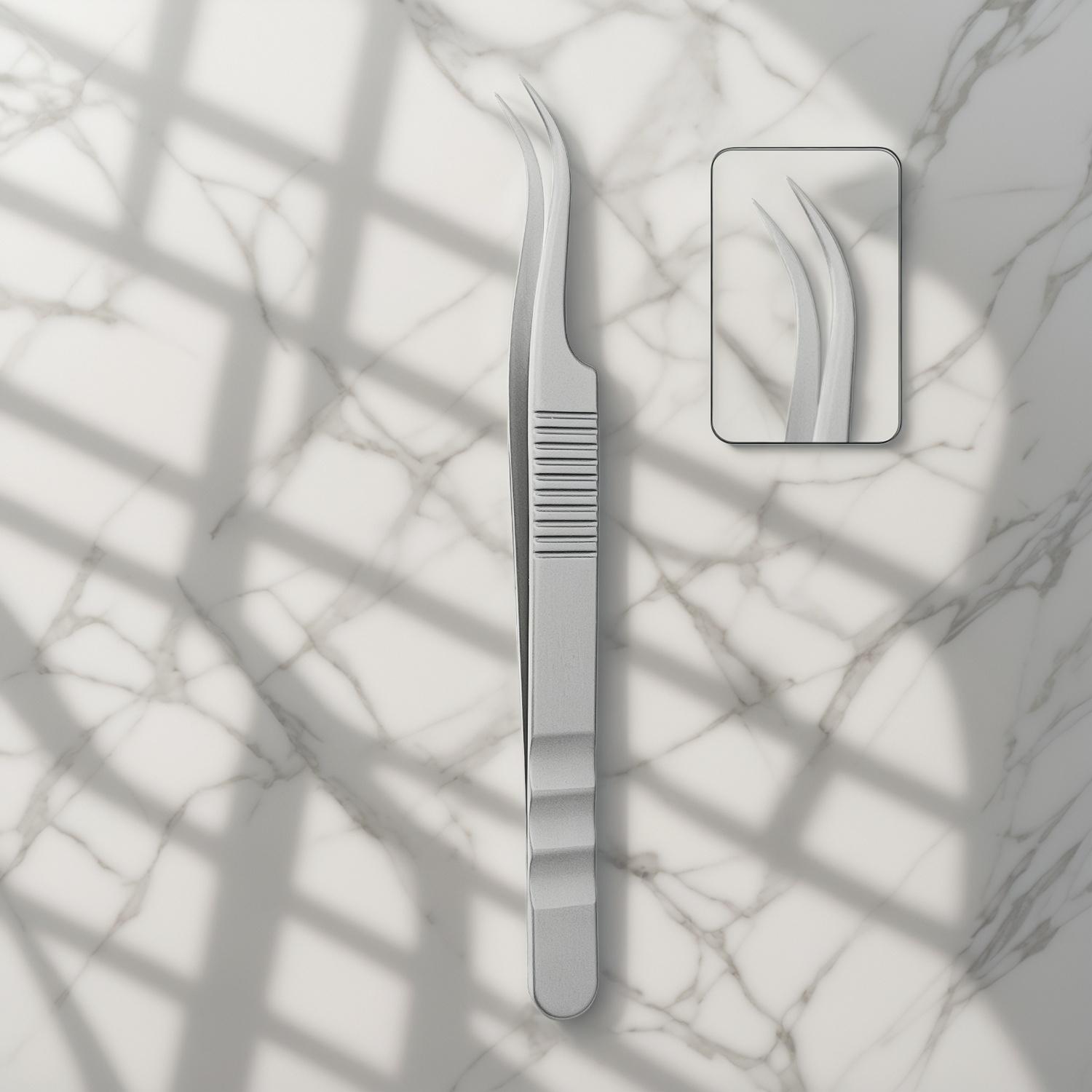
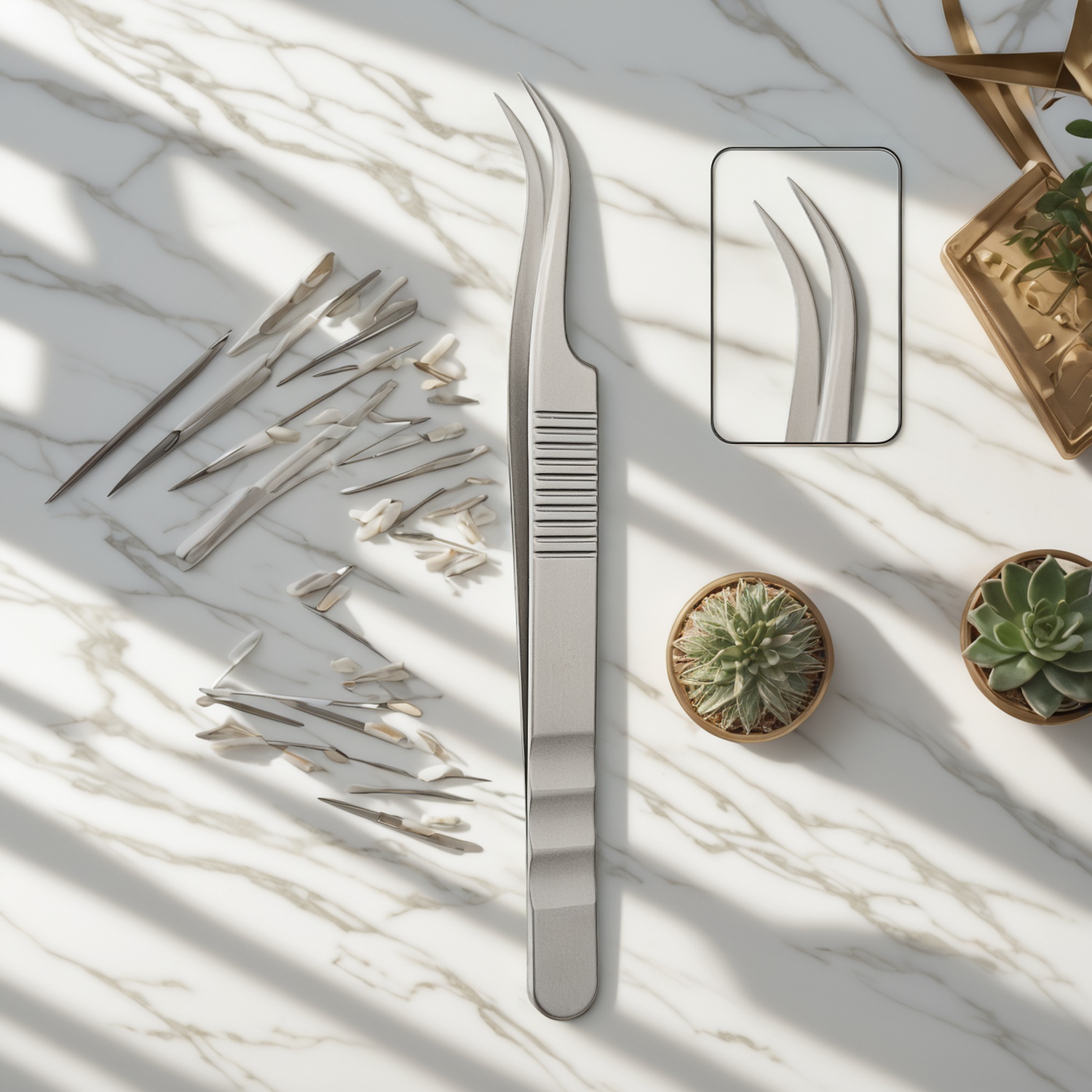
Finely curved tip tweezers are commonly chosen for lash work because they can offer pinpoint placement and a more open view of the application area. The tool should help the technician isolate natural lashes, pick up lash extensions, and place them without awkward hand positioning. When a tweezer supports natural wrist movement, it can make long service sessions more comfortable.
Grip security also matters. A textured grip gives the user more control and may help prevent slipping during detailed work. This is especially useful in busy salons where speed, lighting, and repeated hand movements can affect performance. For lash programs, buyers should not judge a sample only by how it looks in packaging. It should be tested in the exact motion the final customer will use: picking up, isolating, positioning, and releasing.
A Buyer’s Checklist for Sample Review
Before committing to a larger order or a branded program, build a structured sample review. This helps compare suppliers consistently and prevents decisions based only on price or surface appearance. The following checklist is useful for distributors, salon buyers, and private-label teams evaluating tweezers for beauty use.
- Inspect tip alignment: Close the tweezers slowly and check whether the tips meet evenly without visible gaps.
- Test gripping consistency: Pick up fine materials repeatedly to see whether the tool holds reliably across the tip area.
- Check hand comfort: Use the sample for several minutes, not just a quick squeeze, to judge fatigue and balance.
- Review surface finish: Look for smooth edges, consistent finishing, and areas that could trap residue.
- Assess grip control: Confirm whether the grip texture supports secure handling without feeling rough or distracting.
- Evaluate cleaning practicality: Consider whether the design is suitable for the hygiene expectations of the intended market.
- Compare batch expectations: Discuss how production consistency will be checked so approved samples match delivered goods.
This type of review is especially important when selecting tools for lash professionals. A tweezer that performs well in a single demonstration should also feel reliable after repeated use.
Quality Control Questions to Set Before Production
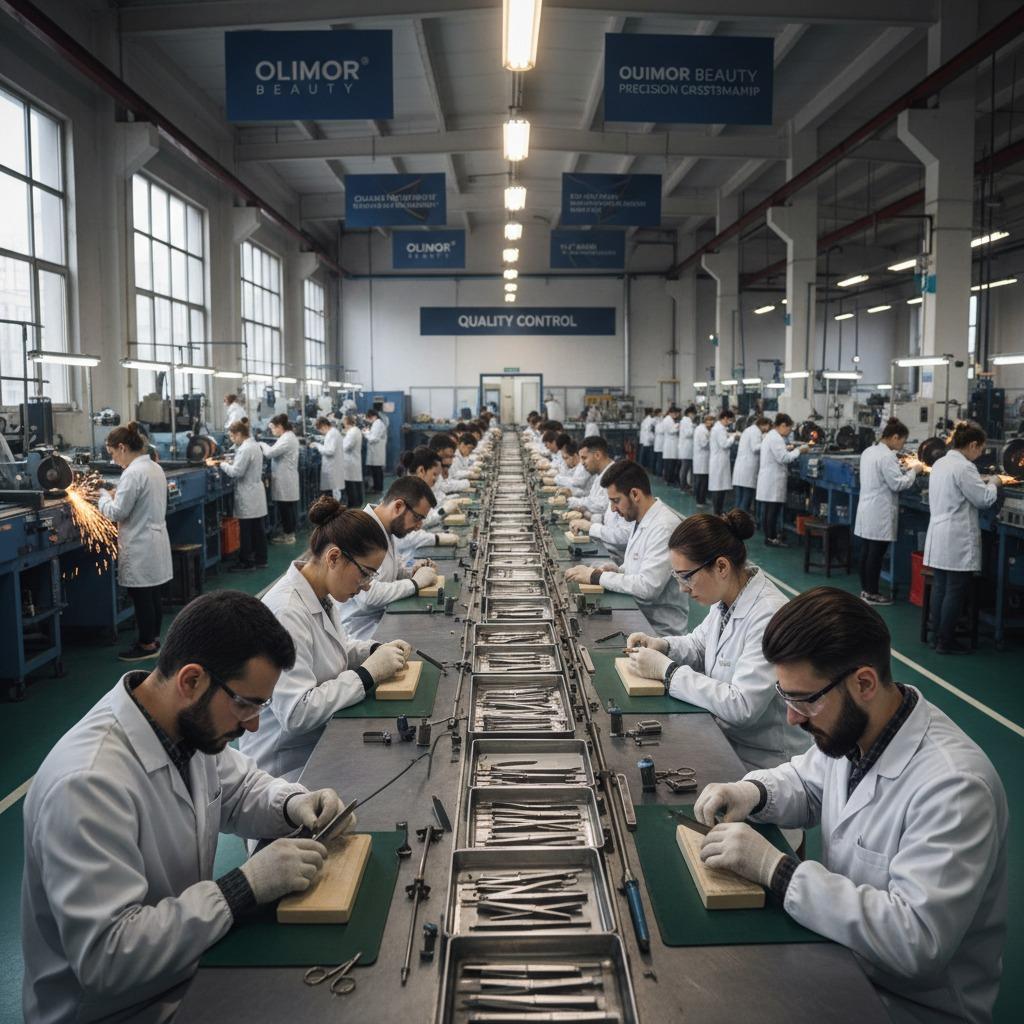
Quality control for tweezers should be discussed early. Since these tools depend on fine alignment and touch sensitivity, inspection should cover function as well as appearance. Buyers can prepare a checklist that clarifies what is acceptable before packaging begins.
| Quality area | What to evaluate | Why it matters |
|---|---|---|
| Tip alignment | Even closing, no obvious gaps, clean contact point | Controls precision during lash placement or grooming |
| Tension | Comfortable squeeze and consistent rebound | Reduces hand strain and improves repeatable control |
| Surface finish | Smooth edges, consistent polishing or coating appearance | Supports user comfort, cleanability, and retail presentation |
| Grip design | Texture placement, slip resistance, hand feel | Helps prevent mistakes during detailed beauty work |
| Packaging protection | Tip protection, secure placement, clear labeling needs | Prevents damage before the customer receives the tool |
These are not complicated requirements, but they must be agreed upon clearly. A tool can be made from durable material and still disappoint if the tip is not aligned or the closing feel is inconsistent.
Maintenance Guidance for End Users and Retail Programs
Good maintenance instructions help protect product reputation after the sale. Retail buyers and professional distributors should consider including simple care guidance with tweezers, especially for lash tools. Stainless steel construction supports durability and hygiene, but users still need proper handling.
After use, tweezers should be cleaned according to the user’s local salon hygiene practices and stored dry. The tips should be protected from drops, pressure, and contact with hard surfaces because even a small bend can affect precision. For lash application, adhesive residue should not be allowed to build up on the working area. Proper storage also matters in kits; tweezers should not be loose with heavier metal tools that can damage the tips.
For professional channels, maintenance guidance can reduce complaints that are actually caused by misuse or poor storage. It also helps the final customer understand that a precision tool deserves more care than a disposable accessory.
How to Build a Strong Tweezer Sourcing Brief
A clear sourcing brief saves time for both the buyer and manufacturer. Instead of asking only for “custom tweezers,” describe the intended user, selling channel, tool function, preferred appearance, and inspection concerns. This allows the supplier to recommend a practical direction and identify any details that need confirmation before sampling.
A useful brief may include the target market, such as lash technicians, brow salons, or retail beauty consumers; the required use case, such as false lash application or general grooming; the desired tip style and grip preference; packaging format; branding placement; and quality priorities. If you are comparing options or building a new beauty tool line, you can send an inquiry with your project requirements or contact Olimor for product communication.
The best sourcing decisions are based on function, consistency, and suitability for the final customer. By focusing on tip performance, ergonomic feel, stainless steel construction, textured grip options, and clear inspection standards, buyers can choose tweezers that support both professional use and long-term brand confidence.
Tag: