How Beauty Brands Can Source Precision Tweezers from Exporters
Choosing a tweezers exporter is a small decision only on the surface. For beauty brands, distributors, private label buyers and salon supply companies, tweezers influence daily user confidence: a brow artist needs clean grip, an at-home customer expects control, and a retailer needs products that arrive consistently finished and ready to sell. When a tool feels uneven, slips on fine hair, or loses alignment quickly, the issue often traces back to sourcing rather than marketing.
Olimor Beauty manufactures and exports beauty tools for B2B buyers who need practical quality, repeatable production and customization options. This guide explains how to evaluate tweezers exporters with a focus on product performance, inspection, customization and supply decisions. It is written for buyers comparing beauty tool products, preparing a private label range, or reviewing current suppliers for better consistency.
What Makes a Tweezers Exporter Worth Shortlisting?
A strong exporter should be evaluated by how well it controls the details that customers notice. Tweezers are simple in appearance, but the buying decision depends on many small manufacturing and finishing choices. Tip alignment, closing tension, edge finishing, surface treatment, packaging protection and inspection routines all affect whether the product feels professional or average.
For B2B beauty supplies, consistency is often more important than a dramatic design. A buyer placing repeat orders needs the second and third shipment to match the approved sample. That means the exporter should have a clear production workflow from raw material selection to final packaging inspection. Olimor Beauty focuses on stainless steel tools, ergonomic handling and internal quality control throughout the process, helping buyers reduce variation across batches.
When comparing exporters, look for evidence that the supplier understands the final use of the tweezers. Brow shaping, lash work, facial hair removal and general grooming may require different tip profiles, tension and hand feel. A suitable exporter should be able to discuss functional requirements in plain terms, not only offer a catalog image.
Key Performance Details Buyers Should Check
The most useful way to assess tweezers is to test the features that affect daily use. Appearance matters for retail, but a beautiful finish cannot compensate for poor grip or uncomfortable pressure. Before confirming production, create a consistent review method for samples and keep approved samples for comparison.
- Tip alignment: The two tips should meet cleanly without visible offset. Misalignment causes slipping and makes precise work frustrating.
- Grip on fine hair: Test on fine, short and slightly coarse hair. A professional-quality tool should not require excessive squeezing to hold the hair.
- Closing tension: The tweezers should feel firm enough for control but not tiring during repeated use. Tension that is too stiff can reduce comfort.
- Edge finishing: Tips should be precise without feeling sharp against the skin. Rough edges can create a poor user experience.
- Body symmetry: Uneven arms may affect hand feel and closing movement, especially for users who work quickly.
- Surface finish: Check for scratches, discoloration, uneven polishing or coating defects that may affect retail presentation.
- Packaging protection: Tip covers, inserts or other protective packing should prevent damage during transit and storage.
For private label buyers, it is helpful to test samples with the same packaging concept planned for shipment. A tweezer that leaves the factory in good condition can still be damaged if the tip area is not protected well enough during international transport.
Custom Made Tweezers for Brand Differentiation
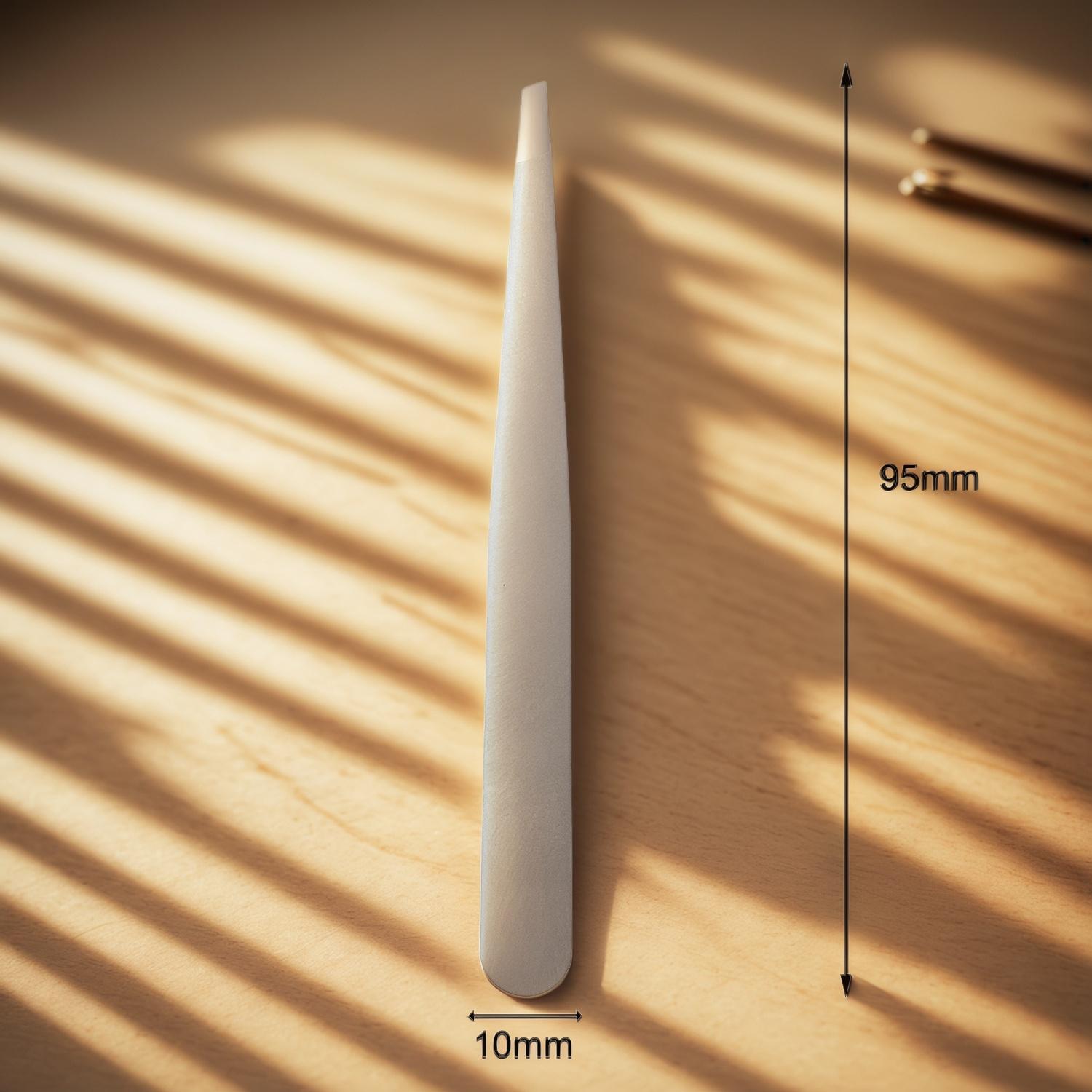
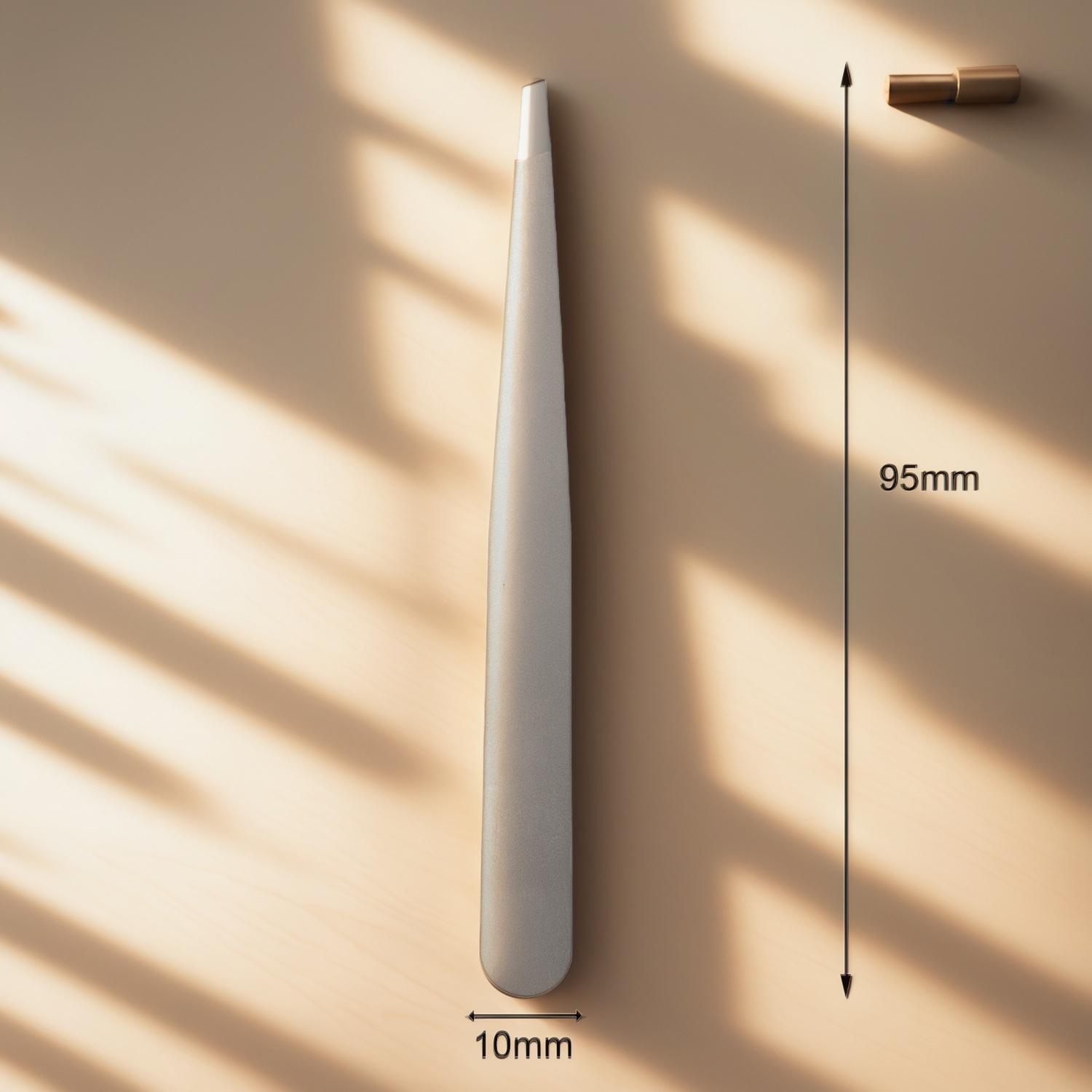
Custom made tweezers can help a beauty brand stand apart, but customization should begin with function. A change in length, handle shape, finish or tip style should support the target user, price level and sales channel. Olimor Beauty works with buyers on customized tweezers, including ergonomic design considerations and functional requirements such as tip alignment. The supplied product information also references a 95mm precision model, which shows how even small dimensional choices can become part of a buyer’s selection process.
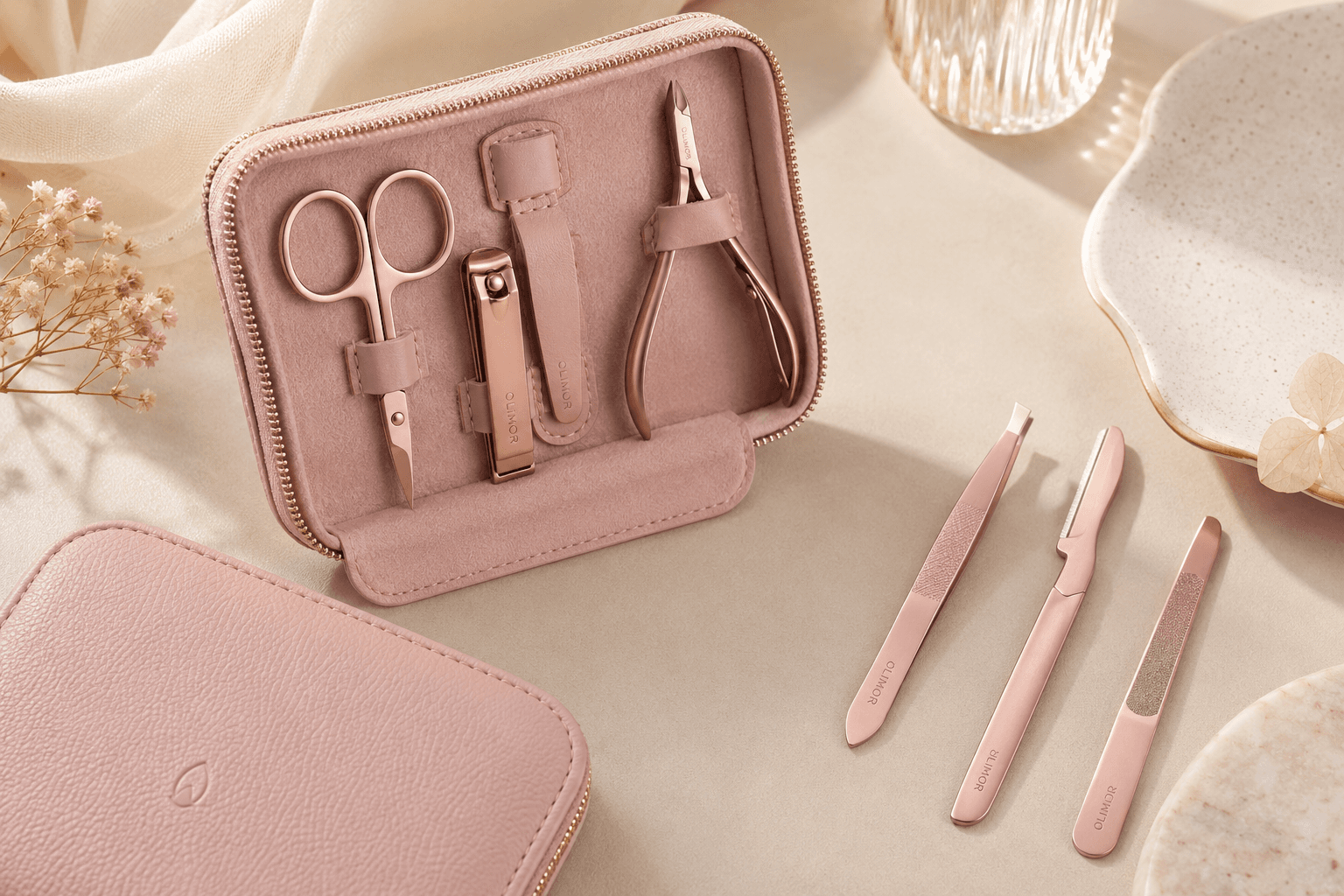
For e-commerce brands, a distinctive finish and clean retail packaging may be important because product images influence conversion. For professional salon channels, hand comfort, precision and durability usually carry more weight. For travel kits or gift sets, compact size and packaging compatibility may matter most. Browse relevant product collections to compare how different beauty tools are grouped and presented before deciding how tweezers should fit within a wider range.
Useful customization decisions may include the following:
- Tip type: Decide whether the product should support brow shaping, general grooming or more precise beauty work.
- Length and hand feel: Confirm whether the tool is intended for professional handling, retail convenience or compact kits.
- Finish and color direction: Choose a finish that matches the brand’s existing beauty tools without compromising inspection visibility.
- Logo placement: Keep branding visible but avoid positions that interfere with grip or cause premature wear.
- Packaging format: Match packaging to sales channel, whether retail display, online shipment, salon supply or inclusion in a set.
Quality Control Questions for Tweezers Exports
Quality control should be specific. A vague promise of high quality is less useful than a clear explanation of what is checked and when. Olimor Beauty’s process includes internal quality control from raw material selection through final packaging, which is important because tweezers can fail at several points: material defects, shaping inconsistency, poor tip finishing, surface flaws or packaging damage.
Buyers can use a structured checklist when comparing exporters:
| Inspection Area | Why It Matters | Buyer Review Method |
|---|---|---|
| Material and body condition | Supports durability and a clean finished appearance | Check surface consistency, corrosion concerns and visible defects |
| Tip alignment | Determines whether the tweezers can grip precisely | Open and close repeatedly; inspect the meeting point under bright light |
| Tension | Affects comfort during repeated use | Test with different users and compare to the approved sample |
| Finish quality | Influences retail presentation and perceived value | Review multiple units, not only one sample |
| Packaging | Protects the tips during shipment and storage | Confirm tip protection, fit, labeling area and outer packing condition |
This type of review helps buyers avoid relying only on product photography. It also gives purchasing, product development and quality teams a common language when approving samples.
Why Stainless Steel and Ergonomics Matter
Stainless steel is widely used for beauty tools because buyers want tools that feel solid, remain presentable and support repeated handling. The supplied product information identifies Olimor Beauty tweezers as stainless steel tools, with ergonomic design for effortless use. For sourcing teams, these two details should be evaluated together: the material provides the foundation, while shaping and finishing determine the user experience.
Ergonomics for tweezers does not need to be complicated. The arms should sit comfortably between the fingers, the pressure should be predictable, and the tool should allow control without hand fatigue. For professional users, even a small discomfort becomes noticeable over many services. For retail customers, comfort can influence reviews and repeat purchases.
When assessing ergonomics, invite people with different hand sizes to test the sample. A tool that feels comfortable to one buyer may feel too stiff or narrow to another user. Record feedback on grip, control, tension and perceived quality. This creates a practical basis for selecting between sample options.
Sourcing for Private Label, Distribution and Retail
Different B2B buyers need different sourcing priorities. A private label brand may focus on logo application, packaging consistency and sample approval. A distributor may need a reliable core product that can fit multiple customer segments. A salon supply company may prioritize performance, professional feel and easy reorder communication.
Before contacting an exporter, prepare a brief that includes the intended market, target user, preferred tip style, packaging direction, approximate order planning, and any compliance or labeling needs relevant to your market. You do not need every detail finalized, but a clear brief helps the exporter recommend realistic options and avoid mismatched samples.
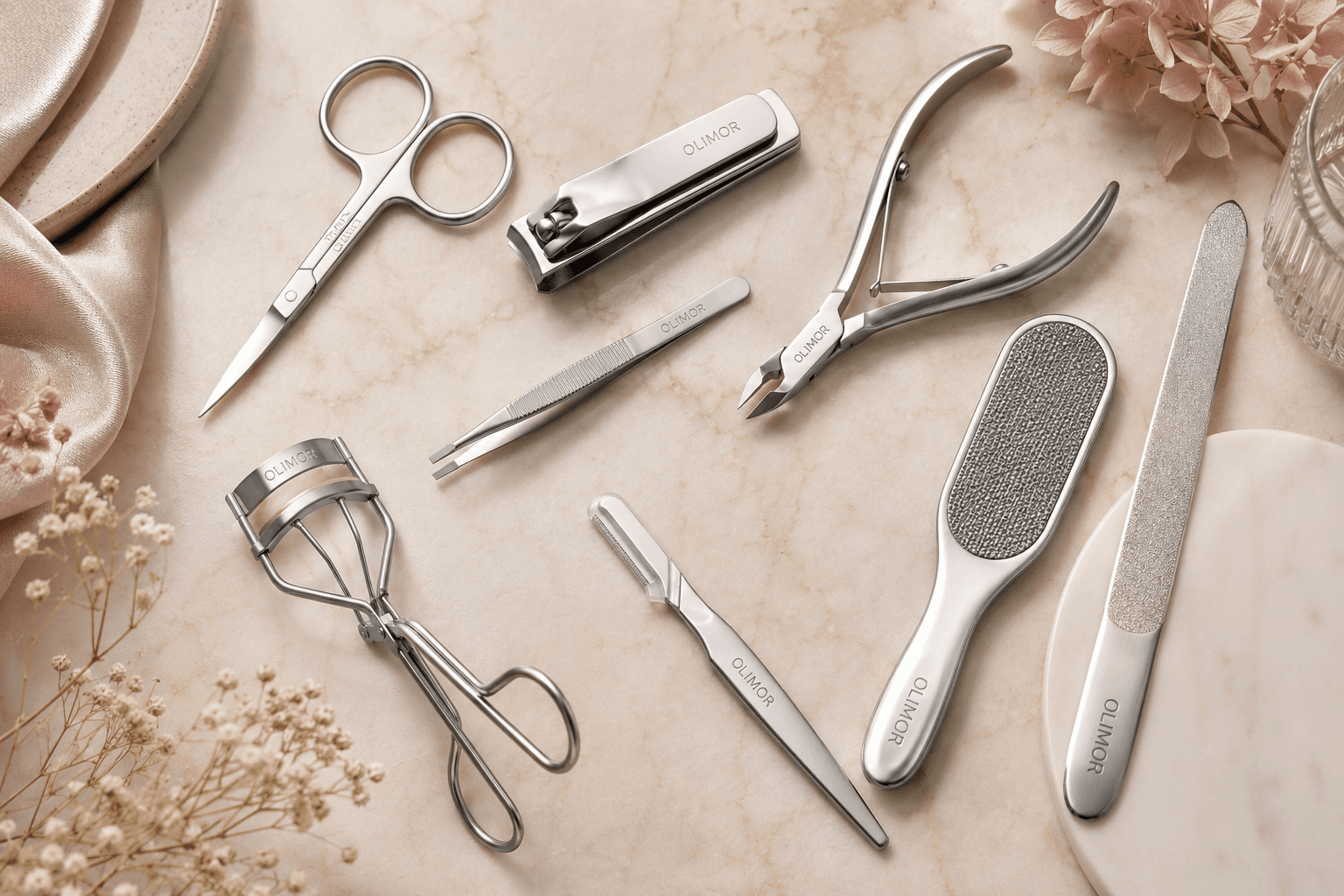
If you are comparing tweezers as part of a wider beauty tool program, align the design language across items. Tweezers, scissors, lash tools, nail tools and accessories should feel like they belong to the same product family when sold together. Olimor Beauty can be reviewed through its wider range of beauty tool products, which helps buyers plan a more coherent assortment instead of sourcing each tool separately.
Maintenance Guidance to Include for End Users
Good sourcing does not end at shipment. Brands can reduce complaints by giving customers simple care guidance. Tweezers should be kept clean, dried after exposure to moisture, and stored with tip protection where possible. Users should avoid dropping them because even a small impact can affect alignment. For professional settings, cleaning practices should follow the salon’s hygiene procedures and local requirements.
Including short maintenance instructions on packaging or inserts can protect the perceived quality of the product. It also helps customers understand that precision tips require careful handling. This is especially useful for online sales, where clear care instructions may reduce avoidable returns caused by misuse or storage damage.
Working with Olimor Beauty on Tweezers Sourcing
Olimor Beauty supports B2B buyers looking for precision tweezers, custom made tweezers and broader beauty tool sourcing. The value for buyers lies in combining product function, stainless steel construction, ergonomic design attention and internal inspection from material selection to final packaging. For brands that depend on repeatable quality, those controls are central to building a dependable supply chain.
When you are ready to compare options, prepare your target use case, desired appearance, packaging expectations and sample review criteria. This will make the sourcing discussion more productive and help move from concept to approval with fewer revisions. To discuss a tweezers program or a broader beauty tools range, contact Olimor or send an inquiry with your project details.
Tag: