











How B2B Buyers Can Evaluate Tweezers Exporters for Precision Beauty Tools
For beauty wholesalers, private-label buyers, salon suppliers and retail distributors, choosing among tweezers exporters is not only a purchasing task. Tweezers are small tools, but their performance is immediately noticeable to the end user. If the tips do not meet cleanly, if the grip feels awkward, or if the tool loses alignment too quickly, the customer experience suffers. A well-made tweezer, on the other hand, supports accurate eyebrow shaping, false eyelash handling and other detailed beauty tasks that require control.
The best sourcing decisions come from looking beyond a product photo or a low unit price. B2B buyers need to compare material choices, tip finishing, ergonomics, consistency, packaging suitability and communication quality. This guide explains what to review when selecting tweezers for eyebrow and professional beauty applications, and how Olimor Beauty approaches the category for business customers seeking dependable beauty tool products.
Why Tweezers Quality Matters in B2B Beauty Supplies
Tweezers are often treated as simple accessories, yet they can influence how customers judge an entire beauty range. A consumer who buys an eyebrow grooming set expects the tweezer to grip fine hair without slipping. A salon professional expects steady control over repeated use. A lash technician may use a tweezer for delicate placement tasks where tip shape and balance are important.
For B2B buyers, this means tweezer quality affects returns, reviews, brand trust and repeat orders. A supplier should be able to support a consistent product experience from one shipment to the next. Even small inconsistencies, such as uneven tip contact or rough edges, can create problems when products are sold in volume.
When comparing tweezers exporters, buyers should focus on functional quality first. Decorative finishes, colors and packaging may help position the product, but they cannot compensate for poor alignment or uncomfortable handling. The core question is simple: can the tool pick up short, fine hairs accurately and repeatedly without forcing the user to apply excessive pressure?
Key Features That Separate Better Tweezers from Basic Tools
A superior tweezer begins with suitable material and careful forming. The original product category highlights stainless steel as an important choice because it supports durability and resistance to rust in normal beauty-tool use. Material alone, however, is not enough. The forming, finishing and inspection steps determine whether that material becomes a reliable precision tool.
When reviewing samples, pay close attention to these selection criteria:
- Tip alignment: The two tips should meet evenly without visible gaps when light pressure is applied.
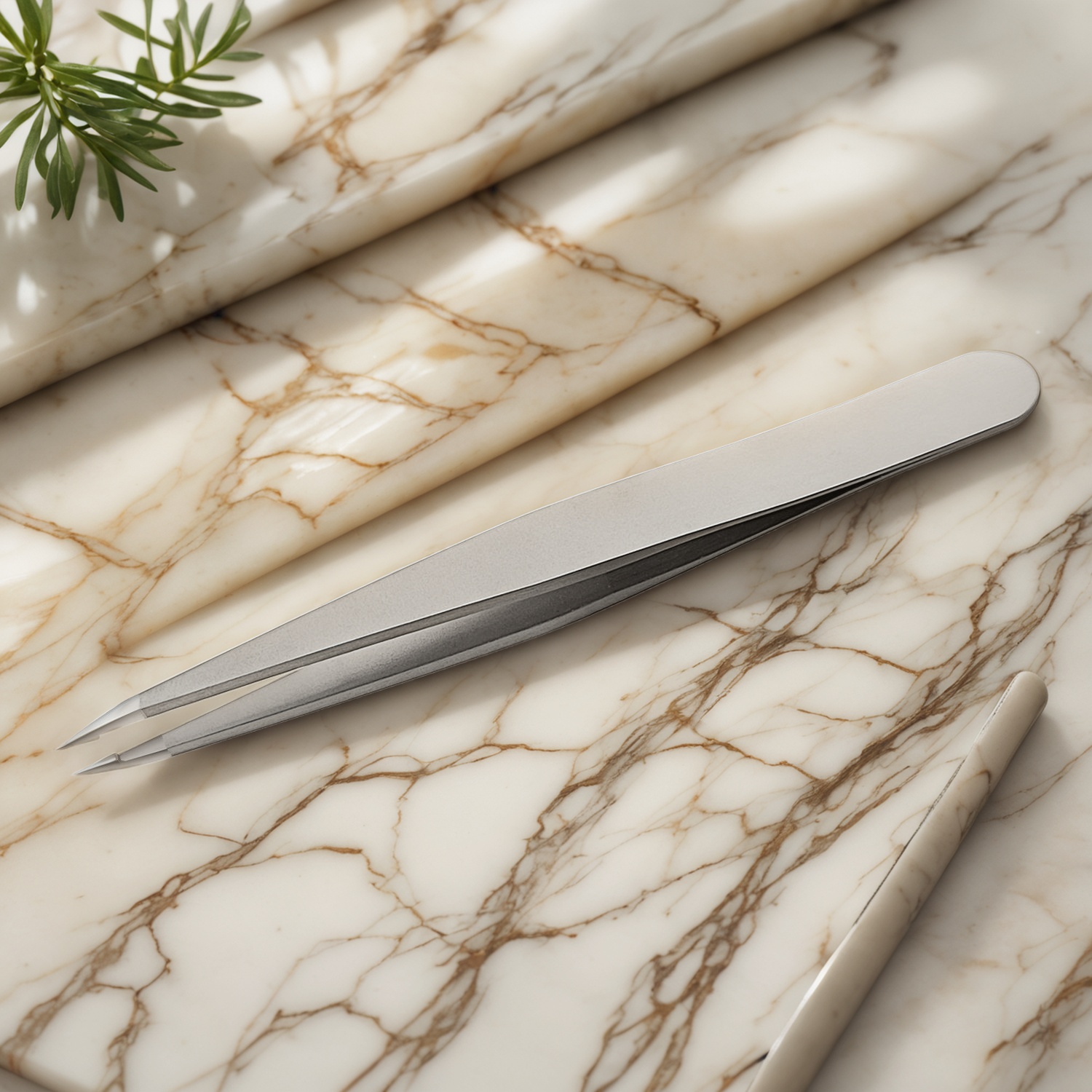
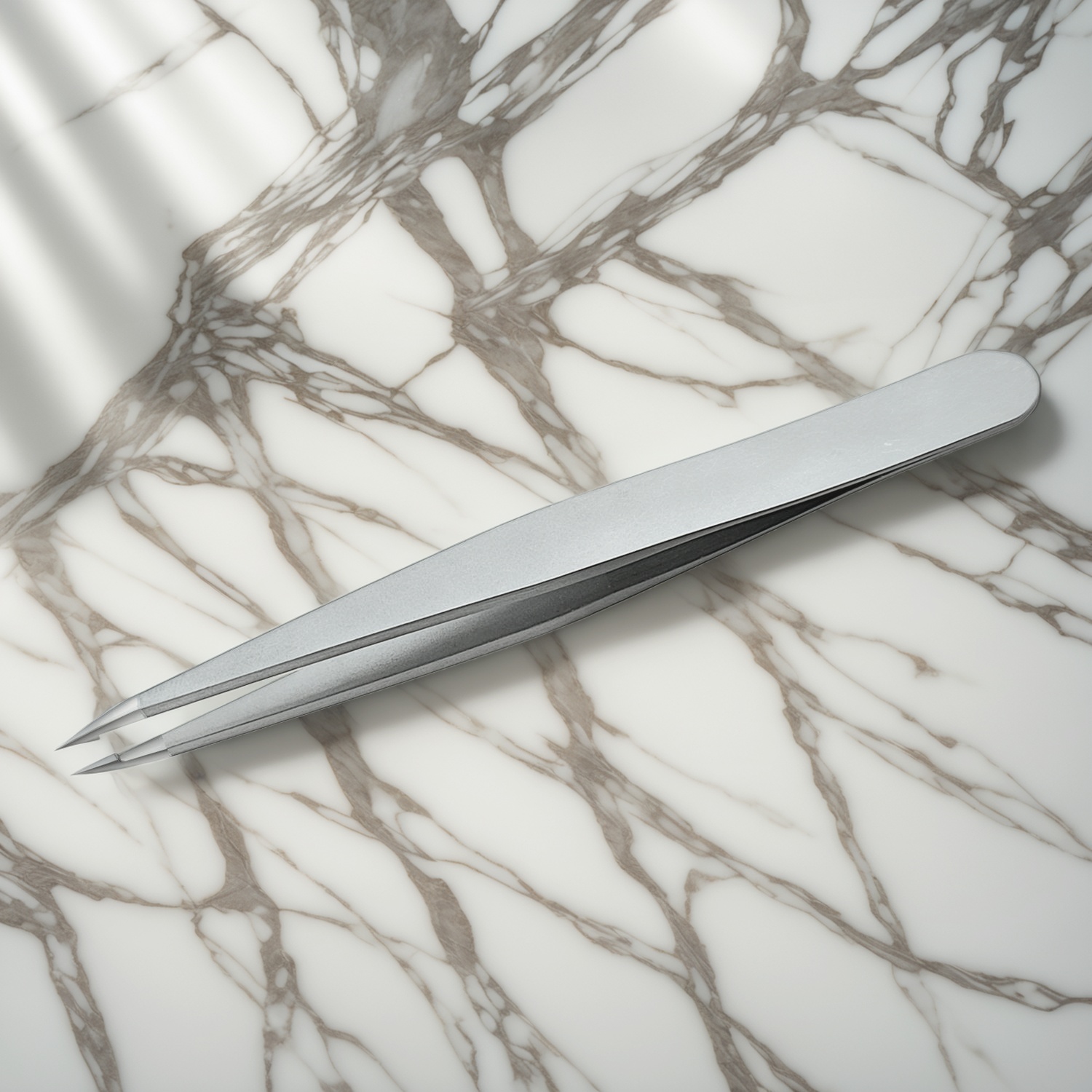
- Tip shape: Slanted or angled tips are widely used for eyebrow shaping because they can approach hairs at a controlled angle.
- Edge finishing: Tips should feel precise, not sharp enough to scratch skin during ordinary grooming use.
- Grip tension: The tweezer should close smoothly, with enough spring to return to position but not so much resistance that it tires the hand.
- Surface finish: The body should be smooth, clean and free from burrs, stains or inconsistent polishing marks.
- Hand feel: Ergonomic shaping or textured areas can help users maintain control, especially for professional or repeated tasks.
For eyebrow tweezers, the most important functional test is whether the tool can grip very short hairs near the root without cutting, sliding or requiring multiple attempts. For multipurpose beauty use, buyers may also test how the tweezer handles false eyelashes or small decorative elements. A versatile tool can add value to a beauty kit, but it must still perform its primary task well.
A Practical Sample Evaluation Process for Importers and Distributors
Before committing to a larger purchase, create a structured sample review process. This avoids relying on a quick visual impression and helps your team compare exporters more fairly. If you distribute to salons, retail chains or e-commerce customers, it is useful to involve people who understand real handling conditions.
- Inspect the appearance first. Check whether the finish is consistent, the body is symmetrical and the tips appear clean under normal lighting.
- Test tip closure. Close the tweezer several times and check if the points meet at the same place each time.
- Try realistic grooming tasks. Use the sample on fine hair or a testing material that simulates the grip challenge of eyebrow shaping.
- Assess comfort over repetition. Open and close the tool repeatedly to evaluate tension, hand fatigue and control.
- Review packaging fit. Confirm that the tool is protected from tip damage and presented appropriately for your sales channel.
- Record defects and preferences. Use a checklist so purchasing, quality and sales teams can compare notes objectively.
This process is especially useful when comparing multiple tweezers exporters. A sample that looks attractive in a catalog may not perform as well as a more modest-looking option with better tip finishing. Consistent testing keeps the decision focused on customer satisfaction rather than assumptions.
Questions to Ask Tweezers Exporters Before Placing an Order
Strong supplier communication can prevent expensive misunderstandings. A reliable exporter should be able to explain product options clearly, confirm what can be customized, and provide practical details about packaging and production expectations without overpromising. Buyers do not need every technical detail at the first conversation, but they should look for direct, consistent answers.
Useful questions include:
- What tweezer tip shapes are available for eyebrow grooming and beauty use?
- What material options are offered, and how are they positioned for durability and finish?
- How is tip alignment checked during production and before packing?
- What packaging formats can protect the tips during transport and display?
- Can samples be reviewed before confirming a purchase plan?
- What information is needed for logo, finish or packaging discussions if customization is required?
- How are product changes, artwork revisions or quality concerns documented?
These questions help reveal how well a supplier understands B2B beauty supply needs. They also help your internal team plan timelines, pricing reviews, quality expectations and product positioning. If you are building a coordinated beauty range, you can also compare tweezers alongside other product collections to ensure the look and function match your brand direction.
Matching Tweezer Types to End-User Needs
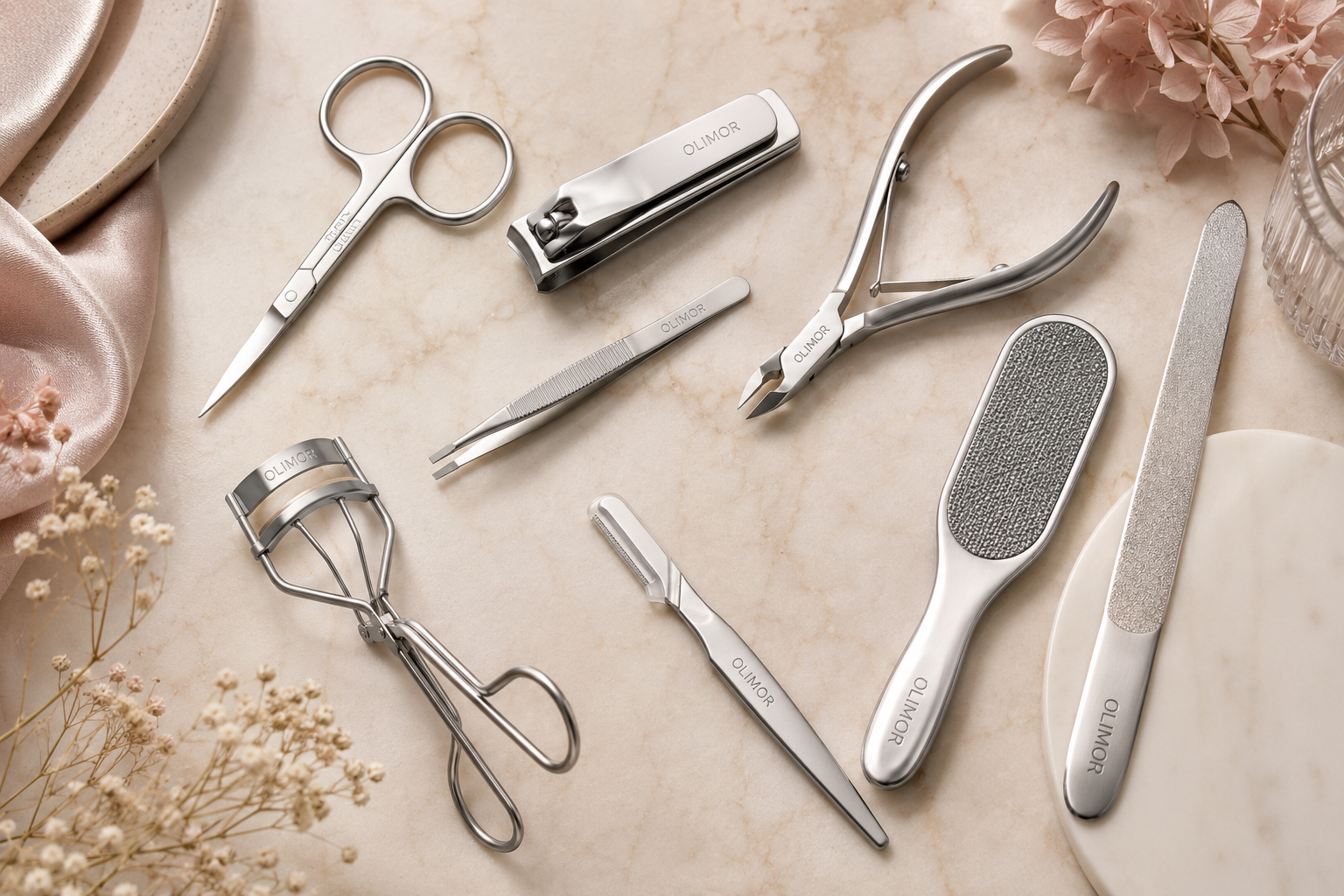
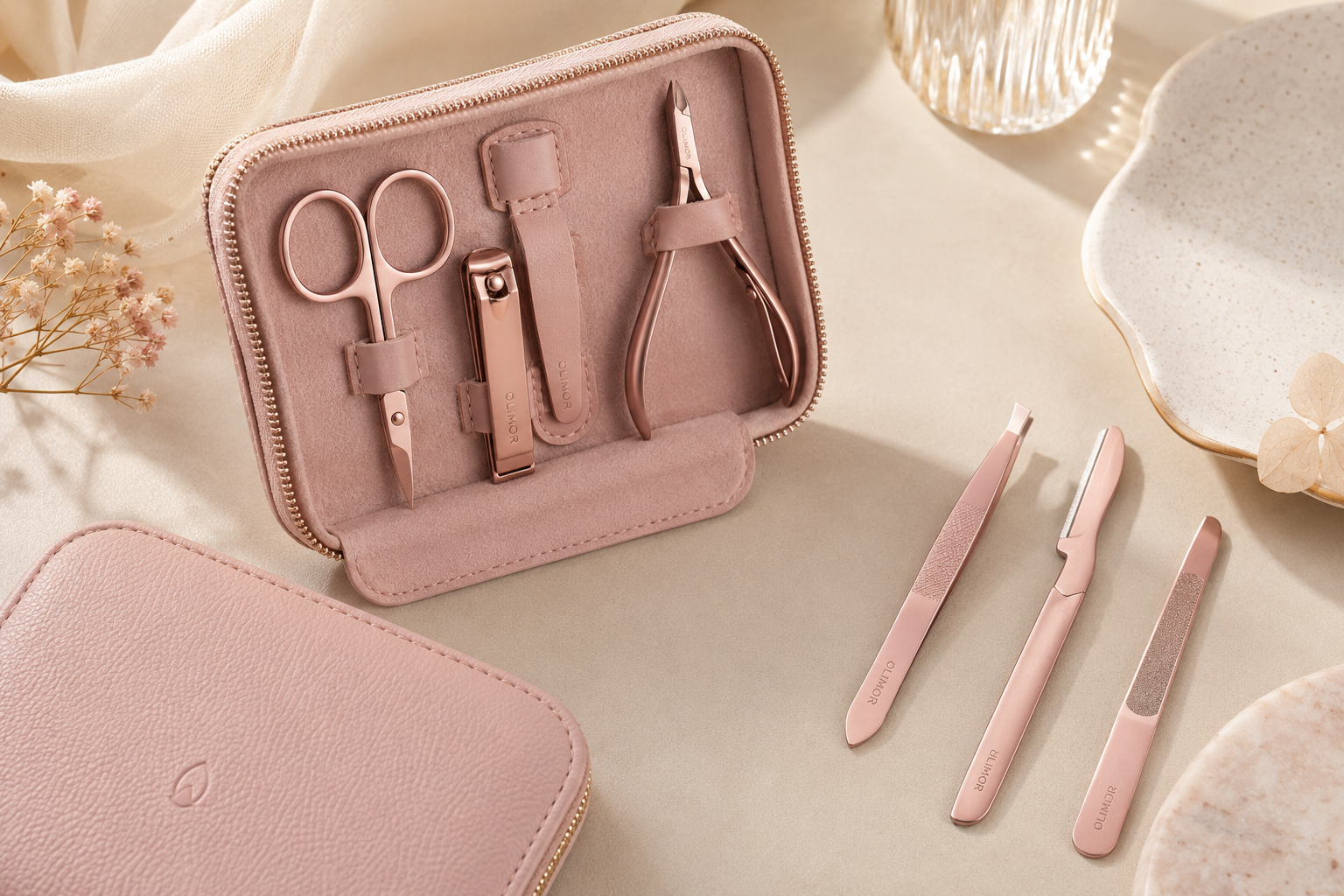
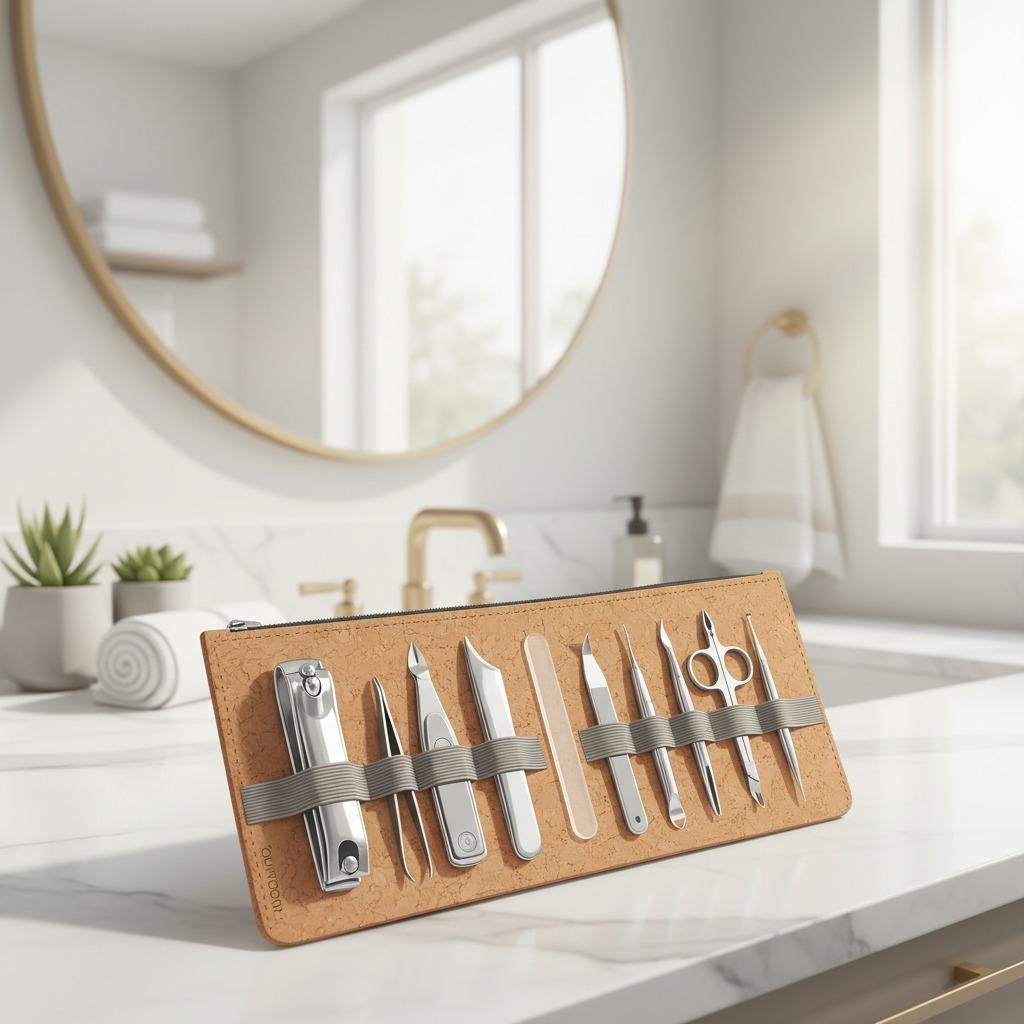
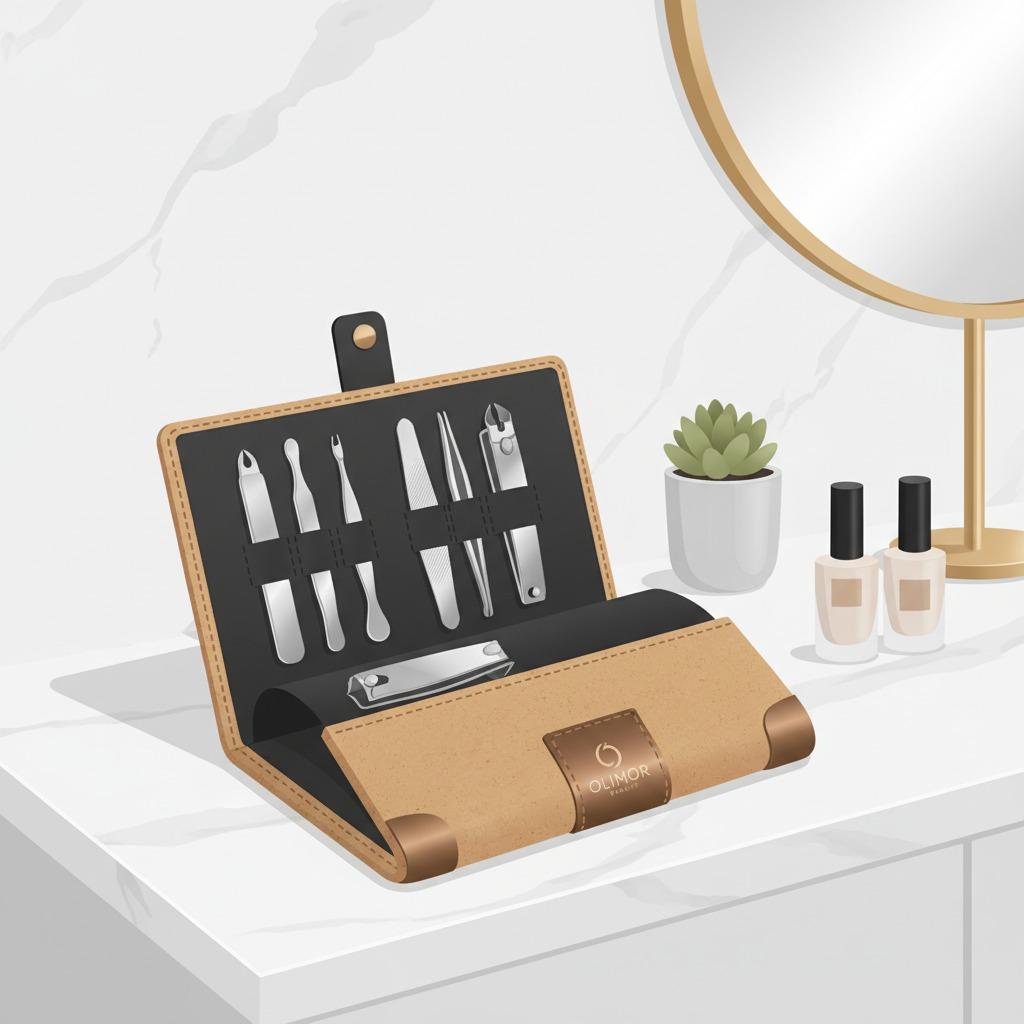
Not every buyer needs the same tweezer. A professional salon supplier may prioritize long-term hand comfort and precise grip. A retail beauty brand may need a balance of performance, attractive presentation and accessible price positioning. A kit assembler may need tweezers that pair well with scissors, lash tools, mirrors or other grooming accessories.
Consider the main use case before choosing a design. For eyebrow grooming, slanted tips are commonly favored because they allow controlled access to individual hairs. For detailed lash or craft-related beauty tasks, buyers may look at finer tip profiles, provided they remain safe and appropriate for the intended application. For travel or retail kits, protective packaging becomes particularly important because tip damage during storage can reduce the value of the whole set.
Also think about who will use the product. Beginners may appreciate a comfortable grip and moderate tension because these features make the tool easier to control. Professionals may focus on accuracy, balance and repeat performance. B2B buyers serving several channels may choose more than one tweezer style rather than forcing a single product to meet every need.
Packaging, Handling and Maintenance Considerations
Tweezers are precision tools, and their tips require protection. A product can leave the factory in good condition but arrive misaligned if packaging allows the tips to hit other items during transport. For retail presentation, packaging should also communicate cleanliness and care without hiding the features customers want to see, such as tip shape and finish.
Maintenance guidance can reduce complaints and extend user satisfaction. Product listings, inserts or sales materials can remind users to keep tweezers dry after cleaning, avoid dropping them on hard surfaces, and store them with the tips protected. For stainless steel tweezers, basic care still matters; rust resistance does not mean the tool should be left wet or exposed to harsh conditions unnecessarily.
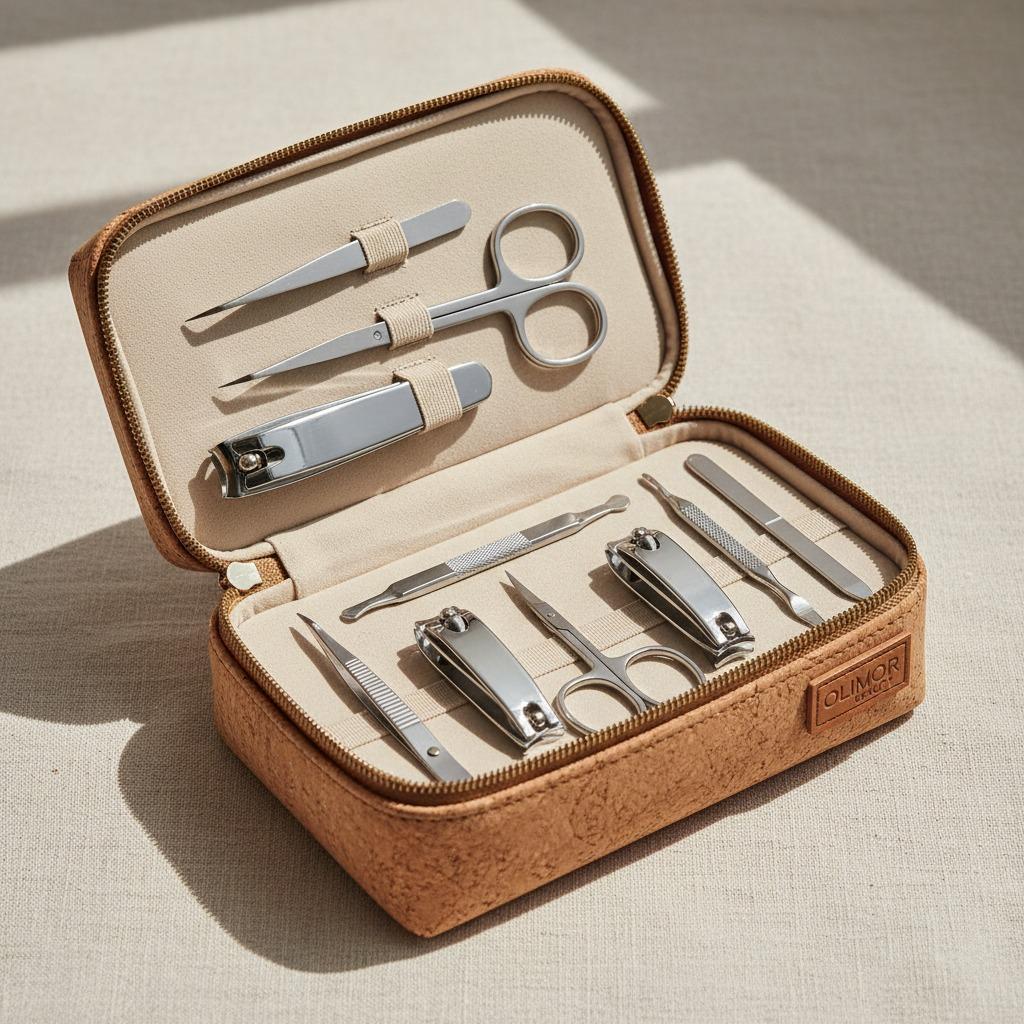
For importers and distributors, it is helpful to review how the product will travel through the supply chain: factory packing, carton handling, warehousing, retail display and final consumer storage. Each stage can affect the condition of a precision tip. Protective sleeves, suitable inner packaging or secure placement in a kit can make a significant difference.
How Olimor Beauty Supports B2B Tweezer Sourcing
Olimor Beauty focuses on beauty tools for business buyers who need practical products and clear sourcing communication. In the tweezer category, the essential goal is dependable performance: accurate tips, comfortable handling and a finish suitable for professional and retail beauty applications. The original product focus includes eyebrow tweezers, B2B beauty supplies, ergonomic design and precision engineering, all of which remain central to evaluating this type of tool.
Because every buyer’s channel is different, a productive sourcing discussion should cover intended use, target customer, packaging expectations and any branding needs. A distributor supplying salons may define quality priorities differently from a retailer building a giftable grooming set. By clarifying the application first, it becomes easier to select the right tweezer style and avoid unnecessary features that do not serve the end user.
If your team is comparing tweezers exporters or building a broader beauty tool program, review Olimor Beauty’s beauty tool products or contact Olimor to discuss your sourcing direction. You can also send an inquiry with your application, packaging preference and sample evaluation requirements.
Final Checklist for Choosing a Tweezer Export Partner
Before confirming a supplier, make sure your decision is based on measurable factors rather than catalog appearance alone. A good tweezer should look clean, feel balanced and perform accurately. A good exporter should communicate clearly and help you match the product to your channel.
- Confirm the tweezer performs well for the intended use, especially eyebrow shaping if that is your primary market.
- Check stainless steel quality, surface finish, tip alignment and grip tension on real samples.
- Evaluate packaging for both presentation and tip protection.
- Use a written sample review checklist so your team can compare suppliers consistently.
- Clarify customization, labeling and documentation needs early in the sourcing process.
- Choose a partner that understands B2B beauty supply requirements, not only general metal tool production.
For beauty businesses, tweezers may be a small product, but they represent the precision customers expect from a professional grooming tool. Careful supplier selection helps protect your brand reputation, reduce avoidable quality issues and deliver a product that customers can use with confidence.