











How to Choose Tweezers Exporters for B2B Beauty Supply Programs
For beauty brands, distributors, wholesalers, and salon supply companies, tweezers are small products with a large impact on customer trust. A pair that grips cleanly, aligns accurately, and feels comfortable can support repeat purchases; a pair that slips, pinches unevenly, or loses tension quickly can damage a product line. That is why choosing among top tweezers exporters is not only a purchasing task. It is a sourcing decision that affects product reviews, retail returns, professional user satisfaction, and brand positioning.
The global market for B2B beauty supplies includes many tweezer styles, finishes, packaging options, and manufacturing approaches. Buyers may need a simple slant-tip item for a retail kit, a sharper precision tool for professional brow work, or a customized ODM program that reflects a private-label concept. The best exporter for one business is not always the best for another, so the evaluation should be based on product use, quality requirements, packaging needs, and the level of development support required.
Start with the Intended User and Sales Channel
Before comparing exporters, define where the tweezers will be sold and who will use them. A professional brow artist may prioritize exact tip alignment, firm tension, and long service life. A retail consumer may care about comfort, safe packaging, attractive appearance, and easy grip. A promotional set may require a different balance of cost, appearance, and performance than a premium grooming tool.
For B2B beauty supplies, the sales channel often determines the specification. E-commerce listings need consistent product photography, accurate descriptions, and packaging that protects the tip during shipping. Salon distributors need dependable repeat orders and tools that can withstand frequent use. Retail shelf programs require packaging that communicates the product clearly and fits display requirements. If these conditions are not defined early, buyers may compare quotes that look similar but represent very different product standards.
Key Tweezer Features B2B Buyers Should Evaluate
A tweezer can look simple, but small variations in construction change performance significantly. When assessing top tweezers exporters, buyers should request samples and evaluate them in realistic use conditions rather than relying only on catalog images. The most important points include grip, alignment, edge finishing, tension, and overall handling.
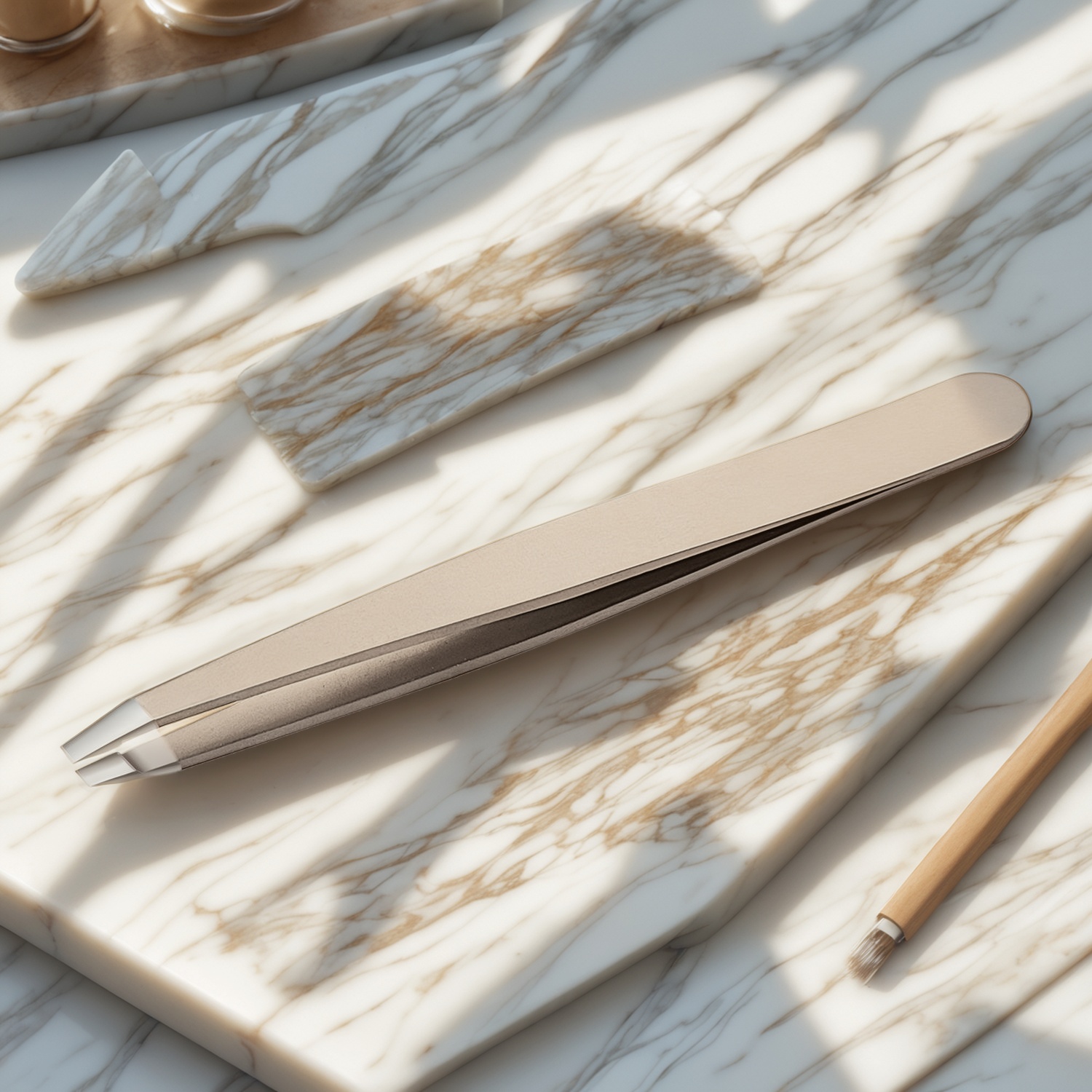
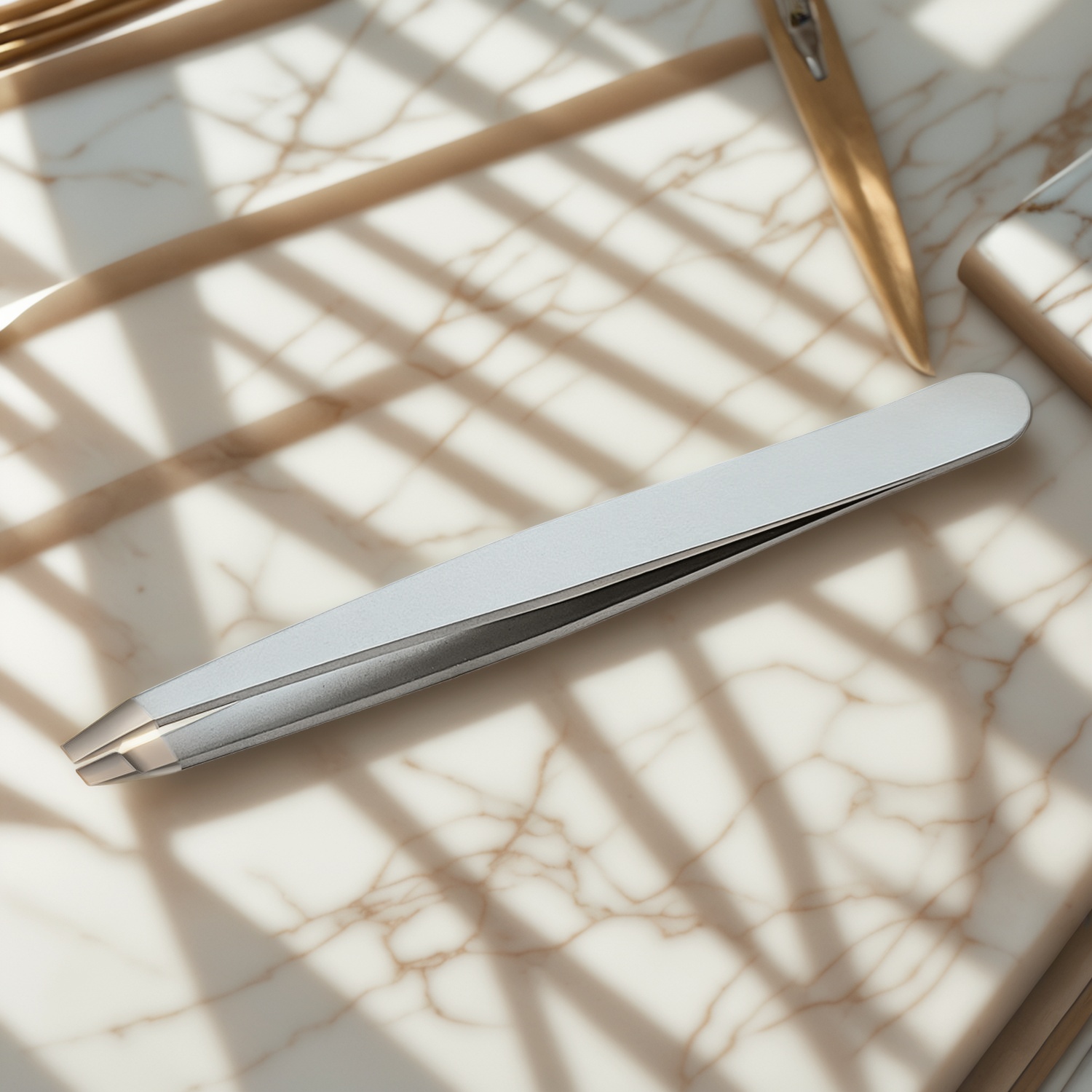
- Tip shape: Slant tips are common for general brow grooming, while pointed or specialty tips may suit more precise work. Choose the shape based on the end user, not only appearance.
- Tip alignment: Both sides should meet evenly. Misalignment leads to slipping, broken hairs, or user frustration.
- Grip consistency: A good tweezer should grasp fine hair without requiring excessive pressure.
- Tension: The body should feel controlled and resilient. Too loose can reduce accuracy; too stiff can cause hand fatigue.
- Surface finish: Smooth edges and clean finishing help improve comfort and perceived quality.
- Hygiene and durability considerations: Stainless steel is commonly valued in beauty tools for longevity and hygiene, but buyers should confirm the exact material and finishing requirements for their market.
- Protective packaging: Tip guards, sleeves, or retail packaging can help prevent damage before the consumer opens the product.
These features should be assessed across multiple samples, not only one perfect demonstration piece. Consistency is especially important for wholesalers and private-label programs that ship to many retailers or professional accounts.
What Makes an Exporter Suitable for B2B Beauty Supplies?
A capable tweezers exporter should do more than ship finished tools. B2B buyers need communication, documentation discipline, stable production, and an understanding of how beauty products are presented in different markets. The supplier should be able to discuss practical questions: how the tip is protected, how the finish will appear under retail lighting, how packaging will be handled, and what inspection steps can be used before shipment.
For buyers comparing beauty tool products, it is useful to evaluate the exporter as a long-term supply partner. A low unit price may not be valuable if shipments vary from order to order. Similarly, a beautiful sample may not be enough if bulk production does not match the approved reference. The right partner should help turn an approved sample into repeatable production.
Useful exporter evaluation questions include:
- Can the supplier provide pre-production samples for review before bulk production?
- How are tweezer tips protected during packing and transport?
- What appearance differences are acceptable between batches, especially for coated or colored finishes?
- How is tip alignment checked during production and before packing?
- Can packaging artwork, barcode placement, language information, and display requirements be coordinated clearly?
- What lead time, order planning, and communication process will be used for repeat orders?
These questions do not require the buyer to over-specify the product at the beginning. They help reveal whether the exporter understands the practical risks of B2B beauty supply programs.
When Tweezers ODM Services Make Sense
Tweezers ODM services are useful when a brand wants a product that feels more distinctive than a standard catalog item, but does not want to build its own manufacturing facility. ODM may involve adjustments to tip style, handle shape, finish, packaging format, or a broader concept for a grooming kit. The value is not only customization. A strong ODM process helps buyers connect brand positioning with realistic manufacturing choices.
For example, a clean professional line may call for a minimalist finish and practical protective packaging. A retail gift set may require visual coordination with other beauty tools. A salon-focused product may prioritize secure grip and reliable handling over decorative details. The ODM discussion should begin with the user scenario, target channel, and quality expectation rather than color selection alone.
Buyers should also be careful not to over-customize without a clear reason. Every custom feature can affect sampling time, cost structure, packaging coordination, or repeat production. A good ODM decision is one that improves the product’s usefulness or market fit. If a change is only decorative, it should still support the brand story and not compromise handling, durability, or shipping protection.
Quality Control Points That Protect Your Brand
Quality assurance is a major reason businesses seek established top tweezers exporters. For a consumer, one defective pair may define the entire brand. For a distributor, inconsistent goods can create service issues across many accounts. A practical quality plan should cover raw material review, in-process inspection, final inspection, packaging checks, and approved sample comparison.
For tweezers, the most relevant inspection points are functional. Do the tips meet evenly? Does the tool grip fine hair? Is the tension consistent? Are the edges comfortable? Is the finish clean? Is the package sealed or assembled correctly? Are product labels and carton markings accurate? These details matter more than broad quality claims because they relate directly to customer experience.
A buyer can create a simple reference checklist for each order. Keep an approved sample, approved packaging proof, and clear photos of acceptable details. Use those references when reviewing future production. This reduces ambiguity and helps both sides avoid disagreements about what was expected.
Packaging and Presentation for Wholesale, Retail, and Online Sales
Packaging is often underestimated in tweezer sourcing. The tool itself is compact, but the tip is delicate and the retail message must be clear. Packaging should protect the working edge, prevent movement during shipping, and present the item in a way that matches the sales channel. For online sales, packaging may need to survive parcel handling. For retail, it may need hanging holes, display compatibility, or visible product positioning. For professional distribution, simple protective packaging may be preferred if the buyer values practicality.
Private-label buyers should confirm artwork responsibilities, file formats, color expectations, barcode placement, and language requirements early. It is also important to check how the final package will be packed in inner boxes and export cartons. Damage often happens not because the tweezer is poorly made, but because the tip or retail card is not adequately protected during movement.
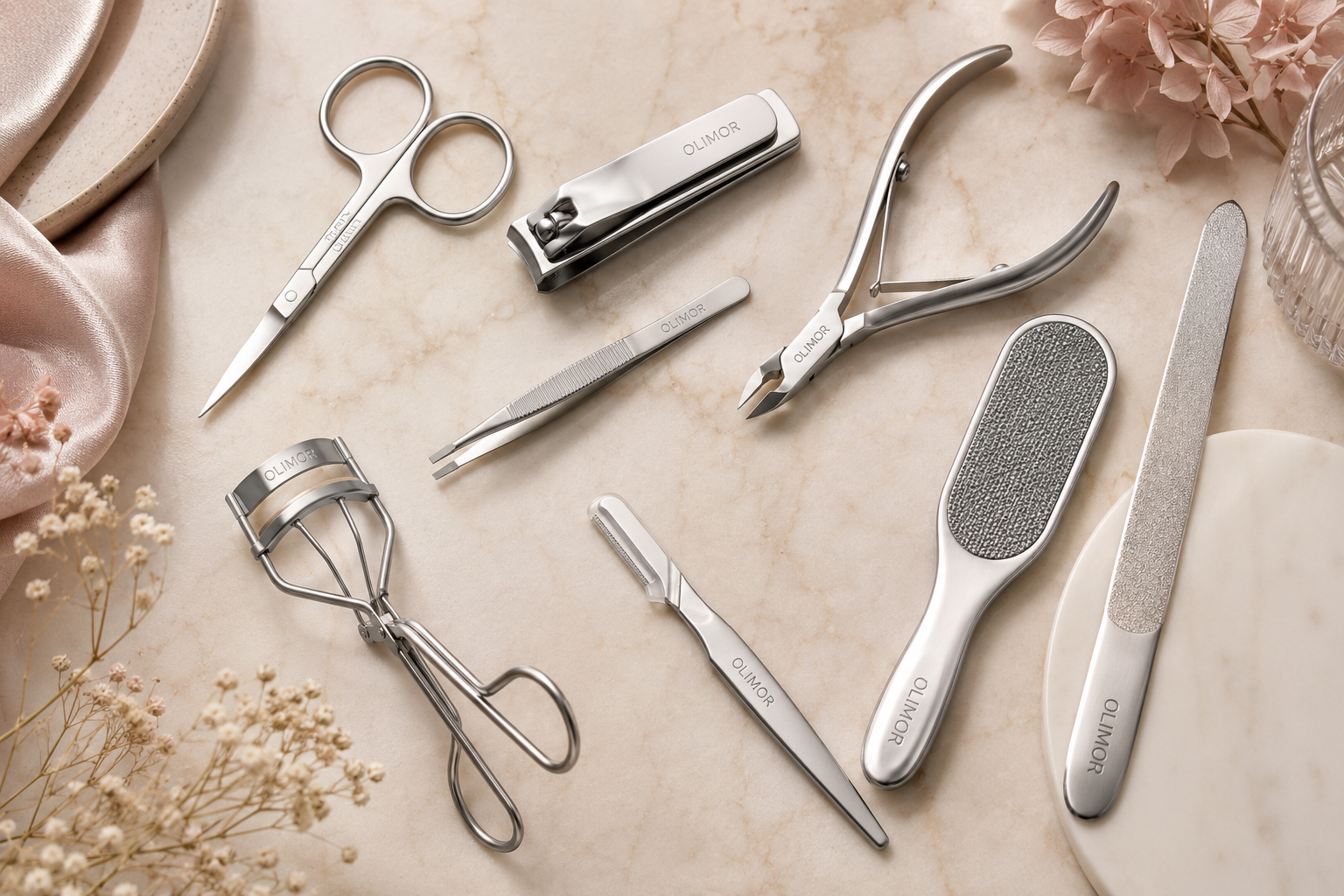
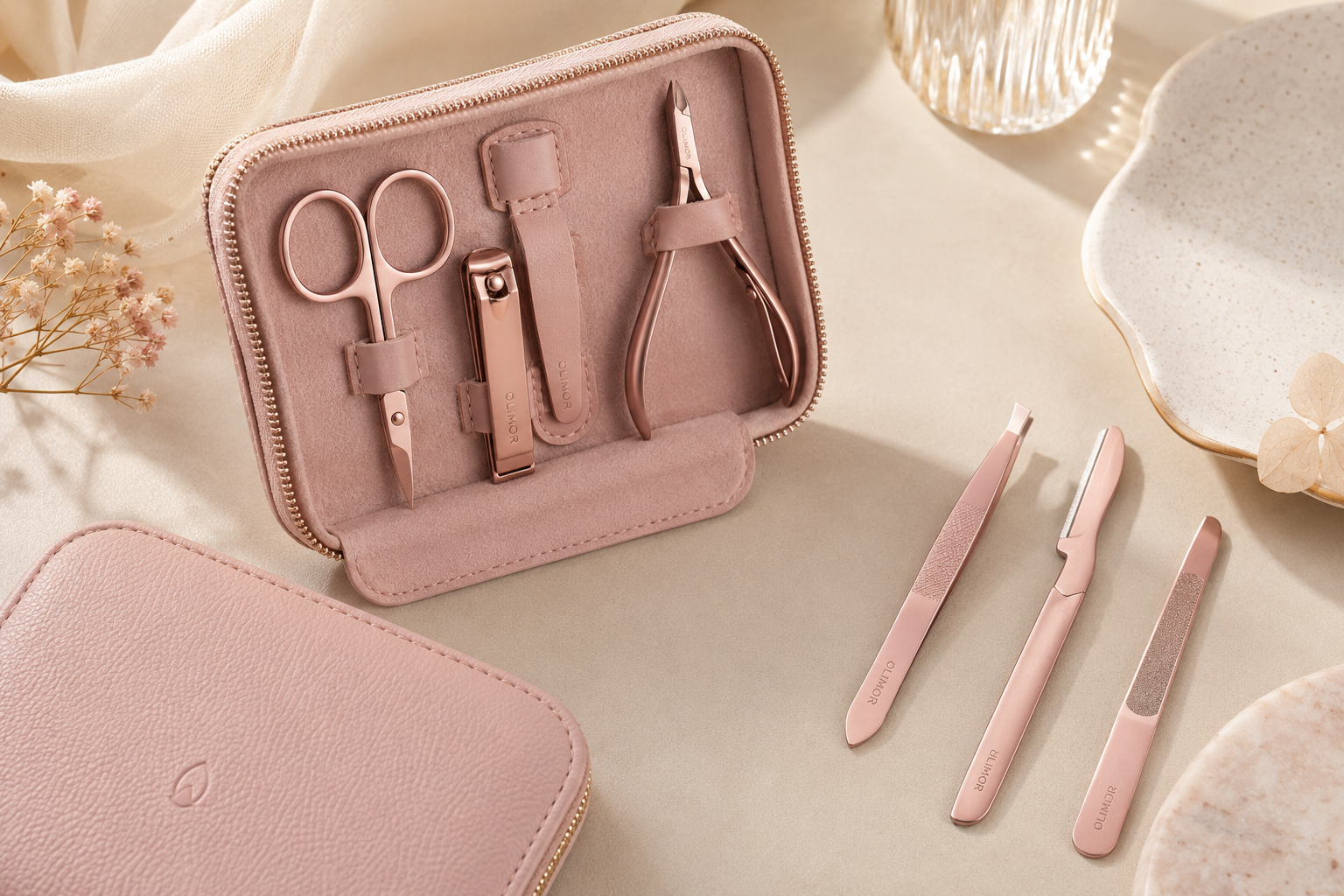
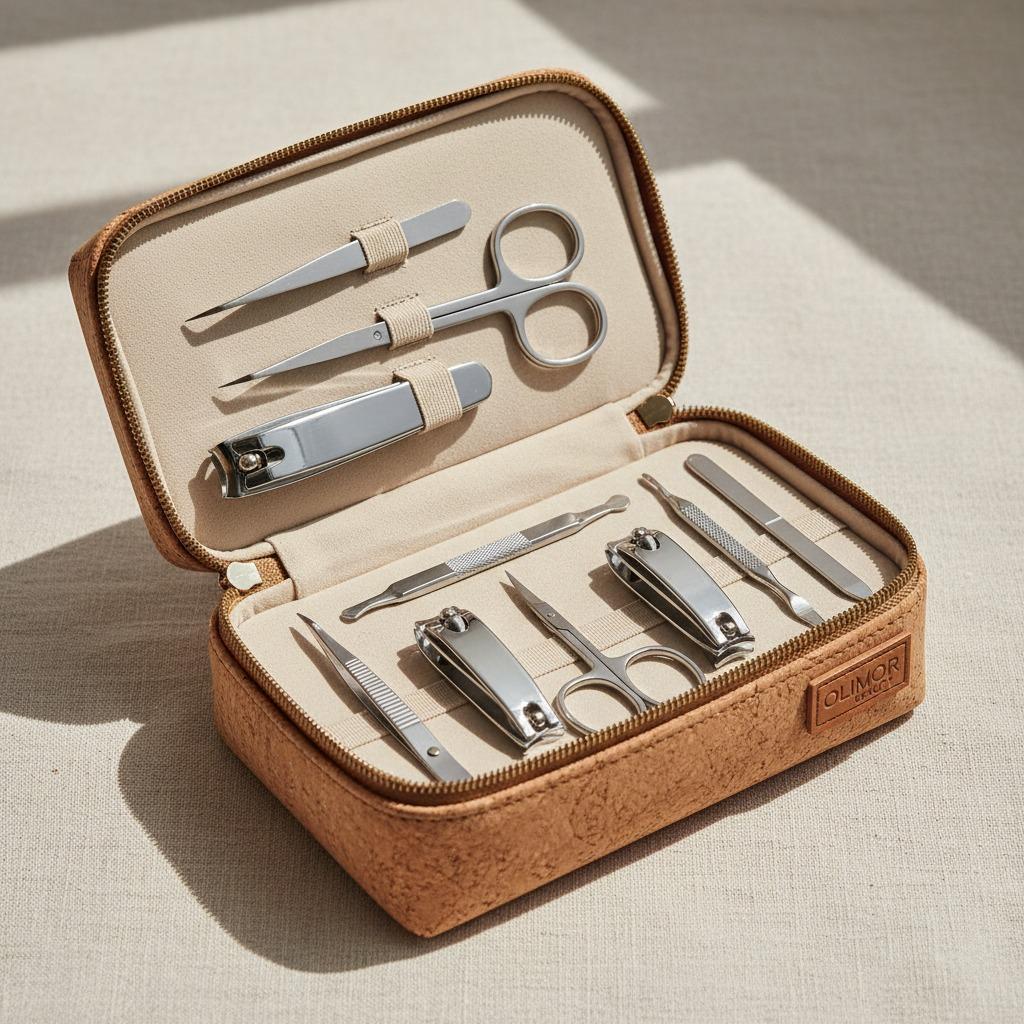
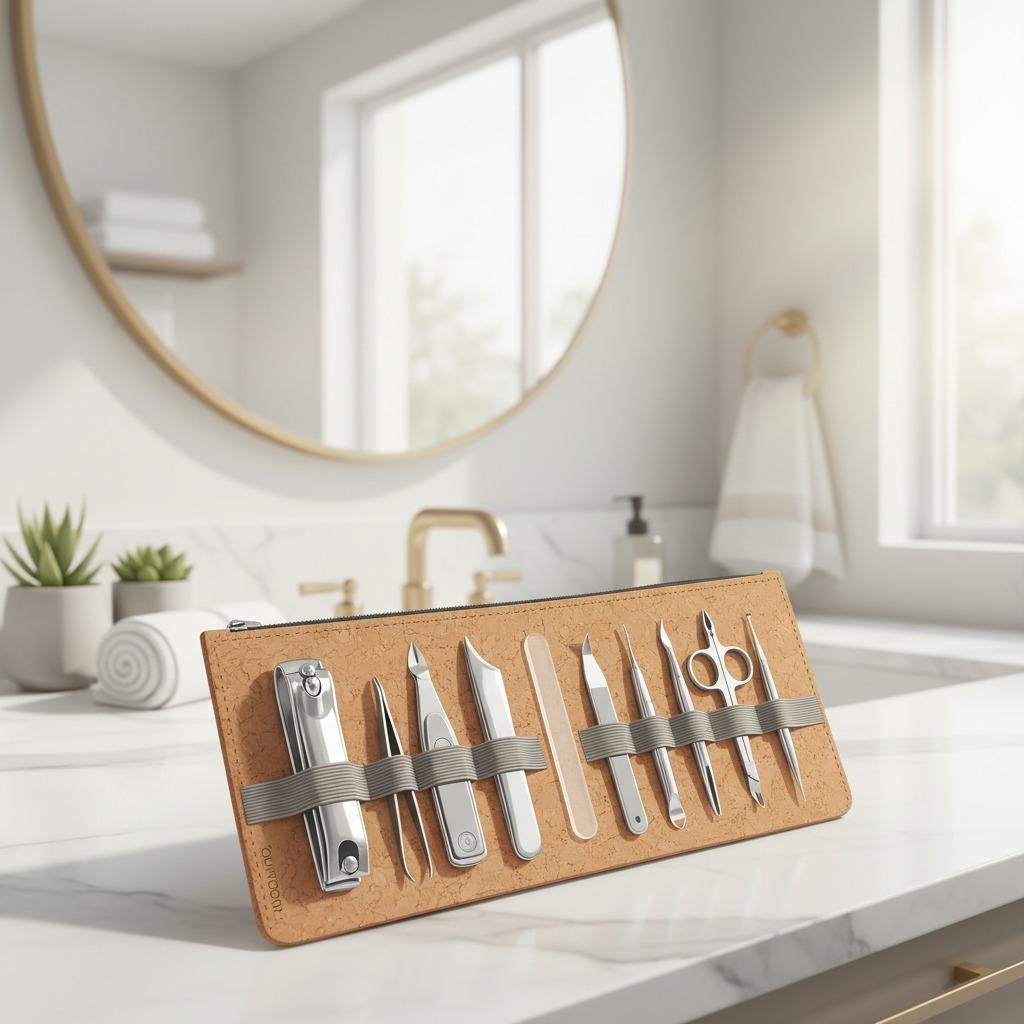
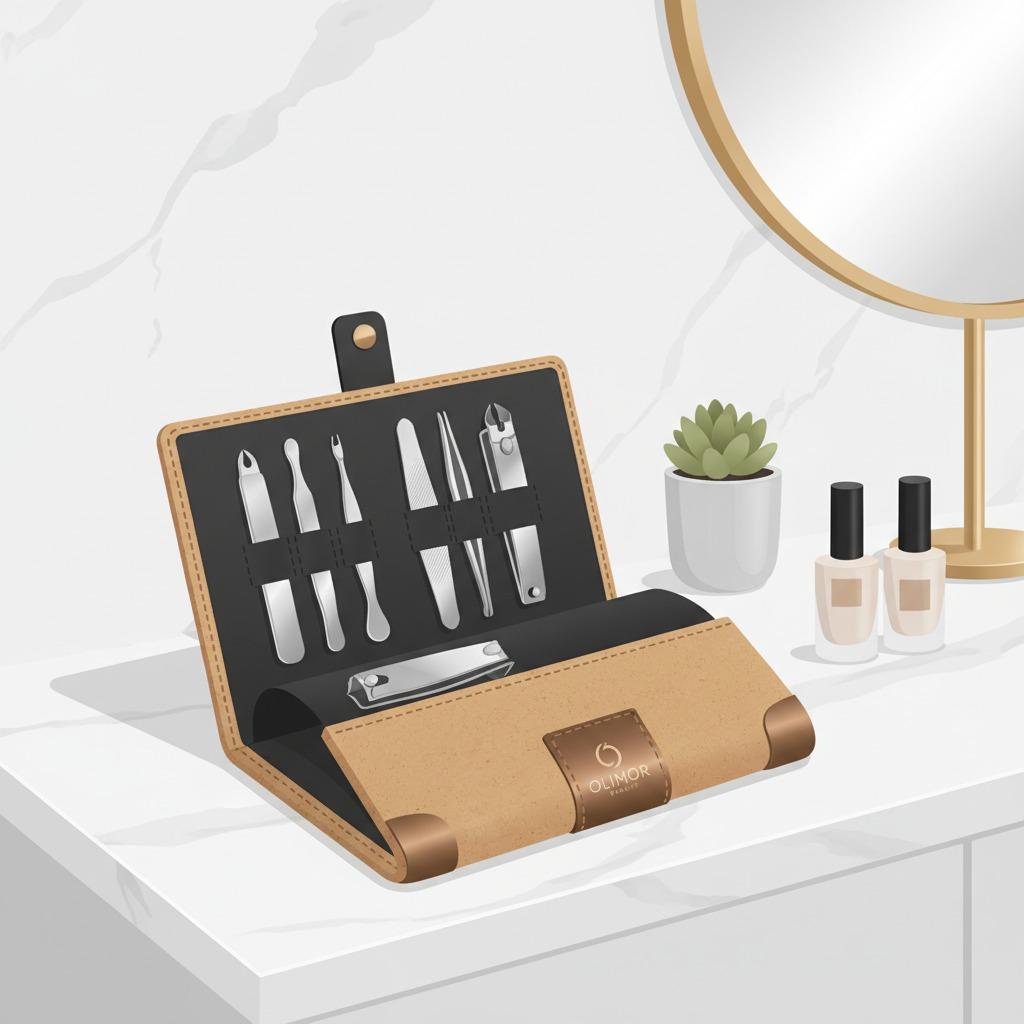
If you are comparing tweezers with other grooming tools or building a coordinated set, reviewing Olimor’s product collections can help organize product planning by category and use case.
Sourcing Checklist for Comparing Tweezers Exporters
The following checklist can help B2B buyers compare suppliers in a structured way. It is especially useful when several quotes appear similar but include different levels of support, packaging, or quality control.
| Evaluation Area | What to Check | Why It Matters |
|---|---|---|
| Sample quality | Tip alignment, grip, tension, finish, comfort | Confirms whether the product meets real user expectations |
| Production consistency | Approved sample reference and repeat order control | Reduces variation across shipments |
| ODM capability | Design support, packaging coordination, practical customization | Helps private-label buyers create a product that fits their market |
| Packaging protection | Tip guards, retail cards, sleeves, carton packing | Prevents damage before the product reaches the customer |
| Communication | Clear sampling, approval, and inspection process | Improves planning and reduces costly misunderstandings |
Building a Reliable Tweezer Supply Program
The best sourcing outcomes come from treating tweezers as precision beauty tools rather than simple accessories. Define the user, confirm the functional requirements, review samples carefully, and align packaging with the sales channel. When ODM is needed, focus customization on features that support performance, presentation, or brand fit. When quality control is discussed, use concrete inspection points instead of broad descriptions.
Olimor Beauty supports beauty tool buyers who need practical sourcing discussions for B2B programs, private-label planning, and product development. To explore suitable tool options, visit beauty tool products. If you are preparing a tweezer sourcing project or comparing exporter options, you can send an inquiry with your target channel, expected packaging direction, and sample requirements, or contact Olimor for sourcing guidance.