How to Choose Tweezers Exporters for Lash and Brow Tools
For beauty distributors, salon supply buyers, lash trainers, and private label purchasers, tweezers are small products with a large impact on customer satisfaction. A pair that looks acceptable in a catalog can still disappoint in daily use if the tips do not meet evenly, the tension is too stiff, or the finish feels rough during long appointments. Choosing among tweezers exporters is therefore not only about price or appearance. It is about repeatable precision, consistent finishing, clear communication, and packaging that protects the tool until it reaches the end user.
Olimor Beauty serves buyers who need dependable beauty tools for professional and retail channels. Whether you are sourcing tweezers for false lash application, eyebrow shaping, or multipurpose grooming kits, the strongest decisions come from checking how the product performs in the hand and how consistently the supplier can repeat that performance across an order.
Why Tweezers Quality Matters More Than It First Appears
Tweezers are often treated as simple accessories, but beauty professionals judge them by very specific standards. A lash technician needs a fine tip that can isolate individual lashes without slipping. A brow artist needs clean alignment that grips fine hairs without cutting or breaking them. A retailer needs a product that feels reliable when the customer opens the package and tests the tension for the first time.
Small variations in tip shape, pressure, and surface finishing can change the user experience. If the tips are slightly uneven, the tool may fail to pick up fine lashes. If the arms are too rigid, technicians can experience hand fatigue during long sessions. If the finish is not smooth, the tool may feel inexpensive even when the basic material is suitable. This is why experienced buyers compare samples carefully before placing larger orders through any exporter.
Key Selection Criteria When Comparing Tweezers Exporters
When evaluating a supplier, separate visual appeal from practical performance. Attractive colors and packaging can help a product sell, but they cannot compensate for weak grip or inconsistent finishing. Use the following checklist when reviewing samples, quotations, and supplier communication.
- Tip alignment: The two tips should meet cleanly and evenly. For lash work, the contact point must be precise enough to isolate or pick up delicate fibers.
- Tension and rebound: The tool should close without excessive pressure and return smoothly. Overly stiff tweezers can become uncomfortable during repeated use.
- Surface finish: Edges should feel smooth in the hand, with no rough points that distract the technician or customer.
- Grip security: The tweezer should hold fine hair or lash fibers without frequent slipping. Testing with real use cases is more useful than judging by appearance alone.
- Shape suitability: Straight, slanted, pointed, and curved tips each suit different tasks. The correct shape depends on whether the target user is a lash artist, brow technician, makeup user, or general grooming customer.
- Packaging protection: Fine tips can be damaged in transit. Packaging should help protect alignment and reduce movement inside the carton.
- Order consistency: A good sample is only useful if the same standard can be repeated. Discuss inspection points and acceptable tolerances before confirming an order.
Choosing Tweezers for False Lash Application
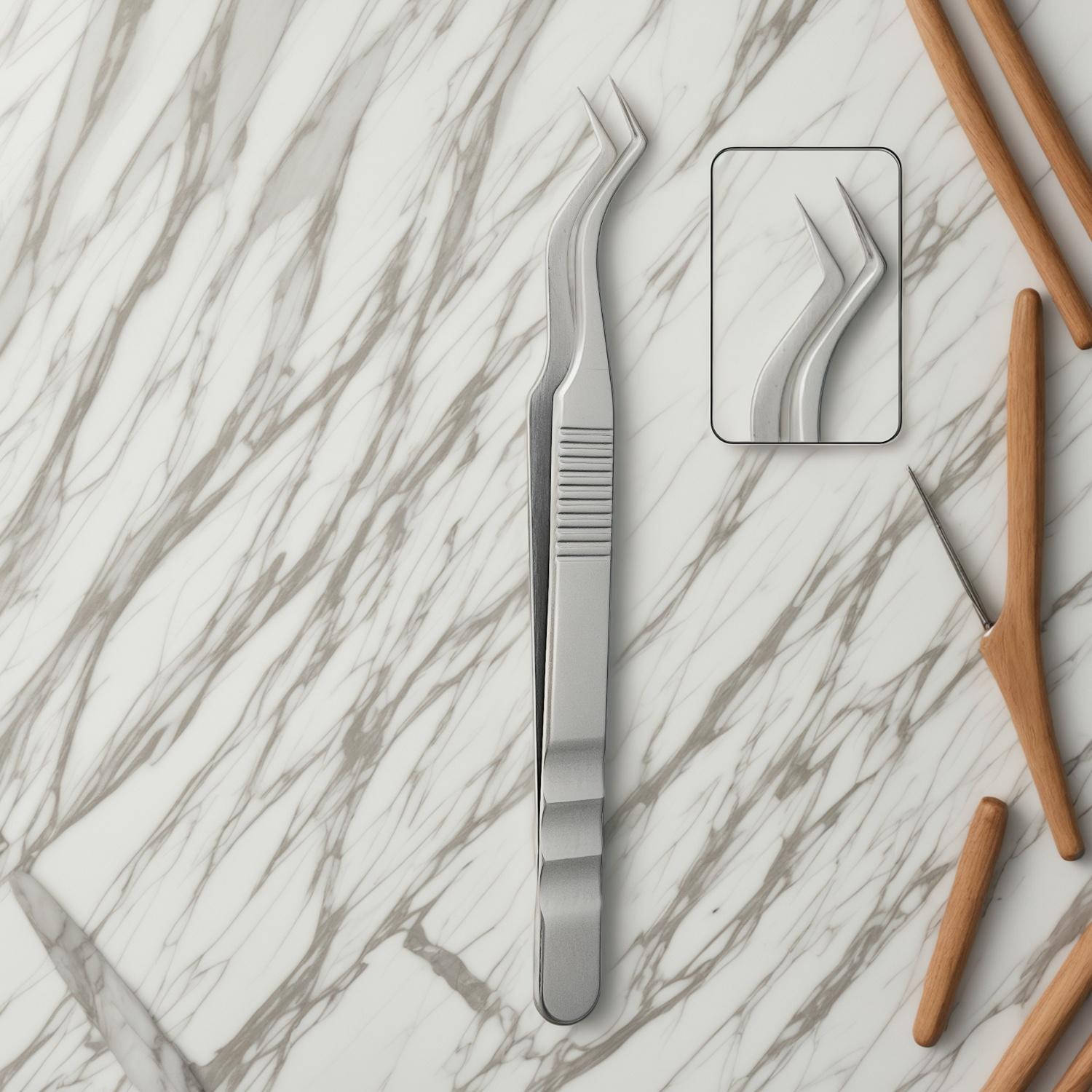
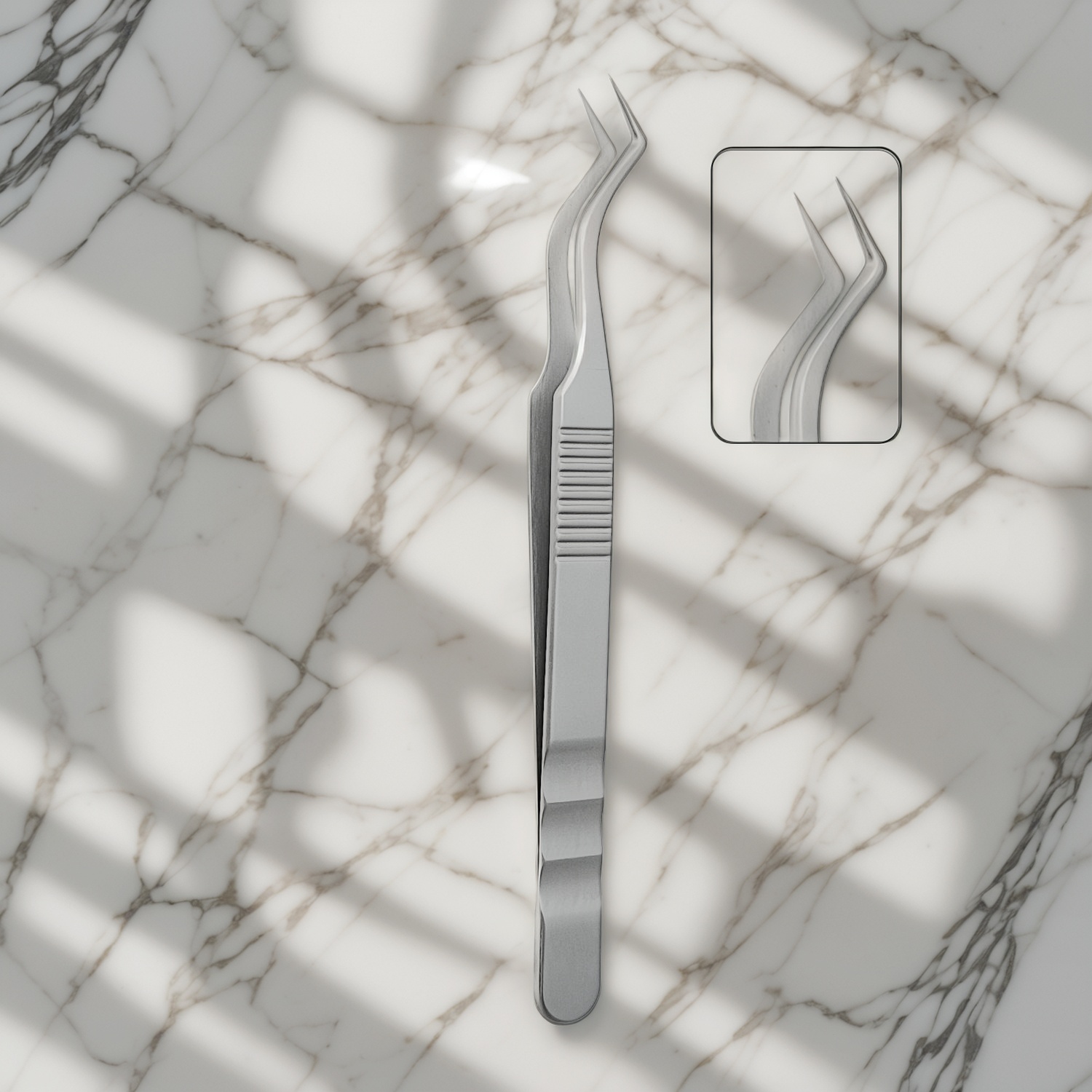
False lash and extension work requires a higher level of control than general grooming. The technician may need one tweezer for isolation and another for picking up or placing lashes. Curved or fine-point designs can help with visibility and angle control, while the closing pressure must be comfortable enough for long service times.
When sourcing tweezers for false lash users, test the tool in realistic movements. Can it separate fine lashes without disturbing the surrounding area? Does it pick up the lash fan securely? Does the technician need to squeeze too hard to maintain control? These questions are more important than broad claims such as “professional quality.” A useful lash tweezer supports accuracy, reduces unnecessary strain, and gives the technician confidence through repeated movements.
Buyers who serve lash salons may also want to build a small range rather than relying on one shape. For example, different technicians often prefer different angles and tensions. Reviewing broader beauty tool products can help you compare tweezer styles alongside other salon essentials and plan a more complete purchasing strategy.
What to Check in Manufacturing and Quality Control
The original product promise is simple: a tweezer should be precise, comfortable, and reliable. Achieving that consistently requires attention throughout production. While every factory has its own process, buyers can still ask focused questions and inspect practical details without needing to know every technical step.
Start with the sample and then define the quality points that matter most for the order. Tip alignment, closing force, finish quality, and packaging condition are common checkpoints. For lash tweezers, the tip contact area deserves special attention because very small imperfections can affect professional work. For brow tweezers, grip on fine hair and clean plucking performance should be tested.
It is also helpful to review how products are inspected before shipment. The goal is not to collect complicated paperwork, but to understand whether the exporter has a repeatable method for finding defects before the goods leave the factory. A reliable supplier should be able to discuss inspection expectations clearly and respond to feedback with practical adjustments.
Matching Tweezer Types to the Right Buyer
Different sales channels need different product priorities. A professional lash academy may care most about precision and consistency across student kits. A retail beauty brand may care about a balance of performance, packaging, and customer appeal. A salon distributor may need several tweezer types to support both lash and brow services.
| Buyer type | Useful focus | Sample test to perform |
|---|---|---|
| Lash salons and trainers | Fine tips, controlled tension, comfort during long use | Pick up and place individual lashes or fans repeatedly |
| Brow professionals | Tip alignment, grip on fine hairs, clean closing action | Test on fine brow-like fibers and check for slipping |
| Retail beauty brands | Balanced performance, safe packaging, attractive presentation | Open the packaged sample and evaluate first impression and function |
| Distributors | Range planning, consistent quality, reorder communication | Compare multiple shapes and confirm which end users each one serves |
This type of comparison prevents over-ordering a style that looks good but does not match the customer’s actual work. It also helps sales teams explain each item more clearly to salons, retailers, or online shoppers.
Packaging and Export Details That Protect the Product
Fine-tip tweezers can be affected by impact, compression, or careless handling. Packaging should do more than display the tool; it should help preserve the alignment and finish until delivery. Buyers should check whether the tips are protected, whether the tool moves inside its package, and whether cartons are arranged to reduce pressure during transport.
Labeling and presentation also matter for commercial buyers. Retail-ready products may need different packaging from salon refill orders. Before confirming artwork or packing style, define where the product will be sold, how it will be displayed, and whether the end user needs instructions or care guidance. If you are building a broader assortment, reviewing Olimor product collections can help you organize tweezers with complementary beauty tools.
Care Guidance to Reduce Returns and Complaints
A good exporter supports the buyer not only with the product, but also with practical information that helps end users take care of it. Tweezers should be stored so the tips are not bent or crushed. They should be kept clean and dry after use. For professional environments, users should follow the hygiene practices required by their workplace or local regulations.
Simple care instructions can reduce avoidable complaints. Many issues come from dropping the tool, storing it loose in a drawer, or allowing the tips to hit hard surfaces. When buyers include clear care notes in packaging or sales materials, customers are more likely to understand that precision tools need careful handling.
How to Work With a Tweezers Exporter Before Ordering
The strongest purchasing process is structured but not complicated. Begin by defining the end user and the main application: lash extension, strip lash placement, brow shaping, or general grooming. Then request or review samples that match those uses. Test them with the same motions your customers will perform, not only with a quick squeeze of the tool.
- Define the target user: Decide whether the tweezers are for professionals, retail consumers, training kits, or distributor assortments.
- Choose the required shapes: Match curved, pointed, slanted, or straight tips to the work your customers do most often.
- Evaluate samples carefully: Check alignment, tension, grip, finish, and packaging protection.
- Confirm presentation needs: Decide whether you need retail packaging, salon packaging, or a simpler supply format.
- Agree on quality checkpoints: Make sure the important performance details are understood before production.
- Plan reorders: Keep records of approved samples, packaging details, and any agreed adjustments for future consistency.
If you are comparing styles or preparing a purchase plan, you can send an inquiry with your intended use, target market, and preferred tweezer types. For broader sourcing questions, buyers can also contact Olimor to discuss practical options for beauty tool orders.
Building a Reliable Tweezer Sourcing Strategy
Top tweezers exporters are not defined only by a catalog photo or a low unit price. The best fit is a supplier that understands how small details affect professional beauty work and can help buyers choose tools suited to their market. For false lash application, precision and comfort are essential. For brow shaping, grip and alignment are critical. For retail, the product must perform well and arrive in packaging that supports customer confidence.
By evaluating samples with clear criteria, checking packaging protection, and defining quality expectations early, buyers can reduce risk and build a more dependable product range. Olimor Beauty focuses on practical beauty tools for professional and commercial buyers, helping sourcing teams make decisions based on function, consistency, and real user needs.
Tag: