How to Choose Top Tweezers Exporters for Precision Beauty Tools
For beauty brands, salon suppliers, brow studios and tool distributors, tweezers are small products with a direct impact on user trust. A tweezer that grips cleanly, aligns accurately and feels comfortable in the hand can support precise hair removal, lash work and detail grooming. A poorly made tweezer, by contrast, can slip, pinch, corrode or lose its edge quickly. That is why choosing among top tweezers exporters should be treated as a product-quality decision, not only a purchasing task.
The right exporter should understand both manufacturing consistency and the end user’s daily expectations. Beauty professionals need control, hygiene-friendly materials and dependable tip performance. Retail buyers need products that are consistent from batch to batch. Private-label and wholesale customers may also need custom made tweezers that match a particular target market, packaging plan or tool assortment. Olimor Beauty focuses on beauty tools where precision, durability and ergonomic handling matter, making supplier evaluation more practical for buyers who want tools that perform beyond first impressions.
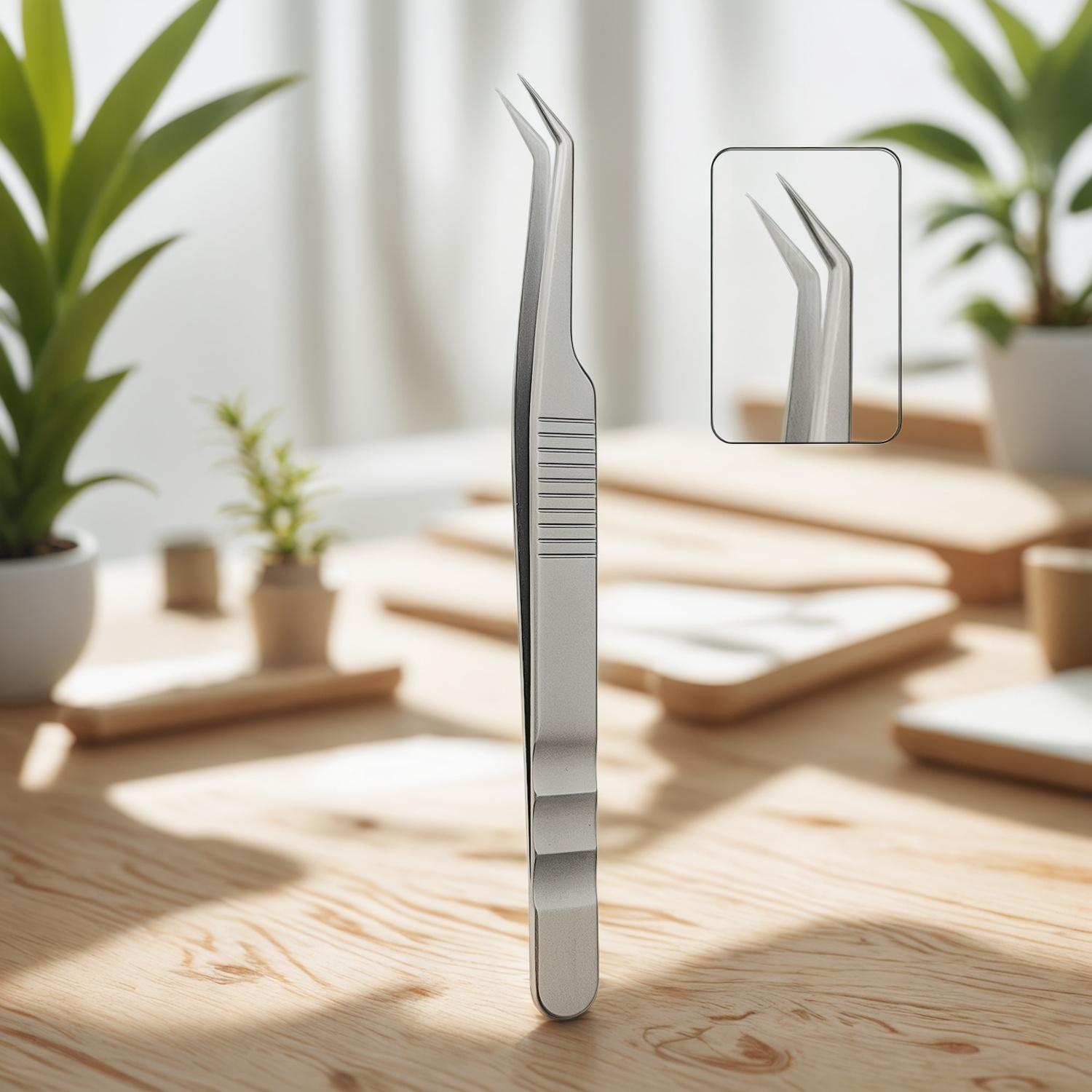
Why Tweezer Quality Matters in Beauty Tool Sourcing
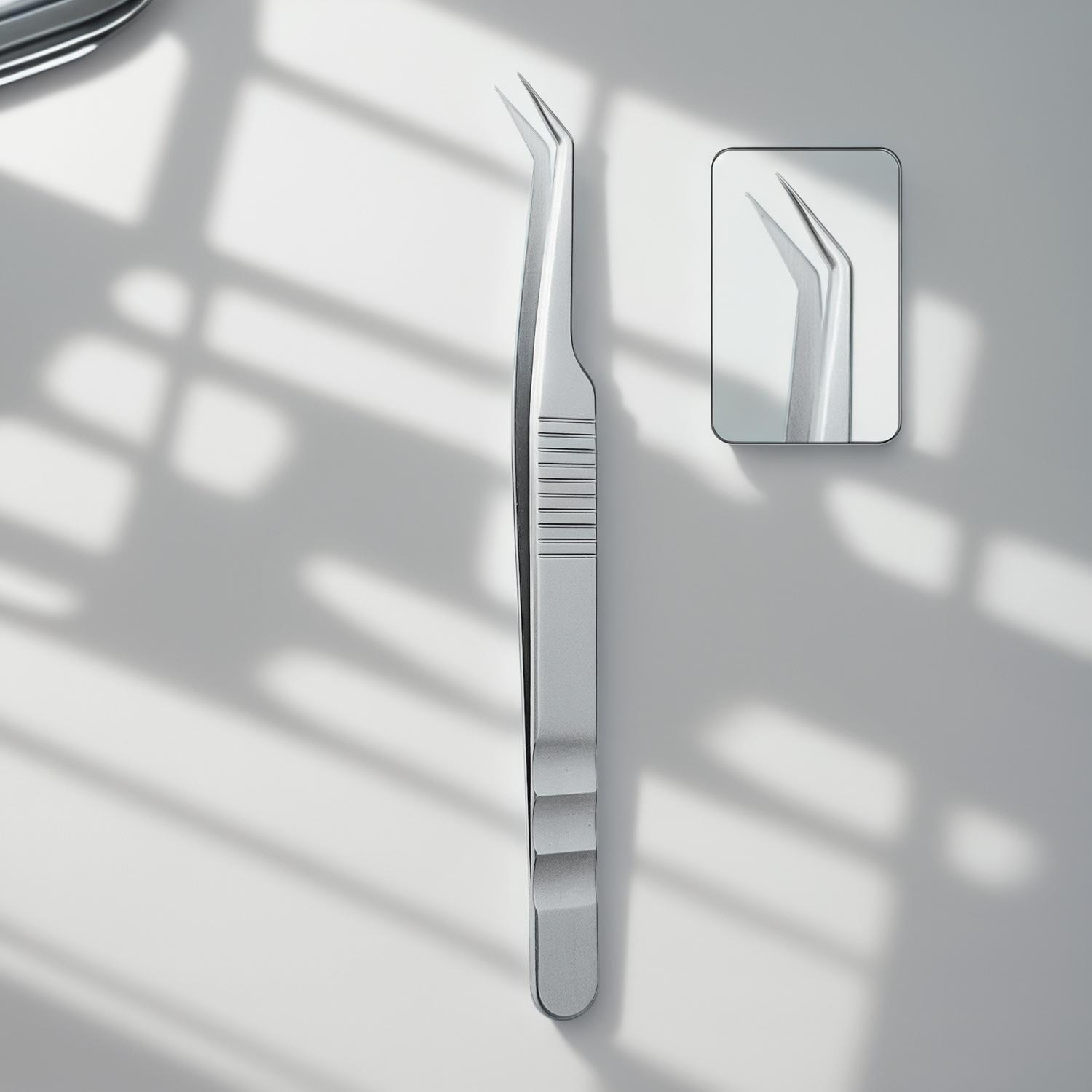
Tweezers may look simple, but their performance depends on several details working together. The two arms must have balanced tension. The tips must meet accurately. The gripping surface must hold fine hairs without cutting them or sliding off. The body should be strong enough to retain shape, while still flexible enough for repeated use. These characteristics are especially important for brow shaping, facial hair removal and close-detail cosmetic work.
In a professional environment, small inconsistencies become visible quickly. A stylist or brow technician may use tweezers repeatedly throughout the day, so hand fatigue and grip accuracy matter. For retail beauty brands, returns and negative reviews often come from tools that fail in ordinary use: misaligned tips, rough edges, uneven tension or surface finishes that deteriorate. When comparing exporters, buyers should look beyond appearance and check whether the supplier can produce repeatable functional quality.
The same precision concerns apply outside beauty as well. The original demand for fine tweezers can also come from electronics, intricate arts and crafts, or other detailed handling tasks. While this article focuses on beauty-tool sourcing, those cross-industry expectations reinforce the same point: a reliable tweezer is a precision tool, not a decorative accessory.
What Separates a Reliable Tweezers Supplier from a Basic Vendor
A reliable tweezers supplier should be able to explain how the tool is made, inspected and prepared for customers. The first consideration is material. High-grade stainless steel is commonly preferred because it resists corrosion and helps the tool maintain a clean, durable working surface over time. Material selection is only one part of the decision, however. The manufacturing process must also protect alignment, tip finish and tension.
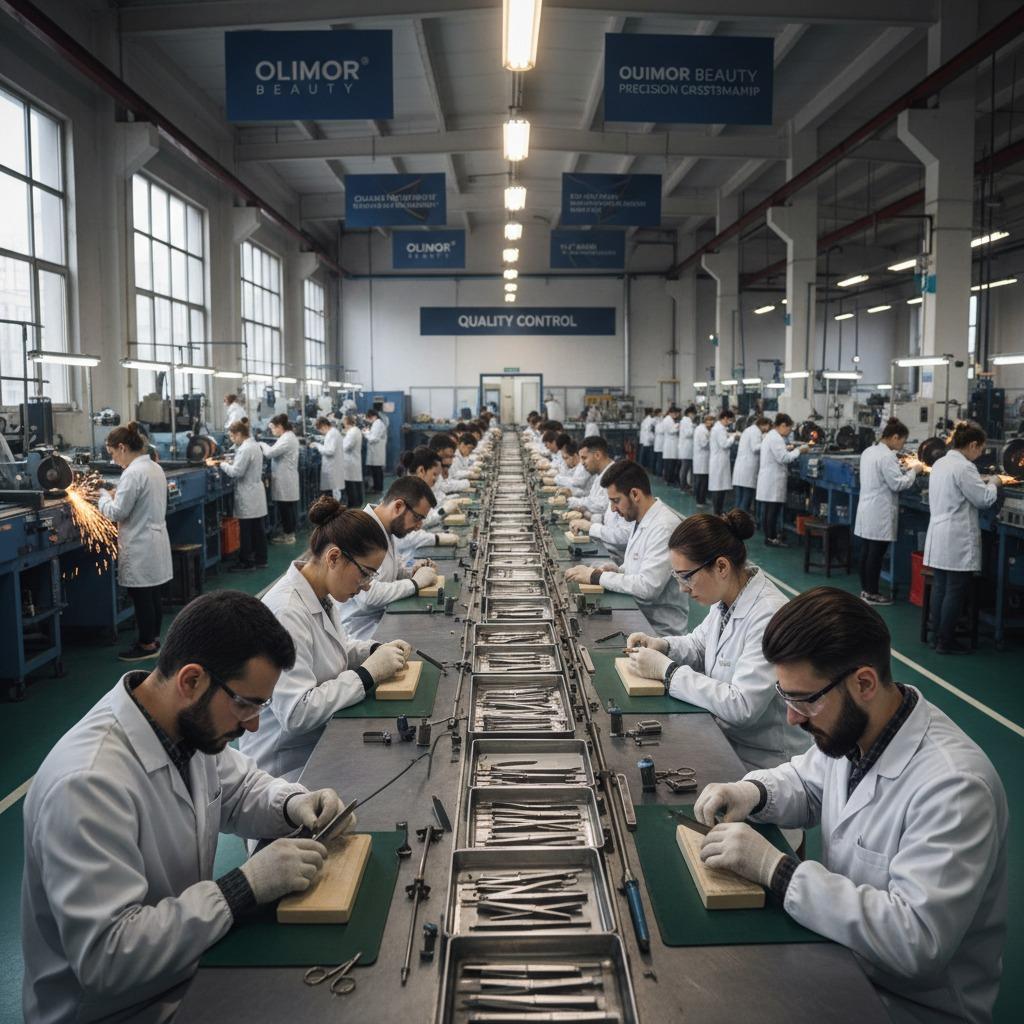
Buyers should assess supplier quality through practical questions and sample review rather than relying only on catalog photos. A strong supplier will be comfortable discussing how tweezers are checked before shipment and which functional points matter for the intended use. Olimor Beauty applies internal quality control to support consistent tool performance, including attention to ergonomic design and professional-grade handling.
When reviewing possible exporters, consider the following criteria:
- Tip alignment: The tips should meet evenly without a visible gap when closed under normal pressure.
- Grip performance: The tweezer should hold fine hair or small test material without slipping immediately.
- Edge finishing: Contact points and outer edges should feel smooth enough for controlled use.
- Balanced tension: Arms should open and close smoothly without feeling too stiff or too weak.
- Material suitability: Stainless steel should be appropriate for beauty tool use and daily handling.
- Surface consistency: Finish should look uniform, with no obvious defects that affect user confidence.
- Inspection process: The supplier should have clear internal checks for function and appearance.
- Customization support: If needed, the exporter should be able to discuss practical options for custom made tweezers.
Key Tweezer Features Buyers Should Evaluate
Before requesting samples or planning a wholesale order, define the type of tweezer your market actually needs. A brow salon may prioritize slanted precision tips and comfortable daily use. A beauty retailer may want a balanced assortment suitable for common grooming tasks. A private-label brand may care about finish, packaging compatibility and consistent appearance across a broader beauty tool line.
The table below can help buyers structure a sample review:
| Feature to Review | What to Check | Why It Matters |
|---|---|---|
| Tip contact | Close the tweezer gently and inspect whether the tips meet evenly. | Accurate contact improves hair grip and reduces repeated attempts. |
| Tension | Open and close the arms several times using normal hand pressure. | Balanced tension supports control and reduces fatigue during frequent use. |
| Steel and finish | Look for a clean surface and ask about stainless steel material selection. | Corrosion resistance and surface quality affect durability and hygiene perception. |
| Ergonomics | Hold the tweezer in the position users will naturally use it. | Comfortable handling improves precision, especially for professional beauty work. |
| Consistency | Compare several samples rather than judging only one piece. | Batch consistency is essential for retailers, salons and distributors. |
This type of review helps separate marketing claims from real usability. A tweezer can look polished in a photo but still fail a simple alignment or grip test. For beauty brands building a long-term product line, sample evaluation should be repeated whenever design, finish or packaging requirements change.
Custom Made Tweezers: When Standard Tools Are Not Enough
Standard tweezers can work well for many buyers, but custom made tweezers are useful when a business has a defined audience or a specific tool concept. Customization may involve practical design decisions such as overall shape, tip style, finish direction, hand feel or how the product fits into a kit. The best custom projects begin with function, not decoration. A beautiful tool that does not grip well will not support repeat purchase.
For private-label beauty brands, custom tweezers can help create a more coherent product range. For distributors, they may support different market tiers or customer preferences. For salon suppliers, custom decisions may focus on comfort and durability because professional users judge tools by repeated performance. Olimor Beauty’s technical expertise and manufacturing processes support tailored tweezer solutions for clients with specialized requirements, while keeping attention on precision and control.
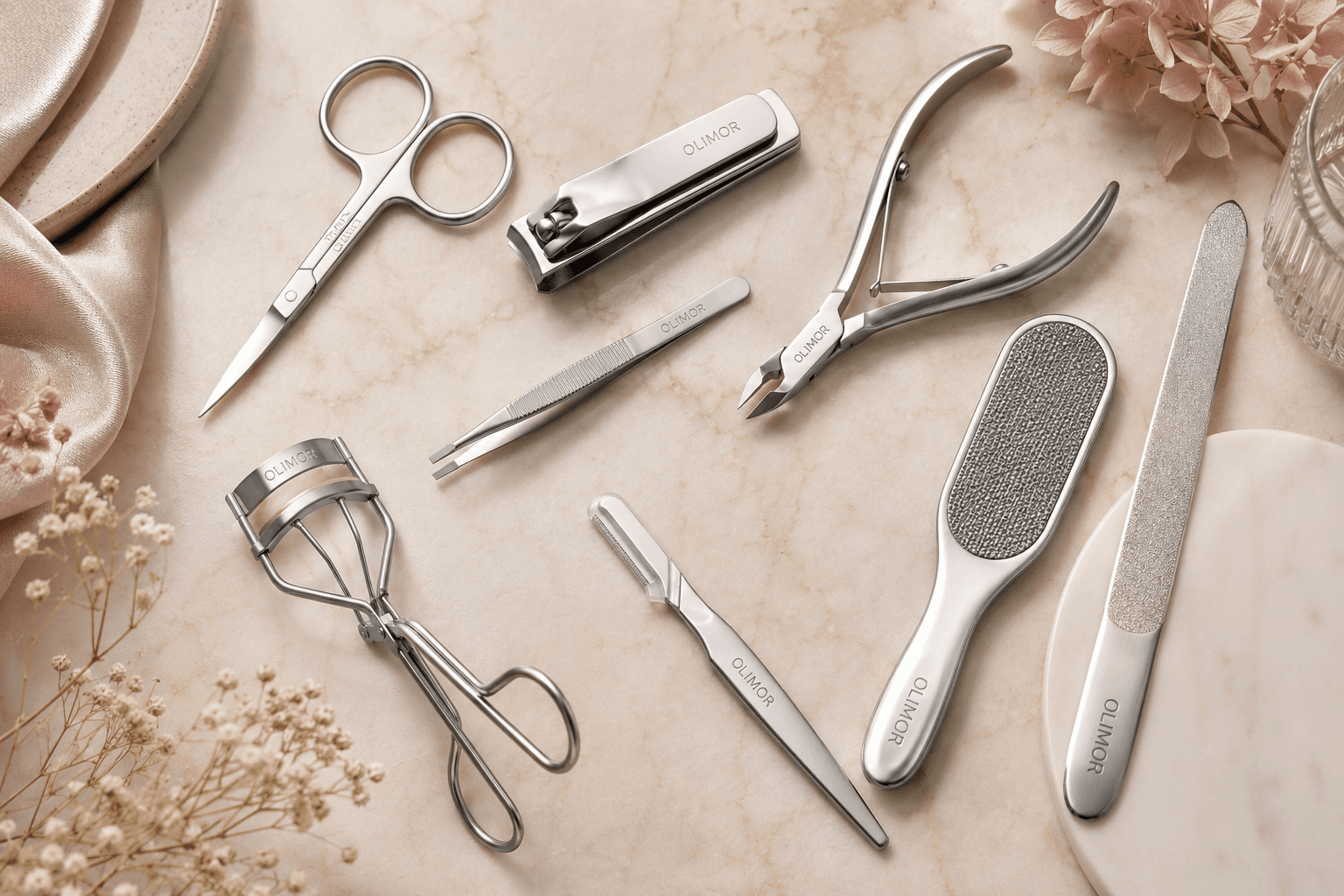
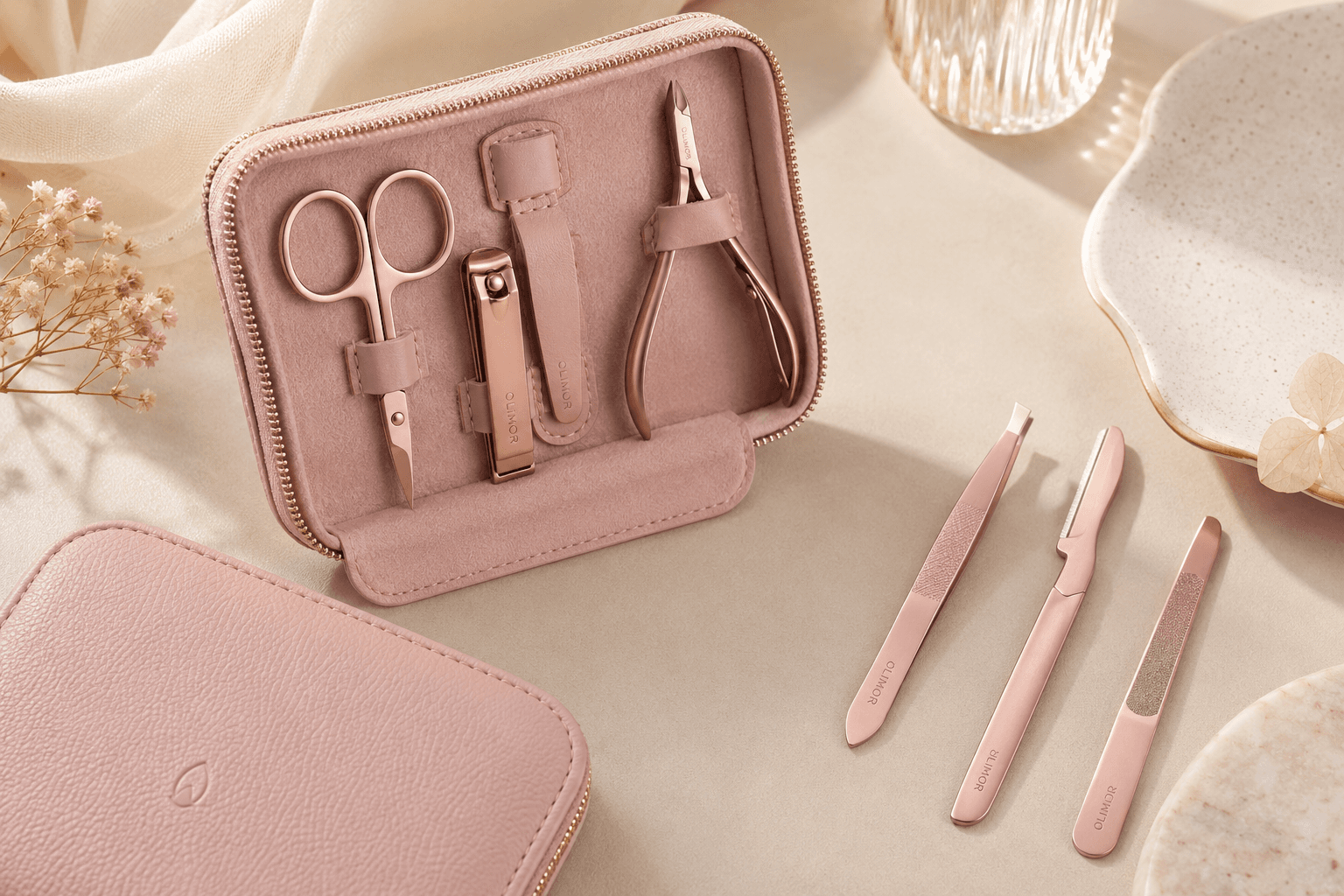
When planning a custom project, prepare a concise product brief. Include the intended user, main application, preferred tip type, target finish, packaging needs and any functional concerns from previous products. If your business is still defining its range, browse Olimor’s beauty tool products to understand how tweezers may fit alongside other personal care tools, or review product collections for broader assortment planning.
Sourcing Questions to Ask Before You Choose an Exporter
A structured sourcing process saves time and reduces misunderstandings. Instead of asking only for the lowest quotation, build a checklist that covers performance, quality control and commercial fit. This is especially important when comparing top tweezers exporters across different markets, because the same product name may represent different manufacturing standards.
- Define the application. Is the tweezer for brow shaping, general grooming, lash detail work, professional use or retail kits?
- Request relevant samples. Samples should match the intended material, finish and tip style as closely as possible.
- Test with real users. Let a technician, beauty buyer or trained evaluator check grip, alignment and comfort.
- Compare multiple pieces. Consistency across samples is more meaningful than one perfect unit.
- Review inspection expectations. Clarify which defects are unacceptable, especially misalignment, rough edges or weak tension.
- Discuss customization early. If you need a tailored design, confirm what decisions are practical before packaging or launch planning.
- Plan communication flow. A reliable exporter should respond clearly and keep technical details organized.
If you are preparing a wholesale or custom tweezer project, you can send an inquiry with your product brief, target use and sample expectations. For questions about suitable beauty tool sourcing options, you may also contact Olimor directly.
Maintenance and Handling Guidance for Better End-User Experience
Even well-made tweezers need proper handling. Beauty businesses can reduce customer complaints by offering simple care guidance with packaging, product listings or training materials. The goal is to protect the tips, keep the tool clean and prevent deformation.
Users should keep tweezers dry after cleaning, store them where the tips will not be crushed, and avoid using precision beauty tweezers for tasks that can bend or chip the contact edges. Dropping tweezers onto a hard surface can affect alignment, even if the damage is not immediately visible. If a tool begins to slip or pinch unevenly, users should inspect the tips before continuing to use it near delicate skin.
For retailers and salons, care guidance is part of product quality communication. It helps users understand that precision tools are designed for controlled tasks. It also supports a more professional brand image because the business is not only selling a tool, but also helping customers use it correctly.
Building a Better Tweezer Line with Olimor Beauty
Choosing top tweezers exporters requires attention to more than price and appearance. Strong sourcing decisions come from evaluating material suitability, tip precision, ergonomic design, internal quality checks, sample consistency and customization capability. For beauty-focused buyers, these details determine whether the finished product feels dependable in the hand and performs as expected in daily grooming work.
Olimor Beauty provides precision-focused beauty tools with attention to durability, ergonomic handling and internal quality control. Whether you are comparing a standard tweezer option or exploring custom made tweezers for a specialized market, begin with a clear performance brief and a practical evaluation process. The result is a tool selection that better supports professionals, retailers and end users who expect accuracy from every close-detail task.
Tag: