Wholesale Tweezers Exporters: How to Buy, Compare and Develop ODM Products
Choosing a tweezers exporter is not only a purchasing decision. For beauty retailers, salon suppliers, e-commerce brands and distributors, tweezers affect customer trust every time a user grips a brow hair, removes a splinter, applies lashes or handles a precision grooming task. A low-cost tool that bends, slips or has poorly aligned tips can create returns, complaints and weak repeat sales. A well-made pair of stainless steel tweezers, on the other hand, supports reliable performance and strengthens the perceived quality of your brand.
Olimor Beauty works with buyers who need practical beauty tools for wholesale supply and brand development. Whether you are comparing exporters for a standard bulk order or exploring tweezers ODM services for a more distinctive product line, the right approach is to evaluate function, consistency, customization and communication together. This guide explains what to check before buying wholesale tweezers and how to approach ODM decisions without relying on vague claims or generic catalog descriptions.
What Makes a Tweezers Exporter Worth Shortlisting?
The best exporter for your business is not always the one with the longest catalog or the lowest unit quotation. Tweezers are small tools, but they require careful control of shape, tension, finish and tip alignment. When comparing suppliers, focus on whether the exporter can help you maintain stable quality across repeat orders. This matters especially if you sell through marketplaces, salons or retail channels where customer feedback is visible and quality variation can quickly damage a listing.
A serious tweezers exporter should be able to discuss the intended use of the product. Brow tweezers, lash tweezers and general grooming tweezers may look similar at first glance, but they can require different tip shapes, grip feel and packaging presentation. A distributor may prioritize broad assortment and steady replenishment, while a private label beauty brand may care more about finish, logo placement and giftable packaging. The exporter should understand these differences before pushing a single standard option.
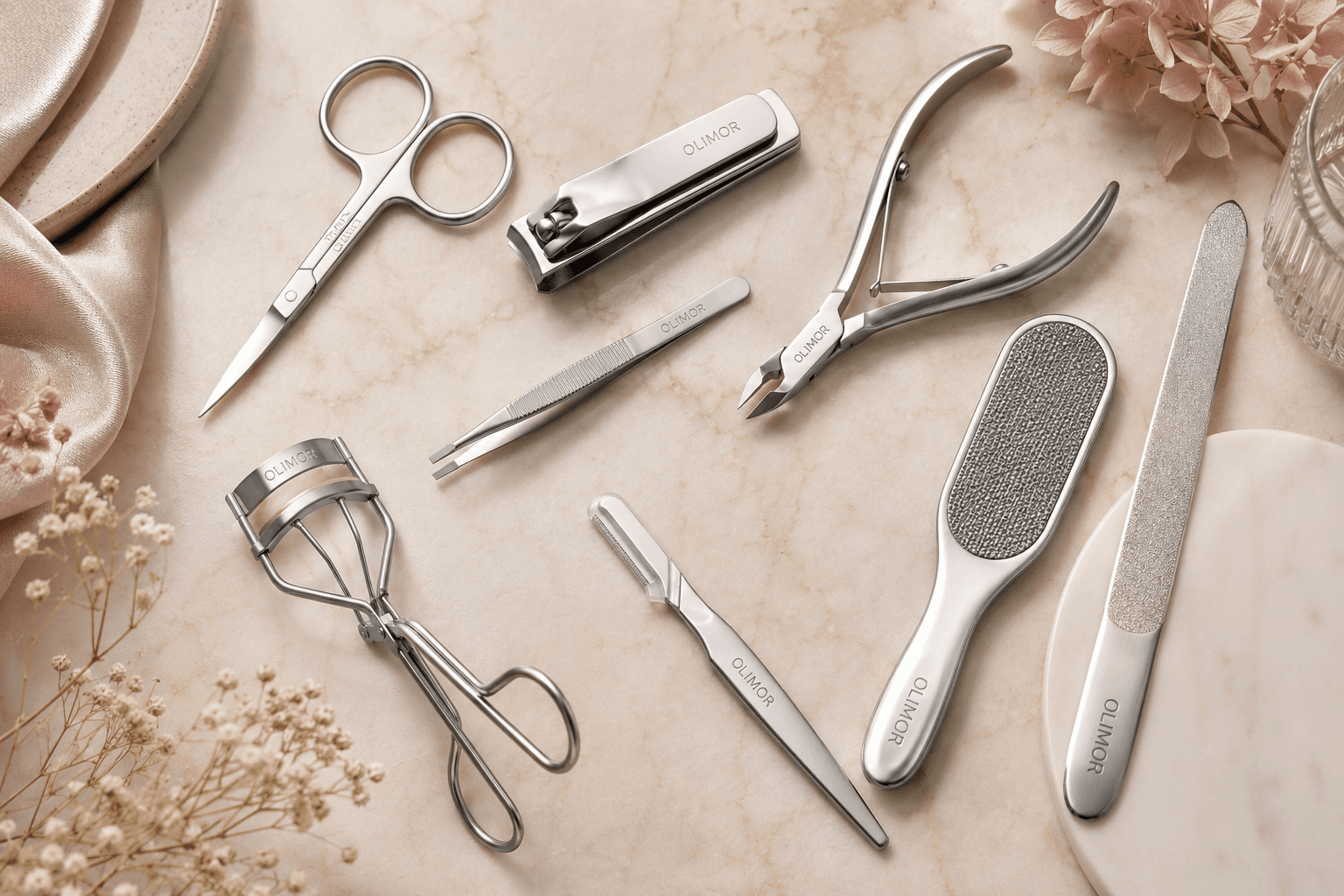
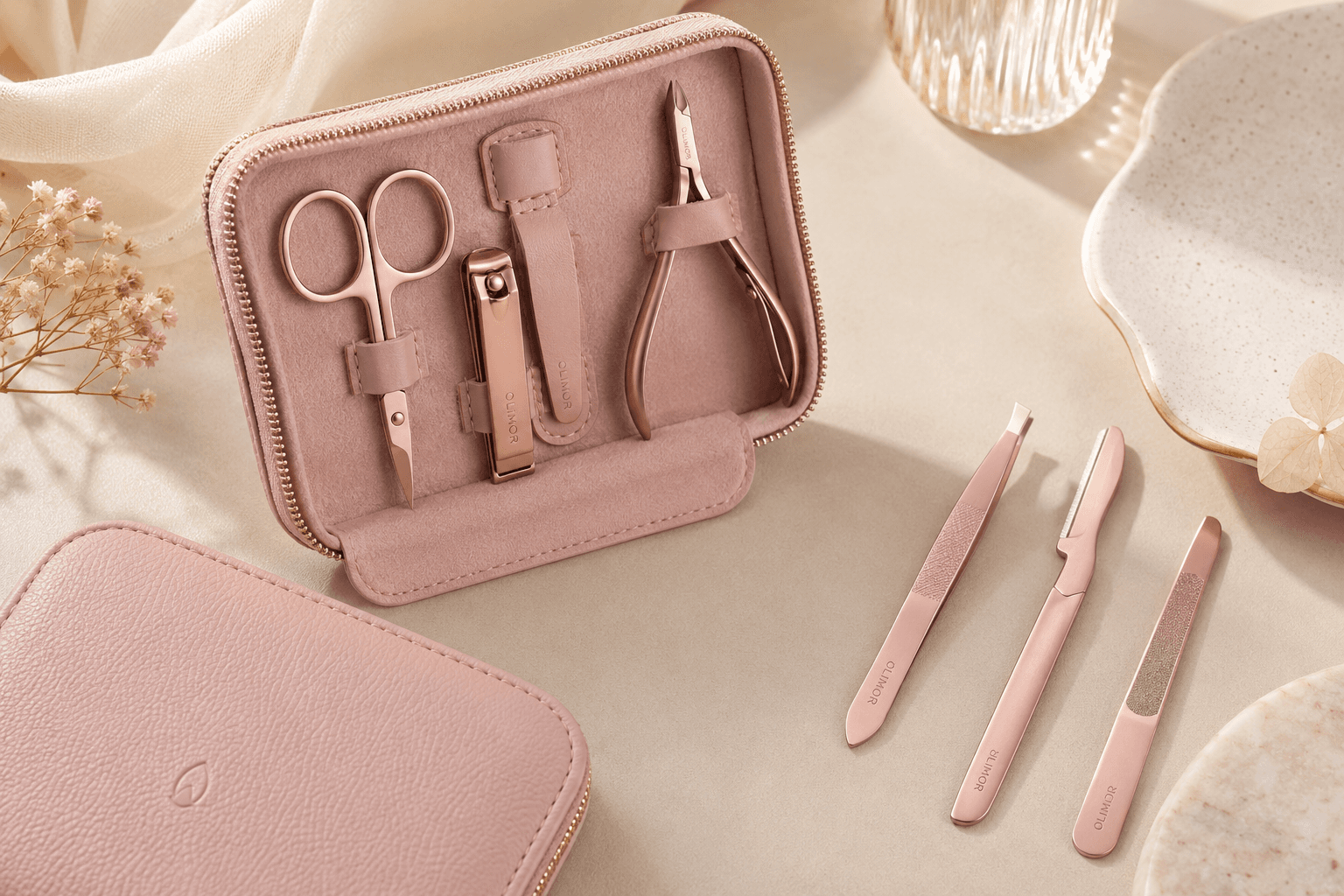
For buyers building a wider assortment, it is also useful to review related beauty tool products and compare how each item fits your channel. Tweezers may be sold individually, as part of a brow kit, with lash tools, or within a broader personal care range. Thinking about the merchandising role early helps you select the right design and packaging direction.
How to Buy Tweezers Wholesale Without Reducing the Decision to Price
Wholesale buying works best when you define the product requirements before negotiating. A low quotation can become expensive if the tool does not meet your market’s expectations. Instead of asking only for price, prepare a buying brief that covers product use, quality level, finish, packaging and sales channel. This gives exporters a clearer basis for recommendation and helps you compare offers fairly.
When requesting samples, test them in real handling conditions. Open and close the tweezer repeatedly. Check whether the arms have balanced tension and whether the tips meet evenly. A tweezer that looks good in a photo can still fail if the tips do not grip fine hairs or if the edges feel rough against the skin. For wholesale buyers, the question is not only whether one sample performs well, but whether the supplier has a process for keeping bulk production consistent.
- Tip alignment: The tips should meet cleanly and grip without visible gaps.
- Grip comfort: The body should feel controlled in the hand without requiring excessive pressure.
- Surface finish: Matte, polished or coated finishes should look even and should suit the retail positioning.
- Edge feel: Contact areas should not feel sharp or unfinished during normal use.
- Packaging fit: The tool should be secured properly to avoid movement and scratches in transit.
- Repeat-order consistency: The exporter should be able to discuss inspection points and practical tolerances.
It is also helpful to compare how the same tweezer style is positioned across different sales channels. A professional salon supplier may need a clean, durable presentation, while a consumer gift set may require stronger visual appeal. Wholesale purchasing becomes more effective when product performance and retail presentation are considered together.
ODM Tweezers: When Customization Adds Real Value
Tweezers ODM services are useful when your brand needs more than an off-the-shelf item. ODM can involve choices such as body shape, finish, logo placement, packaging structure or product set configuration. The goal is not to customize every possible detail. The goal is to create a tool that fits your brand promise, user expectations and sales channel while remaining practical to manufacture and inspect.
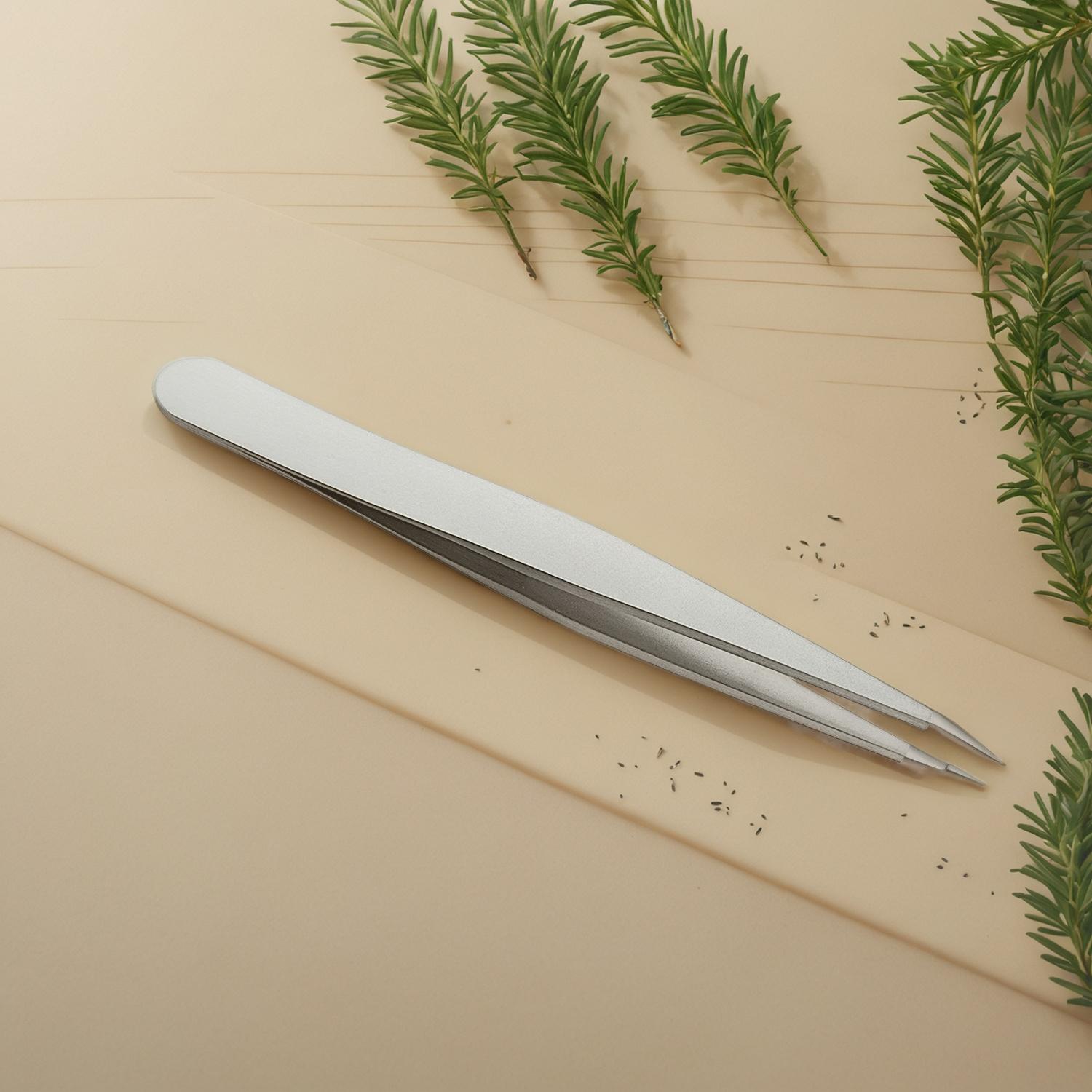
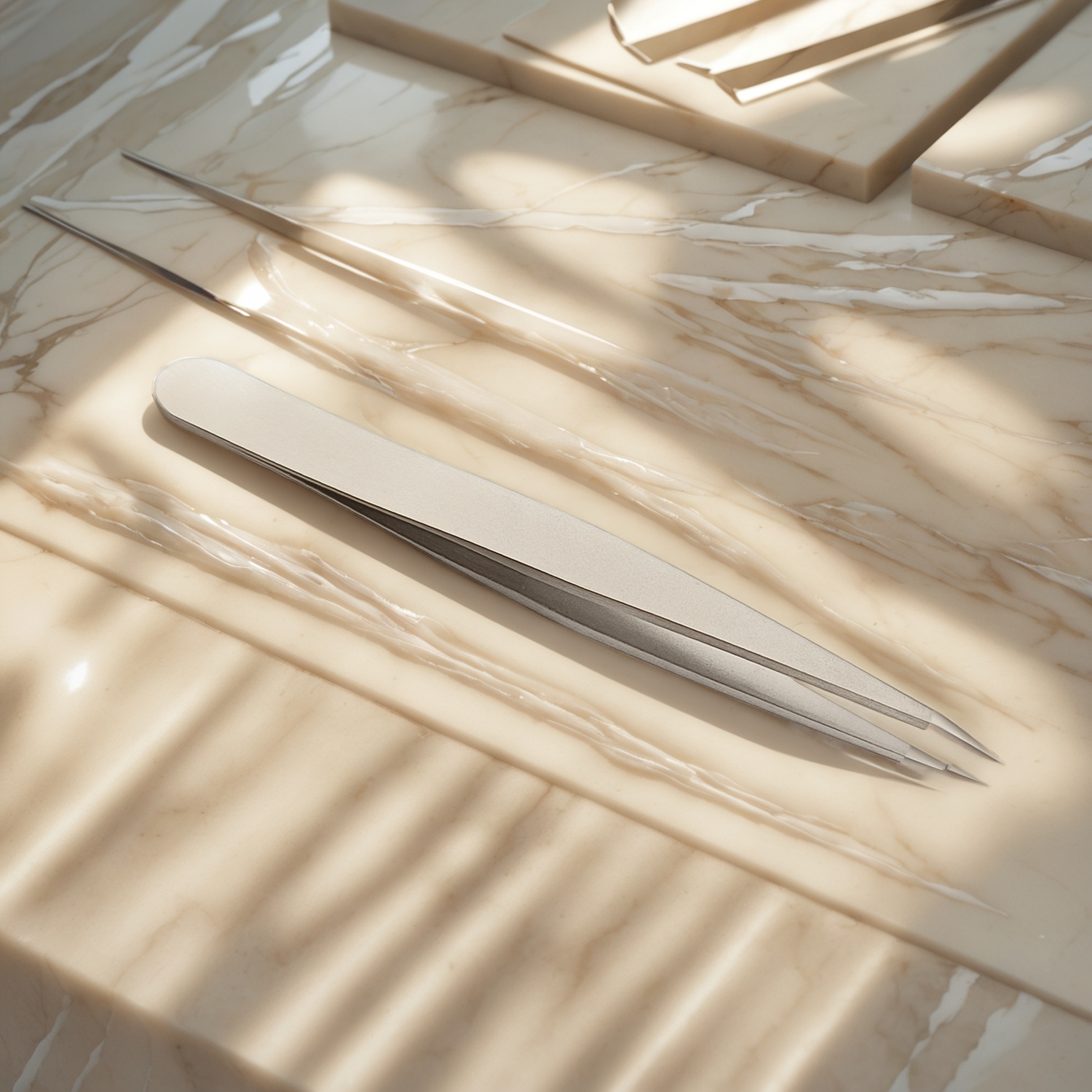
The original Olimor Beauty offering mentions customization features such as a sophisticated matte finish and precision-aligned tips found on the LuxeCraft model. If you are considering a similar design direction, treat these features as part of a larger product decision. A matte finish may communicate a modern, professional look, while tip precision affects the actual user experience. Both appearance and function need to be evaluated together, because attractive tools still need to perform reliably.
For private label or ODM development, prepare visual references and a clear hierarchy of priorities. Decide what is essential and what is flexible. For example, tip performance and safe handling should usually be non-negotiable, while some packaging details may have more room for adjustment. If your brand sells multiple items, review relevant product collections so the tweezer design can align with the broader assortment rather than appearing disconnected.
Quality Control Questions to Raise Before Bulk Production
Quality control for tweezers should be specific. General statements such as “high quality” or “strict inspection” are not enough for a buyer making sourcing decisions. Ask what is checked during production and before shipment. The most important checks usually relate to alignment, tension, surface condition, cleanliness and packaging protection. These are the details that affect how the product feels in the customer’s hand and how it appears when opened.
Buyers should also consider how samples are approved. Keep approved samples, packaging references and artwork files organized so repeat orders can be compared against a clear standard. If there are changes in finish, logo technique or packaging materials, confirm whether a new approval sample is needed. This reduces misunderstandings and helps protect consistency across future orders.
| Evaluation Area | What to Check | Why It Matters |
|---|---|---|
| Tip precision | Even contact, clean grip and no obvious gap | Determines whether the tweezer can grip fine hairs effectively |
| Tension | Smooth opening and closing with controlled resistance | Affects comfort during repeated use |
| Finish | Even color, consistent texture and no visible scratches | Supports retail appearance and brand perception |
| Logo and artwork | Correct placement, size and legibility | Protects brand presentation on shelf and online |
| Packaging | Secure fit, clean printing and transit protection | Reduces damage, returns and negative unboxing experiences |
Choosing Tip Shape, Finish and Packaging for Your Market
Different users buy tweezers for different reasons. A brow-focused consumer may want a slanted tip for shaping and maintenance. A lash user may prefer a tool that supports careful placement. A general grooming kit may need a versatile tweezer that is easy for a wide range of users to understand. Before placing a wholesale order, define the primary user and the task the tool should perform best.
Finish is another important decision. A polished look can feel classic and clean, while a matte finish can create a more contemporary appearance. The right option depends on your retail identity, target price point and packaging style. However, finish should not be selected only for appearance. It should also be evaluated for hand feel, visual consistency and suitability for the expected usage environment.
Packaging should protect the tips, explain the tool clearly and match the sales channel. For online sales, packaging must survive shipping and still look presentable when delivered. For retail display, the pack should communicate product type quickly. For professional buyers, simple and efficient packaging may be preferred. If you are unsure which approach fits your market, compare several sample formats and judge them from the customer’s viewpoint.
Working With Olimor Beauty on Wholesale and ODM Tweezers
Olimor Beauty supports businesses looking to buy tweezers wholesale as well as brands considering ODM development. The most productive conversations begin with a concise sourcing brief. Include the intended market, expected use, preferred finish, packaging direction and any brand requirements. If you already have a benchmark product, explain what you like and what you want to improve. If you are starting from a concept, outline the customer segment and sales channel first.
A good supplier relationship should make sourcing clearer, not more confusing. You should be able to compare product options, understand practical customization choices and define approval steps before production. This is especially important for brands that plan to reorder, expand into kits or coordinate tweezers with other beauty tools.
For a direct discussion about wholesale supply or ODM development, you can contact Olimor with your sourcing details or send an inquiry for product and customization communication. Clear requirements at the beginning help both sides focus on the right tweezer design, quality expectations and packaging direction.
A Practical Final Checklist for Buyers
Before selecting a tweezers exporter, step back and review the complete buying picture. The right partner should help you balance performance, appearance, packaging and repeat-order reliability. For beauty brands and distributors, this balance is more valuable than a single low quote because it supports customer satisfaction over time.
- Define the main use case: brow shaping, lash work, grooming kits or general retail.
- Confirm the tip style and handling feel through physical samples.
- Review finish options for both appearance and comfort.
- Check whether logo and packaging choices match your brand position.
- Clarify inspection points for alignment, tension, surface finish and packing.
- Keep approved samples and artwork records for future repeat orders.
- Plan how tweezers fit with your wider beauty tool assortment.
Wholesale tweezers may be small products, but they carry a large share of the customer’s quality impression. By focusing on measurable product details and sensible ODM choices, you can build a more dependable sourcing process and offer tweezers that feel consistent, useful and aligned with your market.
Tag: