Choosing a Tweezers Exporter for Reliable Wholesale and OEM/ODM Supply
For beauty retailers, salon suppliers, private-label brands and e-commerce sellers, tweezers are small products with a big impact on customer satisfaction. A tweezer that grips cleanly, feels balanced in the hand and arrives in consistent packaging can support repeat sales. A poorly finished tweezer, however, can create returns, negative reviews and unnecessary inventory risk. That is why choosing the right tweezers exporter is not only a price decision; it is a product quality and supply-chain decision.
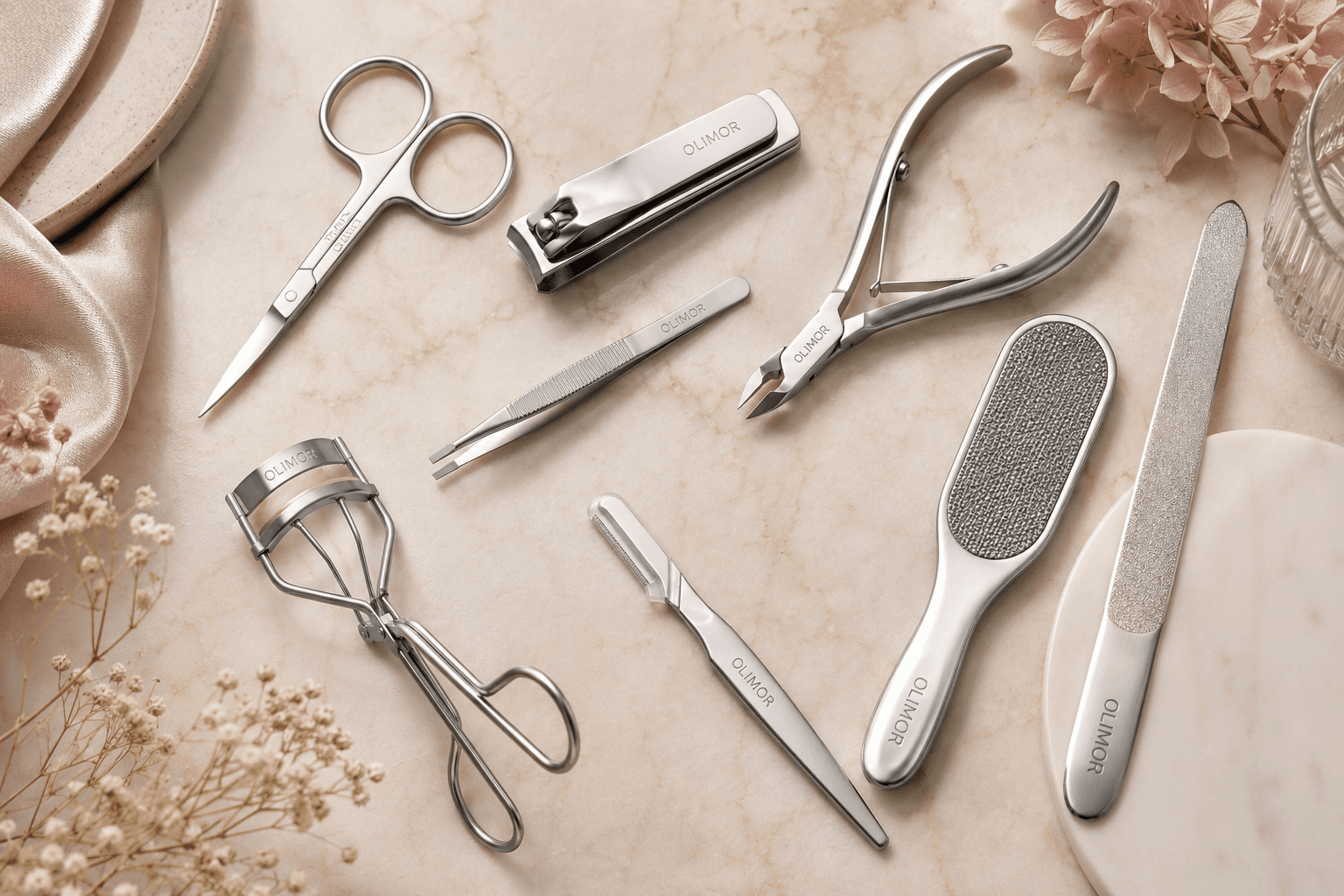
Olimor Beauty supplies beauty tools for business buyers looking for practical sourcing options, including wholesale tweezers and OEM/ODM tweezers. The right approach starts with understanding how the product will be used, what level of customization is needed, and which inspection points should be confirmed before bulk purchasing. Whether you are building a brow grooming category, refreshing salon retail products or developing a private-label accessory line, the selection process should be structured and specific.

What Business Buyers Should Expect from a Tweezers Exporter
A dependable tweezers exporter should help buyers move from product idea to repeatable supply with fewer surprises. For a simple beauty tool, the details matter: tip alignment, edge finish, spring tension, surface treatment, packaging protection and order consistency all affect the final selling experience. Importers and distributors should evaluate whether a supplier can discuss these points clearly rather than treating tweezers as a generic commodity.
For retail buyers, the main concerns are shelf appeal, customer usability and consistent replenishment. For salon-channel buyers, professional handling and clean gripping performance may be more important. For OEM/ODM projects, the emphasis shifts toward design adaptation, finish options, logo placement, packaging and whether the final product matches the approved sample.
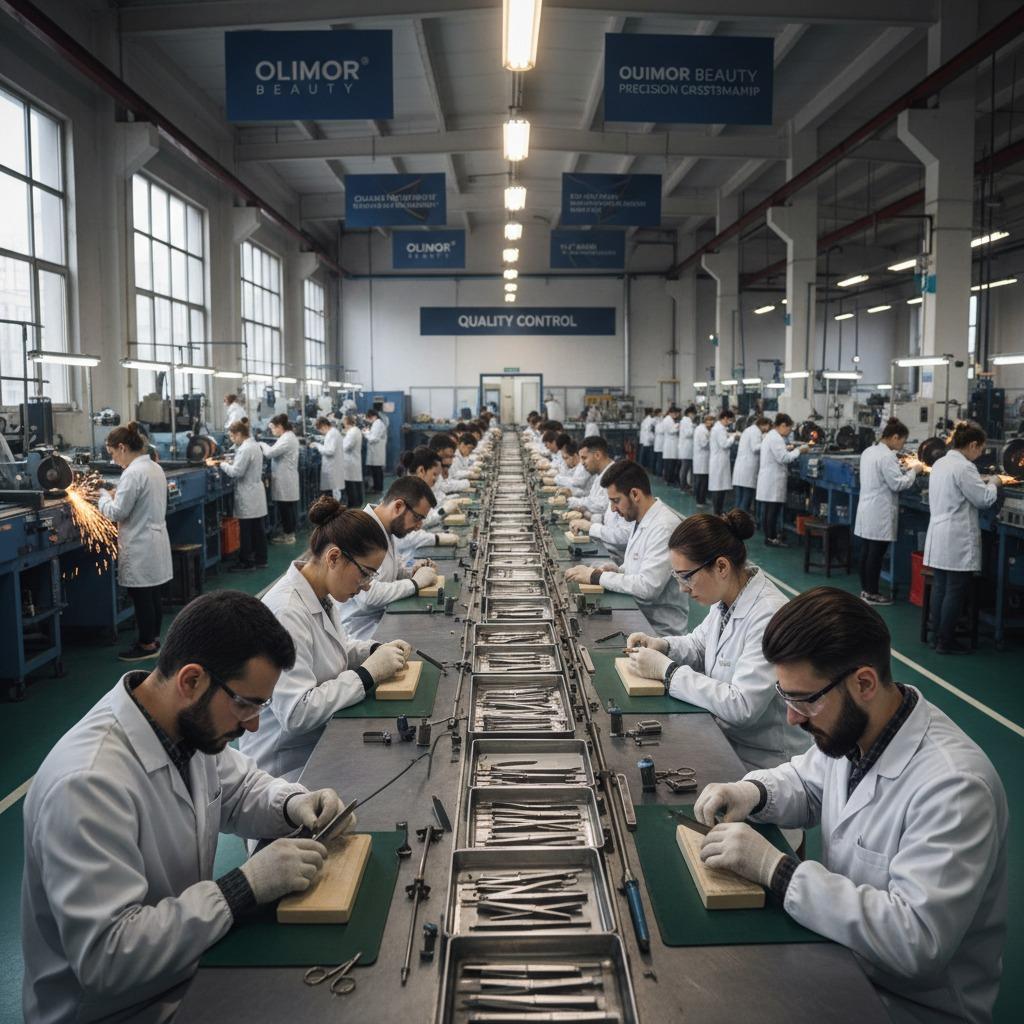
Olimor Beauty positions its tweezers offering around technical precision, stainless steel construction, ergonomic handling and quality control from raw material inspection through final packaging. Those are useful starting points when comparing factories or exporters, but buyers should still use a checklist and verify that the chosen product version fits their own market, pricing tier and sales channel.
Key Quality Points for Stainless Steel Tweezers
The original product information highlights stainless steel tweezers with ergonomic designs. Stainless steel is commonly selected for beauty tools because it can provide a durable feel and a clean appearance when finished properly. However, the material alone does not guarantee a good tweezer. The most important buyer-facing performance details are often found at the tips and in the tension.
When reviewing samples, inspect the tweezer under good lighting and test it on different types of fine material such as a single hair, thin thread or paper edge. The tips should meet evenly without a visible gap. They should grip without requiring excessive force, and they should not feel sharp in a way that could scratch skin during normal grooming use. The arms should return smoothly after pressure is released.
- Tip alignment: The two ends should meet evenly and grip fine hairs without slipping.
- Edge finishing: Corners should be smooth enough for safe handling while still allowing precision.
- Tension feel: The tweezer should not be too stiff for daily use or too loose for accurate control.
- Surface consistency: Coating, polishing or color finish should look even across the visible areas.
- Ergonomics: The shape should suit the buyer’s target users, whether retail consumers, salons or travel kits.
- Packaging protection: The tips should be protected in transit so performance is not affected before sale.
Quality assurance is also about consistency. A sample may perform well, but wholesale orders require the same performance across cartons. Buyers should define acceptable inspection criteria before production or before placing a repeat order, especially when selling under a private label where the end customer associates quality with the buyer’s brand.
OEM/ODM Tweezers: When Customization Makes Sense
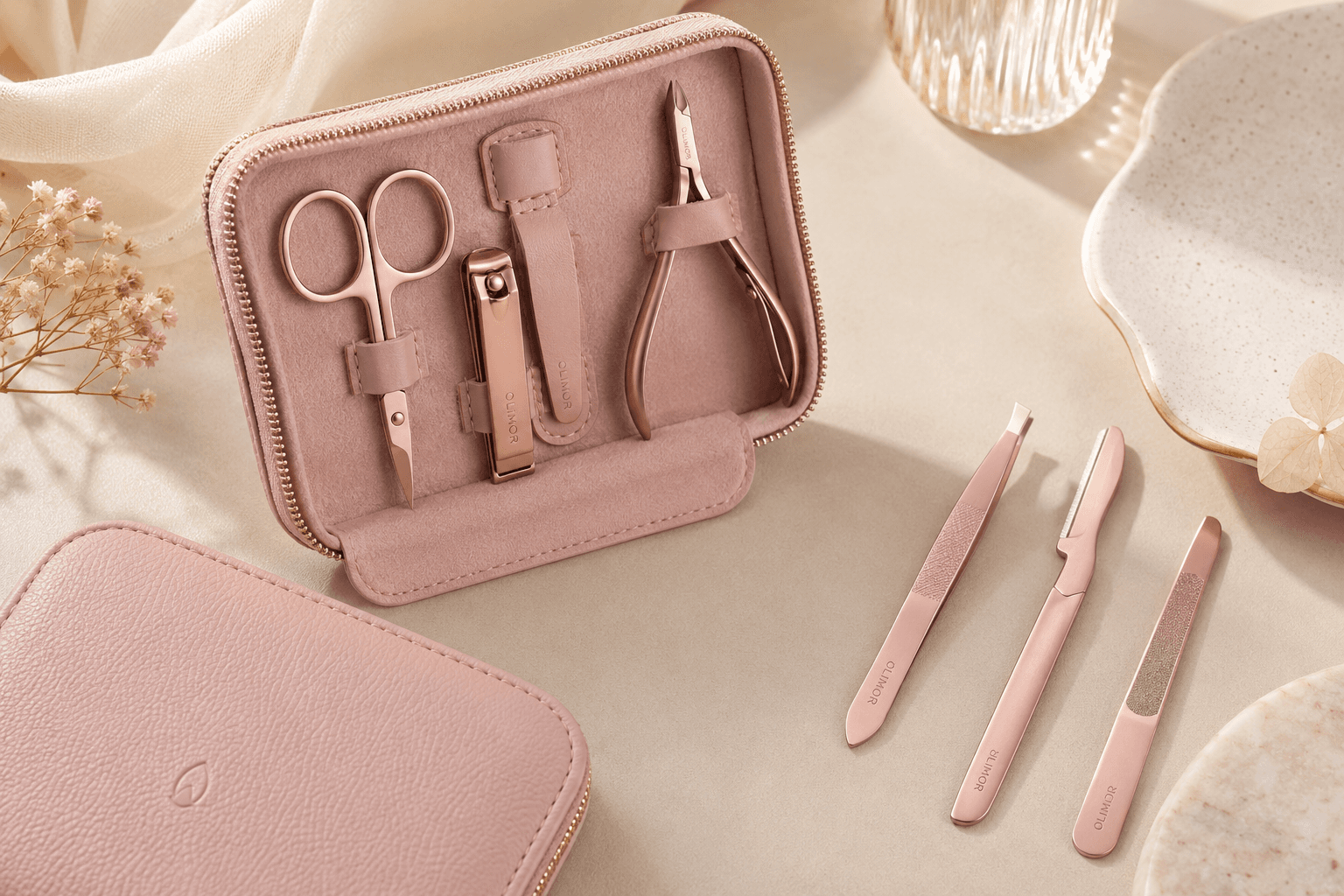
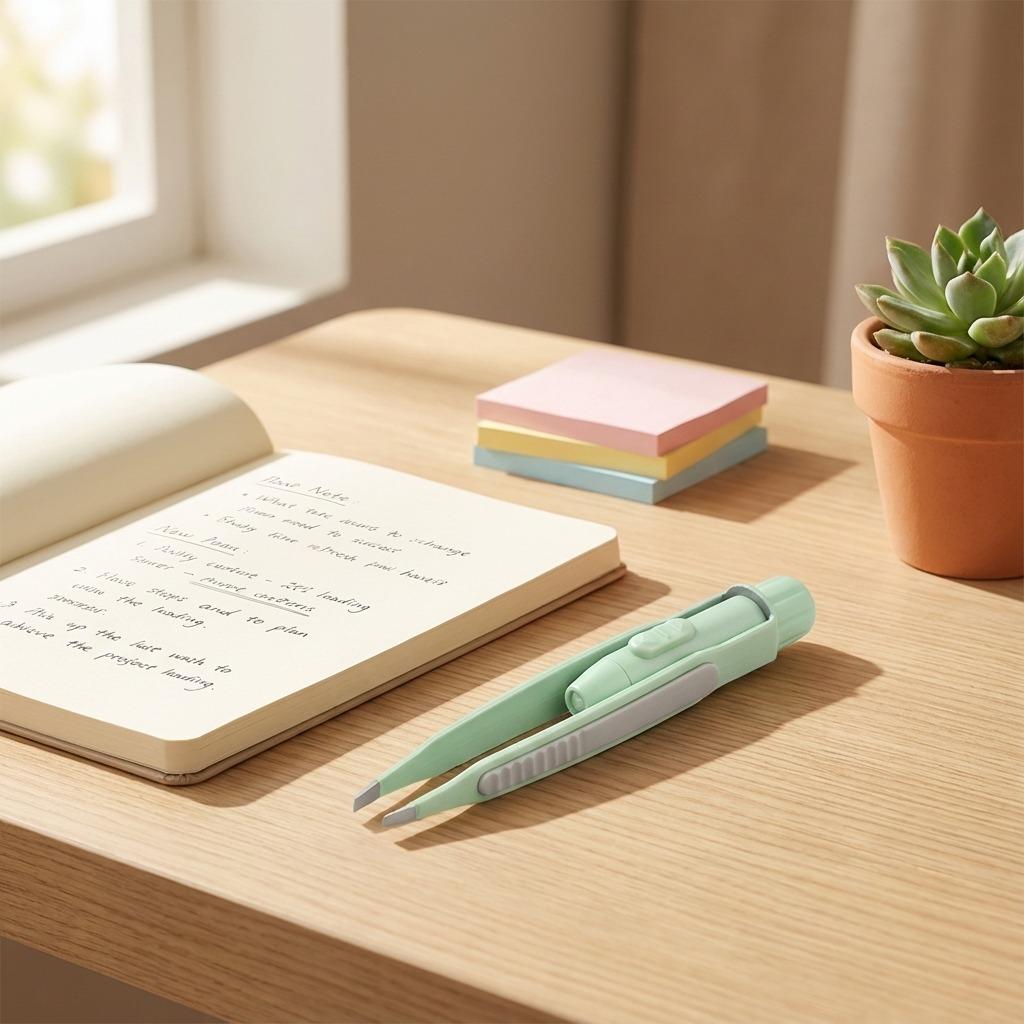
OEM/ODM tweezers can be a good choice when a buyer wants more than a standard wholesale item. Customization may involve color, finish, packaging, logo application or functional details. The supplied product information mentions options such as sleek mint green finishes and multifunctional features like adjustable tension locks. It also references a 127 mm long, 19 gram lightweight tweezer, which may be relevant for buyers who want a compact precision tool for travel, daily grooming or kit-based retail.
Customization is most useful when it supports a clear business purpose. A color finish may help a product fit a brand identity. A lightweight format may suit travel-size assortments. A packaging change may improve retail display or e-commerce presentation. A functional feature should be considered only if it solves a real user need and can be produced consistently.
- Define the target user: Decide whether the tweezer is for brow shaping, general grooming, salon resale, travel kits or beauty gift sets.
- Choose the selling channel: E-commerce packaging, salon counter packaging and retail hanging cards may require different presentation.
- Confirm the sample standard: Keep an approved sample and document finish, weight, length, tension feel and packaging details.
- Plan artwork carefully: Logo size, print method and packaging layout should remain readable at the actual product scale.
- Set inspection checkpoints: Include tip alignment, surface finish, color consistency, labeling and carton protection.
If you are comparing customization routes, browse Olimor’s beauty tool products to understand the broader product context, then prepare a concise specification before you send an inquiry. A clear brief helps reduce back-and-forth and makes quotations easier to compare.
Wholesale Tweezers: Balancing Price, Performance and Brand Risk
Many buyers search for the cheapest wholesale tweezers, but the lowest unit price is not always the lowest total cost. If a tweezer fails to grip properly, has inconsistent finish or arrives with damaged tips, the buyer may face returns, repacking labor or slow-moving inventory. A better sourcing goal is controlled cost with acceptable, repeatable performance.
Price comparisons should be made only after the product assumptions are aligned. Two quotations may look similar while including different materials, finishes, packaging, inspection levels or customization work. For example, a plain stainless steel tweezer in simple packaging should not be compared directly with a colored OEM version that includes logo printing and retail-ready packaging.
| Buyer priority | What to check | Why it matters |
|---|---|---|
| Low-cost replenishment | Standard design, simple packaging, consistent bulk inspection | Controls cost while maintaining sellable quality |
| Private label launch | Logo placement, finish consistency, approved sample matching | Protects brand presentation across the first order |
| Salon resale | Grip performance, ergonomic feel, durable appearance | Supports customer trust in a professional setting |
| E-commerce sales | Photo-ready finish, protective packaging, clear product claims | Reduces complaints and improves listing accuracy |
Before committing to a large wholesale order, buyers should test samples in the same way the end user will use them. That means plucking fine hairs, handling the tweezer repeatedly, checking whether the finish marks easily, and confirming that packaging protects the tips during shipping. These practical tests often reveal more than a specification sheet alone.
Packaging, Labeling and Export Readiness
For an exporter, the product does not end at the tweezer itself. Packaging and labeling influence both compliance workflows and customer experience. Retail buyers may need barcode space, multilingual labeling, warning text or brand information. E-commerce sellers may need compact packaging that photographs well and ships without excessive weight. Distributors may prioritize carton markings and inner packing that make warehouse handling easier.
Because tweezers depend on tip precision, packaging should also prevent movement and contact damage. Tip covers, blister styles, pouches or inserts may be considered depending on the selling channel and target price. If the product includes a specific color finish, packaging should minimize rubbing or abrasion before the item reaches the customer.
Export-focused buyers should prepare their requirements in writing. A useful specification may include product dimensions when relevant, finish, color reference, logo file format, packaging type, carton labeling, inspection criteria and any market-specific labeling needs. Olimor Beauty can be approached through contact Olimor for business communication, and buyers can also review related product collections when planning a broader beauty-tools range.
How to Compare Samples Before Placing an Order
Sample evaluation should be systematic. It is easy to approve a tweezer because it looks attractive, but repeat orders depend on measurable and repeatable details. Create a simple scorecard and compare each sample against the same criteria. This is especially important if you are reviewing several finish options or OEM/ODM concepts.
Start with visual inspection. Look for scratches, uneven coating, stains, burrs or inconsistent color. Then test function. Grip fine hairs from different angles, open and close the arms repeatedly, and check whether the tips still meet accurately after use. Finally, inspect packaging. Confirm that the product is held securely and that any logo, label or printed information is correctly positioned.
For a model described as 127 mm and 19 grams, buyers can also evaluate whether that length and weight feel right for their target audience. A lightweight tweezer may be convenient for travel and daily grooming, while some professional users may prefer a different balance. The best choice depends on where and how the item will be sold.
Building a Better Tweezers Sourcing Brief
A strong sourcing brief helps a tweezers manufacturer or exporter understand the project quickly. Instead of asking only for a general wholesale price, describe the intended market, quality tier, packaging style and customization needs. Include reference photos if they clarify shape or finish, but avoid copying protected designs or brand elements from competitors.
Your brief can stay simple: product type, preferred material, finish or color, approximate size expectations, packaging concept, logo needs, target order purpose and inspection priorities. If you do not yet know the final specification, request options in a structured way, such as standard wholesale options versus OEM/ODM customization options. This makes it easier to compare value rather than chasing the lowest number without context.
Olimor Beauty’s tweezers offering is relevant for buyers seeking stainless steel grooming tools, ergonomic handling, OEM/ODM possibilities and wholesale sourcing. By focusing on tip precision, finish quality, packaging protection and a clear sampling process, buyers can reduce risk and select tweezers that fit their retail, salon or private-label goals.
Tag: