How to Choose a Tweezers Exporter for Reliable Beauty Tool Sourcing
For beauty brands, wholesalers, salon suppliers and online retailers, tweezers are small products with a large impact on customer satisfaction. A tweezer that feels unbalanced, loses tip alignment or arrives in poor packaging can create returns and damage trust in a product line. Choosing the right tweezers exporter is therefore not only a purchasing decision; it is a quality, branding and supply-chain decision.
Olimor Beauty supplies beauty tools for international buyers and supports sourcing needs that may include standard products and OEM/ODM development. When evaluating a tweezers manufacturer or exporter, buyers should look beyond a product photo and compare how the supplier approaches usability, inspection, customization, packaging and communication. This guide explains the practical checkpoints that help purchasing teams make better decisions before placing an order.
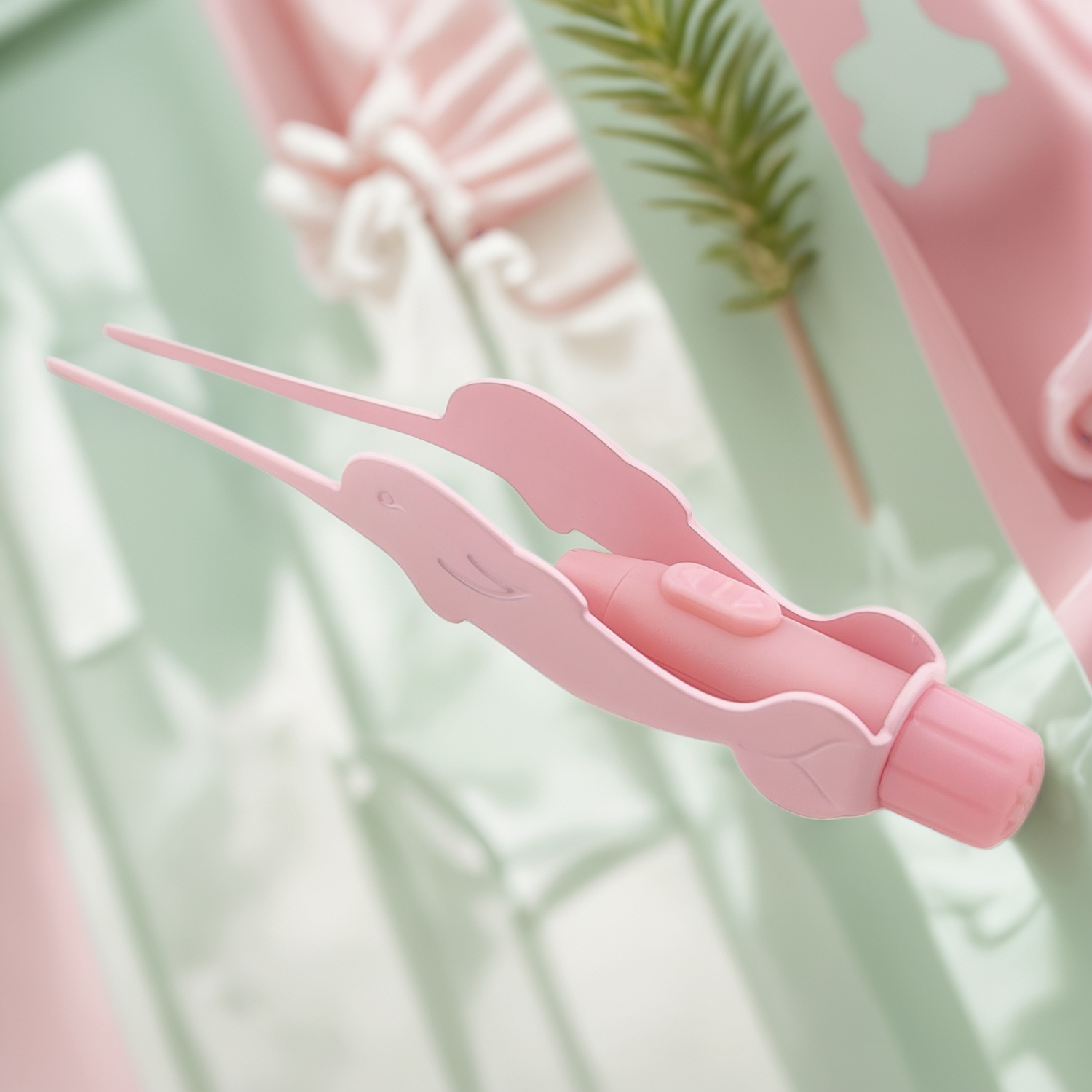
Why Tweezers Require Careful Supplier Evaluation
Tweezers may appear simple, but the user experience depends on fine details. The two arms need to meet cleanly at the tip, the tension should be comfortable, and the finish should feel smooth in the hand. If the tool is intended for brow grooming, lash application, splinter removal or general cosmetic use, the intended function influences tip shape, grip and packaging requirements.
International buyers also need consistency. A single approval sample is useful, but the real test is whether production batches maintain the same appearance and performance. For a product category often sold in sets, gift packaging, private label programs or retail displays, visual consistency matters as much as function. This is why a dependable tweezers exporter should be able to discuss inspection points clearly and help buyers define acceptance standards before production moves forward.
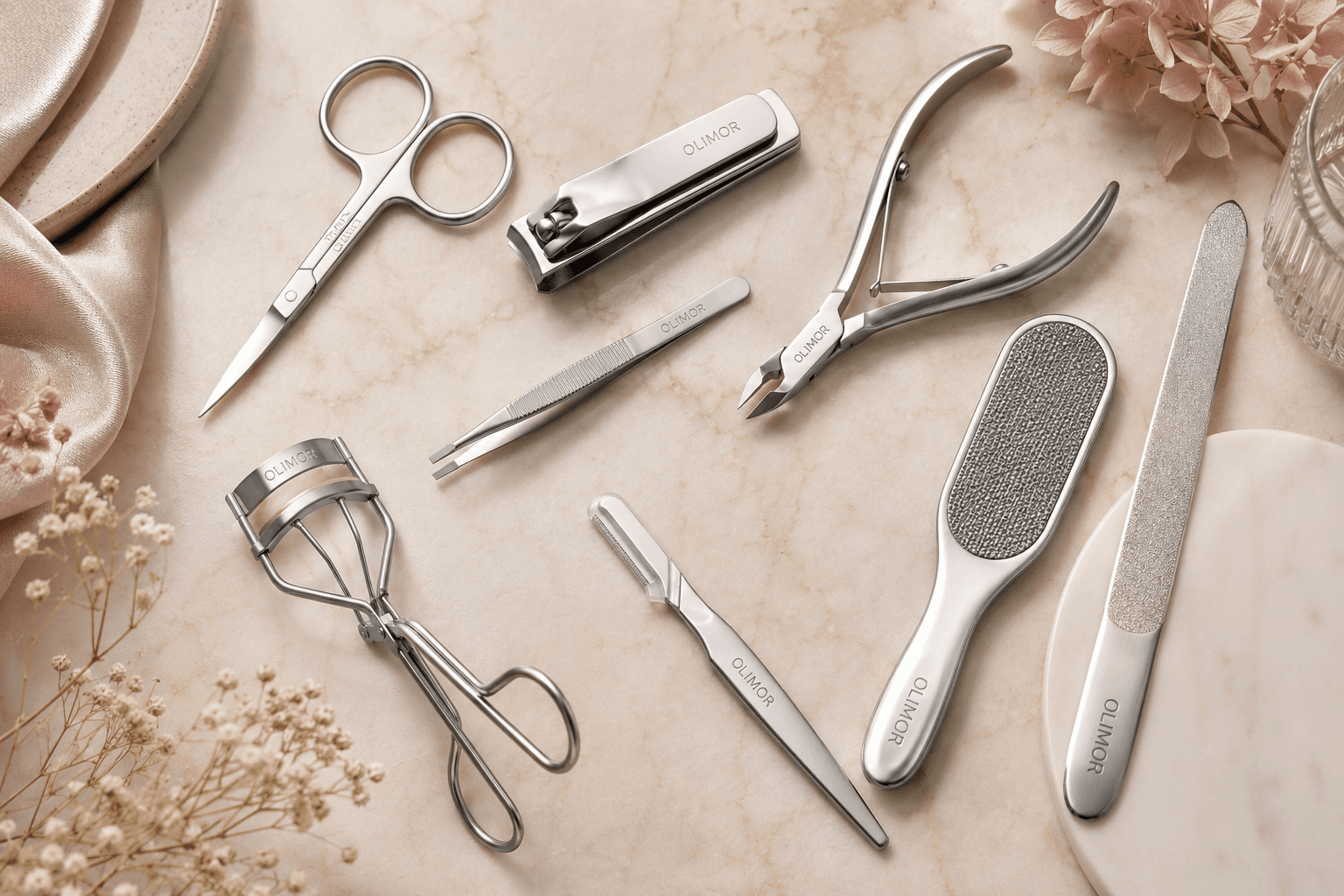
If you are building a wider personal care line, it can also help to compare tweezers with adjacent beauty tool products such as eyelash curlers, beauty spatulas or grooming accessories. Shared packaging themes, color direction and finish choices can make a product range easier to merchandise.
Core Quality Checks for Export Tweezers
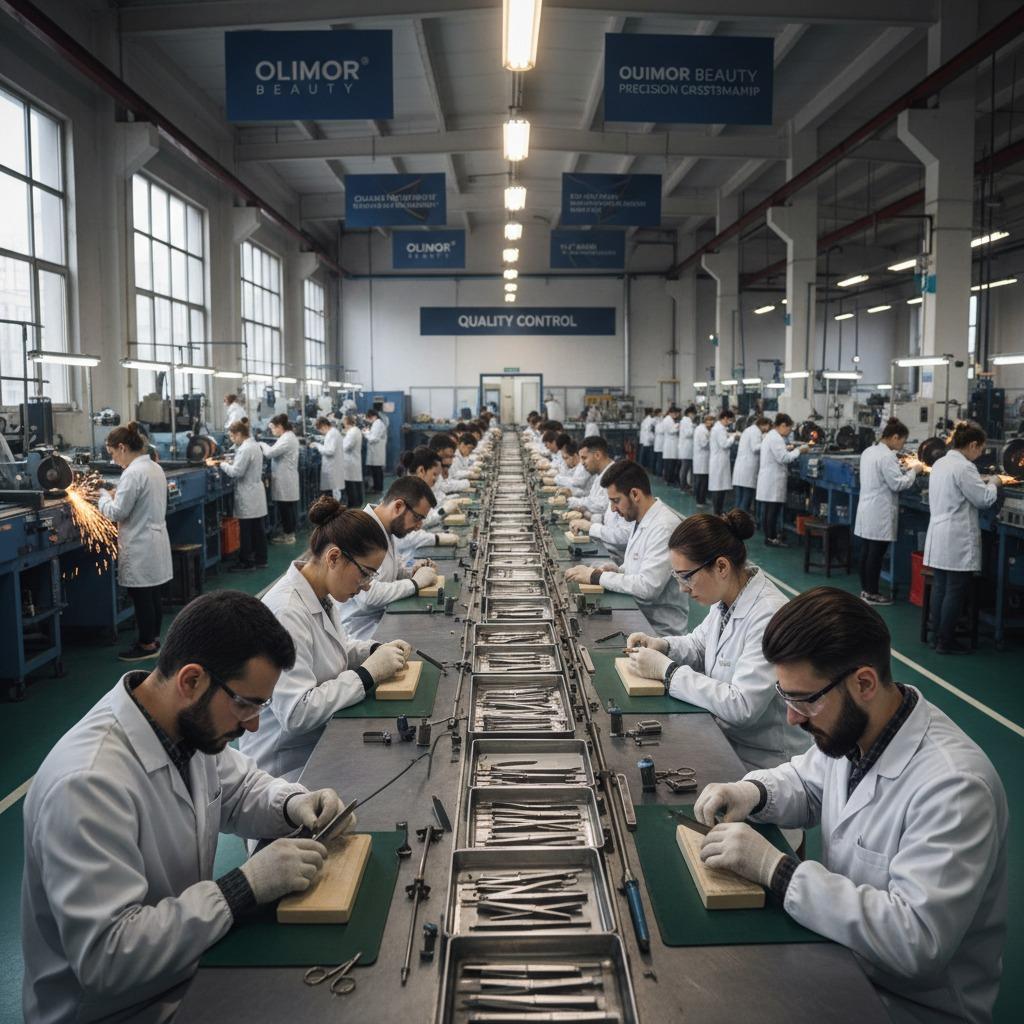
Quality assurance for tweezers should be practical and measurable. Buyers do not need to overcomplicate the process, but they should define the features that affect end-user satisfaction. A supplier should understand these points and be able to align production and inspection around them.
- Tip alignment: The tips should meet evenly for the intended application. Poor alignment can make brow shaping or lash placement difficult.
- Edge and point comfort: Tips should be functional without feeling rough, jagged or unsafe during normal cosmetic use.
- Arm tension: The tweezer should open and close smoothly. Excessive stiffness can fatigue the hand, while weak tension reduces control.
- Surface finish: The finish should be clean and consistent, with no obvious scratches, stains or rough areas that affect perceived value.
- Shape consistency: Straight, slant or pointed styles should match the approved sample and remain consistent across the order.
- Packaging condition: Retail packaging, protective sleeves or cards should protect the tool and arrive suitable for sale.
These checks are especially important for wholesale tweezers because the end customers may never interact with the exporter directly. The buyer’s brand carries the responsibility for the experience, so the purchasing team should set clear expectations for both tool performance and presentation.
Matching Tweezer Types to Real Use Cases
Before discussing customization, buyers should decide what the tweezer needs to do. A beauty retailer may require several styles, while a compact travel kit may need one versatile option. The right design depends on the use case, target customer and sales channel.
| Buyer need | Useful selection focus | Why it matters |
|---|---|---|
| Brow grooming | Slant tip, comfortable tension, stable grip | Helps users isolate and remove individual hairs with control. |
| Lash application | Fine control, smooth edges, lightweight handling | Supports precise placement without damaging delicate lash products. |
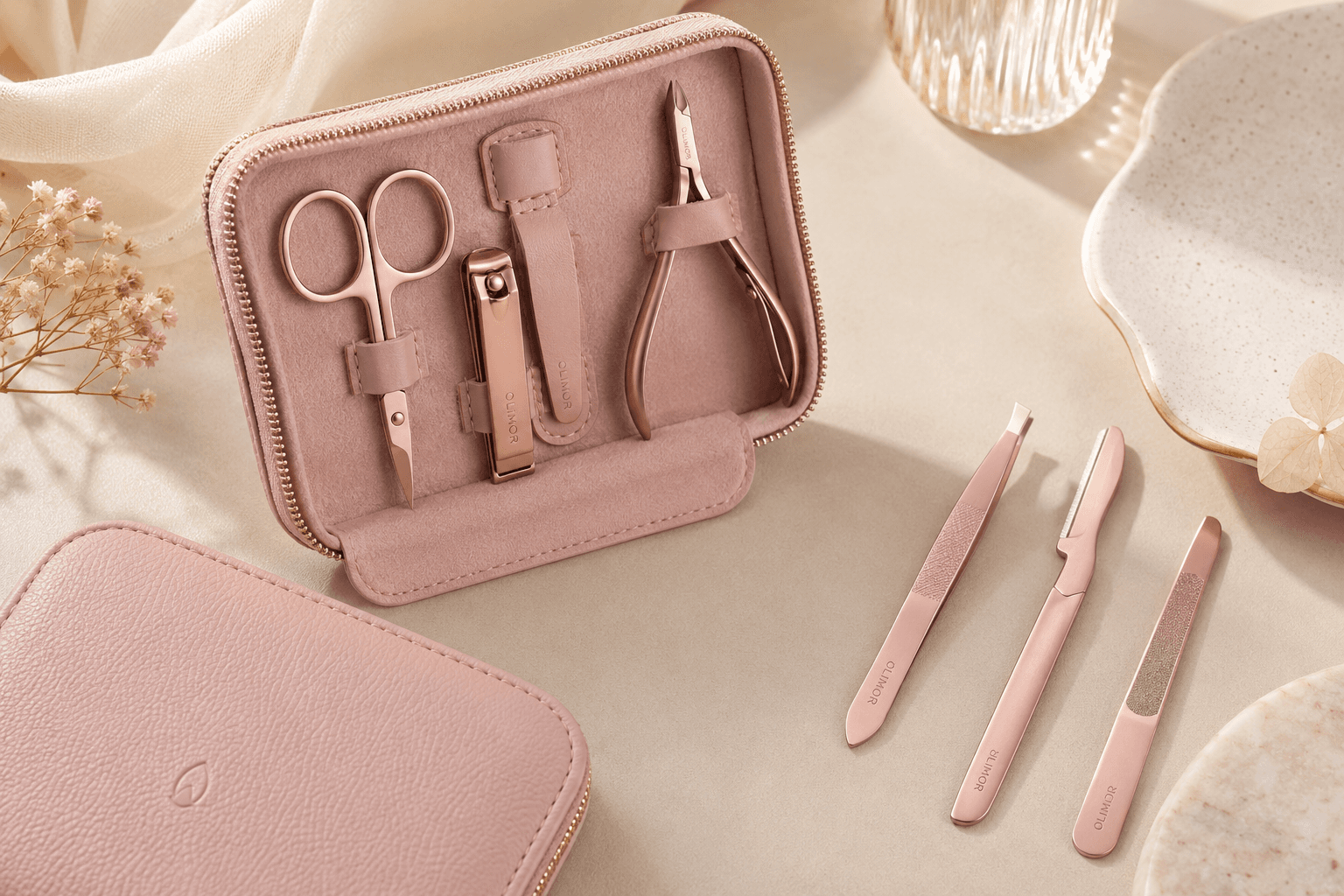
| Retail beauty set | Consistent color, finish and packaging | Creates a more cohesive shelf appearance and easier gift positioning. |
| Travel or promotional item | Protective cap or sleeve, compact packaging | Reduces damage and improves portability. |
| Private label program | Branding area, packaging artwork, repeatable quality | Helps maintain brand recognition across multiple sales channels. |
This type of use-case mapping helps buyers avoid choosing a product only because it looks attractive in a catalog. Appearance still matters, especially in beauty retail, but performance must match the customer’s reason for buying.
OEM/ODM Tweezers: What to Prepare Before Development
OEM/ODM tweezers can help a brand create a more distinctive product line, but customization works best when the buyer prepares clear direction. Instead of beginning with a broad request such as “make it premium,” define the required function, target customer and selling environment. This allows the supplier to respond with more relevant options and reduces repeated revisions.
Useful preparation includes reference images, preferred tip style, color direction, logo placement, packaging format and any market-specific labeling needs. If the tweezers will be sold as part of a kit, provide details about the other tools in the set so that size, color and packaging can be coordinated. Buyers can explore Olimor’s product collections to consider how different beauty tools may work together in a branded assortment.
For OEM/ODM projects, it is also important to separate design preferences from functional requirements. A matte finish, pastel color or printed logo may support brand identity, while tip alignment and tension affect performance. Both categories matter, but they should be reviewed through different approval steps. Visual samples confirm appearance; function checks confirm usability.
Packaging and Export Readiness
Packaging should protect the tweezer, support the brand and fit the sales channel. For e-commerce, the package must survive handling and still look presentable when received. For retail, the package may need to hang, stand or fit into a display. For wholesale distribution, carton organization and labeling can influence warehouse efficiency.
When comparing tweezers exporters, buyers should consider whether packaging discussions include the following:
- Protection: The tweezer tips should be protected from bending, rubbing or puncturing packaging during transport.
- Branding: Logo, color and artwork should be positioned where they remain visible and clean after packing.
- Product information: Labels and instructions should suit the target market and avoid unsupported claims.
- Carton planning: Inner and outer packing should be easy to count, store and inspect when received.
- Inspection access: Packaging should allow reasonable quality checks without causing unnecessary damage to saleable units.
Good packaging does not need to be overly complex. It needs to be appropriate for the product, the channel and the buyer’s handling process. A simple protective sleeve may be right for some programs, while a branded card or set box may be better for others.
Questions That Help Compare Tweezers Exporters
A strong supplier conversation should clarify capabilities without relying on vague claims. Buyers can use a structured checklist to compare exporters and keep internal sourcing decisions objective.
- What tweezer styles are available, and which applications are they best suited for?
- How are tip alignment, surface finish and tension checked during production?
- Can the supplier support OEM/ODM requirements such as color, logo and packaging development?
- What sample approval steps are recommended before bulk production?
- How are finished goods packed to reduce cosmetic damage during international shipping?
- What information is needed from the buyer to prepare an accurate quotation and development plan?
- How will product differences be documented if the order includes multiple styles or packaging versions?
These questions help purchasing teams identify whether a supplier is prepared for repeat orders, brand programs and international distribution. The goal is not only to find a low unit cost, but to reduce hidden costs from inconsistent quality, unclear packaging or delayed approvals.
Building a Longer-Term Beauty Tool Supply Plan
Many buyers begin with one tweezer order and later expand into sets, seasonal colors, salon accessories or other grooming tools. Planning for this early can make sourcing more efficient. If a brand expects to grow, it should consider whether future colors, packaging systems and product categories can share a consistent design language.
Olimor Beauty works with international beauty tool buyers who need practical sourcing support for product selection and customization. A focused inquiry should include the target market, intended use, estimated product mix, packaging expectations and any branding requirements. This gives the supplier enough context to recommend the next steps without unnecessary back-and-forth.
For buyers comparing tweezers exporter options or planning a private label beauty tool project, Olimor provides direct channels to discuss product needs. You can send an inquiry with your sourcing details or contact Olimor to start a conversation about suitable beauty tool solutions.
Final Takeaway for Buyers
The best tweezers exporter for your business is not simply the one with the most attractive product photo. Look for a partner that understands how small design choices affect performance, how packaging affects export condition, and how OEM/ODM decisions influence brand consistency. By defining use cases, inspection points and packaging needs before production, buyers can source tweezers with greater confidence and create a more reliable experience for their customers.
Tag: