How to Choose a Nail Clipper Exporter for Reliable Grooming Tool Sourcing
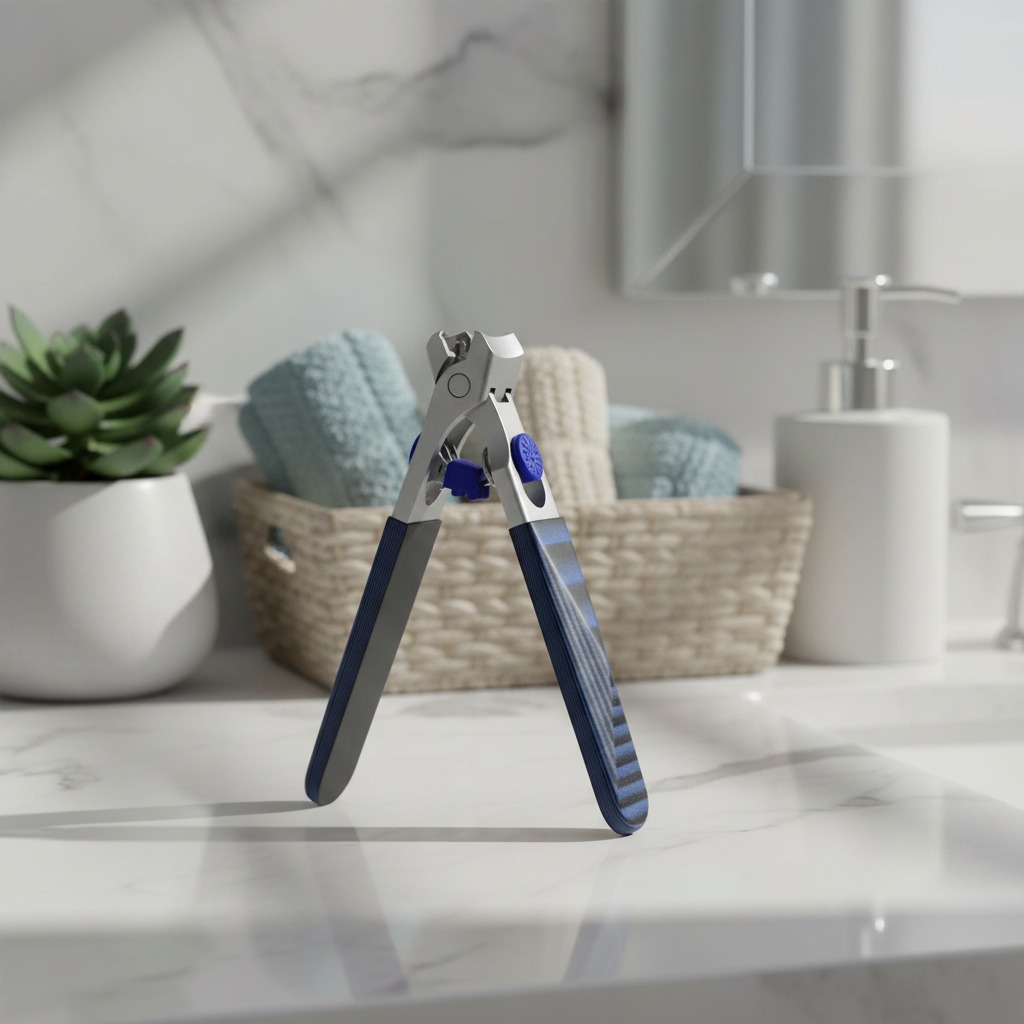
Choosing a nail clipper exporter is a product-quality decision, not only a price comparison. For importers, distributors, private label brands, pet grooming suppliers, salon channels and retail buyers, a nail clipper must cut cleanly, feel controlled in the hand, store safely and arrive in packaging suitable for the sales channel.
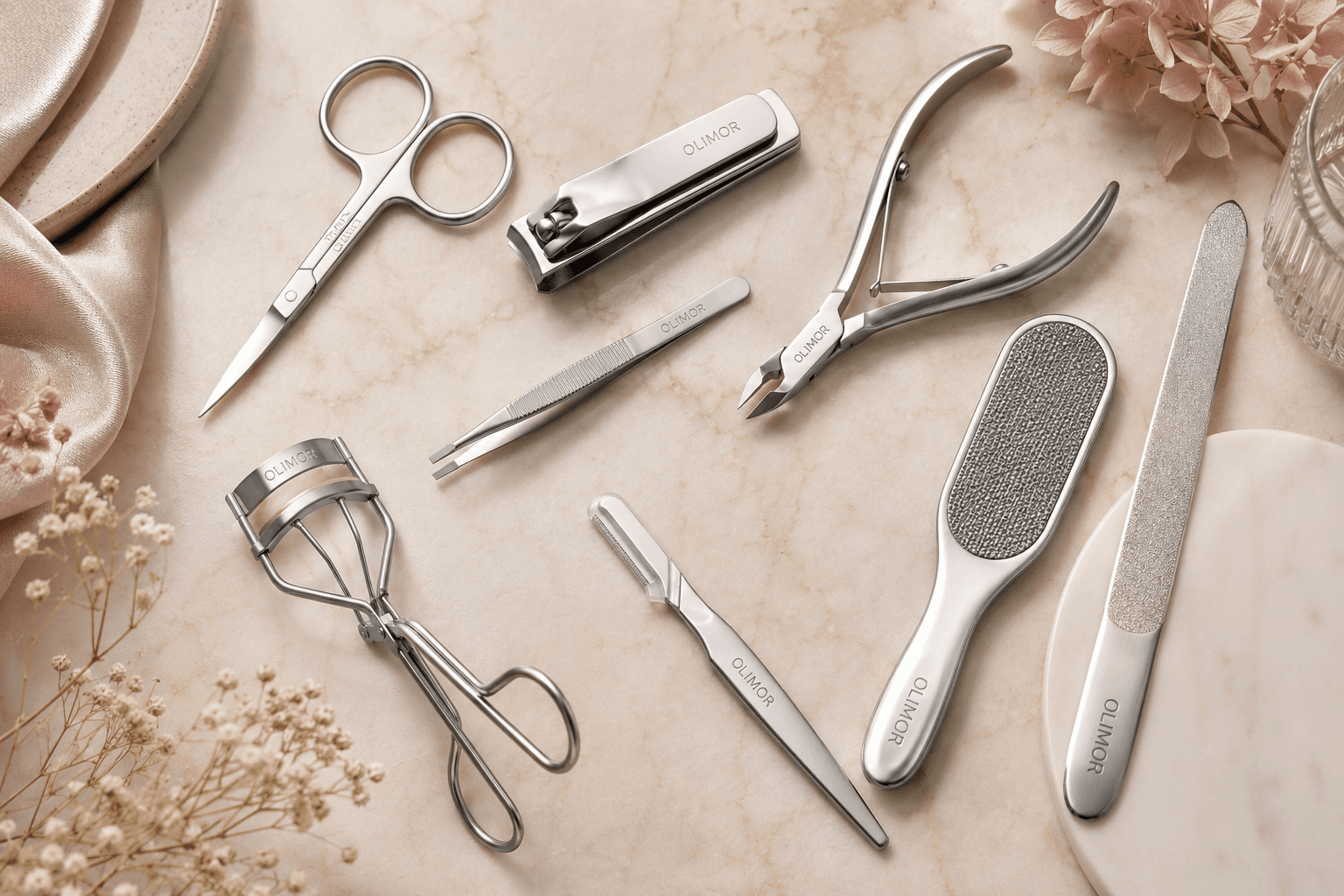
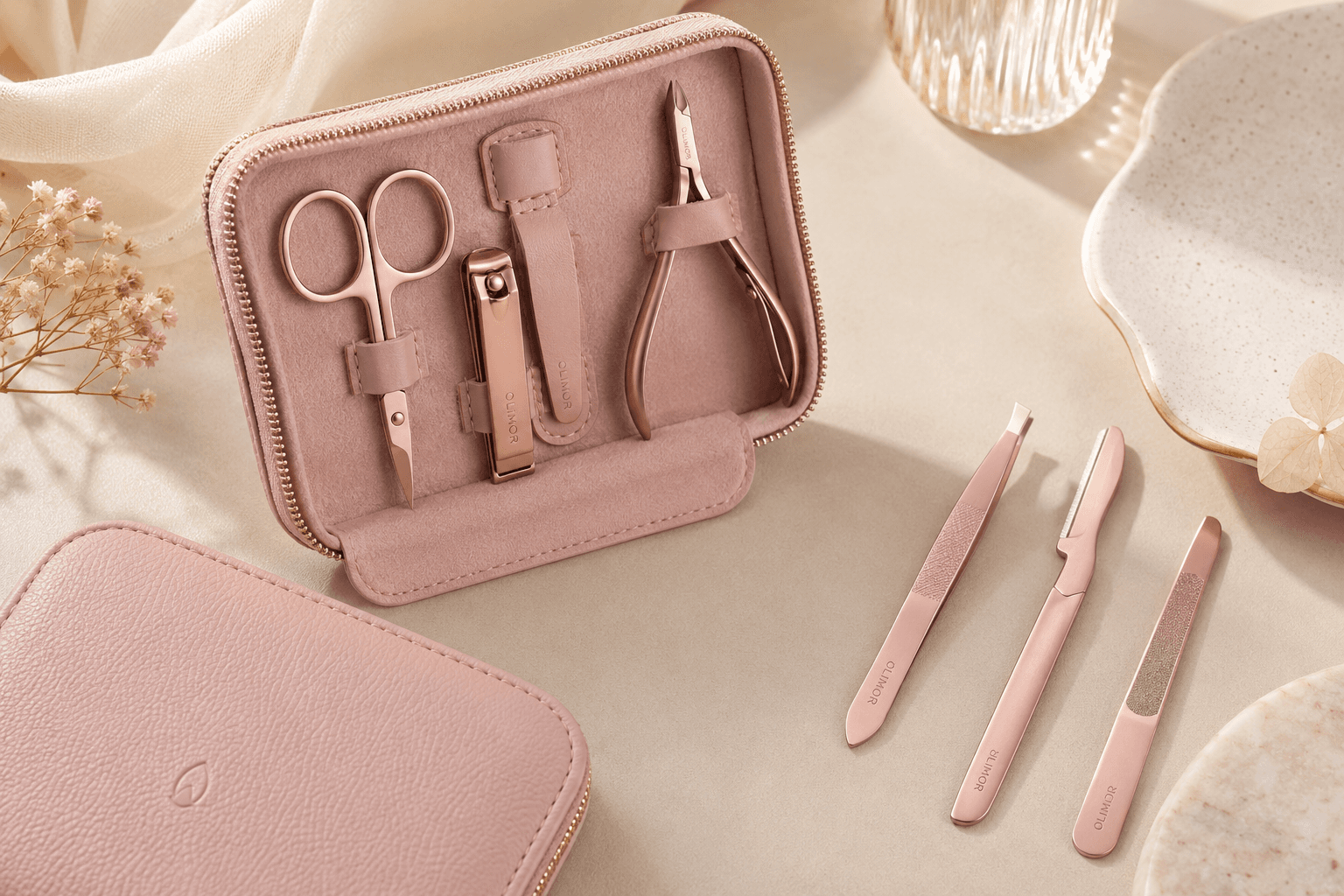
The most reliable sourcing approach is to evaluate the exporter through product evidence: blade material, edge alignment, lever or spring action, handle comfort, surface finish, packaging protection and inspection discipline. Olimor Beauty supplies beauty and grooming tools for professional and retail channels, including stainless steel nail clippers and pet nail clippers designed around practical handling. Buyers can review broader grooming and beauty tool options through Olimor product categories when building a coordinated assortment.
What a Nail Clipper Exporter Should Prove Before You Order
A good nail clipper exporter should be able to explain how the tool is made, checked and packed. Nail clippers look simple, but small defects can create major customer complaints. A dull or misaligned blade can crush the nail instead of cutting it. A rough edge can make the product feel cheap. A weak lock or unstable lever can make the tool harder to use and less safe to store.
For B2B buyers, the exporter should support three decisions: whether the sample performs well, whether production can remain consistent, and whether the product fits the target channel. A nail clipper sold in a pharmacy, travel kit, pet grooming line, salon supply catalog or manicure set may share the same basic function, but each channel has different expectations for size, presentation, comfort and perceived value.
Useful signs of a stronger exporter include clear product descriptions, willingness to discuss buyer requirements, realistic sampling steps, stable packing information and practical answers about material, blade alignment, handle fit and final inspection. Broad claims are less useful than a sample that performs consistently and a supplier that can describe the control points used from raw material review to final packaging.
Key Product Details to Compare in Nail Clipper Samples
The central function of a nail clipper is simple: it should trim the nail cleanly with reasonable pressure. The details below determine whether the tool can do that consistently in real use.
- Blade material: Stainless steel blades are commonly valued in grooming tools because they support clean cutting when properly formed, sharpened and aligned.
- Blade sharpness: The cutting edge should trim without tearing, crushing or leaving a jagged edge. Buyers should test more than one sample piece.
- Blade alignment: The upper and lower cutting edges should meet evenly. Misalignment often causes squeezing rather than cutting.
- Curved blade shape: For personal grooming, a curved blade can help follow the natural nail contour. For pet nail clippers, the blade form should support controlled trimming.
- Lever or spring action: A lever should move smoothly without looseness. A spring-loaded mechanism, often used in pet nail clippers, can help the tool reopen smoothly after each cut.
- Grip comfort: Ergonomic handling matters because the user needs control. Textured handles can help reduce slipping, especially during longer grooming sessions or when handling active pets.
- Storage lock: A lock helps keep blades closed when the tool is not in use, which is useful for home storage, travel kits and retail packaging.
- Surface finish: Edges, corners and contact points should feel smooth. Matte and glossy surfaces or color accents can improve shelf appeal, but they should not reduce grip or make cleaning harder.
- Portability: Compact construction can be valuable for travel bags, toiletry kits, retail impulse displays and daily grooming routines.
- Packaging fit: Packaging should protect the cutting area, hold the clipper securely and present instructions or feature information clearly.
Pet Nail Clippers Versus Personal Nail Clippers
Many exporters supply both pet grooming tools and personal care nail clippers, but buyers should not treat them as identical products. A pet nail clipper is used on an animal that may move suddenly, so control, grip texture, spring action and storage safety are especially important. A personal nail clipper may place more emphasis on compactness, curved blades, travel convenience and use in manicure sets.
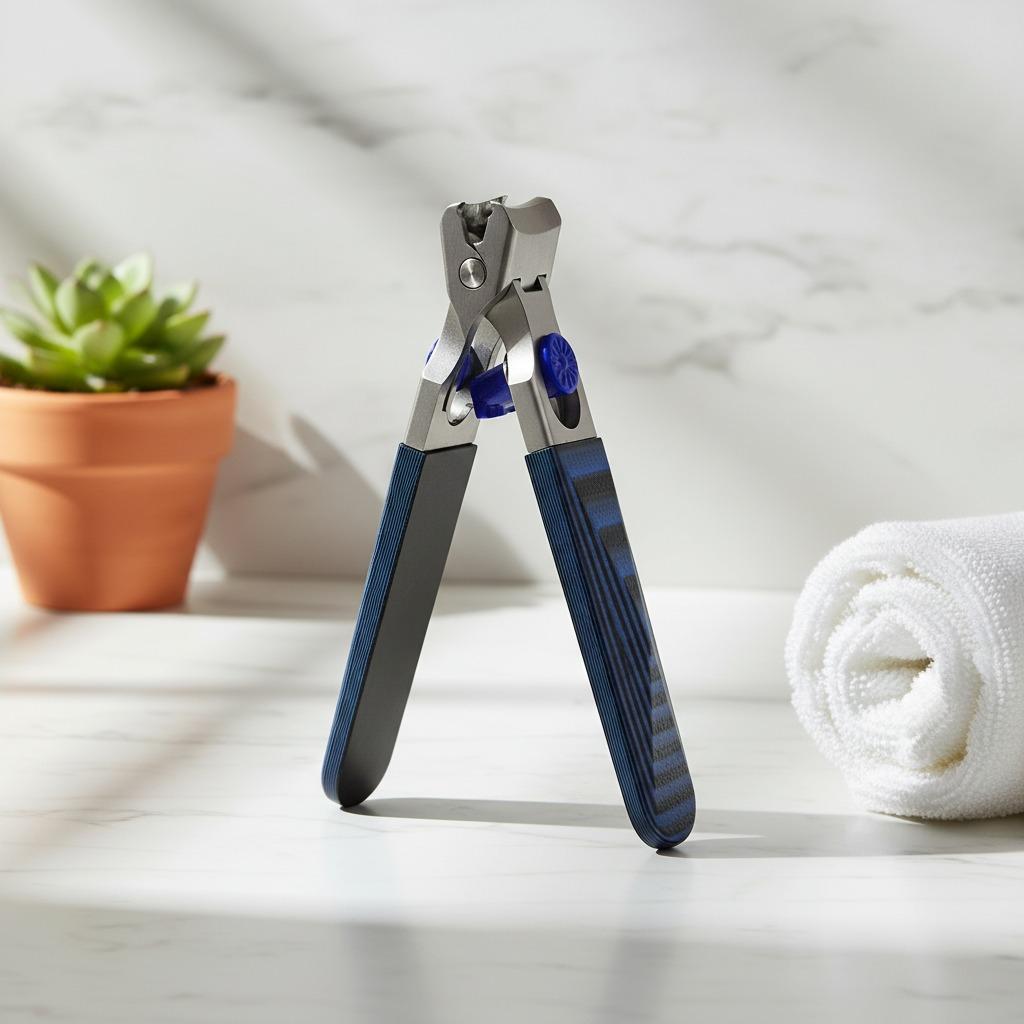
For pet grooming brands and salon supply distributors, the tool should help reduce the risk of cracking, crushing or over-trimming by giving the user stable handling and clean cutting action. Olimor pet nail clipper features described in product information include stainless steel blades, a spring-loaded mechanism, textured handles, a storage lock and a combination of matte and glossy surfaces with blue accent details. These are practical starting points for sample comparison, but the buyer should still verify performance across multiple samples.
For personal care and retail buyers, stainless steel construction, ergonomic design, sharp curved blades, rust-resistant materials and compact form are often important selection factors. The product may be sold individually, added to a manicure kit or positioned as a travel grooming item. In each case, the clipper should support the brand promise of clean, convenient trimming.
Comparison Checklist for Exporter Evaluation
A structured checklist helps purchasing teams compare nail clipper suppliers objectively. The goal is to move beyond photos and quotations into practical evidence.
| Evaluation Area | What to Check | Why It Matters for Buyers |
|---|---|---|
| Blade performance | Sharpness, edge contact, cutting consistency and visible burrs | Prevents crushing, rough cuts and customer complaints |
| Material and finish | Stainless steel parts, smooth surfaces, rust-resistance expectations and clean finishing | Supports product durability, perceived value and suitability for humid bathrooms or travel bags |
| Handling | Lever movement, spring action, grip texture, hand comfort and control | Improves usability for home users, groomers and salon staff |
| Safety and storage | Lock function, blade closure, packaging retention and user instructions | Helps protect the tool during storage, shipping and retail display |
| Customization | Color, logo placement, finish, packaging format and instruction content | Allows private label differentiation without unnecessary structural risk |
| Quality control | Raw material checks, alignment checks, function review, appearance inspection and final packing review | Reduces variation between samples and bulk production |
| Supplier communication | Clear answers, realistic sampling, documented requirements and packing details | Improves repeat-order reliability and reduces sourcing misunderstandings |
How to Match Nail Clippers to Your Sales Channel
The right nail clipper specification depends on where and how the product will be sold. A low-cost channel still needs acceptable cutting performance because a nail clipper is a functional item. A premium channel requires stronger hand feel, cleaner presentation and more careful finishing. A gift set requires consistency across all included tools so the clipper does not weaken the value of the set.
Retail, Pharmacy and General Merchandise
Retail buyers usually need dependable quality, simple feature communication and packaging that displays the clipper neatly. The product should be easy for shoppers to understand quickly: stainless steel blades, ergonomic handling, compact storage or travel-friendly form may be relevant depending on the line.
Pet Grooming Brands and Salon Suppliers
Pet grooming buyers should focus on grip security, spring-loaded reopening, blade alignment and storage locks. Pet nail trimming can be stressful for both the animal and the person holding the tool. A stable handle and predictable cutting feel can make the process easier to control.
Private Label and E-Commerce Sellers
Private label buyers often need a proven structure with practical changes such as handle color, surface finish, logo presentation, package format and instruction content. E-commerce sellers should also consider clear product photography, concise feature copy and packaging that protects the product through parcel handling.
If you are developing a wider grooming range rather than sourcing one item, browsing Olimor beauty and grooming tool collections can help compare product categories, presentation styles and assortment direction.
Custom Nail Clippers: Useful Options and Sensible Limits
Custom made nail clippers can help a brand stand out, but customization should be guided by function. The safest and most common discussions usually involve handle color, surface finish, logo position, packaging type and instruction content. These changes can support brand identity without necessarily changing how the tool cuts.
More complex changes, such as altering the handle structure, blade form, spring system or lever geometry, require closer evaluation. Structural changes may affect comfort, cutting feel, production consistency or packaging fit. A responsible exporter should explain which changes are practical and which changes add risk without meaningful buyer benefit.
Before approving custom work, define the user clearly. A home pet owner may value a secure storage lock, simple use guidance and comfortable grip. A professional groomer may prioritize repeated use, clean cutting and steady handling. A travel product buyer may care most about compact size and protected packing. A private label retail buyer may focus on consistent color, smooth finish and shelf presentation.
Sample Testing Process for Importers and Distributors
Sampling should be structured. A single attractive product photo cannot show cutting feel, hinge stability, spring response or edge consistency. Buyers should inspect several sample pieces when possible and record findings in a consistent format.
- Inspect appearance first. Look for scratches, burrs, rough corners, uneven surfaces, loose parts and poor symmetry.
- Open and close the tool repeatedly. The lever or spring should feel smooth, stable and controlled, not loose or excessively stiff.
- Check blade contact. Hold the clipper toward light and confirm that cutting edges meet evenly.
- Test cutting performance. Evaluate whether the clipper cuts cleanly and whether it requires excessive pressure.
- Review grip comfort. Ask users with different hand sizes to handle the clipper, especially for pet nail clippers and professional grooming tools.
- Assess lock and storage. Confirm that the lock engages securely and does not interfere with normal trimming.
- Check packaging protection. Make sure the clipper is held securely and protected from scratches or movement during shipping.
- Compare consistency. Testing only one piece can hide variation. Several samples give a better view of production control.
Quality Control Questions to Ask a Nail Clipper Exporter
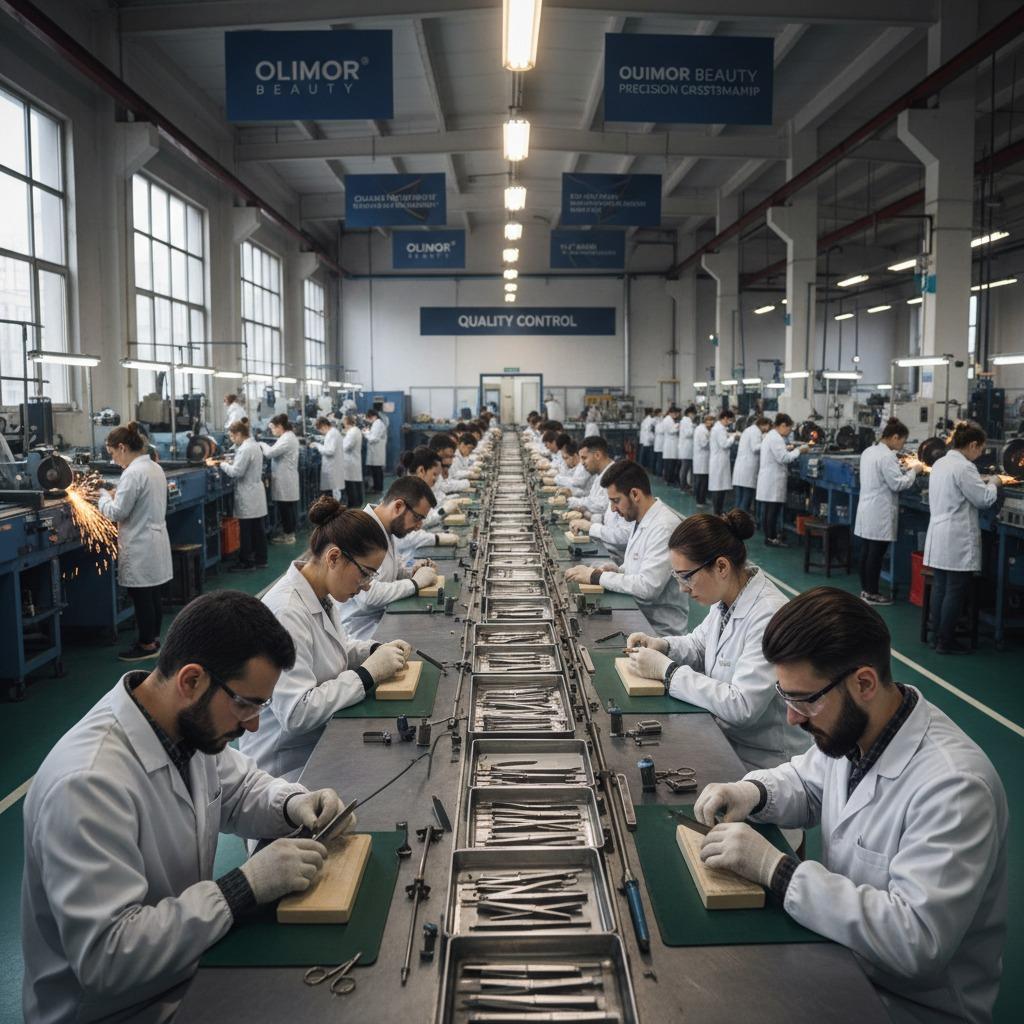
Quality control should be discussed before an order is placed. The exporter should be able to describe how it checks materials, blade alignment, cutting function, handle assembly, surface finish, locking action and final packaging. Olimor Beauty product information notes quality checks from raw materials to final packaging, which is the type of control point buyers should discuss during sourcing.
Practical questions include: How are incoming materials reviewed? How is blade alignment checked? What functional checks are performed before packing? How are appearance defects classified? How is packaging confirmed for retail or shipment protection? Can custom colors, logos or packaging be confirmed before bulk production? These questions help convert a general quotation into a controlled purchasing process.
Where regulatory or customer compliance matters, buyers should verify the applicable version of relevant standards and request supplier documentation. For example, ISO 9001 is a widely recognized quality management framework, and EU REACH may be relevant when products or packaging are sold into the European market. Mentioning these frameworks does not mean every supplier or product is certified or compliant by default; buyers should confirm the exact requirement, market, version and supporting documents for their own order.
Cost Factors Without Chasing the Lowest Quote
Nail clipper pricing is influenced by more than the base tool. Material selection, blade finishing, surface treatment, handle construction, spring or lock design, logo method, packaging format, inspection requirements and order complexity can all affect cost. The lowest quotation may become expensive if it leads to inconsistent cutting, weak packaging or high return rates.
A better approach is to ask exporters for comparable quotations based on the same specification. Include material expectations, finish, packaging, logo needs, sample requirements and inspection points. This makes supplier comparison more meaningful and reduces the risk of choosing a cheaper product that does not meet the channel requirement.
When Olimor Is a Suitable Supplier to Discuss
Olimor Beauty is relevant for buyers looking for stainless steel nail clippers, pet nail clippers and related grooming tools for retail or professional channels. The strongest fit is a buyer who wants practical product discussion around blade function, ergonomic handling, packaging presentation, customization options and quality checks rather than a one-line price quote.
To move from evaluation to a project discussion, prepare your target channel, expected customization, packaging preference and any documentation needs. You can send specifications through the Olimor inquiry page or contact the team through Olimor contact support for sourcing questions.
FAQ
Can I request nail clipper samples before placing an order?
Yes, sampling is a normal and important step. Buyers should use samples to check blade alignment, cutting feel, handle comfort, lock function, finish and packaging before confirming a bulk order.
Can nail clippers be customized for private label programs?
Customization may include handle color, surface finish, logo presentation, packaging format and instruction content. Structural changes to the blade, handle or spring system should be reviewed carefully because they can affect product performance and consistency.
What quality checks should I ask about?
Ask about raw material review, blade alignment, cutting function, lever or spring action, storage lock performance, surface appearance and final packaging checks. Also confirm how the supplier records and communicates requirements before production.
How should I compare MOQ, price and lead time between exporters?
Do not compare only the lowest unit price. Request quotations using the same specification, packaging, customization and inspection expectations. MOQ and lead time can vary by product structure, customization level and production schedule, so buyers should confirm these details directly for each project.
Tag: