

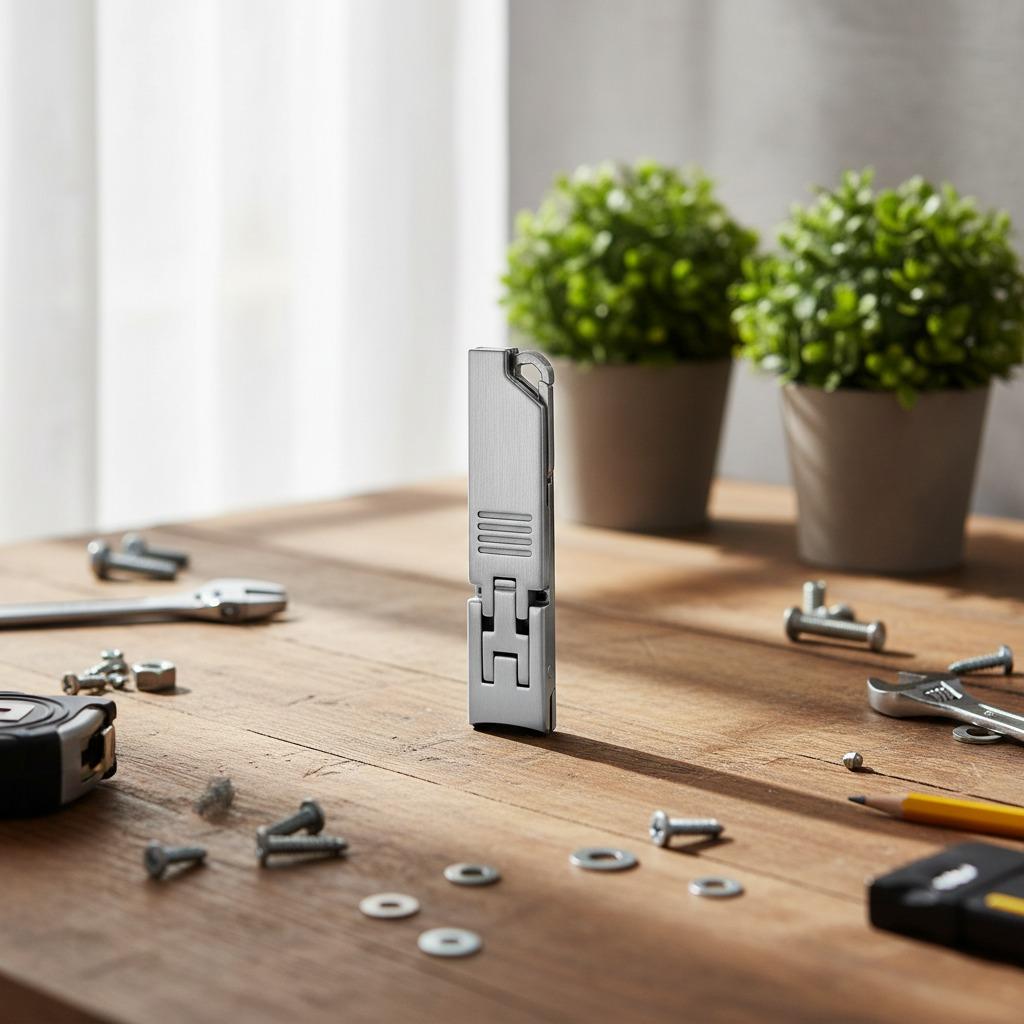
How to Choose Nail Clipper Exporters for Retail Grooming Lines
Finding the right nail clipper exporter is not only about locating a factory that can ship grooming tools. For retailers, distributors, salon suppliers and private label buyers, the real goal is to secure a nail clipper that cuts cleanly, feels stable in the hand, survives repeated use and arrives in packaging that fits the sales channel. A low-quality clipper can create customer complaints quickly: jagged edges, weak leverage, loose pivots, rust spots or packaging damage all affect the buyer’s trust in your grooming range.
Olimor Beauty supplies nail clippers and related beauty tools for buyers who need consistent, export-ready grooming products. When comparing potential suppliers, it helps to look beyond broad claims such as “high quality” and evaluate the details that determine whether a clipper is suitable for daily home grooming, travel kits, salon resale or promotional sets.
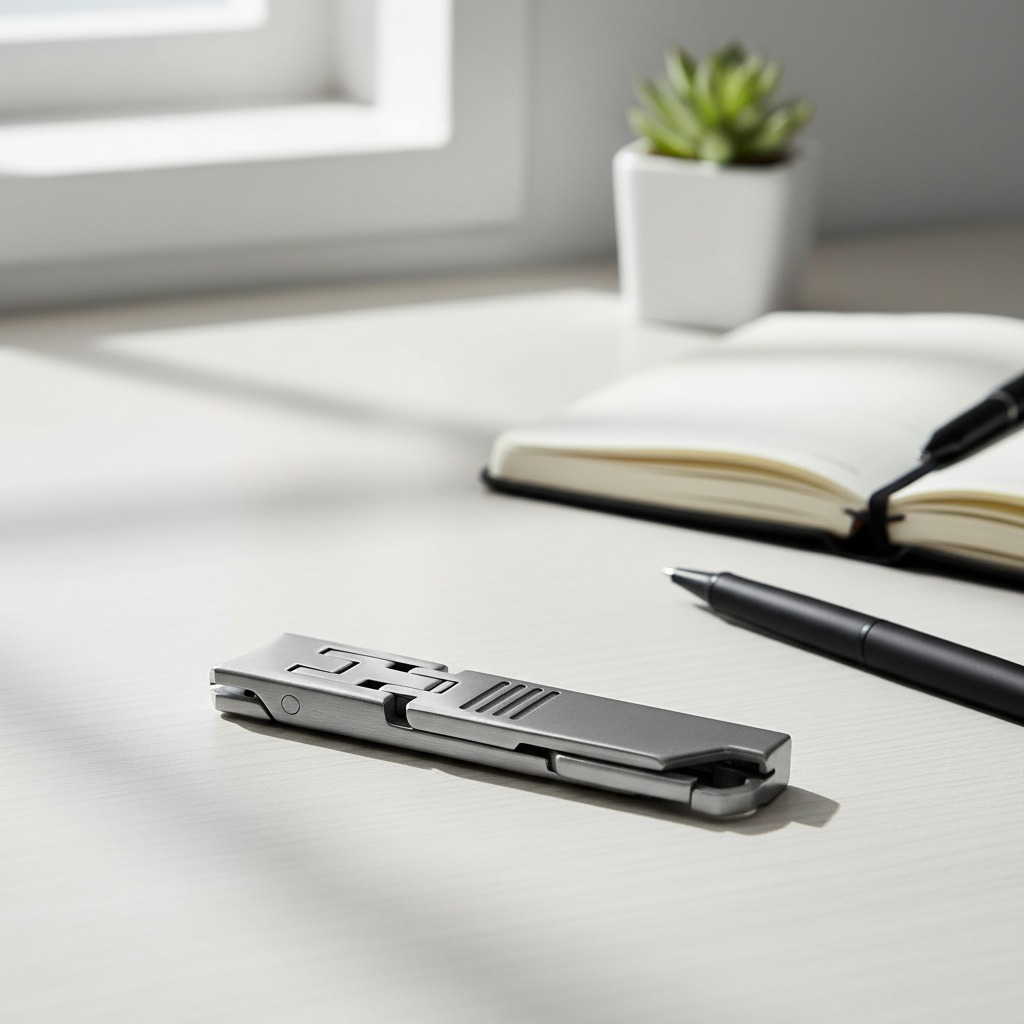
What Makes a Nail Clipper Exporter Worth Shortlisting?
A dependable nail clipper exporter should be able to discuss the product from both a manufacturing and user-experience perspective. Nail clippers look simple, but small differences in the jaw alignment, lever tension, cutting edge and surface finishing can change the way the tool performs. A buyer should expect clear communication about material options, sample review, packaging requirements and inspection points before placing an order.
For many importers, the most useful first step is to define the end market. A compact clipper for travel retail may require different packaging and a different grip profile than a nail clipper intended for a premium manicure set. Professional and salon-adjacent channels often put more emphasis on smooth cutting and a clean finish, while promotional buyers may focus on value, safe handling and logo presentation. An exporter that understands these differences can help narrow the sourcing conversation and reduce avoidable revisions.
Olimor Beauty focuses on practical beauty tools, including stainless steel nail clippers designed for everyday grooming use. Buyers reviewing beauty tool products can compare nail clippers with other grooming items to build a coherent retail offer rather than sourcing each item in isolation.
Key Product Checks Before Ordering Nail Clippers
Before choosing a supplier, request samples and review them in the same way a customer would use the final product. A nail clipper should not require excessive pressure, slip during use or leave crushed nail edges. The lever should open and close smoothly, and the jaws should meet evenly across the cutting surface. If the clipper includes a fold-out file or another compact feature, the accessory should sit securely without feeling loose or sharp at unintended edges.
Use the following checklist during sample evaluation:
- Cutting alignment: The upper and lower blades should meet cleanly without visible gaps or offset edges.
- Lever action: Pressing the lever should feel controlled, not flimsy, overly stiff or unstable.
- Edge finish: The cutting edge should be sharp enough for a clean trim but finished safely for handling.
- Surface quality: Check for burrs, scratches, uneven polishing, discoloration or areas that may collect residue.
- Grip and ergonomics: The clipper should be easy to hold, especially when used with one hand.
- Accessory stability: If the design includes a file or multi-tool feature, it should fold and store neatly.
- Packaging fit: The clipper should remain secure in its retail card, pouch, box or insert during transport.
These checks are simple, but they help buyers avoid one of the most common sourcing mistakes: approving a product based only on appearance. Nail clippers are functional tools, and repeat purchase depends on how they perform after the package is opened.
Material, Finish and Cutting Feel
The original appeal of stainless steel nail clippers is practical: the material is widely used for grooming tools because it supports durability, a clean surface and a polished appearance. However, the words “stainless steel” alone do not tell the full story. Buyers should review how the finished clipper feels and whether the surface treatment matches the intended price point. A smooth polish may be suitable for a classic retail item, while a matte or textured area may improve grip depending on the design.
Cutting feel is equally important. A clipper with poor leverage can make trimming uncomfortable, especially for thicker nails. A clipper with misaligned jaws may bend the nail before cutting it. For retail buyers, this is where sample testing becomes more useful than a specification sheet. Test multiple samples from the same batch if possible, because consistency matters as much as a single good sample.
When comparing nail clipper exporters, ask for a clear description of the inspection flow used for cutting performance, surface condition and packaging. It is not necessary for every buyer to become a manufacturing expert, but it is important to know whether the supplier treats nail clippers as precision grooming tools rather than generic metal items.
Packaging and Retail Presentation for Export Orders
Packaging should protect the product and support the sales environment. A nail clipper sold online may need packaging that prevents movement and surface scratches during parcel delivery. A clipper displayed in a store may need clean front-facing presentation, readable product information and a secure hanging or carded format. A clipper included in a grooming kit may require an insert, sleeve or pouch that keeps each tool separate.
Consider the following packaging questions early in the sourcing process:
| Decision Area | Why It Matters | Buyer Check |
|---|---|---|
| Retail format | Different channels need different presentation and protection. | Confirm whether the item is for shelf display, e-commerce, sets or travel kits. |
| Product retention | Loose tools can scratch, rattle or damage packaging. | Check whether the clipper stays fixed after shaking or transport simulation. |
| Branding space | Private label or distributor packaging needs clear visual hierarchy. | Review logo placement, product name area and barcode position. |
| Information layout | Customers need basic use, care and safety information. | Ensure text is legible and appropriate for the target market. |
Packaging decisions can affect lead time, cost and compliance review, so they should not be left until the final stage. Buyers can also review related product collections to decide whether nail clippers should be sold as individual grooming tools or combined with other personal care items.
Quality Control Questions That Help Reduce Risk
Quality control for nail clippers should cover more than visual appearance. A practical inspection plan may include checks for cutting function, lever movement, jaw alignment, surface finish, accessory movement, packing quantity and carton condition. The inspection standard should reflect the final market: a budget travel clipper and a premium grooming set may not share the same cosmetic tolerance, but both must be safe and functional.
Buyers should define what is acceptable and unacceptable before production. For example, minor packaging scuffs may be handled differently from a blade alignment issue. Functional defects should receive particular attention because they directly affect user satisfaction. If private label packaging is involved, print accuracy and barcode readability should also be included in the review.
A good supplier conversation includes sample approval, pre-production confirmation and final packing expectations. This does not require complicated language; it requires clear agreement. If your team is planning a new order or comparing options, you can send an inquiry with your target channel, preferred packaging and any sample requirements.
Choosing a Supplier for Long-Term Grooming Tool Sourcing
The best nail clipper manufacturer for your business is the one that matches your product positioning, quality expectations and communication needs. Some buyers prioritize compact, affordable clippers for travel sets. Others need a more polished stainless steel grooming tool for retail shelves. Some are building a wider nail care range and need product consistency across clippers, files, tweezers and related beauty tools.
When comparing nail clipper exporters, look for practical evidence of reliability: organized sample feedback, willingness to discuss finishing details, clear packaging communication and consistent answers about production controls. Avoid making the decision only on the lowest unit price, because problems with cutting performance, packaging damage or inconsistent finish can cost more than the original savings.
Olimor Beauty works with buyers seeking export-ready beauty tools and grooming products. For nail clippers, the focus should remain on the fundamentals: stainless steel construction, smooth operation, careful finishing, ergonomic handling and packaging that suits the market. If you are preparing a sourcing brief, include the intended sales channel, target customer, packaging style, logo needs and quality priorities. This gives the supplier enough context to recommend a suitable direction without guessing.
For direct support with nail clipper sourcing or to compare grooming tool options, contact Olimor. A clear brief and a careful sample review will help you select a nail clipper that fits your retail plan and gives end users a dependable daily grooming tool.
Tag: